

The Unspoken Rules Of Brunch: Why Most Advice Misses The Mark

Brunch Is Not About Looking Good At Brunch
You’re reading this because you’re worried that what you wear signals something about your status or taste to people you’ll never see again. Here’s the mechanism: brunch outfit advice fails because it treats the meal as the event when the outfit is actually the performance. The food is secondary. The Instagram angle, the lighting, the two-hour window of social visibility—that’s what you’re dressing for. Most guides treat brunch like a casual meal. It’s not. It’s a staged photo opportunity with mimosas.
The common advice tells you to “keep it comfortable” or “stay casual.” That’s incomplete. Comfort that reads as indifferent gets ignored. You need clothes that signal intention without screaming effort. The gap between those two states is where real brunch outfit strategy lives. Your outfit communicates whether you showed up or whether you happened to be nearby. The difference matters more than fabric choice or color coordination.
The Confidence Mechanism Behind Effortless Style

Effortless style isn’t about having fewer opinions—it’s about making decisions that align with a single coherent identity instead of chasing what worked last week. Psychology calls this cognitive consistency: when your actions match your stated values, you project certainty. Your outfit either reinforces who you claim to be or exposes the gap between the two. People read inconsistency as anxiety. Consistency reads as confidence, even when the outfit itself is simple.
The real move is constraint, not liberation. Pick a narrow lane: minimalist with intentional jewelry, vintage-leaning with modern shoes, business casual with a single irreverent element. Stay there. When you stop negotiating with yourself about what you’re wearing, other people stop negotiating with your credibility. Your outfit becomes a statement of conviction rather than a plea for acceptance. That conviction is what lands.

The “Adaptive Wardrobe” Protocol: All Season Readiness For Outfits Mid Size Women

Layering As Strategic Temperature Control
You’re worried that layering will make you look bigger. That’s the real concern here, and it’s backwards. Layering is physics applied to clothing: you’re creating insulation zones you control independently, not one heavy garment that commits you to a temperature. Start with a fitted base layer in a smooth fabric that doesn’t bunch. Add a mid-weight piece you can remove or tie at the waist. This isn’t decoration. This is tactical flexibility that lets you move between indoor AC and outdoor heat without your outfit falling apart.
The mechanism that makes this work is proportion stacking, not volume addition. A thin long-sleeve tee under a sleeveless dress reads as intentional structure, not padding. A linen button-up worn open over a fitted tank creates vertical lines that move the eye up and down, not across. The key is making each layer visible and distinct, not hidden. When pieces are stacked invisibly, they read as bulk. When they’re clearly separate, they read as design.
Fabrics That Move With Temperature, Not Against It
Everyone says to “choose breathable fabrics” for brunch. That’s incomplete advice. The real distinction is between fabrics that regulate moisture and fabrics that trap it. Cotton absorbs sweat and holds it against your skin. Linen moves moisture away from the body fast. Silk blends with stretch keep their shape without clinging. For mid-size frames, moisture management matters more than lightness because visible sweat ruins fit in ways thin fabric alone won’t solve.
Select fabrics based on the season’s humidity level and your specific venue. Spring brunches often mean unpredictable temperature swings, so reach for cotton blends or linen that handle both heat and cool without bunching at seams. Summer demands pure linen or performance blends. Fall and winter allow heavier cotton blends and structured wools that won’t pill. The protocol is simple: match the fabric’s moisture behavior to your climate’s weather pattern, not to generic “season rules.”
Mid Size Spring Outfits 2026: The Transition Masterclass
Layering For Unpredictable Weather
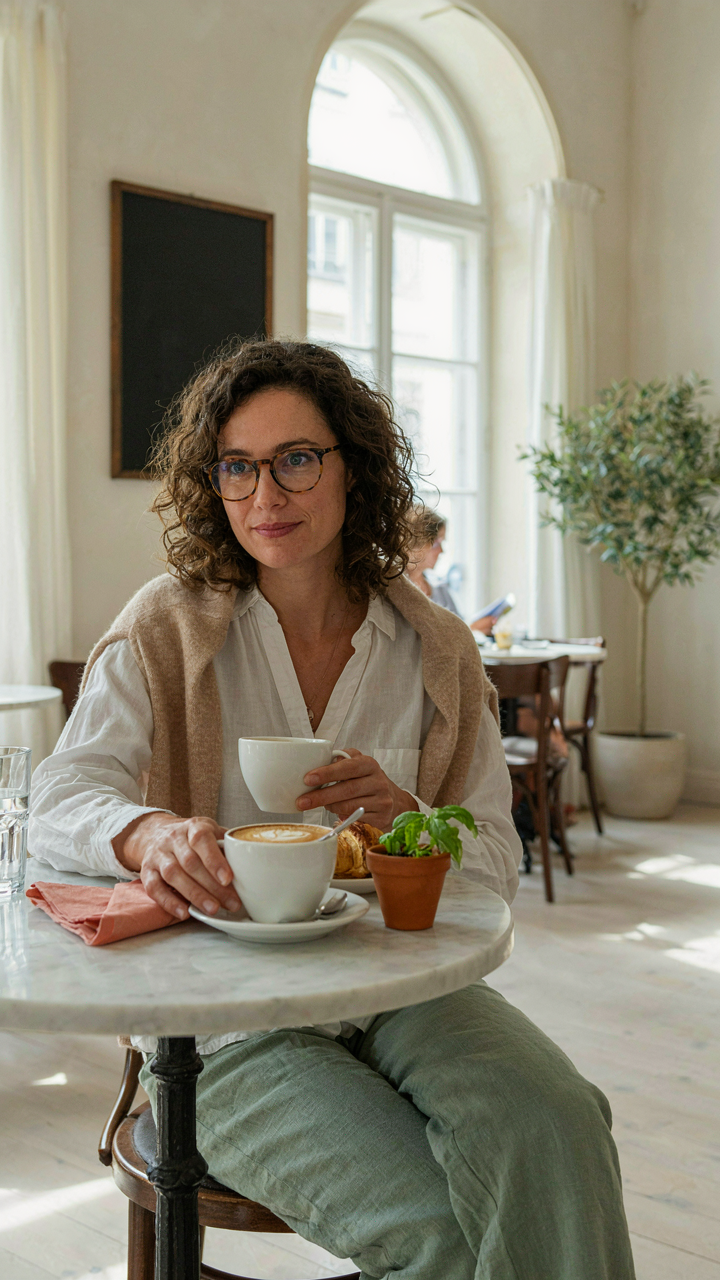
You’re anxious about looking underdressed or overdressed because you haven’t locked in the temperature yet. Spring demands a system, not a guess. Think of layering like load-bearing architecture: each piece carries weight independently but creates stability only when stacked right. A structured linen shirt over a fitted tank isn’t decoration. It’s functional redundancy. You remove the shirt indoors, keep it slung over your chair at brunch, and the tank holds its own. The shirt itself becomes a visual anchor that reads intentional, not like you forgot what season it is.
Your base layer should be a fitted, breathable fabric that doesn’t wrinkle aggressively. Cotton blends work. Your mid layer picks up the color or pattern. Your outer layer is always neutral and easy to shed. This three-piece logic eliminates decision fatigue on cold mornings. You grab all three, and you’re covered from 50 degrees to 65 degrees. The mechanism is simple: don’t choose based on how you feel leaving your apartment. Choose based on where brunch happens. Indoor venues stay warm. Outdoor patios don’t. Stack accordingly.
Color Palettes That Anchor Spring Without The Clichés
The standard spring palette advice is pastels and florals, which is incomplete thinking that leads to looking like everyone else’s Instagram. Spring light is actually harsher and brighter than fall light, which means muted tones flatten faster. Consider color theory from fashion design: saturation levels determine visual weight and mood. Mid-tone saturated colors hold their shape in spring sunlight better than low-saturation pastels. Sage green, warm taupe, clay red, and butter yellow punch harder than blush pink or baby blue. They photograph better. They age better in your camera roll.
The real move is anchoring with one saturated mid-tone and pairing it with either white or a deeper neutral. Sage linen trousers with a white tucked-in button-up reads expensive and intentional. Clay-toned sweater with cream pants feels cohesive without trying. The secondary color does the heavy lifting while your eye stays on proportion and fit. Don’t layer multiple pastels hoping they’ll harmonize. Pick one statement color and let it breathe. This strategy works across body types because it’s about visual clarity, not trends that rotate quarterly.
Mid Size Summer Outfits 2026: Engineered For Comfort And Impact

Wear Less, Command More
You want people to notice you without sweating through your clothes. That’s the real tension. The mechanism here is thermal load: in thermodynamics, reducing surface area and coverage lowers the energy your body must dissipate. Apply that to summer brunch. Fewer layers mean faster evaporation, lower core temperature, and zero visible sweat marks. Stripped-down silhouettes also force every piece to earn its place. There’s no visual noise to hide behind.
The common advice says “wear a light linen shirt.” That’s incomplete. Summer outfits that work operate on subtraction, not substitution. A single fitted tank in cotton or linen, paired with high-waisted shorts or a midi skirt, does more work than layering. The fit matters more than the fabric. You’re not trying to hide your body. You’re trying to build proportion and structure with air between you and the material.
Breathability Meets Cut
Linen and cotton are real, not marketing terms. Both fibers pull moisture away from skin through capillary action. Linen moves water faster than cotton, which is why it wrinkles and why high-end brunch venues see it as the material choice. Tailored fits beat loose cuts because loose fabric traps heat in dead air pockets against your body. Tight fabric lets air move over skin. The fit is the cooling mechanism.
Pick structured pieces that skim your shape without clinging. A tailored linen button-up worn open over a simple tee creates visual interest and airflow. High-waisted trousers in cotton twill keep you cool while reading as intentional and composed. The precision of the cut signals that you made a decision, not that you grabbed whatever was comfortable. Wear pieces that fit your actual frame, not one size too large to “breathe.”
Autumn Aesthetics: The “Strategic Silhouette” For Styles For Mid Size Women

Build Form With Intentional Pieces
You’re reading this because you’re tired of looking formless in autumn brunch photos. The real mechanism: structure beats size. Tailoring creates visual hierarchy that your body shape alone cannot. A structured blazer, fitted at the waist, does the work a loose sweater never will. It defines your form without adding volume. The seams tell the story, not the fabric quantity. Autumn’s heavier materials give you permission to add real architecture to your silhouette.
Forget the advice about “dressing for your body type.” That’s lazy framing. What actually works is choosing pieces with intentional seams, darts, and fit points that hit your natural proportions. A midi skirt with a defined waistband paired with a tucked-in top creates visual segmentation. Cardigans with waist definition work better than open drapes. The goal is making your outline readable from across the room. Choose one structured piece as your anchor, then let everything else follow its lead.
Depth Through Smart Material Choices
Texture is physics applied to fabric. Volume creates the illusion of mass without adding actual size, but you need the right material doing it. Autumn fabrics like corduroy, knit blends, and linen-cotton have enough weight to hold their shape without clinging or billowing. A textured knit sweater over a smooth silk camisole creates visual interest without stacking bulk on your frame. The contrast reads as intentional, not accidental.
Layer strategically by swapping density, not just color. A smooth ponte blazer over a chunky knit works because the smooth piece frames the texture. A ribbed turtleneck under a suede vest creates surface variation that draws the eye. These combinations work because they guide attention to specific parts of your silhouette instead of letting it blur together. Audit your autumn pieces for material weight and finish, then pair opposing densities to build dimension without expanding your visual footprint.
Winter Wardrobe Wisdom: The “Thermal Efficiency” Model

Insulation Without The Bulk
You’re worried you’ll look stuffed into a parka at brunch. That fear kills most winter outfit attempts before they start. Thermodynamics teaches us that insulation works by trapping dead air space, not by adding mass. Apply this directly: merino wool base layers trap air while staying thin enough to layer under a fitted sweater or silk slip. The mechanism is simple. Dense fabric close to skin, breathable mid-layer, structured outer piece. This kills the shapeless problem while keeping core temperature stable for the two to three hours you’re actually outside walking to the venue.
Cotton fails in winter brunch because it absorbs moisture and loses all insulating value when damp. Merino or synthetic blends maintain their trap capacity even with light perspiration. Pair a fitted merino turtleneck under a tailored blazer with dark jeans or ponte trousers. Add a wool coat you remove indoors. The silhouette stays sharp. Your body stays warm. You exit looking deliberate, not desperate.
Strategic Layering For Visible Warmth
The heat sink principle from engineering means you dissipate heat through high-surface-area points. Your neck, wrists, and ankles are where warmth escapes fastest, so control those zones deliberately. Forget the advice that says layer everything equally. That’s how people end up looking undecided. Instead, concentrate fabric weight where it matters: a structured long-sleeve top under a knit, a wool coat, and boots that seal the ankle. Leave arms slightly fitted so the layers don’t read as padding.
The real play is this: choose one thick layer and build thin around it. A heavyweight wool sweater becomes your anchor. Wear it with a silk camisole underneath, not another knit. Add tailored trousers and a long coat. Visible texture contrast reads as intentional, not confused. Finish with leather gloves and a scarf you can remove indoors without disrupting the fit. Control the points where your body meets cold air, and the whole outfit stays functional and sharp.
Casual Summer Lunch Outfit & Girls Lunch Outfit Ideas: The Effortless Equation

The Two Garment Swap
You want people to think you didn’t try. That’s the real reason you’re reading this. Here’s the mechanism: summer brunch outfit success isn’t about adding pieces. It’s about strategic subtraction and one deliberate replacement. Most people wear the same casual outfit they’d wear to run errands, which reads as unintentional rather than curated. The shift happens when you replace one foundational piece with something that signals intention without screaming effort.
Swap your standard t-shirt for a lightweight linen button-up or a fitted tank in natural fabric. Keep the shorts or lightweight pants exactly as casual as before. This single change transforms the entire equation because it introduces structure without adding layers or visual weight. The math is simple: one elevated base garment plus unchanged bottoms equals intentional without visible labor.
Signal Through Constraint, Not Addition
Branding works through repetition and consistency, not volume. Most accessory advice tells you to layer, stack, and combine. Wrong. Summer brunch requires the opposite. One quality piece worn with purpose communicates more than three mediocre ones. Choose between a structured bag, a meaningful watch, or a single piece of jewelry, then commit fully to it as your visual signature for that meal.
The protocol is this: select one accessory category before you leave home. If you choose the bag, skip the watch. If you choose jewelry, keep the bag minimal. This isn’t restraint for its own sake. This is how you become recognizable. People remember the woman with the consistent bag more than the woman with rotating accessories that blur together into generic.
The Investment Playbook: Building A Timeless Brunch Arsenal

Stop Chasing, Start Owning
You want permission to spend money without feeling stupid about it. Here’s the mechanism: most people confuse brunch outfit planning with fashion consumption. They buy pieces that photograph well in that moment, then discard them when the algorithm shifts. Real brunch dressing works the opposite way. You select five to seven foundational pieces that handle 80 percent of seasonal variation through layering and swapping single items. This concentrates your money where it counts.
The math is brutal. A mediocre blazer you wear twelve times costs more per wear than a structured linen blazer you wear forty times across three seasons. Cotton blends break down. Linen holds. Wool breathes differently in spring than fall, but the fiber doesn’t degrade. You’re not building a seasonal closet. You’re building a system that demands less frequent replacement, less decision-making, and less cash outflow per year.
The Non Negotiable Pieces
Cotton-linen blends and structured wool perform across seasons because they handle temperature swing without requiring replacement. Economists call this “durable goods optimization” but applied to brunch outfits it means choosing fabrics that withstand repeated washing and seasonal rotation without pilling, fading, or losing structure.
- Neutral blazer in structured linen or wool: Layers over everything, transitions between seasons by swapping underneath pieces, works year-round with minor fabric weight adjustment.
- White or cream button up: The baseline piece that anchors every outfit, worn alone in summer, layered in cooler months, never dates because structure and fit matter more than trend.
- Well fitted trousers in neutral: Choose natural fibers that breathe and drape consistently, avoid synthetics that stretch unevenly, pairs with fifty outfit combinations.
- Flat front pants or chinos: Lower visual weight than trousers, works for casual to mid-level brunch venues, fabric weight shifts to match season.
- Ankle boots or structured flats: Neutral footwear that grounds any top and bottom combination, durability matters more than trend, lasts years with proper care.
This isn’t minimalism for its own sake. You’re eliminating decision friction at the moment you’re getting ready. You own the pieces. They work. You pick two or three, add a seasonal swap, and move forward. The real return comes from not thinking about getting dressed for brunch anymore.
The Real Brunch Outfit Crisis Isn’t Your Closet, It’s Your Indecision

You own enough clothes. The problem is you treat brunch like you’re auditioning for a role instead of just showing up as yourself. Pick one outfit formula that works for your body and your life, then stop second-guessing it. Try that formula this weekend. Watch how nobody cares because they’re too busy eating eggs. Your outfit either works or it doesn’t, and nine times out of ten, confidence matters more than Pinterest.