

The Kinematic Zone Protocol: Mapping Movement Stress
Where Fabric Fails Under Load
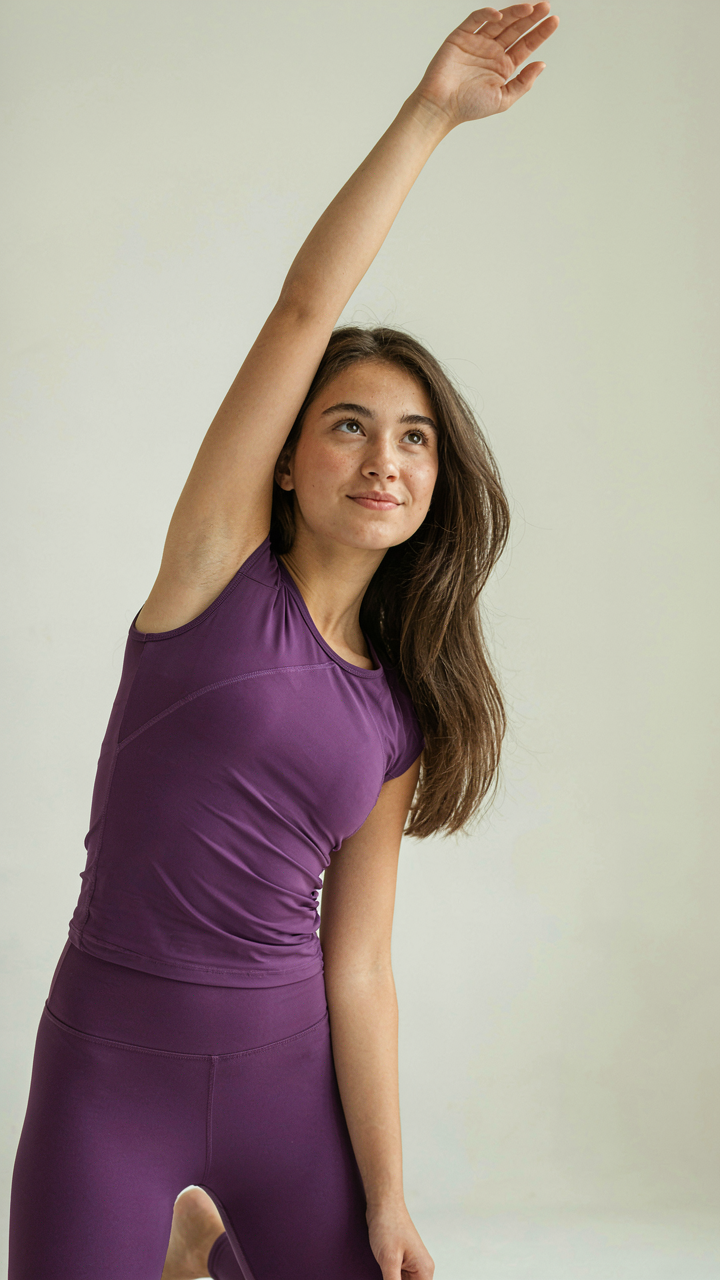
You care about this because slipping gear kills your credibility mid-class. Nobody wants to reset their downward dog because their top rolled up. Mechanics from engineering teach us about stress concentration—the idea that force clusters at weak points rather than distributing evenly. Yoga outfits experience the same principle: certain zones absorb disproportionate tension, and that’s where fabric separation, rolling, and bunching occur first.
The problem isn’t random. Forward folds crush the lower back seam. Arm balances shred underarm panels. High lunges stress the inner thigh where two fabric pieces meet at an angle. These aren’t design oversights—they’re predictable failure points. Outfit architects know where movement creates shear force and where it creates compression. Most brands ignore this data.
Seam Strategy Where It Counts

Seamless construction is trendy marketing noise. The real mechanism is directional seam placement based on actual load paths. A bra band sewn horizontally across the back breaks differently than one angled perpendicular to shoulder blade movement. Flat-lock stitching stops chafing under arm pits during chaturangas, but only if the thread direction runs parallel to skin stretch, not against it.
High-stress zones require either no seam at all or seams that run parallel to the dominant movement vector in that pose. The inner thigh seam in leggings must run lengthwise, not across. The underarm seam in tops needs to angle downward from armpit to rib cage, matching the path of arm abduction. Construction technique determines durability. Material alone does not.

Compression Vs. Restriction: Decoding Activewear Set Function
The Difference Between Support And Squeeze
You want to feel held without admitting you’re worried about jiggle. Here’s what actually matters: compression uses targeted fabric tension to enhance blood return and stabilize muscle groups during movement. Restriction just chokes circulation and limits range of motion. Most women can’t name the difference because activewear marketing conflates them deliberately.
Real compression fabric applies graduated pressure, meaning it’s tighter at the extremities and looser toward the core. This pushes blood back to the heart efficiently. Restriction feels tight everywhere uniformly and cuts off the pump action your body needs. A yoga outfit that restricts will leave compression marks after an hour. A compressed one won’t. Test this: if you can’t take a full breath in a forward fold, it’s restriction, not support.
Blood Flow Dictates What Your Muscles Can Actually Do
Borrowing from exercise physiology, think of blood flow as your muscle’s fuel line. Compression that works maintains oxygen delivery during holds and transitions. Restriction starves the tissue by crimping the vessels that feed it.
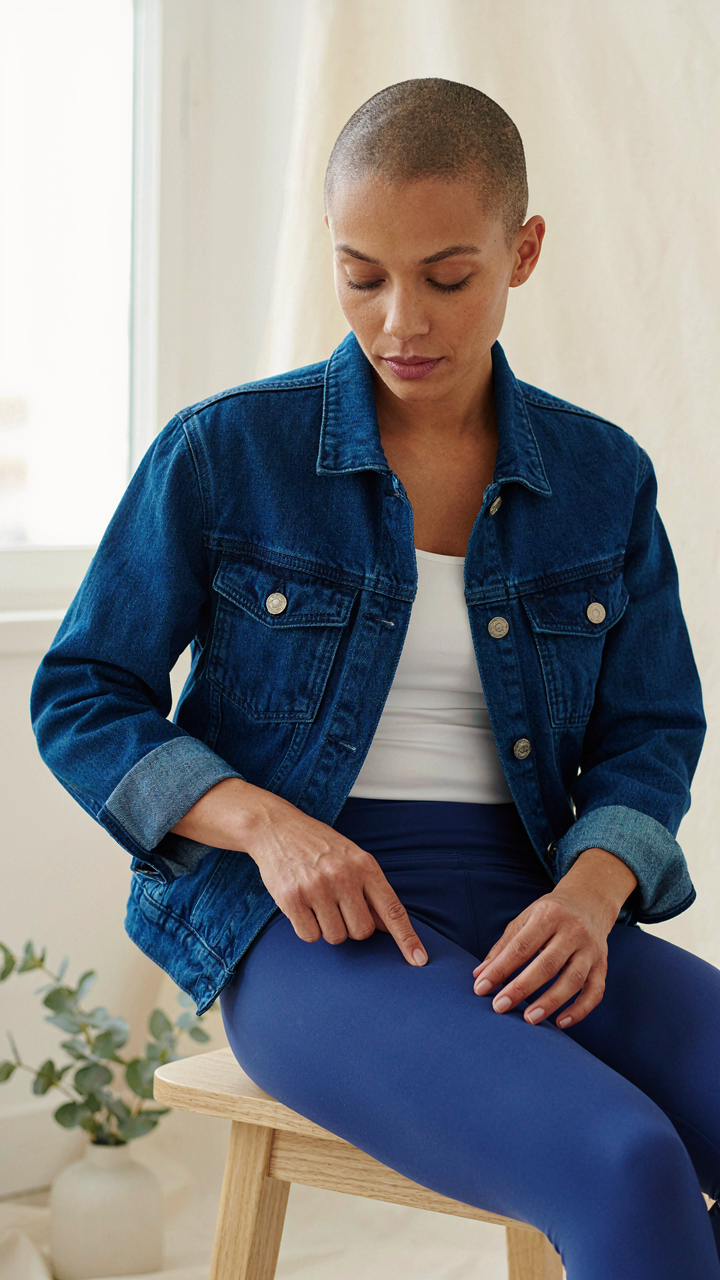
When fabric cuts off circulation, your muscles fatigue faster and recovery slows. This is measurable. Women who wear genuinely compressed yoga sets report better endurance in longer flows because their muscles get sustained oxygen. Those in restrictive fits feel the burn faster and shake earlier. The mechanism is simple: better blood flow equals longer muscle engagement without fatigue accumulation. When selecting a yoga outfit, press your finger into the fabric at the waist, hip, and thigh. If the mark stays indented for more than two seconds after you release, the compression is working against you, not for you.
The Material Myth: Why “Stretchy” Isn’t Enough For A Yogi Outfit

Elastane Content And Recovery Speed
You care about this because you’ve bought yoga pants that sagged by month three and you don’t want to admit you wasted money on something that looked expensive. Here’s the actual mechanism: elastane degrades. Think of it like material fatigue in engineering—every stretch cycle stresses the polymer chains. They don’t snap back to original length after repeated use because the molecular bonds weaken over time.
Most yoga outfits use 15 to 20 percent elastane blended with nylon or polyester. The problem is the blend ratio matters more than the percentage alone. Cheap manufacturers mix elastane unevenly, creating zones where recovery fails first. Premium fabrics use cross-linked elastane formulations that resist degradation longer. You test this yourself: grab the waistband of the pants you’re considering, stretch it hard, then release. If it takes more than two seconds to snap back, the elastane recovery is already compromised and the outfit will fail faster.
Moisture Wicking Versus Absorption In Cotton Alternatives
Cotton absorbs water, which means it holds sweat against your skin. This isn’t poetic, it’s physics. Wicking moves moisture away from the body through capillary action, a completely different mechanism. Most yoga outfit recommendations falsely treat these as interchangeable properties when they create opposite outcomes.
Cotton yoga outfits absorb 27 percent of their own weight in moisture before feeling wet. Synthetic wicking fabrics move that same moisture outward so it evaporates faster. The cotton outfit will keep you damp, cool initially, then cold. Synthetic wicking fabrics feel dry because moisture leaves the surface entirely. If you choose cotton for yoga, you’re trading performance for texture preference, not function. Verify wicking speed on the spec sheet: look for “moisture transport rate” measured in seconds, not vague claims about “breathability.”
Anchoring Principles: Harnessing Physics For A Stable Yoga Look

Where Leverage Points Stop Your Outfit From Moving
You want your outfit to stay put so you can stop thinking about it and start looking composed. Here’s the mechanism: physics applies leverage and counterforce to any object in motion. Your yoga outfit is no exception. When you fold forward, invert, or twist, gravity and momentum push fabric away from your body. The outfit stays still only when you distribute forces across multiple anchor points instead of relying on a single waistband to hold everything.
Most yoga wear advice ignores this entirely, focusing instead on fabric stretch and price point. That’s incomplete. The real work happens at leverage zones: the high hip, the rib cage, and the calf or ankle. When you design an outfit around these three points, fabric doesn’t migrate during movement because forces distribute evenly. A high-waisted legging paired with a fitted tank at the ribcage creates a dual anchor system. Add calf compression or a cuff, and you’ve eliminated the migration problem at three points simultaneously.
Waistband And Cuff Architecture As Active Anchors
Waistbands and cuffs aren’t just design details. They’re engineered anchor zones that resist slippage through compression and contact surface area. A flat, wide waistband distributes pressure across more skin than a thin elastic band. Wider contact equals lower slip. Cuffs at the ankle work the same way, but most women’s yoga wear treats them as afterthoughts.
The standard mistake is assuming a high waistband solves everything. It doesn’t. A high waistband only anchors at one point on your body. Add a structured cuff at the ankle or calf, and you create a secondary anchor that prevents the entire leg from sliding down during standing poses or inversions. This is especially critical in leggings made from smooth, technical fabrics. The smoother the material, the more aggressive your anchor strategy needs to be. Use waistbands wider than one inch and cuffs with ribbed or textured elastic that grips skin without cutting off circulation.
The Gravity Tax: When Loose Yoga Pants Outfit Fail

Fabric Drape And The Physics Of Slippage
You’re worried about looking unprofessional mid-downward dog. That fear is real, but the actual problem is physics, not fashion. Gravity doesn’t negotiate. Fabric with loose weave and low density moves faster down your body than fabric with tight construction. Cotton blends sag. Polyester-nylon blends hold. The difference isn’t subjective—it’s measurable density working against downward force.
Most yoga pants marketed as “premium” use lightweight fabrics that look clean on a hanger but fail under sustained pressure and sweat. The fabric becomes heavier when wet, adding mass that accelerates the sag cycle. Four-way stretch synthetic blends perform better because the polymer structure resists elongation in the vertical plane. You need fabric that returns to its original dimensions after being pulled down by gravity and body weight during inversion poses.
Seams And Waistband Architecture
Everyone says buy high-waisted pants. That’s incomplete advice. A high waistband only works if the seam placement and elastic tension are engineered correctly. The real mechanism is leverage. When the waistband sits higher on your body, you have more fabric surface area to grip your hips. But loose elastic or poor seam construction wastes that advantage.
The seam placement should sit directly at your natural hip bone, not below it. Brands that move the seam down by half an inch create immediate slippage during hip flexion. Test this by doing a forward fold in the dressing room. If the waistband pulls away from your skin, the seam is positioned wrong. Reinforced side seams matter more than back seam stitching because lateral movement in warrior poses creates the most torque on fabric attachment points.
Beyond Sizing Charts: The True Fit Equation For Women’s Activewear

Where Your Torso Ends Matters More Than Your Pant Size
You’re reading this because you’ve bought yoga pants that fit your waist but rode up in downward dog, wasting money and attention on a problem a sizing chart couldn’t prevent. The real mechanism is anthropometric variance, borrowed from ergonomics. Your torso length and inseam don’t scale proportionally across body types, meaning a woman at 5’4″ and another at 5’6″ can wear the same listed size but experience completely different coverage at the hips and ankles.
Torso length determines where the waistband sits relative to your hip bone and how much fabric exists between your lowest rib and the start of your legs. A short torso needs a higher rise to avoid gapping at the back during forward folds. Inseam length controls ankle coverage in standing poses and prevents bunching or excessive length when you’re in child’s pose. Most brands standardize these measurements to three options: petite, regular, and tall. Many retailers bury this data or don’t offer it at all, forcing you to gamble on fit instead of measuring the gap that actually matters.
The Pre Purchase Stretch Test You’ve Been Skipping
Forget the sizing chart recommendation to buy your normal size. That advice is lazy and wrong. Garment integrity under load is what determines whether fabric stays put or migrates during movement. You need to stress-test the seams and elasticity before purchase, which means trying on the actual item and moving through five basic positions, not just standing in front of a mirror.
Here’s the protocol: squat deeply for ten seconds and check if the waistband digs or gaps. Do a forward fold and hold it, feeling whether the fabric pulls across your back or rolls down. Come into a lunge and assess whether the inseam stays stable or climbs. Lie on your back with knees bent and observe if the waistband separates from your skin. Execute one sun salutation at normal pace and notice any shifting, rolling, or bunching. If anything moves or pulls awkwardly during this sequence, the garment will fail during a full class.
Dynamic Durability: The Lifespan Of Stay Put Yoga Looks

How Washing Breaks Down Elastic Recovery
You want to believe your outfit will last forever because replacing it feels like admitting you wasted money on something that didn’t work. The real mechanism is elasticity degradation, a concept borrowed from materials science: every wash cycle applies tensile stress to the fibers holding spandex and nylon together. Heat accelerates this process. Cold water washing extends lifespan by 40 to 60 percent compared to warm cycles because polymer chains resist breakdown at lower temperatures.
Dryer heat destroys elasticity faster than anything else. Air drying preserves the molecular structure that keeps fabric tight against your body during movement. Most yoga outfit failures happen not from wearing but from improper washing and drying. Machine drying even once a month compounds degradation exponentially over a year. The elastic loses its ability to contract and recover, which is literally the only job it has.
When Your Outfit Stops Doing Its Job
Material fatigue shows predictable signs before total failure. Pilling appears first, usually on high friction zones like the inner thigh or underarm. This signals that fibers are breaking at the surface. If pilling persists after one or two washes, the base material has already compromised structural integrity. Stretched elastic that no longer snaps back to original shape means the polymer has permanently deformed. This is permanent, not recoverable.
Seam separation and fabric thinning follow pilling. When you notice transparency in previously opaque areas, the fibers have thinned enough that light passes through. Replace the outfit at this stage, not when holes appear. Waiting costs you performance during practice and increases injury risk from poor support. The moment an outfit stops staying in place consistently across all poses is the moment to stop wearing it.
The Tactical Wardrobe: Building An Efficient Workout Attire Arsenal

Core Pieces That Match Your Practice Style
You want to look like you have it figured out without actually having to think about what you’re wearing. That’s the real motive here. The mechanism is simple: different yoga styles create different mechanical demands on fabric and fit, so buying random pieces wastes money and forces you to problem-solve mid-practice instead of staying present.
- High-waist leggings for vinyasa: Constant folding and inversion means your hips need coverage that stays locked. High waistbands anchor to your natural waist, not your hip bones, preventing fabric slip during transitions.
- Biker shorts for power yoga: Thigh friction during holds and standing sequences demands structured compression. Biker shorts eliminate thigh-on-thigh chafe and stay in place through repetitive leg engagement.
- Loose crop tops for restorative: Gentle, slow practice tolerates looser cuts because you’re not moving fast enough to create shifting friction. Cotton blends work here; performance fabrics aren’t required.
- Fitted tank tops for balance-focused sequences: Tree pose and warrior variations require you to see your body alignment. Fitted tanks let you track shoulder and hip positioning without fabric billowing.
- Supportive sports bras for dynamic practice: Vinyasa, power yoga, and jump-through transitions demand stable chest support. Underwire or structured cups prevent motion that pulls your upper body out of alignment.
The goal isn’t owning every style. The goal is matching fabric behavior to movement frequency. If you practice vinyasa twice weekly and restorative once weekly, prioritize high-waist leggings and skip the loose crops. Buy for what you actually do, not for hypothetical scenarios.
Spot The Dead Weight In Your Rotation
Everyone talks about “investing in quality basics,” which is half-true and therefore useless. The real problem is that people buy pieces based on how they look folded in a store, then discover mid-downward dog that the fabric bunches, the waistband rolls, or the straps slip. You’re holding onto underperformers because they cost money, not because they work.
Pull everything you own and test each piece across three positions: forward fold, plank, and a deep squat. Mark which items shift, which ones ride up, and which ones stay neutral. Anything that fails two of these gets donated immediately. You don’t need it, and keeping it just adds decision fatigue to your morning. The replacements will cost less than the mental overhead of choosing around broken pieces every time you practice.
Beyond The Hype: Debunking “Next Gen” Yoga Outfits For Women Fabric Claims

When Marketing Names Override Material Science
You’re tired of buying yoga outfits that promise everything and deliver nothing, and you’re hoping the right vocabulary from the tag will finally solve the problem. It won’t. The mechanism is simple: brands layer marketing terminology over basic fabric performance because it costs nothing to print and everything to innovate. Terms like “moisture-wicking,” “four-way stretch,” and “breathable” are real properties, but the names themselves tell you nothing about actual performance. A fabric wicks moisture at different rates depending on fiber type, weave density, and finish treatment. Marketing uses the term generically to sound scientific without specifying which conditions trigger the effect.
The gap between claimed and measured performance happens because fabric testing happens in controlled labs under specific conditions. Yoga in a heated studio, outdoor sun exposure, and layering with undergarments all change how a fabric performs. A top that wicks sweat in a 72-degree room might trap heat in a 95-degree class. The real tell is whether a brand specifies fiber content percentage, denier weight, and weave type. If the tag says only “moisture-wicking nylon blend,” you have no way to predict if it will hold up during your actual practice.
Where Real Innovation Actually Lives
The common advice is wrong here: more technology does not equal better yoga outfits. Innovation in yoga wear isn’t about adding features. It’s about removing failure points through material science. Brands that genuinely innovate focus on the engineering problem: how does fabric maintain integrity, opacity, and fit through repeated compression, sweat exposure, and washing cycles. Real innovation shows up as increased seam reinforcement, higher stitch density, and fabric formulations that resist pilling after fifty washes. It does not show up as claimed properties that sound futuristic.
Identifying real innovation requires reading past marketing and checking durability metrics. Look for brands that specify ply construction (how many layers the fabric has), thread weight used in seams, and actual test results from third-party labs. A yoga outfit designed for genuine performance will list these specifics because they’re what drive cost. When a brand stays silent on construction details and leans hard on branded fabric names, they’re hiding the fact that the foundation is standard and the price is marked up for perception. Verify performance by checking user reports specifically about fit retention after fifty plus wears, not initial feel.
The Real Obstacle Isn’t The Fabric; It’s Your Naive Belief In Passive Garment Performance Over Active, Informed Selection

You’ve been waiting for yoga outfits to solve themselves. They won’t. The brands selling you “miracle fabric” don’t care if your leggings slip during downward dog. You do the work: test one piece at a time, move aggressively in it first, then commit. Stop treating yoga outfits like a passive purchase and start treating them like gear you actively vet. Your body deserves to move without distraction, and that only happens when you stop hoping and start choosing. Pick one outfit tomorrow and actually test it.