

The Hoodie Fallacy: Why “Cute” Kills Style

The Compliance Trap
You care about this because you’re terrified that comfort signals laziness to others. The real mechanism is simpler: the word “cute” has become a cultural permission slip for women to opt out of intentionality. When you default to “cute,” you’re outsourcing your outfit decisions to a feeling instead of a system. The hoodie doesn’t make you cute. Your choices about how you wear it do.
Fashion norms for women have always demanded a performance of approachability over presence. The compliance trap works like this: cute neutralizes threat. A well-fitted blazer commands space. A hoodie styled as “cute” asks permission to take up that same space. The distinction isn’t about the garment. It’s about whether you’re dressing for external approval or external impact. One diminishes agency. The other builds it.
Function Before Flattery

Style isn’t an aesthetic problem. It’s a signal problem, borrowed from semiotics, the study of how meaning transfers through symbols. Your hoodie emits a signal whether you design it intentionally or leave it to chance. Most women leave it to chance and call the result “cute.” That’s the incomplete advice everyone repeats. The real answer demands you treat the hoodie as a tool with a specific communication job, then build around that job.
The hoodie’s actual power lies in its association with utility and movement. Oversizing it for comfort, pairing it with tailored bottoms, selecting a structured fabric, or choosing a neutral palette—these aren’t aesthetic choices. They’re mechanical choices that alter how the outfit functions socially and physically. You’re not dressing to please. You’re dressing to perform a specific role and own the space while doing it. That shift changes everything about how the outfit reads.

The Silhouette Protocol: Mastering Proportions With Hoodie Outfits Women
Layering Without The Bloat
You’re worried layering will make you look wider. It won’t, if you understand load distribution, a concept borrowed from architecture where weight moves vertically down a structure rather than spreading outward. Stack pieces intentionally so visual mass moves down your frame instead of expanding it. A fitted base layer plus a structured hoodie plus tapered bottoms creates a vertical line. The hoodie becomes a midpoint, not a padding device.
Bulk happens when you add pieces that fight each other. A oversized hoodie over a baggy shirt over wide jeans creates a box. Replace any two with fitted pieces and the oversized hoodie reads as intentional proportion play instead of concealment. The mechanism is simple: contrast and control prevent visual chaos.
Oversized With Anchors
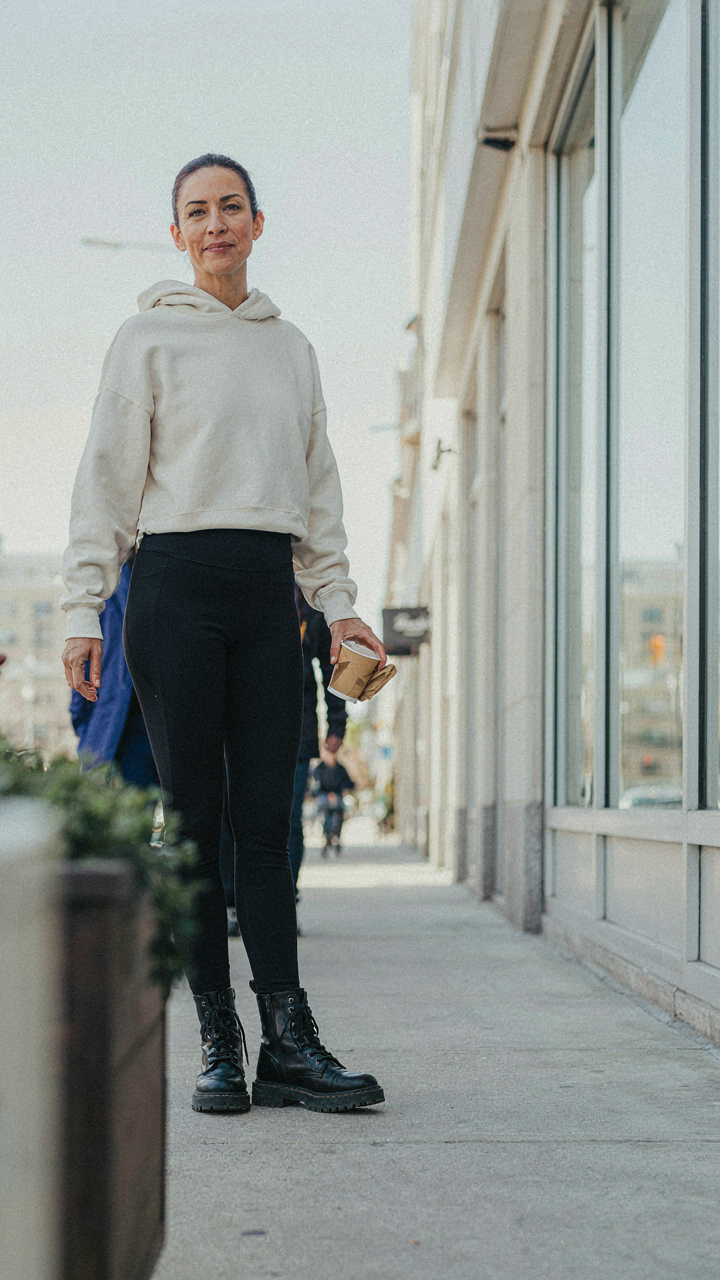
Everyone says pair an oversized hoodie with fitted bottoms. That’s correct but incomplete. You need a third anchor point to prevent the outfit from reading as unbalanced. This anchor is typically footwear or a belt that matches the visual weight of your bottoms. Without it, the oversized top dominates, making you look like the hoodie is wearing you. A statement sneaker or structured boot grounds the proportions. The fitted bottom alone is not enough.
Test this: wear your oversized hoodie with cropped or high-waisted fitted pants and chunky shoes. Notice how the eye stops moving down and stays contained. Now swap for flat shoes. The outfit feels loose. The anchor doesn’t have to be heavy, but it must feel decisive. Your job is making every piece earn its space in the silhouette.
Color & Texture: The Unseen Language Of Cute Outfits With Hoodies

When Color Does The Work You Can’t
You want people to perceive you as put-together without looking like you tried too hard. That’s the real reason color matters. Most advice tells you to “match your undertones” or “pick a signature color.” Wrong. Color works through contrast and proportion, the same mechanics that graphic designers use to guide the eye. A neutral hoodie paired with saturated bottoms makes the outfit feel intentional instead of accidental. The hoodie becomes a frame, not the focal point. Most women reverse this and wonder why their outfit reads as sloppy.
Saturation is the mechanism. A muted gray hoodie with black pants creates visual rest and reads as deliberate. A bright white or cream hoodie with the same pants creates visual weight at the top and demands balance elsewhere through accessories or footwear. The color of your hoodie should recede or anchor, never compete with what you’re wearing below the waist. Pick one saturated piece in your outfit and let the hoodie be neutral, or choose a neutral hoodie and let your bottoms carry visual interest. Everything else is decoration.
Fabric Mixing Breaks The Casual Ceiling
Everyone stacks sweatshirt on sweatshirt and wonders why they look shapeless. The real mechanism is that all-soft textures collapse visual structure. Introduce one contrasting fabric and the whole outfit sharpens. A cotton-poly blend hoodie paired with structured denim or tailored trousers introduces tension that reads as intentional styling, not lazy comfort. Cotton canvas, linen blends, structured knits, or crisp cotton all create visual separation. The hoodie stops reading as “I gave up” and starts reading as “I chose this.”
Texture hierarchy works the same way as color hierarchy. One dominant texture per outfit, one secondary, one accent. If your hoodie is heavily textured fleece, your bottoms should be smooth and fitted. If your hoodie is a thin cotton blend, you can layer it with a structured overshirt or pair it with textured bottoms like corduroy or denim. The contrast is what makes it cute. Match soft with soft and nothing registers as deliberate. Test this by wearing your regular hoodie outfit, then swap only the bottoms for something with visible weave or structure. The entire perception shifts.
The Accessory Algorithm For Hoodie Looks For Women

Jewelry That Doesn’t Compete
You want accessories to signal you have taste without screaming for attention. The real mechanism here is contrast: your brain reads restraint as confidence, and noise as desperation. Most women get this backwards and layer pieces until the hoodie becomes invisible.
Minimalist jewelry works because it creates white space around your face. A single gold chain or slim silver ring functions as punctuation, not decoration. Statement pieces work too, but only when the hoodie itself is neutral in color and texture. Never pair a chunky necklace with a graphic hoodie. The rule is simple: one focal point per outfit, and the hoodie decides whether that’s your neck, wrists, or ears.
Footwear Selection Anchors The Aesthetic
Footwear is where most hoodie outfits collapse because women treat shoes as afterthoughts instead of load-bearing walls. In architecture, the foundation determines what the entire structure can support. Your shoe choice determines whether the outfit reads as casual, elevated, intentional, or sloppy.
- White leather sneakers: Ground a hoodie in clean minimalism. Works with every color. Signals active lifestyle without trying.
- Black combat boots: Transform a soft hoodie into an edge. Creates visual weight at the bottom, balances oversized tops.
- Loafers or mules: Elevate the hoodie into preppy or business casual territory. Worn leather reads as intentional, not lazy.
- Chunky sneakers or hiking boots: Add texture and volume. Best paired with fitted hoodies or structured pants to avoid drowning.
- Ballet flats: Create contrast with oversized hoodies. Works for petite frames. Signals polish and intentionality.
The shoe-to-hoodie ratio matters. An oversized hoodie needs a grounded shoe with visual weight. A fitted hoodie can handle delicate footwear. Match your shoe’s visual density to your top’s volume, and the outfit stops fighting itself.
The Effortless Illusion: Hoodie Outfits Women Aesthetic

Intention Behind The Casualness
You want people to think you didn’t try. That’s the real motive here, and it matters because effortlessness signals social confidence. The mechanism is simple: constraint breeds intentionality. Every hoodie outfit women wear succeeds because of what’s deliberately excluded, not added. The oversized sweatshirt, the fitted base layer, the one accessory. Each choice removes options, forcing the remaining elements to work harder and look sharper.
Most advice tells you to “just throw things together.” That’s incomplete. Actual effortlessness requires pre-decision. You decide your color palette before the morning. You know which bottoms work with which hoodies. You pick one texture rule and stick to it. This isn’t spontaneity. It’s constraint masquerading as ease. The outfit looks casual because you’ve already done the hard thinking.
Define Your Personal Constraints
Curating style means setting rules, not collecting options. Most women own too many hoodies and still can’t build an outfit. The bottleneck isn’t pieces. It’s decision architecture. Start here: pick two base colors for hoodies that work with 80 percent of what you own. Navy or black work for most people. Charcoal if you want a third. Everything else is noise.
Next, decide your bottom formula. High-waisted jeans plus hoodie. Leggings plus oversized hoodie. Cargo pants plus fitted hoodie. Choose one template and repeat it. The repetition isn’t boring. It’s efficient. When your baseline is locked in, any small variation reads as intentional choice instead of random assembly. This is how hoodie outfits women actually look put together without looking like you spent an hour getting dressed.
Black Hoodie Outfit: The Stealth Mode Strategy
When One Color Does The Work
You want black because you think it hides flaws. That’s backwards. Black is a constraint that forces composition. In military strategy, this is called economy of force—using minimal resources to control the maximum space. A black hoodie outfit works because every other piece must earn its place. Nothing can hide behind color chaos. The mechanism is subtraction: each item you remove increases impact of what remains.
Black monochromatic dressing isn’t about being invisible. It’s about forcing the eye to read silhouette, proportion, and texture instead of bouncing between competing colors. Most women default to black because they think it’s safe. The real advantage is sharper. When everything matches the base, layering and fit become the entire message. A black hoodie with black jeans and black boots reads as one deliberate statement, not three separate pieces held together by accident.
Black Zip Up Over Structured Pieces
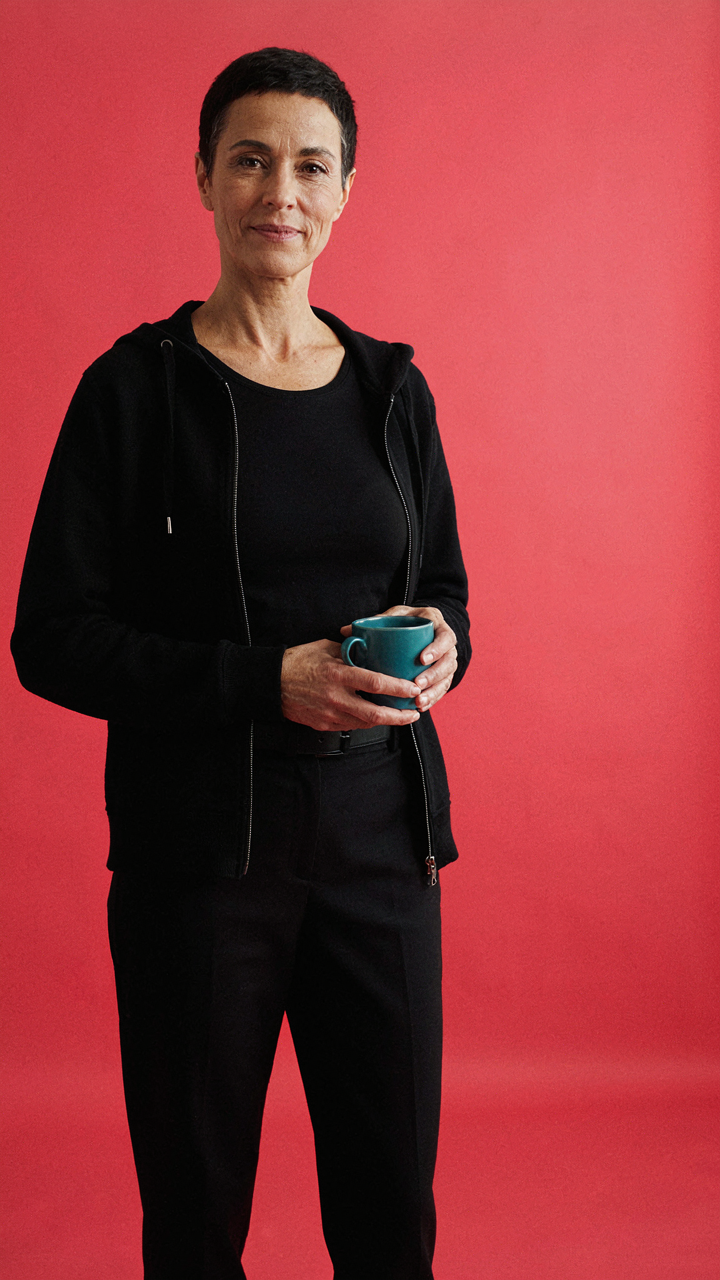
The common mistake: wearing a black zip-up hoodie as the whole outfit. That’s neutral fatigue disguised as minimalism. A black zip-up becomes a tool when it sits over something with form. Layer it over a white ribbed tank or a fitted black tee and watch the silhouette sharpen. The contrast between the hoodie’s soft construction and whatever sits underneath creates visual rhythm. That rhythm makes the outfit register as intentional rather than default.
Black zip-ups work best when they stay partially open. Fully zipped reads corporate-casual and dead. Half-zipped with visible layers underneath creates depth and shows you made a choice about what’s underneath. Pair a black zip-up with tailored black pants or straight-leg jeans, then add a structured belt to anchor the waist. The belt matters more than most people admit because it cuts the silhouette and prevents the hoodie from collapsing your frame into one formless shape.
The Systems Thinking Of Fall Outfits Hoodies

Your Wardrobe Operates Like An Ecosystem
You want permission to buy another hoodie without admitting you already have too many. Here’s what’s actually happening: your wardrobe functions as a closed system where each piece either creates redundancy or fills a gap. In ecology, this concept is called niche occupancy. A hoodie occupies the “casual insulation” niche in your outfit ecosystem. You don’t need more hoodies. You need hoodies that occupy different niches than the ones already in your rotation.
The gap isn’t always about color or material. It’s about the output each hoodie produces when combined with existing pieces. A oversized gray hoodie paired with tailored trousers creates a different ecosystem signal than the same hoodie with bike shorts. Before adding another hoodie, map what outfits your current ones actually generate. Most women own hoodies that create identical outputs. That’s redundancy masquerading as variety.
Seasonal Shifts Drive System Recalibration
Every outfit is a feedback loop. You wear a hoodie, observe what works, then adjust what you grab next time. Fall triggers this loop faster than other seasons because layering rules shift. What worked in early September stops working by late October when temperatures drop and humidity vanishes. The feedback isn’t subtle. Your body registers temperature discomfort within minutes.
Smart dressing means building hoodies that respond to this feedback, not fight it. A lightweight cotton hoodie in September becomes too thin by November. Rather than buy multiple hoodies for different fall weeks, choose fabrics that actually bridge the gap. French terry and mid-weight cotton blends compress and breathe simultaneously, adapting to your body’s temperature signals without requiring a full outfit overhaul each week.
The Inversion Principle: When To Break Hoodie Rules
Disrupting Consensus For Status
You want permission to dress differently without looking sloppy. The mechanism is simple: consensus exists because most people follow it, not because it’s optimal. In hoodie outfits, think of disruption like a contrarian trade in markets. You identify where the crowd clusters, then move deliberately in the opposite direction. The average woman pairs her hoodie with matching sweats or safe neutral bottoms. That’s the consensus play. Breaking it means pairing your hoodie with something the majority won’t, but something that still reads as intentional, not random.
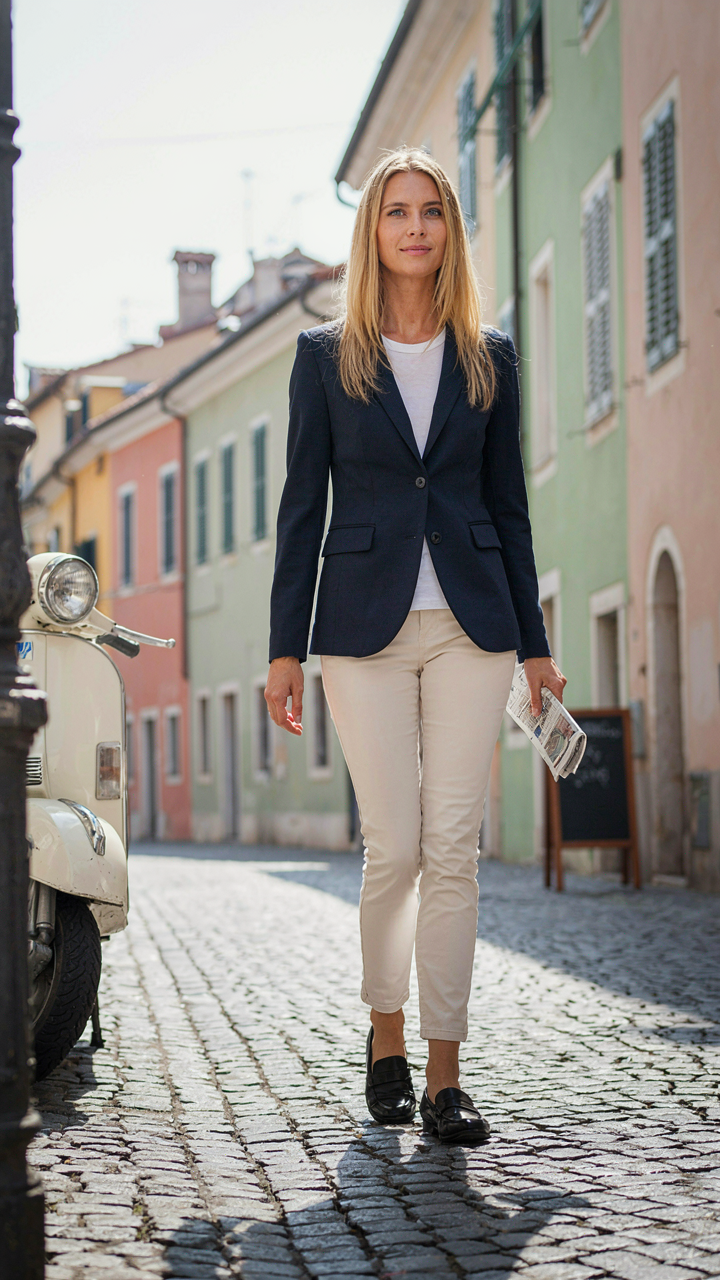
Disruption only works when it has rules. Wearing a oversized charcoal hoodie with tailored trousers and loafers isn’t random. It’s a deliberate collision of casual and formal that signals you understand both codes. The difference between looking eccentric and looking curated is specificity. You need one clear tension point, not a pile of contradictions. Your hoodie stays the anchor. Everything else either contradicts it sharply or complements it with precision. No hedging, no safety plays masquerading as eclecticism.
Building A Repeatable Hook
Most advice tells you to “find your style.” That’s useless because it doesn’t tell you how. Your hoodie signature is a protocol, not a feeling. Identify three non-negotiable variables: the hoodie silhouette you wear (oversized, fitted, cropped), the bottom silhouette that opposes it, and one texture or fabric choice that appears in 80 percent of your outfits. This creates recognition without repetition. If you wear fitted hoodies exclusively with high-waisted bottoms and always incorporate denim, that becomes your visual language.
Test this across ten outfits before you lock it in. The signature works because your brain stops making decisions. You eliminate options instead of expanding them. When you enter a store, you don’t ask “what should I buy?” You ask “does this fit my protocol?” This removes the friction that kills consistency. After three months of wearing the same signature, people recognize it as yours, not as uniform limitation. That recognition is the actual payoff, not the outfit itself.
The Real Obstacle Isn’t Your Wardrobe; It’s Your Addiction To External Validation

You’ve scrolled through a hundred hoodie outfit ideas. You still won’t wear half of them. Why? You’re waiting for permission. Permission from Instagram likes, from strangers’ glances, from some imaginary audience in your head. The hoodie outfit you actually want to wear sits in your closet unworn because it doesn’t match the algorithm. Stop designing for approval and start designing for yourself. Pick one outfit today that makes you feel dangerous, not likeable. Confidence isn’t a feeling you chase; it’s a decision you make first.