
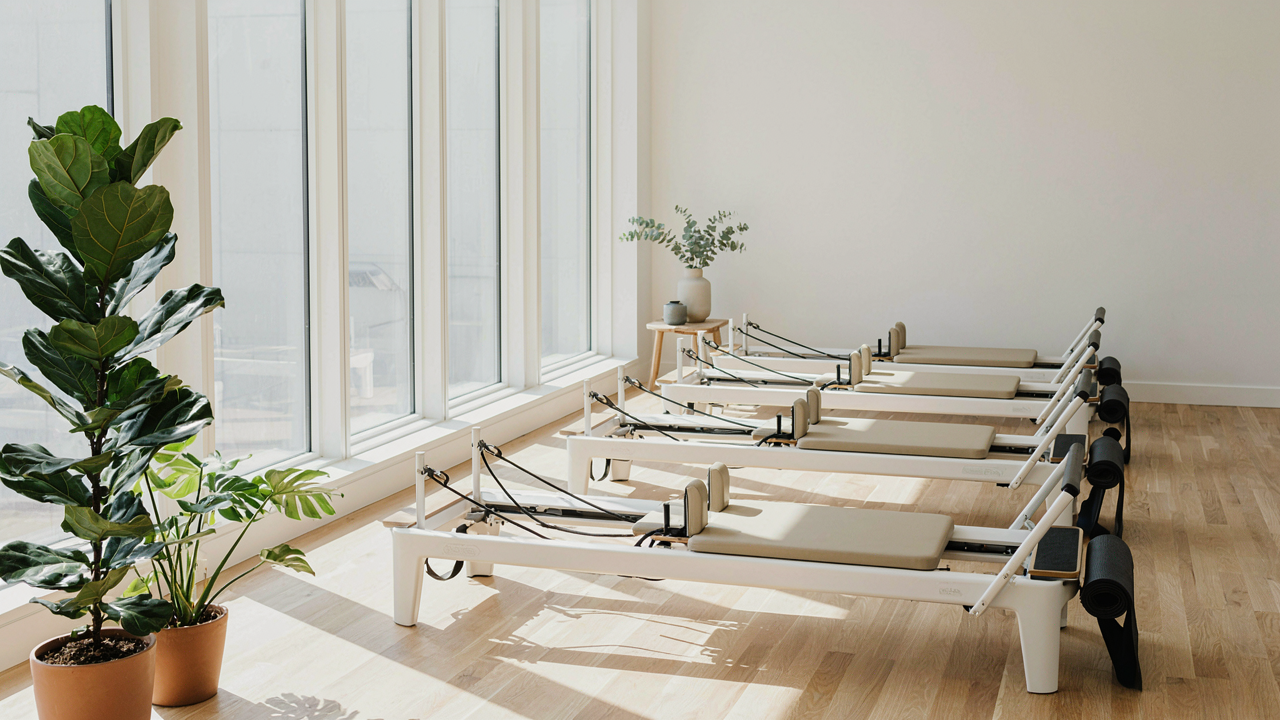
The Performance First Pilates Outfit Protocol
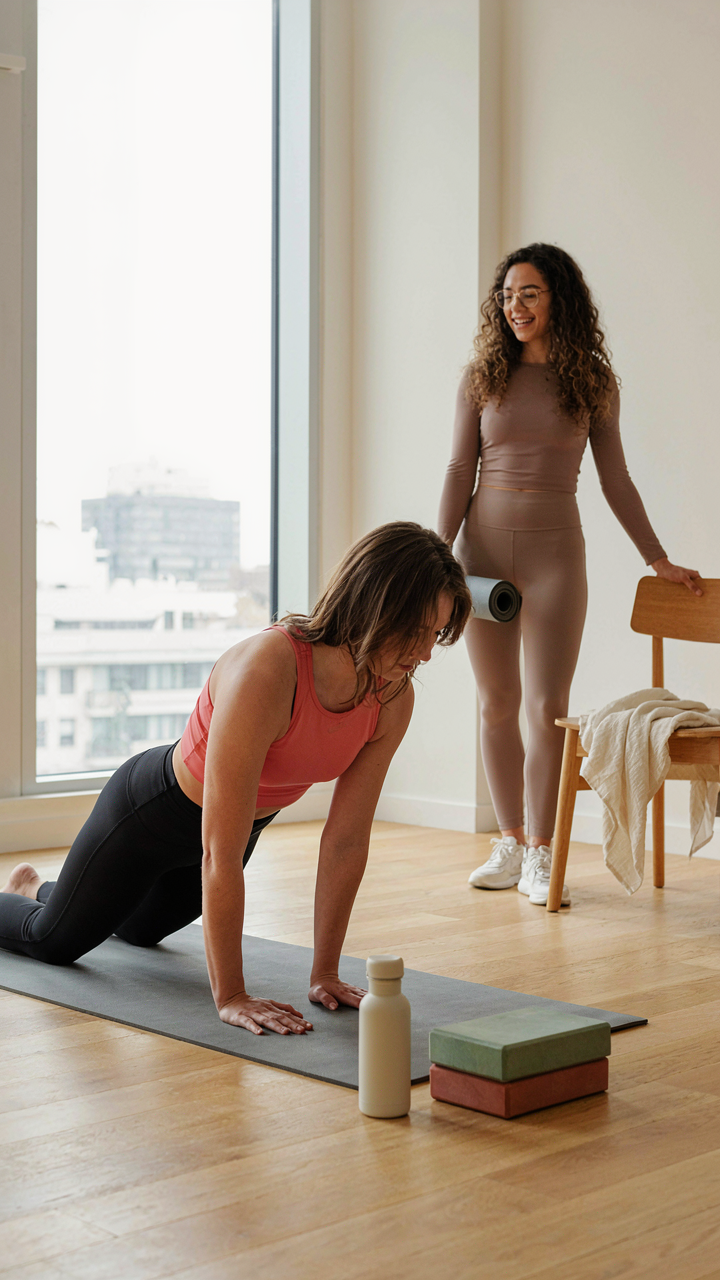
Range Of Motion Beats Logo Placement
You’re worried people will judge your outfit. That’s not the problem you should solve. The real issue is that tight or restrictive clothing kills your ability to engage your core properly, which defeats the entire point of being there. Pilates requires constant spinal articulation, hip flexion, and shoulder mobility. Clothes that limit these movements don’t just feel bad—they prevent you from building the strength you came for.
Wear items that let your joints move through full range without pulling or binding. This means fitted but not tight. Leggings with a four-way stretch perform better than rigid denim. A fitted tank or t-shirt that moves with your body outperforms an oversized shirt that bunches during core work. The instructor needs to see your alignment, and you need to feel it. Restrictive clothing creates proprioceptive dead zones where your nervous system can’t track what your body is actually doing.
Moisture Management Over Material Status

This isn’t about luxury fabrics. This is basic physics: sweat removes heat from your body through evaporation, and that process fails if your fabric traps moisture against your skin. Cotton absorbs water and holds it. Synthetic blends like nylon, polyester, and spandex wick moisture away from your body, allowing evaporation to work. During a 50-minute class, the difference determines whether you stay focused or get distracted by feeling damp and uncomfortable.
Choose moisture-wicking fabrics for both your top and bottoms. Most modern pilates-specific leggings already use these blends. A simple fitted nylon or polyester blend tank works better than cotton. You don’t need expensive branded pieces to get the material right. Check the tag, find the fabric blend, and prioritize wicking over name recognition. This single decision eliminates one major discomfort variable and lets you concentrate on your form.

Pilates Clothes: Decoding The Sensory Feedback Loop
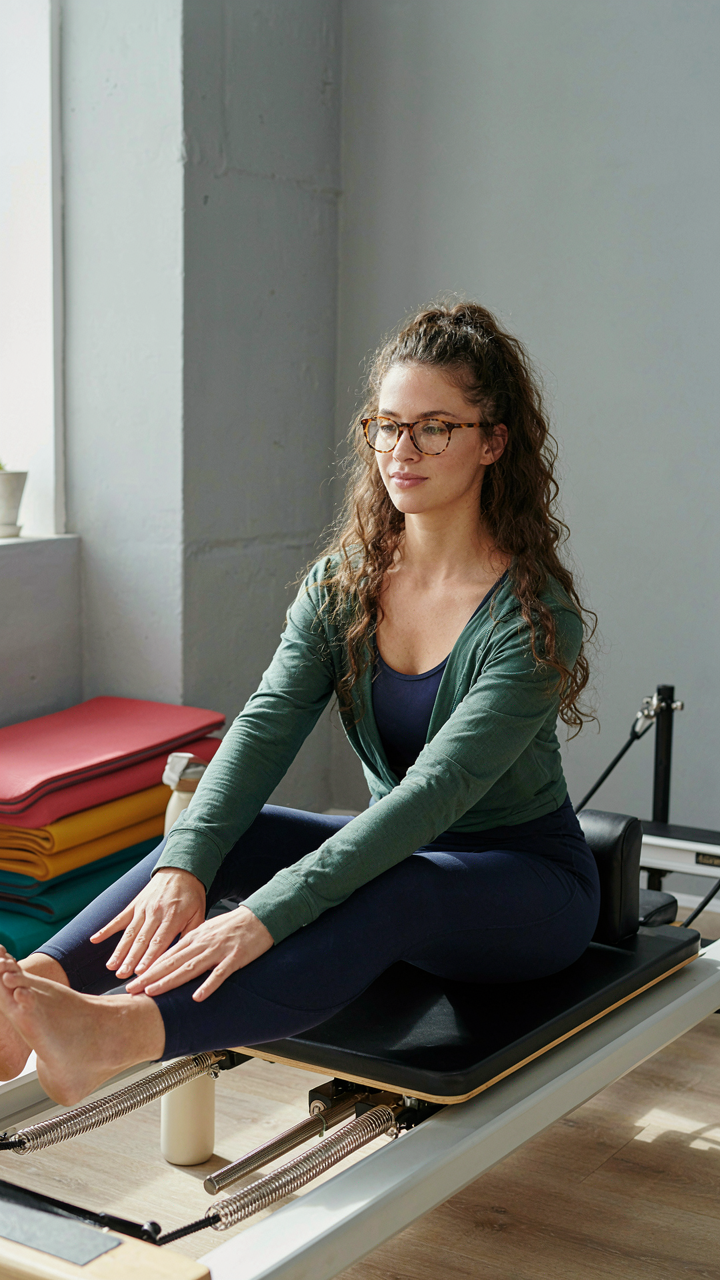
Your Body Knows More Than Your Brain Does
You want to look like you belong in the room. But that’s not why fabric matters. The real mechanism here is proprioception, borrowed from neurology: your brain’s ability to sense where your body exists in space. Fabric either amplifies or mutes that signal. Loose, thick cotton swallows the feedback. Fitted, responsive material broadcasts it.
During a pilates class, your nervous system needs constant data about muscle position and tension. Every micro-movement the instructor cues demands that your body knows exactly what it’s doing. Cheap, baggy clothing creates sensory lag. Your muscles contract, but the fabric hangs loose enough that your brain takes longer to register the position. That delay compounds across fifty repetitions. Wear something that moves with you, not after you.
How Fabric Talks To Your Muscles
The common advice says wear whatever feels comfortable. That’s incomplete. Comfort and signal clarity are different things. Nylon blends with four-way stretch send sharp, accurate data to your proprioceptors. They move with muscle contraction and release in real time, creating a tight feedback loop between what you’re doing and what you feel. Your nervous system gets the message instantly.
Cotton, linen, and loose knits dampen that signal. They absorb sweat without gripping, which sounds good until you’re mid-roll-up and your shirt is sliding around your torso. Your brain can’t locate your core precisely because the garment isn’t anchored to your movement. Compression or fitted knits designed for movement create what biomechanists call tactile coupling: the fabric stays with your body, so your body understands its own position better. Pick fitted pieces in nylon, spandex blends, or performance fabrics that stretch in multiple directions.
Beyond Instagram: Real Pilates Outfits For Real Bodies
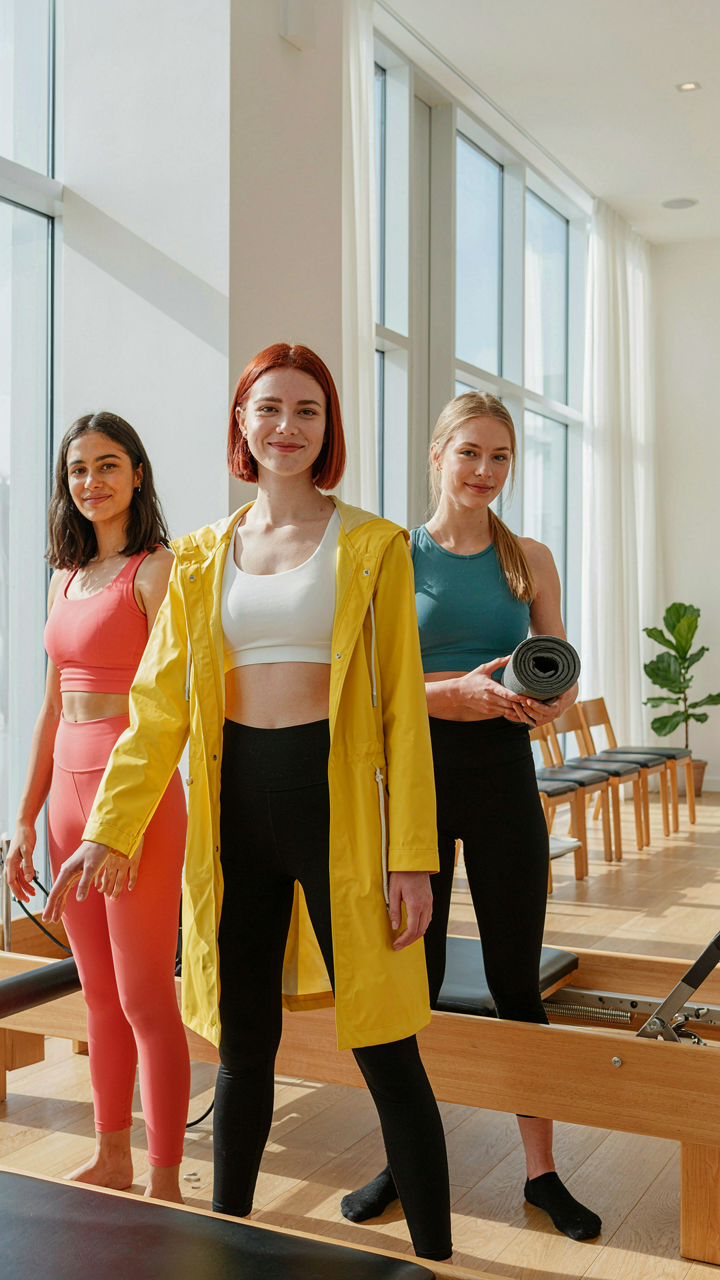
The Fit Principle That Changes Everything
You want to know what to wear because you’re afraid you’ll look wrong. The mechanism is simple: pilates exposes your body in ways street clothes don’t. Bending forward, lying on your back, extending limbs creates gaps. This isn’t vanity. It’s physics. Loose fabric creates drag during controlled movements. Tight fabric restricts the range of motion you paid for. The fit has to accommodate two states simultaneously: when you’re standing neutral and when you’re in full spinal flexion.
Different body types need different strategies because fabric behavior changes with scale. Someone with a larger midsection needs shorts that stay in place during leg lifts without compressing the core. Someone lean needs enough fabric volume so nothing rides up. Someone with a smaller frame needs strategic seams so excess material doesn’t pool. The common advice to just “wear whatever is comfortable” is lazy. Comfort in your living room isn’t comfort holding a Pilates position for ten seconds. Test your outfit in the actual positions. If your shirt separates from your body during a roll-up, the fit is wrong.
Solving The Ride Up And Slip Down Problems
Nobody mentions that waistbands fail under specific conditions, but they do. When you lie supine and lift your legs, gravity pulls fabric downward while your hips press backward into the mat. Elastic-only waistbands slip. High-waisted designs with a fitted hip prevent this because they anchor higher on your body, giving more surface area for friction. Low-rise creates a gap between your back and the mat exactly when you need stability most. The same principle applies to sleeve length and armhole depth. During arm circles and chest lifts, loose armholes create shoulder exposure. You either choose a fitted cut or stay with longer sleeves.
Fabric weight matters more than fabric type. Lightweight materials move with your body rather than against it. Cotton-blend and nylon constructions both work, but thin polyester blends cause sweat to bead rather than wick, which changes how the garment clings. Test the garment wet. If it stretches out of shape or clings in unflattering ways after moisture, it will fail during class. For shorts, a three to four inch inseam prevents thigh ride-up and stays above the knee. For tops, fitted around the torso with enough length in the front to prevent separation from the waistband during flexion is the standard to meet.
The Unseen Advantage: Pilates Wear And Instructor Insight
When Your Clothes Become Your Feedback Loop
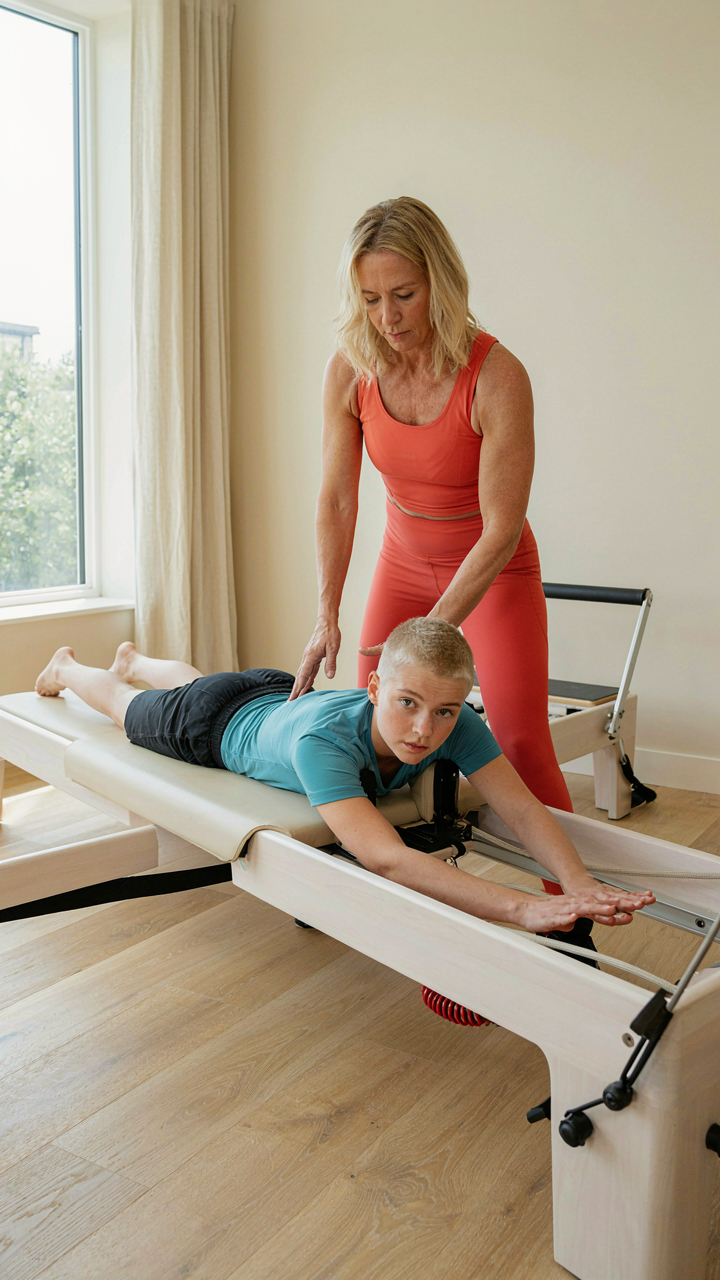
You want to look like you belong before you actually do. Here’s what matters: instructors correct what they can see. Loose or baggy clothing hides your spinal alignment, hip position, and whether your shoulders are doing the work instead of your core. Pilates relies on precision of movement, not intensity. Your instructor needs visual access to your body’s actual position to tell you what’s wrong. Wear fitted clothes that show your silhouette without restricting movement.
The mechanism is borrowed from coaching in sports and martial arts. In those fields, coaches use “visual feedback” as the primary tool before verbal cues. A tight tank top or fitted leggings becomes your transparency layer. When your instructor sees your ribs flare during a hundred or your lower back arch during a roll-up, they catch it in real time. A hoodie or oversized shirt delays that correction by several weeks. The cost of delayed feedback is building bad patterns deeper into muscle memory.
The Clarity Of Minimal Distraction
Generic advice says wear whatever feels comfortable. That’s incomplete. Comfort and distraction are not the same thing. Pilates demands internal focus, but external sensations pull your attention outward. Fabric that shifts, rides up, or requires adjustment during a class taxes your working memory. You’re already learning new movement patterns. Your nervous system is overloaded. Adding micro-distractions means fewer neural resources go toward the actual skill.
Your clothing choice determines whether you’re thinking about your serratus anterior or thinking about your shirt. Wear pieces that stay in place without adjustment. High-waisted leggings or shorts that don’t slip. Sports bras that don’t require repositioning mid-class. Fabrics that don’t cling to skin when wet or bunch at seams. The rule is simple: if you notice your clothes during class, they’re wrong. Pick what vanishes.
The Gravity & Friction Equation Of Pilates Attire

Bare Feet Vs. Socks And The Contact Mechanic
You want to look competent without overthinking it. Here’s what actually matters: pilates requires direct skin-to-mat contact because friction is your only brake against sliding. Physics calls this coefficient of friction—the ratio between surfaces that determines grip. Your bare foot on a mat has higher friction than a sock-covered foot. Socks reduce traction by 40 to 60 percent depending on material and mat texture. The reformer footbar and floor exercises both punish low friction with form breakdown.
Studios that allow socks usually have mats treated with sticky coatings designed for low-grip environments. Most beginner classes expect bare feet. If you wear socks anyway, you’re not gaining anything except risk of your foot sliding during leg springs work or a pilates push-up. Some facilities mandate bare feet for safety. Check the studio’s website or call before class. If your feet are cold-sensitive, arrive early and warm them up indoors rather than wearing socks into the room.
Compression And The Stability Anchor
Clothing isn’t decoration in pilates—it’s a feedback system. Tight-fitting tops and bottoms let you see your own alignment without guessing. Loose clothing masks the exact position of your ribs, spine, and pelvis, forcing the instructor to give constant verbal corrections you should feel yourself. The tapered fit around your torso acts as a tactile anchor that tells your nervous system where your body actually is in space. Baggy shorts and oversized shirts turn a precision workout into a guessing game.
Avoid anything that bunches at the waist or rides up during lying down exercises. High-waisted leggings stay in place during leg lifts and reformer work. Fitted tank tops or crop tops expose your midsection so you catch real-time feedback from the mirror. Cotton-blend fabrics hold their shape through sweat better than pure cotton. Test your clothing range of motion before class: lie on your back, lift your legs to 90 degrees, and confirm nothing restricts or folds awkwardly.
Pilates Fashion Myths: What Not To Wear

Revealing Vs. Supportive
You think showing skin means you look serious about fitness. That’s backwards. The real mechanism is simple: pilates demands precise body awareness, and loose or revealing clothing actively blocks that feedback. Your nervous system needs to sense where your limbs are in space. Baggy fabrics and exposed skin create dead zones. Tight clothes give you proprioceptive data. This isn’t vanity. It’s physics applied to movement.
- Crop tops or sports bras alone: Expose your core and lower back, removing tactile feedback during spinal flexion and extension exercises where you need maximum awareness.
- Mesh panels: Allow fabric movement independent of your body, creating visual and sensory noise that interrupts focus during controlled transitions.
- Loose tank tops: Shift over your torso during reformer work, blocking your view of abdominal engagement and forcing you to guess your alignment.
- Short shorts: Leave thighs and glutes unexposed, reducing proprioceptive input during leg work where you’re learning muscle activation patterns.
- Baggy sweats: Absorb sweat, gain weight, slide during mat work, and eliminate any sense of how your hips and legs are actually moving through space.
Fitted leggings and close-fitting tops aren’t about aesthetics. They’re about getting real-time data from your own body. When fabric moves with you instead of against you, your brain knows exactly where you are. That’s the only advantage that matters in a pilates class.
Over Accessorizing: A Costly Error
Most beginner advice says to “minimize distractions.” That’s incomplete. Here’s what actually happens: jewelry, watches, and hair accessories create physical interference during mat work and reformer use. A ring catches on the carriage rail. A necklace swings during hundreds. A watch band presses into your wrist during push-ups and breaks your alignment focus because you’re managing pain instead of controlling movement.
The habit of accessorizing before exercise reveals a deeper problem: you’re treating pilates like a social event rather than a skill acquisition session. Strip accessories completely before class. No rings. No watch. No bracelets. Hair in a secure, tight style. Your phone stays in a bag outside the studio. You remove one barrier to proprioceptive feedback with every item you leave behind, and your nervous system responds immediately by recruiting muscles more efficiently. The effect is measurable within the first session.
Investing In Your Movement: Quality Pilates Apparel
Buy Once, Replace Never
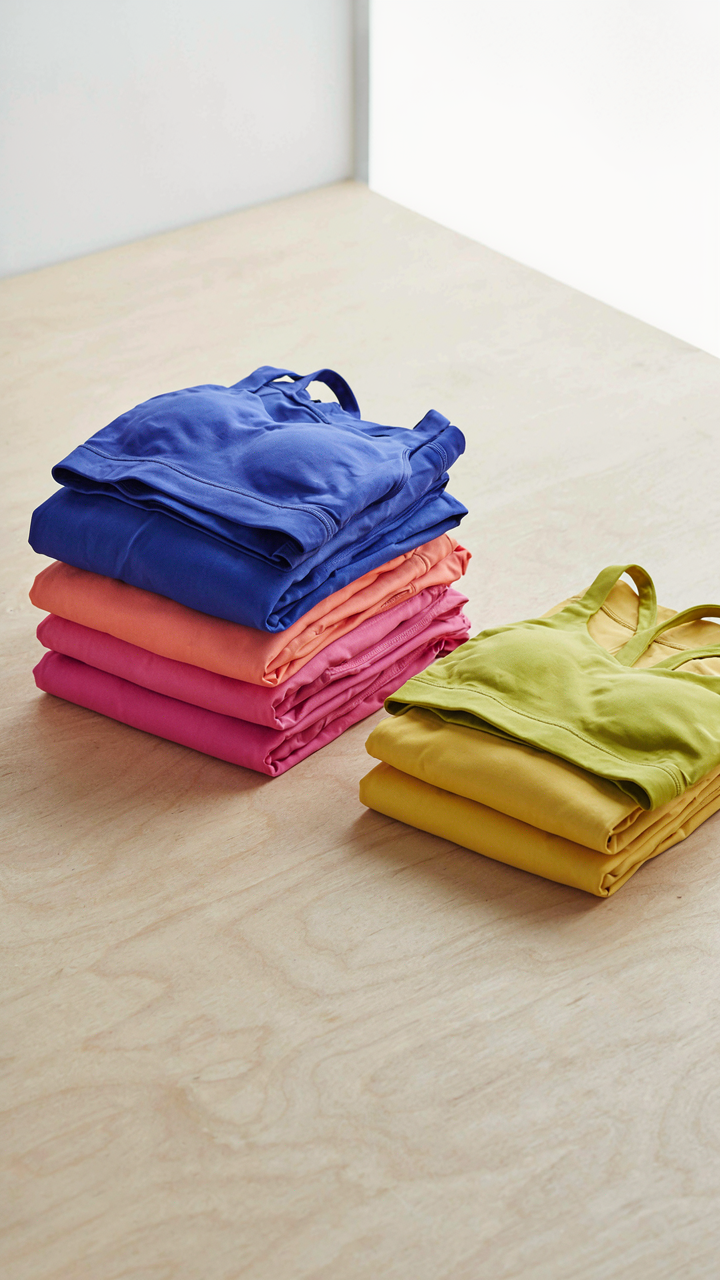
You want to look like you belong in the room without dropping cash every month. Here’s the mechanism: cheap fabrics pill, lose elasticity, and trap sweat against your skin within weeks. That forces you to rebuy constantly. Think of durability through an engineering lens—tensile strength determines how many stretches and compressions a fabric survives before failing. High-quality nylon-spandex blends hold their shape through hundreds of practice sessions. Cotton alternatives degrade faster and lose support where you need it most. Buy pieces rated for frequent use, not casual wear.
The actual cost math works backward from what beginners assume. A seventy-dollar pair of leggings worn four times weekly for two years costs seventeen cents per wear. A twenty-dollar pair lasting three months costs two dollars per wear. You’re not spending more on quality—you’re spreading the cost across actual usage. Pilates demands repeated compression and stretching in the same zones. Fabrics engineered for that environment survive. Everything else becomes waste dressed up as thrift.
The Price Performance Ratio
Most advice says “just wear what you have,” which guarantees you’ll buy replacements constantly when your clothes fail under the specific demands of pilates. The real framework here is economics: cost per unit of performance. A tank top that stretches to full capacity and holds for two hundred classes delivers better value than three cheap ones that lose elasticity after fifty. Brands that focus on active wear research fabric composition for a reason—they’ve tested what actually performs.
Spending thirty to eighty dollars per piece on proven basics beats grabbing random athletic wear. You need pieces that move with your body without slipping, bunching, or creating friction points during focused repetition. Invest in fitted leggings, supportive tops, and socks designed for studio use. These items become the foundation you repeat. Once you own five reliable pieces, you stop buying and start wearing.
Age Is Irrelevant: Pilates Outfits For 40s And Beyond

Support Over Trend
You’re worried people will judge you for not dressing like you’re twenty-five. The real mechanism is biomechanical: your body needs different load distribution than it did. This isn’t about hiding age. It’s about engineering your clothing to work with your actual musculature and joint stability. Pilates at forty and beyond demands fabric that moves with deliberate control, not against it. Loose or restrictive clothing both sabotage the precision pilates demands.
High-waisted leggings outperform low-rise because they anchor your core without restricting hip flexion. Your lower back needs that stabilization pilates doesn’t provide automatically. Thicker fabric (nylon blends over thin cotton) resists bunching during controlled movements and reduces the mental noise of adjusting yourself mid-class. Seams matter too. Flat-lock construction prevents chafing and distraction. You’re not dressing for aesthetics. You’re dressing for mechanical advantage.
Confidence Built On Function
The generic advice says “wear whatever makes you comfortable.” That’s incomplete. Comfort without function breeds self-consciousness. Mechanical engineer terminology calls this “tolerance stacking.” Your outfit components stack together to either support or undermine your performance. When your waistband stays in place, your top doesn’t ride up, and your feet have proper grip through socks or bare contact, you stop managing logistics and start concentrating on form.
Choose structured tank tops or fitted long sleeves over loose tees. Your instructor sees your spine alignment through fitted layers. You see it too in mirrors. This feedback loop strengthens your body awareness without vanity. Underwear that doesn’t shift matters. Good grip socks prevent micro-adjustments that waste energy and break focus. These aren’t small details. They’re the difference between showing up and actually training. Build your outfit backward from what your body needs to execute movement precisely.
Your Real Obstacle Isn’t The Outfit; It’s The Fear Of Exposing Imperfect Movement

You’re stalling on the outfit because the outfit is easier to think about than the actual class. But here’s what kills most beginners: they show up in baggy clothes to hide, then spend the entire session fighting their own fabric instead of their core. Pick something fitted today. Not perfect. Not Instagram-ready. Just tight enough to see your body move. Your form matters more than your appearance, and you can’t fix form you can’t see. Stop dressing for the gym you imagine and dress for the one where you actually learn something.