

The Arbitrage Algorithm: How To Thrift Like A Pro
Where Money Actually Hides
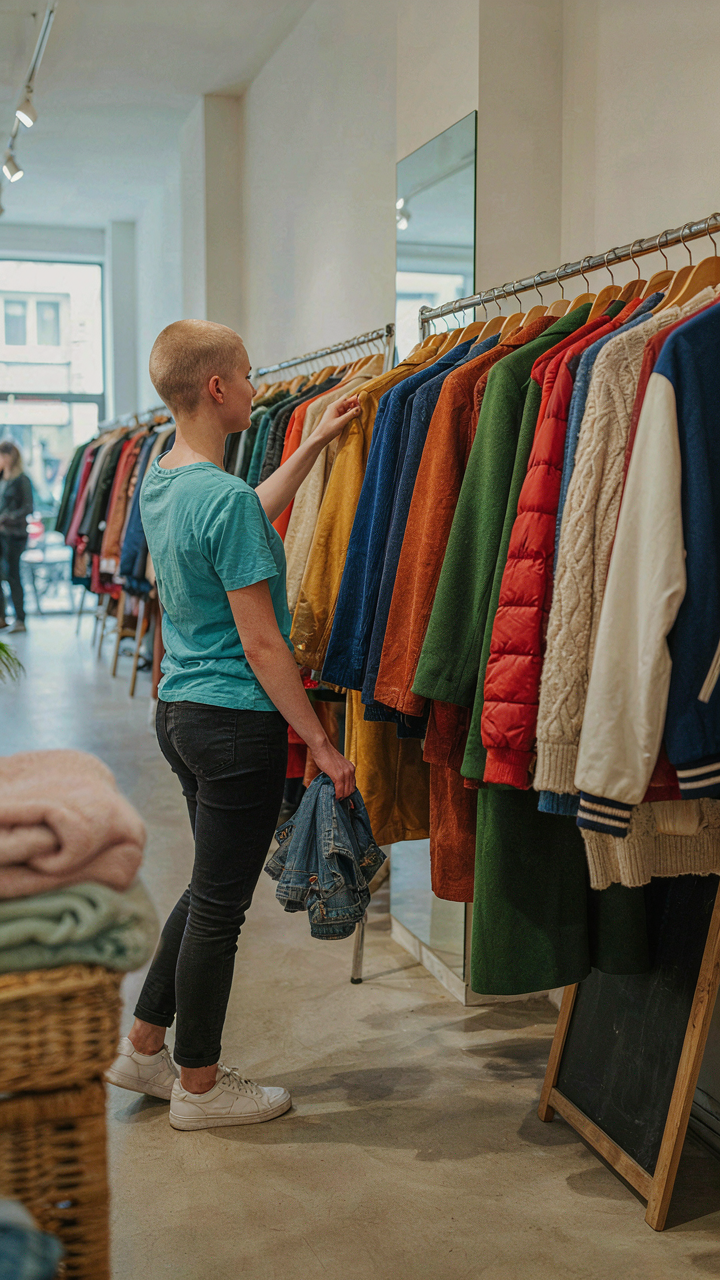
You want to believe thrifting success comes down to luck or taste. It doesn’t. You’re really after one thing: buying something below its actual market value and selling it for what it’s actually worth. That gap is arbitrage, borrowed from economics. In thrifting, your arbitrage edge is the inefficiency between what a nonprofit thrift store prices items at and what those same items sell for on resale platforms. Most thrift workers don’t price based on brand demand or condition signals. They price based on category and gut feel. This is your operating environment.
The stores that employ this system create consistent mispricing. A vintage Carhartt jacket priced at eight dollars because it’s “used workwear” sells for sixty on Depop because it fits the streetwear aesthetic. The thrift store’s pricing logic doesn’t account for cultural shifts in what people actually want to wear. Your job is to recognize what the market values before the pricing structure catches up. This requires visiting the same stores repeatedly until you internalize their baseline pricing and their blind spots.
Pattern Recognition Under Time Pressure

You need to move fast. The common advice to “inspect every item” wastes your time and misses the point. Real speed comes from pattern recognition: you train yourself to spot the specific signals that indicate resale value before you even pull the item off the rack. Look for construction markers. Reinforced seams, heavy-duty zippers, branded interior tags, and natural fiber content indicate durability and desirability. Most casual thrifters see “jacket” and move on. You see stitching quality and ask if that construction matters to your target buyer.
The second layer is recency. Clothing trends cycle predictably. Oversized silhouettes, minimalist aesthetics, workwear-influenced pieces, and specific eras like 90s and early 2000s maintain consistent demand on resale platforms. You’re not guessing what sells. You’re matching inventory against known demand. Train yourself to recognize brand names associated with quality or cult followings: vintage Levi’s, Carhartt, Patagonia, Champion, Gap, J.Crew, and specialty brands in menswear or vintage categories. When you spot these names plus good condition plus reasonable thrift pricing, you’ve found your profit margin. Execute the purchase and list it within 48 hours while the trend window is still open.

Beyond Trends: What To Look For When Thrifting For Enduring Value

The Fiber Foundation
You’re hunting for resale value because you don’t trust your own taste, and you’re hoping a label will do the thinking for you. The mechanism is simpler: natural fibers hold their shape and structure better than synthetics over time, which means they photograph better, age more predictably, and resist the degradation that kills resale appeal.
Read the tag. Prioritize cotton, wool, linen, and silk. These fibers are durable enough to justify a second owner paying for them. Synthetics like polyester degrade faster under repeated washing and UV exposure. A blend isn’t disqualifying, but anything over 40 percent synthetic tends to age visibly. Check the blend ratio on the label before you buy, not after you’ve committed to flipping it.
Where The Stitching Reveals Everything
Construction quality works like structural engineering: weak joints fail first. The seams, hems, and collar attachments on a garment are load-bearing points. If they’re reinforced, the piece survives washing and wearing. If they’re not, it unravels.
Look for seams that are sewn twice, often visible as a parallel line next to the original stitch. Examine hem depth and consistency—rushed hems are thin and uneven. Check collar and cuff attachment points by running your finger underneath. Loose threads or gaps mean the garment was assembled fast and cheap. A well-constructed piece from a mid-tier or premium brand shows even stitching, tight tension, and reinforcement at stress points. This is the single strongest predictor of resale longevity and buyer satisfaction.
The Sourcing Funnel: Thrifting Clothes Ideas For Consistent Inventory
Store Selection Beats Random Browsing
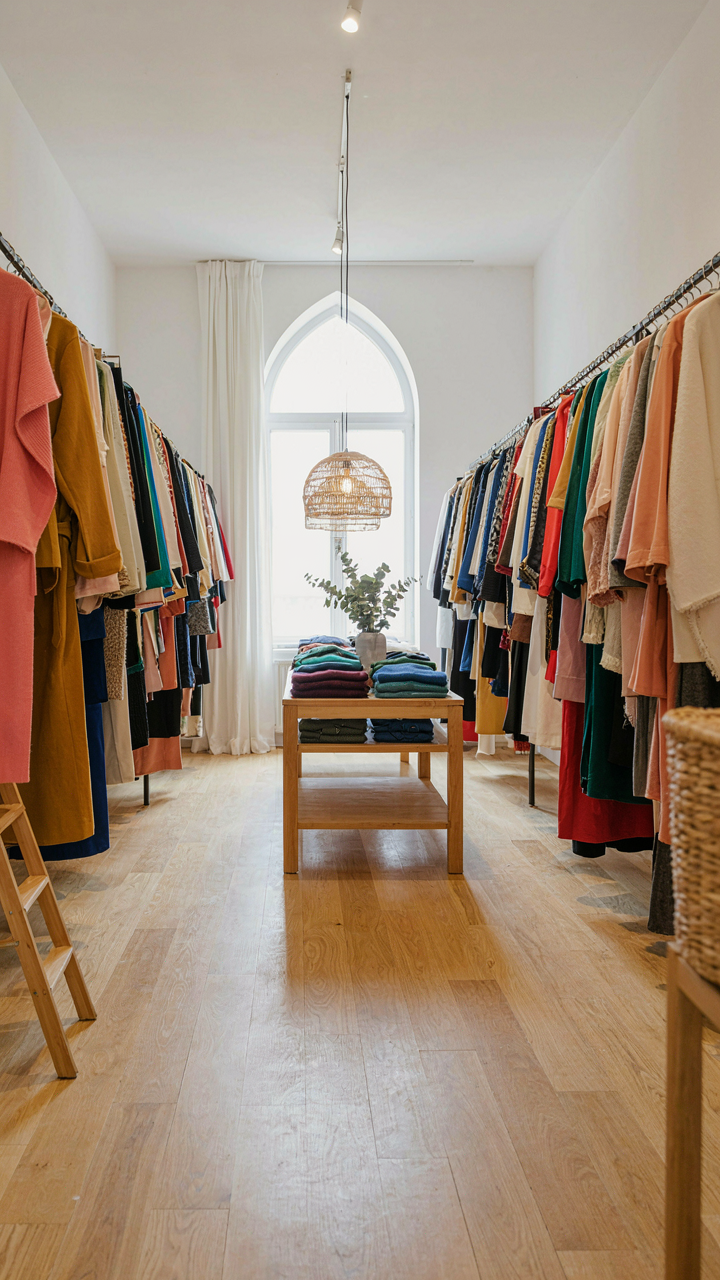
You want consistency without effort, which is why you’re hoping some stores are just better than others. They are, but not for the reason you think. The real mechanism is inventory turnover velocity. Goodwill locations in affluent zip codes receive donations faster and have higher-quality baseline stock because wealthy donors discard better goods. The store also prices aggressively to move volume, meaning better margins exist before competitors find them.
Map your route by donation patterns, not proximity. Stores near country clubs, retirement communities, and urban professionals receive designer castoffs weekly. Visit these on donation day cycles, typically Tuesday through Thursday. Call ahead or ask staff about receiving schedules. Timing beats luck every single time. You’re competing against other flippers, so arrival speed after restocking matters more than browsing comprehensively.
Drilling Into Category Patterns
Think like supply chain management. You’re not hunting randomly—you’re identifying which product categories show repeating signals of underpricing. Vintage Levi’s denim consistently underprices because thrift staff misread wash and fit details. Heritage workwear brands like Carhartt move slowly on racks but resell at 2-3x markup because buyers know the durability story. Wool sweaters from defunct department stores price at dollars but flip for $40-60 because buyers seek natural fiber quality.
Build category sheets documenting what you actually find and flip at each store. Don’t chase trends. Track which labels, decades, and fabric types generate sales at your price point. This data eliminates guesswork. After three weeks of visits, patterns emerge showing you exactly which aisles deserve deep attention and which you can skip.
Inventory Pre Mortem: Avoiding Common Thrifting Mistakes
The Good Deal Fallacy
You’re looking for validation that you found something valuable. That’s the real reason this matters. But here’s the mechanism: a low price isn’t a good deal unless the piece actually sells. Economics calls this “opportunity cost”—the hidden price of your capital and time locked in dead inventory. You pay five dollars for a vintage band tee, but it sits for three months unsold while your cash stays trapped and your shelf fills. The thrift store didn’t make the deal cheap. Your buyer list did.
Most thrifters measure deals by purchase price alone. Wrong metric. Calculate the real cost by adding acquisition price plus storage time plus listing effort plus platform fees, then divide by the actual selling price you’ll net. A twenty-dollar piece you bought for two dollars only matters if someone buys it for at least fifteen. The price tag means nothing. The margin after all friction does.
Condition Assessment: Know When To Walk
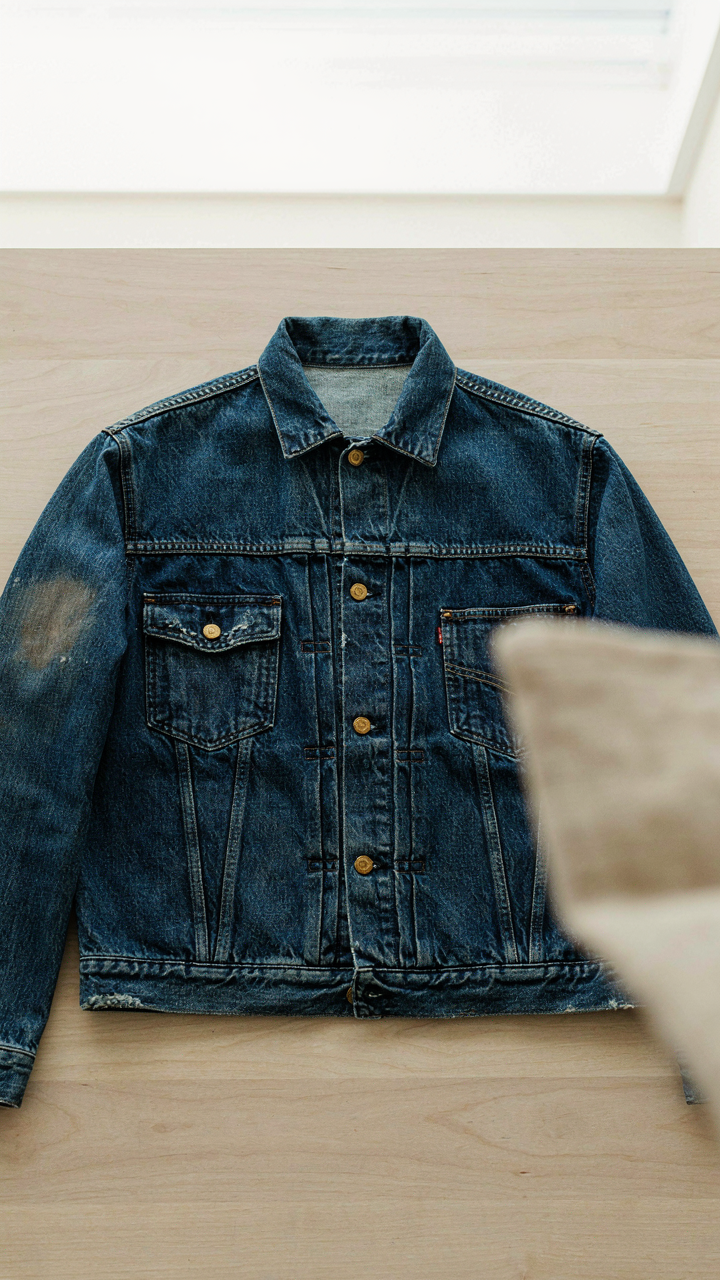
Condition determines velocity, not aesthetics or rarity. A torn seam on a 1980s Carhartt kills resale speed even if the vintage factor is solid. Buyers don’t negotiate down on condition the way you think they do. They just move to the next listing. Inspect fabric integrity, zipper function, stains that don’t wash out, and missing buttons before checkout. If you’re uncertain whether something cleans up, it won’t. Assume the worst-case scenario and decide from there.
Pass immediately on pieces with odor, permanent discoloration, broken hardware you can’t source, or structural damage like worn-through elbows or crotch blowouts. These aren’t character marks. They’re friction points that slow or block sales. Your job isn’t salvage. It’s identifying stock that moves. Condition assessment happens in thirty seconds per item. If you’re still debating it after that, the piece doesn’t meet your threshold. Leave it.
The Styling Equation: Styling Thrifted Clothes For Maximum Appeal
When One Piece Becomes The Entire Story
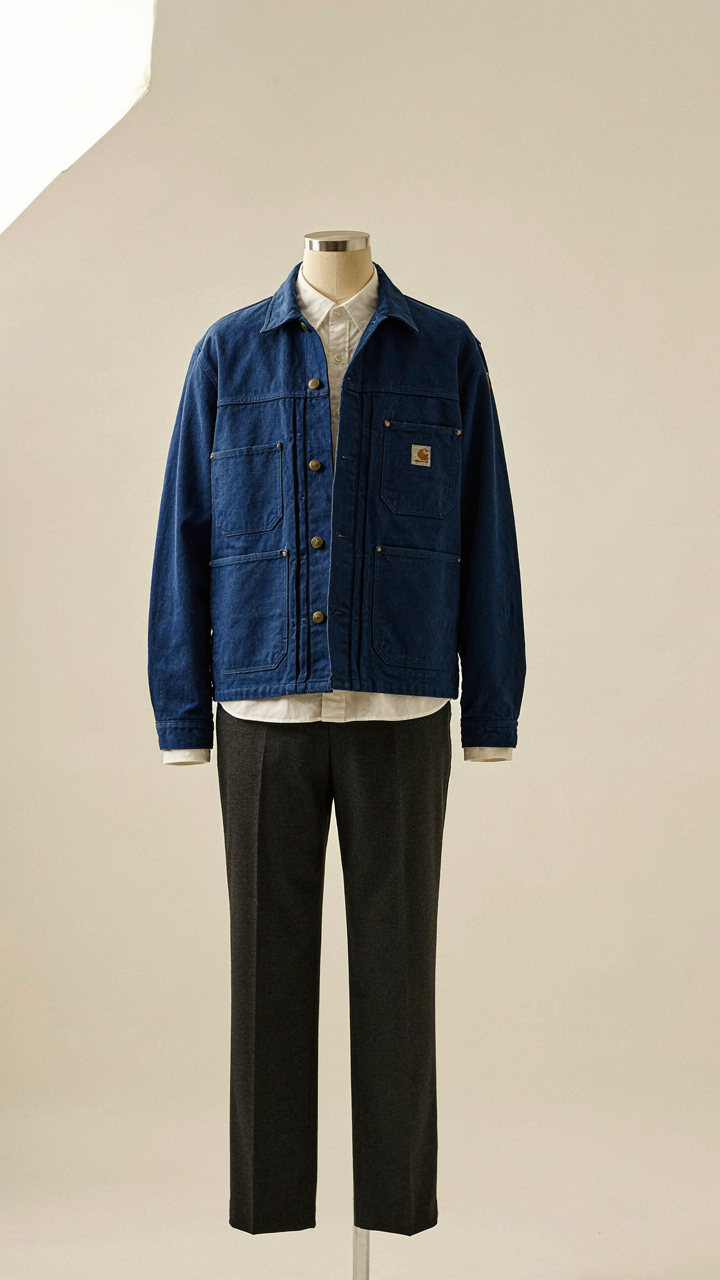
You want to flip thrifted clothes because you’re afraid of looking like you shop at thrift stores. So you compensate by building a narrative around each piece instead of letting it sit generic. That’s the real move. In design thinking, we call this “context collapse”—the piece’s meaning doesn’t exist in isolation but through its relationships to other elements. A 90s Carhartt jacket means nothing alone. Paired against tailored trousers and a crisp shirt, it becomes intentional. The visual narrative transforms a random find into a curated statement. Buyers sense this immediately because they’re not buying fabric; they’re buying the story of how to wear it.
The mechanic is contrast. Thrifted pieces usually carry visual weight—bold prints, unusual cuts, heavy fabrics. Pedestrian styling drowns them. Instead, force a contrast point. If the thrifted piece is loose, pair it with fitted basics underneath. If it’s patterned, surround it with neutrals. If it’s textured, let smooth pieces breathe around it. This isn’t fashion advice; it’s visual hierarchy. The thrifted piece becomes the protagonist because you’ve stripped everything else of competing claims. Document this narrative in your photos—show the full outfit, not just the centerpiece. Buyers who see the complete context understand resale value instantly.
Basics Are Infrastructure, Not Filler
Most thrifting advice says “pair thrifted pieces with basics.” That’s incomplete. Basics aren’t decorative—they’re the structural layer that makes thrifted pieces sellable. Think in terms of architecture: load-bearing walls and aesthetic walls. Your basics are the load-bearing walls. They make the thrifted piece functional. A vintage band tee works because plain black jeans exist. A 70s oversized blazer works because a white t-shirt anchors it. Without that infrastructure, the thrifted piece becomes costume.
The tactical detail: choose basics that match the thrifted piece’s fabric weight and era. Pair a heavyweight vintage sweater with denim that has actual substance, not thin fast-fashion denim. Pair a delicate 80s blouse with fitted trousers in natural fibers, not stretchy synthetics. The basics absorb visual noise and create contrast. They also signal quality to buyers—the complete outfit reads as intentional, not accidental. Photograph the outfit twice: once with the complete pairing, once isolating just the thrifted piece so buyers understand both the versatility and the styling intention behind it.
The Value Multiplier: Thrifting Hacks For Increased Profit

Minor Repairs, Major Returns
You want to believe the piece you found is already perfect, that you’ll flip it untouched and pocket clean margin. That’s the denial talking. Tailoring operates on leverage mechanics—borrowed from economics, where leverage amplifies returns on capital deployed. Here, your capital is time and a sewing needle. A $3 thrift find with a broken seam or loose hem becomes unsellable at retail price until you fix it.
- Seam repairs: Split inseams on jeans or side seams on vintage tees cost five dollars to fix, multiply resale value by two to three times. Learn to hand-stitch or use a basic machine.
- Hem shortening: Pants and skirts sold at thrift lose buyers because length rarely matches. A proper hem adds perceived quality and lets you price $8 items at $18.
- Button replacement: Missing buttons kill sales instantly. Replace them with matching or intentional vintage buttons found at fabric stores. Five minutes of work, thirty percent price bump.
- Elastic replacement: Waistbands in vintage high-waisted pieces degrade. Fresh elastic costs two dollars and restores function completely, making unwearable pieces competitive again.
- Zipper swaps: Broken zippers tank value fast. YKK replacements are cheap. This single repair transforms a $1 find into a $15 resale in vintage jackets or dresses.
Most flippers skip repairs because they assume tailors cost too much or the work seems advanced. Wrong. You’re not making couture adjustments—you’re doing basic maintenance that any piece of value requires. The math is simple: if repair costs under fifteen percent of your asking price, it compounds your margin. Many platforms flag listings as “like new” after repairs, which shifts buyer psychology toward premium pricing. Track repair costs separately from acquisition cost, then only buy pieces where repair expense plus thrift price stays below sixty percent of realistic resale value.
Listing Architecture And Buyer Intent
Marketplace listings don’t sell clothes. They sell certainty. The common advice here is useless—shoot good photos, write clear descriptions, price competitively. That’s table stakes everyone already does. What actually moves inventory is reducing the mental friction between “I might want this” and “I’m buying this now.” Buyer psychology research shows people need specificity to convert, not generic brand names and vague measurements.
Build listings around the exact data buyers search for: dimension measurements in inches, not sizes (which vary wildly between brands and eras), specific fabric content with percentages, condition language tied to observable wear patterns, and try-on context photos on an actual body when possible. Include flaws upfront with photographic evidence—mysterious stains, fabric pilling, color fading. This kills returns and builds trust faster than pretending damage doesn’t exist. Price intentionally below comparable listings initially to generate velocity and reviews, then adjust upward as your account builds seller authority. The goal is making your listing the obvious choice because it removes every question a hesitant buyer might ask before checkout.
The Game Theory Of Thrift Shopping: Strategic Advantage

When Your Competition Leaves Money On The Table
You want an edge. That’s the real reason you’re reading this. The mechanism is simple: most thrifters operate blind to what others are doing, which means they systematically miss inventory patterns and seasonal shifts. This isn’t luck. It’s the prisoner’s dilemma applied to thrift stores. Everyone searches alone, hoards information, and refuses to share routes or timing. Nobody cooperates.
Your advantage exists because most resellers treat thrifting like a solo sport. They hit the same store at random times, grab obvious pieces, and leave gaps in their searches. When you map store pricing cycles, staff rotation schedules, and donation intake patterns, you’re cooperating with the system instead of fighting it. Your competition stays scattered. You become systematic.
The Math Of Limited Hours And Finite Inventory
Zero-sum thinking in thrifting means understanding that every hour you spend in one store is an hour not spent elsewhere, and every piece you buy is unavailable to the next person. Economics calls this opportunity cost. You optimize by measuring return per hour, not total finds. Most guides tell you to “visit more stores,” which is lazy advice that burns time without strategy.
The real protocol: calculate which stores yield the highest usable inventory per hour of travel and search time. Track which days receive fresh donations and staff pricing adjustments. Allocate your weekly hours to the stores with the highest conversion rate from browsing to flippable pieces. Ignore stores that waste your time, even if they’re convenient. Time is your scarcest resource, not money.
Scaling Your Sourcing: How To Thrift Shop For Clothes Effectively

The Route System That Actually Works
You want to know if you can make this work without becoming a full-time thrift archaeologist. The real answer is replicability. Most people treat thrifting like tourism—they wander, hope, leave empty. The mechanism is logistics: you’re building a supply chain, not browsing. Map three to five stores within a defined radius. Visit each on the same day each week. Track which stores yield inventory that flips, which don’t. This removes randomness and turns it into predictable output.
Your scouting route is only valuable if you execute it consistently. Consistency reveals patterns. One store might restock men’s vintage on Thursdays. Another dumps designer pieces on Tuesdays. A third has garbage most days but hits occasionally. You only know this through repetition, not theory. Document what you find, when you find it, what price it sold for. After four weeks, your data tells you where to spend time and where to cut loose.
Building A Network Of Scouts
Delegation in thrifting follows the same economics principle as any sourcing business: the more eyes you have, the more inventory you access without your personal time. This isn’t about hiring employees. It’s about creating reciprocal relationships with people who already shop thrift stores. They spot pieces you would have missed. You split margins or pay finders fees. The network compounds faster than solo sourcing ever could.
Start with one person you trust. Show them exactly what sells. Give them a list of brands, silhouettes, and price points. Offer ten to fifteen percent of profit if they source and bring pieces to you. Once that works, add a second person. The math changes at scale: three scouts working independently find three times the inventory. Your job becomes curation and listing, not hunting. Your time converts from sourcing to selling, which has higher margins anyway.
Your Biggest Obstacle Isn’t The Thrift Store Rack, It’s Your Own Inability To See Undervalued Assets

Most people walk through thrift stores blind. They see clothes. You need to see cash. The shift happens when you stop shopping and start sourcing. Walk into your next thrift store and spend thirty minutes photographing five pieces that look “off.” Wrong fabric, weird cut, outdated branding. That’s where resellers find hundred dollar finds priced at three dollars. Your competition stops looking after the first rack. Keep looking. The money lives in what everyone else misses.