

The Illusion Of “Unique” Why You Keep Failing
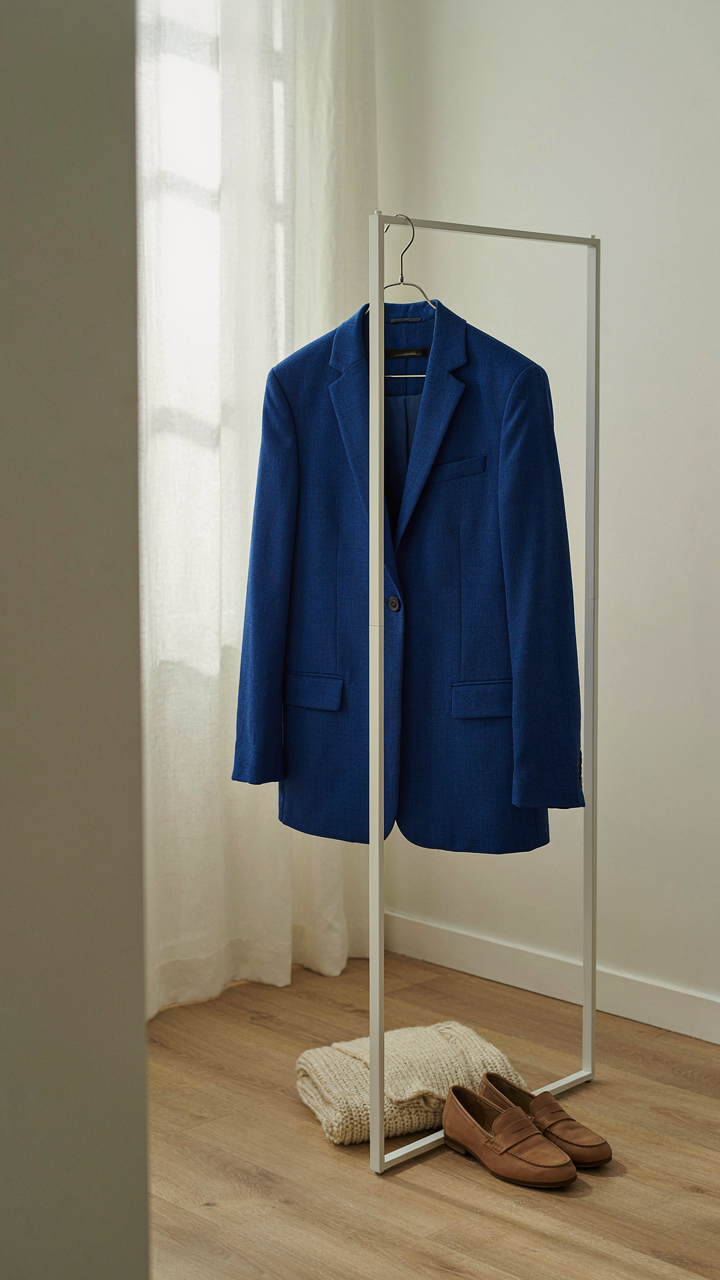
You’re Buying Status, Not Clothes
You want people to think you’re the type of person who has figured something out that they haven’t. That’s the real reason you’re here. The mechanism is simple: you confuse rarity with fit. You see a vintage band tee or a 90s blazer nobody else owns and assume ownership solves the identity problem. It doesn’t. You’re treating thrift shopping like a treasure hunt where the prize is proof of taste. The actual work—knowing what works on your body and why—gets skipped entirely.
This is why your thrift hauls sit unworn. You bought the story the garment told, not the garment itself. A 1970s Pendleton shirt is not automatically yours just because it exists in a thrift bin. It has to work with your proportions, your lifestyle, and the actual pieces you wear. Rarity without alignment is just expensive clutter with a better origin story. Most people never make this distinction. They keep hunting for the next “find” instead of building a system.
The Impulse Trap Never Changes

Common advice says to make a list before you shop. That’s half the solution and half the problem. A list only works if you already know what you’re looking for, which most people don’t. The real trap is speed of decision. You’re in a thrift store, you see something interesting, and you have 90 seconds to decide before your dopamine hits wear off. That’s not strategy. That’s a slot machine.
The cycle breaks when you introduce friction. Not when you shop, but when you decide to keep. Give yourself a 48-hour rule: anything new goes into a separate zone. You don’t wear it, you don’t style it, you just let it sit. After two days, you know if it actually fits your life or if you were chasing the feeling of discovery. Most impulse thrifts fail this test. The ones that don’t become foundation pieces.

The “Vintage Clothing Aesthetic” Deception

Fabric, Fit, Form Over Brand Stories
You want the aesthetic without admitting you’re chasing status through someone else’s era. Here’s the mechanism: most thrift shoppers fixate on a garment’s narrative or label instead of its actual utility. A vintage Levi’s tag means nothing if the fabric has degraded or the waist fits wrong. The garment itself—its construction, weight, drape—determines whether it works in your life.
Fabric quality is the primary variable. Cotton from the 1970s through 1990s was typically denser and more durable than modern fast-fashion cotton. Wool holds structure. Linen breathes predictably. Polyester blends from certain eras don’t pill the way newer synthetics do. Fit matters second: a well-cut garment from any era works; a poorly cut one from a “good” brand wastes money. Form is the coherence between how a piece is constructed and how you’ll actually wear it.
Building Coherence, Not A Costume
The common advice tells you to “mix eras” or “lean into your vibe.” That’s incomplete. Real coherence comes from constraint, not curation of aesthetics. Pick a functional principle—durability, minimalism, workwear heritage—then source only pieces that reinforce it. Wearing a 1950s ball gown with 1990s grunge boots isn’t mixing eras. It’s wearing a costume.
The protocol: define what your wardrobe solves for. Is it weather? Movement? Work contexts? Professional presence? Every piece you buy must solve that problem consistently. A thrift wardrobe feels like you because you stopped treating it as a museum and started treating it as infrastructure. When each item serves the same functional logic, coherence emerges without effort.
The Scarcity Mindset: Your Real Enemy In Thrift Shops

The Anxiety Of Letting Good Pieces Pass
You’re afraid you’ll never find that piece again. That’s the real mechanic operating here, and it costs you money and closet space. Economics calls this loss aversion: you feel the pain of losing something twice as hard as the pleasure of gaining it. In thrift stores, this translates directly. You see a decent sweater and buy it immediately, not because you need it, but because scarcity feels real when inventory changes daily.
The truth is simpler than it feels. Most thrift stores rotate stock within weeks. Similar items will come through again. The piece you pass on doesn’t represent a permanent loss, it represents an opportunity to be selective. When you buy from fear instead of intention, you build a wardrobe of compromises. You end up wearing ten percent of what you own because eighty percent was purchased under pressure.
The Discipline Of Walking Past Things
Real hunters in thrift spaces operate on a protocol, not impulse. You establish a rule before you enter: you only buy pieces that fit three criteria you’ve already decided on. Maybe that’s color, fit, and construction quality. Maybe it’s fabric content and era. The criteria don’t matter. What matters is that you’ve removed the emotion variable before scarcity psychology can activate.
Walk past ninety percent of what you see. This isn’t deprivation. This is signal detection. When you ignore most items, the genuine fits stand out neurologically. Your brain stops treating everything as equally scarce and starts recognizing actual matches. Return to the same stores on a predictable schedule, maybe weekly or biweekly. The constraint of time and place creates real constraints on inventory. You can work within those constraints systematically instead of getting swept up in whatever appears in front of you that day.
The Curated Wardrobe Protocol
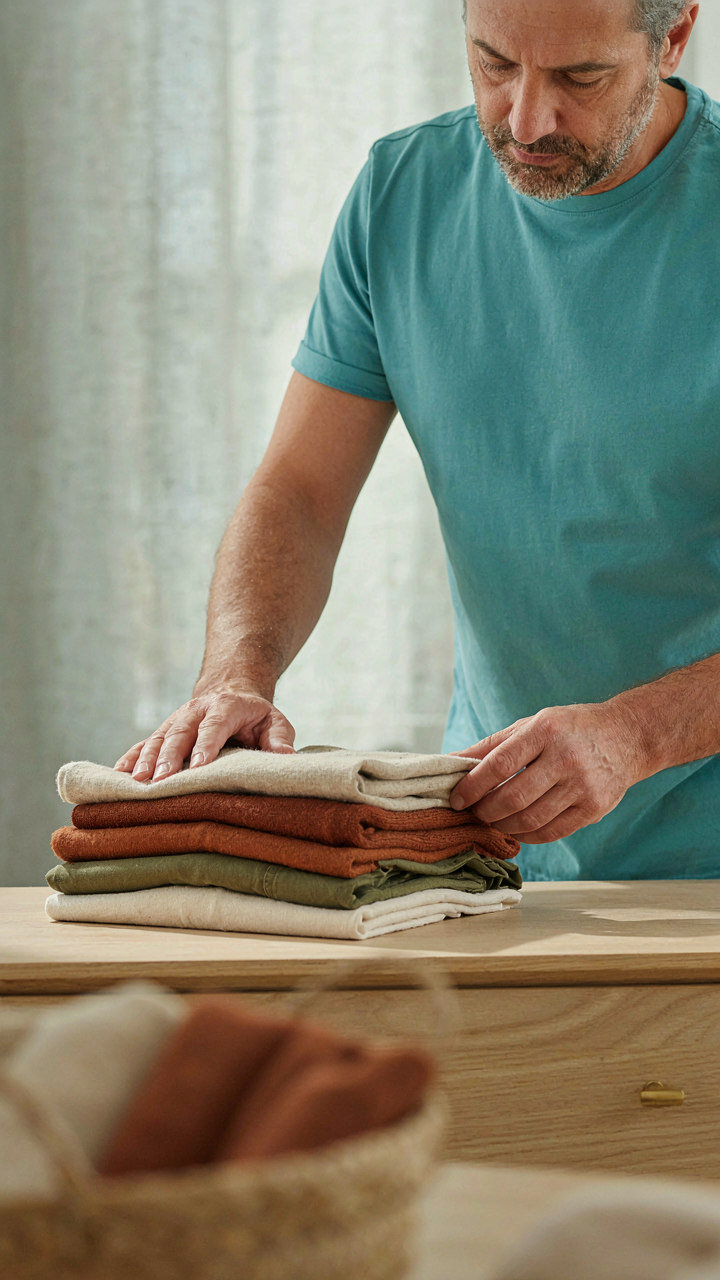
Define Your Personal Style Core Elements
You want this section to work because you’re afraid of looking random. The mechanism is simple: most people confuse personal style with preference, then wonder why their thrift finds don’t cohere. Style is constraint, not expansion. It’s the repeating pattern in what you actually wear, not what you think you should wear.
Start by auditing your closet right now. Look at the pieces you reach for repeatedly, not the ones you bought with intention. Note the colors, fits, fabrics, and silhouettes. These aren’t accidents. They reveal your actual operating system. Write down three to five core elements that appear across multiple items. Maybe it’s structured blazers, maybe it’s oversized knits, maybe it’s natural fibers. These become your filter for every thrift store decision you make going forward.
Building Versatile Foundations From Thrift Stock
The conventional advice here is to hunt for “basics” and “neutrals.” That’s lazy thinking. Basics don’t make a wardrobe work; intentional layering does. Thrift stores have abundance problems, not scarcity problems, which means you’re buying from a surplus of dead wardrobes, not curated inventory. You need a protocol to sort signal from noise.
Aim for pieces that work in multiple combinations and across seasons. A well-fitting oxford shirt in a muted tone functions as an undershirt, a layer, or a standalone piece depending on how you wear it. A mid-weight wool sweater operates the same way. These aren’t thrilling purchases. They’re the mechanical joints that let everything else move. Buy three to four foundational pieces before you touch anything decorative. This prevents the common trap of a thrift wardrobe that looks like a costume collection instead of an actual system.
Retro Thrift Store: The Art Of Recontextualization
Signals That Survive Time
You want permission to buy old clothes without looking like you’re wearing hand-me-downs. Here’s the mechanism: evolutionary biology shows humans read status and competence through consistency, not novelty. A piece that survives decades signals durability. Heavy cotton, tight weaves, brass hardware, and natural fibers don’t deteriorate the way synthetic blends do. These materials broadcast that something was built to last, which your brain interprets as intentional choice, not desperation.
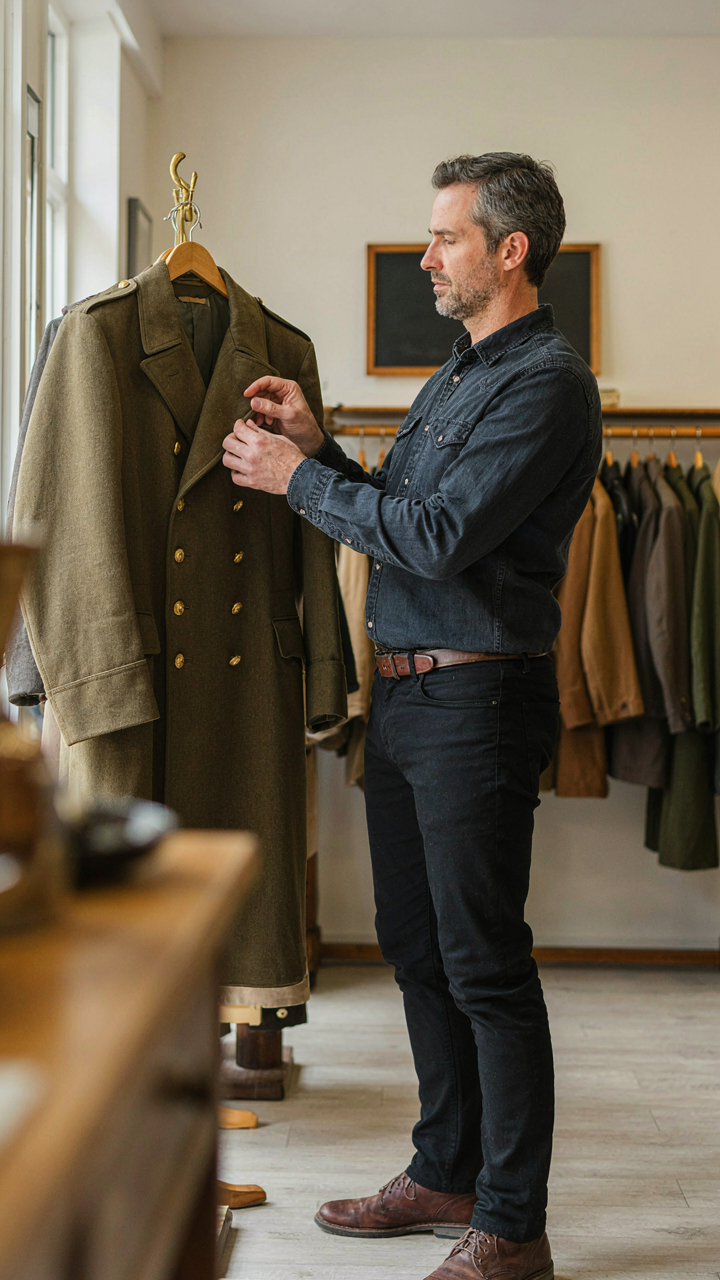
The mistake most people make is treating all vintage as inherently cool. It isn’t. You’re hunting for pieces with construction that proves their original maker invested in longevity. A wool overcoat from the 1980s with functioning buttons and no pilling reads differently than a polyester blazer from the same era. Construction quality is the fitness signal. It’s the thing that makes a piece feel deliberate rather than costume-like when you wear it today.
Translating Old Into Now
Everyone says “just style it differently,” which is useless advice. Real recontextualization means understanding why a piece failed in its original context and what new context makes it functional. A oversized men’s dress shirt from 1995 doesn’t work as a dress shirt anymore because fits changed. But it works as a layering piece under a modern silhouette, or unbuttoned over a fitted base. The garment didn’t change. The problem it solves did.
The protocol is simple: identify the original intended use, identify why that use is obsolete or doesn’t match your life, then identify what modern problem that construction solves. A vintage wool cardigan designed for office formality becomes a texture layer in casual outfits. Vintage band tees designed for fandom become graphic anchors. Vintage Levi’s designed for workwear become the baseline neutral. You’re not rescuing old clothes. You’re giving them new jobs based on what they’re actually built to do.
Things To Thrift Clothes: The Quality Imperative
Spotting Genuine Craftsmanship Versus Fast Fashion
You want permission to buy cheap things and call it taste. Here’s the mechanism: fast fashion uses the fewest stitches, thinnest materials, and loosest tolerances to hit a price point. Genuine craftsmanship uses opposing constraints. Economics calls this the “cost floor” – the minimum spend required to make something that doesn’t fall apart. Most thrifted clothing sat in warehouses before reaching you, which means you can inspect what fast fashion hides: construction quality.
- Seam density: Count stitches per inch on interior seams. Genuine construction uses 12-16 stitches per inch; fast fashion uses 8-10. Tighter seams hold longer under stress and washing.
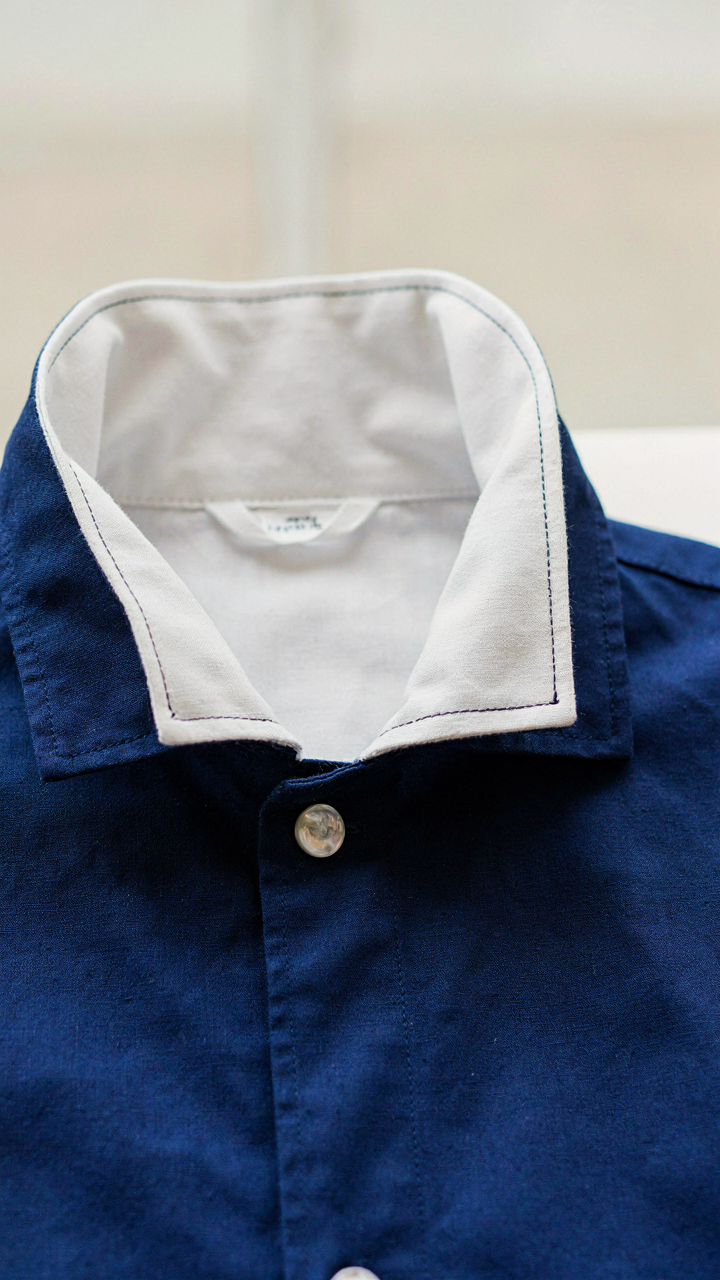
- Collar reinforcement: Flip the collar up. Quality pieces have interfacing that extends across the full collar back. Fast fashion cuts corners with partial or no interfacing underneath.
- Thread tension consistency: Look at topstitching on cuffs and hems. Uneven tension or skipped stitches signal rushed production and shortcuts on the assembly line.
- Fabric weight and weave: Lift a garment and feel if it has body. Cheap construction uses thin, loose weaves that pill easily. Dense weaves resist pilling and maintain shape through seasons.
- Button attachment: Buttons on quality pieces have thread shanks or reinforced anchoring. Fast fashion glues or poorly stitches buttons, which detach after five washes.
The fastest way to filter inventory: grab ten random items off the rack and check seams on three of them. If seven out of ten fail the seam test, the entire bin is fast fashion surplus. Move to the next section.
Pieces That Outlive Seasons
Stop hunting for “timeless” pieces – that advice is hollow marketing speak. What actually works is buying items engineered for multiple wearing seasons, not trend cycles. Natural fabrics like wool, linen, and cotton blend with synthetic durability compounds differently than synthetic-heavy fast fashion. A wool blazer from 1995 can function in 2025 because wool doesn’t degrade the way polyester microfibers do over time.
The real filter: buy pieces with neutral colorways that match your existing inventory, not your fantasy wardrobe. A charcoal wool sweater works with five bottoms you already own. A teal patterned vintage shirt requires you to rebuild an entire outfit ecosystem around it. Thrift stores overfill with the second type because previous owners faced that math and quit. You’re not smarter than them – you’re just starting fresh. Examine what you wore sixty percent of the time last month. Buy thrift pieces that extend that core, not pieces that demand you become someone else.
Old Fashioned Closet: Beyond The Hype Cycle

Material Quality Over Seasonal Rotation
You want permission to stop buying new clothes every season because it feels wasteful. The real mechanism is that natural fibers degrade predictably while synthetics trap moisture and break down from the inside out. Cotton, wool, and linen have known lifespans based on fiber structure and weave density, not marketing cycles.
Thrift stores stock pieces from decades past because the materials outlasted the trends. A 1980s wool blazer still functions as a blazer. A polyester shirt from 2015 shows pilling and thread separation from regular wash cycles. Check fabric tags before buying anything secondhand. Weight matters too. Heavy cotton twill outlasts lightweight cotton jersey. Dense knits resist pilling better than loose ones. The piece that costs more at thrift typically cost more when new because the construction used better materials.
Wearing Out The Trend, Not The Fabric
Most trend advice is backwards because it mistakes fashion cycle speed for actual fabric failure. A vintage Levi’s 501 from 1990 isn’t trendy anymore, but the denim is stronger now than when made. Trends expire before materials do. Your job is finding pieces where the material quality exceeds the trend lifespan by years, not matching seasonal mood boards.
Contrast this against fast fashion logic: buy cheap, wear until the fabric tears, throw away. Thrift store logic reverses it: buy pieces where wear patterns create character instead of damage. An oxford button-up from the 1990s shows soft fading and fabric settling. That’s not degradation, that’s aging. The distinction determines whether a piece becomes your uniform or a regret. Pick fabrics specifically rated for high-wash durability: raw denim, heavyweight canvas, full-grain leather, densely woven wool. These improve with legitimate use instead of falling apart.
Thrift Shopping As A Skill: The Hunter’s Mindset

Spotting Potential Over Finished Products
You want to believe a thrift store wardrobe is cheaper than retail. It is. But the real reason you’re reading this is you’re afraid you’ll waste time digging through garbage and walk out empty-handed. The mechanism that separates skilled thrift shoppers from frustrated ones isn’t luck. It’s learning to see raw material instead of finished goods.
Most people scan racks looking for items they’d wear tomorrow. That’s hunting for rarity in the wrong place. Skilled thrift shoppers evaluate fabric quality, construction, and fit potential. A blazer two sizes too large with strong shoulders and natural fiber fabric is inventory. A worn-out fast fashion shirt is garbage. The difference is knowing what signals durability and what signals waste.
Moving Through Crowded Spaces Deliberately
Good thrift stores are dense. Bad navigation burns energy without returns. The real cost of thrift shopping is time, not money, so you need a system. Start with categories that matter to your wardrobe gaps first. Most stores segregate by type and size. Many have dressing rooms that move slowly. Hit those sections when foot traffic is lowest, typically mid-week mornings or early afternoons. Your eye gets sharper after thirty minutes in one section anyway, so anchor there before moving.
Avoid shopping the same store the same day each week. Inventory rotates based on donations. Wednesday morning at a store might have completely different stock than Wednesday evening. Rotate stores and times. When you find a location with consistent quality in your size range, prioritize it. Respect the store layout enough to know it cold, then work against the grain everyone else walks.
The Post Purchase Audit: Refining Your Thrift Inspo

Ruthless Editing Separates Signal From Noise
You’re keeping pieces you don’t wear because throwing money away feels worse than wearing things you hate. That’s sunk cost fallacy talking, and it kills your wardrobe faster than anything else. The mechanism is simple: every item you own but don’t wear creates decision friction. Your brain has to process it, reject it, and move on every time you get dressed. That’s wasted cognitive load.
Pull everything you bought in the last month. Wear each piece for a full day in a real context, not just tried on at home. If you don’t reach for it unprompted within two weeks, it goes back or gets sold. The pieces that survive this filter are the ones that actually work with your life. Everything else was just a story you told yourself at the register. Keep only what you’d buy again at full price.
The Integration Protocol
Most advice says to mix new thrift finds with basics you already own. That’s incomplete. You need to test compatibility first, which means wearing the new piece with three different outfit combinations before deciding it stays. The goal isn’t to force it into your wardrobe. The goal is to prove it belongs there without thinking.
Lay out the new piece with existing items you think match. Wear the combination. Assess fit, movement, and how it feels after eight hours, not in the mirror. If the piece creates tension with your existing style rather than extending it, remove it. The integration happens only when the new piece makes getting dressed easier, not more complex. Document what works as you go. This becomes your personal playbook for future thrift decisions.
Your Biggest Obstacle Isn’t The Racks; It’s Your Inability To Define Your Own Damn Style

Most people browse thrift stores like they’re searching for permission to exist. They grab whatever fits instead of asking what they actually want to wear. Stop waiting for your style to reveal itself. Open your phone right now. Screenshot three people whose aesthetic you genuinely respect. Study what they repeat. Do that for your thrift store wardrobe. You don’t find your style in the racks. You bring it there.