

Beyond The Hype: Deconstructing “Sustainable Wardrobe” Lies

The Marketing Machine Behind Green Claims
You want to feel like you’re making the right choice without actually changing how you shop. That’s the real mechanism here. Brands know this and weaponize it. They slap “eco-friendly” on a polyester blend made in the same factory as fast fashion, charge 20 percent more, and watch the conversion rate climb. The label becomes the product, not the actual garment.
This works because certification standards are fragmented and often voluntary. A brand can claim sustainability based on one metric—say, using organic cotton for thread while the rest of the shirt comes from virgin synthetic fibers made with fossil fuels. No lie was told. The infrastructure simply allows brands to tell a partial truth and let consumers fill in the blanks with hope. Your brain does the marketing work for them.
The Gap Between Label And Reality

Standard sustainability language is incomplete, not deceptive. That distinction matters. “Eco-friendly” materials still require water, chemicals, and transportation. Organic cotton uses less pesticide than conventional cotton, but still demands significant water resources and land. A brand manufacturing in a facility with renewable energy still relies on supply chains built on cheap labor and resource extraction upstream. The label doesn’t account for these systems because accounting for them would require transparency that kills the sales pitch.
The real cost hides in the third, fourth, and fifth tier of production. A company can control what happens in its direct facility and still outsource spinning, dyeing, or finishing to operations with minimal environmental oversight. When you see “sustainable,” what you’re reading is “we managed one variable in a complex system.” To build a wardrobe that actually lasts, stop trusting the label and start tracking material weight, production location, and garment durability instead. Durability beats any certification you’ll find on a tag.

The Minimalism Paradox: Less Is More, But More Intentional

Buying For Permanence, Not Seasons
You want to feel like you’ve figured something out. That’s why minimalism appeals to you. But here’s the real mechanism: durability is an economics problem, not an aesthetic one. Garments fail because materials degrade, seams split, and dyes fade. You slow that failure by understanding fiber longevity, construction quality, and how fibers behave under wear. A natural fiber like linen lasts decades if the thread count is high and the weave is tight. Synthetic blends designed for quick turnover fall apart in three years by design.
The common advice says “buy less, choose well.” That’s incomplete. You need to know what “well” actually means in material terms. Examine fiber content, thread weight, and seam type before purchase. A wool blazer with a silk lining and bound seams outlasts ten fast-fashion alternatives. You’re not building a capsule wardrobe to look minimalist on Instagram. You’re building one because replacing a jacket every season is economically stupid and environmentally wasteful.
The True Math Behind Price And Longevity
Economics teaches us about amortization. Apply that framework here: cost per wear is how you measure actual value, not the price tag. A two-hundred-dollar sweater worn twice a month for five years costs less per wear than a thirty-dollar sweater worn once before it pills and shrinks. Most people get this inverted. They see the higher initial cost and feel poor. They don’t calculate backward from the grave to see how many times they’ll actually wear it.
Track your cost per wear ruthlessly. Wear a piece fifty times and divide: four dollars per wear. Wear it two hundred times: one dollar per wear. This metric eliminates the guilt trap of expensive basics and replaces it with data. Quality fabrics and construction don’t come cheap because labor and materials cost money. When you stop seeing price as a moral question and start seeing it as a longevity equation, you buy fewer things that last longer.
The Wardrobe Entropy Protocol: Resisting Decay
Where Your Clothes Actually Break
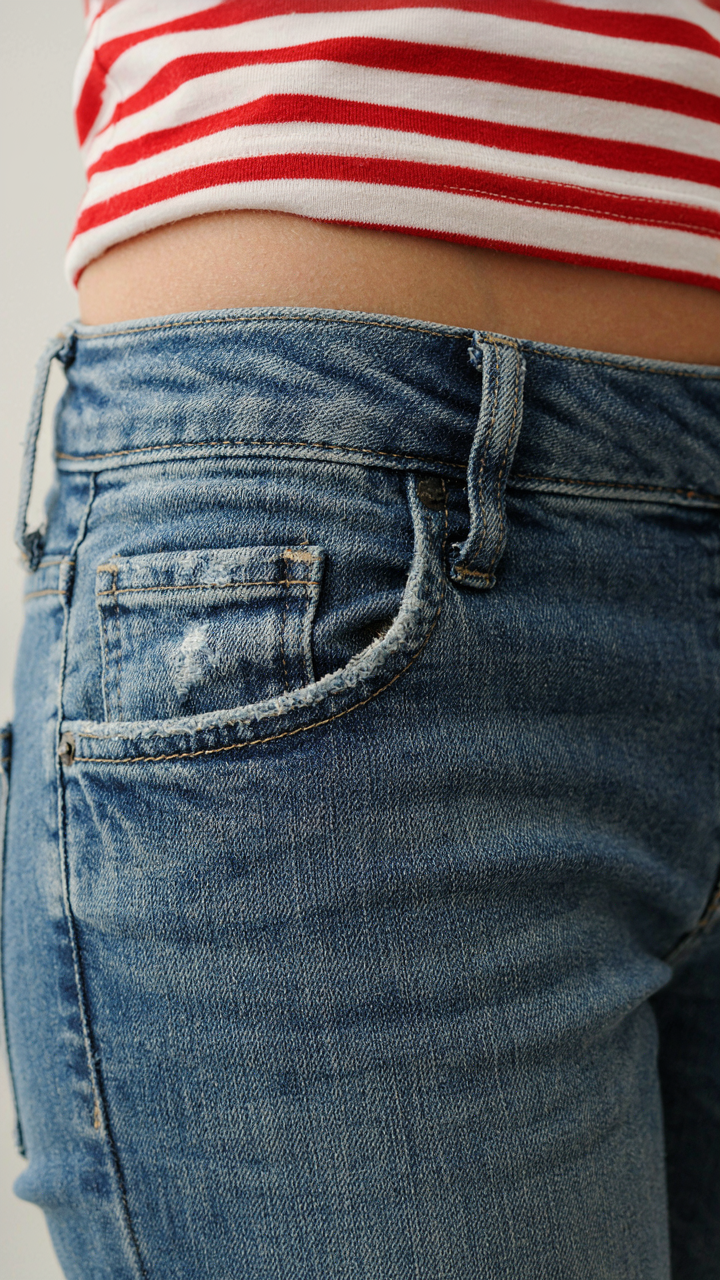
You want this section because you’re tired of replacing things and pretending it’s normal. The real mechanism: most people don’t maintain clothes because they can’t identify what’s actually killing them. You see a shirt fade or a seam fail and call it bad luck. It’s not. Specific friction points on every garment wear predictably based on body movement, fabric type, and how you wash it.
The collarband on a dress shirt fails first because your neck creates constant micro-friction against cotton fibers. Armpit seams split on t-shirts because that area generates 40 percent more movement than the torso. Inner thighs on jeans thin from daily rubbing. Once you name these points on each piece you own, you can intervene before failure. Most wardrobes fail because the owner never learned where to look.
Leverage Wear Through Intentional Friction Control
Physics teaches us that force equals mass times acceleration. In clothing maintenance, acceleration comes from frequency of movement in high-stress zones. You reduce that force by changing how often those zones experience load. Rotate garments so no single piece experiences concentrated wear in the same location week after week. A shirt worn once every five days instead of twice weekly cuts friction force in half on any given fiber.
Wash strategically to manipulate friction variables. Cold water reduces agitation stress. Gentle cycles lower the acceleration applied to fabric. Air drying eliminates heat-induced fiber brittleness. Wearing an undershirt beneath dress shirts moves friction away from the fabric surface and onto the barrier layer instead. Store folded, not hung, to eliminate gravitational stress on shoulders and seams. Each protocol targets one wear mechanism. Stack them together and you’ve built a system that actively resists decay instead of accepting it.
Quality Over Quantity: The Investment Principle For Ethical Fashion

How To Spot Real Construction
You’re hoping that buying expensive things makes you ethical. It doesn’t. The mechanism is simple: fast fashion trains you to ignore how things are made, so you confuse price with integrity. Genuine craftsmanship leaves evidence.
Look at seam allowances first. Cheap construction uses narrow seams that fray and fail. Quality garments use seams set at least half an inch from the edge, sometimes wider. Check the hem on a pair of jeans or a shirt. Single-stitched hems split fast. Double or triple-stitched hems stay. Buttonholes tell you everything. Cheap brands use single-pass machine stitching that unravels. Quality uses multiple passes of thread to lock the hole shut. Hand-stitched buttonholes take time and cost more, but they outlast the garment.
Fabric weight and fiber content matter more than brand name. A 14-ounce denim outlasts 11-ounce denim. 100 percent linen wrinkles but strengthens with age. Blended synthetics feel soft initially but pill and degrade faster. Examine the label. Brands hiding fiber content or offering no breakdown aren’t confident in their materials. Read the care instructions. If a piece requires dry cleaning constantly or demands babying, it wasn’t built to last through normal wear.
The Real Cost Math
Economics teaches diminishing marginal cost, but fashion applies increasing marginal value. A 100-dollar shirt worn once costs 100 dollars per wear. Worn fifty times, it costs two dollars per wear. Most people stop counting at purchase price.
Calculate wear frequency honestly. A blazer you’ll wear twice a year for ten years gets roughly twenty wears. A basic tee worn twice weekly for three years gets three hundred wears. Durability multiplies value. A 150-dollar coat lasting eight years costs less per wear than a 40-dollar coat replaced every two years. The math breaks down when you don’t wear what you buy. Before investing in anything, commit to a specific use case. Not a hope. A plan. Where will you wear it? How often? What will you pair it with? Vague purchases stay in the closet and destroy value instantly.
Track your actual wear patterns. Most wardrobes reveal that you rotate ten to fifteen pieces regularly and ignore the rest. Build around those pieces instead of chasing completeness. One high-quality white button-up worn constantly beats five mediocre ones gathering dust. Durability multiplies your real investment only if the garment actually gets worn.
The Second Hand Goldmine: Unearthing Sustainable Wardrobe Ideas

Where To Find High Value Pieces
You want the status of wearing rare pieces without the guilt of buying new. Here’s the mechanism: thrifting works because supply chains break down over time, meaning older garments from quality brands flood the secondhand market at fraction cost. The key is knowing where those pieces concentrate and what signals quality before you touch the fabric.
- Vintage boutiques in major cities: Curated inventory, higher prices, but pre-vetted for condition and authenticity. Staff have already filtered junk. Pay the markup for saved time.
- Estate sales and auctions: Where wealth transfers. You find deadstock designer pieces, rarely worn items, garments from decades when production standards were higher. Requires patience and timing.
- Consignment shops in affluent neighborhoods: Direct pipeline from people upgrading wardrobes. Better condition than charity thrift stores. Inventory turns faster because locals actively maintain the stock.
- Specialty secondhand sites by category: Denim focused, designer focused, workwear focused. Narrow inventory beats broad inventory. Experts run these, not algorithms.
- Online archives from defunct retailers: Archival sales from closed boutiques or warehouse liquidations. One time events. Set alerts and move fast when they happen.
The actual skill is recognizing construction quality faster than other buyers. Learn to spot: seam density, hem integrity, lining weight, button attachment method, and fabric weight for the era. These signals predict longevity better than brand name alone. Most thrifters see the label first. You see the stitching first.
How Resale Actually Works Environmentally
The consensus story is simple: resale reduces waste and carbon. That’s incomplete. Resale platforms create their own environmental cost through logistics, packaging, and server infrastructure. The real question is whether that overhead justifies the diversion from landfill.
The honest answer depends on two variables most people ignore: clothing condition at purchase and wearing frequency post-purchase. If you buy secondhand and wear it two hundred times, the per-wear carbon shrinks so far it becomes negligible. If you buy secondhand, wear it three times, and donate again, you’ve added logistics cost with minimal environmental benefit. Resale works when it extends active lifespan, not when it accelerates consumption velocity by making buying feel guilt-free.
Platforms like Depop and Vinted have scaled because they removed friction from selling, which sounds good. It also means people treat resale like new fast fashion: buy, wear briefly, resell. The environmental calculus flips negative when you factor shipping emissions across that entire cycle. Choose secondhand platforms strategically based on shipping radius, not brand recognition. Local pickup beats shipped-from-across-the-country buying every time. That’s where actual carbon savings live.
Maintenance Mastery: Extending The Life Of Your Organic Wardrobe

How Water Temperature Breaks Down Fibers
You want to believe that proper care is optional because admitting it matters means admitting your clothes need work. But here’s the mechanism: heat accelerates molecular breakdown in natural fibers. Think of it through thermodynamics. Cold water slows the rate of chemical degradation in organic cotton, linen, and wool. Hot water speeds it up. This isn’t preference. This is physics.
Wash organic pieces in cold water, period. Natural fibers release dyes and break down faster in heat because the water molecules move with more energy, penetrating and loosening fiber bonds. You lose color, elasticity, and structural integrity faster with warm or hot cycles. Dryers are worse. Air dry everything or use the lowest heat setting for minimal shrinkage and fiber stress. The common advice to “wash cold” sounds nice but misses why. It’s not environmental virtue signaling. It’s material science.
When Mending Actually Saves Money
Replacing broken clothing is the default because it requires zero skill and feels like progress. Mending feels like admitting defeat. That’s backward. A small hole in a merino wool sweater costs five dollars to repair and saves eighty dollars on replacement. The math is obvious once stated. But most people don’t mend because they’ve never learned the three techniques that actually matter.
Hand stitch small holes with a ladder stitch to close gaps without visible stitching. Use a needle and thread that match the fabric color. For larger tears or worn seams, use a whip stitch along the edge to reinforce and close the gap. For pilling on natural fibers, use a fabric comb or sweater stone to remove pills without damaging the weave. These three methods address ninety percent of preventable wardrobe failure. Learn them once. You save thousands over a decade.
The Closet Ecosystem Method: Sustainable Clothing Storage

Access Beats Aesthetics
You want your closet to look curated. That’s not the real problem. The real problem is you can’t find what you own, so you buy duplicates and donate items you forgot existed. A closet optimized for visibility kills waste at the source.
Hang items by category, not color. Folded pieces go on shelves at eye level. Store seasonal items separately in opaque containers with labels. This visibility audit forces you to confront actual inventory. You stop buying because you suddenly see what fills the gaps. The mechanism is simple: friction drops when retrieval time shrinks.
Control Climate, Control Decay
Fabric preservation is an engineering problem, not a mystical one. You need stable temperature, controlled humidity, and zero light exposure on pieces you store long-term. Most people ignore this and wonder why their wool develops odor or cotton yellows after six months.
- Cedar blocks or chips: Release natural oils that repel moths without chemical toxins. Replace every 2-3 years as potency fades. Work best in sealed containers with stored items.
- Silica gel packets: Absorb excess moisture in closed storage spaces. Essential in humid climates where mold and mildew compromise fiber integrity quickly.
- Acid free tissue paper: Use when folding fine knits or delicate fabrics for storage. Prevents creases that weaken fibers and yellowing from acidic paper contact.
- Breathable garment bags: Protect hanging pieces from dust while allowing air circulation. Avoid plastic bags that trap moisture and accelerate degradation of stored clothing.
- Desiccant containers: Place in wardrobes in damp climates to regulate internal humidity. Monitor and replace monthly during high-moisture seasons.
Target humidity between 45 and 55 percent. Humidity above 65 percent breeds mold. Below 30 percent, fibers become brittle. A basic hygrometer costs under twenty dollars and measures what’s actually happening in your storage space. Move air occasionally. Stagnant air accelerates decay. Rotate stored items every few months to break dormancy and catch early pest or mold damage before loss spreads.
Beyond Buying: True Eco Friendly Fashion Engagement

Participating In Resale And Rental Systems
You want proof that you’re doing something. That’s the real reason this section matters to you. But participation in circular fashion systems isn’t about signaling—it’s about economics. Resale and rental operate on the same mechanism as used car markets: information asymmetry determines value. When you buy secondhand, you’re extracting residual utility from garments that already exist. When you rent, you’re distributing the environmental cost across multiple wearers instead of absorbing it solo.
The common advice says “try Depop or Rent the Runway.” That’s incomplete. Those platforms work because they’ve solved logistics and trust, but they’re retail layers, not the mechanism. What matters is your participation rate and consistency. If you resell or rent once yearly, the impact is noise. The system works when you integrate it into your buying rhythm—replacing 40 percent of new purchases with secondhand or rental. Track which pieces you actually wear from rental and buy used versions instead of new.
Shifting What Brands Perceive As Demand
Most people think “voting with your wallet” is a metaphor. It’s not. Brands read purchasing data, returns data, and email inquiry patterns like legislators read polling. When enough customers ask for repair services or material transparency, the cost-benefit math moves. One email to a brand’s customer service asking why they don’t offer a take-back program doesn’t move them. Fifty emails from different accounts in a month forces a team meeting.
The mechanism here comes from supply chain management: demand signals trigger sourcing decisions. When a brand sees sustained requests for organic cotton or recycled polyester, procurement teams evaluate whether the margin justifies the switch. You influence this not by complaining online but by directing actual pressure at decision points—customer service inquiries, pre-purchase questions on social, returns with detailed feedback. Stop leaving this to chance. Document which brands you’re considering and send them specific questions about materials or ethics before you buy anything from them.
The Mindset Shift: Your True Sustainable Wardrobe Journey

Worth Isn’t Measured In Tags
You want this section to validate that you’re doing something meaningful. The real mechanism: you’ve been taught that ownership equals identity, and a sustainable wardrobe feels like proof you’re not shallow. That’s the wrong foundation. Economics calls this “signaling”—you broadcast status through consumption choices. A sustainable wardrobe isn’t about virtue signaling instead of status signaling. It’s about breaking the feedback loop entirely where external objects regulate your internal sense of value.
The shift starts here: your clothes solve a problem, not a void. A quality piece lasts longer, costs less per wear, and performs its function consistently. That’s the transaction. Everything beyond that is noise you’ve learned to believe matters. When you catch yourself choosing an item because it “says something about you,” pause and ask what problem it actually solves. Does it fit your life? Will you wear it fifty times? Can you repair it? Those are the only questions that matter now.
Intention Before Every Purchase
Conscious consumption isn’t about saying no more. It’s about saying yes to fewer things with higher certainty. This flips the standard advice that treats sustainability like deprivation. Instead, treat it like editing. Every garment enters your life through a single gate: Does this replace something worn out, or does it fill a genuine gap in function? No other reason clears the threshold.
Build a pre-purchase protocol: list what you own in that category, how often you wear it, and what specific problem this new piece solves. Write it down. Friction is your friend here because impulse dies the moment you name your actual reasoning out loud. The purchases you make through this filter cost more upfront but generate zero buyer’s remorse and zero closet waste. That’s the only math that matters to a sustainable wardrobe.
Your Biggest Obstacle Isn’t The Fashion Industry; It’s Your Impulse To Conform

You’ll never build a sustainable wardrobe by chasing trends or waiting for permission. The real work happens when you stop caring what others wore last week. Pull three items from your closet right now. Wear them together tomorrow without overthinking it. That discomfort you feel is just your conformity instinct dying. Let it die. A sustainable wardrobe isn’t built on rules. It’s built on refusing to follow them.