

The “Scarcity Signal” Method: Identifying Untapped Value In Thrift Flip Ideas
Fabric Construction Over Fashion Labels
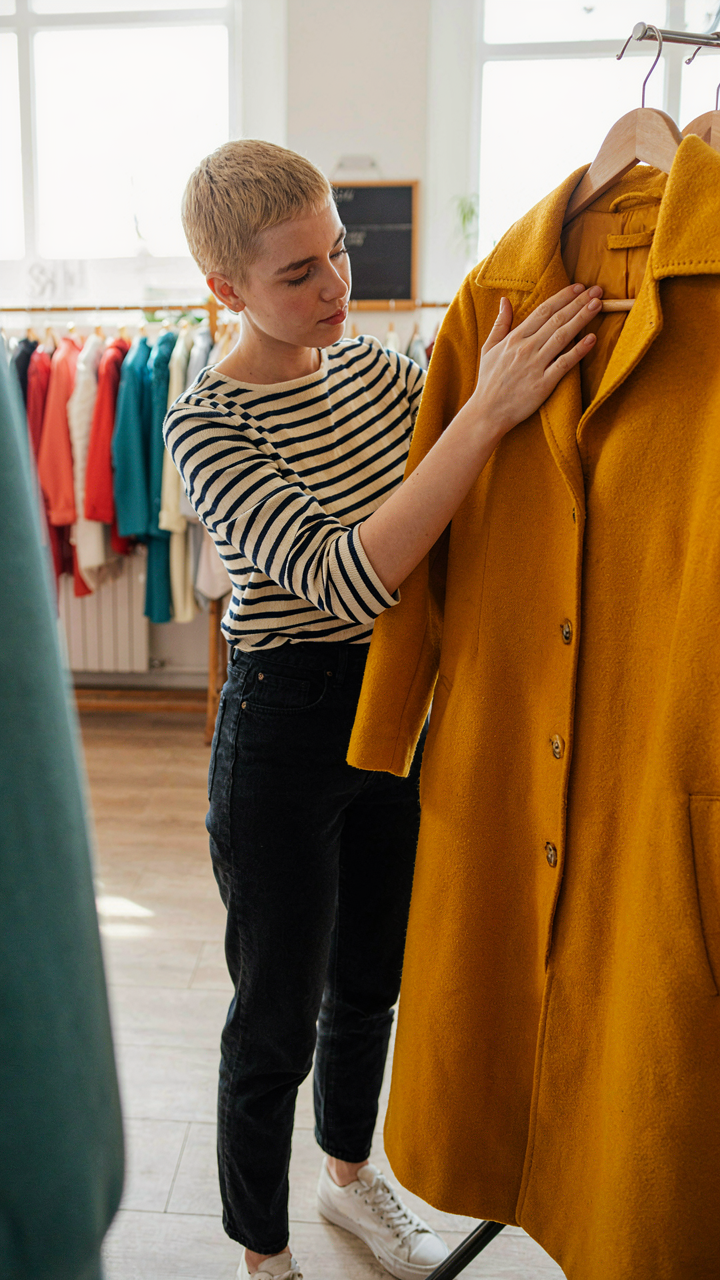
You’re looking for permission to believe a fifty-cent piece matters. It does, but not because of the brand stitched inside. Economics calls this “information asymmetry”—when one party knows something valuable the other doesn’t. In thrift flips, that gap lives in fabric composition and construction technique. Most people scan labels for brand names. You should scan seams, weight, and fiber content instead.
A $2 wool blend coat from an unknown label often outperforms a $20 polyester blazer from a recognizable name. Wool holds structure, resists wrinkling, and ages better. Polyester breaks down, pills, and shows wear in weeks. Construction quality matters more than recognition. Look for straight seams, tight stitching, and finished hems. These signal original manufacturing standards and durability through multiple wears and washes after the flip.
Garment Architecture Without The Brand Name Bias

People fixate on labels because it’s easy. Brand name removes the cognitive load of actual assessment. This is lazy advice dressed up as strategy. The real skill is diagnosing what a garment can become based on its physical properties, not its origin story.
Strip the label logic from your process. Examine shoulder seams, armhole depth, sleeve cap construction, and pocket placement. These structural elements determine how a piece fits different body types and how easily you can modify it. A well-constructed vintage shirt with poor branding often resells faster than a recognizable brand with flimsy construction. Assess garments as raw material with modification potential, not as finished products with predetermined value. Document construction details during sourcing, then match pieces to buyers who value that specific structure.

Deconstructing The Mainstream: Why “Trendy” Is Overpriced Conformity
The Markup Game Behind Mass Production
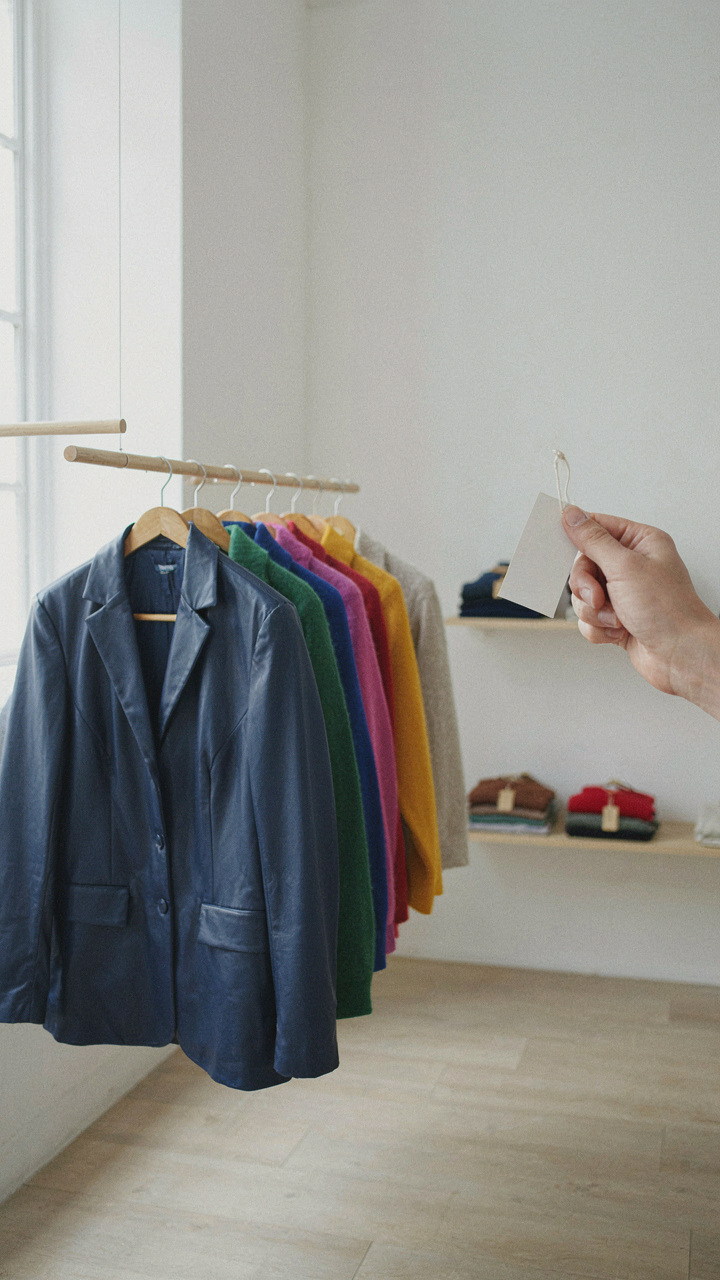
You’re drawn to this section because you sense you’ve been paying for brand names, not quality. Here’s the mechanism: fast fashion retailers engineer planned obsolescence into fabric and construction to force replacement cycles. Using economics terms, they’ve optimized for negative externalities—the cost of failure lands on you, not them. A thrift flip reverses this by targeting items made before the race to the bottom began, when materials and seams were engineered for durability instead of disposal.
Most vintage basics from the 1980s and 1990s used heavier cotton blends and lock stitching that outlasts contemporary equivalents by years. A $3 thrifted wool sweater from a defunct department store brand often contains virgin wool, while a $45 new equivalent mixes in synthetics to cut production costs. Retailers knowingly sell you degradation wrapped in trend language. Your flip work exposes this gap—you’re not adding value through alchemy, you’re removing the markup tax that fast fashion built into the price structure.
The Conformity Cost Built Into New Retail
New retail pricing doesn’t reflect material cost or labor. It reflects demand engineering—the expense of convincing you that this season’s aesthetic matters. A plain white t-shirt at retail undergoes marketing spend, seasonal positioning, and trend forecasting that inflates its cost 300 to 500 percent above production expense. Thrift flips sidestep this entirely because the item’s original markup is already sunk. You’re buying the physical object, not the marketing narrative still attached.
The real leverage: thrifted basics cost less than the markup alone on new equivalents. When you acquire a plain linen shirt for two dollars, you’ve bought it before the conformity tax was ever applied. This is why flipping works as a business model, not just a wardrobe hack. The price gap isn’t about your skill—it’s about the structural inefficiency of new retail pricing. Your job is simply to recognize what the original buyer already paid for, then extract the actual product value by divorcing it from trend cycles.
The Pattern Recognition Protocol For Upcycle Clothes DIY
Where Seams Fail And Flips Succeed
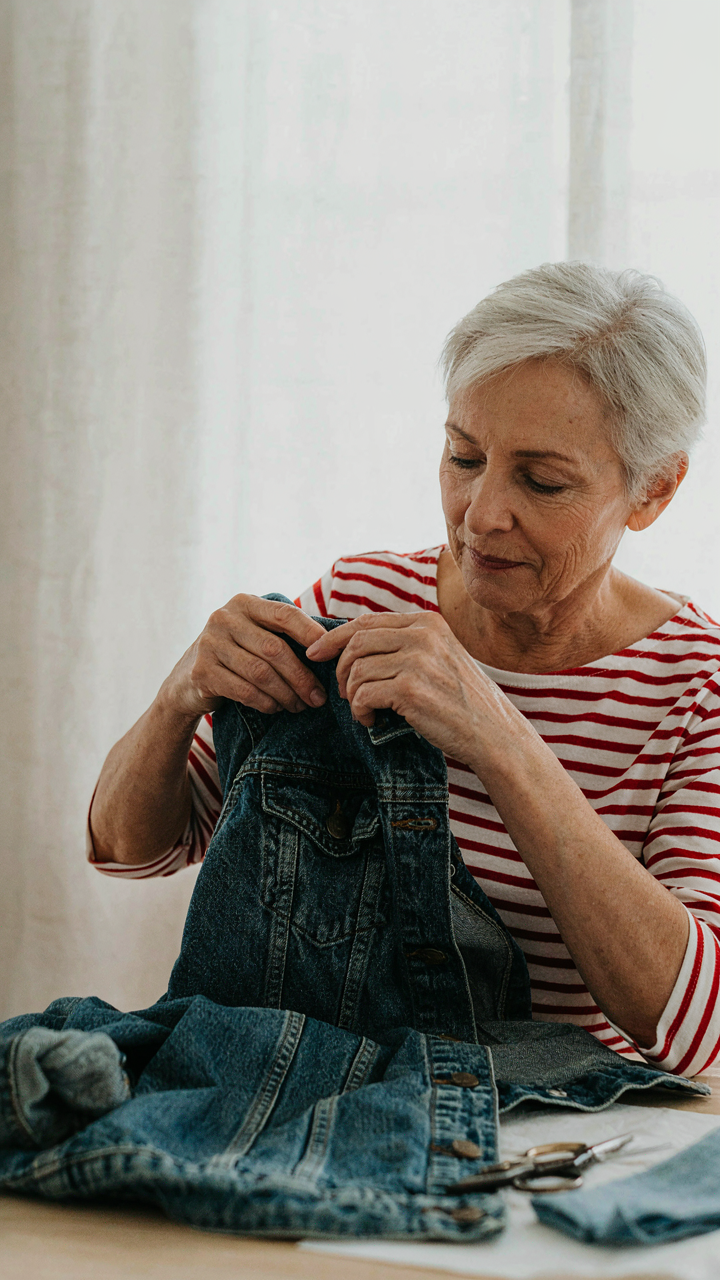
You’re attracted to thrift flips because you want proof that cheap finds aren’t trash, that your eye works, that time spent matters. That’s not the real mechanism. Physics teaches us stress concentration, the idea that force doesn’t distribute evenly across a structure. In clothing, stress points aren’t random. They’re predictable locations where fabric fails because the original design never accounted for your alteration. Seams at armholes, crotch points, and hem lines carry load. Identify these first or your flip falls apart mid-wear.
Examine every garment like you’re inspecting load paths. Pull the fabric near seams. Feel for thread tension, fraying edges, and backing stability. Weak seams mean the piece fails under movement, not under your scissors. Check collar stands, waistbands, and cuff attachments. These areas tell you whether the original construction supports stress or just looks intact. If threads slip under tension, the garment is already compromised. Your flip won’t fix that. You’re choosing salvageable base pieces, not attempting resurrection on damaged goods.
Fiber Behavior Under Transformation
Fabric isn’t uniform material. Biology uses the term phenotype to describe how genes express outwardly. Fibers express similarly. Cotton shrinks unpredictably when wet. Polyester melts under direct heat. Linen creases permanently. Blends behave like neither parent fiber alone. Most thrift flips fail because people ignore fiber content and transform as if all cloth responds identically. It doesn’t.
Before cutting or dyeing, test the fabric in a hidden area. Apply heat, water, and tension separately. Observe what happens. Natural fibers take dye and shrink variably based on age and prior washing. Synthetics reject dye entirely or require specific dyes and temperatures. If the garment is a blend, the fibers react at different rates, causing uneven results and structural weakness. Match your transformation method to the fiber’s actual properties, not the method you prefer. Test results dictate your approach, not the reverse.
Beyond Basic Sewing Projects Clothes: Strategic Alterations For Impact

Cropping And Hemming For Visual Weight
You want to look intentional, not like you grabbed whatever fit. The mechanism is simple: garment proportions control where a viewer’s eye stops. Borrowing from architecture’s principle of visual hierarchy, alterations create focal points through line placement. A cropped vintage band tee redirects attention upward to your face. A hemmed oversized blazer at the hip creates a breaking point that reads as deliberate styling rather than poor fit.
Most people hem things and call it done. The real work is understanding that cropped length is not neutral—it signals era and intention. A 1990s slip dress hemmed to mid-thigh reads differently than one hemmed to knee length. The same garment communicates different things based on where you end the line. Measure twice, cut once. Take the garment to someone who hemstitches or uses a serger rather than a standard machine to prevent fraying and maintain fabric integrity.
Tapering For Silhouette Control
Tailoring for fit is standard advice. Tailoring for silhouette is what separates a thrift flip from a thrifted item. The difference: fit treats size as the only variable; silhouette treats structure as the design element. Vintage Levi’s with a straight leg become a statement piece when tapered from the knee down. Oversized button-ups become intentional when the side seams narrow through the torso while the shoulders stay wide.
The constraint here is that bad tapering destroys movement. A tapered pant that’s too tight at the calf makes you walk stiff. A tapered sleeve that cinches your bicep restricts function. The taper should follow the original garment’s grain and reduce volume gradually, not drastically. Work with a tailor who understands vintage fabric weight and can taper without puckering seams. The result should feel like the garment was always designed that way, not retrofitted.
DIY Clothes Design: The Art Of Subtraction, Not Addition

Minimalist Cuts Removing Excess For Clean Lines
You want the shortcut to looking intentional without effort. The real mechanism is this: most thrift pieces fail because they carry visual noise from their original era. Your job is to strip that away. Think of it like signal-to-noise ratio in information design. Too much fabric, too many seams, too many design details competing for attention. A single clean line wins every time. Remove the mechanisms that made the piece feel dated, and suddenly it reads modern.
Start by identifying what actually needs to go. Oversized sleeves on a vintage blazer become fitted. Bulky hems transform into clean edges. Tapered legs on 90s jeans open up at the ankle. Use a seam ripper to deconstruct without destroying the garment. The cut itself becomes the statement, not the material underneath. This is precision work, not artistic expression. Measure twice. Cut once. The fewer elements competing for attention, the higher the perceived value of what remains.
Strategic Distressing Controlled Deconstruction
The common advice here is wrong. People think distressing means random ripping and hoping it looks cool. That’s how you end up with clothes that look damaged instead of designed. Real distressing follows a logic: you’re removing material to reveal the layers beneath or to create visual rhythm. It’s calculation, not chaos. A torn seam at the shoulder reads intentional when the hole follows a logical stress point. Strategic holes at the knee on black jeans create depth, not destruction.
Identify high-impact zones first. Knees, thighs, and seams catch light and draw the eye. Create distressing there, not scattered across the garment. Use a razor blade or box cutter for precision. Work from the back side first so you control fraying. The goal is a distressed look that looks like it was designed that way, not like the piece fell apart. Photograph your work before and after each step. This prevents overcorrection. Stop when the piece looks intentional, not when it looks extreme.
Thrift Flip: Cultivating An “Effortless” Aesthetic With Intent

The Invisible Tax On Mass Production
You want people to think you didn’t try, which means you’re terrified they’ll think you can’t afford to try. That fear drives the entire effortless aesthetic economy. Here’s the mechanism: mass production leaves visible markers of its own process. Machine stitching follows predictable patterns. Fabric is cut from identical bolts. Tags are uniform. Buttons align perfectly. The human eye reads this uniformity as “cheap” whether the price tag says so or not.
Economics calls this “signaling.” A thrift piece signals differently because it breaks the pattern. A vintage button doesn’t match its neighbors perfectly. Hand-mending creates slight irregularities. Fabric weight varies across a garment made before globalized manufacturing. These imperfections are exactly what trigger the perception of intentionality and value. One subtle change compounds the effect: replace three mass-produced buttons with vintage brass alternatives on a thrifted blazer, and the entire garment reads as curated rather than purchased.
When Scarcity Rewires The Brain
Most advice treats “uniqueness” as a marketing angle. It’s not. Uniqueness is a neurological anchor. Your brain weights scarce items differently than abundant ones because scarcity has always meant status in human systems. A mass-produced dress from a fast fashion chain exists in thousands of identical copies. Your brain files it under “commodity.” The same design from a thrift store, bought in 1987, exists in maybe fifty copies worldwide, and most are sitting in attics. Your brain files it under “acquisition” and “discovery.”
This isn’t preference. It’s wiring. When you own something unique, you engage with it differently. You style it with intention instead of following the template shown on an Instagram ad. You notice its details. You think about its history. This engagement becomes visible in how you wear it, and that visibility is what others actually perceive as style. The piece doesn’t become valuable because it’s rare. It becomes valuable because rarity makes you use it like something valuable. Thrift flipping works when you treat sourcing as a filtering mechanism, not a budget hack.
The “Curated Rarity” Effect: Easy DIY Clothes For Discerning Taste

Hunt For Incompatible Pieces
You want people to assume you have taste, which means you need them to think you didn’t just grab whatever matched. The mechanism is scarcity signaling: borrowing from economics, you’re creating perceived value through supply constraints. One item alone reads as thrift. Multiple items from different eras, fabrics, and cuts read as intentional curation.
Stop buying “matching sets” from thrift stores. That defeats the entire point. Hunt for pieces that shouldn’t work together by conventional logic: a 90s linen blazer, a 70s silk blouse, vintage Dickies, a structured 80s skirt. The friction between them is where the signal lives. Each piece should come from a different section, different store visit, sometimes different seasons.
Construct Tension Through Contrast
- Fabric Clash: Pair rough textures like corduroy or denim with smooth silk or satin to create visual weight distribution that reads deliberate, not accidental.
- Era Stacking: Combine a 70s-cut collar with a 2000s minimalist base layer. The time gap itself becomes a design feature that signals knowledge.
- Proportion Inversion: Match an oversized top with tailored, fitted bottoms or vice versa. Imbalance that’s intentional reads smarter than symmetry.
- Color Saturation Play: Pair muted, desaturated pieces with one bold, high-saturation element to anchor the look and prove you controlled the outcome.
- Formality Breaking: Combine structured, formal-coded pieces like a vintage wool coat with casual staples like distressed jeans or workwear to signal you don’t follow rules.
The outfit only lands if the friction serves a purpose. Don’t just throw incompatibilities together and call it vintage. Each contrast should have a reason: weight balance, color strategy, proportion correction, or era reference. The person seeing it should feel like you made a decision, not found an accident.
Monetizing Your Eye: Turning Thrift Flip Ideas Into A Side Asset

Finding Your Profitable Angle
You want proof that your taste has market value. Here’s the mechanism: profitable thrift flips aren’t about what you like. They’re about what a specific buyer segment will overpay for because it solves a status problem or fills a gap in their wardrobe they didn’t know existed. The market rewards specificity, not broad appeal. A curated Y2K cargo collection beats generic “vintage finds” every single time because buyers know exactly what they’re getting.
Most people chase trends and wonder why their inventory doesn’t move. Wrong approach. Identify aesthetics with structural demand: workwear revival, cottagecore staples, deadstock band tees, heritage denim cuts. These aren’t trends. They’re categories where buyers actively search and accept markup. Research what sells on Depop, Vestiaire Collective, and Grailed by sorting by “sold” listings, not just browsing. The data is public. Your job is pattern recognition, not guessing.
Your Brand Is Your Filtering System
Building a resale brand doesn’t mean creating a persona. It means establishing clear selection criteria so customers know what to expect from you. When you have a coherent filter, three things happen: people bookmark your shop, repeat customers arrive faster, and you stop wasting time on pieces that won’t sell. Your brand is the mechanism that turns random thrift finds into a predictable inventory system.
Start by naming your selection principle explicitly, even if only internally. “Oversized wool blazers from the 1980s and 1990s only.” “Deadstock workwear with intact tags.” “Japanese denim with visible fading.” Then apply it ruthlessly. Your brand strength compounds when customers see consistency. This is how you move from competing on price to competing on curation. Post your sourcing process, show your selection rejections, and let buyers see why your pieces matter. The brand becomes the asset, not the individual item.
DIY Vêtement: The Future Of Style Is Self Authored

When Trends Expire, Your Opinion Becomes Currency
You’re reading this because you sense that following seasonal drops no longer signals taste—it signals compliance. The mechanism is simple: fashion cycles accelerate faster every year, which means the status premium of owning what everyone owns collapses within weeks. The real leverage is becoming unmoored from those cycles entirely. When you thrift flip, you’re not participating in the planned obsolescence game. You’re operating on a different timeline. Your pieces don’t have an expiration date because they were never designed with one.
The people making money from your attention need you to believe that newness equals value. It doesn’t. Economics teaches us the concept of scarcity—the principle that value rises when supply shrinks. Most flipped thrift pieces are genuinely scarce because they’re one-of-one or one-of-few remixes. A mass-produced current season item loses value the moment the next collection drops. Your custom piece gains it.
The Authenticity Tax Is Dead
Originality used to be risky. You wore something handmade or altered, and risk meant social rejection. That calculation has inverted. Now, wearing exactly what millions bought from the same warehouse reads as lazy. Wearing something you constructed signals decision-making power. You didn’t just consume—you curated and executed. Thrift flips compress that signal into a visible object. The person who dyes a vintage Levi’s jacket indigo and adds hardware has made a choice that reflects taste, not a credit card number.
The mechanism here is permission structure. Mainstream fashion gave you permission to care about brands and seasons. DIY vêtement gives you permission to care about proportion, material, and personal logic instead. When you build your own pieces, you’re writing the rules for what matters on your body. That’s the only status move left that can’t be replicated by checking a website and entering a shipping address.
The Real Obstacle Isn’t Your Budget; It’s Your Inability To See Value Where Others See Junk

Most people walk through thrift stores blind. They see a dated blazer and move on. You need to see the fit, the fabric, the potential. This skill compounds faster than any trend. Go to a thrift store today and spend thirty minutes finding one piece that could work with three different outfits you already own. That’s the real game. The person who builds wealth flipping thrift doesn’t have better taste. They just see what everyone else misses.