

The Myth Of “Flattering” Plus Size Activewear

Standard Sizing Doesn’t Account For Movement
You want to look good, which means you’re hoping the right outfit will solve a confidence problem that actually runs deeper. Here’s what matters: conventional sizing uses static body measurements, but active bodies don’t stay still. The industry measures chest, waist, and hip circumference in a standing position, then grades sizes proportionally downward. This system breaks during movement because it ignores how fabric needs to accommodate muscle engagement, joint flexion, and the redistribution of body mass under load.
Plus size activewear fails when brands treat grading as a mathematical formula instead of a functional redesign problem. A larger size isn’t just a scaled-up version of a smaller size. Sleeve length, inseam, torso depth, and strap placement all shift in ways that standard proportional grading misses. When fit goes wrong, it’s rarely because the size is too big or too small. It’s because the pattern itself wasn’t engineered for the range of motion your body requires during actual activity.
Function Makes Everything Else Irrelevant

The advice to prioritize aesthetics first is incomplete. Start with what your body actually does. If you run, you need different support and seam placement than someone who does weight training or yoga. The garment’s job is to stabilize, move with you, and protect skin from chafe. Only after the movement pattern works does aesthetics matter. This isn’t compromise. It’s efficiency.
Wear what performs, not what photographs well in a dressing room mirror. Test activewear through the motion you’ll do in it, not standing still. Squat in the leggings. Raise your arms in the tank top. Jump in the sports bra. If seams dig, fabric bunches, or straps slip during movement, no visual appeal fixes that dysfunction. The garment either enables your activity or it creates friction. Make your selection based on which one it does.

Beyond The Tag: Understanding True Fit For Plus Size Activewear
Measuring For Movement, Not Just Size
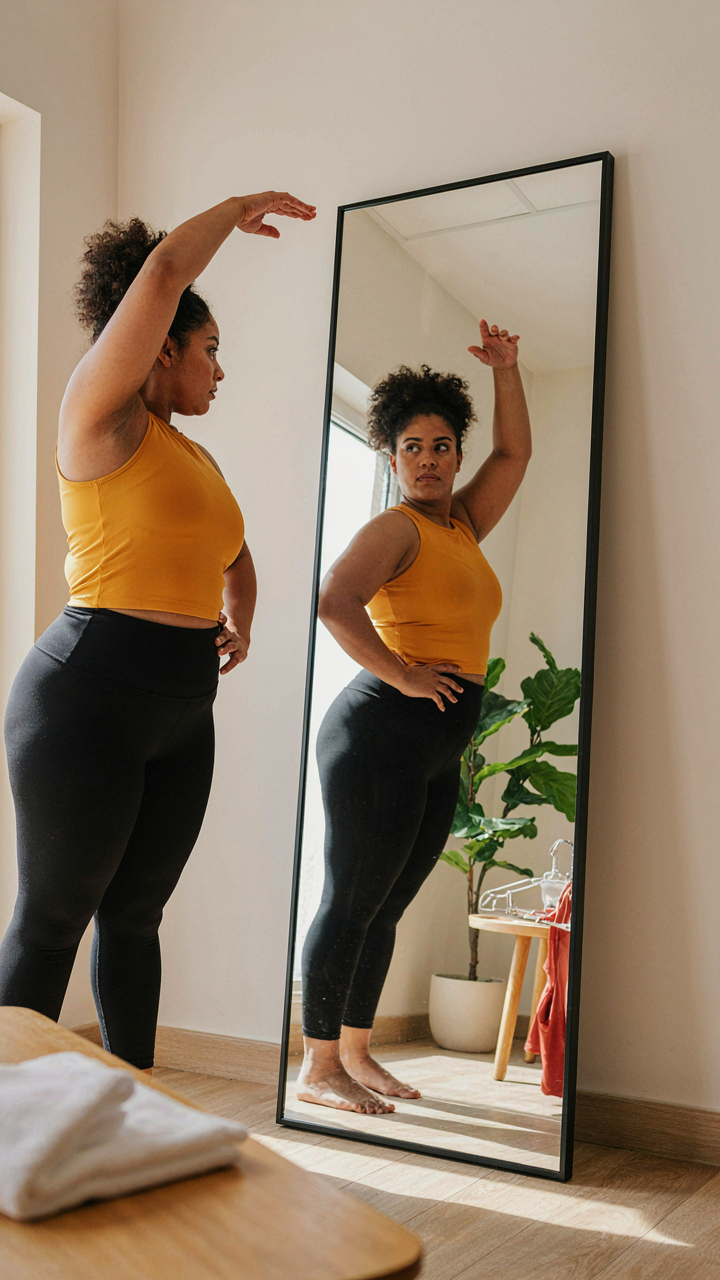
You want to believe the size chart will solve this. It won’t. Most plus size activewear fails not because the numbers are wrong, but because brands measure static bodies instead of bodies in motion. The mechanism here comes from biomechanics: fabric must accommodate range of motion without bunching, riding, or creating pressure points during the actual activity. A shirt that fits your chest while standing will strangle your armpits during a lateral raise.
Measure yourself in the positions you’ll actually occupy. Raise your arms overhead and note where the fabric pulls. Bend forward and check if the waistband digs in. Sit down and verify the crotch seam doesn’t ride up. Most sizing guides measure you standing still. You need measurements from squat position, overhead reach, and bent-knee movement. This single step eliminates 90 percent of fit failures before purchase.
Compression Vs Restriction: The Critical Difference
This distinction matters more than any brand recommendation, and most plus size activewear marketing conflates them deliberately. Compression is targeted pressure that supports muscle and improves circulation during movement. Restriction is compression that limits your range of motion or cuts off blood flow. Brands sell restriction as “support” because it’s cheaper to manufacture and easier to market as control.
Test this in a fitting room before buying. Put on the piece and do the actual movement: run in place, squat, twist, reach. If your breathing changes, if you can’t move a joint through its full range, if skin dimples at fabric edges after two minutes, that’s restriction. Compression should feel firm but invisible to your range of motion. You should forget you’re wearing it during activity, not feel managed by it.
Fabric Intelligence: Your Unfair Advantage In Active Wear Plus Size

Wicking Wonders: What To Look For
You want fabric that won’t betray you mid-workout. The real mechanism here is capillary action from textile engineering: moisture moves through fiber channels faster than it pools on skin. In plus size activewear, this matters more because surface area increases and sweat accumulation compounds faster on larger garments.
Polyester and nylon dominate performance activewear because their hydrophobic fibers actively push moisture away from skin to the fabric’s outer layer, where it evaporates. Look for fabrics labeled with specific wicking technology names, not generic “moisture-wicking” claims. Blended fabrics with at least 70 percent synthetic content perform better than cotton blends or natural fibers that absorb and hold sweat against your body. Check the fiber composition on the tag before purchasing.
Stretch And Recovery: Durability Over Vanity
The common advice says “more stretch is better.” It’s wrong. Stretch matters only as much as the fabric’s ability to return to its original shape after repeated stress. This is elastic recovery, and it’s what separates activewear that lasts two seasons from pieces that sag after three months of wear.
Plus size garments endure more tension on seams and panel areas because fabric covers more surface. High-quality activewear uses spandex or elastane at concentrations between 15 and 20 percent blended with nylon or polyester. This ratio gives you both mobility and structural integrity. Cheap activewear skimps on spandex or uses low-grade elastic that loses its rebound capacity quickly. Buy from brands that publish their fiber content. Wash inside out in cold water and air dry to preserve elastic fibers and prevent premature breakdown.
The Kinesthetic Principle: Dressing For Movement (Not Just Looks)

Clothing As Extension, Not Constraint
You want to feel confident, which means you’re secretly hoping the right outfit erases doubt about your body. That won’t happen. What actually works is different: clothing becomes an extension of your movement when it moves with your body instead of fighting it. Biomechanics borrowed from athletic design proves this. A garment’s “kinetic efficiency” means it absorbs force and returns energy rather than absorbing it and dissipating it as drag or restriction.
Most plus size activewear fails here because brands add fabric volume without adjusting seam placement, panel structure, or stretch distribution. The result: garments that fit but don’t flow. Strategic panel placement and graduated stretch ratios across different body zones let your muscles work without compensating for restrictive fabric. Your shoulders, hips, and torso move at different speeds and angles. Seams must follow those angles, not fight them.
Fabric Signals Your Body Awareness
Proprioception is how your nervous system tracks your body in space without looking. Fabric choice directly manipulates this feedback loop. The wrong material deadens proprioceptive signals; the right one sharpens them. This matters more than most activewear advice acknowledges, which typically focuses on sweat-wicking and durability while ignoring how fabric literally talks to your nervous system.
Heavier, more structured fabrics on high-movement zones reduce sensory noise and let you feel ground contact more clearly. Lighter, more responsive materials on stabilizing zones amplify feedback without creating sensory overload. Four-way stretch fabrics with moderate recovery create different proprioceptive feedback than high-recovery power meshes. Test this: wear a restrictive sports bra, then a well-fitted one. You’re not imagining the difference in body awareness. Start with one garment—usually a sports bra—and note exactly where you feel supported versus where you feel squeezed.
Deconstructing Workout Outfits Plus Size: Tops That Actually Support
Bra Engineering For Every Activity
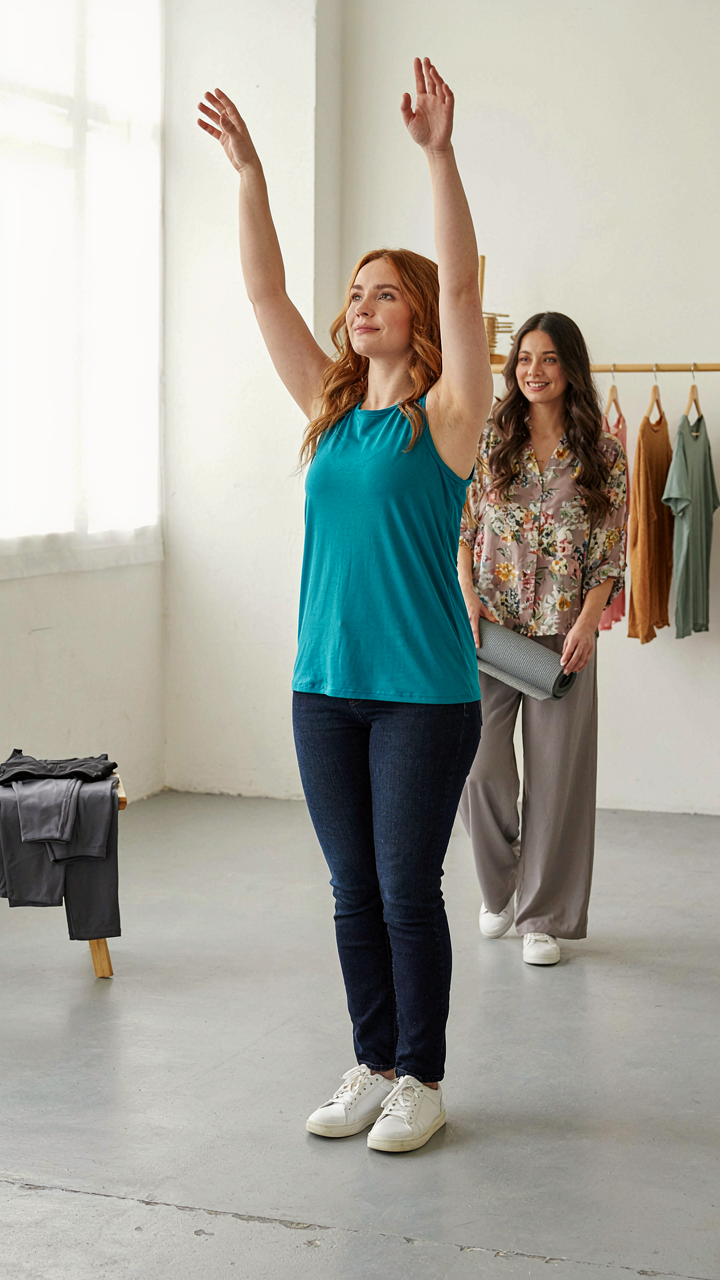
You want to move without thinking about your body. The real mechanism here is load distribution, borrowed from structural engineering. A bra under load doesn’t fail because fabric fails. It fails because force concentrates at stress points: straps, underwires, and seams. Plus size activewear demands wider load paths and reinforced anchor points because the force multiplies with cup volume.
The generic advice says “find your size.” Wrong. Size alone doesn’t determine support. You need to match band tension to activity level, strap placement to shoulder width, and cup projection to your actual ribcage depth. A size 42DDD structured sports bra from a brand engineering for larger frames works differently than a sized-up version of a smaller frame’s design. The difference is where the brand positioned the underwire and how many seams stabilize the cup structure.
Neckline And Armhole Architecture
Movement freedom isn’t about loose fabric. It’s about where the garment sits relative to your skeletal structure. High necklines compress the trapezius and restrict shoulder rotation. Deep armholes that sit too far back pull across your lats. This isn’t preference. It’s biomechanics. Plus size tops need higher armholes and narrower necklines because larger frames shift these pressure points.
Test neckline depth by raising your arm overhead. If fabric bunches at your collarbone or pulls toward your neck, the cut is wrong. Your armhole should sit at the top of your shoulder, not creeping toward your neck or dropping past your ribcage. Brands designed for plus size shoulders understood this constraint. Brands that graded down from smaller sizes often didn’t. Choose tops where the armhole follows your actual shoulder slope, not an averaged fit model’s.
The Plus Size Workout Protocol: Bottoms That Don’t Betray You

Waistband Dynamics: No Roll, No Sag, No Fuss
You want bottoms that stay put because sagging during a workout feels like public failure. The mechanism is simple physics: waistband tension distributes load across surface area. A narrow elastic band concentrates pressure at one point and migrates downward. Plus size activewear solves this with wider waistbands spanning two to three inches, dispersing force across the hip and lower abdomen. The band sits lower on the body, not higher, reducing leverage that causes roll-down.
Most advice says “just size up,” which misses the real variable. Construction matters more than size. Look for waistbands with interior grip tape or silicone strips that anchor fabric to skin without cutting off circulation. Dual-layer waistbands add structure without compression. The best plus size leggings and shorts use bonded elastic that resists stretching out after repeated wear, keeping tension stable across hundreds of workouts instead of degrading after twenty.
Seam Placement Is Where Friction Gets Engineered Away
Chafe avoidance isn’t about fabric softness—it’s about seam topology. The inner thigh, the groin area, and the gluteal fold are high-friction zones where seams become weapons. Standard activewear places center seams directly through these zones. Plus size bottoms route seams laterally, running up the outer leg instead of through the center. This is a mechanical solution, not a material one.
Flat-lock stitching exists but doesn’t matter if the seam runs where movement creates friction. Check where seams sit on any plus size legging before buying. Gusseted crotches extend synthetic lining down into the inner thigh, creating a smooth panel that eliminates seam contact entirely in the highest-friction area. This design costs more to produce but makes the difference between thirty minutes of comfort and thirty minutes of irritation that compounds over a full workout week.
Strategic Layering: Mastering Plus Size Activewear Options
Heat Management Without The Bulk
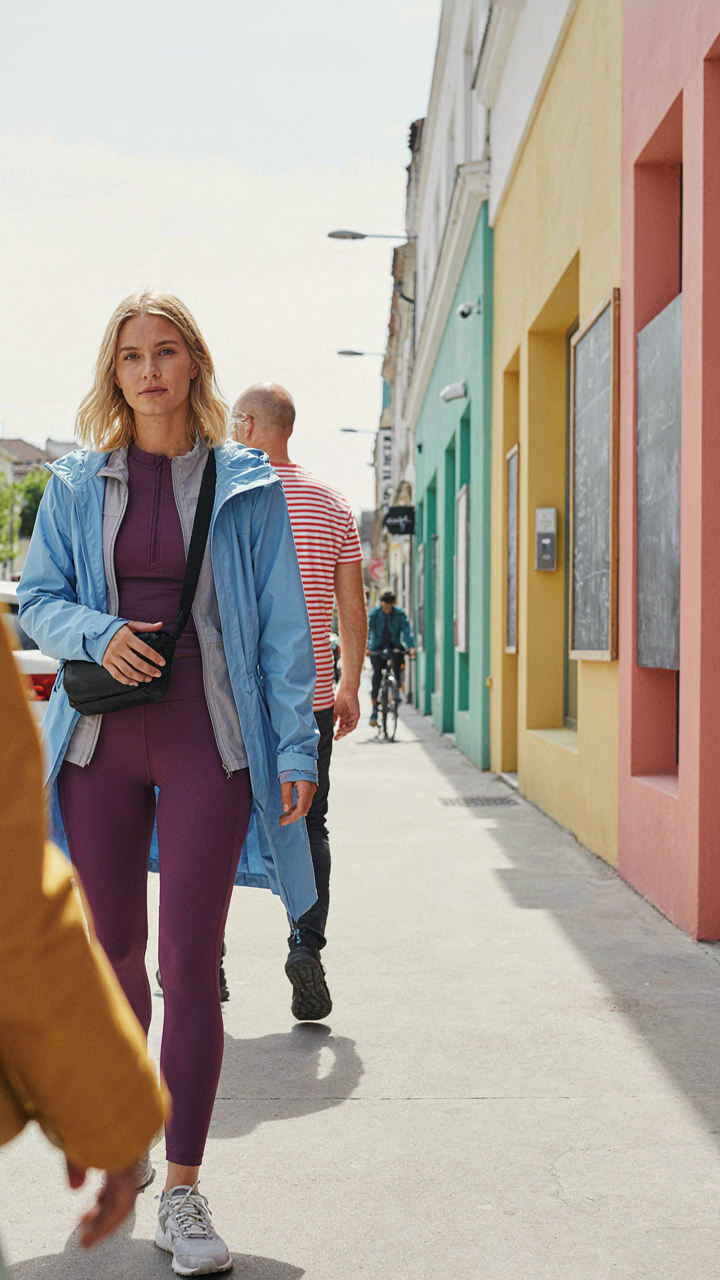
You want layering to make you look smaller, not wider. That’s the real reason this matters. Thermodynamics teaches us that insulation works through air trapping, and plus size activewear uses this same principle but inverts the traditional logic: instead of stacking visible layers outward, you build strategically inward to regulate temperature while maintaining clean lines. A moisture-wicking base layer pulls sweat away from skin. A lightweight mid-layer adds warmth without volume. An outer shell blocks wind. Each piece does one job.
The common advice says “just add a jacket.” Wrong. Random layering creates bunching at seams, makes proportions confused, and traps heat unevenly across a larger frame. Start with fitted base layers in technical fabrics like nylon blends or merino wool that move moisture fast. Add a mid-layer only if the temperature demands it, not out of habit. Your outer piece should skim the body without clinging, creating airflow between layers. Temperature regulation happens through fabric choice and fit precision, not piece count.
Gym To Street Without Changing
Outfit flexibility saves time and money, but most plus size activewear fails because pieces don’t read as intentional outside the gym. Strategic layering makes this transition work because each piece functions as both technical gear and wearable style. A quality base layer in a solid neutral becomes a fitted long-sleeve shirt under a blazer. Your athletic jacket works as a street layer if the cut is modern, not gym-bag bulky.
The mechanism is simple: choose pieces that work standalone, then layer them to solve a specific problem, not to fill space. A high-waisted legging in black with a long tunic tee reads as casual anywhere. Add a technical overshirt and you’re still in the same outfit but prepared for temperature shifts or activity changes. The key is buying pieces that don’t scream “activewear” when worn individually. Each layer should pass the street test on its own before it earns a spot in your rotation. Build your system by asking one question: would I wear this piece as regular clothing if I removed everything else?
The Plus Size Gym Outfits Arsenal: Essential Gear Beyond Clothing

Footwear Fundamentals For Stability
You think shoes matter less because you’re focused on hiding your body. Wrong. Footwear is load distribution. Your feet carry proportionally more weight in plus size bodies, which means the arch support and cushioning that work for straight-size athletes become non-negotiable engineering problems for you. A collapsed arch doesn’t just hurt during the workout. It cascades up through your ankles, knees, and hips, turning a 45-minute session into weeks of compensation pain that kills momentum entirely.
The mechanism is straightforward. Shoes designed for lighter bodies assume less ground reaction force. Plus size athletes need shoes with reinforced midsoles, higher density foam, and structured heel cups. Brands like New Balance, Brooks, and Hoka built their reputations on this specific problem. Look for shoes rated for higher weight capacities and test them for at least 30 minutes on a treadmill before committing. Your feet stabilize everything that comes above them.
Small Items That Actually Change The Workout
Accessories aren’t decoration in plus size activewear. They’re load management. A good sports watch or fitness tracker removes mental friction by automating rest-interval timing and heart rate monitoring. You don’t have to think. You execute. Moisture-wicking socks prevent blisters that derail workouts faster than any motivation problem. A simple drawstring bag or small backpack solves the carry problem that oversized pockets can’t. These items work because they eliminate micro-decisions that drain focus before your body ever feels tired.
The real play is identifying what physically breaks during your workouts, then building a system around it. If your phone slides during cardio, get an armband designed for larger bodies with actual grip. If you sweat through your leggings quickly, add a moisture-wicking underwear layer specifically made for athletic use. If you can’t find your keys in a crowded gym, get a locker caddy with compartments. Solve the specific friction point, then move forward.
Curating Your Plus Size Activewear Outfit: Investment, Not Impulse

The Real Cost Of Each Piece
You want to feel like your money matters, like you’re not throwing cash at clothes that fall apart in six months. That’s not vanity. That’s economics. Cost per wear is borrowed from finance, and it works here: divide the price by how many times you’ll actually use the item before it degrades. A 90-dollar sports bra worn four times a week for two years costs 21 cents per wear. A 40-dollar tank worn twice costs 20 dollars per wear.
Most plus size activewear fails not because the price is high, but because the durability is low. Cheap fabrics pill after three washes. Seams separate. Elastic dies. Track your wear count now, do the math later, and you’ll stop buying the cheap option. Buy once, calculate honestly, and adjust your spending threshold.
Brands That Actually Follow Production Standards
Common advice says “buy ethical” without explaining what that means or how to verify it. Pointless. You need specifics. Look for brands with transparent supply chain documentation, third-party audits like Fair Trade or SA8000 certification, and public accountability reports. Brands hiding production details are cutting corners somewhere, usually on labor or material quality.
- Allbirds: Publishes annual sustainability reports detailing factory locations, worker conditions, and material sourcing with third-party verification included.
- Girlfriend Collective: Uses circular production models, discloses factories by name, and conducts regular audits on wages and working conditions.
- Outdoor Voices: Maintains ethical sourcing commitments with transparent factory partnerships and regular compliance documentation available to consumers.
- Shefit: Focuses on domestic manufacturing where possible, publishes production transparency details, and commits to ethical labor standards in all facilities.
- Knix: Operates with disclosed manufacturing partners, transparent material sourcing, and public commitments to fair labor practices across supply chains.
Ethical production directly affects durability. Brands cutting labor corners also cut quality corners. When a factory pays workers fairly, material standards stay high and construction gets attention. Your activewear lasts longer. Start with one brand from this list, track your wear count, and verify the math before switching.
Maintaining Your Plus Size Activewear: Longevity Strategies
The Actual Cost Of Washing Wrong
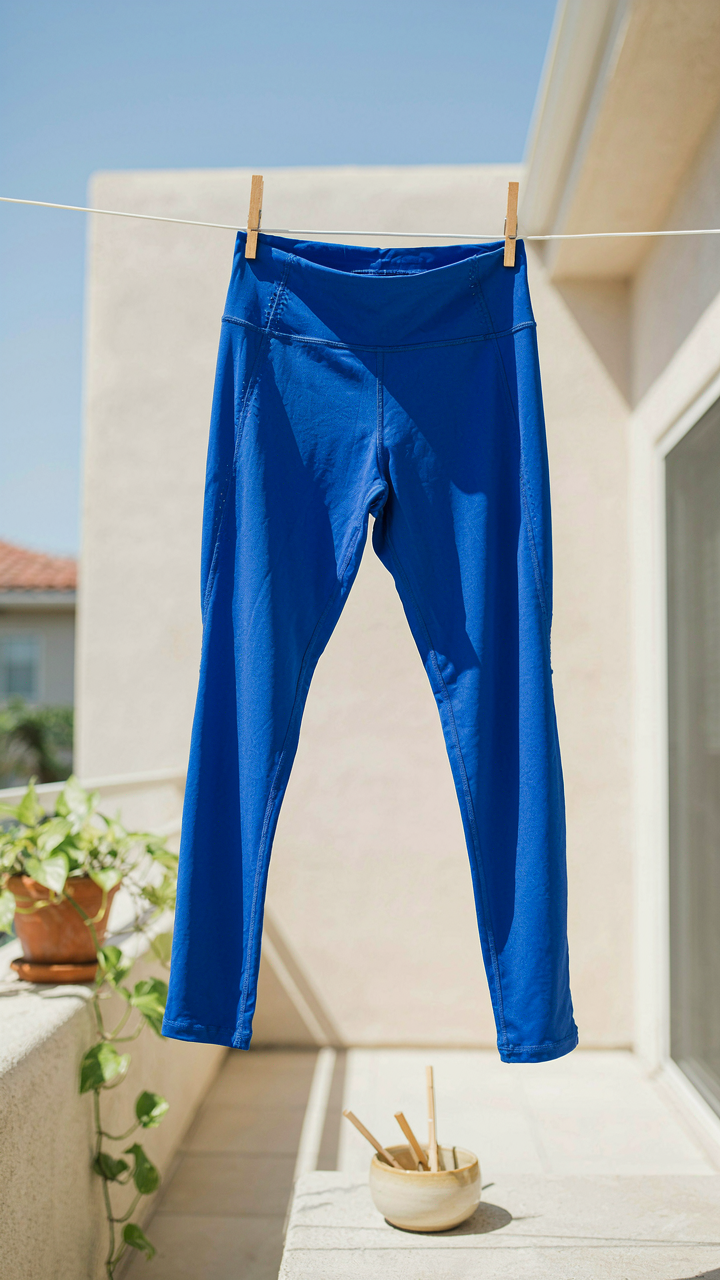
You buy plus size activewear expecting it to last, then treat it like regular clothes and wonder why it falls apart. The real reason you care about this section: you’re terrified of wasting money. Here’s the mechanism. Synthetic fabrics in activewear respond to heat and agitation the way materials respond in thermodynamics: stress accelerates breakdown. Hot water doesn’t just clean; it degrades elastane fibers faster. Cold water preserves the tension structures that give plus size pieces their recovery and shape retention. Wash inside out to reduce pilling and color fading on the exterior surface where it matters most visually.
Turn pieces inside out before every wash, use cold water without exception, and add them to delicate cycles or hand wash them. Most activewear brands print care tags recommending this, but nobody follows the instructions because it feels slower. It isn’t. Machine drying destroys elastane permanently. Air dry flat or hang dry, and your activewear will outlast the version that goes into a dryer by three to five wear cycles minimum. Skip fabric softener entirely because it coats synthetic fibers and reduces moisture-wicking performance.
Repair Now Or Replace Later
The advice to “catch small issues early” is incomplete. Small damage compounds in plus size activewear because larger surface areas and higher tension on seams mean a small hole becomes a major tear within two to three wears. Replace elastic in waistbands before they lose tension rather than after, because loose waistbands create uneven stress distribution that damages surrounding seams. This costs five to ten dollars in thread and thirty minutes of time instead of replacing a seventy-dollar sports bra or legging.
Learn to hand-stitch a basic whip stitch for seam reinforcement and small holes. It takes less skill than most assume. For pilling, use a fabric shaver or sweater stone designed for knits, not a razor or your fingernails. Address elastic degradation by replacing the elastic strand itself through a seam opening rather than tightening or knotting the damaged piece. This single repair extends the functional life of high-wear items like sports bras and waistbands by at least two seasons. Execute the replacement before wearing the item again.
The Real Obstacle Isn’t The Clothing; It’s Your Outdated Understanding Of True Fit

You’ve been taught that plus size activewear means compromise. Loose, shapeless, invisible. That’s the trap. Real fit means the garment moves with your body, not against it. It means you stop hunting for pieces and start knowing exactly what cuts work for your frame. Today, try on three items you’d normally skip. Pay attention to how the fabric sits at your hips, your thighs, your shoulders. That discomfort you feel isn’t the clothes failing you. It’s you finally recognizing what actually fits. Your body was never the problem.