

The Illusion Of Effortless Fall Athleisure
The Work Nobody Sees
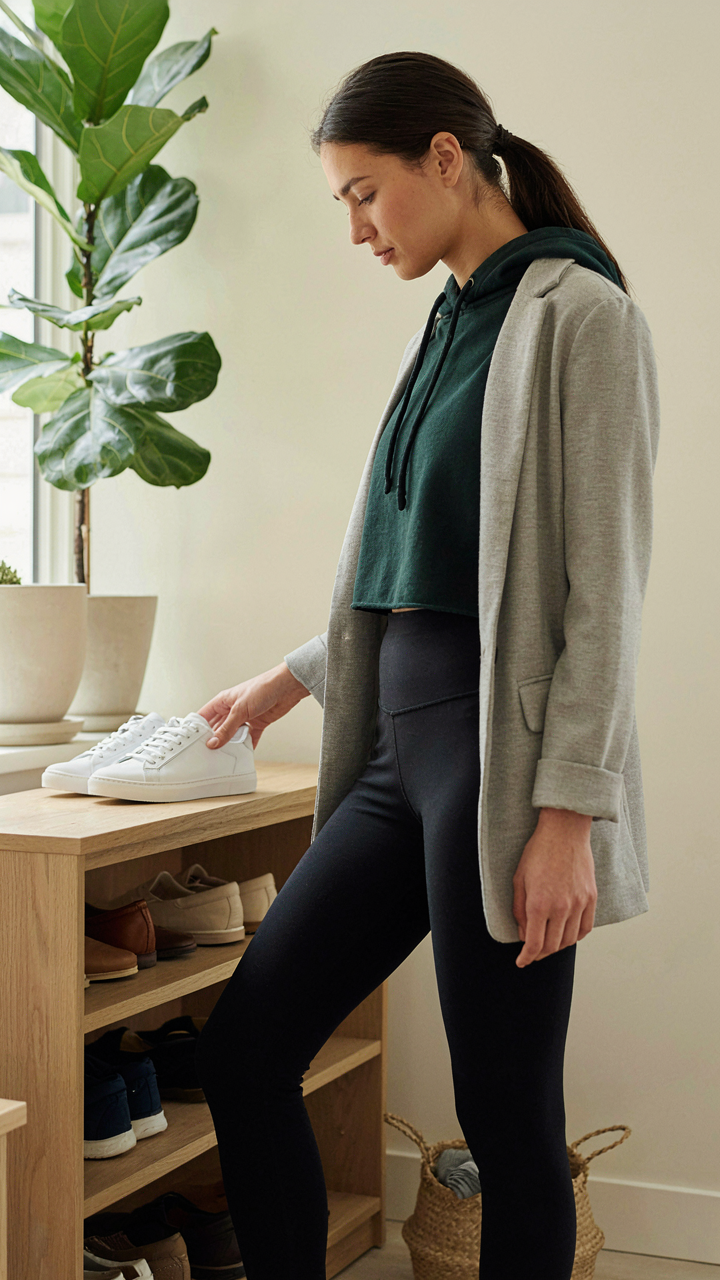
You want people to think you didn’t try. That’s the real motive here, and it matters because it exposes why most fall athleisure fails. Borrowing from manufacturing, there’s a concept called “hidden complexity”—the labor built into a system that the end user never perceives. Fall athleisure operates the same way. A cropped hoodie paired with high-waisted leggings and a structured blazer looks thrown together. It isn’t. The fit, fabric weight, color coordination, and layering sequence all demand deliberate selection before you leave the house.
The gap between perceived ease and actual effort determines whether an outfit lands or broadcasts desperation. Most people see a well-composed fall athleisure look and assume the wearer has natural style. Wrong. They chose fabrics that don’t pill after one wear, tested proportions against their frame, and selected a color palette that works across multiple pieces. This selection process takes time and intentionality on the front end, which is precisely why it reads as effortless on the back end.
The Cost Of Looking Casual

Performative casualness is the fastest way to look unprepared. The common advice says “just throw on leggings and a sweatshirt and you’re done.” That approach produces shapeless blending. Real fall athleisure requires rejecting that logic entirely and building outfits with intention that simply doesn’t advertise itself.
The mechanism is contrast and proportion. You layer a fitted athletic base (form-hugging leggings, slim-cut joggers) with an oversized knit or structured piece on top, then anchor the outfit with defined footwear or accessory weight. A quarter-zip fleece over high-waisted tights with white leather sneakers reads intentional. The same fleece over baggy sweats with slip-ons reads like you gave up. Your job is to decide which pieces tighten the visual narrative and which ones dissolve it, then execute that decision before the morning cold forces you out the door.

The 3 Tiered Utility Protocol For Cool Mornings
Build Capacity Before You Need It
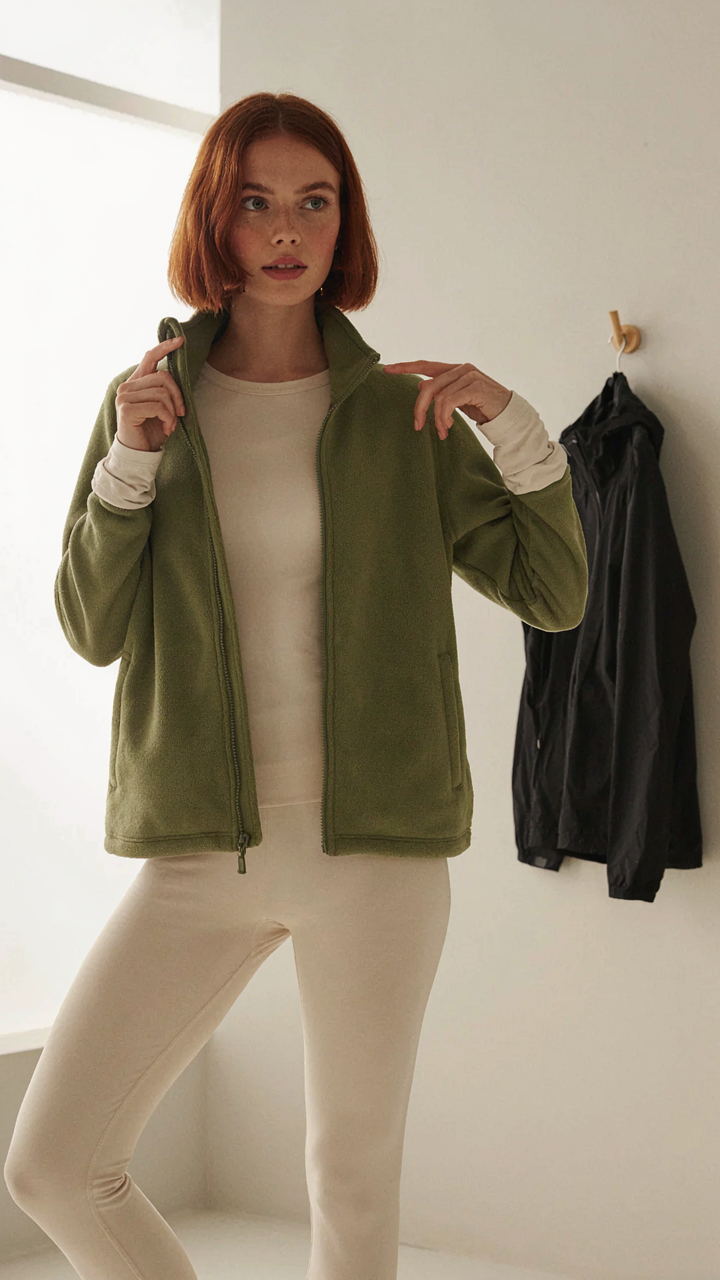
You want to look put together without overthinking it every single morning. That’s not shallow. The real mechanism is this: layering isn’t about adding random pieces. It’s about thermal flexibility. You start with a base that doesn’t trap sweat, add an insulating mid layer, then deploy an outer shell only when temperature demands it. Most people reverse this. They grab a hoodie first and suffer through the day overheated. The protocol flips that. You build upward from function, not downward from habit.
The 3-tiered model mirrors how military cold weather systems work: base layer manages moisture, mid layer traps dead air space, outer layer blocks wind and precipitation. Apply this to fall athleisure: start with merino wool or synthetic that wicks, add a fleece or knit mid layer for insulation without bulk, finish with a lightweight shell or overshirt you can strip off by 10 AM. This isn’t layering for aesthetics. This is layering for sustained comfort and the freedom to move through your entire day without temperature trapping you.
Synthetic Beats Cotton When Temperature Shifts
Forget what you learned about natural fibers being superior across the board. That’s incomplete. Cotton absorbs moisture and holds it against your skin. On cool mornings when you’re generating heat through movement, cotton becomes a liability. Synthetic materials and merino wool manage this differently. Merino regulates temperature through fiber structure and releases moisture vapor. Polyester and nylon blends dry faster and maintain performance when damp. The science is textile physics: moisture transport versus moisture retention.
- Merino Wool Base Layers: Temperature regulating fiber that stays warm when wet and doesn’t require frequent washing. Works for both cool starts and layering under heavier pieces.
- Polyester Blends For Mid Layers: Retains shape, dries quickly, and resists pilling. Choose brushed versions for warmth without excessive weight or bulk.
- Nylon Outer Shells: Durable, wind resistant, and lightweight enough to tie around your waist. Repels light moisture without the crinkle of older synthetic fabrics.
- Spandex Reinforcement: Small percentages in athletic fabrics improve stretch and recovery. Prevents sagging that happens with pure cotton or static synthetics.
- Wool Blend Knits: 70/30 or 80/20 wool to synthetic ratios balance temperature regulation with durability and reduced itching compared to pure wool.
The protocol is simple: verify your base layer handles moisture, confirm your mid layer provides dead air space without weight, ensure your outer piece deploys only when needed. This removes the guesswork and guarantees you stay regulated from 6 AM through afternoon transition.
Beyond Leggings: Redefining Athleisure Femme

Structure Over Comfort Signaling
You care about this section because leggings alone feel invisible. You need permission to wear something that actually signals intentionality. Here’s the mechanism: structured pieces work like load-bearing walls in architecture. They create definition where soft fabrics create ambiguity. A fitted blazer, cropped vest, or tailored jogger with a shaped waistband changes how your silhouette reads. You stop looking like you grabbed whatever was clean.
Fall athleisure demands pieces that hold their shape through the day. Nylon blends with spandex, cotton twills, and ponte fabrics resist slouching. A structured jacket over soft leggings creates visual contrast. The eye reads two distinct elements instead of one merged blob. This pairing signals you made a choice, not a compromise.
The Intention Test
Forgetting that “athleisure” doesn’t mean “outfit by default” is why most people get this wrong. You need one visible decision-making point per outfit. A monochrome base with one structured top layer works. A matching set of crops and a fitted jacket works. A graphic tee with tailored joggers works. The trap opens when you combine three soft pieces and call it done. Your brain knows the difference even if you can’t name it.
Test this: would you wear it to grab coffee where you might see someone you know? If you hesitate, add structure. A belt converts formless joggers into defined pieces. An open overshirt creates shape around soft layers. A cropped windbreaker gives the whole outfit skeletal support. Make one deliberate element harder to miss than the rest.
Sporty Chic Fall Outfits: The Subtraction Principle
Remove What Doesn’t Earn Its Place
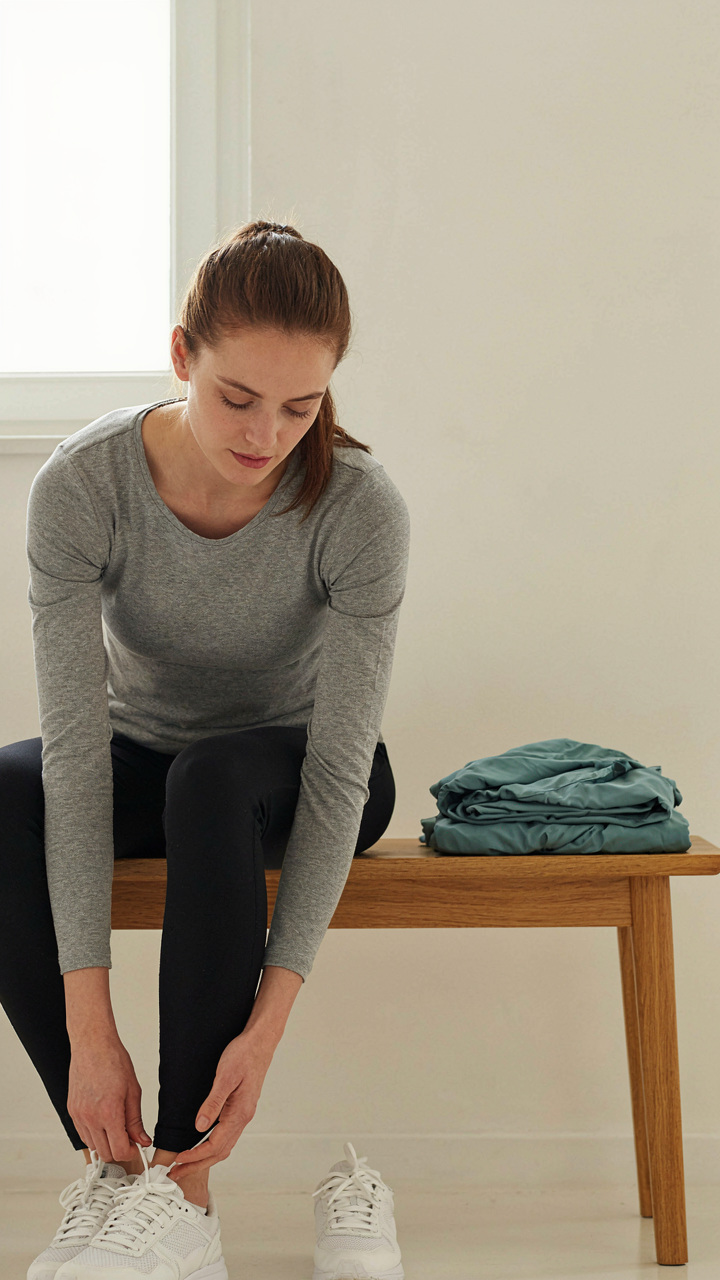
You want permission to look intentional without trying. Here’s the mechanism: every piece you add increases visual noise and dilutes the impact of what actually matters. In design, this is signal-to-noise ratio—the strength of your message versus the clutter obscuring it. Fall athleisure suffers from accessory bloat. People layer a scarf, add a crossbody bag, throw on a hat, and suddenly they look like they’re preparing for a photoshoot rather than a morning walk.
The fix is brutal honesty. Before you leave, identify one accessory that doesn’t serve temperature control or function. Remove it. A beanie over pulled-back hair works. A beanie plus a scarf plus sunglasses plus a logo bag does not. Each addition competes for attention and makes the outfit read as uncertain. Fall allows strategic simplicity because the weather does half the work for you.
One Piece That Anchors Everything
The real advice tells you to “let one item shine.” That’s incomplete. You need one piece that establishes the entire visual grammar of the outfit so the rest of the elements obey it rather than fight for dominance. A structured technical jacket in muted gray becomes the anchor. Everything else bows to its logic: fitted leggings, minimal jewelry, clean sneakers. That jacket signals the entire mood. Swap it for a oversized vintage windbreaker and the same leggings suddenly read differently—more relaxed, less refined.
This isn’t about expense or brand. It’s about hierarchical clarity. Pick your anchor piece before adding anything else. Choose based on the silhouette you want to own that morning, not the trend cycle. A good anchor piece for fall athleisure has clean lines, neutral color, and a fit that doesn’t apologize. Build everything else around its specific gravity, not around filling gaps.
Modern Leggings Outfit: The Architectural Approach
When Function Dictates Every Choice
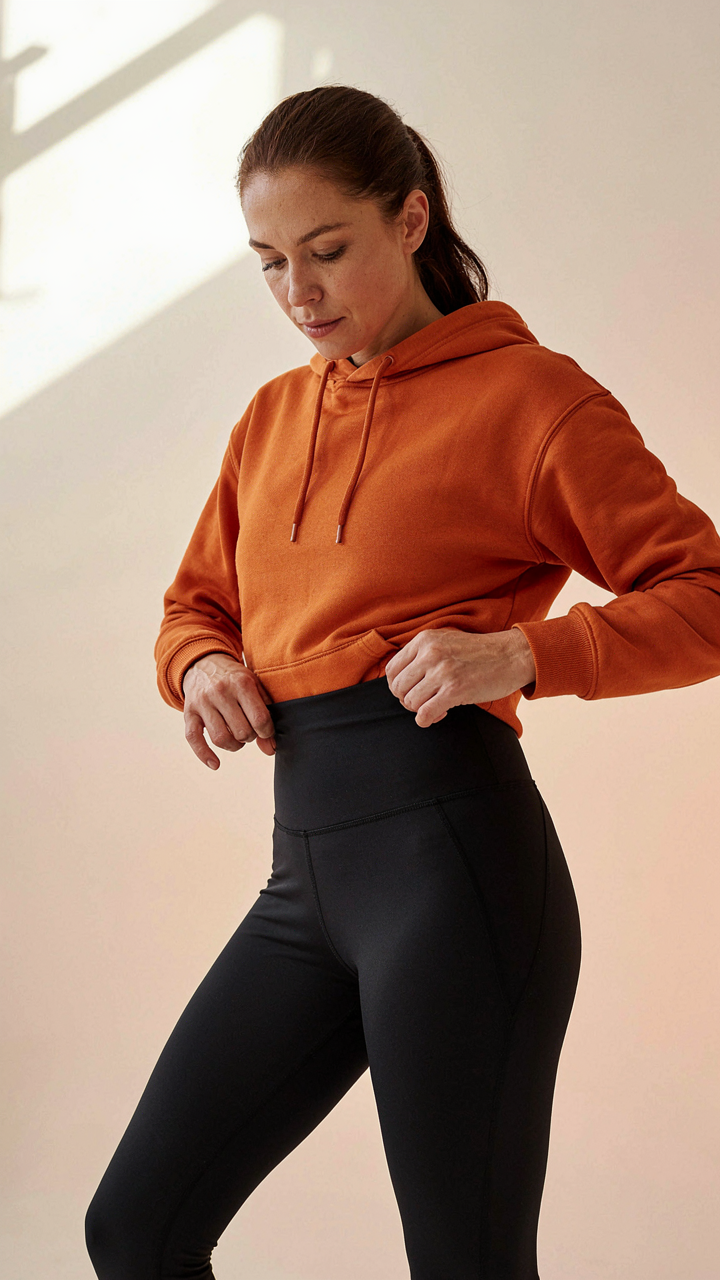
You want a legging outfit that signals you have your life together without trying. Here’s the truth: most people choose leggings based on how they look, not how they work. That’s backwards. In architecture, form follows function means the shape of a building emerges from what it actually does, not from what looks impressive. A legging outfit works the same way. The cut, the weight, the waistband tension, the hem length—these exist to solve problems your body faces in fall mornings, not to win approval at the coffee shop.
Start by identifying what your leggings need to do in cool weather. Are you sitting for hours or moving through variable temperatures? Do you need pockets or does a minimalist cut matter more? The outfit builds from there. A high-waisted legging with a structured waistband prevents the constant downward creep that kills focus. A mid-calf hem avoids the awkward bunch that happens when you pair full-length leggings with layered tops. These aren’t style choices—they’re solutions embedded in the garment.
Fabric That Holds Its Shape
The common advice says “go for soft fabrics because comfort.” That misses the point entirely. Soft doesn’t mean functional. A legging made from low-density nylon feels great against skin but loses its shape within weeks of regular wear, especially in cool mornings when you’re moving through temperature shifts. Structural integrity comes from fabric composition and construction method, not from how plush something feels.
High-quality leggings use nylon or polyester blends with spandex in specific ratios—typically 85-88 percent base fabric to 12-15 percent elastane. This combination holds compression over time and resists pilling from friction. The weave density matters more than thread count. A tightly woven fabric with 4-way stretch maintains its geometry through layering, sitting, and movement without sagging at the knees after one season. When choosing a legging, check the weight: anything under 200 grams per square meter will deteriorate quickly once temperature variations stress the fibers. Pick leggings that return to their original form after a full day of wear, and you eliminate the need to replace them every season.
Fall Athleisure: The Investment Vs. Trend Fallacy

Built To Last, Not Built To Expire
You’re afraid you’ll waste money on clothes that won’t matter in six months. That’s the real anxiety here. The mechanism is simple: fast fashion brands engineer planned obsolescence into fall athleisure by using thin synthetics and weak seams, forcing repurchase cycles. Quality pieces use durable fabrics like heavyweight cotton blends, reinforced stitching, and construction methods that survive repeated washing.
The difference shows in performance. A $40 hoodie from a trend retailer loses shape after twenty wears. A $120 piece from a brand that sources mid-weight French terry or uses felled seams still functions identically after two seasons. Durability isn’t about paying more for luxury branding. It’s about paying for materials and construction that actually endure the friction of real use. That’s the only lever you control.
The Actual Math Behind Ownership
Economics calls this cost-per-wear analysis. It’s the single metric that separates rational spending from emotional spending in fall athleisure outfits. Calculate it by dividing the purchase price by the number of times you’ll wear the item before it deteriorates or stops fitting your life.
A $60 quarter-zip worn 100 times over two years costs 60 cents per wear. That same $60 piece worn 15 times before it pills or shrinks costs $4 per wear. Most people intuitively buy the second option and wonder why their closet feels expensive and disposable. Track your actual wear for one month on pieces you already own. Note which items you return to and which collect dust. Then apply that pattern to new purchases. Only buy something if you can realistically hit 40 wears before it fails functionally or stylistically.
Put Together Leggings Outfit: The “Intentional Contrast” Method
Opposing Textures And Proportions
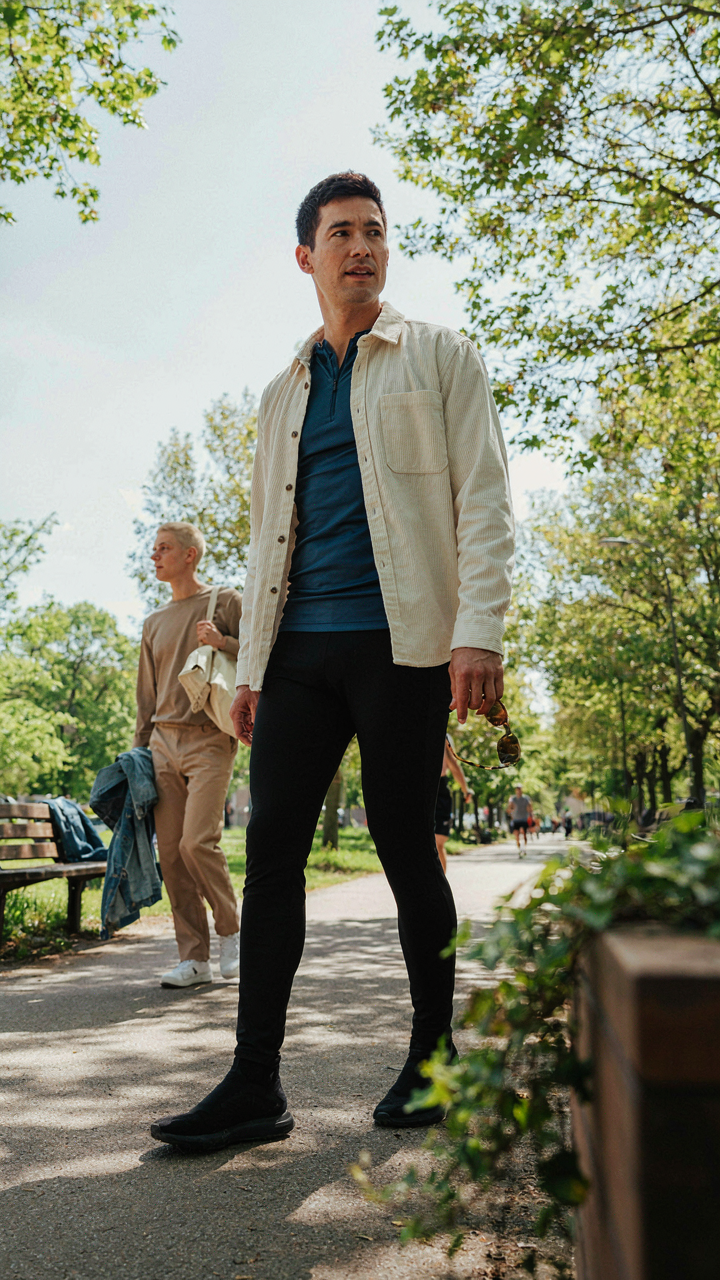
You want people to notice you put thought into this. That fear drives most outfit decisions into safe mediocrity. The real mechanism is opposition: smooth fabrics against textured ones, fitted silhouettes against loose ones. Fashion borrows from design principle of visual tension. Tight leggings paired with an oversized fleece or corduroy shirt creates a focal point your eye actually lands on instead of sliding past.
The contrast isn’t random. Matte leggings in black or charcoal pair with glossy or fuzzy layers because the eye reads them as intentional choices rather than default combinations. A fitted base demands a relaxed top. A cropped top demands full-length bottoms. The opposition makes each piece do work instead of just existing on your body.
Layering For Depth And Movement
Most advice about fall layering treats it as stacking random pieces until you’re warm. That misses the point entirely. Strategic layering creates visual depth by establishing foreground, middle ground, and background through color value and fabric weight, borrowed directly from how painters construct a composition.
Start with the leggings as your base value. Add a mid-tone base layer or fitted shirt. Top with a textured, contrasting outer piece in a different weight. This three-point system stops your outfit from reading as flat or accidental. A burgundy tank under a cream cable-knit under a caramel-toned jacket creates actual visual architecture. Each layer should be visible and distinct, not buried.
Cute Winter Athleisure Outfits: The Minimalist’s Cold Weather Arsenal

Layering As Load Bearing
You want permission to buy more without feeling guilty about it. The real mechanism is thermal engineering: winter athleisure works like structural load distribution. You don’t add bulk randomly. You stack materials that trap air without compressing it, creating insulation without the dead weight that kills movement. Base layer pulls moisture. Mid layer holds heat. Outer layer blocks wind. Each piece does one job well instead of one piece doing three jobs poorly.
Cotton fails in cold. Synthetic blends and merino wool manage sweat while retaining warmth. A fitted long-sleeve top under a loose oversized crew neck isn’t layering for aesthetic reasons. It’s physics. The air gap between the two creates an insulation pocket. The fitted base prevents bunching under movement. You’re not assembling an outfit. You’re engineering thermal regulation that doesn’t restrict mobility. Most people reverse this and wear loose base layers that shift when they move, killing the dead air space entirely.
The Capsule That Stays Dressed
Building a capsule for cold weather means each piece works across temperature swings, not just peak cold. A half-zip pullover in brushed fabric handles 45-degree mornings and layers under jackets at 35 degrees. Straight-leg joggers in a heavier knit fabric work alone at 50 degrees and under leggings at freezing. The constraint is simple: nothing should feel overdressed or underdressed in isolation across a 20-degree temperature range.
Neutral colors aren’t trendy advice. They’re mechanical. Black, gray, cream, and olive pair with each other without decision fatigue. Texture variation prevents monochrome blandness while maintaining function. A matte crew neck, a ribbed half-zip, and a brushed jogger in the same color family mix visually but stay coherent. Pick five base pieces instead of ten weak ones. Rotation matters more than volume.
Fall Soccer Game Outfit: Performance First Aesthetics

Movement Over Everything Else
You’re worried people will judge you for prioritizing function over fashion. They won’t. This is where the engineering principle of redundancy applies to fall athleisure: build your outfit so it performs its primary job first, then layer aesthetic choices on top without compromising that foundation. A soccer game demands actual movement, not the appearance of it.
Start with moisture-wicking base layers in synthetic blends like polyester or nylon. Cotton absorbs sweat and holds it against your skin, killing both comfort and temperature regulation. Pair these with joggers or tapered pants in stretchy fabric that allows a full range of motion at the hips and knees. Add a lightweight jacket in a technical fabric like fleece or a thin windbreaker. This isn’t optional complexity, it’s the skeleton your outfit hangs on.
What Your Clothes Signal To Your Brain
Your nervous system reads your clothing as environmental data before your conscious mind does. Wear mismatched pieces or gear that restricts movement, and your body treats it as a signal that you shouldn’t be there. Wear appropriately fitted athletic pieces, and your physiology aligns with your stated purpose. This isn’t psychology, it’s neurobiology: your vestibular system and proprioception respond to what you wear.
When your outfit matches your actual activity, you move differently. You stand taller. You engage socially without self-correction. Wear the wrong thing to a soccer game and you spend mental energy managing your discomfort instead of presence. The mechanism is simple: appropriate attire removes friction between intention and action. Choose pieces that fit your frame without bunching, that breathe as temperature changes, and that let your arms swing naturally. Your performance follows the fit.
The Real Obstacle Isn’t Your Wardrobe; It’s Your Inability To Define Genuine Utility

Most people buy fall athleisure outfits to look the part. They’re solving the wrong problem. You don’t need more pieces. You need to know which pieces actually work for your life. Right now, open your closet and pick one item you genuinely wear. Build around that. Forget trends. Forget what works for someone else’s body on their morning commute. The outfit that wins is the one you reach for without thinking twice because it serves you, not your image of yourself.