

The Performance Paradox Of Modest Workout Clothes
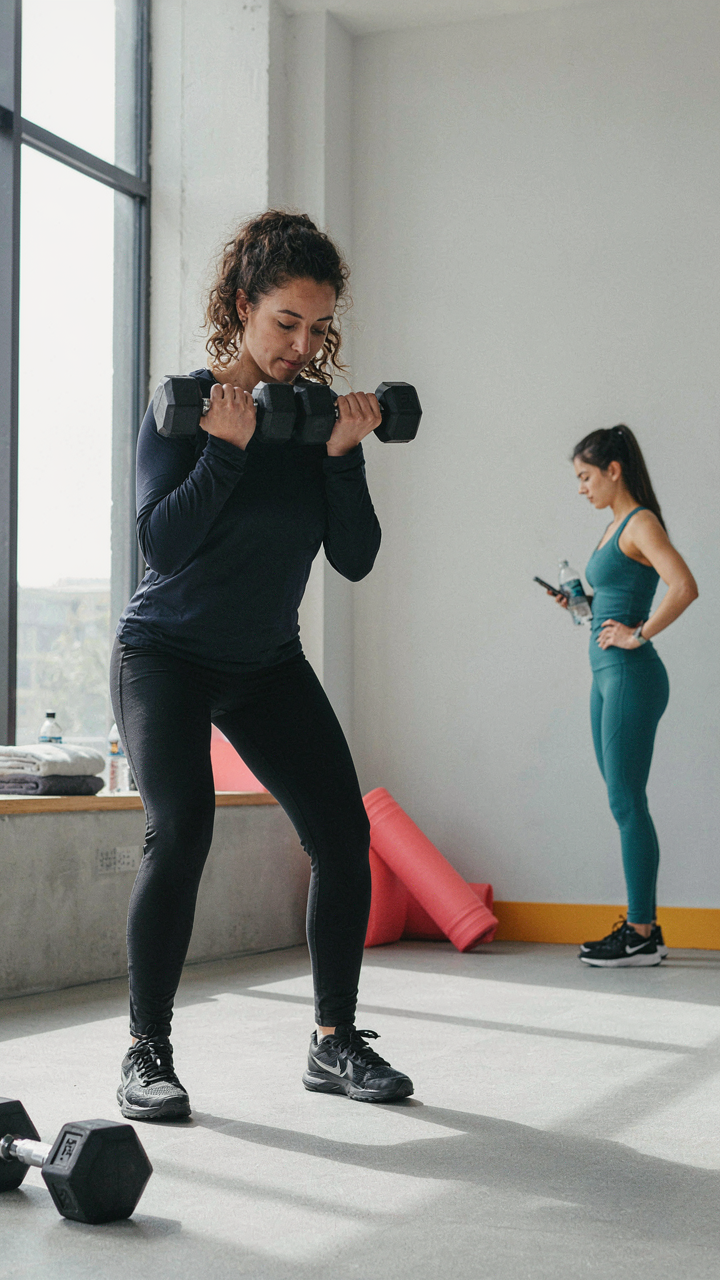
Reduced Cognitive Load Sharpens Your Workout
You want modest clothes to feel virtuous without admitting the real reason: you’re tired of thinking about how you look while you’re supposed to be working. The mechanism is cognitive load, borrowed from psychology. Your brain has finite processing power. Every time you adjust a strap, check your reflection, or worry about exposure, you’re running a background process that drains focus from the task at hand. Modest workout clothes eliminate that loop entirely because they’re designed to stay put and cover what needs covering.
A fitted tank or loose shirt doesn’t demand attention. Leggings with a longer top don’t require repositioning mid-set. Your nervous system registers safety from coverage, so it stops running the distraction subroutine. This isn’t about modesty being morally superior. It’s about removing variables. When athletes wear gear that fits the actual constraints of their activity instead of fighting them, performance metrics improve because the cognitive overhead drops.
Certainty Compounds Over Time

Common advice says modest clothes are purely a personal choice, as if all choices carry equal weight in workout performance. They don’t. Certainty is the actual lever here. When you know your clothes won’t shift, ride up, or expose more than you intended, you don’t have to run compensation strategies during your workout. No micro-adjustments. No pausing to fix straps. No avoiding certain movements because they feel exposing.
This compounds because repetition builds confidence. After ten workouts in clothes that actually stay where they’re supposed to, your body learns it can move without management. You push harder on exercises that previously felt awkward. You hold positions longer. The modest gear becomes invisible, which is the entire point. Invisibility of your clothing means all mental resources flow to the movement, the weight, the breathing. That’s where performance lives.

The Material Mandate: Beyond “Breathable” Labels For Modest Gym Outfits

Wicking Versus Absorbing: The Actual Difference
You’re buying “breathable” fabric because you think it solves sweat. It doesn’t. The mechanism that matters is what happens after moisture hits the material, and most modest workout clothes fail here because brands conflate two entirely different processes. Wicking and absorbing are not synonyms. Wicking actively pulls sweat away from skin to the outer surface where it evaporates. Absorbing just holds moisture inside the fiber, trapping it against your body.
Polyester and nylon dominate modest activewear because they’re hydrophobic—water repels them. This forces sweat outward through capillary action, the same physics that pulls liquid up a paper towel. Cotton does the opposite: it absorbs sweat and holds it. Blends matter too. A 88% nylon, 12% spandex construction wicks efficiently while the spandex maintains stretch and coverage. Check fiber content before coverage claims. The label promising breathability without naming the fibers is selling you marketing, not performance.
Seam Placement And Fabric Density For Longevity
Modest workout clothes fail not from sweat but from repeated stress on seams and stretched-out waistbands. Durability metrics that actually predict lifespan: thread count, seam construction type, and how the fabric responds to frequent washing. High-thread-count materials hold their shape longer because the weave is tighter, resisting pilling and thinning. A flat-felled seam or French seam lasts twice as long as a simple stitch because it distributes tension across more surface area.
Fabric density determines everything else. Measure it in grams per square meter, not vague marketing terms like “premium.” 200 GSM feels light but holds up. Below 150 GSM and you’re buying fabric that thins after twenty washes. Test durability by stretching the fabric at the seam: if it gives more than the fabric itself, that garment will develop stress tears within months. Buy construction you can inspect before wearing, not after.
The “Adaptive Layering” Protocol For Womens Workout Outfits

Strategic Base Layers: Function Over Form
You want modesty without looking like you’re hiding. Here’s the mechanism: a base layer doesn’t just wick sweat—it creates a controlled microclimate that lets you stay cool while keeping skin covered. Most advice treats base layers as optional. They’re not. They’re the foundation that makes every outer piece work.
Merino wool and synthetic blends like polyester handle moisture differently than cotton, which absorbs and holds sweat against your skin. A fitted base layer in a longer cut (crew neck, three-quarter sleeves, or full length) sits close enough to move with you but far enough from your outer layer to allow air circulation. This spacing is what prevents the trapped-heat problem people mistake for “layering doesn’t breathe.” You’re not stacking insulation. You’re engineering separation.
Outer Layer Engineering For Climate Control
Think of outer layers through thermodynamics: they manage heat transfer, not just coverage. A loose-fitting overshirt or tunic worn over your base layer creates a dead-air space that your body doesn’t overheat trying to maintain. The outer piece should be loose enough to billow slightly when you move, tight enough not to snag or shift during impact.
Fabric weight and weave matter here. Lightweight woven cotton blends or technical fabrics designed to shed moisture work better than heavy knits. A racerback tank worn under an open button-up shirt lets you remove the shirt mid-workout without exposing your base. The mechanism: you control heat output by adjusting surface area exposure, not by trapping air. Test your setup on a five-minute run before committing to a full workout.
Deconstructing The Modest Gym Outfit: Form & Function United
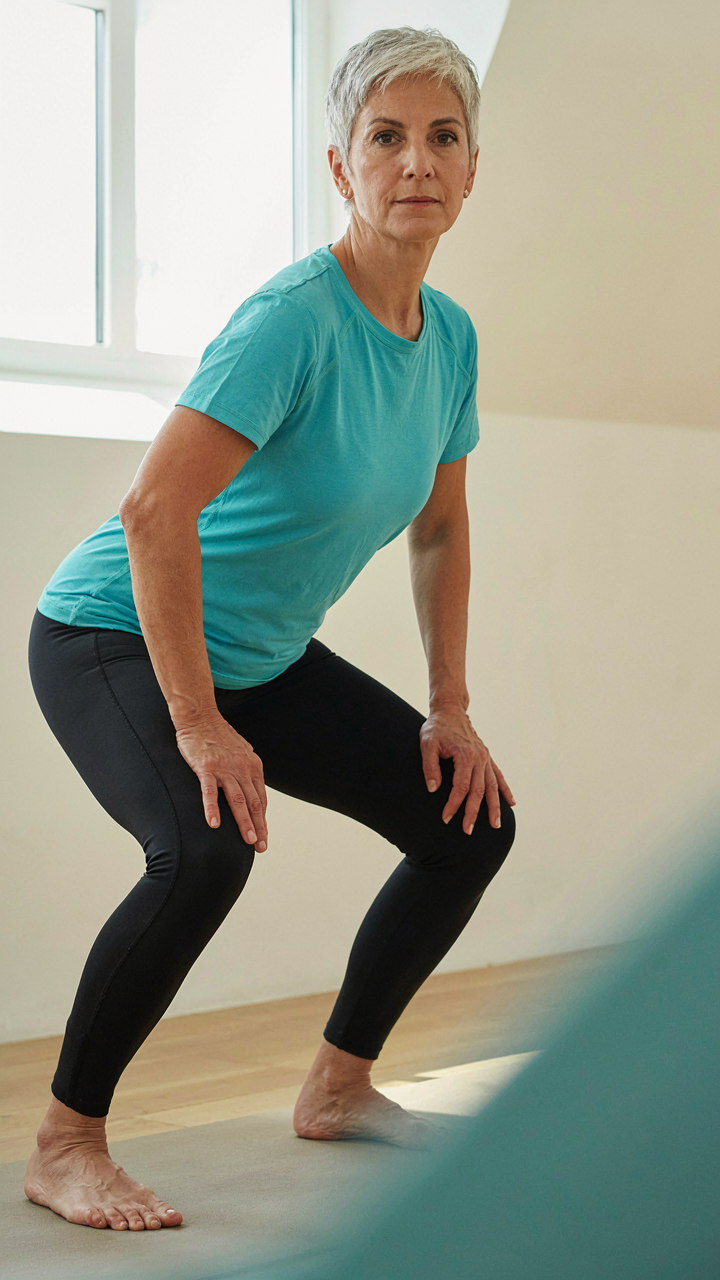
How Full Coverage Shapes Movement
You want coverage because you’re afraid exposure signals weakness or invites judgment. The real mechanism is this: full-coverage designs force engineers to solve a hard problem, and that problem solves for you. Biomechanics—the study of how bodies move through space—teaches us about “load distribution.” In modest workout clothes, load distribution means spreading tension across more fabric surface so no single panel tears or stretches unevenly during intense movement. Longer sleeves and extended leg coverage demand better seam placement and reinforced joints at the shoulders, elbows, hips, and knees.
This isn’t compromise. It’s constraint-driven design. Brands that skip this work produce clothes that sag, pill, or fail within months. The ones that lean into it—like Athleta’s full-length tights with gusseted crotches or Lululemon’s Align line in extended lengths—engineer anchor points and strategic panel angles that actually improve durability. The garment has to earn its coverage through construction.
Where Restriction Becomes A Liability
The common advice says “looser fit equals freedom.” Wrong. Loose fabric that doesn’t follow your body’s actual geometry creates drag and dead space that pulls during compound movements like squats or push-ups. Biomechanical freedom requires a different trade: the garment must move with your body, not against it or ahead of it. This means strategic tightness at joints paired with subtle stretch in high-extension zones. A modest long-sleeve top needs compression through the torso so it stays stable during overhead presses, but mobility through the chest and shoulders where your arms drive the work.
Restrictive fit happens when designers add coverage without adding stretch. They drape modest silhouettes in rigid cotton or dense synthetics and call it done. Real modest workout clothes use performance blends—nylon-spandex or polyester-elastane—that hold their shape while expanding with your range of motion. Test this: perform a full squat in the garment. Your knees shouldn’t pull the fabric taut. Your hips shouldn’t feel pinned. If they do, the design failed the basic protocol of modest dressing.
The Longevity Equation: Investing In Athletic Outfits, Not Trends

The True Cost Per Wear
You’re tracking cost per wear because dropping money on clothes feels like waste, and you need logic to justify the purchase. Economics teaches us that fixed costs spread over time reveal real value. With modest workout clothes, one $120 piece worn 200 times costs $0.60 per wear. A $30 trend worn 15 times costs $2 per wear. The math exposes what marketing hides: cheap fabrics worn briefly destroy your budget through replacement velocity.
Most modest athletic pieces use durable synthetics like nylon or polyester blends rather than cheap cotton. These materials withstand repeated washing and friction better than fast-fashion alternatives. Buy once every 18-24 months instead of three times yearly. That’s the actual mechanism behind “investing in quality” that everyone states wrong. You’re not paying more upfront—you’re paying less total by eliminating the replacement treadmill.
Preserve What You Bought
Modest workout clothes fail from predictable causes: heat damage, friction breakdown, detergent residue, and storage neglect. Stop each one before it starts.
- Wash in cold water: Hot water breaks synthetic fibers faster and degrades elastic. Cold water cleans just as well for workout sweat and costs less to heat.
- Turn inside out before washing: This protects the outer surface from agitation damage and color fading that occurs during the spin cycle.
- Use minimal detergent: Excess soap traps in fabric, breaking down elasticity over time and creating odor retention on your next wear.
- Air dry completely: Dryers generate heat that permanently weakens synthetic fabrics and elastic. Lay flat or hang to preserve fiber integrity for years longer.
- Store flat or rolled: Hangers stretch shoulder seams on modest tops over months. Folded storage prevents permanent deformation of sleeves and necklines.
These aren’t suggestions—they’re the direct path to getting 200+ wears from a single piece. Most people destroy their clothes through one preventable habit: the dryer. Skip it, and you double your garment lifespan. That’s where the real savings live.
The Modest Gym Strategy: Blending In To Stand Out

Camouflage As Focus
You want people to stop noticing what you’re wearing so they notice what you’re doing. That’s the real trade here. Military camouflage works on a simple principle: break up your outline so the eye passes over you. In modest workout clothes, the mechanism is identical. Dark, fitted pieces with minimal contrast eliminate visual interruption. Your body becomes the focus, not the fabric.
When you wear neutral tones and avoid loud patterns, you shift attention away from coverage debates entirely. Black leggings with a long-sleeve fitted top create visual continuity instead of drawing lines around your body. The eye moves through the silhouette as one form rather than registering separate clothing segments. This isn’t about fading into walls. It’s about removing the cognitive friction that makes people stare at how much skin you’re showing instead of watching your actual movement and effort.
Reducing Noise To Amplify Output
Most advice on modest gym wear focuses on what to buy, not why it matters. That’s backward. The real leverage point is cognitive load. Every visual element your brain processes burns mental energy you could direct toward your workout. Loose layers, baggy fits, and clashing colors force your mind to manage the garment rather than ignore it. Fitted modest pieces do the opposite.
A fitted long-sleeve shirt in a single color demands nothing from your attention. Your brain categorizes it immediately and moves on. You recover that mental bandwidth for breathing, form, and intensity. The clothes disappear. When fabric clings to your actual body shape instead of floating around it, you get better proprioceptive feedback too. You feel your position more clearly. Pick one neutral color per piece and stick with it. Let the workout be the thing that takes up space in your mind.
Unpacking “Sporty Outfits”: The Cover And Breathe Imperative

Where Air Moves Through Fabric
You want to look covered without overheating because visibility matters, and sweating through loose fabric defeats the entire point. The real mechanism is thermal management through strategic airflow, borrowed from mechanical engineering: you’re creating pressure differentials across fabric panels. Modest workout clothes don’t fail because they cover—they fail because designers ignore where air actually needs to move. The body generates heat at specific zones: armpits, lower back, chest. Standard modest cuts block these zones entirely. You need fabrics that move air where the body wants to dump it, not where branding looks clean.
Mesh panels work here, but placement determines function. A mesh insert under the arm doesn’t fix poor back ventilation. A full-coverage modest top needs open weave or perforated fabric at the lower back and side ribs—places where you sweat but where coverage still reads visually. Nylon blends with high breathability ratings (measured in grams per square meter per 24 hours) move moisture faster than cotton. The fabric itself matters less than the gaps you engineer into the seam structure. You’re not buying “breathable” fabric. You’re buying deliberate gaps in strategic locations.
Seams That Don’t Wage War On Your Skin
Everyone talks about chafing like it’s random bad luck. It isn’t. Friction has a direction and magnitude, and seam placement determines both. Where a seam sits on moving skin creates a pressure point that builds heat and moisture, accelerating degradation. Most modest workout tops place side seams directly on the ribcage—the exact spot that flexes and slides with every rep. This is a design choice, not an accident. Moving that seam two inches forward or back changes the friction profile entirely.
Flat-lock stitching eliminates raised threads, but only if the seam doesn’t bridge a high-motion zone. The mechanism is simple: fewer thread layers mean less material to catch and drag. However, seam placement beats stitch type every time. A perfectly flat seam in the wrong location still creates friction. Position your side seams on the flat plane of your back, away from armpit rotation and rib flex. Test this by raising your arms. The seam should move with your torso, not across it. That alignment determines whether you get through a session or spend it fighting your own clothes.
Beyond Brands: Curating Your Own Gym Clothes Women System

Quality Without The Price Tag
You want permission to skip the luxury brands without feeling like you’re settling. Here’s the mechanism: brands charge for distribution, marketing, and perceived status, not superior fabric science. Most modest workout clothes use the same base materials. Cotton blends, polyester microfiber, and nylon come from the same suppliers regardless of label. You’re paying for a name, not chemistry.
Inspect seams, not logos. Look for flat-lock stitching on the inside of leggings or tops. Check if the fabric has consistent thickness without pilling after light rubbing. Read fiber content, not brand heritage. Modest styles often hide poor construction because coverage masks cheap seaming. Feel the weight of fabric between your fingers. Heavier isn’t always better, but thin, flimsy material tears faster and costs more over time because replacement cycles accelerate.
Modification Over Acceptance
The common advice is wrong: don’t buy clothes that almost fit hoping they’ll work. Buy them knowing you’ll alter them. Tailoring isn’t elitist or wasteful. It’s engineering applied to fit. A modest top that runs oversized can be taken in at the sides without losing its functional coverage. High-waisted leggings that bunch at the waist respond to a simple drawstring adjustment or a few tucks.
Learn basic hand sewing or find a local tailor. Hemming modest pants takes one hour and costs five to fifteen dollars. Tapering sleeves on oversized modest tops preserves the silhouette while removing excess fabric. You control the final product instead of accepting compromise fits that feel wrong during movement. The investment pays back the first time you work out in clothes that fit your body, not the average model’s proportions.
The Environmental Feedback Loop Of Modest Workout
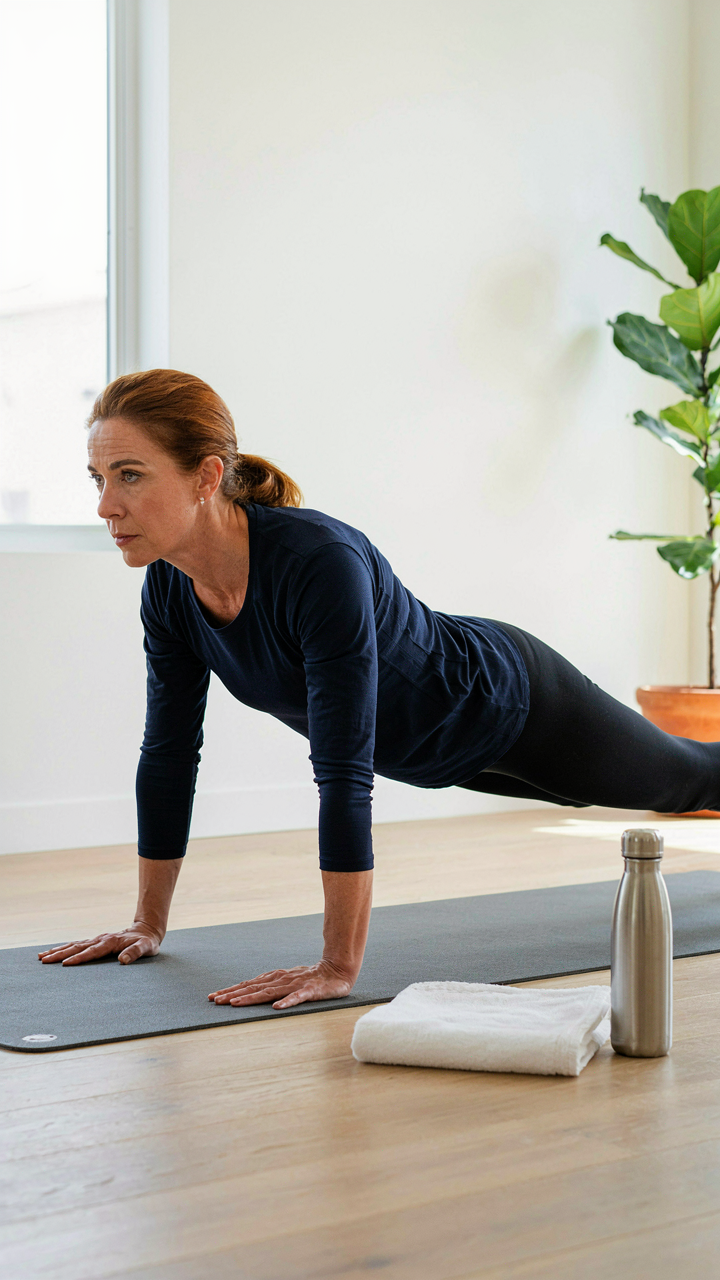
What You Wear Decides What You Do
You want modest workout clothes because you think it solves a comfort problem. The real mechanism is different. Your attire shapes your neural expectation of what’s acceptable to attempt. Borrowed from behavioral psychology, this is priming: your clothes preset your performance ceiling before you move. Modest layers signal restraint to your brain. Your central nervous system reads coverage as permission to work harder without social friction. This isn’t vanity. It’s removing the cognitive tax of managing appearance so you can allocate mental energy to effort instead.
The feedback loop runs both directions. When modest gear fits right, you stop managing it mid-set. Your attention stays on movement quality, tempo, and load. Brands that understand this use structured fabrics with defined seams rather than stretch-everywhere designs. Structure tells your body where to stabilize. Shapelessness creates constant micro-adjustments that drain focus. You’re not working harder. You’re working smarter by removing the environment’s ability to interrupt your intention.
Breathing Room Isn’t Optional
Everyone says “breathable fabric” without naming why it matters for sustained effort. Physiology is the field here. Your muscles produce metabolic heat during work. If modest coverage traps that heat, your core temperature rises faster than it should. Your cardiovascular system compensates by working harder to cool you. That’s not extra calories burned. That’s wasted effort managing temperature instead of managing the load. Fabric technology changed this. Moisture-wicking synthetics like polyester blends and merino wool move sweat away from skin instead of absorbing it. The garment stays light. Your workload stays controlled.
Sustained effort requires consistent thermoregulation. Modest clothes with poor airflow create a cumulative tax across sets. Your RPE climbs faster. Your mental toughness depletes faster. You finish your session thinking you lacked capacity when you actually lacked engineering. Choose fabrics with surface texture that creates air pockets. Knits with open weaves, mesh panels at high-heat zones, and strategic ventilation at armpits and back do the work. Test this: start your next session in standard modest wear, then switch to a technical modest piece. The difference in mental clarity in round three tells you everything.
The Real Obstacle Isn’t Finding The Right Clothes; It’s Your Addiction To External Validation
You don’t need modest workout clothes. You need permission to stop performing for strangers at the gym. The clothes are just the excuse your brain uses to avoid the real work: training without an audience in your head. Stop scrolling for the “perfect” modest fit today. Put on whatever covers you and move. The only validation that matters happens in the mirror when you’re honest about why you actually showed up.