
The Historical Heart Of Paris Bohemian Vibes In Montmartre
The Legacy Of Bateau Lavoir
The Bateau-Lavoir stands as the spiritual epicenter of Paris bohemian vibes, a ramshackle studio building nestled on Rue Ravignan where artistic revolution quietly unfolded. Built in the nineteenth century, this humble structure housed generations of struggling artists who transformed poverty into passion. Pablo Picasso, Amedeo Modigliani, and countless others occupied its cramped, unheated studios, creating masterpieces amid financial hardship and creative fervor.

Within these weathered walls, Picasso developed Cubism, fundamentally reshaping modern art’s trajectory. The building’s very decay became part of its charm, embodying the raw authenticity that defined Paris bohemian vibes. Artists gathered in dim corridors and communal spaces, exchanging ideas fueled by cheap wine and boundless ambition. Though fire damaged the original structure, its legacy remains preserved in restored sections, attracting pilgrims seeking connection to this transformative artistic era.
Artist Squares And Street Easels
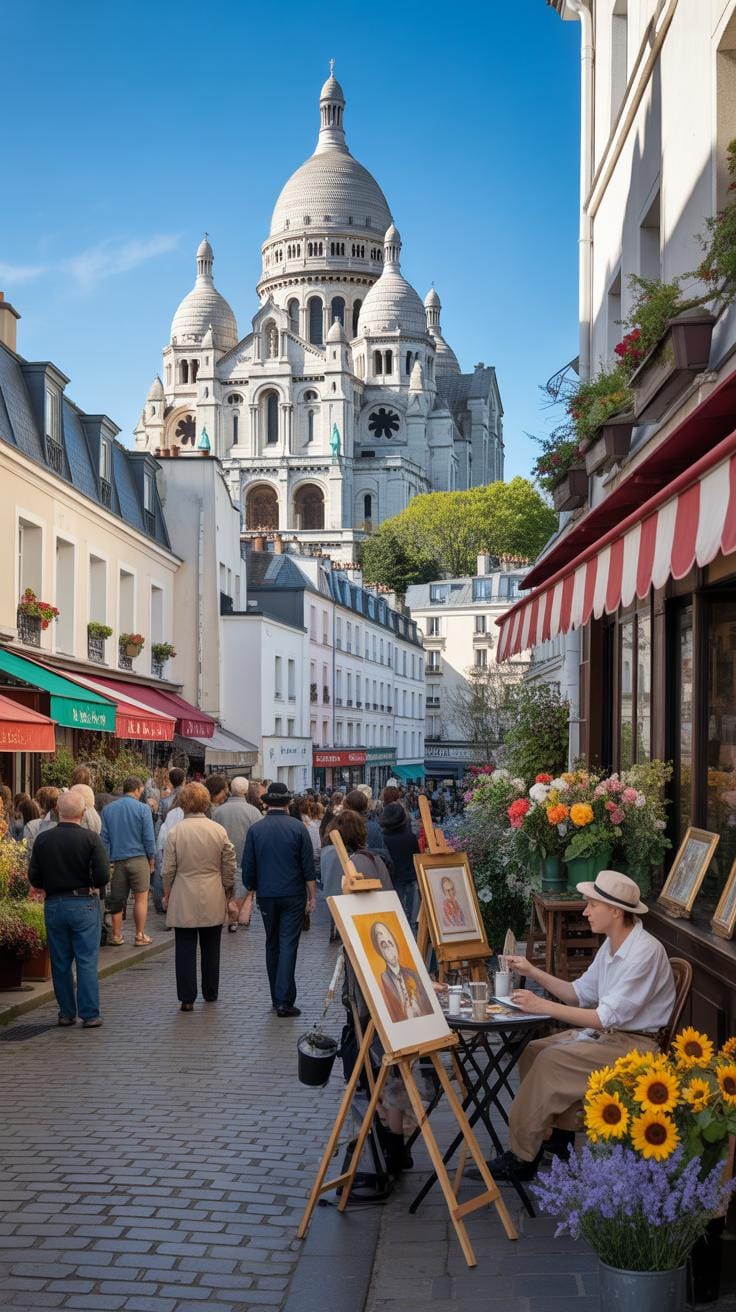
Place du Tertre continues the enchanting traditions of Paris bohemian vibes, maintaining its role as an open-air gallery where artists display works and offer street portraiture. Since the Belle Époque, this charming square has remained virtually unchanged, with easels and canvases creating an atmosphere of timeless artistic expression. Today’s street artists honor their predecessors’ legacy, capturing tourists and locals alike in sketches that echo the square’s storied past.

The spirit of creative freedom permeates every corner of Place du Tertre, where café tables intermingle with artist stalls and galleries overflow with paintings. This vibrant marketplace preserves the democratic ideals of bohemian culture, allowing emerging talent to display alongside established names. The square’s persistent character, unchanged by modernization surrounding Montmartre, ensures that Paris bohemian vibes remain tangible, breathing, and accessible to anyone wandering its historic, charming streets.
Saint Germain Des PrS The Intellectual Side Of Boho Chic
Café Culture And Existentialism
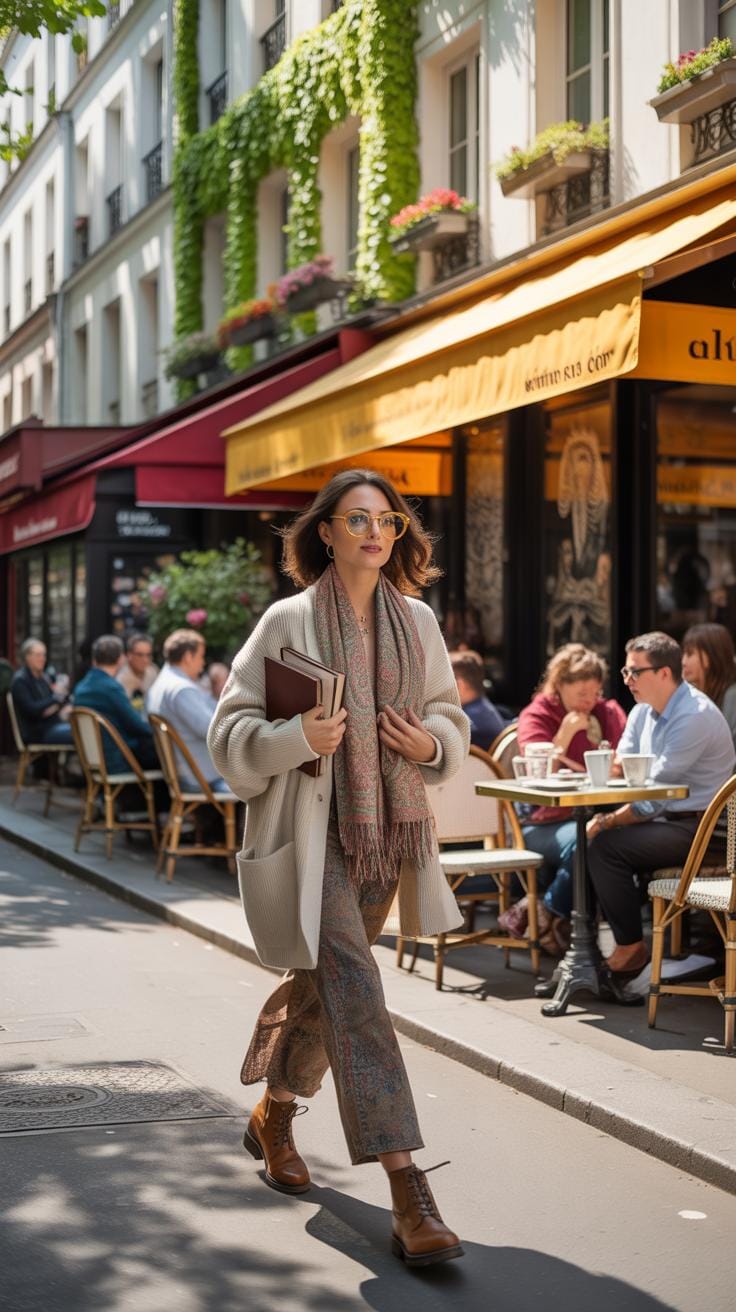
Les Deux Magots and Café de Flore remain iconic Parisian establishments where philosophical movements were born over espresso and cigarette smoke. These legendary cafés witnessed Jean-Paul Sartre and Simone de Beauvoir debating existentialism, shaping intellectual discourse that defined post-war Paris. The worn velvet banquettes, mirrored walls, and Belle Époque décor create an atmosphere steeped in creative energy. Visiting these venues today connects you directly to the bohemian intellectual heritage that continues influencing Paris Bohemian Vibes throughout the neighborhood.
The café experience embodies a uniquely Parisian approach to community and philosophy. Patrons linger for hours, nursing single coffees while engaging in spirited conversation and creative work. The interiors feature Art Deco touches and vintage furnishings that transport visitors to a romantic past. This cultural tradition demonstrates how Paris Bohemian Vibes transcend mere aesthetics, rooting themselves in intellectual freedom and artistic expression that remains palpable within these hallowed walls.
Literary Legends And Jazz Cellars
The Left Bank’s basement jazz clubs emerged as sanctuaries for artistic rebellion during the post-war period, with musicians and writers converging in dimly-lit, intimate spaces. Clubs like Le Caveau de la Huchette hosted legendary performances while writers absorbed the free-spirited energy that would influence their work. These underground venues challenged cultural conventions through music and literature, establishing Saint-Germain-des-Prés as a center for avant-garde expression. The aesthetic of these spaces—brick walls, low ceilings, candlelit ambiance—directly influenced Paris Bohemian Vibes design elements seen in modern home décor today.
The legacy of these literary legends and jazz innovators continues resonating through Saint-Germain’s narrow streets and bookshops. Independent publications, vintage bookstalls, and intimate galleries preserve the experimental spirit that once flourished here. Writers like William Faulkner and Ernest Hemingway frequented these neighborhoods, drawn to the creative magnetism and affordable bohemian lifestyle. This rich cultural foundation established the district as an enduring symbol of artistic authenticity and free-spirited creativity that defines contemporary Paris Bohemian Vibes.
The Artistic Revival Of Le Marais District
HôTels Particuliers Turned Art Galleries
Le Marais district preserves centuries of Parisian elegance through its distinctive hôtels particuliers—grand Renaissance and classical mansions originally built for aristocratic families. These architectural treasures, with their refined facades and hidden courtyards, now serve as intimate galleries showcasing experimental contemporary art. Their transformation reflects the bohemian spirit that has breathed new life into historic Paris, creating spaces where cutting-edge creativity flourishes within centuries-old stone walls.
Today, these converted mansions embody Paris Bohemian Vibes by hosting avant-garde exhibitions, installations, and performance art that challenge traditional museum conventions. The intimate scale of these galleries creates genuine connections between artists and visitors, fostering an authentic creative community. Walking through ornate doorways into minimalist exhibition spaces reveals the beautiful tension between heritage preservation and artistic innovation, where velvet-draped salons now display provocative modern works.
The Jewish Quarter’S Creative Pulse
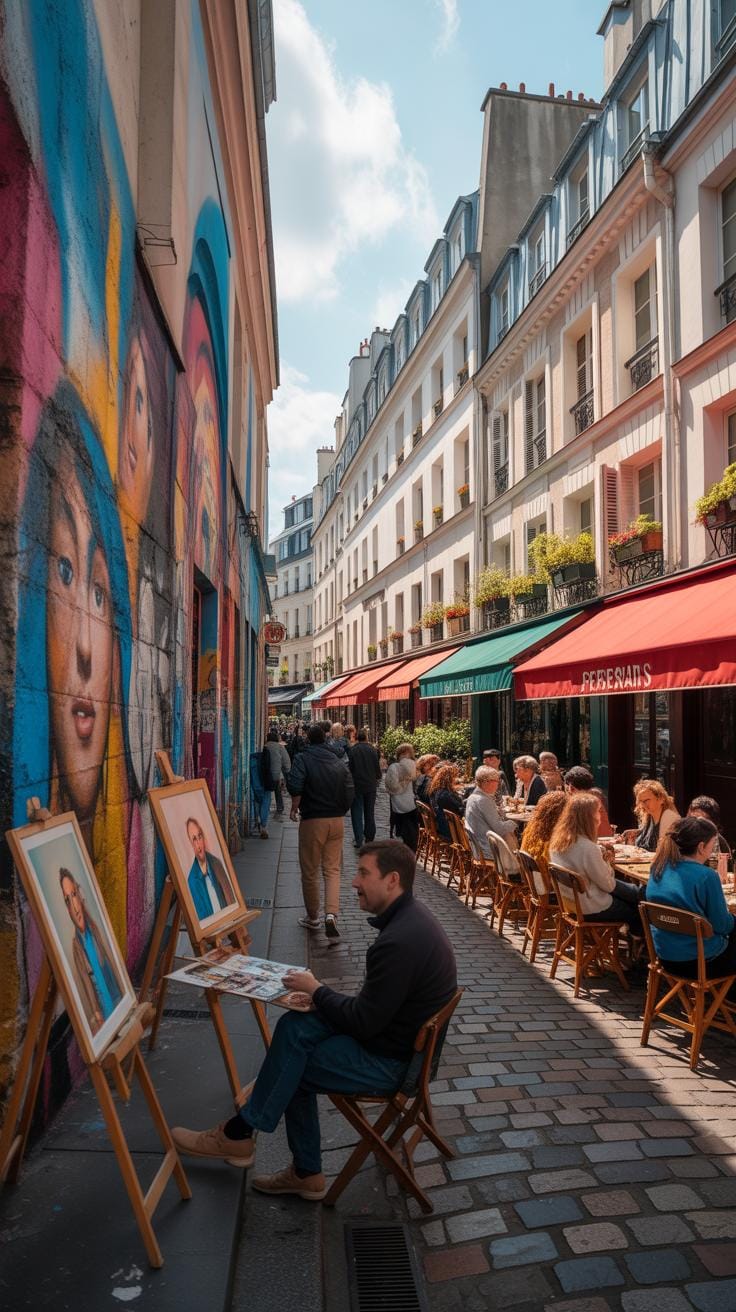
The Pletzl, Le Marais’s historic Jewish quarter, pulses with vibrant street art and underground creative energy that captures the essence of Parisian bohemian culture. Narrow cobblestone streets burst with color from murals, stenciled designs, and installations that honor community heritage while celebrating contemporary artistic expression. This neighborhood represents layered cultural identity, where vintage boutiques, intimate galleries, and eclectic cafés create an atmosphere rich with stories and authenticity.
Within these winding alleys, Paris Bohemian Vibes manifest through unexpected artistic discoveries—hidden courtyards displaying local artists’ work, vintage clothing shops merged with galleries, and street performers infusing daily life with spontaneous creativity. The Pletzl’s resilience and reinvention as an arts hub demonstrates how bohemian communities thrive through cultural exchange and artistic freedom. Here, tradition and innovation coexist harmoniously, attracting creatives seeking genuine connection and authentic expression away from mainstream gallery circuits.
Canal Saint Martin The Modern Bohemian Waterfront
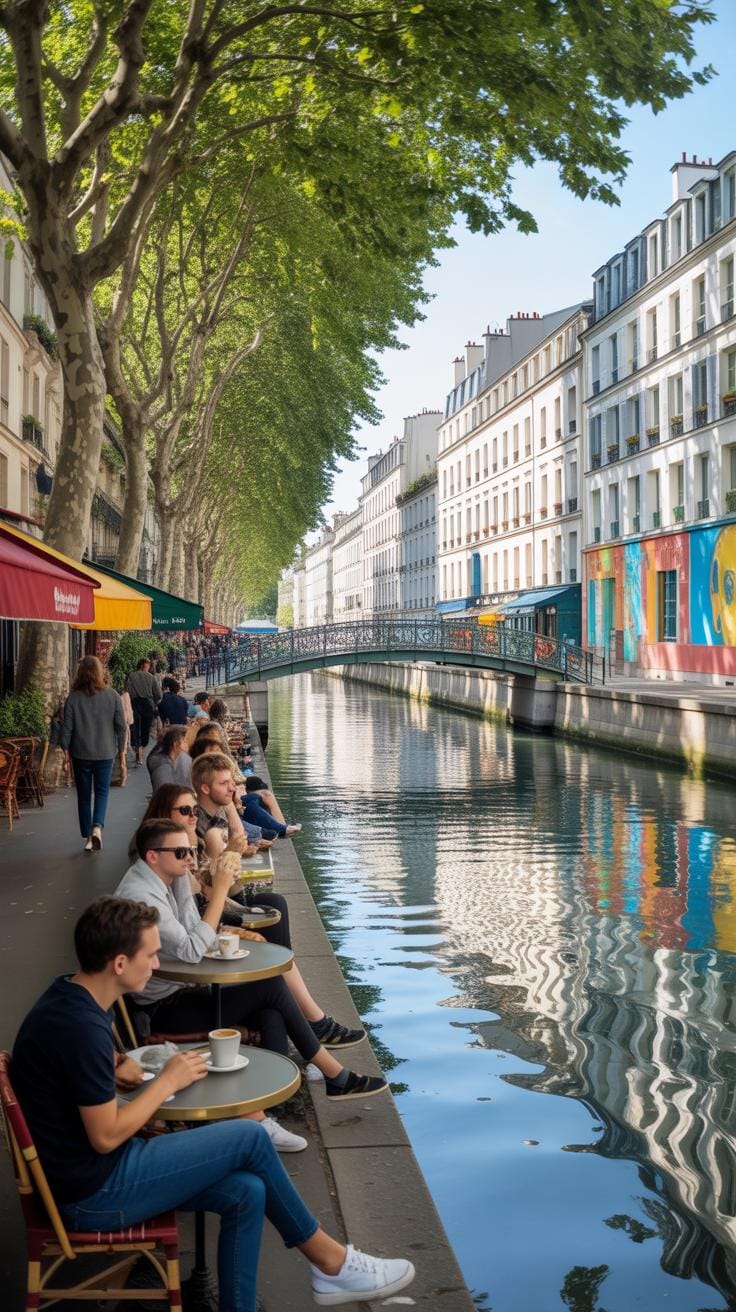
Waterside Picnics And Concept Stores
The Canal Saint-Martin has emerged as the beating heart of contemporary Paris Bohemian Vibes, where iron footbridges frame perfect moments of urban leisure. These iconic green-painted structures have become beloved gathering spots for the “Bobo” class—bourgeois-bohemians who blend artistic sensibilities with modern sophistication. Young creatives congregate along the waterside, spreading blankets for impromptu picnics while vintage vinyl spins from portable speakers. The aesthetic captures effortless elegance: mismatched vintage wine glasses, artisanal cheeses, and literary companions creating tableaus of deliberate casualness that epitomize Parisian cool.
Concept stores flanking the canal have transformed shopping into cultural experience rather than mere transaction. Independent boutiques showcase curated selections of sustainable fashion, vintage furnishings, and local artisan goods that reflect the bohemian philosophy of conscious consumption. These spaces celebrate handcrafted objects and slow living, attracting visitors seeking authenticity over commercialism. The waterfront’s creative energy has made it an essential destination for those pursuing Paris Bohemian Vibes through both aesthetic immersion and mindful shopping practices.
Street Art And Industrial Aesthetics
The 10th Arrondissement’s transformation unfolds across towering warehouse walls where contemporary muralists celebrate the district’s bohemian renaissance. Vibrant street art depicts everything from botanical illustrations to abstract geometric patterns, converting industrial spaces into open-air galleries. This artistic evolution reflects broader cultural shifts toward appreciating working-class neighborhoods as authentic creative hubs. The juxtaposition of raw brick, iron structural elements, and colorful commissioned works creates visual narratives that honor the area’s industrial heritage while embracing modern artistic expression and Paris Bohemian Vibes.
Converted warehouse lofts in the surrounding streets showcase the bohemian aesthetic’s practical application, where exposed beams, soaring ceilings, and polished concrete floors define contemporary living spaces. Artists and designers have claimed these structures, transforming utilitarian buildings into galleries, studios, and distinctive residences. The industrial vocabulary—steel supports, original tilework, vintage factory lighting—combines with carefully curated furnishings and abundant natural light. This architectural movement celebrates authenticity and adaptive reuse, proving that bohemian style thrives when historical character meets creative reinvention.
Finding Freedom In ParisS Hidden Green Spaces
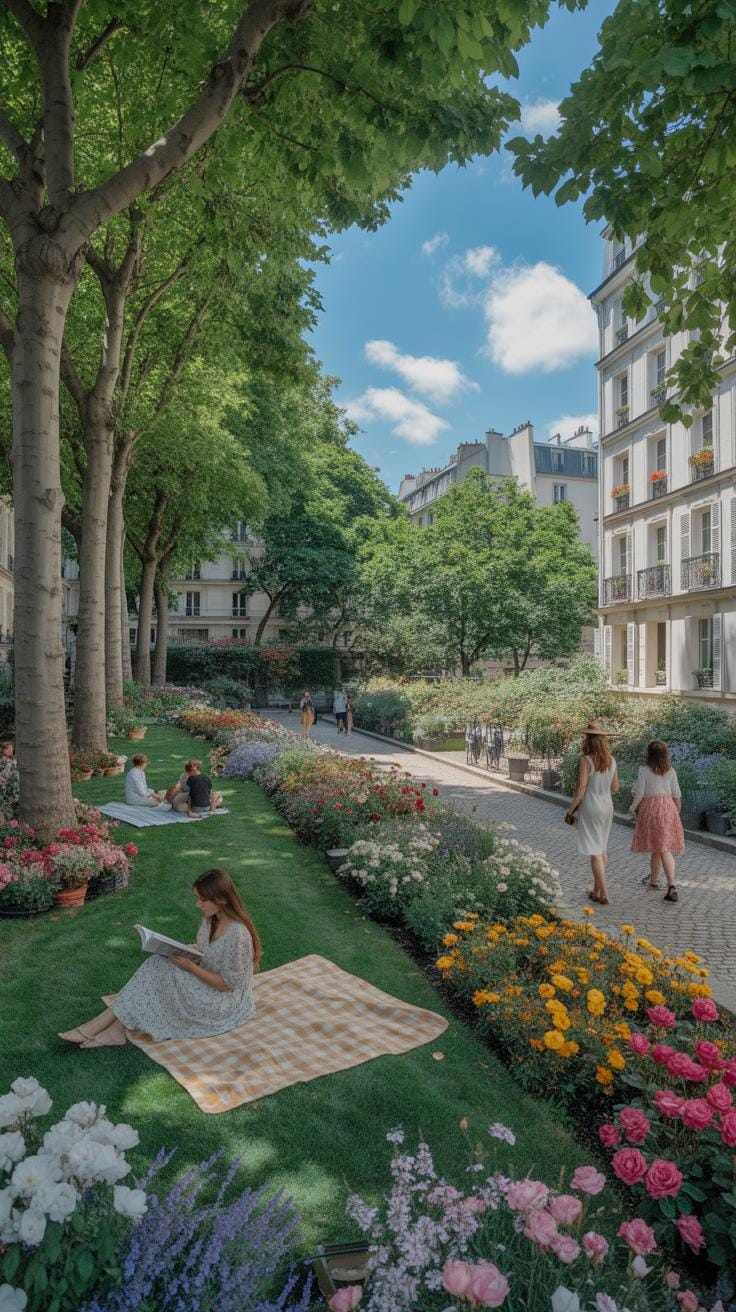
Parc Des Buttes Chaumont’S Wild Charm
Nestled in the nineteenth arrondissement, Parc des Buttes-Chaumont offers a refreshing departure from Paris’s formal garden traditions. This rugged sanctuary features dramatic limestone cliffs, cascading waterfalls, and a picturesque suspension bridge that seems suspended between earth and sky. The park’s untamed landscape embodies the free-spirited essence of Paris Bohemian Vibes, inviting visitors to escape the urban grid and reconnect with nature’s raw beauty and romantic possibilities.
Perched dramatically atop the highest point stands a delicate Greco-Roman temple, offering panoramic vistas across the city’s rooftops. The park’s winding pathways encourage aimless wandering, a quintessential bohemian pursuit. Dense vegetation, hidden grottos, and unexpected viewpoints create an atmosphere of discovery and wonder. Here, Parisians and travelers alike find solace in the park’s authentic charm, where moss-covered stones and dappled sunlight weave an enchanting spell that feels worlds away from the bustling streets below.
In the timeless Bohemian heart of Paris, where free spirits danced under Montmartre’s stars, let nostalgia whisper: live boldly, love fiercely, and chase dreams like the wind along the Seine.
The Promenade PlantéE Elevated Escape
The Promenade Plantée stretches nearly two miles through the twelfth arrondissement, representing a visionary urban design that predates New York’s celebrated High Line by decades. This elevated parkway traces the path of a former railway viaduct, transforming industrial infrastructure into a verdant pedestrian corridor lined with flowering trees, climbing vines, and artistic installations. Walking this romantic passage captures the essence of Paris Bohemian Vibes through its marriage of history, nature, and creative reimagining.
From this unique vantage point, walkers traverse a poetic landscape suspended above street level, discovering unexpected views of Parisian rooftops, chimney pots, and distant monuments. The experience feels removed from ordinary urban life, offering a contemplative journey through carefully curated gardens and artistic spaces. Artisans’ studios and galleries nestle beneath the viaduct’s arches, creating a thriving creative community. This elevated escape perfectly encapsulates the bohemian spirit of seeking beauty in unconventional places and finding freedom through thoughtful exploration.
Vintage Treasures And Flea Market Culture
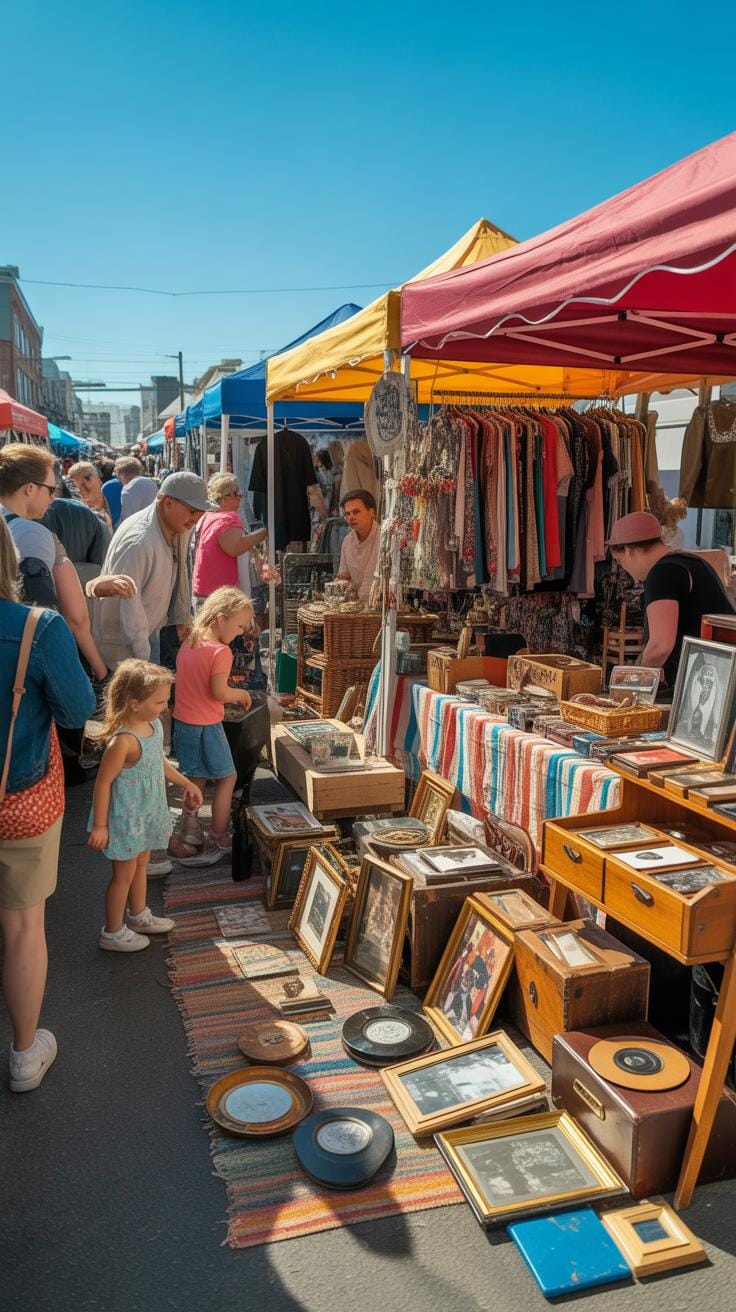
Les Puces De Saint Ouen Exploration
Les Puces de Saint-Ouen stands as one of the world’s largest antique markets, sprawling across the northern outskirts of Paris with a labyrinthine collection of vendor stalls and covered passages. This legendary marketplace embodies the essence of Paris Bohemian Vibes, where generations have discovered eclectic furnishings, ornate mirrors, weathered paintings, and curiosities that define bohemian home aesthetics. Walking through its dusty aisles feels like stepping into a living archive of Parisian style and artistic expression.
The market’s atmosphere perfectly captures the bohemian spirit—where beauty emerges from unexpected combinations and forgotten objects find new purpose. Treasures range from nineteenth-century brass fixtures and Art Nouveau sculptures to vintage textiles and reclaimed architectural elements. Visitors can spend hours navigating the interconnected passages, each revealing curated collections that reflect individual dealer expertise and bohemian sensibilities.
Second Hand Fashion In The Latin Quarter
The Latin Quarter’s narrow streets and riverside promenades host vibrant second-hand fashion boutiques and vintage clothing shops that attract bohemian fashion enthusiasts from around the world. Along the historic Seine riverbanks, collectors discover rare vintage garments, bohemian-inspired textiles, and carefully curated pieces that echo Paris’s artistic heritage. These charming storefronts blend seamlessly with independent bookshops and art galleries, creating an immersive cultural experience.
Shopping for vintage fashion in this quarter connects visitors to Paris Bohemian Vibes on a personal level, as each piece carries history and individual character. The area’s bohemian energy thrives in these intimate spaces where passionate proprietors share knowledge about fashion movements, textile origins, and the stories behind unique finds. Customers can explore rare first editions, vintage jewelry, and clothing from various eras while absorbing the quarter’s unmistakable creative atmosphere.
The Culinary Spirit Of French Bohemianism
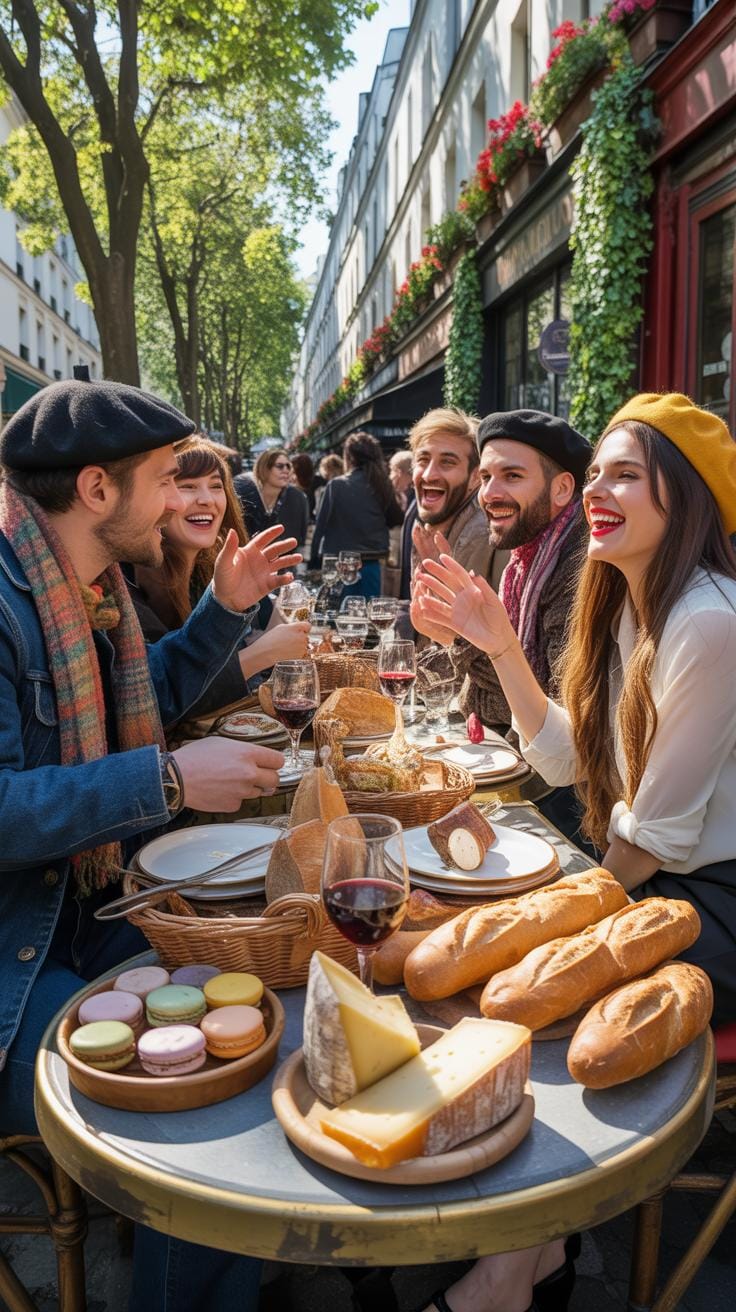
Farm To Table Dining In Belleville
Belleville’s hilly streets pulse with the authentic Paris Bohemian Vibes that define modern French counterculture dining. This neighborhood, historically populated by artists and immigrant communities, has blossomed into a farm-to-table destination where chefs celebrate seasonal ingredients and cultural fusion. Small bistros and intimate eateries source directly from local producers, rejecting the pretension of formal gastronomy. The unpretentious atmosphere encourages diners to embrace spontaneity, sharing tables with strangers and discovering multicultural flavors that reflect Belleville’s diverse heritage and bohemian spirit.
The culinary philosophy here honors simplicity and authenticity over elaborate presentation. Menus change frequently, dictated by what arrives fresh from nearby markets and regional suppliers. Diners encounter unexpected combinations—Vietnamese pho alongside French bistro classics, North African tagines beside seasonal vegetable preparations. This culinary eclecticism mirrors the neighborhood’s bohemian character, where tradition meets innovation without pretense. Candlelit corners and mismatched vintage furniture create intimate dining experiences that celebrate food as community rather than commodity.
Natural Wine Bars And Shared Plates
Natural wine bars throughout Belleville embody the Paris Bohemian Vibes movement rejecting industrial viticulture and formal dining conventions. These establishments champion biodynamic and organic winegrowing practices, serving wines produced with minimal intervention. The counter-culture ethos extends to shared plates and communal dining arrangements that encourage conversation and connection. Patrons gather around wooden tables laden with charcuterie, cheese, and small bites designed for exploration, creating spontaneous gatherings that feel distinctly Parisian.
The natural wine movement represents bohemian resistance to Michelin-star hierarchies and corporate food culture. These intimate spaces celebrate winemakers as artists rather than industrialists, prioritizing flavor authenticity and sustainable practices over commercialism. The convivial atmosphere transforms dining into ritualistic social experience where strangers become companions through shared discovery. Candlelight flickers across bare brick walls adorned with local art, creating sanctuaries where genuine connection flourishes alongside glasses of unconventional, living wines that embody true bohemian rebellion.
Immersive Experiences Living The Bohemian Lifestyle
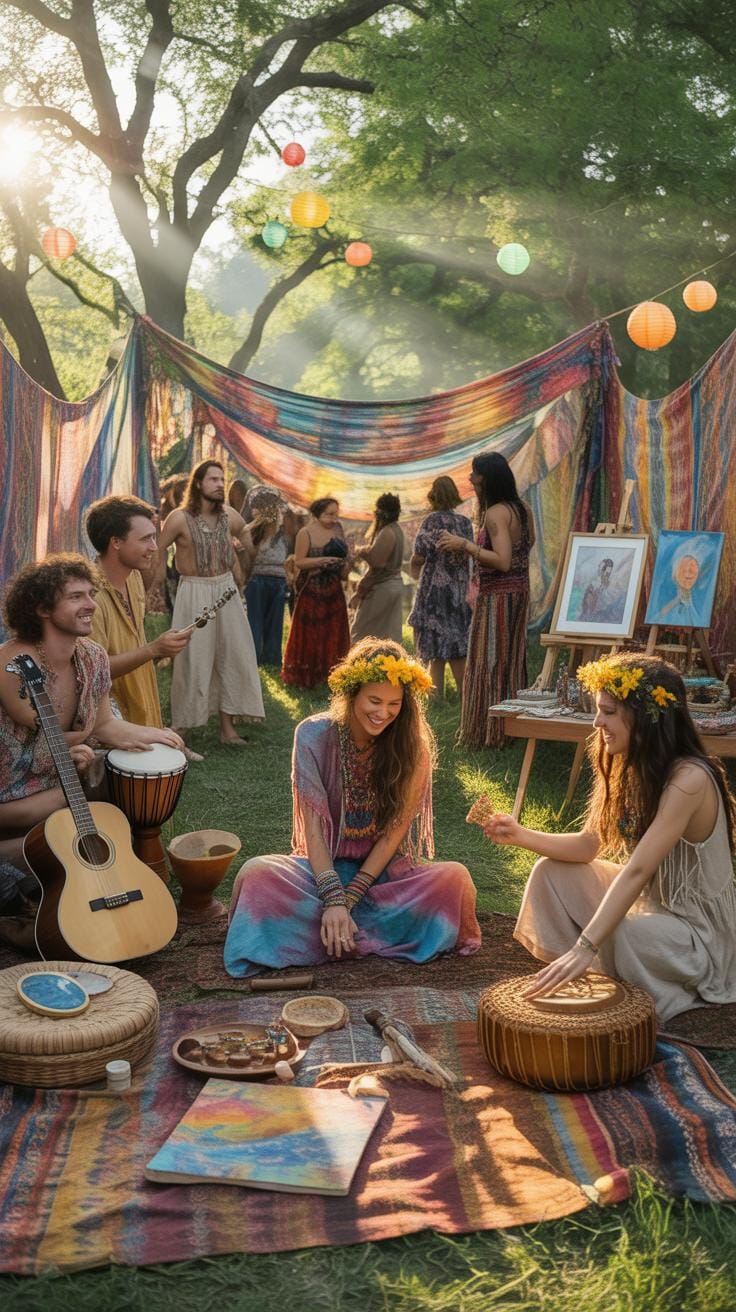
Workshops In The 11th Arrondissement
The 11th arrondissement stands as a creative heartland where Paris Bohemian Vibes flourish through hands-on artistic practice. Local artisans welcome visitors into intimate private ateliers to explore traditional crafts that have defined bohemian culture for generations. These workshops offer authentic connections to the artistic process, allowing participants to learn directly from skilled practitioners who maintain centuries-old techniques and contemporary innovations alike.
Pottery classes introduce you to clay work in spaces filled with natural light and creative energy. Painting sessions explore various mediums and styles under mentorship. Perfume-making workshops reveal the secrets of fragrance composition. These immersive classes typically run several hours, providing genuine skill development rather than superficial tourist experiences. Participants leave with handcrafted pieces and profound appreciation for the bohemian commitment to authentic creation and artistic mastery.
Nightlife In Pigalle’S Neo Cabarets
Pigalle’s modern cabarets reinterpret the legendary cabaret tradition with fresh artistic vision and inclusive community spirit. These contemporary venues honor the bohemian heritage of theatrical performance while embracing diverse artists and audiences. The neo-cabaret scene represents Paris Bohemian Vibes evolved for today, combining vintage aesthetics with progressive values that celebrate individual expression and creative freedom without boundaries or pretension.
The atmosphere crackles with spontaneous artistry, featuring live musicians, performers, and interactive entertainment that blurs traditional stage boundaries. Audiences encounter burlesque, acrobatics, comedy, and experimental theater in intimate settings encouraging genuine connection. These venues cultivate the same rebellious spirit that defined Pigalle throughout bohemian history, creating spaces where unconventional artists perform for open-minded crowds. The energy remains raw, authentic, and deeply rooted in artistic expression rather than commercialism.
Frequently Asked Questions

What are Paris Bohemian Vibes?
Paris Bohemian Vibes capture the free-spirited essence of the city’s historic artistic soul, rooted in 19th-century bohemianism from areas like Montmartre and the Latin Quarter. Think vibrant street art, eclectic cafes, and a blend of French elegance with unconventional flair—artists, musicians, and dreamers embracing life beyond norms. It’s a timeless allure blending creativity, romance, and laid-back luxury that inspires wanderers worldwide.
How can I experience Paris Bohemian Vibes in my home decor?
Infuse Paris Bohemian Vibes into your space with layered textiles like Moroccan rugs and vintage French linens, mixed with lush plants and brass accents for that effortless chic. Hunt thrift stores for flea-market finds reminiscent of Saint-Ouen, add macramé hangings, and colorful kilims. Keep it warm with scented candles evoking Parisian patisseries—creating a cozy, artistic nook that transports you to the City of Light’s free-spirited heart.
How can I achieve Bohemian French Vibes on a budget?
Capture Bohemian French Vibes affordably by thrifting vintage linens and mirrors from local markets, mimicking Paris flea markets without breaking the bank. DIY macramé wall hangings using basic rope, layer budget-friendly rugs, and scour sales for brass trays and potted succulents. Mix in personal travel souvenirs for authenticity—transforming your home into a budget-friendly bohemian paradise full of charm and character.