
Assessing The Damage The Importance Of A Closet Audit

Emptying Your Space
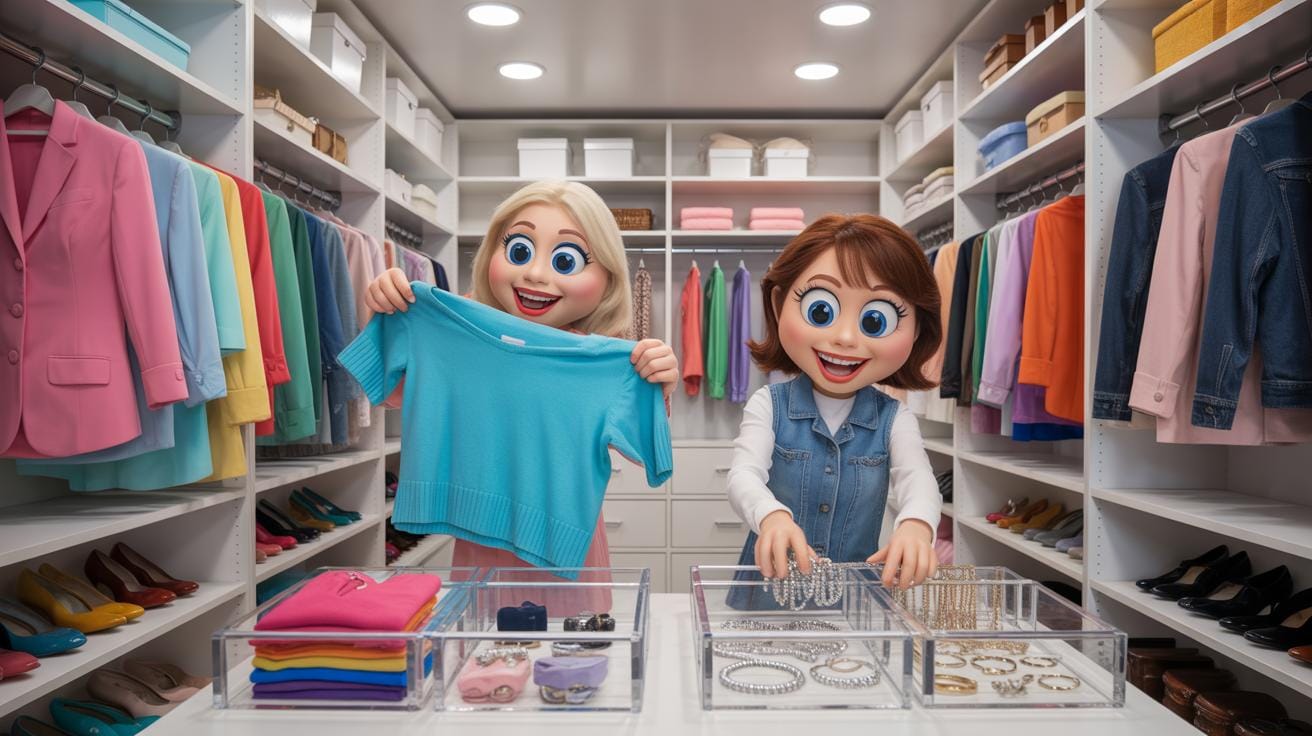
Taking everything out of your closet might feel overwhelming at first. But this step shows you exactly what you have. You see the real size of your closet without clothes packed in. You find items you forgot about. You spot pieces hiding in the back. This honest look helps you understand your space and what needs to change.

Removing each item gives you control. You can see stains, broken zippers, or items that no longer fit. You notice patterns in your closet organization tips and what actually works. An empty closet also lets you clean the surfaces. Dust and debris come out easily. Your shelves and rods get a fresh start. You return items with intention rather than stuffing them back randomly.
Sorting And Categorizing
Grouping clothes by type makes closet organization tips easier to understand. Put all shirts together. Gather pants in one spot. Collect dresses, skirts, and jackets separately. Then sort by season. Winter coats go in one pile. Summer dresses in another. This method shows you the real volume of each category.
- Tops: Group t-shirts, blouses, and sweaters together to see how many you actually own.
- Bottoms: Combine pants, jeans, and shorts to understand your lower clothing volume.
- Seasonal Items: Separate winter and summer pieces to manage storage based on weather needs.
- Outerwear: Keep jackets, coats, and blazers together since they take up significant space.
- Accessories: Group belts, scarves, and bags to identify what complements your outfits.

Sorting reveals what you wear most. You might find three black blazers when one works fine. You see duplicates in colors or styles. This knowledge guides future closet organization tips and purchasing choices. Categories also make getting dressed faster since everything has a designated spot and purpose.
The Art Of Decluttering Using The Three Pile Method

Defining Keep, Donate, And Toss
Starting a closet organization project means making clear decisions about what stays and what goes. The three-pile method gives you a simple system to follow. You create separate piles for items you keep, items to donate, and items to throw away. This approach removes confusion and speeds up the process. You stop second-guessing yourself because you have set rules for each category.
- Keep pile: Clothes that fit well, make you feel good, and match your current lifestyle and style preferences.
- Donate pile: Items in good condition that no longer suit you but could help someone else feel confident and comfortable.
- Toss pile: Pieces with stains, holes, broken zippers, or other damage that cannot be repaired or worn again.
- Uncertain pile: Borderline items you might reconsider after taking a few days to think things over clearly.
- Seasonal pile: Clothing appropriate for different times of year that you can store away temporarily during off-seasons.
Using these closet organization tips helps you stay focused and purposeful. Each decision becomes easier when you know your categories ahead of time. You finish faster and feel more confident about what remains in your closet space.
Emotional Detachment From Apparel
Clothes often carry memories and feelings that make letting go difficult. That expensive jacket you bought years ago still has tags attached. The dress reminds you of a special event. These emotional connections are real and valid. However, holding onto pieces just for sentiment takes up valuable closet space. You must separate the memory from the object itself.
Ask yourself practical questions to release emotional ties. Does the item fit your life now? Do you wear it regularly? Would you buy it again today? Honest answers help you let go. Remember that keeping the item does not keep the memory alive. The memory stays with you regardless of what hangs in your closet. Clearing space for clothes you actually wear feels freeing and positive.
Maximizing Vertical Space For Smaller Closets
Installing Upper Shelving
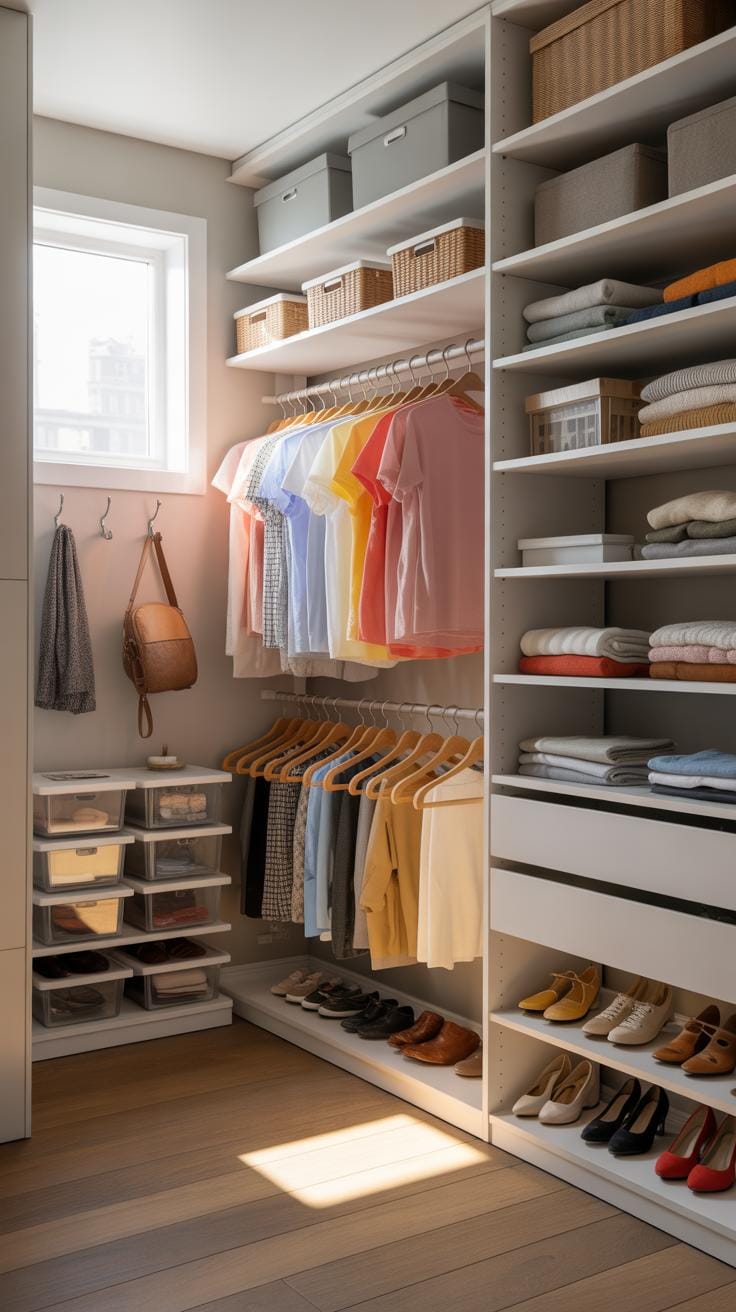
Most closets have unused space near the ceiling. This area is perfect for storing items you don’t need every day. Seasonal clothes, extra blankets, and holiday decorations work well up high. Installing shelves here is one of the best closet organization tips for small spaces. You keep everyday items at arm level while protecting delicate things above.
Upper shelving works best when you use clear storage boxes. You can see what’s inside without opening each box. This prevents you from forgetting about items stored up there. Measure your closet carefully before buying shelves. Make sure the shelves are sturdy enough to hold the weight of your belongings safely.
Over The Door Organizers
Over-the-door organizers are affordable and easy to install. They hang on your closet door without needing tools or permanent changes. These organizers hold shoes, scarves, belts, and jewelry neatly. Many people overlook this simple closet organization tips opportunity. The back of your door is valuable real estate waiting to be used.
Shoe organizers with clear pockets let you see all your options quickly. You can fit twelve to twenty pairs of shoes in one organizer. Jewelry holders keep necklaces untangled and earrings organized. Some organizers have hooks for bags or cleaning supplies. This keeps your closet floor clear and makes your space feel bigger.
Closet Organization Tips For Better Visibility
Color Coding Your Wardrobe
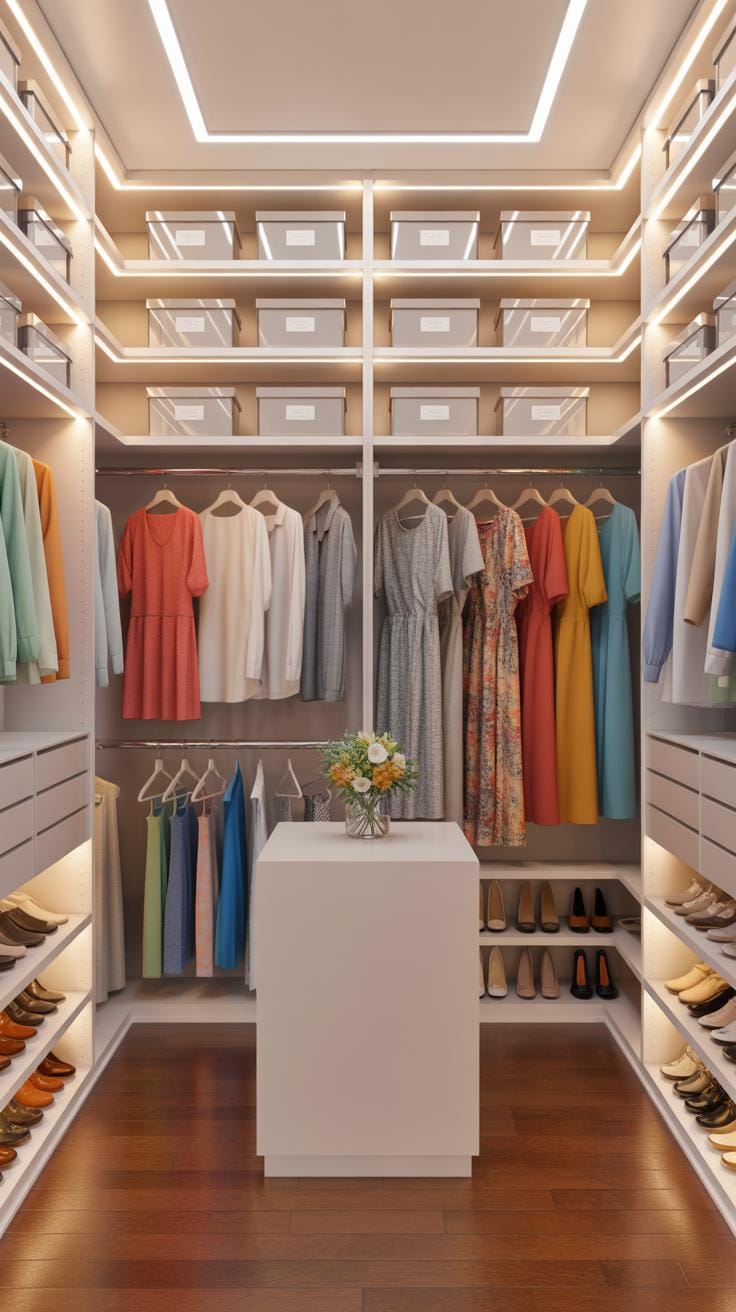
Arranging clothes by color makes getting dressed faster and easier. When you group reds together, blues together, and so on, you can spot what you need in seconds. This closet organization tips method creates a rainbow effect that looks beautiful too. Your eye naturally moves through the colors, making outfit selection feel simple and stress-free.
Color coding works because your brain recognizes patterns quickly. Instead of flipping through hangers wondering what you own, you go straight to the color you want. This system works with any closet size. You spend less time choosing outfits and more time enjoying your day.
Slimline Hanger Benefits
Switching to velvet or slim hangers saves space immediately. These thin hangers take up much less room than traditional wooden or plastic ones. You can fit nearly twice as many clothes in the same closet space. This simple swap makes a real difference when storage feels tight.
Velvet hangers grip fabric gently and prevent clothes from slipping. Slim hangers come in many colors to match your closet style. They cost less than you might think and last for years. Replacing your hangers is one of the easiest closet organization tips you can use today.
Seasonal Rotation Managing Your Year Round Wardrobe
Vacuum Sealing Off Season Gear
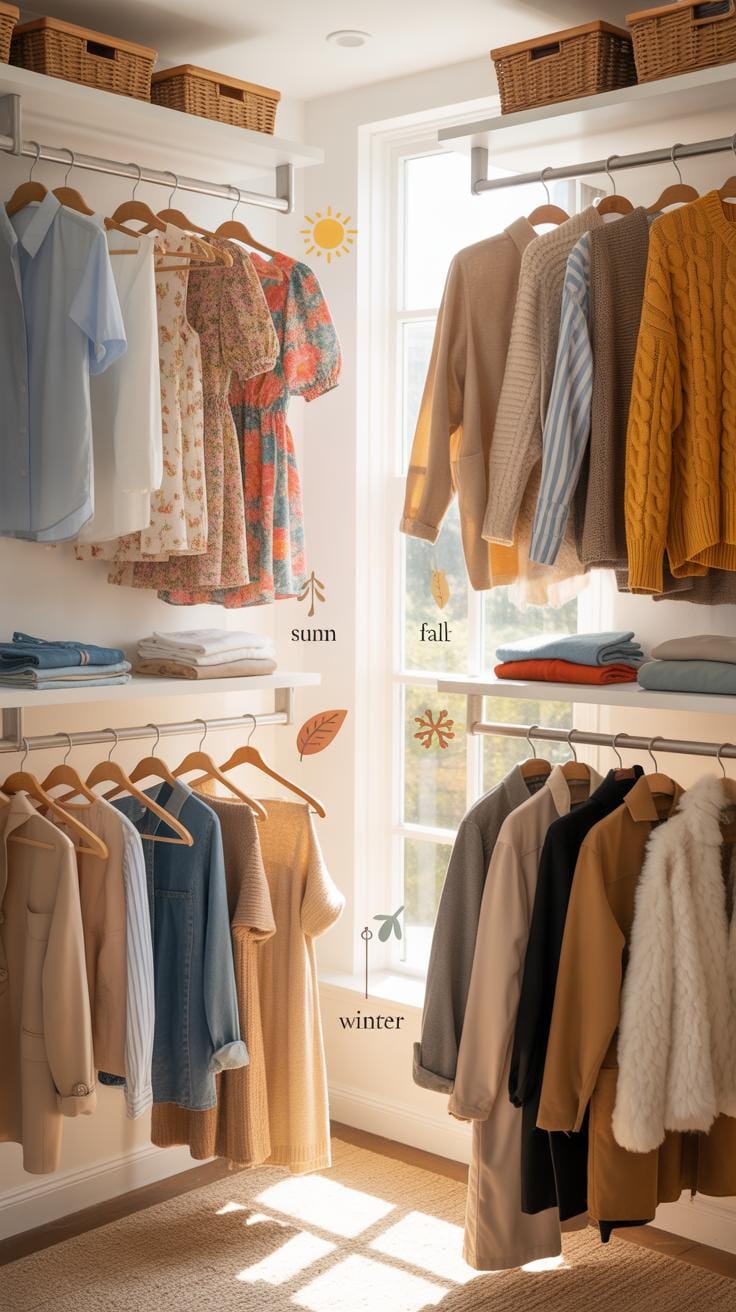
Winter coats and thick sweaters take up valuable closet space when warm weather arrives. Vacuum sealing bags compress these bulky items down to a fraction of their normal size. You remove the air from inside the bag, making storage much easier. This closet organization tips method works especially well for puffy jackets, wool sweaters, and heavy blankets.
Start by folding your winter clothes neatly before placing them in vacuum bags. Label each bag with its contents so you know exactly what you stored. Store these compressed bags in a cool, dry place away from direct sunlight. When winter returns, simply open the bags and hang your clothes to let them regain their shape naturally within a day or two.
Under Bed Storage Solutions
The space under your bed is often wasted room that can hold seasonal items. Off season shoes, boots, and sandals fit perfectly in flat storage containers that slide easily underneath. Linens you only use in certain seasons also work well in this hidden spot. This closet organization tips approach keeps your main closet less crowded and more functional.
Measure the height under your bed before buying storage containers to ensure they fit properly. Clear plastic boxes work best because you can see what is inside without opening them. Label the front of each container with a list of contents. Rotate these containers out as seasons change, making your closet feel organized and spacious year round.
Innovative Shoe Storage To Avoid Floor Clutter
Tiered Shoe Racks
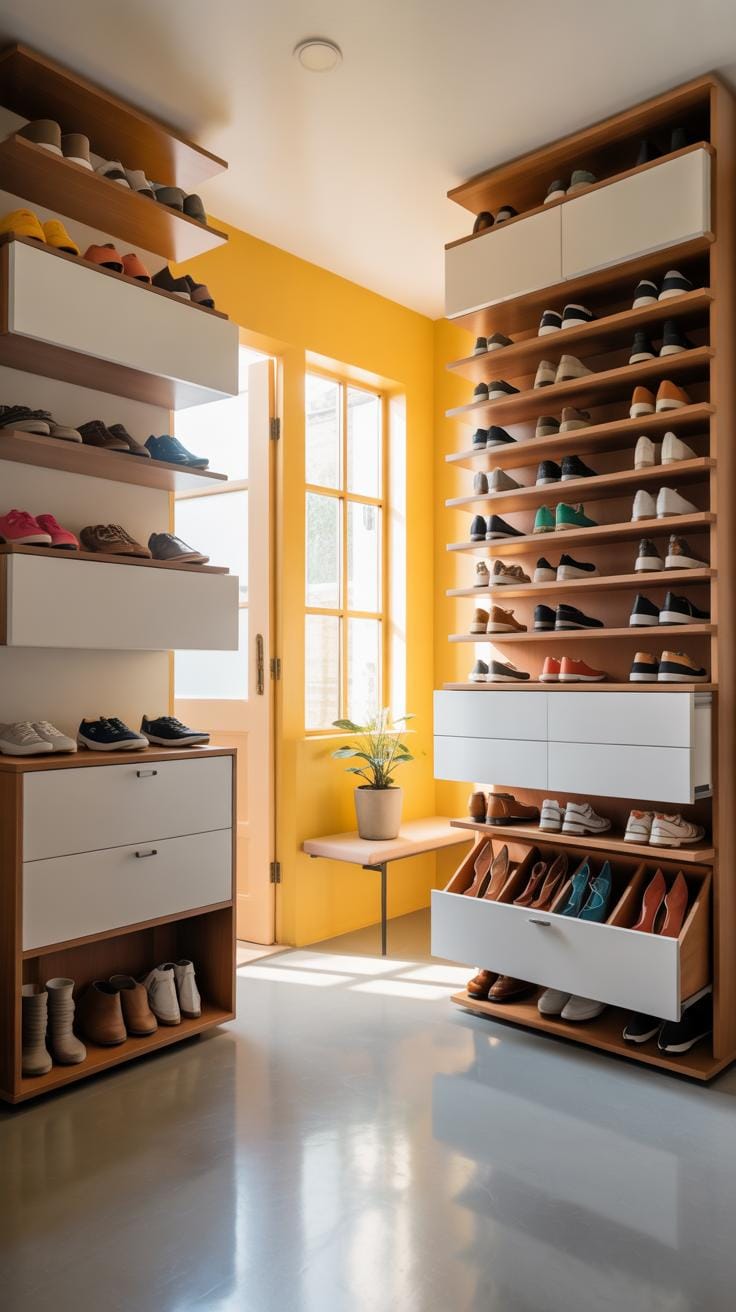
Tiered shoe racks solve a common problem in closet organization. They stack multiple pairs in a small footprint. Your shoes stay visible and easy to grab. Stackable racks fit perfectly along the closet floor. They work well in tight spaces where floor room matters most. This approach keeps your collection organized without spreading chaos everywhere.
These racks come in different heights and styles. Metal frames with multiple shelves hold many pairs upright. Wood designs add warmth to your closet space. Some racks have angled shelves that show off each shoe clearly. Closet organization tips like these save time during morning routines. You no longer search through piles to find matching pairs.
Closets should be completely emptied twice a year. Things you’re doubtful about are probably wrong.
Clear Shoe Boxes
Clear plastic boxes protect shoes from dust and damage. You can see exactly which pair sits inside without opening each box. Labels on the front make finding specific shoes quick and simple. This storage method keeps your collection safe from moisture and dirt. Clear boxes stack neatly on shelves or closet floors. Your shoes stay fresh and ready to wear whenever you need them.
These boxes work especially well for seasonal shoes or special occasion footwear. Store winter boots and summer sandals separately by season. Clear visibility means you remember what you own and avoid buying duplicates. Stackable boxes use vertical space efficiently in any closet. This closet organization tips approach prevents shoe damage while maintaining order. Your entire collection stays protected and accessible.
Essential Closet Hardware And Storage Tools
Adjustable Rod Heights
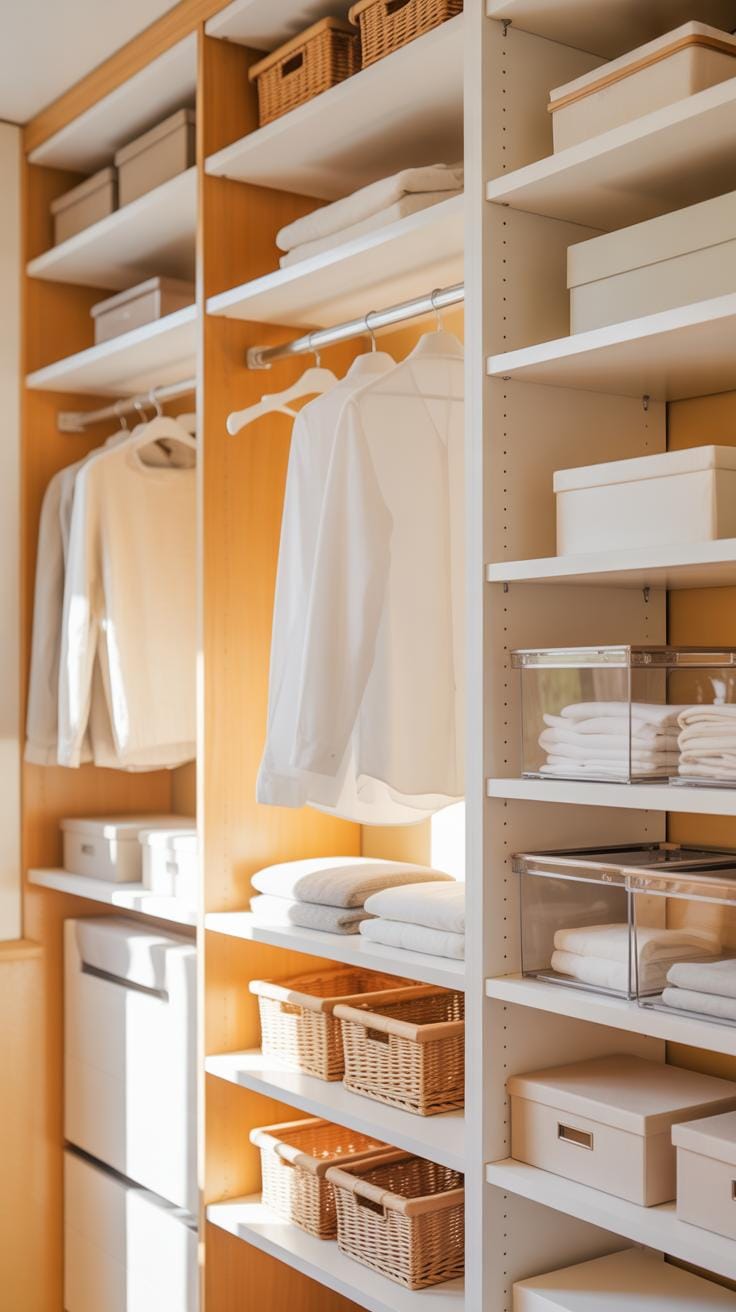
Adding a second hanging rod transforms your closet space. Most closets have room to fit two rods at different heights. Place one rod higher for long dresses and coats. Install a lower rod beneath it for shirts, skirts, and pants. This smart closet organization tips strategy doubles your hanging capacity without expanding your closet footprint.
The installation process is straightforward. You need basic tools like a drill and level. Many hardware stores sell affordable rod kits designed for this purpose. Adjustable rods let you customize heights based on your clothing needs. Your closet suddenly feels less cramped and more functional.
Drawer Dividers And Bins
Drawer dividers keep small items organized and visible. Socks, belts, scarves, and undergarments stay in designated spots. Without dividers, these items shift around and tangle together. Dividers create separate sections for each clothing type. This closet organization tips method saves time when getting dressed.
Bins work well for items you don’t access daily. Clear bins let you see contents without opening them. Label each bin so everyone knows what’s inside. Fabric bins slide easily in and out of drawers. Plastic bins work best in humid climates since they resist moisture damage.
Maintaining Your Organized Closet Long Term
The One In One Out Rule
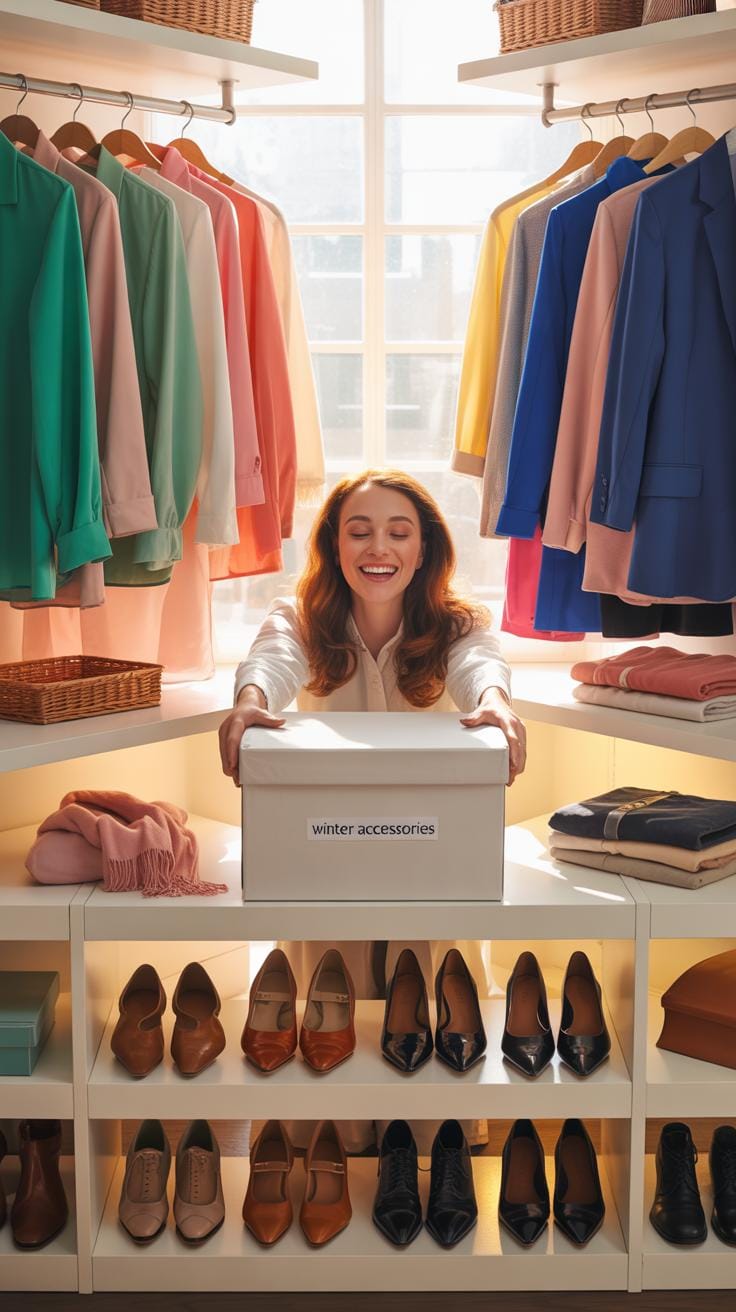
Every time you bring a new item home, commit to removing something old. This simple practice stops your closet from getting crowded again. It keeps your space balanced and prevents the clutter from returning. The rule works because it forces you to think before buying. You will naturally become more selective about what enters your wardrobe.
Donating one old piece for every new purchase creates a healthy cycle. Your closet stays at a manageable size. This closet organization tips method teaches restraint and mindfulness. It honors the items you already own by giving them priority. Over time, you will notice your wardrobe contains only pieces you truly love.
Weekly Five Minute Resets
Set aside five minutes each week to tidy your closet. Refold items that shifted during the week. Rehang clothes that fell off hangers. Straighten your organized sections. This quick routine keeps everything in place.
- Monday mornings: Reset after weekend outfit changes and catch items out of place.
- Wednesday check ins: Spot any items that need immediate attention before the week ends.
- Hanger alignment: Make sure all hangers face the same direction for neat appearance.
- Shelf arrangement: Refold stacked items so they sit flat and organized.
- Floor clearing: Remove any items that landed on the closet floor during the week.
This small investment of time keeps your system working well. Your organized space stays functional and accessible. Weekly maintenance prevents small messes from becoming big problems. You will always know where everything is located. The five minute reset becomes a habit that maintains all your closet organization tips.
Personalizing Your Closet For Your Lifestyle
Displaying Your Best Pieces
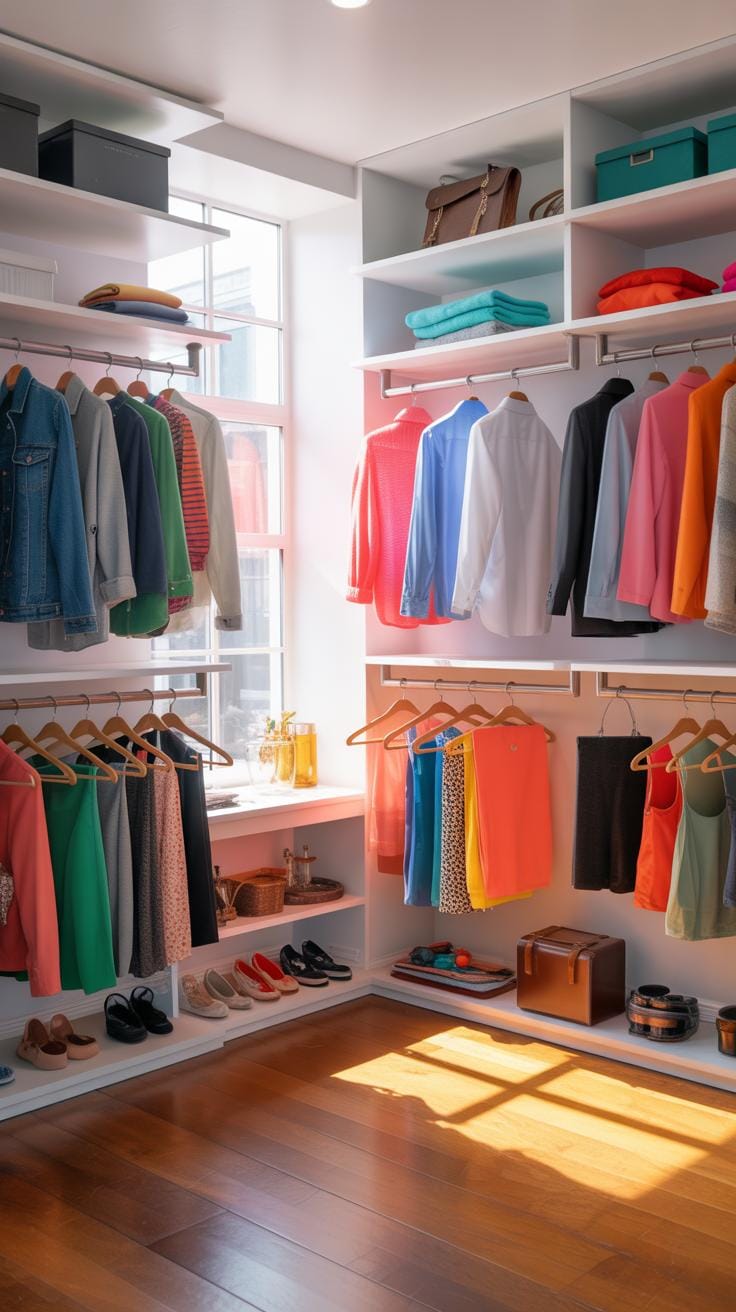
Your favorite clothes deserve to be seen. Open shelving turns your closet into a gallery space. Mannequins hold statement jackets and special occasion outfits upright. These closet organization tips make your room feel intentional and curated. Your best pieces become part of your decor.
Display items that make you happy when you see them. Beautiful sweaters, colorful scarves, and unique hangers all add character. This approach keeps your favorite items accessible and visible. You will wear them more often when they catch your eye daily.
Incorporating Proper Lighting
Dark closets hide your clothes and create frustration. LED strips mount easily along shelves and walls. Motion sensor lights turn on when you open your closet door. Proper lighting helps you match colors and find items quickly. These closet organization tips solve real storage problems instantly.
Bright closets feel bigger and more inviting. You can see every item clearly from the entrance. Motion sensors save energy by turning off automatically. LED bulbs stay cool and last for years. Good lighting makes your closet a pleasant space to use every morning.
Frequently Asked Questions

What are the basics of getting started with closet organization?
Starting with closet organization tips doesn’t have to be overwhelming. Begin by emptying your closet completely to see everything you own. Sort items into keep, donate, and toss piles based on the one-year rule—if you haven’t worn it in a year, let it go. This decluttering step creates space and makes the rest easier.
How can I implement effective closet organization tips at home?
Great closet organization tips include using shelf dividers, hanging fabric bins, and slim velvet hangers to maximize space. Group clothes by category and color for easy access, and add pull-out trays for accessories. Label everything clearly to maintain the system. These simple tweaks transform chaos into a functional, stylish wardrobe effortlessly.
What are some budget-friendly ways to organize my closet?
Affordable closet organization is totally achievable with DIY solutions like tension rods for extra hanging space or repurposed shoeboxes as drawer dividers. Shop dollar stores for bins and hooks, or use command strips for wall pockets. These low-cost hacks keep things tidy without breaking the bank, proving you don’t need fancy tools for a neat space.