

The Myth Of “Effortless”: Strategic Comfort Is A Skill, Not An Accident
What Casual Actually Means
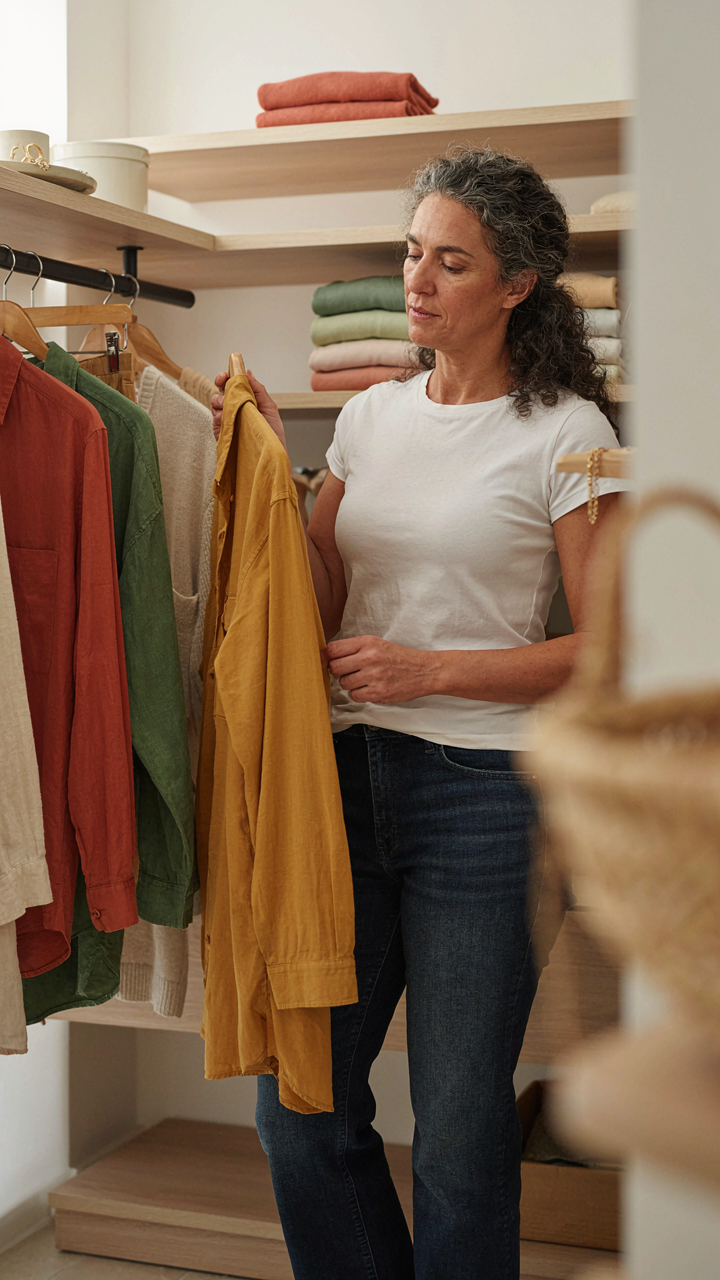
You want people to think you didn’t try. That’s the real motive here, and it matters because it blocks you from building the system that makes comfort actually work. Casual doesn’t mean random. It means intentional restraint. In systems design, this is called constraint optimization: you remove variables to amplify what remains. A casual weekend outfit operates the same way. You’re not throwing on whatever feels soft. You’re curating a narrow set of pieces that function together so well that the effort becomes invisible. The fewer decisions you make, the more deliberate each one becomes.
Casual emerged as a category in the 1950s when American leisure culture split from formal dress codes. Before that, you wore what your role demanded. Casual meant you had the luxury to choose comfort without social penalty. But choice creates paralysis. Most women treat casual like a void to fill with whatever’s closest. That’s the opposite of what it is. Casual is a constraint system where every piece earns its place through repeated, reliable function.
Intention Masquerading As Accident

The common advice says choose pieces you love and the rest follows. Wrong. You choose pieces that solve specific problems in your actual life, then you repeat them until comfort becomes automatic. This is how uniform dressing works. Military and airline crews don’t pick outfits daily. They follow a protocol. You need a protocol for weekends too. Your protocol isn’t written down. It lives in the pieces you reach for first. Build it intentionally by identifying the three to four activities that define your weekend, then design outfits backward from those activities. If you sit for coffee, hike, run errands, and see friends, each activity has different load requirements. Your outfit must handle the heaviest load without sacrificing comfort in lighter moments.
The mechanism is simple: repetition reduces friction. When you wear the same jeans, the same base layer, and the same shoes across multiple outfits, your body and brain stop negotiating. You’re not thinking about fit or whether the fabric irritates your skin. You’re just moving. That’s when comfort stops being a feeling and becomes a fact. Start with one base item. Wear it for two weeks straight across five different outfit combinations. Only add pieces when that base item stops solving your needs.

The “Utility First” Protocol: Engineering Your Laid Back Outfits For Real Life

Fabric Performance And Drape
You’re reading this because you’re tired of looking sloppy or feeling restricted on your own time. Here’s the mechanism: fabric choice determines whether your outfit works with your body or against it. Cotton blends outperform pure cotton because they recover shape after movement. Natural fibers breathe. Synthetics retain wrinkles. The trade-off is real, and most advice ignores it by calling everything “comfortable” without distinguishing performance tiers.
Weight matters more than thread count. A six-ounce cotton tee drapes differently than a four-ounce one. Heavy fabrics hold structure through the day. Light fabrics wrinkle faster but feel cooler. Knit fabrics stretch and recover. Woven fabrics maintain their line but require pressing. Choose based on your weekend activity, not aesthetics. If you’re sitting at a café, light drape works. If you’re running errands, weight and recovery matter more.
Movement And Functional Design
Engineering borrows the concept of load-bearing capacity from structural design. Your outfit’s load-bearing capacity is how much movement it tolerates before restricting you or falling apart. Inseams matter. Sleeve depth matters. Waistband tension matters. Generic fashion advice says “wear what feels good.” That’s incomplete. What feels good for standing feels different when you sit, bend, or reach.
Functional design means seams won’t pull, armholes won’t ride up, and pockets work without creating bulk. Tapered jeans restrict hip movement during stairs. Relaxed fits allow it. Button-front shirts stay closed during activity. Pullover tops shift. The mechanism is friction and tension distribution. Test movement in the dressing room. Squat. Reach overhead. Sit down. If anything binds or shifts, don’t buy it. Your weekend outfit earns its place by staying where you put it.
Beyond Sweats: Elevated Basics For Comfortable Casual Outfits
The Investment Piece That Actually Pays
You want permission to look put together without trying. That’s the real ask here. The mechanism is simple: fast fashion exploits the comfort trap by selling disposable basics that pill, lose shape, and force you back into the buying cycle within months. Quality staples break this loop because they hold structure and don’t degrade.
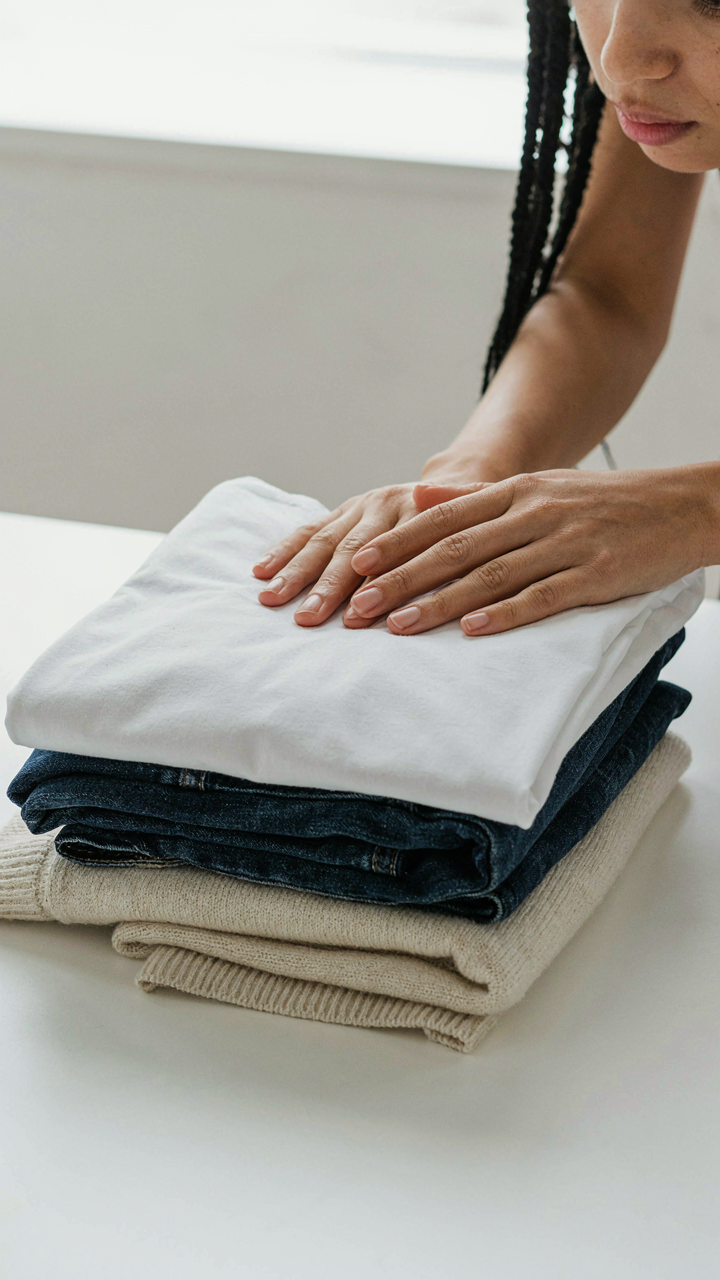
- White cotton t-shirt (heavyweight weave): Holds its form through dozens of washes. Look for 180-220 gsm weight, not flimsy 150 gsm. Crewneck lasts longer than v-necks that stretch out.
- Dark denim (non-stretch preferred): Stretch denim sags at the knees after six months. Raw or sanforized denim maintains its silhouette. One pair worn consistently outperforms five cheap pairs.
- Neutral sweater in merino or cotton blend: Merino resists pilling and doesn’t need washing after every wear. Flat-knit construction shows no visible texture degradation over time.
- Long-sleeve fitted tee (cotton or cotton-poly): The base layer that works under everything. Quality versions don’t curl at the cuffs or fade unevenly in the wash.
- Structured button-up shirt (oxford or poplin): Real buttons stay secure. Collar stays rigid through multiple washes. Fabric weight determines whether it looks like a real garment or a costume.
The math is straightforward: one fifty-dollar piece worn 200 times costs 25 cents per wear. One fifteen-dollar piece worn 30 times before degradation costs 50 cents per wear. You’re not buying fewer clothes. You’re stopping waste.
Layering As Architecture, Not Decoration
Layering isn’t aesthetic filler. It’s thermal engineering applied to clothing. You build a system where each piece has a specific insulation role, so you remove or add without destroying the outfit’s cohesion.
Start with a fitted base layer that won’t bunch under other pieces. Add a mid-layer that traps warmth but stays slim enough to fit under jackets. Finish with an outer piece that defines the silhouette. The key move nobody explains: each layer should fit through the shoulders differently so nothing stacks visibly under armpits or at the neck. A base layer that’s truly fitted won’t create bulk under a relaxed sweater. A relaxed sweater won’t create bulk under a fitted jacket. Test this by dressing fully and checking for puckering at stress points before you buy.
The “Power Stance” Principle: Masc Outfits With Feminine Edge

Structured Silhouettes In Soft Fabrics
You want this because it signals control without trying hard—the outfit equivalent of knowing what you want. The mechanism is fabric psychology borrowed from tailoring: structured shapes signal authority, but soft materials keep you from looking rigid or intimidating. A blazer in linen reads differently than one in wool. The shape stays, the threat dissolves. You get the posture benefit without the armor feeling.
Cotton blends, linen, and heavyweight jersey hold structure while draping closer to the body. Pair an oversized button-up in cotton with fitted trousers or straight-leg jeans. The contrast between loose and tight, structured and soft, creates visual interest without adding bulk. This works because your brain reads mixed signals as intentional rather than accidental.
Androgynous Elements, Deliberate Pairings
Most people think androgynous just means “wear men’s clothes.” Wrong. It means borrowing masculine construction—clean lines, minimal seaming, geometric cuts—and pairing it with undeniably feminine proportions or details. A men’s-style Oxford shirt with a fitted waist or high-waisted trousers with a cropped sweater. The pairing does the work.
Leather jackets, straight-leg or wide-leg trousers, white tees, and minimalist sneakers form the base. Layer a fitted tank or bodysuit underneath oversized pieces to anchor proportions. Wear structured pieces with taper or intentional proportion breaks. The goal is every element to have a reason for existing, not a uniform of borrowed menswear.
Khaki Pants Outfit: The Unsung Hero Of Casual Weekend Outfits Women

Why Loose Khaki Pants Work Across Every Context
You want khaki pants because they signal you’re not trying too hard, which is exactly the status move that matters now. The real mechanism: loose khaki pants operate like a neutral canvas in visual economics. They absorb whatever top and shoes you pair with them without competing for attention. The fabric itself—typically cotton twill or a cotton blend—doesn’t cling, doesn’t bunch, and doesn’t require constant adjustment. This stability is what makes them genuinely useful, not just theoretically versatile.
Loose khakis work across income levels and body types because fit isn’t dependent on precision tailoring. The cut either accommodates you or it doesn’t. A well-fitted loose khaki hits mid-hip, breaks slightly at the ankle, and leaves enough room in the thigh that bending or sitting doesn’t trigger a reshaping event. This simplicity is why they’ve remained in rotation since the 1980s workwear shift—they solve a problem that hasn’t changed: clothes that move with you instead of against you.
Building Around What The Occasion Demands
Most advice tells you to “dress up or down” khakis depending on context, which is useless without the actual mechanism. The rule is simpler: khakis are a foundation, and the top layer determines whether you’re weekend-casual or presentable-adjacent. Pair them with a fitted tee or tank and white sneakers, and you’re clearly in personal time. The same khakis with a linen button-up and loafers shift into “I could grab coffee with someone’s parents without apologizing.”
The shoes matter more than people state plainly because they’re the signal that registers fastest. Sneakers—specifically clean, minimal ones—anchor the outfit as weekend wear. Loafers or ballet flats move it into polished-casual. Boots create a different texture story entirely. The top’s weight and drape then fine-tune the message. A lightweight tee keeps things relaxed; a structured button-up adds intention. To calibrate any weekend outfit with khakis, first pick your shoes based on the actual activity, then choose a top that matches that shoe’s weight category.
The “Strategic Advantage” Playbook: Applying Military Principles To Your Wardrobe

Mobility And Resilience Over Status Signaling
You want this section to work because you’re tired of standing in front of your closet feeling trapped by choices that don’t function. Military strategy calls this “force projection” – the ability to move with purpose and adapt without breaking down. Your weekend outfit operates the same way. The real mechanism: clothes that prioritize function over impression allow you to move through your actual weekend without friction. A woman in fitted jeans that restrict movement spends mental energy managing discomfort instead of managing her time. Mobility isn’t about athletic wear posturing. It’s about garments that let you sit, bend, walk, and transition between activities without recalibration.
Resilience means your outfit survives the weekend intact. Fabrics that wrinkle instantly force you to reconsider before sitting down. Seams that pull under normal movement create anxiety. Colors that stain if you look at coffee wrong eliminate options. Build your casual weekend rotation around materials and cuts that handle real behavior: cotton blends over pure cotton, natural stretch over rigid denim, darker neutrals over pastels. The payoff isn’t peace of mind. It’s the elimination of one decision point per outfit, compounded across fifty-two weekends per year.
Interchangeable Pieces Beat Coordinated Sets
The standard advice tells you to “build a capsule wardrobe.” That’s incomplete. Modularity from military logistics means every component functions independently and interchanges without failure. Your casual weekend outfit should work this way. A white linen shirt must pair with black pants, navy shorts, and olive chinos without looking like you’re following a formula. A neutral sweater should layer over tees, collars, and tanks equally well. This isn’t about owning fewer clothes. It’s about owning clothes that solve multiple problems simultaneously.
The mechanism works like this: each piece earns its closet space by functioning in at least three different combinations. Test this with your current rotation. If a top only works with one specific bottom, it’s a liability masquerading as an option. Same with shoes, jackets, and accessories. Strategic advantage comes from building backwards from your actual weekend activities, then selecting pieces that flex across those activities without contradiction. Pick fabrics and colors that layer and mix freely, then stop shopping until you’ve tested those pieces in five separate outfits.
Cozy Streetwear: How To Look Intentional, Not Undone, In Your 30s Casual Style

The Tension Between Relaxation And Relevance
You’re worried that comfort reads as careless. That’s the real fear here. The mechanism is simple: fit and fabric quality signal intention faster than any trend. Oversized doesn’t mean sloppy. A well-cut linen shirt or structured sweatshirt worn with intention projects control, not laziness. The difference between “I threw this on” and “I chose this” lives in how fabric drapes and where seams land on your body.
Most casual advice tells you to just “mix high and low” or “layer pieces.” That’s incomplete. The actual move is calibrating weight and structure. A heavyweight cotton tee paired with lightweight linen pants creates visual contrast without chaos. Fabrics do the work that trends don’t have to. Choose materials that hold their shape through a full day and pair pieces that have opposing visual weight. This creates the appearance of effort without requiring effort.
Restraint Works Harder Than Addition
Accessories don’t make an outfit better—they expose whether the foundation was solid. Think of this like signal-to-noise ratio from engineering. You want maximum signal (the outfit reads well) with minimum noise (fewer items creating confusion). A single quality bag or pair of shoes anchors the entire look. One good watch or simple earrings functions as punctuation, not decoration. The rule: if you notice the accessory before the person wearing it, you’ve added noise.
Remove one accessory from what feels complete. The outfit improves. Do this three times. What remains is what actually works. These core pieces—a structured bag in a neutral tone, one pair of white sneakers that fit well, minimal jewelry that matches your skin tone or watch—become your working set. You rotate them across outfits and stop treating accessories as the fix for weak base pieces.
The Unbothered Aesthetics Rule: Your Ultimate Pant Outfits For Women

The Pieces That Don’t Require Justification
You’re worried cheap basics will make you look cheap. Here’s the mechanism: most people confuse material quality with visual impact, then waste money on trendy cuts that fall apart after one season. Investment pieces work because they solve a real problem—durability compounds. A well-made neutral pant in a natural fiber outlasts five disposable alternatives. The math is simple: cost per wear drops fast when something actually lasts.
Start with three foundational pants: a structured cotton blend in black, a cream or beige in a natural fiber like linen or cotton twill, and a medium indigo denim in a straight or slightly tapered cut. These aren’t exciting. That’s the point. They pair with everything without thought. Quality here means seams that hold, fabric that doesn’t bag at the knees after ten wears, and a fit that works on your actual body proportions rather than whatever Instagram body the designer assumed. Buy once, wear for years.
The Actual Rule Behind What You Wear
Personal style operates like supply and demand in economics. Your “signature” pieces are the ones people remember you wearing repeatedly—that’s high demand. The pieces you buy once and abandon? Low demand. Stop chasing trends that create demand only through scarcity or novelty. Instead, build a rotation where you reach for the same three to five outfits naturally because they work. This sounds boring. It’s actually the opposite—you stop wasting energy deciding what to wear.
The unbothered aesthetic wins because it removes friction. You wear what fits, what’s comfortable, what you’ve already tested in the real world. No guessing. No performance. No pretense that this weekend outfit is anything other than practical clothing that happens to look intentional. That clarity reads as confidence. Wear neutral pants with a fitted tee or a soft sweater. Add one layering piece. Done. The mechanism is simple: fewer variables mean fewer failures.
The Real Comfort: Ditching External Validation For Unapologetic Self-Possession

Most women optimize their weekend outfits for an invisible audience. You wear what you think looks “acceptable” instead of what makes you feel like yourself. Stop. Pick one piece this week that excites you without needing anyone’s approval first. Wear it. Notice how different you move when you dress for your own satisfaction instead of others’ comfort. That shift rewires everything. Comfort isn’t about fabric. It’s about refusing to shrink yourself smaller.