

The Parisian Climate Fallacy: Expecting Predictability
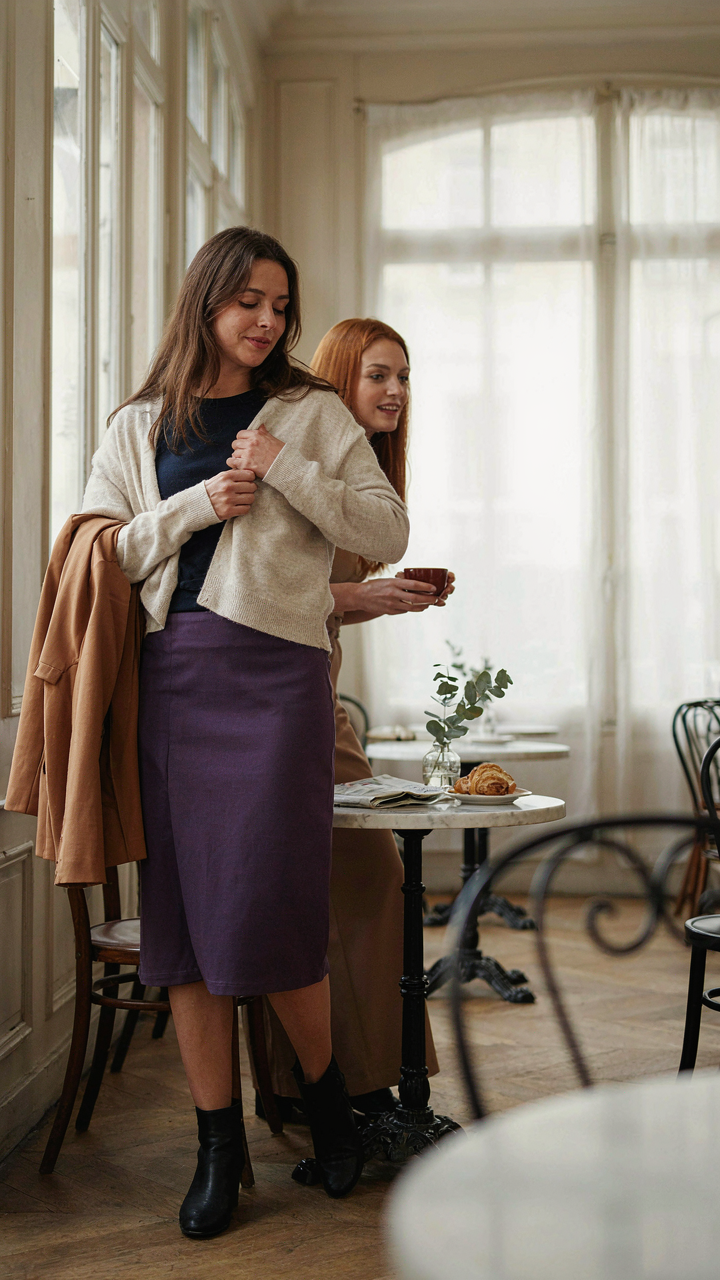
Spring Weather Shifts Without Warning
You want a simple answer because unpredictability feels like a personal failure. It’s not. Paris in spring refuses to commit. The mechanism is straightforward: the Atlantic jet stream still dominates European weather in March and April, pulling cold fronts down alongside warm systems. You get temperature swings of 15 degrees Fahrenheit in a single day. Morning frost at 40°F, afternoon sun pushing 65°F, evening rain and 50°F. This isn’t random. It’s the residual winter fighting spring for control of the continent. Accept this first: spring in Paris is unstable by design, not by accident.
Traditional advice says “pack a light jacket.” Wrong. You’re not managing a season. You’re managing three seasons stacked on top of each other, occurring simultaneously on different days. The real constraint is that you can’t predict which day gets which season. You’ll see locals in heavy wool coats on Tuesday and short sleeves on Thursday. They’re not guessing better than you. They’re simply equipped to shift their outer layer without changing their core outfit. That’s the actual skill.
Layering Isn’t Optional, It’s Architecture

Think of layering like electrical load distribution: you’re not adding more power, you’re redistributing capacity based on demand. Most people pack 12 items and wear the same outfit daily. Wrong approach. You pack 8 core pieces and recombine them 20 ways based on the actual temperature when you walk out the door. The base stays consistent. The variables shift. A fitted long-sleeve shirt under a thin sweater under an unstructured blazer under a trench coat gives you four distinct temperature configurations from the same three garments, plus footwear adjustments.
Parisians accomplish this because they build outfits from the inside out, not the outside in. Start with a quality base layer that breathes. Add a mid-weight sweater or cardigan. Bring one structured outer layer you can tie around your waist or drape over your arm. This system works because you’re never committed to full coverage. You’re building optionality into every hour of the day. Your jacket doesn’t have to keep you warm. It just has to exist when the temperature drops and be removable when it climbs.

Beyond Beige Trenches: The Real Paris Spring Outfit

The Colors People Actually Wear
You’re hoping beige signals sophistication. That’s the trap. Paris spring isn’t a muted color theory problem—it’s a signal problem. You wear what locals wear because they’ve solved the constraint you haven’t: balancing daylight temperature shifts (Paris springs hover between 45°F and 60°F) with the city’s actual light quality, which is cool and diffuse, not warm. Parisians layer jewel tones and earth tones together because saturation reads differently under gray skies than in marketing photography.
Navy, burgundy, forest green, and rust work. These colors don’t fade into the street—they anchor against overcast conditions. Cream and white appear in spring wardrobes, yes, but paired with these deeper tones as accent, not foundation. Black remains dominant because it’s functional: it photographs well, shows no dirt on public transit, and doesn’t require coordination thinking. The secondary colors matter more than the primary ones. A rust sweater over navy trousers beats a beige base every time.
Fabric Weight Over Fashion Logic
The common advice says linen and cotton for spring. Wrong. Paris spring temperature swings demand strategic layering, not seasonal purity. You need fabrics that compress—merino wool, cotton blends with elastane, lightweight knits—because you’ll remove and rewear the same piece three times in one day. The mechanism is thermal regulation through density, not breathability. Thin fabrics fail because they don’t trap body heat when you need it; thick fabrics fail because you can’t pack them. Merino wool solves this because it regulates temperature bidirectionally and compresses tight.
Linen wears thin in early spring (literally and thermally). Save it for late May. Denim works year-round in Paris because the weight stays consistent and layering hides its bulk. Structured fabrics—cotton poplin, dense cotton blends—hold shape through repeated packing and unpacking. The goal isn’t breathing fabric; it’s fabric that moves between your body and your bag without losing function.
The “Effortless” Illusion: Strategic Simplicity For Paris In April Outfits

Build A Tight Capsule, Not A Suitcase
You want to look like you didn’t try. That’s the real fear driving this section—that you’ll show up looking like a tourist who packed everything. The mechanism is constraint. Economics teaches scarcity pricing: limited options force intentional choices, which paradoxically creates coherence. A tight capsule—eight to ten core pieces that layer and repeat—eliminates decision fatigue and guarantees visual consistency across outfits.
Paris in April hovers between 50 and 55 degrees Fahrenheit with unpredictable rain. Pack neutral base layers (cream, navy, black, grey), two structured jackets, one cardigan, four bottoms that coordinate, and two dresses. That’s it. Every piece must work with everything else. This removes the friction of “nothing to wear” while you’re standing in your hotel room. The constraint forces you to buy quality over quantity because each piece carries more weight.
Accessories That Signal, Not Shout
Most advice here is wrong. People say “add a pop of color” or “statement earrings.” That’s noise. Accessories work through economy of attention: one focal point wins. A silk scarf tied at the neck, a quality leather belt, a structured handbag in cognac or black—these carry weight because they’re minimal. Choose one accent per outfit, and make it functional. Scarves regulate temperature and add texture without bulk. A belt defines proportion. A bag needs to carry your phone and wallet, not announce your presence.
Spring in Paris demands layering for temperature swings. A silk or linen scarf solves this while staying elegant. Leather gloves protect against cool mornings and pack flat. A watch or simple rings add finish without distraction. The protocol: one accessory that serves a purpose, one that fits the outfit’s proportion, one that handles weather. Execute this formula consistently, and you disappear into Parisian visual culture instead of standing apart.
Footwear: The Kinetic Energy Principle In Paris In May Outfits

Physics Of Urban Movement
You want shoes that won’t betray you socially while your feet stay intact. Here’s the mechanism: Paris in May demands sustained vertical and horizontal displacement across uneven surfaces. Physics teaches us that energy efficiency in motion depends on three variables: surface contact, weight distribution, and friction coefficient. Your shoe choice directly controls all three. Bad footwear kills momentum and forces compensation through posture, which tourists broadcast like a neon sign.
Parisians walk relentlessly. May weather sits between 50 and 65 degrees Fahrenheit, which means you’ll cover ground without the heat motivation to stop. Cobblestones, the Métro stairs, and the slight inclines around Montmartre punish poor sole design within two hours. Flat shoes with genuine arch support outperform fashion-first choices. The real cost isn’t the initial purchase. It’s the micro-injuries that force you to taxi instead of explore, killing the entire point of being there.
Style Without Compromise
The common advice says wear heels and suffer. That’s incomplete thinking. You can hold both: legitimate style and functional movement. Spring in Paris calls for shoes that handle wet pavement without slipping and terrain variation without pain. Leather sneakers in white or neutral tones work because they’re designed for prolonged wear. Flats with structured soles, not thin ballet-style ones, give you the lean silhouette without the damage. Loafers in leather last through a full day and adapt to both casual neighborhoods and slightly formal settings.
Boot selection matters more than most realize. Ankle boots in suede or leather, two to three centimeters of heel, function as your workhorse. They manage the temperature swings of May while providing ankle stability on stone streets. Avoid anything with minimal cushioning or rigid construction. Your feet make the decisions your brain doesn’t. Wear shoes where the insole supports the arch actively, not passively, before you leave your hotel.
The Function First Protocol: Outfits For Paris Spring
Wear What Actually Works, Not What Looks Good In Photos
You care about this because you’re afraid of looking out of place. Here’s what nobody says plainly: Paris spring dressing is an economics problem. You have limited resources—luggage space, budget, weather unpredictability—and maximum exposure. The real game is optimizing for repeat utility, not collecting pieces you wear once for Instagram validation.
The consensus advice tells you to “layer” and “invest in basics.” That’s incomplete. What you actually need is ruthless elimination. Paris in spring runs 45 to 65 degrees Fahrenheit with rain 40 percent of days. Your outfit must function across that range without requiring you to swap entire looks. This means building around pieces that genuinely work in multiple combinations, not pieces that theoretically could work if conditions aligned perfectly.
The Pieces That Don’t Break When You Use Them
Durability in fashion is a mechanics problem: the best pieces survive repeated stress because they’re engineered for it, not because they cost more. A merino wool sweater resists odor after five consecutive wears. Cotton linen blends don’t wrinkle into permanence like pure linen. Structured trousers hold their shape through variable humidity better than knits.
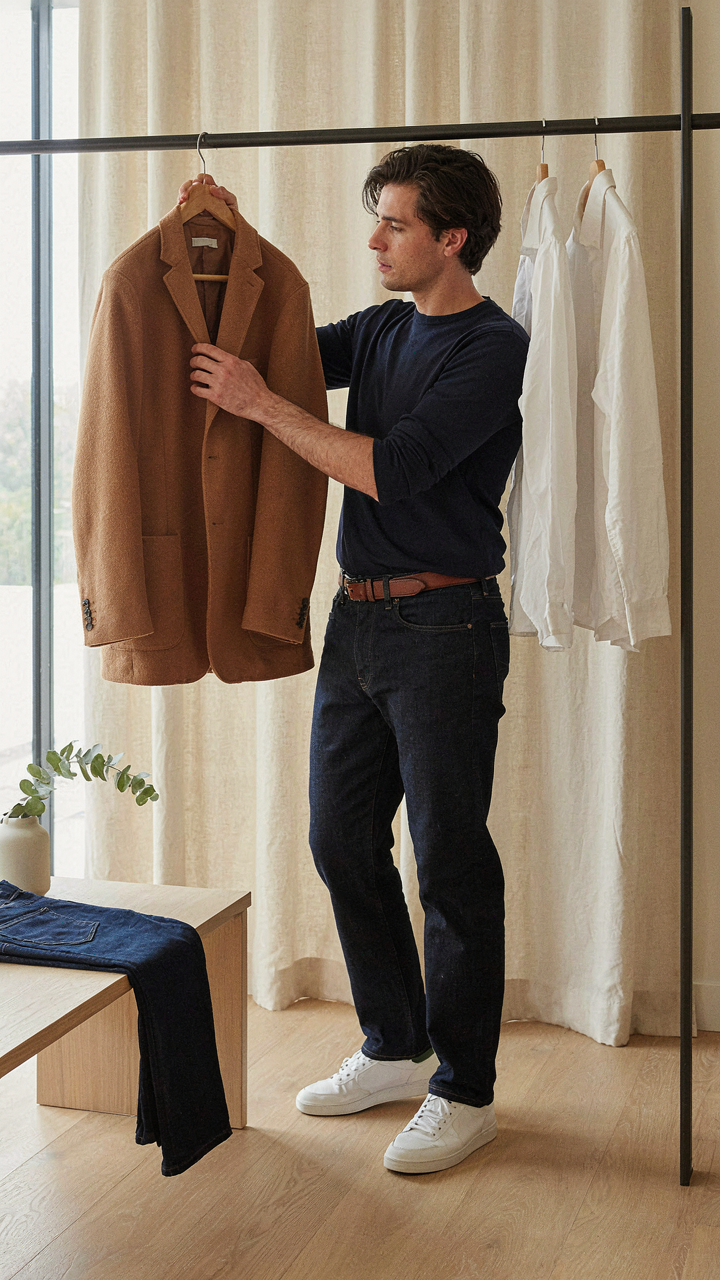
Versatility means a piece functions in at least three outfit combinations without looking forced. A camel wool blazer works over a t-shirt, under a raincoat, or alone with trousers. A white oxford shirt layers under sweaters, works standalone, or converts to a light overshirt. A dark jean bridges casual mornings and evening restaurant visits without costume-changing. The items you pack aren’t decorative—they’re infrastructure. Select five to seven core pieces, verify each one serves minimum three distinct purposes, then stop shopping.
Paris Spring Outfits: Deconstructing The Chic Myth
The Mechanism Behind Looking Intentional
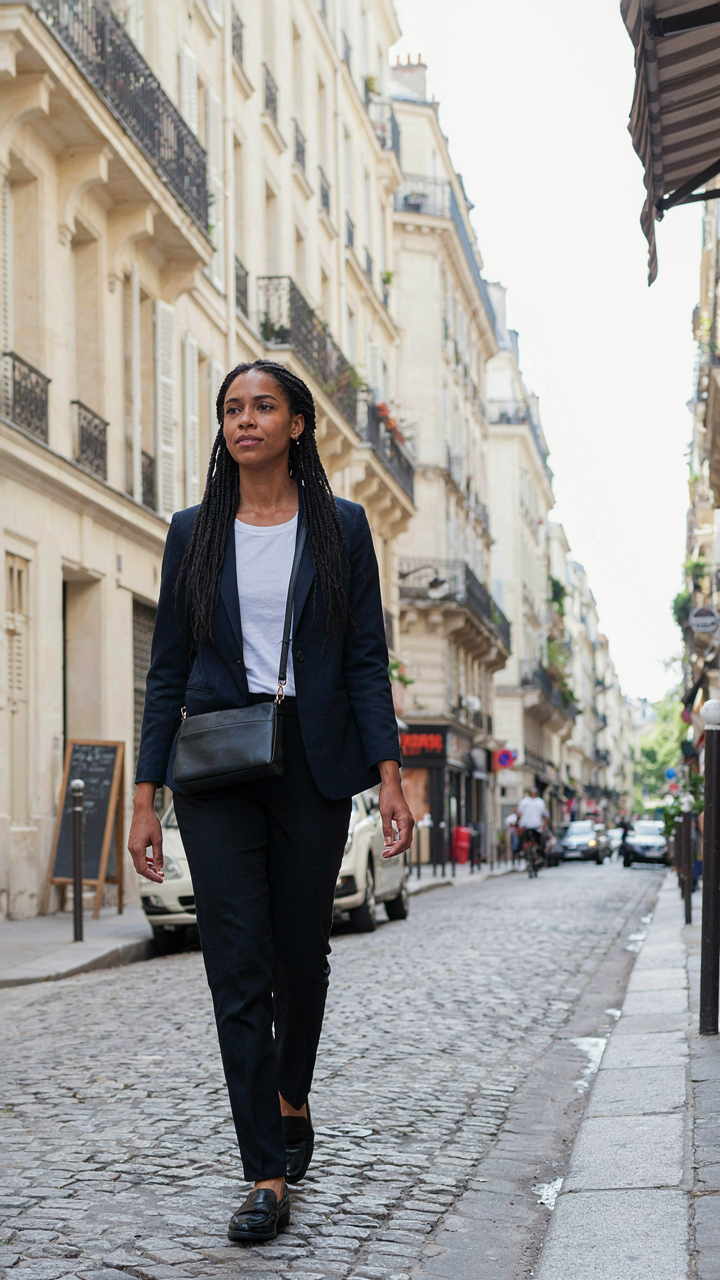
You want permission to believe that looking good in Paris requires some secret formula you don’t possess yet. Here’s the real mechanism: Parisian spring style works because it strips away decisions, not because it adds them. The fewer choices you make, the fewer mistakes you broadcast. This isn’t about rules. It’s about constraint as clarity. When you eliminate the variables that don’t matter, what remains reads as intentional instead of anxious.
Paris in spring sits between 45 and 60 degrees Fahrenheit. Humidity runs high. Rain arrives without schedule. The uniform that emerges from this climate isn’t aesthetic doctrine—it’s practical response. A structured blazer works because layering over unpredictable weather demands structure. Neutral colors work because they reset daily without the friction of coordination. This is how elegance actually forms: as the residue of removing what doesn’t function.
Stop Copying, Start Observing
The advice to “find your style” is incomplete because it skips the mechanism entirely. Your style isn’t something you discover in a mirror. It’s what emerges when you stop treating clothing as self-expression and start treating it as translation. Translation means taking what works in the environment and adjusting it to fit your constraints—your body, your actual life, your movement patterns. Parisians don’t express themselves through spring clothes. They solve a problem with what they have. That problem-solving is what reads as style.
The difference between wearing a trench coat because it’s timeless and wearing it because you tested it against wind and rain is the difference between performing elegance and owning it. Start here: wear one piece for three days straight in actual spring conditions. Notice what fails. Notice what disappears into function. That observation teaches you more than any mood board. Your spring wardrobe isn’t built on taste. It’s built on what your daily life demands and what you can actually sustain wearing.
Adaptive Wardrobe Architecture: Paris Outfit Ideas
Build Around Temperature Swings, Not Seasons
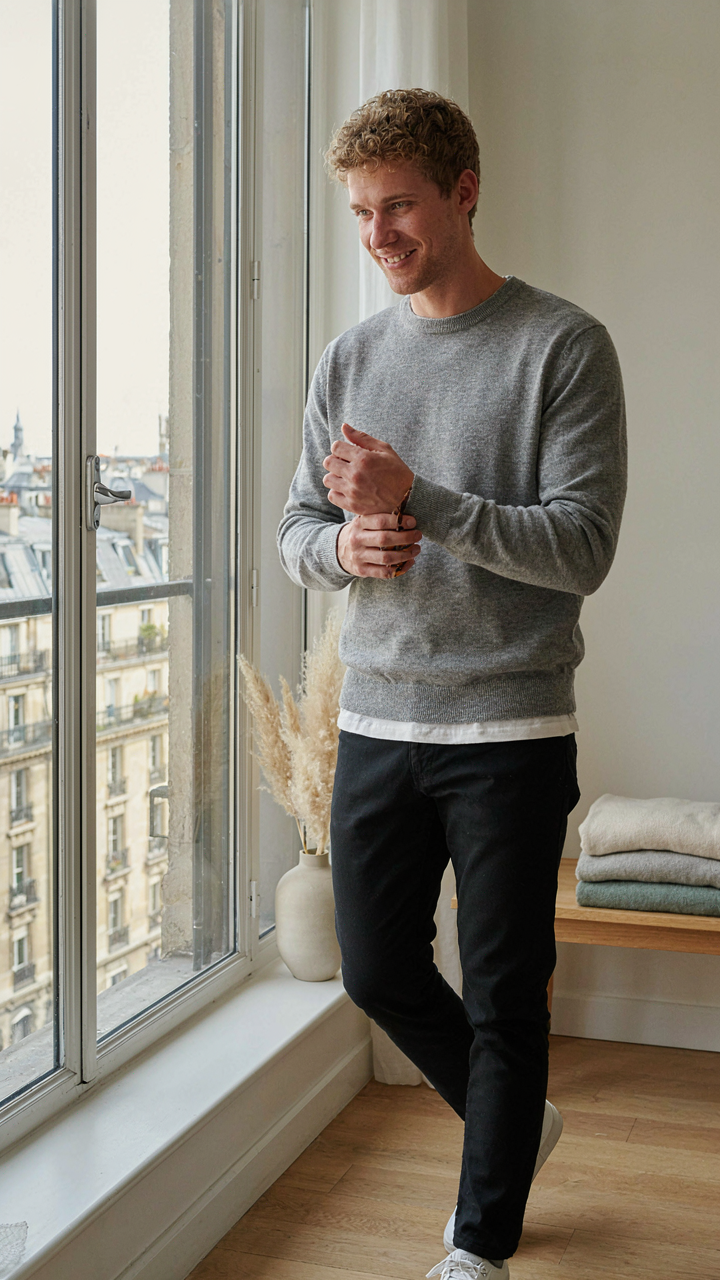
You want to look intentional instead of confused. Paris in spring doesn’t deliver consistent weather—it delivers 45°F mornings and 65°F afternoons on the same day. Think of it like load balancing in systems engineering: you distribute demand across multiple nodes instead of overloading one. Here, you distribute your thermal regulation across layers instead of betting everything on one jacket. The mechanism is simple: three-layer construction lets you add or subtract without looking like you’re adapting to chaos.
Start with a base that wicks or sits neutral against skin. A long-sleeve cotton tee or silk blend works. Add a mid-layer that traps air without bulk—a fitted cardigan, lightweight wool sweater, or linen overshirt. Top it with a shell that stops wind: a trench, denim jacket, or technical bomber. You shed pieces as afternoon heat arrives. You rebuild them as evening cools. This isn’t creativity. It’s infrastructure.
Mix And Match Core Pieces
The common advice is to pack versatile neutrals, which is right but incomplete. You need pieces that compound—items that work solo, in pairs, or stacked across five different outfit combinations. A cream linen blazer pairs with jeans on day one, tailored trousers on day two, a midi skirt on day three, worn open over a dress on day four. Each combination reads differently. Same blazer.
- Cream or oatmeal linen blazer: Lightweight, wrinkle-resistant when blended with cotton, works across casual and semi-formal contexts without feeling overdressed or underdone.
- Dark jeans or tailored trousers: Creates a neutral base that lets tops and layers become the variable while keeping silhouette consistent and intentional.
- White or cream cotton button-up shirt: Layers under sweaters, wears alone, ties at the waist, or goes oversized under a blazer across multiple styling directions.
- Lightweight wool or cotton cardigan: Adds texture and dimension without structure, functions as a layer or standalone piece, and reads expensive when fit is clean.
- Midi or knee-length skirt in navy or charcoal: Pairs with boots, flat shoes, or sneakers and works across weather by layering tights underneath as temperature drops.
Build outfits by choosing one anchor piece, then two supporting layers, then shoes. The anchor stays constant while layers shift. On day three, swap the cardigan for a different sweater but keep the jeans and blazer. This method cuts decision fatigue and maximizes outfit density from minimal pieces. You stop buying and start strategizing.
The Urban Navigator’s Kit: Paris Outfits Spring

Bags That Signal You Belong
You want a bag that tells Parisians you’re not a tourist burning through euros at duty-free. The mechanism is simple: a bag’s silhouette and material communicate your relationship to the city before you open your mouth. Structured leather holds more psychological weight than canvas. Size matters too—oversized totes scream airport gift shop; minimal crossbodies read like someone who actually lives here.
Spring in Paris demands a bag that transitions between café sitting and museum floors without looking like you packed for a weekend in Orlando. A structured leather shoulder bag in tan, black, or cognac works across multiple outfits. Canvas and linen blend well with spring layers but only if the construction is intentional, not improvised. Skip the logo-heavy designer piece—Paris respects restraint more than brand visibility.
The Friction Points Nobody Mentions
Temperature swings in spring Paris aren’t random. You move from a 48-degree morning to a 60-degree afternoon, and your outfit either adapts or you suffer. A lightweight scarf solves this without adding bulk—linen or cotton, wrapped once around the neck, carries more utility than most people realize. Sunglasses matter not for fashion but for function: the sun reflects off Seine water and stone buildings with intensity most travelers underestimate. Comfortable walking shoes with grip matter because wet cobblestones will humiliate you. Bring a compact umbrella, not because rain is guaranteed but because one sudden downpour ruins an entire day’s wardrobe if you’re underprepared. A small reusable water bottle fits in any bag and keeps you hydrated when the city’s pace accelerates midday.
Spring Outfits In Paris: Avoiding The Tourist Uniform

The Uniform That Announces You’re Visiting
You’re worried people will clock you as a tourist before you open your mouth, and that matters to you because status is proximity to belonging. Here’s the mechanism: the tourist uniform exists because visitors copy what they think Paris looks like instead of observing what Parisians actually wear. The clichés are real—the striped shirt, the beret, the cropped jean with the ballet flat. They persist because they’re easy to photograph and easy to buy. None of them reflect how people actually dress in Paris in April and May.
What Parisians reject in spring is not style itself but the performance of style. They avoid anything that broadcasts intention. A beret signals you read a travel guide. An aggressively Breton stripe reads like costume. The oversized linen blazer that works in May gets worn in Paris, but not the one that looks like you bought it to look French. The distinction is subtle but observable: Parisians choose pieces that solve a practical problem first, look intentional second. Tourist clothing solves the problem of “how do I look like I belong here,” which is the opposite problem, and it shows.
What Observation Actually Reveals
Design thinking borrowed from urbanism teaches us that the strongest patterns emerge from direct field observation, not from existing templates. When you watch, not imitate, you notice that spring in Paris operates on layering protocol, not thematic costume. People wear a long-sleeve cotton shirt under a sleeveless shell, or a thin knit under an unstructured overshirt. The variance comes from the layers and their proportions, not from picking the right iconic piece.
The real tell is restraint on color and material mixing. Parisians in May wear neutrals (cream, grey, navy, black, camel, white) as the foundation, then add one secondary color or a single patterned piece. They avoid the tourist move of combining multiple branded items or buying a “look.” Start with neutral base layers in cotton or linen, add an unlined blazer or overshirt in a natural fiber, choose one pair of shoes that works across multiple outfits, and observe how you move through the city before buying anything else.
The Paris Wardrobe Spring: Investment Over Impulse

Buy Pieces That Outlast Seasons
You’re worried you’ll look wrong. That’s why you’re reading this instead of just buying something. The mechanism is simple: most spring wardrobes fail because people chase what feels new instead of what functions across years. Think of it like portfolio construction in finance. A diversified portfolio doesn’t chase hot stocks. It builds core holdings that generate returns regardless of market conditions. Your spring wardrobe needs the same structure: foundational pieces that work when temperatures shift, when rain hits, when you move between heated cafes and cool streets.
A quality linen blazer in cream or navy isn’t trendy. It’s a tool. Linen breathes, wrinkles intentionally in a way that reads as intentional in Paris rather than careless, and it performs from 55 to 75 degrees Fahrenheit without overheating you. A well-constructed trench coat costs more upfront but outperforms fast fashion alternatives by five to ten seasons. The linen and cotton blends sourced from European mills maintain structure through repeated washing. Invest in these pieces first, then build around them.
Shop With Scarcity, Not Novelty
The common advice here is wrong: “buy what you love” or “build a capsule wardrobe.” That’s generic because it ignores how you actually make decisions. You make decisions based on what’s available and what you convince yourself you need. Strategic shopping means you impose artificial constraints before you enter a store or scroll a site. Decide in advance: one pair of ankle boots, two lightweight sweaters, one pair of neutral trousers. That’s it. This forces you to choose quality over quantity because your mental budget is fixed.
Paris spring shopping works best on foot, in actual shops, where you can feel fabric weight and test how a blazer moves when you raise your arms. Department stores like Galeries Lafayette stock European and French-made basics at reasonable prices because there’s no shipping markup. Department stores also have return policies that protect you from impulse regret. Before checkout, ask one question: will I wear this in six weeks when spring ends and I transition to summer? If the answer requires justification, you don’t buy it.
Your Biggest Style Obstacle Isn’t The Climate; It’s Your Unexamined Assumptions About Conformity

You don’t need more outfit formulas. You need permission to stop dressing for an imaginary jury. Paris in spring rewards people who know themselves, not people who memorize style rules. Pull three pieces you actually wear from your closet right now. Wear them there. The only trend that matters is the one you’re willing to commit to wearing when nobody’s watching.