

The Signaling Protocol: Why Yoga Pants Aren’t Just Pants

Discipline And Readiness Made Visible
You care about this because you want people to read your body as competent before you open your mouth. Yoga pants signal one specific thing in the cultural grammar: you maintain a practice. They’re borrowed from athletic signaling, where gear communicates preparation. The mechanism is simple. Yoga pants tell observers you either came from movement or you’re prepared for it. That readiness—the state of being equipped—registers faster than words. It’s the same reason military personnel wear specific uniforms off-duty. The clothing does the credibility work before conversation starts.
Most people miss the actual function. Yoga pants don’t signal laziness or comfort-seeking. They signal discipline because the garment emerged from a structured practice with specific physical demands. When you wear them outside the studio, you’re borrowing that association. The observer doesn’t consciously think “this person does yoga.” They register the visual cue as someone who maintains a routine. That’s the protocol: wear the uniform of people who show up consistently, and you inherit some of that credibility by proximity.
Beyond The Instagram Uniform

The common advice is wrong. Yoga pants aren’t a shortcut to looking put-together. They’re actually the opposite. Pairing them with random tops creates visual noise because you’re mixing athletic code with casual or formal code. Function demands clarity. When you break the protocol, the signaling breaks too. The real move is treating yoga pants as a complete system, not as foundation pieces you can pair with anything. Athletic wear works because it obeys internal rules. Violate those rules and you look confused, not effortless.
Wear yoga pants with pieces that respect their logic: fitted or cropped tops, layered jackets cut for athletic proportions, footwear designed for movement. Keep the color palette restricted. The outfit communicates one message or it communicates nothing. Your job is to pick which signal you want to send and commit to it completely. That consistency is what people register as intentional rather than convenient.

Unpacking The Yoga Aesthetic: More Than Just Comfort

Minimalist Layering Intentional Simplicity
You care about this section because you’re afraid casual will read as lazy. The mechanism is constraint. In design, constraint forces prioritization. With yoga pants, minimalist layering means every piece earns its spot. You’re not removing items to look sparse. You’re removing items until removing one more breaks the outfit. A fitted tank, an open cardigan, the pants. That’s the frame. Nothing fights for attention. Nothing screams.
Most people confuse minimalist layering with owning fewer clothes. Wrong. It’s about strategic subtraction. A neutral base layer under a slightly oversized button-up creates visual balance without adding bulk. The yoga pants anchor the outfit downward. The layers above don’t compete with them. Fabric weight matters here. Lightweight cotton or linen over the pants prevents the stuffed silhouette that kills casual aesthetics. The rule is simple: if you can remove it and the outfit still functions, remove it.
The Effortless Fallacy Strategic Choices
Nothing about “effortless” is effortless. The outfit that reads as thrown together took decisions. You picked that specific white tee because the neck won’t bunch under the cardigan. You chose that cardigan length because it hits right at the hip. You selected the shoes to bridge the neutral palette without breaking it. These aren’t accidents. They’re edits made in advance so the final look appears unconsidered.
The real move is removing decision-making from the moment you get dressed. Build three to four outfit combinations that work with your yoga pants now. Write them down or screenshot them. When you need casual, you execute the combination, not improvise it. Improvisation is what creates the “I grabbed this fast” energy that reads as indecisive. Strategic choices made beforehand feel natural because you’ve already solved the variables.
The 3 Elements Of Sporty Minimal: A Practical Framework

Fabric Intelligence Determines Silhouette
You want people to assume you didn’t try. That’s the real reason this matters. In materials science, tensile strength determines how fabric holds shape under stress. Yoga pants operate the same way: the fiber composition and weave density dictate whether you look intentional or sloppy. Nylon-spandex blends (typically 88% nylon, 12% spandex) hold structure better than cotton blends. This isn’t preference. It’s mechanics.
The fabric choice controls how the outfit reads to others before you open your mouth. High-quality four-way stretch fabrics maintain their form throughout the day without bagging at the knees or seat. Lower-quality alternatives pill, lose opacity, and create visual noise that undermines the minimal aesthetic. Test by pinching the fabric at the thigh. If it springs back immediately, the spandex ratio is sufficient. Buy based on fiber content, not brand hype.
Subdued Tones Create Earned Restraint
Most people get this backward. They think neutral colors automatically equal boring, so they add pattern or brightness to compensate. The actual mechanism works opposite: restraint in color signals control elsewhere. Black, charcoal, sage, and cream force attention onto cut and fit instead of distraction. Subdued tones compress the visual field. This makes small details land harder.
Build outfits from a 3-color maximum palette. Pair your yoga pants in one neutral base with a top in a complementary neutral, then one accent item in muted tone. Navy with cream and taupe. Charcoal with white and olive. The limitation amplifies intentionality. Each piece must earn its place because nothing can hide behind color drama. Commit to this constraint for 30 days. You’ll notice the difference in how people respond to coherence over novelty.
Foldover Yoga Pants Outfit: The Unsung Hero Of Versatility

Waistline Positioning For Shape And Comfort
You want foldover yoga pants because they solve a status problem: looking intentional without looking like you tried. The mechanism borrowed from ergonomics is load distribution. A foldover waistband spreads pressure across a wider surface area instead of concentrating it at a single point, which means the pants stay in place during movement while the fold itself creates visual definition at the narrowest part of your torso. You get the appearance of shape without compression.
Most people pair foldover pants with oversized tops, which defeats the purpose. The foldover only reads as intentional design when you balance it with a fitted upper half. A standard fitted tee or a form-skimming sweater lets the waistline detail do actual work instead of disappearing under fabric. The fold sits roughly two inches below your natural waist, creating a visual anchor that keeps your outfit from feeling shapeless.
From Gym To Daily Wear Without Gear Shift
Foldover yoga pants bridge two environments because they look like activewear but function as everyday wear. The styling difference isn’t about adding accessories or layering unnecessarily. It’s about choosing tops that signal “intentional casual” instead of “just came from class.” A structured linen shirt, a fitted long-sleeve tee, or a lightweight sweater worn over the pants immediately repositions them as streetwear, not athletic gear.
The material matters here. Foldover pants in thicker blends (cotton-poly mix versus pure nylon) hold their structure better when you’re not moving, which prevents that deflated look that pure performance fabrics get when you’re sitting. Pair them with sneakers that read clean and minimal, not technical or cushioned. The visual continuity between the pants and your footwear determines whether the outfit lands as “gym adjacent” or fully integrated into your day.
The Inefficiency Trap Of Dressing Up Activewear

When Authenticity Costs More Than Comfort
You’re worried people will think you’re lazy if you just wear yoga pants without “elevating” them. That fear is the mechanism at play here. The real problem: most advice tells you to layer, accessorize, and style activewear like it’s streetwear. This creates friction. You buy pieces you don’t need, spend time coordinating, and end up looking constructed instead of intentional. Authenticity dies the moment you’re performing dressiness.
Yoga pants work because they solve a problem: comfort without surrender. The second you add blazers, statement jewelry, or designer bags to justify wearing them, you’ve abandoned the category’s actual strength. You’re trying to earn permission to wear what feels good. That’s backwards. The outfit either functions for your life or it doesn’t. If it doesn’t, wear something else. Stop negotiating with invisible judges.
The Real Math Behind Minimal Effort
Pareto’s principle applies here: 20% of your outfit choices create 80% of your visual impact. In yoga pants outfit construction, that 20% is fit and fabric quality. Everything else is theater. You pick the right pair in the right color, add a neutral top that fits your frame, and you’re done. The temptation is to add more—a cardigan, sneakers with premium branding, a structured bag. None of that moves the needle on how put-together you look.
The mechanism is simple: each additional piece you add requires coordination effort that compounds without proportional returns. A well-fitted black yoga pant paired with a fitted long-sleeve shirt covers your entire visual requirement. Add a third element, and you’ve entered the zone of diminishing returns while doubling your decision load. Your protocol: choose yoga pants first, one neutral top second, stop there. Everything beyond those two pieces is optional and usually wrong.
Lagree Outfit Principles: Applying High Performance Logic
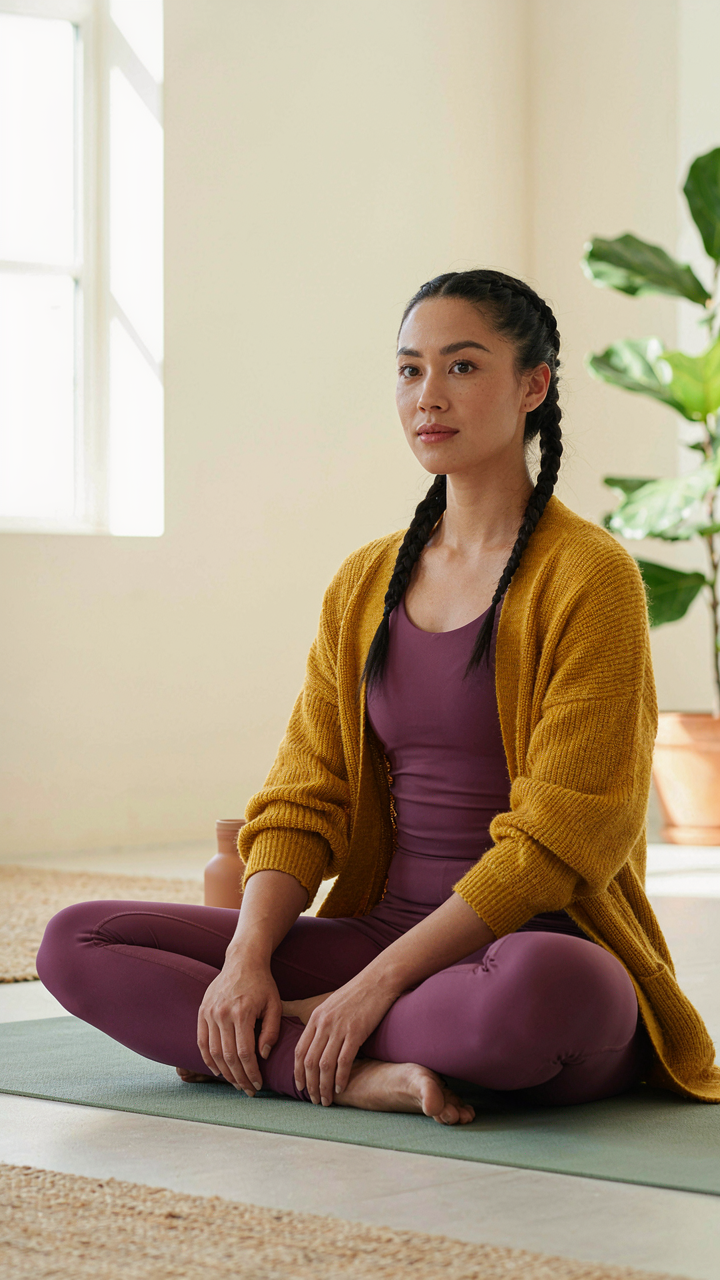
Precision Fit: Engineered For Movement, Not Distraction
You want to look put-together without thinking about it. That’s the real draw here, and most advice stops there. But the mechanism is borrowed from engineering: tolerances. In manufacturing, tolerances determine how parts function under stress. With yoga pants, fit tolerance determines whether fabric moves with your body or against it during actual activity.
Most people confuse “tight” with “fitted.” Tight restricts. Fitted accommodates. A precision fit means the waistband stays at your natural waist without rolling or sliding, the inseam reaches your ankle without bunching at the knee, and the thigh doesn’t create excess fabric that shifts when you sit or walk. This isn’t aesthetic preference. It’s functional specification. When fit is dialed in, your body stops managing the garment and your mind stops auditing your appearance.
Quality Over Quantity: The Investment Threshold
The conventional wisdom says buy multiple pairs in different colors. That’s backwards for casual wear. One excellent pair outperforms five mediocre ones because durability compounds. High-grade four-way stretch fabrics (nylon and spandex blends with proper thread construction) maintain shape through repeated wear and washing, while cheap alternatives pill, lose elasticity, and develop that faded, slouchy look within weeks.
Calculate total cost per wear, not sticker price. A $120 pair worn 100 times costs $1.20 per wear and keeps its fit. A $40 pair worn 20 times before degradation costs $2 per wear and fails faster. The investment threshold exists at the point where fabric quality stops the degradation cycle. Once you cross it, you stop replacing and start wearing.
Beyond Trends: Cultivating A Personal Yoga Pants Women Style

Build Your Foundation Pieces First
You want permission to stop overthinking what to wear. The real mechanism here borrows from systems design: constraint creates clarity. A yoga pants outfit needs a stable core of pieces that work together, not a closet full of random items you rotate through guilt. You’re building inventory, not a collection.
- Fitted tank or fitted tee: Neutral colors only. White, black, gray, or navy. These sit tight against your torso and balance the volume of the pants without adding bulk or competing for attention.
- Structured overshirt: A button-up or zip-front layer in canvas or chambray. This piece elevates the outfit and works across seasons. It defines the silhouette when unbuttoned over fitted layers.
- Neutral sneaker: White leather, neutral canvas, or muted earth tones. The shoe anchors the entire look. Avoid loud graphics or neon. Clean lines only.
- Cross-body bag or structured tote: One bag in black or tan that you use consistently. Repetition signals intentionality. Switching bags constantly dilutes the outfit.
- One quality denim jacket: Dark wash, fitted cut. This replaces the overshirt option on cooler days and works across dozens of outfits without looking repetitive.
These five pieces form your operating system. Every yoga pants outfit you build pulls from this list. You’re not adding to the pile. You’re rotating what already works. This approach saves money, mental energy, and the paralysis that comes from too many options.
Reject Disposability, Commit To Durability
The common advice says rotate trends and refresh seasonally. That’s wrong. It’s a system designed to keep you buying. The anti-pattern is simpler: buy pieces that survive repeated wear and washing, then wear them until they wear out. Yoga pants themselves hold up well because the fabric stretches and recovers. Apply the same logic to everything else.
Durability is the actual flex in personal style. Wearing a white fitted tee a hundred times and knowing exactly how it fits your body builds confidence faster than chasing the new drop. You stop asking whether something looks good because you’ve already lived in it long enough to know. The mechanism is repetition over novelty. Show up in the same outfit structure until it becomes your reference point, then build outward deliberately, not impulsively. When you buy the next piece, buy it because your current system revealed a gap, not because an algorithm suggested it.
Casual Yoga Pants Outfit: The Strategic Undoing Of Effort

The Deliberate Dishevelment
You’re reading this because you want to look like you didn’t try, which means you’re terrified of looking like you tried. The mechanism here is psychological: effort signals desperation, while effortlessness signals control. In design theory, this is called “negative space” – the power of what you remove, not what you add. A casual yoga pants outfit works the same way. You’re not assembling pieces; you’re strategically omitting them. The oversized tee over fitted leggings creates visual tension through contrast, not decoration. The sneaker instead of the statement shoe communicates comfort as status. This is the real skill: knowing which layers to strip away so the outfit breathes instead of screams.
Execution means choosing one focal point and letting everything else fade. If the yoga pants have detail (high waistband, textured fabric), pair them with a plain top in a neutral tone. If the top has visual interest, your pants stay solid. Never compete with yourself. The materials matter more than the volume of pieces. Quality cotton, merino wool, or performance blends worn simply outrank fast-fashion abundance. Wear pieces that fit your actual body without requiring constant adjustment throughout the day.
Presence Without Performance
Confidence isn’t a feeling you manufacture; it’s a byproduct of wearing clothes that don’t betray you mid-movement. When your yoga pants stay in place during a squat, when your top doesn’t ride up or gap, when your footwear moves with your body instead of against it, you stop thinking about your outfit. That mental freedom is what people read as confidence. The outfit disappears, and only your behavior remains visible. This is the inverse of typical fashion advice, which treats clothes as theater. Here, they’re infrastructure.
The specific action: test every piece in motion before wearing it socially. Sit, bend, reach, walk for five minutes. Does anything shift? Does anything pinch? Does the waistband dig into your ribs when you sit? If yes to any question, the outfit fails regardless of how it looks in the mirror. Clothes that perform under stress earn you presence under pressure.
The Real Obstacle: Believing Casual Means Careless. It Means Calculated

Most people throw on a yoga pants outfit and call it done. They miss the point entirely. Casual isn’t lazy—it’s intentional restraint. You’re making choices about fit, layering, and proportion the same way a designer does. Pick one outfit you own right now and wear it three times this week. Notice what works. Notice what doesn’t. That friction between intention and reality is where style actually lives. You don’t need more clothes. You need to stop pretending getting dressed doesn’t matter.