

Beyond Appearances: The Function First Fallacy Of Gym Outfits For Beginners

Fabric And Movement Beat Aesthetic Choices
You’re anxious that showing up in the wrong outfit signals you don’t belong, and that fear is running your decision. Here’s the mechanism: your nervous system reads fabric feedback faster than your brain reads social judgment. Cotton holds sweat and creates drag against skin. Synthetic blends wick moisture and move with your body. The difference isn’t subtle—it’s physiological. Your muscles perform differently based on what’s touching them, not based on what logo appears on your chest.
Most beginner advice says “wear what makes you feel good,” which is useless because it avoids naming what actually works. You need fabric that responds to heat and movement. Polyester, nylon, and spandex blends handle sweat without clinging. Seams matter more than brand. A poorly placed seam creates friction that distracts your nervous system from the lift. A well-placed seam vanishes. Start with synthetic materials and loose enough fit to move without bunching. Your outfit disappears when it functions.
The Paralysis Of Infinite Micro Choices

Overthinking gym outfits wastes cognitive bandwidth you need for the actual workout. Decision fatigue is real—every small choice depletes the mental resources required for lifting heavy or pushing cardio intensity. Beginners spin cycles on color, fit, brand, and price when the only variables that matter are three: moisture management, freedom of movement, and durability. The rest is noise you’re manufacturing.
Pick one outfit formula and repeat it. Dark shorts, a synthetic t-shirt or tank, and socks designed for athletic use. That’s the protocol. Stop browsing. Stop comparing. Stop waiting for permission through aesthetics. You show up in functional gear and your body adapts to the stimulus. Everything else is distraction masquerading as preparation.

The “Minimum Viable Attire” Protocol For Gym Girl Outfits

Core Pieces That Move Weight
You’re worried people will judge your body in gym clothes. They won’t. What actually matters is that your outfit doesn’t sabotage your mechanics. Borrowing from engineering, every garment is either load-bearing or parasitic. A sports bra that doesn’t stabilize your chest is parasitic. Leggings that bunch at the knee are parasitic. Load-bearing pieces do one job without interference: they support movement, wick sweat, or stay in place during compound lifts.
- Sports bra with encapsulation, not compression: Provides individual breast support during high-impact movement. Prevents excessive bounce that disrupts form on jumps and chest exercises. Medium to high impact ratings work for most beginners doing varied routines.
- High-waisted leggings with a gusseted crotch: Stays put during squats and deadlifts without rolling or riding up. Reinforced crotch fabric prevents seam failure under load. Black or neutral colors hide sweat and don’t distract from movement.
- Crew neck or racerback tank: Doesn’t slip off shoulders during pressing movements. Allows full arm range of motion without fabric bunching. Moisture-wicking synthetic or cotton blend prevents cold, wet fabric clinging to skin.
- Cross-training shoes or lifting-specific shoes: Flat, stable base reduces ankle wobble on squats and deadlifts. Lateral support prevents inversion injuries. Avoids the instability of running shoes during weighted movement.
- Seamless or minimal-seam socks: Prevents blisters during cardio finishers. Moisture-wicking synthetic blend keeps feet dry. Crew height prevents shoe friction on the ankle.
Most beginners overthink this. You need pieces that vanish during your set, not pieces that demand attention. Pick one option from each category above and stop shopping. Your outfit works when you forget you’re wearing it.
Accessories That Create Friction
The second mistake beginners make is treating the gym like a photo shoot. Excessive jewelry, keychains, and bags don’t enhance performance. They create cognitive load. Every external object you’re aware of during a lift is a tiny tax on focus. Military operators strip down to essentials before operations because each item is a decision tax and a snag hazard.
Your hands need to grip the barbell without a watch digging into your wrist. Your hips need full range of motion during deadlifts without a belt loop catching. Your mind needs to be on the movement, not on whether your phone armband is slipping. Bring a small water bottle or gym bag. Skip the jewelry. Skip the excessive layering that forces you to undress mid-workout. Take your shoes off when you’re deadlifting if your gym allows it. This is the protocol that actually keeps your attention on what matters.
Engineered Comfort: Why Your Gym Wear Needs To Disappear

Fabric That Actually Works
You’re worried people will judge your body in tight clothes. That fear drives most beginners toward baggy, heavy fabrics that trap sweat and make movement harder. But here’s the mechanism: moisture-wicking is a physics problem, not a marketing term. Synthetic fibers like polyester and nylon move sweat away from skin faster than cotton because of their lower absorbency. Cotton holds moisture against your body. Synthetics push it outward where it evaporates. The difference matters because wet fabric clings, restricts range of motion, and signals discomfort to your nervous system mid-workout.
Natural blends exist, but they’re compromise solutions. If a shirt is 50 percent cotton, you’re still fighting moisture buildup during sets. Spandex or elastane in the blend (usually 5 to 10 percent) adds stretch without solving the sweat problem. The cleanest move: pick one synthetic base fabric and test it for one week. Polyester dominates gym wear because it’s durable, affordable, and proven. You’ll notice the difference immediately. Your shirt won’t stick to your ribs by rep three.
Movement Without Negotiation
Fit determines whether you can actually execute your workout or spend energy fighting your clothes. Most beginners buy either too-loose or too-tight gear, both wrong for different reasons. Loose fabric pools at joints and creates dead space that fills with sweat. Tight fabric restricts shoulder rotation and hip mobility. The target is fitted but not compressed: fabric touches your body without pressing into it. This lets you move through full range of motion without drag or resistance.
Test fit by doing three things in the dressing room: one full overhead reach, one deep squat, and one arm circle each direction. If fabric bunches, gaps, or pulls, reject it. Sleeve length matters here too. Short sleeves should hit mid-bicep, not your shoulder. Long sleeves should end at wrist without riding up during pressing movements. Fit exists on a spectrum, and your job is identifying the one percent of basic gym wear that clears these thresholds. Once you find a brand that fits your proportions, buy multiple pieces in that brand.
The “Anti Influencer” Guide To Women Gym Outfits

What Instagram Won’t Tell You
You’re here because you’re worried other people will judge your body in gym clothes. That fear is real, but the outfit isn’t the actual problem. The mechanism is this: influencers profit from making you believe the outfit creates confidence, when really confidence comes from knowing what you’re doing there. They invert cause and effect. You scroll, see polished women in matching sets, assume the clothes did the work, and buy the same pieces hoping for the same result. The clothes don’t generate confidence. Showing up consistently does. The outfit’s only job is to not get in your way.
Most beginner advice says “wear whatever makes you feel good.” That’s incomplete. What makes you feel good in the moment and what actually supports your performance are different things. A loose band around your waist feels psychologically safer but restricts your range of motion during squats. A crop top shows confidence but leaves you cold during rest periods. The real question isn’t how an outfit looks in a mirror or a photo. It’s whether it lets your body work without distraction. Pick fabrics that move with you, not against you. Pick fits that stay in place during compound movements. Stop optimizing for perception and start optimizing for function.
The Actual Foundation Of Real Confidence
Confidence in the gym comes from one place: knowing your body can handle what you’re asking it to do. This has nothing to do with matching your top and bottoms. What builds this confidence is repetition under load, progressive overload, and the physical adaptation that follows. Your outfit either supports that process or creates friction within it. Most beginners wear clothes that create friction without realizing it. They pick pieces because they look like what “gym people” wear on Instagram instead of testing whether those pieces work for their actual body in actual movement.
Start with this protocol: wear one complete outfit to the gym twice. Document how you moved. Did anything shift, ride up, or require adjustment during sets? Did you get cold between exercises? Did you feel restricted? Use that data to iterate. Buy one replacement piece at a time based on what failed, not on aesthetic inspiration. This builds a gym wardrobe that actually functions instead of one that photographs well. Your confidence comes from the work, not the wear. The outfit is infrastructure, not identity.
Strategic Simplicity: Outfits For Gym Women And Cognitive Load

Uniform Thinking Beats Endless Choice
You want to feel confident at the gym, but what you’re really avoiding is the shame of looking like you don’t belong. The mechanism is military strategy applied to clothing: eliminate decisions before you enter the gym. In warfare, soldiers wear uniforms to remove decision fatigue in high-stress moments. Your gym outfit works the same way. You’re not dressing for variety or self-expression here. You’re removing the mental friction that stops beginners from showing up.
Most advice says “wear what makes you comfortable,” which is useless because it dodges the real problem: choice paralysis. Pick three core outfit combinations and rotate them. A fitted sports bra with black leggings and a plain tee. The same setup with shorts. A tank top version. That’s it. Your brain stops spending energy on what to wear and starts spending it on the workout. This is not about limitations. It’s about removing noise so you can execute.
Batch And Lock It Down
Prep your gym outfits on Sunday, same day you meal prep. Lay out five gym days of clothing in advance. This doesn’t sound revolutionary because it isn’t. The revolution is actually doing it. When you batch outfit decisions, you’re applying an economics principle: transaction costs drop when you handle similar tasks once instead of repeatedly. One Sunday session eliminates five morning decisions that drain willpower before you’ve trained.
The specifics matter here. Wash your gym clothes immediately after each session. Keep them in a separate drawer, fully assembled with socks and undergarments included. No substitutions mid-week. No “I’ll find something else.” When you open that drawer at 6 AM, the outfit exists. You put it on. You go. The protocol is simple: batch on Sunday, wash same day, store assembled. Execution removes confidence as a factor.
Durability Over Disposable: Investing In Core Gym Clothes Women
Materials That Actually Survive Sweat And Friction
You want cheap clothes that look expensive so people think you have money without having spent it. That’s not happening. Here’s the mechanism: fabric quality determines how long a garment resists degradation from repeated washing, sweat exposure, and friction against equipment. Cotton blends with polyester (typically 65/35 or 80/20 ratios) outperform pure cotton because polyester fibers resist moisture absorption and maintain elasticity through wear cycles. Nylon performs similarly for this reason. Pure cotton absorbs sweat, retains it longer, and weakens structurally over time. Check fabric tags. If it’s 100% cotton, expect visible wear within 40-50 gym sessions.
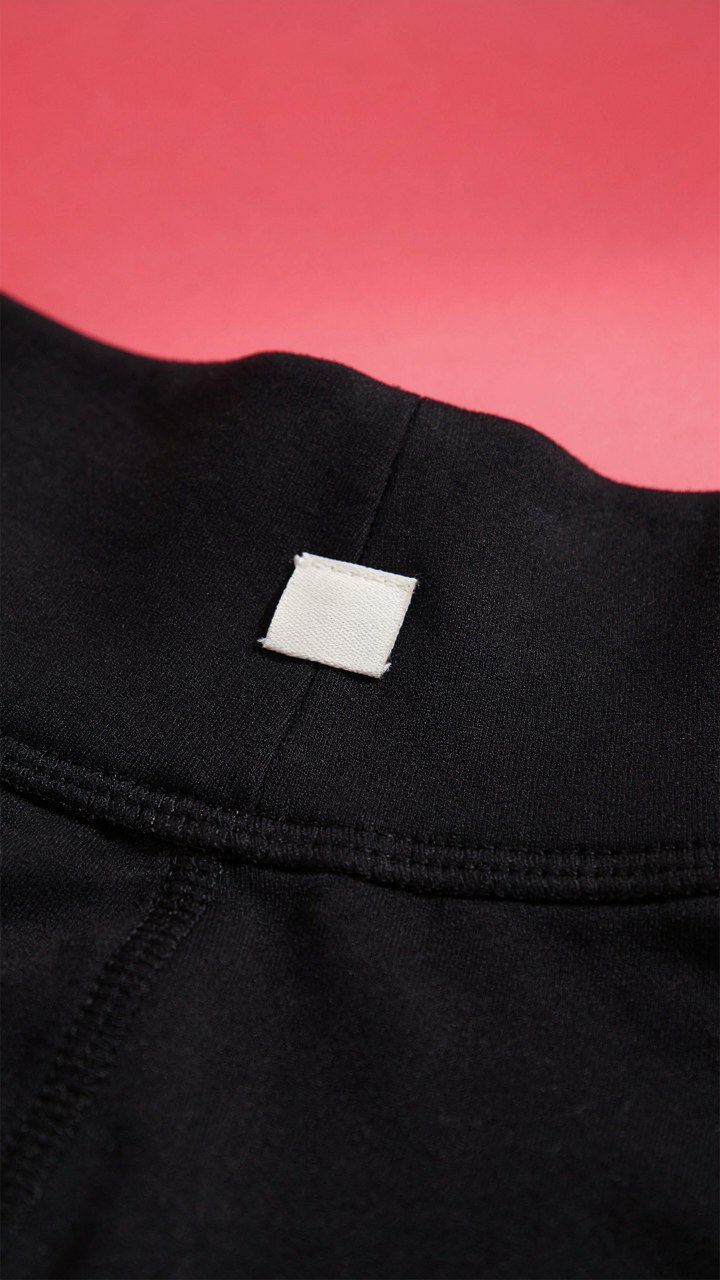
The seam construction matters as much as the fabric itself. Flat-lock seams or reinforced stitching at stress points—armholes, crotch seams, sleeve attachments—prevent unraveling before the fabric itself fails. Most budget pieces use single-needle stitching that separates after repeated stretching. Brands like Lululemon and Alo Yoga charge premiums partly because their core pieces use reinforced seams and higher polyester blends. You don’t need their price tag, but you need their construction standard. Buy one mid-range sports bra or legging with proper seam reinforcement over three cheap ones that fall apart in six months.
The Math Of Wearing Basics Longer
Timeless basic pieces accumulate value through repetition, not scarcity. Economics calls this “cost per wear”—divide the price by how many times you’ll actually use it. A 60-dollar black sports bra worn 200 times costs 30 cents per wear. A 20-dollar sports bra worn 40 times before the elastic fails costs 50 cents per wear. The expensive piece wins. This is why beginners feel broke: they buy five cheap pieces instead of two quality ones, then discard all five within a year.
Black, charcoal, navy, and white pieces survive longer because they hide sweat stains and don’t show dye bleeding from cheaper dye lots. Solid colors outlast printed designs—ink cracks and fades faster than solid weave. Buy five core pieces in neutral colors in sizes that fit your actual body now, not aspirational body. Wear them on rotation. Wash them in cold water with minimal detergent. Replace only the piece that physically fails, not the collection.
The Unbranded Advantage For Male Gym Outfits

Attention Without The Logo Tax
You’re worried people will judge you for not wearing the right brand. Here’s the mechanism: visible logos hijack your nervous system. Every time you catch your reflection wearing a brand name across your chest, your brain runs a status calculation instead of focusing on the work. That mental tax compounds across every set. Plain fabric removes the variable. Your attention stays on movement, not on whether the logo reads correctly from twenty feet away.
Unbranded gear also costs less, which matters when you’re building a routine you’ll actually stick to. A plain gray t-shirt and basic shorts don’t trigger comparison mode in your brain. You show up to move, not to broadcast. The fewer visual cues competing for your cognitive load, the more bandwidth you have for form and effort.
Reclaiming Function From Fashion
Most gym apparel advice treats clothes as identity markers first and performance tools second. That’s backwards. Clothing should serve your body’s requirements, not signal your consumer choices. A t-shirt needs to fit the shoulders without restricting movement and manage sweat without clinging. Those are the only criteria that matter.
When you strip away brand identity, you evaluate gear on what it actually does. Does this fabric breathe? Does the collar sit right during a pull-up? Can you move your arms freely in these shorts? Once you separate function from status, you realize most unbranded basics outperform expensive branded alternatives on the only metrics that count during a workout. Buy plain pieces that fit your frame and allow full range of motion. That’s the protocol.
The Feedback Loop Of Self Assured Style

Competence Builds Real Confidence
You care about this section because you want permission to feel confident without earning it first. That’s the trap. Confidence at the gym isn’t manufactured through outfit selection alone. It’s the byproduct of showing up consistently and handling load. The mechanism is simple: your body adapts to training, your clothes fit differently, and you stop thinking about how you look because you’re focused on the work. That’s when authenticity clicks in.
Psychology borrowed from behavioral economics calls this “revealed preference.” Your gym outfit becomes your revealed preference the moment you choose function over fantasy. A beginner in basic black shorts and a fitted tee who deadlifts weekly projects more actual confidence than someone in premium athleisure who takes mirror selfies. Your clothing stops being a performance and starts being a tool. The feedback loop completes when others recognize the difference between someone dressing for the gym and someone dressing for validation.
Your Wardrobe Reflects Your Discipline
Discipline isn’t about motivation or willpower rhetoric that gets recycled every January. It’s about systems that reduce decision friction. Your gym outfit functions as a decision system. The same way an athlete returns to the same pre-competition ritual, a beginner who establishes a consistent outfit pattern removes a barrier between intention and execution. You pick the same shorts. You grab the same shirt. You move toward the gym instead of standing in your closet negotiating with yourself.
This creates a visible record of progress that transcends the mirror. As you train consistently, your body changes. Your clothes fit different. Sleeves get tighter. Waistbands shift. These physical changes become mirrors of your actual discipline, not your aesthetic choices. Six months in, you’re not wearing the same outfit because it looked good initially. You’re wearing it because it fits the body you built. That alignment between your discipline and your appearance is what generates sustainable confidence. It’s earned, not performed.
The Only Outfit That Matters Is The One That Empowers Unflinching Focus, Not Superficial Approval

Stop dressing for the mirror. Start dressing for the work. Your gym outfit serves one purpose: removing friction between you and the iron. Pick clothes that move with you, fit your body, and let your nervous system relax. Then forget about them entirely. The moment you think about how you look mid-set, you’ve already lost. Your confidence doesn’t come from fabric choices. It comes from moving weight that terrifies you. Dress yourself and then outwork everyone else’s doubts.