

Beyond The Hype: Why Most Cruise Capsule Wardrobe Advice Fails You
Your Itinerary Isn’t Generic
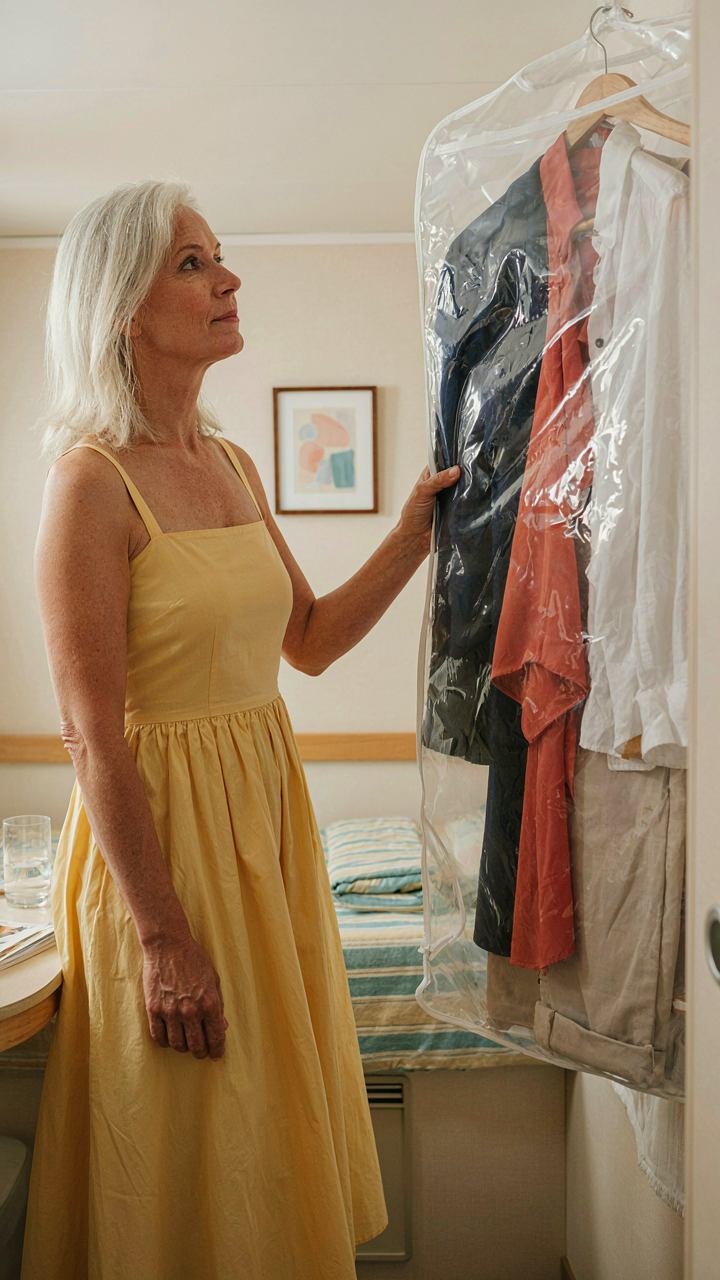
You want reassurance that you’re packing right, and generic lists feel safe because they claim to cover everything. They don’t. The mechanism is simple: cruise destinations vary wildly in climate, formality expectations, and activity density. A seven-day Caribbean itinerary demands different pieces than a Baltic cruise. Yet most advice prescribes the same ten items regardless. You’re left either overpacking or underdressed because the recommendation skipped the variable that matters most.
Your actual route determines your actual needs. A port-heavy itinerary with daily excursions requires different fabrics and silhouettes than a sea-day-heavy cruise. Formal night frequency changes by cruise line and season. Even weather bands shift by region and month. Generic packing lists ignore these inputs and hand you a template instead. The result is wasted luggage space or missing outfits. Start with your specific itinerary before you pick a single item.
More Choices Create Less Clarity

The conventional wisdom says pack versatile pieces so you can mix and match endlessly. The real cost is decision fatigue, borrowed from cognitive economics. Every extra item you bring multiplies outfit combinations, and more combinations mean more decisions each morning. On a cruise where you’re in a confined space, that friction compounds daily. You’ll stand in your cabin more times than you expect, choosing between options you thought were smart.
The fix is counterintuitive: fewer items force faster decisions. Limit yourself to pieces that work in one specific way with one or two others. A navy blazer that pairs with three different bottoms creates three decisions. A navy blazer that pairs with only two creates one clearer path. Cruise cabins are small. Decision speed matters more than theoretical flexibility.

The “Strategic Deployment” Protocol For Cruise Wardrobe

Know Your Activity Slots Before You Pack
You’re worried about looking unprepared or overdressed, so you’re hoping a formula exists that removes the guesswork. Here’s the mechanism: cruises operate on fixed social structures. Breakfast happens at set times. Formal night has a dress code. Shore excursions run on schedules. The mistake most people make is packing items without assigning them to specific slots. You end up with pieces that don’t talk to each other. Instead, map every activity you’ll actually do—breakfast, casual lunch, poolside time, formal dinner, port day—then build outfits backward from those slots, not forward from random clothing.
The rigor matters because a cruise ship has no flexibility. You can’t run home to grab something. You can’t pop into a store mid-week if an outfit fails. The constraint forces clarity. Write down your specific itinerary: which nights have formal or elegant casual dress codes, which days you’re docked and exploring, which days are at sea. Then assign clothing functions to each slot. This prevents the trap of packing “nice things” that sit unused because they don’t match your actual schedule.
Build Around Outfit Anchors, Not Items
This is where clothing strategy borrows from supply chain logistics: think in terms of “nodes” rather than individual units. One outfit anchor—say, a well-fitted pair of dark trousers—becomes the hub for multiple complete outfits. Pair it with a linen shirt for day, a silk camisole for dinner, a lightweight sweater for ports. That single piece of infrastructure supports multiple functions across your entire trip. Most advice tells you to pack versatile pieces. That’s incomplete. You need pieces that anchor outfits, meaning they work in different contexts without looking accidental or mismatched.
The protocol is mechanical: choose three to four anchor pieces per category (bottoms, tops, dresses) that genuinely work in both day and evening contexts. Dark trousers, a midi skirt in neutral tone, a linen shift dress. Then build layers and toppers around those anchors. A lightweight cardigan, a structured blazer, a beach cover-up. Each layer serves the anchor piece in different scenarios. Don’t pack based on the item’s surface quality. Pack based on how many complete, context-appropriate outfits it can build.
The Unspoken Rules Of Cruise Outfits Caribbean Elegance

Fabrics That Actually Survive Humidity
You’re worried people will notice sweat stains or wrinkles the moment you leave your cabin. Here’s what actually matters: fabric behaves like a sponge in tropical humidity. Natural fibers absorb moisture; synthetic fibers repel it. Linen wrinkles by design but breathes. Cotton holds dampness. Polyester blends dry fast and maintain shape under salt air and constant temperature shifts. Performance fabrics engineered for moisture-wicking outperform natural alternatives in Caribbean conditions, not because they’re superior in general, but because they’re engineered to reject the specific problem you’re facing.
Pack pieces in 50/50 or higher polyester blends for day wear. Linen works only if you accept visible wrinkles as your aesthetic. Avoid pure cotton knits that cling when damp. Technical fabrics used in athletic wear have crossed over into casual cruise clothing. This isn’t trend chasing. It’s applied physics: hydrophobic fibers shed moisture faster than hydrophilic ones. Throw pieces in your cabin sink, wring them out, and they’re wearable again within two hours. That’s not convenience. That’s the only sustainable system for a seven-day wardrobe.
Sophistication Without The Drag
The standard advice says dress up for formal nights. That’s incomplete. You need pieces that transition from noon pool deck to evening dining without looking like you changed outfits. Formal night standards on cruises have softened. Captain’s cocktail hour no longer demands a tuxedo. Smart casual dominates. The real lever is layering and fabric weight, not garment category.
A lightweight structured blazer in neutral tones works over casual wear for dinner. Dark trousers in performance fabric read elegant but move like athletic wear. Elevated basics, when cut with proportion, don’t require effort to feel intentional. The mechanism is proportion, not formality. A well-fitted neutral shirt with quality drape signals sophistication. Loose, cheap fabric signals vacation mode. Pair fitted pieces with structured outerwear for evening. Skip the costume mentality entirely. You’re not staging a photo. You’re moving through real environments with real temperature changes between air-conditioned dining rooms and open decks.
The “Economies Of Scale” Wardrobe: Applying Supply Chain Principles
Build Around Interchangeable Base Units
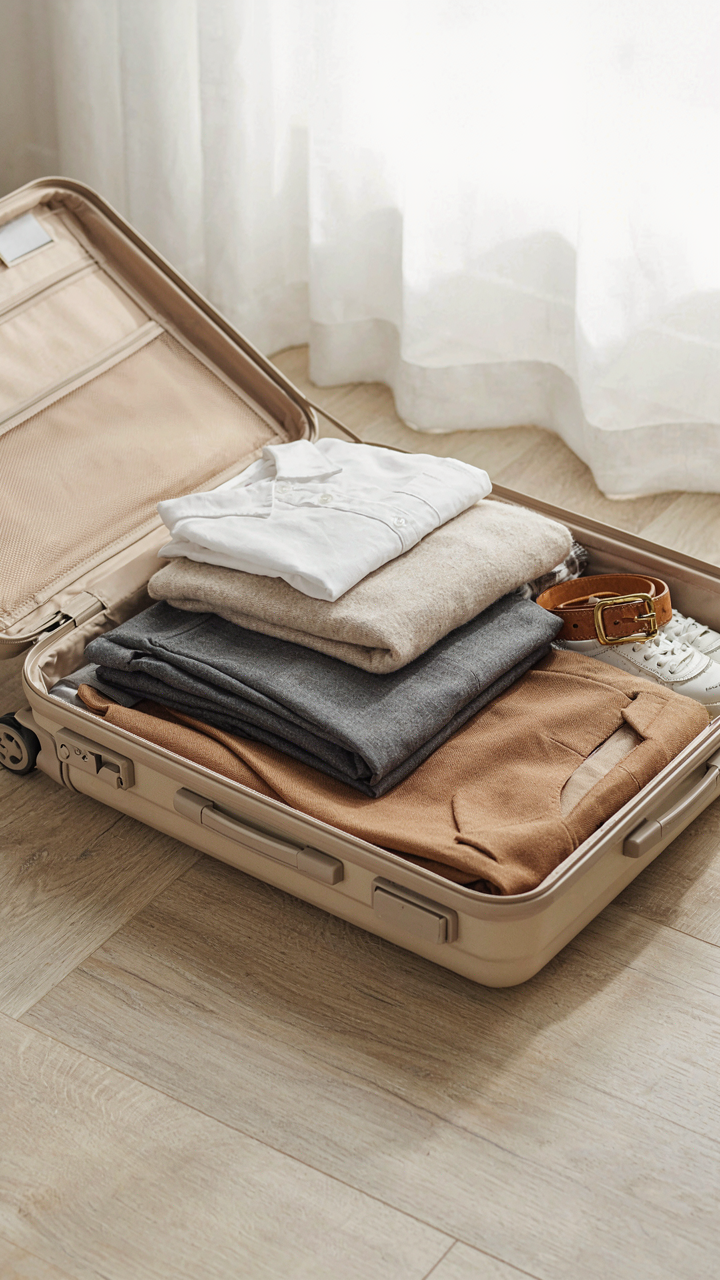
You want to look intentional without thinking about it. The mechanism is borrowed from manufacturing: treat your cruise wardrobe like a modular supply chain where each piece connects to multiple others. Instead of building outfits as finished units, you build a system where five bottoms pair with eight tops across twenty distinct combinations. Every item must work with at least three other pieces.
The math changes everything. A traditional wardrobe collects outfits. A modular wardrobe collects components. Neutral base colors (navy, white, black, khaki, cream) become your “standard parts.” Structured shirts, fitted pants, and minimal-pattern pieces become your inventory. You eliminate the item that works with only one other piece. That item is dead weight on a ship with limited cabin space.
Audit For Dead Stock Before Packing
Most people pack items they hope will work, then never wear them. That’s not bad luck. It’s a failure to inventory. Pull every piece you plan to bring and wear each combination once at home before the trip. If you don’t reach for it, leave it behind. This sounds tedious. It saves you from carrying a dress you’ll resent every time you see it in your cabin.
Dead stock happens because we can’t accurately predict our own behavior. You think you’ll want that statement necklace. You won’t. You think the linen pants will feel casual-chic. They’ll feel wrinkled and out of place. The audit forces your future self to show up before you leave. If a combination doesn’t survive the trial run, it doesn’t survive the packing list either.
Casual Dinner To Captain’s Table: The Seamless Transition

The Jewelry And Belt Swap
You’re worried that a casual outfit won’t read as formal enough when the moment matters. The mechanism is contrast. In visual hierarchy, accessories don’t add formality—they redirect attention and reset context. A simple linen shirt worn with a gold bracelet and structured belt signals intention. The base stays identical. Only the framing changes.
- Gold or silver jewelry: Moves a neutral outfit upward without replacing it. Metal finish and weight do the visual work, not the shirt underneath.
- Structured leather belt: Defines the waist and creates line. Replaces casual drawstrings or worn belts from day outfits with precision-cut leather in black, tan, or cognac.
- Statement earrings or drop necklace: Pulls focus to the face and collarbone area. Works harder than smaller pieces to signal a shift in dress code.
- Silk scarf tied as neck accent: Adds texture and formality without layering. Drape at collarbone or tie at side for instant elevation from cruise casual to dinner-ready.
- Metallic or beaded clutch or small shoulder bag: Replaces daytime crossbody or tote. The swap signals transition and completes the formal read of the outfit.
The real play: keep your outfit pieces static across the day. Swap only the accessories. This cuts packing volume and forces intentional styling. You’re not building new outfits. You’re editing the same ones.
Shoes That Bridge Both Dress Codes
The common advice says “bring flats for day and heels for night.” That’s incomplete. Footwear works like a linguistic dialect—it carries meaning independent of the rest of your outfit. A leather loafer reads casual. A leather loafer with a structured dress reads expensive and composed. The shoe doesn’t change. The context does.
Metallics and nude tones are the bridge pieces. A nude heel or metallic sandal works equally at casual dinner or formal captain’s table because neither signals extreme casualness or formality on their own. They’re neutral enough to pair with linen but refined enough for a dress code shift. Black leather flats work the same way—they read as put-together at breakfast and polished enough for evening without requiring a swap. The goal is one shoe doing double duty, not five shoes for five occasions.
Packing For A Cruise: Optimizing Your Luggage Real Estate

Rolling Versus Folding: The Real Space Trade Off
You’re worried you’ll look unprepared if your clothes wrinkle, so you’re searching for the method that guarantees perfection while using less space. Here’s the mechanism: rolling compresses air out of fabric in real time, but folding stacks items without compression. Rolling saves roughly 20 to 30 percent more space than folding for soft goods like t-shirts and casual wear. The trade-off is that rolled items wrinkle differently than folded ones, and heavier pieces like blazers or structured pants fold better than roll.
Most cruise capsules mix both methods. Roll knit items, casual layers, and undergarments. Fold structured pieces like button-ups, trousers with creases, and anything requiring a defined shape for your dinner outfits. The real win isn’t choosing one method—it’s applying each where the physics of the fabric and your outfit requirements demand it. Pack rolled items in the center of your suitcase, folded pieces around the perimeter where they won’t shift.
Packing Cubes: Compartmentalization Beyond Organization
Packing cubes work because they create compression zones, not because they look neat. Think of this like inventory control in a warehouse: you’re creating defined SKUs (stock keeping units) so you locate what you need without unpacking everything. A medium cube holds roughly seven to ten rolled items or four to six folded pieces. Allocate one cube per outfit category: day wear, dinner wear, active wear, undergarments.
The tactical move is using cubes to pre-stage your daily outfit selections before the cruise starts. This eliminates decision friction on the ship and forces you to verify your capsule actually works together. Cube everything so your suitcase becomes a filing system, not a pile. On embarkation day, you’re not fishing—you’re retrieving.
The Adaptability Matrix: Your Cruise Wardrobe Against The Elements

Layering For Ship Climate Control
You want to feel composed in front of strangers, which means never being visibly uncomfortable. The real mechanism here is thermodynamic layering borrowed from survival engineering: you’re not just adding clothes, you’re building an insulation system where each layer traps air and manages moisture independently. Cruise ships operate on temperature zones. Dining rooms sit at 68 degrees. Deck areas swing 20 degrees between sun and shade. Your cabin fluctuates based on how the system runs and your location relative to the engine room.
The standard advice says “bring a light sweater.” That’s incomplete. You need a base layer strategy that works on repeat. Pack merino wool or synthetic base layers that wick moisture without absorbing it, one lightweight long-sleeve shirt for layering over t-shirts, a structured cardigan that doesn’t wrinkle when packed, and a blazer that doubles as outerwear. These four pieces cycle through day and dinner outfits while responding to temperature swings. The cardigan sits between your t-shirt and blazer. You add or remove it based on where you move through the ship, not based on what you think you should wear.
Sun Protection And Weather Backup
Cruise itineraries promise sun, then deliver unexpected rain and wind you didn’t budget for mentally. A single lightweight cover-up solves this across multiple outfit contexts. Buy a linen or cotton blend shirt jacket, oversized fit, in white or neutral. It protects skin on deck, drapes over dinner outfits as a styled layer, and folds compact enough to keep in your day bag permanently.
Rain isn’t cosmetic on a cruise. It stops deck activities and forces cabin time. Pack one compact rain jacket in a neutral color that coordinates with your existing palette, not as emergency gear but as a worn piece. Store it in your bag or cabin. For sun, a wide-brimmed hat and UV-blocking sunglasses aren’t accessories here. Wear that hat to maintain skin and preserve the quality of your face for photos and social interaction throughout the week. Reapply sunscreen every two hours on deck, which means buying travel-size bottles instead of one large container that takes up space.
Beyond The Hangers: Overlooked Cruise Tips For Wardrobe Management

Laundry Strategy Beats Overpacking
You’re afraid of running out of clean clothes, so you pack double what you need. That fear is the real problem here, not your luggage space. Most cruise ships offer laundry services at a cost, but the mechanism that matters is timing. You must understand turnaround: send items out early in your voyage, not the night before port. Ships process laundry on a queue system. Late submissions get delayed or returned incomplete.
Handwashing works for specific fabrics—knits, delicates, swimwear—and takes fifteen minutes per load. Use sink water, not bathtub water, to control volume. Hang items to dry overnight on cabin balconies or bathroom bars. The real win is sending only structured pieces (pants, blazers, button-ups) to ship laundry while you maintain lightweight layers through handwashing. This cuts your laundry bill and eliminates the gamble of missing pressed items at port.
Wrinkles Without Tools
The common advice says buy a travel steamer or use the shower trick. Both waste money and energy. Thermal management from physics applies here: sustained, low heat over time beats quick, high heat. Your cabin has a clothes iron, though most guides ignore this fact. Request it from housekeeping—they stock them but don’t mention the option.
If no iron exists, the real mechanism is moisture plus weight plus time. Hang damp garments in your cabin with the door sealed. Air conditioning and gravity work together to release wrinkles without equipment. Press silk dresses and linen pieces between your mattress layers while you’re at dinner. Wrinkles are negotiable, not permanent. The protocol: prioritize hanging over folding, request an iron early, and exploit your cabin’s environmental conditions instead of fighting them.
The 2026 Summer Travel Capsule Wardrobe: Future Proofing Your Style

Build For Obsolescence, Not Trends
You want permission to spend money and feel smart about it. The mechanism is this: trends expire, but construction doesn’t. A piece becomes obsolete when its fabrication fails or its silhouette locks you into a specific era. Timeless doesn’t mean boring. It means a crew neck t-shirt in heavy cotton jersey outlasts a novelty graphic tee by years. It means tailored shorts in a structured cotton blend survive washing cycles that destroy cheap synthetics.
The cruise context amplifies this rule. Salt water, sun exposure, and packed luggage destroy weak seams and thin fabrics fast. A white linen button-up from a quality manufacturer survives ten cruises. Fast fashion versions won’t survive two. Build your capsule around pieces made from materials that have performed for decades: cotton, linen, silk, wool in appropriate weights. Check construction details. Flat-felled seams, reinforced stress points, and finished hems signal durability. This isn’t premium pricing for the sake of it. This is material science determining what you’ll actually wear.
Smart Fabrics That Travel Without Compromise
Merino wool and technical cotton blends entered mainstream travel wardrobes because they solve the real problem: you need fewer items that perform harder. This applies directly to cruise packing constraints. A single merino wool base layer replaces three cotton undershirts. It resists odor, dries faster, and regulates temperature across wider climate ranges than cotton. Technical cotton blends engineered to shed moisture and resist wrinkles eliminate the need for constant washing and pressing during a voyage.
Sustainability isn’t a moral stance here. It’s logistics. Garments made from durable materials get worn more cycles before disposal. A cruise wardrobe built on pieces designed to last ten years produces less waste than replacing fast fashion every season. Seek out brands using recycled polyester in performance wear, organic cotton in basics, and deadstock fabrics that repurpose manufacturing overruns. The mechanism is simple: durable pieces reduce the total number of items you need to own and pack.
Your True Obstacle? The Internal Resistance To Disciplined, Strategic Curation In A World Of Endless, Overwhelming Options

You don’t need more clothes. You need permission to stop shopping. Most people sabotage their cruise capsule wardrobe before they pack it because they mistake restraint for deprivation. Building a cruise capsule wardrobe forces you to make deliberate choices instead of drowning in options. That friction you feel? That’s growth. Pick your five core pieces today and commit to them without scrolling for alternatives. Discipline looks boring until you’re the only person on deck who actually looks intentional.