

The Silhouette Deception: Why “Baggy” Fails

Oversized Versus Shapeless
You want to look intentional, not like you grabbed what was clean off the floor. The difference between oversized and ill-fitting comes down to intentionality signaling through proportion. Oversized is a cut. Ill-fitting is an accident. A true oversized sweater has structured shoulders that sit at or slightly past your natural shoulder point, a defined chest area, and predictable length. Ill-fitting pieces have shoulder seams that collapse inward, fabric bunching at the underarm, and hem lengths that seem negotiable. The mechanism is simple: your eye reads defined edges as design choice and reads collapsed fabric as neglect.
The gap between intention and carelessness lives in measurements, not vibes. An oversized sweater from a brand that cuts for it hits specific points: shoulder seam placement stays within one to two inches past your shoulder, chest width lands two to four inches wider than your actual chest, and length stops at or two inches below your hip. Thrift store finds or regular-fit pieces you sized up five times don’t follow these rules. They read as salvage. When you shop, check the shoulder seam first. If it lands more than two inches past your natural shoulder, the piece is working against you, not for you.
Fabric Behavior Determines Everything

Physics dictates fabric drape more than design does. Heavier knits with structure hold their shape and signal intention. Light jersey or thin cotton spreads across your body like a sheet, erasing your silhouette entirely. The sweater’s fiber content and weight determine whether it creates volume or just takes up space. Merino, cable knit, and structured cotton blends pile fabric thickness in ways that read as design. Thin acrylics and lightweight blends collapse into your frame, making you look formless instead of intentionally voluminous.
Weight your sweater selection on fiber first, cut second. A 12-ounce cable knit in merino wool or cotton will hold its shape whether you’re sitting or standing, maintaining the silhouette you chose. A lightweight 6-ounce acrylic melts into your body, and no styling maneuver fixes that. Check the weight in grams per square meter if you’re shopping online, or feel the fabric in stores. If it feels substantial when you hold it, it will drape with intention. If it feels papery or flimsy, it will flatten against you no matter what you pair it with.

The 3 Point Anchoring System For Structure Looks Street Style
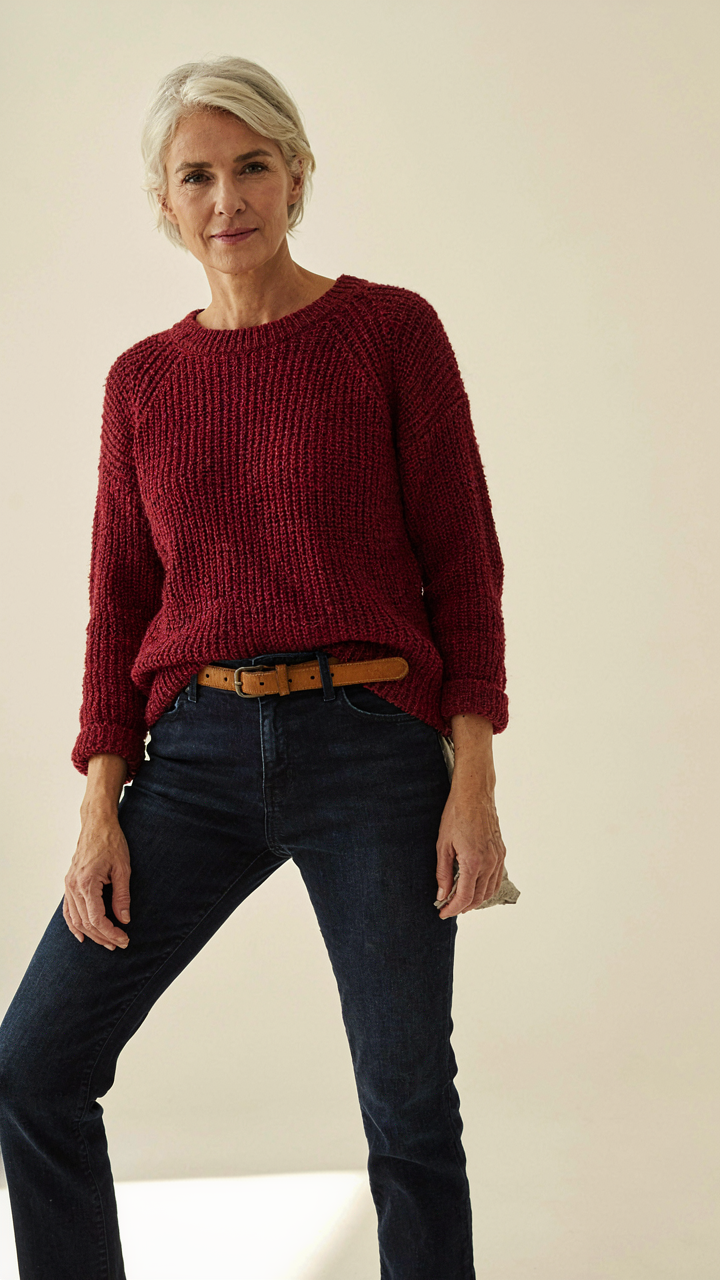
Front Tuck Creates Intentional Proportion
You want to look like you chose this, not like the sweater chose you. A front tuck solves this by creating visual separation between your upper and lower half, which restores the body’s natural horizontal line that an oversized sweater erases. This is basic proportion management, borrowed from tailoring: you’re creating a defined waistline without removing the sweater itself.
The front tuck works because it exposes the hip and thigh, grounding the volume above. Tuck only the front third of the sweater into your pants or skirt, leaving the sides and back loose. This maintains the relaxed aesthetic while signaling deliberate styling. Do this with high-waisted bottoms for maximum effect, since the tuck needs a clear anchor point to read as intentional rather than accidental.
Belting Defines Shape Without Sacrifice
Most advice on belting an oversized sweater misses the actual mechanic: a belt doesn’t need to cinch aggressively to work. A belt’s job is to create a visual stopping point that breaks up the sweater’s vertical mass and reestablish your natural waist line. Tight cinching suffocates the silhouette. Strategic placement does the work instead.
Wear your belt at true waist height, not hips, and use a medium width belt in a contrasting color or texture. Let the sweater fabric drape naturally on both sides of the belt rather than pulling it inward. The belt holds visual space, not body space. This approach keeps the comfort intact while building the structure that makes an oversized sweater look intentional instead of borrowed from someone else’s closet.
Fabric Gravity: Weight, Texture, And Fall

Knit Density Over Brand Names
You care about this because wearing a heavy oversized sweater makes you look sloppy, and you know it. The real problem isn’t the size—it’s that most people ignore knit density, which determines whether fabric drapes or collapses. Think of density as mass in physics: heavier knits hold structure and fall cleanly; loose, thin knits bunch and bag out at the shoulders. A dense merino blend or cotton-poly mix resists gravity better than a fluffy acrylic. The sweater’s weight actually becomes your ally, not your obstacle.
Sweater construction matters more than the label. A tightly knit 12-gauge merino sweater worn oversized will stack cleanly at the torso and drape at the arms, creating visual proportion. A loosely knit 8-gauge acrylic sweater will feel formless and drag the entire outfit down. Check the fiber content and gauge number before buying. Dense fabrics signal intention. Thin fabrics signal neglect.
How Fabric Dictates Proportional Balance
Fabric choice determines outfit flow by controlling where volume sits on your body. A structured wool blend creates clean lines and lets you pair it with fitted bottoms without looking shapeless. A fluid, lighter-knit cotton sweater actually needs more volume below—relaxed trousers or wider-leg cuts—to avoid looking tentative. The fabric’s behavior forces your hand on the rest of the fit.
The mechanism is straightforward: heavy fabrics anchor an outfit and allow contrast through tailoring. Light fabrics demand complementary volume to avoid seeming unfinished. Choose your sweater fabric first, then build the bottoms around what that fabric can support. Don’t reverse-engineer the outfit after buying something that won’t cooperate with your proportions.
The Unconventional Layering Blueprint (Autumn Outfit)

Contrast Under, Not Bulk Under
You want the sweater to look intentional, not like you grabbed what was warm. The real fear is looking like you don’t know what you’re doing, so you add more fabric to hide. That’s backward. Layering under an oversized sweater works like tension in design—you need opposing forces, not accumulation. Thin, contrasting textures create visual separation. A fitted ribbed turtleneck under a chunky knit sweater reads as a choice. A cotton tee under wool reads as accidental.
The mechanism is simple: your eye needs a line break. When fabric meets fabric with contrast—cotton against wool, fitted against loose, light against heavy—your brain registers structure instead of shapelessness. A silk slip or fitted long-sleeve shirt creates that break without adding bulk. The sweater still hangs oversized, but now it has an anchor. Skip matching colors. Mismatch fabric weight intentionally, and the whole outfit gains architecture.
The Visible Layer System
Strategic exposure isn’t accidental—it’s the frame around the painting. Most people hide under oversized sweaters entirely. That’s why they look lost in them. Collars, cuffs, and hemlines become your tool. A crisp white collar peeking from under a charcoal sweater signals control. Rolled cuffs showing a contrasting sleeve underneath add rhythm. The bottom hem of a fitted shirt visible below the sweater’s edge completes the proportional math.
This works because your eye follows discontinuity. When the sweater ends and another layer begins, that edge becomes a focal point. Cuff placement matters—roll sleeves to show wrist and inner arm. Let shirt hems drop three to four inches below the sweater’s bottom. Let a collar sit high and structured. These visible moments interrupt the mass and prove you have an outfit underneath, not just coverage. The outfit stops looking worn and starts looking constructed.
Footwear As Counterbalance: The Grounding Effect

Chunky Soles Ground The Top Half
You care about this because wearing an oversized sweater without the right shoes makes you look unfinished, and unfinished reads as careless. The real mechanism here is mass distribution. Physics demands balance: when you add volume at the top, you need visual weight at the bottom or the entire frame collapses into formlessness.
Chunky soles accomplish this through sheer presence. A thick rubber sole on a sneaker or boot creates a visual anchor that prevents the oversized sweater from swallowing your body. The sole absorbs the top-heavy proportion and grounds the outfit in reality. Leather hiking boots, chunky loafers, or maximalist sneakers work because they refuse to disappear. Thin-soled shoes let the sweater win the visual battle.
Sleek Boots Create Intentional Tension
Thin soles and pointed silhouettes don’t fail because they’re weak. They work when you deploy them as contrast, which is deliberate, not accidental. Most people don’t understand the difference between mismatch and tension. Mismatch feels unplanned. Tension feels controlled.
A slim ankle boot or minimal leather sneaker under an oversized sweater signals you made a choice. The eye registers the contradiction and reads it as confidence, not confusion. This works best when the sweater is fitted at the cuff or when you tuck it strategically. The sleek shoe tells the viewer you understand proportions well enough to break them on purpose. The action step: pair sleek footwear only when your sweater silhouette has at least one tight anchor point.
The Adrette Outfits Proportionality Principle

Bottom Half Control
You want permission to wear an oversized sweater without looking sloppy. Here’s what actually matters: the bottom half determines whether the top reads as intentional or accidental. This isn’t fashion theory. It’s visual weight distribution. An oversized sweater dominates the upper body, so your bottoms either anchor the look or make it collapse into casualness.
Slim bottoms create contrast and read as deliberate. They say you chose the volume at the top. Tailored trousers or structured jeans make the proportions feel designed. Wide-leg pants work too, but differently—they require the sweater to hit at a specific length or the silhouette breaks. The mechanism is simple: tight bottoms make loose tops look controlled. Loose bottoms make loose tops look accidental.
The Visual Thirds Framework
Proportion works like load distribution in engineering. In engineering, you balance weight across points. In an oversized sweater outfit, you divide the frame into three zones: sweater mass, mid-section definition, and leg treatment. Each zone must signal intention. The sweater occupies the top third visually. The mid-section is where you either break the silhouette with a belt, tuck, or layering. The legs stay defined through fit or length.
Most advice stops at “just add a belt.” Wrong. The belt only works if your bottom half responds to it. If your jeans are also oversized, the belt becomes noise. The real rule: sweater volume must taper downward through the fit, not fight against it. Measure your sweater drop length to your hip or mid-thigh, then choose bottoms that tighten the lower half. This creates the visual thirds your eye needs to process the outfit as whole.
Accessory Amplification: The Detail Multiplier

Jewelry: Bold Statements Cut Through Fabric Volume
You’re worried that accessories will disappear into all that fabric and waste your effort. Here’s the mechanism: jewelry works through contrast, not scale. In visual hierarchy, smaller, denser objects command attention over larger, diffuse ones. A chunky gold chain or structured ring creates a focal point because light bounces off metal differently than knit. The sweater’s mass becomes the stage. Your jewelry becomes the actor.
Thin, delicate pieces fail here because they vanish against the volume. You need weight and reflectivity. Gold, silver, and brass all work. Geometric shapes outperform organic ones because geometry reads faster from distance. A statement ring on one hand forces the eye to stop. Layered delicate chains don’t cut through. One intentional piece does.
Bags And Hats: Intention Over Accident
- Structured Leather Bags: Hard edges anchor an outfit. Soft, slouchy bags merge with the sweater’s texture and dilute visual clarity. Structured bags create a second silhouette.
- Boxy Shapes: Square or rectangular bags have defined perimeters. They read as deliberate choices, not filler. The sweater stays voluminous. The bag stays sharp.
- Matte Finishes: Shine competes with fabric. Matte materials let the bag sit as a grounding element without fighting for visual weight against the sweater’s texture.
- Fitted Hats: Beanies and baseball caps frame the face and create proportion balance. Oversized hats compound the oversized sweater and read as accidental rather than designed.
- Neutral Hat Colors: Match your sweater family or go to black or white. Contrasting hat colors draw too much attention upward and unbalance the proportion.
Most people treat bags and hats as afterthoughts. They’re not. In styling oversized garments, these items function as visual anchors that either stabilize or destabilize the entire look. Place your bag deliberately in proportion to your torso width. Choose your hat based on face framing, not trend. The sweater outfit works only when every piece signals intention.
The “Stile Blair Waldorf” Archetype: Refined Volume

Material Quality Over Volume Alone
You want permission to wear something loose without looking sloppy. Here’s the mechanism: fabric weight and fiber content do the work volume can’t. A cashmere blend or merino wool holds structure inherently. Cotton jersey collapses into shapelessness. The difference isn’t visual taste—it’s physics. Heavier fibers resist drape and maintain their geometry.
Luxury fabrics signal intentionality instantly. A oversized sweater in quality wool reads as deliberate styling. The same cut in thin cotton reads as borrowed-from-someone’s-closet. Pair a structured knit with tailored trousers or a fitted midi skirt to anchor the proportions. The sweater becomes an accent, not the entire silhouette. Precision tailoring in what sits underneath—seams, fit at the hip, hem length—makes the oversized element work as contrast rather than default.
Structured Layers Reset The Silhouette
Preppy tradition solved this problem decades ago: add hard edges where the sweater softens. A crisp white button-up beneath an oversized knit creates visual segmentation. The collar frames the neck. The tie or scarf adds a defined horizontal line. Structured outerwear—a blazer, wool coat, or tailored vest—resets the outline back to clean proportions.
The trick nobody states: the oversized sweater becomes a middle layer, not the statement piece. A single-breasted blazer worn over an oversized crew neck reads refined. The blazer’s shoulders define your actual shoulder line. Wear the sweater slightly tucked or bloused just enough to see the structured layer beneath. This layering protocol transforms an outfit from “loungewear in public” to editorial.
The 00s Mode Revival: Intentional Dishevelment

Controlled Decay Through Strategic Placement
You want permission to look effortless without actually being careless. The real mechanism here is textile archaeology: grunge borrows from industrial design, where visible wear communicates function and authenticity rather than neglect. Strategic rips and distressed details on an oversized sweater work because they’re placed, not accidental. A tear at the shoulder seam reads as deliberate. Random shredding reads as broke.
The placement matters more than the damage itself. A single rip on the upper arm or along the hem signals intention. Distressing concentrated near seams, cuffs, or neckline anchors the look to actual garment stress points. Avoid scattered damage across the torso. This distinction separates a styled oversized sweater outfit from one that looks neglected. The sweater should show wear in exactly the places a real garment would naturally break down under actual use.
Layering Beyond Surface Level
Layering an oversized sweater with purpose means each piece has structural weight, not just visual filler. Band tees, mesh, and deconstructed elements work because they create dimensional conflict: soft against sheer, loose against fitted, intact against fragmented. This tension is what makes the outfit read as intentional rather than sloppy.
Start with a fitted graphic tee or mesh under the oversized sweater, letting both necklines show. Add a deconstructed or partially unbuttoned shirt as a third layer on top. Each layer should be visibly distinct in texture and fit. The oversized sweater becomes the anchor while other pieces create visual rhythm. This is how 00s outfits avoided looking like you grabbed whatever was clean.
Color Theory And Contrast: The Visual Algorithm
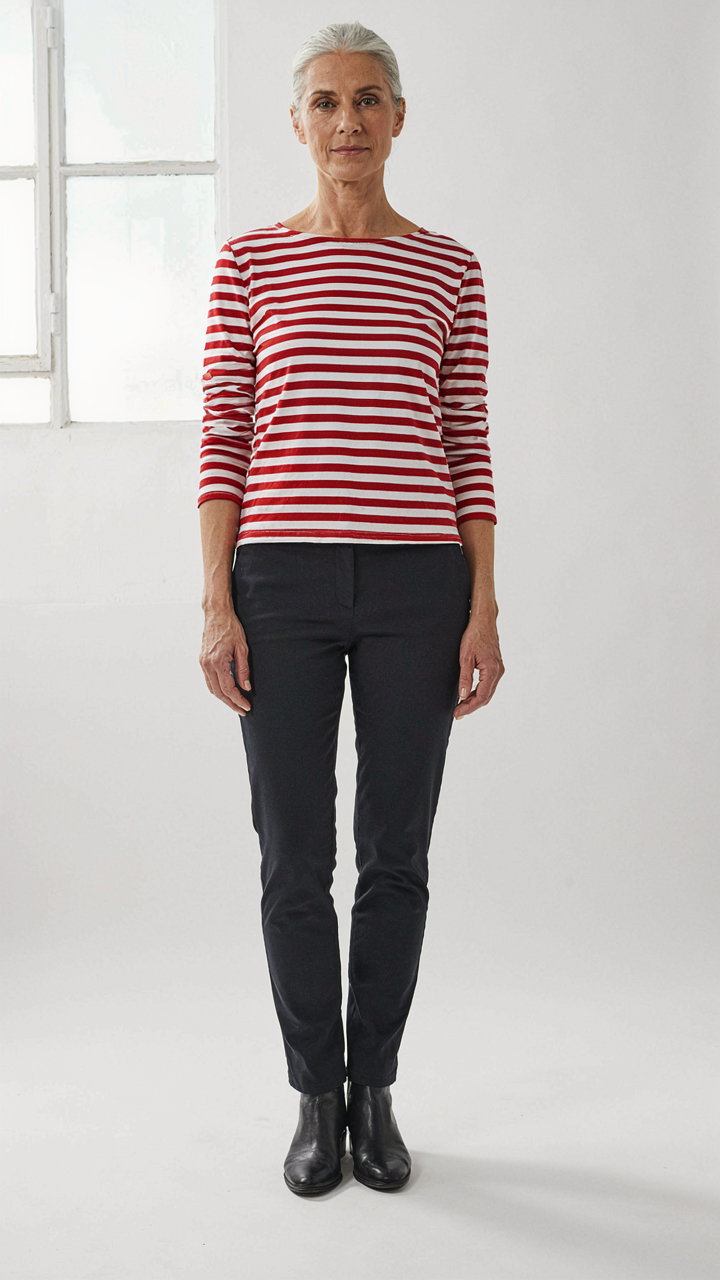
Monochromatic Schemes Lock In Proportion
You want people to see you as intentional, not like you grabbed whatever was clean. Monochromatic dressing works because your brain processes it as a single visual unit. In color theory, this is called value harmony—the eye reads uniform tonal ranges as cohesive rather than accidental. An oversized sweater outfit in one color family doesn’t fight itself. The fabric masses read as deliberate instead of sloppy.
Charcoal sweater, charcoal trousers, charcoal boots. Cream sweater, cream ribbed turtleneck underneath, cream linen pants. The monochromatic frame actually makes oversizing read as control. Your body shape stays secondary to the silhouette you’ve chosen. Most people skip this because they think one color sounds boring. It doesn’t. It sounds finished.
Contrasting Hues Create Intentional Breaks
Contrast doesn’t mean clashing—it means directing attention with deliberate stops. A burnt orange oversized sweater paired with deep navy trousers creates visual separation at the waist, cutting through the volume. Contrast in fashion works like contrast in design: your eye lands where the tonal shift happens. Without it, an oversized outfit can blur into undifferentiated fabric. With it, you build architecture.
The mechanism is simple: choose one contrast point. Oversized sweater in warm gray, tailored black pants, white sneakers. The eye travels sweater-to-waist-to-foot in sequence. You’ve eliminated visual confusion by forcing the viewer’s attention down a specific path. Apply contrast strategically or not at all. Half measures create visual noise.
The Real Obstacle Isn’t The Sweater; It’s Your Fear Of Standing Out

You already know how to wear an oversized sweater. You’re stalling because blending in feels safer than looking intentional. Stop waiting for permission to take up space in your clothes. Today, pick one outfit from this article and wear it without second-guessing the fit. The world doesn’t reward people who dress like they’re apologizing for existing.