

The Illusion Of New: Why Fast Fashion Fails Your Fall Style

The True Cost Of Replacement Cycles
You care about this because you want to believe new purchases solve problems. They don’t. Retailers calculate cost per wear differently than you do, and that gap is where your money disappears. A $15 synthetic sweater worn twice has a cost per wear of $7.50. A $60 wool sweater worn 40 times costs $1.50 per wear. Fast fashion’s math looks good upfront. The math compounds against you over time.
Secondhand layering pieces flip this equation entirely. A vintage wool blazer purchased for $20 and worn 80 times costs $0.25 per wear. The garment already absorbed its manufacturing cost in someone else’s closet. You inherit the value without fronting the environmental debt. New pieces need to hit 30 to 50 wears before they approach the per-wear cost of most secondhand finds. Most fall purchases never reach that threshold.
The Hidden Bill Beyond The Receipt

Economics teaches elasticity, but sustainable fashion requires thinking in full lifecycle cost. A $12 polyester parka sheds microplastics into waterways for decades after you stop wearing it. A $80 synthetic insulated jacket produces carbon emissions during manufacturing that persist regardless of how many times you wear it. The price tag captures zero of this. Your receipt lies by omission.
Secondhand garments eliminate their manufacturing footprint from your personal equation. The carbon is already spent. The water already used. The chemicals already processed. You’re choosing to distribute cost across your wear instead of concentrating it at purchase. The mechanism is simple: wear something longer, reduce your per-wear environmental impact, solve the problem at the source instead of shopping your way out of guilt.

The Curator’s Mindset: Hunting For Untapped Value

Thrift Store Algorithms And Hidden Gems
You want to feel like you’re winning at the game without doing the actual work. The mechanism that changes this: thrift stores don’t operate on algorithms. They operate on rotation and chaos. A Goodwill receives 500 items daily. Most staff sort by category, not by quality or construction. This means high-value pieces sit unmarked at standard prices while trash costs the same.
The real play is understanding turnover velocity. Hit stores on Wednesday or Thursday mornings, right after truck day. You’ll see unwashed inventory before it gets picked over. Look for natural fibers first: wool, linen, cotton blends in fall weights. Synthetic blends hide damage and don’t age well. Most hunters scan by color and size. You scan by fiber content and seam integrity. That’s the unfair advantage.
Ignoring Trends, Spotting Quality
The consensus says “invest in timeless pieces.” That’s lazy framing. Trends aren’t your enemy. Construction is. A poorly made cashmere sweater from 2008 falls apart. A well-made wool blend from 1995 still holds. Quality persists. Trends shift. You need both, but quality does the heavy lifting across seasons.
Check for double stitching on seams, especially underarms and shoulders where stress concentrates. Press the fabric. Cheap synthetics spring back instantly. Quality wool and blends hold creases, then recover slowly. Feel the weight. Thin sweaters pill faster and won’t layer properly under jackets. Construction beats brand name. A department store label with real tailoring beats designer fast fashion every time. Feel the seams, check the lining, then decide.
The Layering Protocol: Engineering Warmth (Outdoor Core Outfits)

Base Layers: Where Temperature Control Actually Starts
You want to look intentional without overthinking. That’s the real reason you’re reading this. The mechanism is simple: base layers control moisture and regulate skin temperature through fabric choice, not thickness. Cotton absorbs sweat and holds it against your skin, dropping your core temperature. Merino wool and synthetic blends wick moisture away, keeping you dry and warm. This is thermodynamics applied to fabric selection.
Secondhand merino base layers are the best value in sustainable fall outfits because they’ve already proven durability through use. Hunt for vintage thermal underwear from outdoor brands, wool long-sleeves from thrift stores, and synthetic base layers from athletic sections. The fabric quality doesn’t degrade from previous ownership if the garment was stored correctly. A single well-chosen base layer eliminates the need for multiple mid-layers later, which is the actual strategy behind efficient cold-weather dressing.
Mid Layers: The Insulation Decision That Actually Matters
Most advice says “add more layers” without explaining why. That’s incomplete. Mid-layers trap dead air space, and the material type determines how much air the fabric can hold. Wool and down compress more efficiently than synthetics, but synthetics perform better when wet. For fall outdoors, you’re choosing between warmth density and moisture resistance, not just grabbing whatever feels thick.
Secondhand fleece, wool cardigans, and synthetic jackets from outdoor retailers perform identically to new versions for years. The insulation value doesn’t diminish with age if the material wasn’t compressed in storage. Buy one quality mid-layer in a neutral color that layers under your outer shell without binding at the shoulders or elbows. This single piece becomes the tactical core of your fall rotation, worn under different shells depending on weather conditions.
Deconstructing The Comfy Cosy Fall Wardrobe
What Wool Actually Does
You want permission to buy something soft and call it sustainable. Here’s what actually matters: wool regulates temperature through the physics of insulation, trapping dead air in fiber pockets rather than relying on density alone. This mechanism lets you layer thinner pieces without bulk, which secondhand markets exploit because wool holds value longer than synthetics.
Flannel and corduroy operate differently. Flannel uses a loose weave that captures warmth through air pockets, making it efficient at moderate temperatures. Corduroy’s ribs create similar dead space while adding durability, which explains why vintage corduroy holds structure after decades of wear. Buy secondhand wool and corduroy first because they age into reliability, not deterioration.
Fit Strategy Over Fashion Noise
Everyone talks about oversized versus tailored as an aesthetic choice. It’s actually a maintenance problem. Oversized pieces work secondhand because fit inconsistency disappears in the silhouette itself. Tailored pieces demand your body match their original proportions or they read as wrong, shrinking your usable secondhand inventory dramatically.
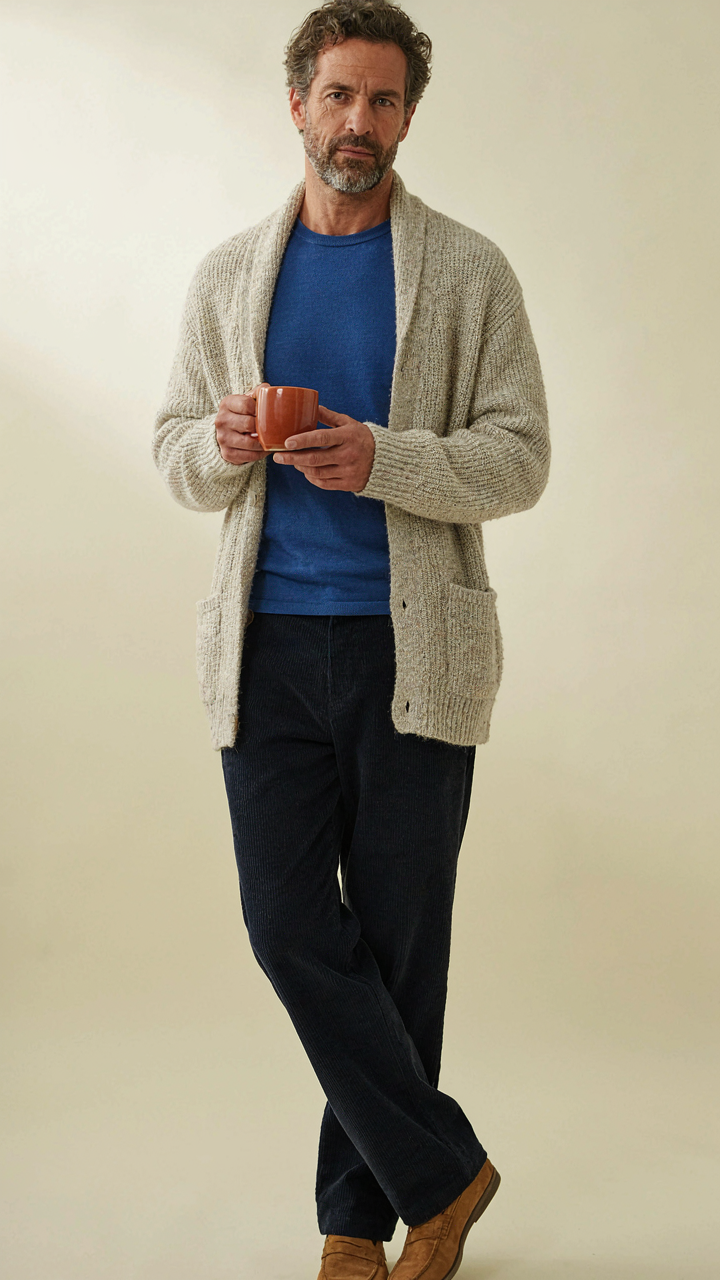
The real play: pair one tailored base layer with oversized mid and outer layers. This compounds function without creating visual chaos. A fitted merino tee under a oversized wool cardigan and wide corduroy trousers gives you three distinct insulation zones and multiple dressing combinations from six pieces instead of twelve. The constraint forces better purchase decisions and actual wear rotation.
The Nonna Maxxing Principle: Practicality As Pedigree

Built To Last, Not Discarded
You want permission to buy less and feel like you’re winning. Here’s the mechanism: durability signals wealth in every culture that matters. The wealthy don’t replace things annually because they can’t afford to. They replace them because replacement costs less time than repair. Secondhand fall layers flip this equation. A wool coat from 1985 that still functions beats a new synthetic one designed to degrade in two seasons. The garment that survives becomes the flex.
Real luxury is cost-per-wear math. A thirty-dollar sweater worn eighty times costs thirty-seven cents per wear. A hundred-dollar sweater worn twice costs fifty dollars per wear. Secondhand pieces already absorbed their original markup and marketing spend. You’re buying the post-hype remainder, which means durability compounds backward in your favor. The piece proved itself by existing in someone else’s closet for years.
Seams, Hems, And Lifespan Extension
The common advice says “mend your clothes.” That’s incomplete. The real system is triage followed by precision intervention. Electronics get firmware updates. Garments get structural reinforcement. A wool cardigan with loose cuff seams doesn’t need replacing; it needs a fifteen-minute stitch-down that costs nothing if you do it yourself. This isn’t virtue signaling. This is the mechanism that transforms secondhand into permanent.
- Seam restitching: Unraveling stitches at armholes or side seams are the most common fail point in older knitwear. Rethread these by hand using matching thread before wear spreads the damage across the entire seam structure.
- Cuff reinforcement: Sweater cuffs stretch and separate from repeated wear. Tack them back down using ladder stitch from the inside, preventing full unraveling within weeks of use.
- Hem leveling: Dropped hems on secondhand trousers and skirts are cosmetic fixes taking under an hour by hand or at a local tailor for fifteen dollars. This extends wear by seasons.
- Patch reinforcement: Elbow thinning in vintage wool jackets responds to internal patch stabilization with felt or lining fabric, stopping hole formation before it happens.
- Zipper replacement: Metal zippers on vintage outerwear corrode or jam. Replacement takes thirty minutes and costs five dollars, making the entire coat wearable again versus discarded.
The math is brutal: one hour of mending work extends a garment’s lifespan by six to eighteen months. That’s six hundred hours of wear extended for sixty minutes of intervention. Once you stop seeing repair as failure and start seeing it as maintenance, secondhand becomes the only rational choice for sustainable fall outfits.
Earthy Academia Aesthetic: Intelligence In Drapes

The Weight Of Texture Over Trend
You want people to read your clothing as competence before they read it as fashion. That’s the real play here. The mechanism is simple: dense fabrics signal stability. Tweed, wool blends, and structured knits don’t trend because they work across decades. Secondhand markets flood with these pieces because they outlast fast fashion. A vintage tweed blazer from the 1980s functions identically to one from today. The fibers haven’t changed. The construction method hasn’t changed. You’re buying durability disguised as aesthetic choice.
The academia angle isn’t pretense. It’s textural honesty. Knitwear with visible weave patterns, blazers with actual shoulder structure, and wool trousers with weight behind them communicate that someone designed these items to survive repeated use. Secondhand pieces show this survival on their surface. A pilled merino sweater proves it held up under real wear. Buy blazers with notched lapels and functioning buttons still intact. Search for knitwear labeled “ply count” or “gauge”—higher numbers mean denser construction. The secondary market rewards these specifications because quality is objective.
Restraint In The Color Range
Earthy academicism works because it abandons the false choice between “boring” and “loud.” The constraint is deliberate. Think of color theory in graphic design: restriction forces sophistication. With fall palettes, you’re working with oxblood, forest green, charcoal, cream, tan, and deep burgundy. These aren’t trends. They’re minerals and wool in their natural state. Secondhand pieces in these tones cost less because they lack trend appeal. That’s the advantage, not the limitation.
The protocol is systematic. Identify your base layer in one neutral—cream or charcoal. Build your second layer in one earth tone. The third layer introduces depth without chaos. This stacking method eliminates decision fatigue and maximizes outfit combinations from minimal pieces. Pull items with these colors already present rather than chasing dyes that fade. Wool holds color better than synthetics because the fiber itself contains the pigment. Search for “natural dye” or “wool” when shopping secondhand. This approach compounds: fewer pieces worn more often equals genuine sustainability, not performative shopping.
The Good Will Hunting Outfits: Unfussy, Unpretentious Utility

Workwear DNA In Civilian Clothes
You want permission to look competent without trying. That’s the real draw here. Workwear entered everyday fashion through a simple mechanism: borrowed authority. When you wear functional clothing designed for labor, you signal you have something to do. Thrift stores stock workwear because it survives decades of actual use. Carhartt jackets, Dickies pants, and canvas shirts don’t rot in thrift bins like fashion pieces do. The material thickness alone screens for durability. Workwear cuts exist for range of motion, not silhouette optimization, which means they fit bodies instead of fighting them.
This is why workwear became the skeleton of sustainable fall outfits. A 1980s Carhartt chore coat or vintage Levi’s 501 in raw denim costs twelve dollars secondhand and outlasts three seasons of conscious consumption theater. The garment has already proven its staying power through previous owners. You’re not betting on longevity; you’re collecting evidence of it. Pair workwear with one intentional piece, rotate two base layers underneath, and you’ve built a system instead of a wardrobe.
Worn Fabric As Technical Advantage
The advice you’ll read says worn textiles feel better. That’s incomplete. Worn fabric performs better. A broken-in wool sweater or faded cotton canvas jacket has already undergone the shrinkage, the pilling, the fiber settling that new garments will experience in your first season. The material has stabilized. Secondhand fall layers skip the harsh break-in period where new fabric feels stiff, shrinks unpredictably, or develops pilling. Vintage flannel holds warmth without the stiffness of untested fibers. Worn denim molds to your body instead of fighting it.
The rugged texture of aged textiles also hides wear differently than pristine fabric. A scuffed leather belt or faded canvas apron shows character, not damage. This removes the psychological friction of rotating the same pieces repeatedly. You’re not “wearing out” a fresh garment; you’re continuing the aging process someone else started. Buy a secondhand Pendleton wool shirt from the 1990s, and it’s already undergone its major transformation. When you wear it for the next three years, you’re simply adding incremental patina, not introducing visible decline.
Building Your Cold Weather System: Lessons From Military Logistics

Why The Layering Math Works
You’re reading this because you want permission to stop worrying about whether your outfit looks cohesive. Military logistics borrowed from physics the concept of thermal resistance—how materials slow heat loss. In fall dressing, thermal resistance is your actual variable, not color coordination. Each layer adds R-value. Base layer traps air. Mid layer insulates. Outer layer blocks wind. Stack them wrong and you freeze. Stack them right and you stay warm in cheap secondhand pieces nobody recognizes as a system.
The onion principle isn’t generic advice. It’s a protocol. Your base layer moves moisture away from skin, which is why cotton fails in cold—it holds water and conducts heat out of your body. Merino wool or synthetic blends wick moisture and retain warmth even when damp. Your mid layer (fleece, down, or wool knit from thrift stores) creates dead air space. Your shell layer (a secondhand windbreaker or wool coat) stops convection. The mechanism is simple: layering works because each material does one job, and you can swap pieces without replacing the whole system.
Redundancy Protects Against Real Weather
Most fall outfit advice ignores the fact that weather changes in hours, and your plans stay the same. Military supply chains build redundancy—extra systems in case the primary fails. A sustainable wardrobe does this too. You own two or three interchangeable base layers so one is always dry. You own multiple mid-layer weights so you can adapt without buying new. You own at least two shell options for different wind speeds and rain intensities.
Secondhand shopping makes redundancy affordable. A thrift store fleece costs three dollars. A vintage wool sweater costs five. Buy multiples. Not for variety—for reliability. When you have three functional base layers, you never wash laundry in crisis mode. When you own four mid-layer pieces in different weights, you navigate September heat and November cold with the same core system. The adaptation mechanism is inventory depth, not shopping skill.
Cozy Punk Outfits: Rebellious Comfort And Individual Expression

Making Clothes Yours Through Strategic Alteration
You want permission to break rules without looking like you’re trying. Here’s the mechanism: punk was never about chaos. It was about reclaiming ownership of your appearance through deliberate modification. When you alter a secondhand piece, you remove it from the mass-market category. A thrifted oversized blazer becomes yours the moment you taper the sleeves or add interior pockets. The garment stops being generic inventory and becomes a tool you shaped.
Strategic alteration doesn’t mean you need sewing skills. Cropping a vintage band tee changes its proportions and newness without tools. Rolling sleeves on an Oxford creates intentional volume and changes the formality level. Cuffing jeans or adding a belt repositions how a piece sits on your body. These moves take minutes and cost nothing. The result is clothing that fits your frame and communicates intention rather than default acceptance.
Pairing Contradiction Into Coherence
The common advice is to “mix high and low.” That’s incomplete. The real mechanism is borrowed from signal theory: contrast works only when the receiver can decode it. You’re not mixing to look random. You’re pairing opposing codes so the audience understands you’re choosing it consciously.
A structured, tailored wool coat over ripped jeans works because both signals are loud and contradictory. A delicate vintage slip dress worn as an outer layer with combat boots forces a deliberate read. Cozy punk outfits live in the tension between expectation and execution. Wear a pristine feminine cardigan with oversized menswear trousers and heavy boots. The outfit stops being decorative or masculine. It becomes a statement of autonomy. The mechanism is this: consistency is boring. Contradiction that’s intentional reads as power.
Your Fear Isn’t Scarcity Of Clothes, But Scarcity Of Imagination And Commitment

You don’t need more clothes. You need to stop pretending that buying new fixes the problem your brain created. Open your closet today and pick three secondhand pieces that don’t match your usual uniform. Force yourself to wear them together for one week. That discomfort you feel isn’t fashion failure. That’s growth escaping your comfort zone. The sustainable fall outfit you’re searching for already exists in your possession, waiting for you to get brave enough to see it.