

The “Recycled” Ruse: Why Plastic Bottles Aren’t A Panacea

The True Cost Of Converting Plastic Waste
You want to believe recycled polyester is clean because it lets you buy guilt-free. Here’s the mechanism nobody states plainly: recycling polyester demands sorting, shredding, melting, and re-polymerization. Each step consumes energy and generates waste. The industry reports a 30-50% energy reduction versus virgin polyester, but that math includes only the polymerization phase, not collection, transport, or contamination removal. Contaminated bottles (labels, adhesives, caps) require additional processing or manual removal, adding hidden costs most brands never measure.
The real friction point is fiber quality degradation. Recycled PET breaks down chemically with each cycle, shortening polymer chains. Manufacturers compensate by blending recycled content with virgin material or adding chemical additives to restore performance. This blend defeats the purity narrative. A jacket marketed as “100% recycled” often contains fresh virgin resin, virgin dyes, and virgin finishing chemicals applied during manufacturing. The recycled content is real, but the environmental footprint gains are smaller than the marketing suggests.
Energy Expenditure Never Matches The Narrative

Thermodynamics shows why this matters. Breaking polymer bonds requires heat input, and most recycling facilities still run on grid electricity powered by fossil fuels. In regions with coal-heavy grids, recycling polyester sometimes consumes more total energy than producing virgin polyester from crude oil refineries that operate at industrial scale. The efficiency gains vanish if you’re outsourcing the recycling to facilities in high-carbon regions.
Recycled polyester also demands virgin polyester in the blend to function in athletic wear. The tensile strength, elasticity, and moisture-wicking properties require either chemical reinforcement or virgin resin mixing. A 50-50 blend still requires 50% fresh crude oil extraction and refining. Compare this to hemp or linen blends, which skip the polymerization step entirely and demand only agricultural inputs and mechanical processing. The environmental math shifts dramatically once you measure total lifecycle energy, not just one production phase.

Beyond The Buzzword: The Real Metrics Of Sustainable Activewear

Where The Hidden Damage Lives
You want to buy sustainable activewear because it feels like a moral decision. That’s not why it matters. The real reason is that most recycled activewear hides its damage upstream, where you can’t see it. Life cycle analysis is the accounting tool from industrial ecology that forces companies to count what they’re hiding. Apply it to activewear and the picture breaks apart fast.
A recycled polyester shirt starts with collecting plastic bottles or textile scraps, then requires chemical processing to break down and reconstitute the fibers. This step consumes water for washing, chemicals like sodium hydroxide and sulfuric acid for breaking polymer chains, and energy for heating and drying. The facilities running this process often exist in countries with minimal environmental regulation and weak labor protections. One recycled polyester producer can process thousands of kilograms daily while dumping chemical byproducts into local water systems. The shirt’s final carbon footprint depends entirely on power source and waste management, neither of which the brand controls or discloses clearly.
Durability Determines Everything Else
The uncomfortable truth: a garment that lasts three years matters more than a perfectly recycled garment that lasts one season. Durability is the actual metric that separates greenwashing from real impact. A shirt made from virgin polyester that survives five hundred washes delivers lower total environmental cost than a recycled alternative that fails after fifty. Brands obscure this because durability demands rigorous testing and quality control. Recycled materials often compromise on fiber length and strength, forcing manufacturers to add chemical binders and coatings to compensate.
Fiber length determines tear resistance and shape retention. When polyester is recycled, the polymer chains break into shorter segments with each cycle. Shorter fibers need more chemical stabilizers and dyes to perform like virgin material. The real cost emerges over time: fading, pilling, elastic degradation, seam failure. Brands don’t publish durability testing results because most sustainable activewear fails faster than conventional alternatives. Check actual wear data from user reviews across multiple seasons, not marketing claims, to identify which recycled activewear actually lasts.
The Synthetic Trap: Microplastics From Your Yoga Clothes

Where Your Wash Water Actually Goes
You care about this because buying recycled activewear lets you feel virtuous without changing behavior, but the mechanism doesn’t work that way. Synthetic fabrics shed fibers during washing regardless of their origin. A polyester shirt made from recycled bottles sheds the same way as virgin polyester. Those fibers are microplastics. Every wash cycle releases thousands of them into water treatment systems that aren’t designed to catch them.
The problem isn’t the material source. It’s the material type. Recycled polyester, recycled nylon, and recycled elastane are still polymers. They still fragment under mechanical stress in washing machines. The fiber diameter determines shedding rate, and recycled synthetics carry no inherent advantage there. Most recycled activewear uses the same denier and construction methods as conventional gear, which means identical shedding profiles.
Toxins Travel Through The Chain
Think of this through an ecology lens: bioaccumulation. Aquatic organisms ingest microplastics, which then concentrate up the food chain. Humans eat those organisms. The plastics themselves are inert, but they’re vectors for other chemicals. Additives absorbed into microplastic surfaces during manufacturing and use—dyes, flame retardants, UV stabilizers—get released in digestive tracts. Your body doesn’t break down microplastics. They remain.
Microplastics have been detected in human blood, lungs, and placental tissue. Recycled synthetics contribute identically to this load as virgin synthetics do. The recycling process doesn’t remove embedded chemicals or change polymer behavior. A 2023 study of activated sludge at treatment plants confirmed that 99.8 percent of microfibers pass through standard municipal filtration. The fibers exit into rivers and oceans. Your washing machine is the starting point of a distribution chain you can’t interrupt by choosing recycled over virgin.
The “Natural Fiber Activewear” Fallacy: Hidden Costs

Organic Cotton Demands More Than Marketing Claims
You want to believe organic cotton is better because it feels like a moral choice. The mechanism that breaks this narrative is simple: scale. Organic cotton still requires massive water volumes, specific climate zones, and land area that conventional crops can produce more densely. A single organic cotton t-shirt consumes roughly 700 gallons of water from seed to finished product. That water comes from somewhere. In water-stressed regions, “organic” activewear diverts irrigation from local communities. The certification matters less than the absolute resource footprint.
Pesticide reduction is real but incomplete. Organic farming eliminates synthetic chemicals, replacing them with approved alternatives that still require application infrastructure, labor, and soil management. The yield per acre stays lower, meaning activewear brands need more land to produce the same volume. Land conversion for organic cotton farming has replaced natural ecosystems in parts of India and West Africa. The marketing angle sells environmental virtue. The actual result is resource displacement, not elimination.
Processing And Dyeing Erase The Sustainability Claim
Industrial dyeing operates like a thermodynamic sink. The chemistry textbook calls it a closed system when perfect, but activewear factories operate open systems where water exits contaminated. “Eco-friendly” materials still move through conventional mills that use heavy metals, mordants, and synthetic dyes to achieve performance colors. A brand claiming sustainable activewear from organic cotton loses most of that advantage the moment the fiber hits an industrial dye vat.
The processing step nobody discusses is fiber preparation. Organic cotton requires bleaching, scouring, and chemical treatment to reach the tensile strength activewear demands. These steps consume the same caustic compounds and energy as conventional processing. Brands can choose low-impact dyes and closed-loop water systems, but that requires capital investment most manufacturers avoid. The choice isn’t between sustainable and unsustainable material. The choice is between which production step you’re willing to fund.
The Activewear Lifecycle Protocol: A Systems Approach

Closing The Loop On Textile Waste
You want this section to make you feel like you’re part of something responsible. But the real reason you need to understand this: most activewear brands frame recycling as an endpoint when it’s actually just a reset button. In biology, waste is only waste if the system has no use for it. Adopt that logic for activewear. A garment’s end state should feed back into production as a nutrient, not disappear into a landfill or low-grade fiber application that degrades it further.
The circular economy for activewear works only when materials move through defined loops. Recycled polyester from post-consumer bottles gets woven into new garments, then collected again through take-back programs, then mechanically or chemically reprocessed. Brands like Patagonia and Allbirds operate this at scale because they design for disassembly and material recovery from day one, not as an afterthought. The mechanism is simple: a garment designed to be separated into its component materials moves faster through the recovery cycle and maintains fiber quality across multiple generations.
Repair Beats Replacement Every Time
Physics teaches entropy: systems naturally move toward disorder, but you can reduce that entropy through work. Apply that to activewear. A shirt with a torn seam or loose zipper costs less to repair than the energy required to manufacture a replacement. The real cost isn’t the thread or the labor, it’s the virgin fiber you don’t have to process and the manufacturing carbon you eliminate entirely.
Most people skip repair because brands make it economically irrational. They price a replacement tank top at fifteen dollars, which undercuts professional mending. The fix: design activewear with standardized, user-replaceable components. Removable liners, attachable sleeves, snap-fit hardware. Some brands now sell repair kits alongside garments. The protocol that works: keep a single high-quality activewear item maintained across two or three seasons rather than cycling through five disposable ones in that same timeframe.
The “Cute Gym Outfits” Conundrum: Aesthetic Vs. Ethics

When Trends Override Durability
You want to feel like you belong in the gym, and a new outfit every season signals you’re serious about it. But here’s the mechanism: fast fashion brands engineered activewear cycles to mirror runway schedules, not wear cycles. They drop collections every 4-6 weeks, forcing the perception that last month’s color is obsolete. This isn’t about necessity. It’s about manufactured scarcity of social relevance.
Sustainable activewear brands didn’t invent this problem, but they’ve exposed it. When you buy a recycled polyester piece designed to last three years instead of three months, you’re rejecting the economic model that depends on your shame about repetition. The industry spent decades convincing consumers that visible wear equals failure. That’s the real lie beneath the “cute gym outfits” trap.
Built To Last Beats Built To Fade
The advice to “just buy quality” misses the point entirely. Quality means nothing if the design becomes socially invisible after two seasons. Real longevity in sustainable activewear operates on a different principle: it prioritizes technical performance markers over aesthetic novelty. A piece survives because its color doesn’t fade in chlorine, seams don’t separate after 200 wears, and the fit doesn’t degrade when you wash it.
This requires specificity in material selection and construction that fast fashion avoids. Sustainable brands use durable dyes locked into fibers, reinforce high-stress seams with bar tacks or chain stitching, and choose fabrics that resist pilling. The trade-off is predictable: you wear fewer pieces, they cost more per unit, and you stop participating in the trend cycle. That’s not a sacrifice. That’s the entire point.
True Investment In A Workout Routine: Not Just The Gear

The Gear Doesn’t Fix Motivation
You’re hoping the right activewear fixes something it can’t: your inconsistency. New sustainable pieces feel like commitment because they cost money and carry the story of being “better” for the planet. That story lets you feel like progress is happening before the work starts. It isn’t. Buying recycled polyester doesn’t change your discipline threshold. The mechanism is simple: external objects create temporary activation of motivation circuits in your brain, but they don’t rewire the habit systems that drive actual behavior. A month in, the gear becomes invisible.
The real investment isn’t the material or the brand. It’s building a system where you show up whether the clothes are new or worn, whether they’re made from recycled ocean plastic or virgin synthetics. Sustainable activewear should be a side effect of consistency, not the cause of it. Pick something functional that fits your frame and fits your budget. Stop rotating gear expecting a different outcome.
Discipline Outlasts Novelty
The economics of motivation show a clear pattern: novelty wears off at predictable intervals, usually two to three weeks for objects tied to lifestyle goals. You feel the drop and reach for another purchase to resurrect that initial feeling. This cycle is designed into retail, not into results. Real workout consistency builds through repetition of the same action in the same context until it stops requiring motivation at all. You’re not supposed to feel fired up about putting on the same pair of shorts every Tuesday. You’re supposed to not think about it.
Sustainable activewear plays a role here, but only as a tool, not as fuel. Choose pieces built to last so you’re not replacing them every season, which breaks your routine through shopping friction. Build your rotation small, between three and five core pieces, so the decision becomes automatic. The discipline arrives when you stop asking if you feel like training and start asking what time you’re training. At that point, what the gear is made from becomes irrelevant to showing up.
Beyond The Active Wear Photoshoot: Real Sustainability

The Gap Between Marketing And Actual Ethics
You want to believe the brand cares because it makes you feel less complicit. That’s the real mechanism at work, and it’s why marketing departments exploit sustainability language instead of building verifiable systems. A photoshoot of recycled polyester doesn’t prove ethical manufacturing. A supply chain audit does.
Most brands use sustainability as a positioning tool, not a operational constraint. They source recycled materials to signal virtue, then outsource production to facilities with undisclosed labor practices and energy footprints. The recycled content becomes the story. The actual manufacturing stays invisible. This is intentional obfuscation wrapped in environmental language.
What Transparency Actually Requires
Economics calls this information asymmetry: one party knows the truth, the other doesn’t. In sustainable activewear, brands hold manufacturing data you don’t have access to, so they control the narrative. Real transparency means demanding specific, auditable proof instead of marketing claims.
- Third-party certifications: Look for SA8000 (labor standards), ISO 14001 (environmental management), or B Corp certification. These require external audits and specific compliance metrics, not self-reporting.
- Facility disclosure: Brands should list manufacturing locations by name and country. If they won’t, they’re hiding something. Vague references to “ethical factories” mean nothing.
- Chemical inventories: Request Material Safety Data Sheets for dyes and finishes. This reveals whether the facility uses banned substances or handles waste responsibly.
- Carbon accounting: Demand Scope 1, 2, and 3 emissions data. Most brands only measure Scope 1 and 2, ignoring supply chain emissions where 80 percent of impact actually occurs.
- Water usage and treatment: Ask how much water production requires and where wastewater goes. Dyeing recycled polyester uses significant water. Untreated discharge into local rivers is still common practice.
The brands that refuse transparency aren’t building it because it costs more and reveals uncomfortable truths about their operations. Ask for specific documents. If they can’t produce them, the sustainability claim is performance for your benefit, not actual change in their system.
The Scarcity Mindset: Investing In Less, Living More
Build Around Three Core Pieces
You want permission to feel good about owning less. That’s the real driver here. The mechanism is simple: economics calls this “constraint-based optimization.” You work backward from a fixed number of garments instead of forward from infinite choice. Sustainable activewear accelerates this because recycled fabrics cost more upfront, forcing the decision immediately.
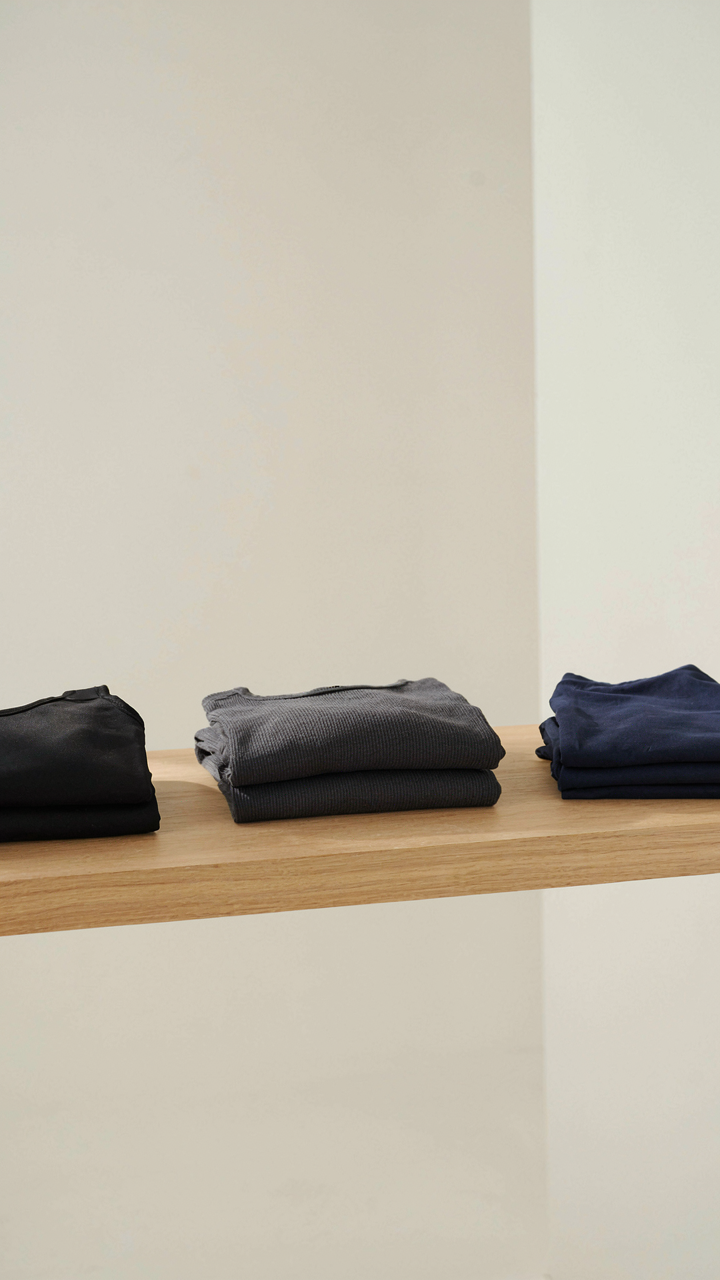
Start with a sports bra or base layer, a mid-layer, and bottoms that work in multiple conditions. These three pieces stack across seasons and training styles. Buy for function first, then check the material: recycled polyester, regenerated nylon, or blended recycled fibers. Wear them until they actually fail, not until you get bored. Most people own five times what they need and use the same three items anyway.
The Upgrade Trap Is Manufactured
Common advice says rotate gear to prevent wear and extend lifespan. That’s incomplete reasoning that serves brands, not you. The real trap is believing that newer technology fixes problems your current gear doesn’t have. Sustainable activewear companies won’t tell you this plainly: a well-made recycled piece outperforms a new synthetic piece for two to three years under normal training loads.
The perpetual upgrade cycle works because marketing creates the illusion of obsolescence. Your leggings don’t need replacing because a brand released a “new” color or waistband height. Track actual performance metrics: does the fabric pill, lose elasticity, or fail at the seams? Those are replacement triggers. Everything else is narrative. When you do upgrade, pass the old piece to someone who’ll use it, extending its useful life before recycling.
The Real Obstacle Isn’t The Fabric; It’s Your Endless Consumption Loop

You can buy recycled activewear every season and still participate in the same broken system. The material changed. Your behavior didn’t. Start here: wear what you own until it actually fails, not until the next drop. Sustainable activewear only works if you stop treating clothes like disposable content. You don’t need better fabrics. You need fewer purchases and longer relationships with what you already have.