
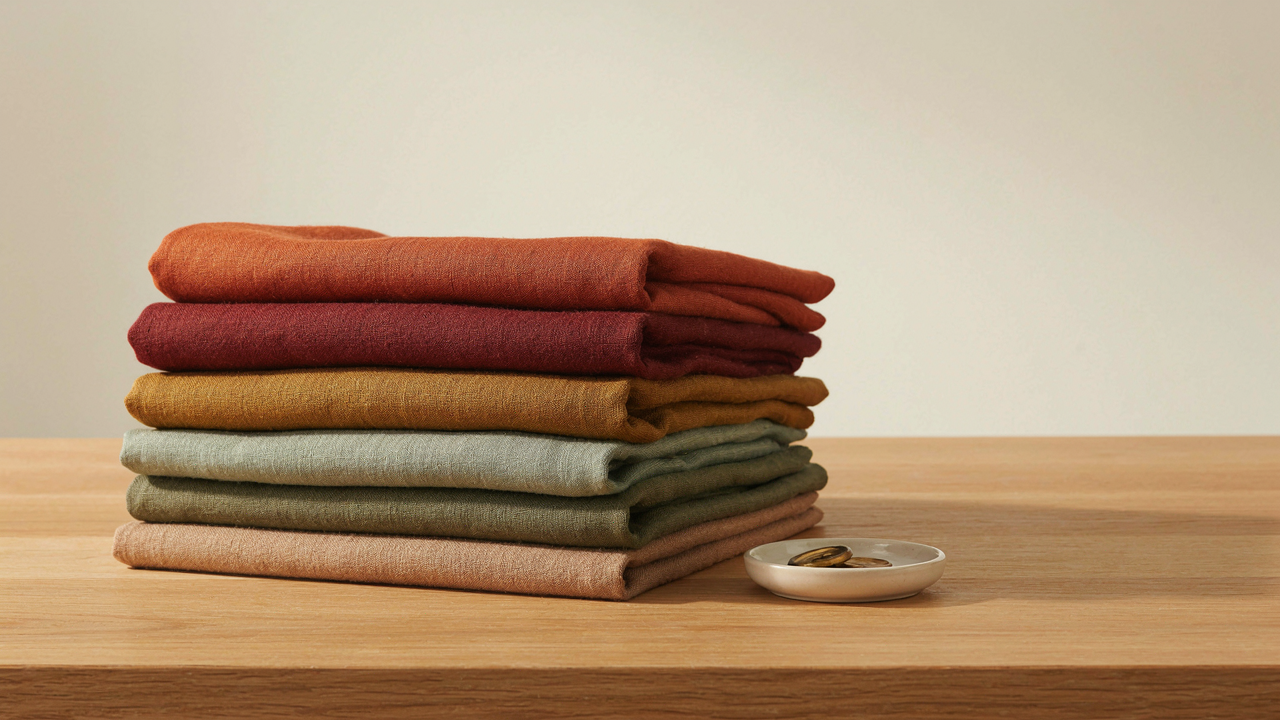
The Fabric Footprint Fallacy: Beyond Zero Waste Sewing Patterns
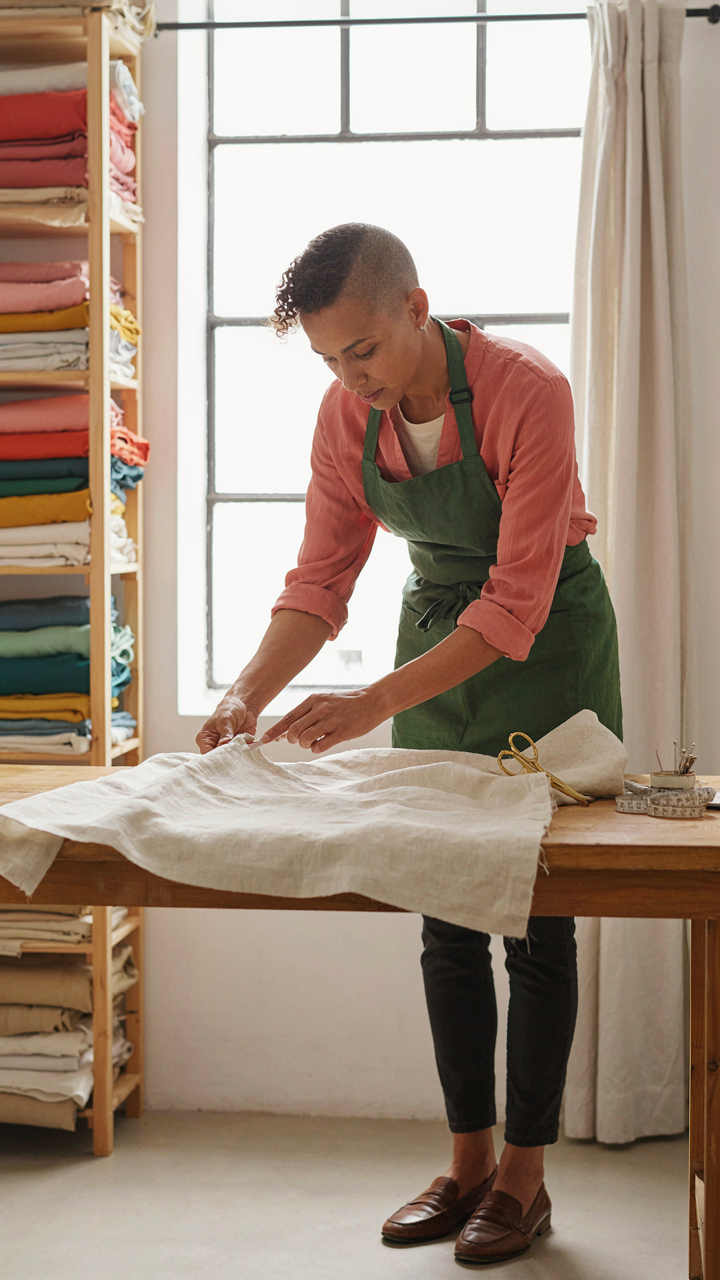
Where Your Fabric Actually Comes From
You want zero waste sewing patterns because they make you feel like you’re solving the problem. You’re not. The real damage happens before fabric hits your cutting table. Sourcing dominates impact. A zero waste pattern using conventional cotton creates more environmental cost than a pattern with 15% scrap made from regeneratively grown fiber. The material itself, not the cutting geometry, determines whether you’re actually reducing footprint or just moving guilt around.
Cotton production consumes 16% of global insecticide volume while occupying 2.5% of cultivated land. Polyester relies on petroleum extraction and generates microplastics in wash cycles. Linen demands water-intensive retting processes. A pattern that wastes 20% of a low-impact fabric beats a zero waste pattern using a high-impact one. The mechanism is thermodynamic: you cannot optimize your way out of a bad input. The pattern is not the leverage point.
The Scraps Everyone Ignores

This part gets overlooked because it’s boring: most fabric waste happens before the designer touches it. Mills produce cutting waste at 5-15% during industrial grading and bundling. Distributors discard inventory that doesn’t move. Retail stores mark down end-of-season rolls. These pre-consumer scraps represent real material loss that zero waste pattern design cannot address. You’re solving for the 2% consumer-side waste while ignoring the 10-12% systemic waste upstream.
The practical fix requires pattern designers to source deadstock fabric and mill ends rather than virgin yardage. Some pattern companies now partner with mills to buy overstock directly, converting waste into pattern development material. This shifts the equation: instead of perfecting a pattern to fit virgin fabric, you design patterns around fabric that already exists as waste. The mechanism changes from minimization to redirection. Request sourcing transparency from pattern publishers before crediting them with environmental impact.

The “Simple” Trap: Why Basic Zero Waste Patterns Fail
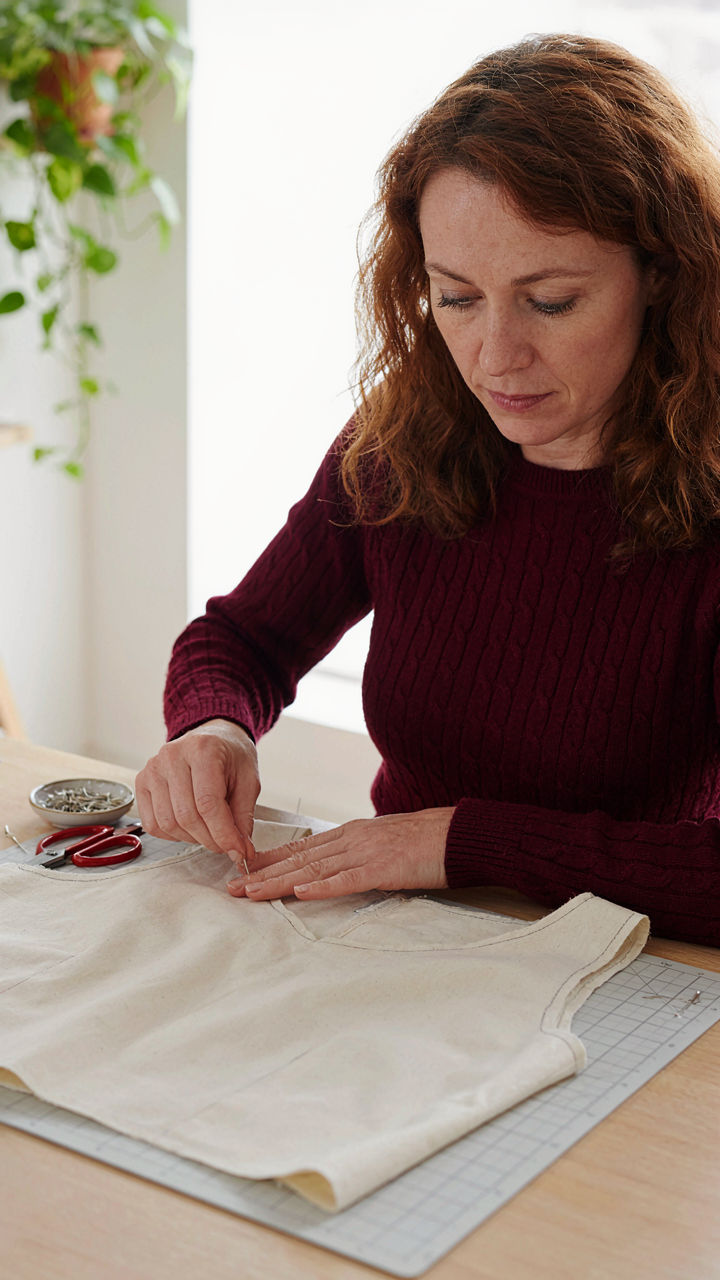
Complexity In Perceived Simplicity
You want to believe a zero waste pattern is simple because admitting complexity means you might fail at it. The real mechanism here borrows from systems design: what appears simple on the surface contains hidden interdependencies underneath. A basic rectangular top looks straightforward until you cut it. Then the grain line placement, seam allowances, and neckline construction reveal themselves as load-bearing decisions. One wrong assumption breaks the entire layout.
Most zero waste patterns fail because they optimize for pattern piece count instead of sewing logic. Designers minimize scraps by creating shapes that puzzle-fit on fabric, then hand off a pattern that demands precision most sewers don’t possess. The pattern looks clean on the diagram. The actual construction requires problem-solving at every step. Simple patterns that work come from designers who accepted the complexity and engineered solutions into the structure, not patterns that hide difficulty behind a clean aesthetic.
Building For Wear, Not Just Construction
Durability in garment design operates like material science: a structure is only as resilient as its stress points. Zero waste patterns often concentrate strain in specific seams because fabric optimization removes redundancy that actually protects high-wear areas. A standard top disperses force. A zero waste top using every scrap sometimes forces seams to bear loads they weren’t designed for.
The common advice ignores this: designers tell you to use quality fabric and call it durability. The real work happens in pattern architecture. Reinforce seams at armholes by adding facing width into the original pattern layout. Place grain lines strategically so the weave supports movement at shoulders and underarms. Build in hem allowances that actually survive repeated washing instead of vanishing after three wears. These choices determine whether a top lasts six months or three years. Start by mapping where your body moves most, then reverse-engineer the pattern to support that motion before cutting a single thread.
The Iterative Design Protocol: Zero Waste Fashion Pattern Evolution
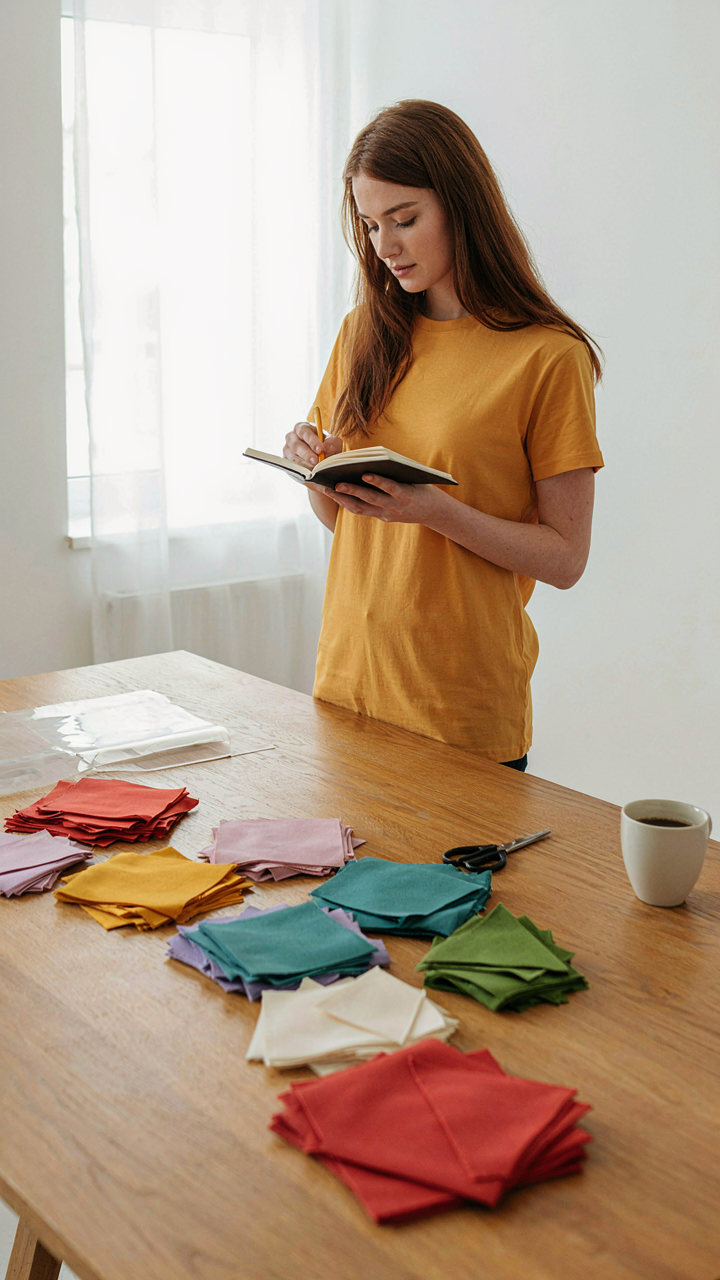
Pattern Testing Creates Real Constraints
You want this section because you’re afraid your patterns won’t work in reality and you’ll waste fabric anyway. That fear is useful. Treat zero waste pattern development like a biological feedback loop: organisms adapt when the environment punishes inefficiency. Your pattern is the organism. Fabric waste is the selection pressure. Iteration is survival.
Start with a base pattern for a simple top or skirt. Lay it on kraft paper at full scale. Cut it. Sew it. Wear it for a week. Document every gap, every scrap of unusable fabric, every place where the grain line fought you. This isn’t refinement work yet. This is data collection.
Redesign Based On What Actually Failed
Most pattern advice tells you to “trace around your body” or “add ease gradually.” That’s incomplete. The real mechanism: you can only eliminate waste after you know exactly where it comes from. A one-inch gap between the front and back bodice piece on a typical pattern means fifteen percent waste on a 45-inch bolt. Close that gap through repositioning, and you’ve solved the problem mathematically.
Take your first prototype’s actual scrap pile. Photograph it. Measure each piece. Sort by size. The pieces under two inches wide are permanent losses. The pieces between two and four inches become binding or trim. Anything larger signals a redesign opportunity. Your second iteration addresses only the largest waste source. Then test again. Repeat until waste becomes deliberately minimal, not accidentally sparse.
Beyond The Cut: The Lifespan Of Zero Waste Clothes Sewing Patterns

How Wear Patterns Drive Pattern Design
You care about this because you want to believe your sewing choice matters more than it actually does. The real mechanism is fabric fatigue. Garments fail where stress concentrates, not where fabric runs out. Zero waste patterns that ignore wear distribution create clothes that outlive their usefulness in high-friction zones while leaving untouched fabric in low-stress areas. This is waste disguised as efficiency.
Examine where bodies actually move. Armholes, crotch seams, and sleeve caps experience cumulative stress that breaks fiber bonds long before general deterioration. Zero waste pattern design must anticipate these failure points and either reinforce them structurally or position seams to distribute load differently. A pattern that saves fabric at the armhole but places a seam directly in the stress zone is a failed zero waste pattern. Durability trumps material efficiency every time.
Seams As Repair Infrastructure
The fashion industry sells repairability as virtue signaling. The actual principle is this: a garment designed for repair needs standardized seam placement and accessible construction methods before it’s even cut. Zero waste patterns often create irregular seam lines and angles that make mending impossible without rebuilding large sections. That’s not zero waste. That’s delayed landfill.
Choose patterns with straight grain seams positioned parallel to body lines. This matters because future repair work depends on being able to access, cut, and resew without fighting geometry. A simple A-line skirt with side seams allows straightforward hem extension, waist adjustment, or panel replacement. Build patterns with seam allowances visible and intentional, not hidden or minimized for material savings. The garment’s second life depends on how easily someone can work with its structure.
The Scarcity Mindset: Reclaiming Your DIY Sewing Clothes Autonomy
Freedom From Commercial Patterns
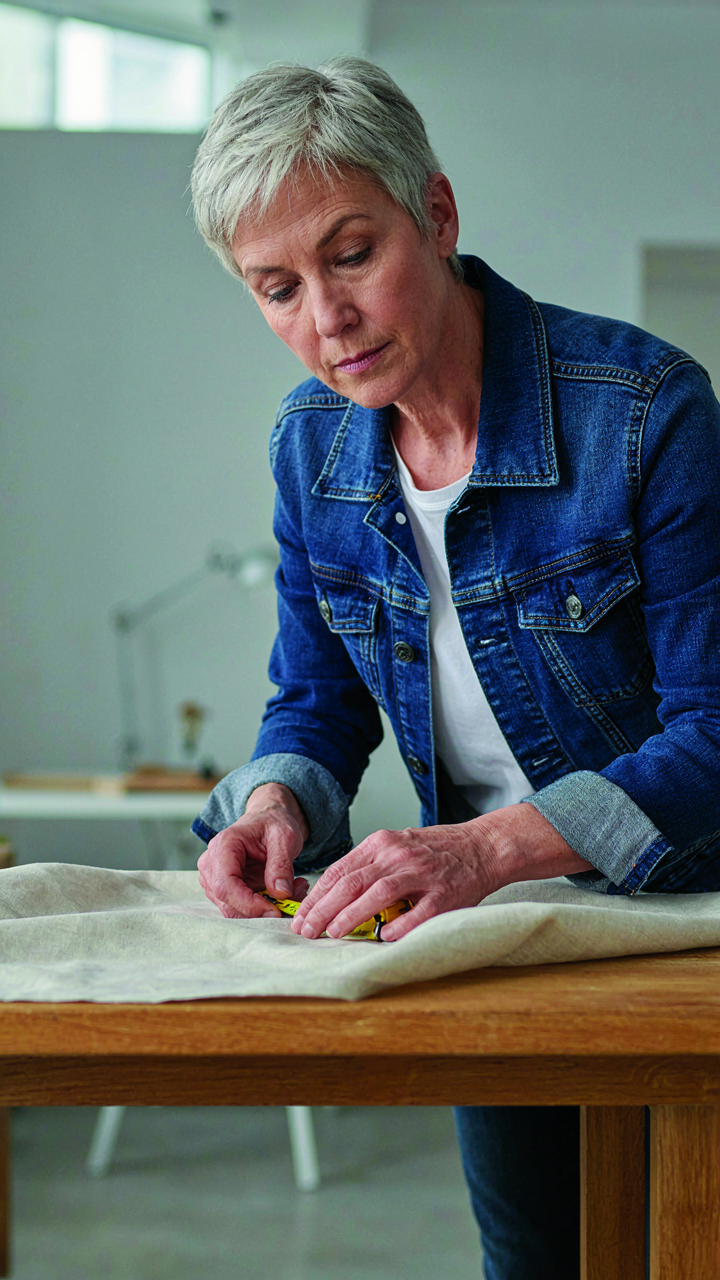
You want permission to break the rules without feeling like you’re doing it wrong. The real mechanism here is that commercial patterns train you to see fabric waste as inevitable, then monetize your acceptance of that waste. They’re built to fit standardized sizes and graded incrementally, which means they leave gaps. Those gaps become your scraps. You never question it because the pattern came in an envelope.
Zero waste pattern design flips this: it treats the pattern as a constraint problem, not a template you follow blindly. You don’t ask “how do I fit this pattern onto fabric?” You ask “how do I design a garment that uses this specific fabric shape entirely?” The autonomy isn’t about rebellion. It’s about owning the decision to eliminate waste instead of accepting someone else’s design tolerance as your limitation.
Resourcefulness Over Reliance
The common advice says resourcefulness means “use what you have.” That’s incomplete. True resourcefulness means understanding which design decisions unlock material efficiency, then applying them deliberately. This borrows from engineering: constraint-driven design. In manufacturing, constraints force innovation. A pattern maker who must use 100 percent of a rectangular piece of fabric invents differently than one who assumes 15-20 percent loss.
You build this skill by starting with actual fabric dimensions, not pattern envelopes. Measure your material first. Note its width, length, and any irregularities. Then draft or adapt patterns that account for those measurements as fixed inputs, not obstacles to work around. This reversal trains your eye to see layout efficiency. After three or four garments, you stop needing commercial patterns altogether because you understand the geometry. The mechanism is simple: repetition under constraint builds pattern literacy faster than following instructions ever will.
The Aesthetic Anomaly: Zero Waste Fashion That Doesn’t Compromise
When Constraint Becomes The Design Brief
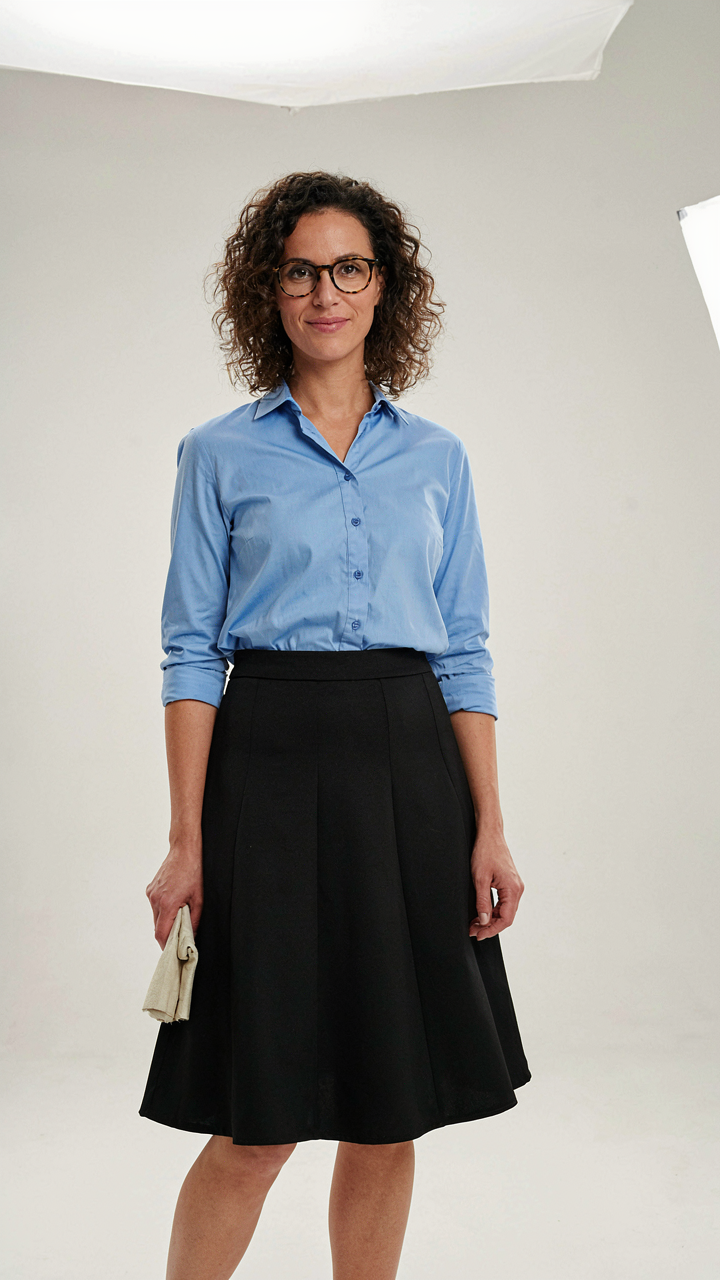
You’re worried zero waste patterns will make you look like you’re wearing a patchwork quilt from 1987. Here’s the mechanism nobody states: constraint in design forces intentionality. In military strategy, this is called “economy of force”—you allocate resources where they matter most. Zero waste sewing flips this. Instead of cutting fabric and discarding scraps, you design the garment around the material’s dimensions from the start. This means pattern pieces nest tightly. Seams run deliberately. The result reads as refined, not makeshift, because there’s zero waste in execution.
The difference between a zero waste top and a careless patchwork is direction. A patchwork hides seams and calls attention to them anyway. A zero waste pattern celebrates grain lines and geometry. The Bauhaus movement proved this decades ago—limitation forced clarity. You’re not compromising aesthetics. You’re removing the noise that made mediocre designs pass as acceptable. Strategic constraint produces visual clarity that generic patterns cannot achieve.
Design Purpose, Not Design Punishment
The common advice says zero waste patterns are about saving fabric. That’s incomplete. The real mechanism: zero waste patterns force you to choose proportion and placement before cutting starts. This means every design decision is visible. A dropped armhole can’t hide in excess fabric. A waist seam has to sit exactly where it belongs. You cannot adjust afterward because nothing remains.
This creates the opposite of compromise. The garment becomes more intentional precisely because you cannot default to standard proportions. A simple A-line skirt designed zero waste requires you to define hip curve, length, and hem proportion before a single piece leaves the pattern paper. When executed well, this specificity reads as sophistication. The garment fits better because fit was the design principle, not an afterthought. Measure your body twice, mark your grain lines, and let the pattern dimensions follow your actual frame.
The Unseen Value: The True Cost Of Zero Waste
Time Investment, Not Just Fabric
You’re calculating this wrong. You think zero waste saves money because you use every scrap of fabric. That’s the surface read. The real cost is the hours you trade for that fabric efficiency, and you need to know if that trade actually works in your favor.
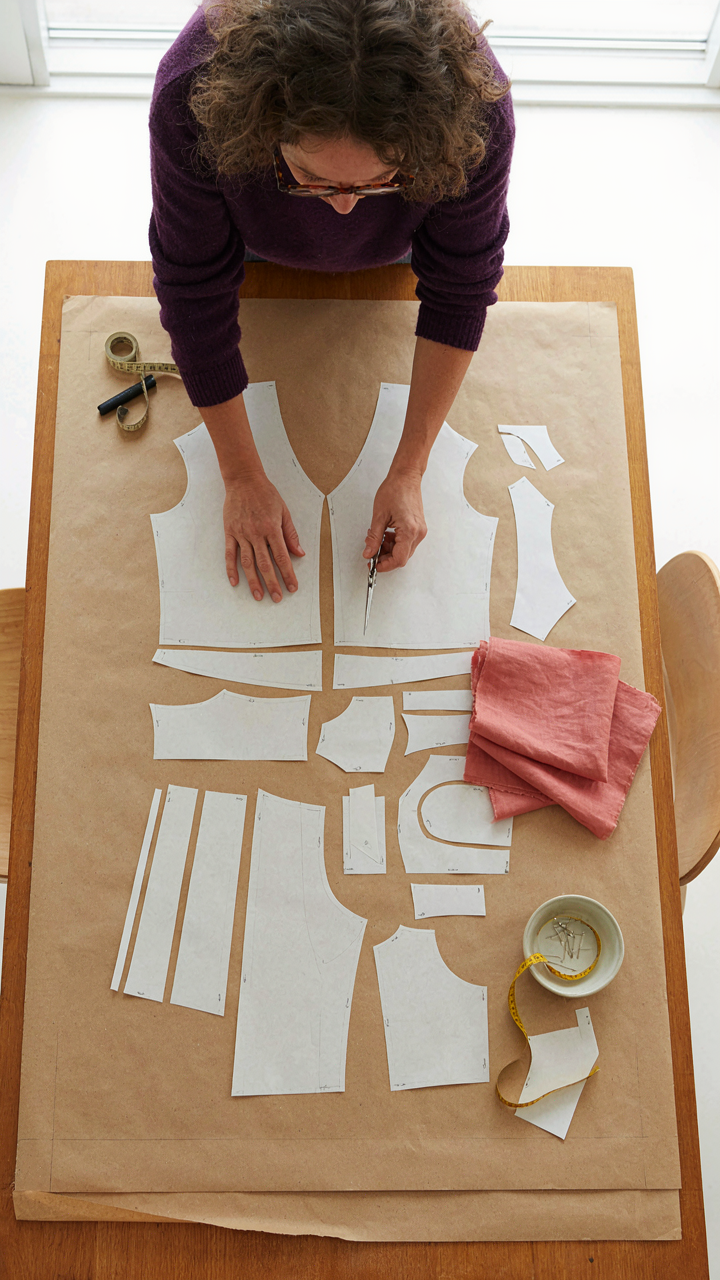
Zero waste pattern design demands front-loaded planning time that standard patterns skip entirely. You’re laying out pieces on paper, testing rotations, measuring grain lines, marking notches before you cut a single inch of cloth. A conventional top pattern takes fifteen minutes. A true zero waste layout for the same top takes forty-five minutes to an hour. That’s time you’re spending before fabric touches scissors.
The mechanism is simple: zero waste patterns compress waste by forcing precision into the design phase instead of accepting offcuts as normal. Most sewers run the numbers on fabric cost alone and miss the labor cost entirely. If you earn thirty dollars an hour and spend an extra thirty minutes on layout, that’s fifteen dollars of your time before you gain any fabric savings. Your scrap fabric has to be worth more than fifteen dollars to break even on this single project.
Skill Acquisition As Asset
Everyone tells you that learning zero waste sewing makes future projects faster. That’s incomplete. What actually happens is you develop a specific type of spatial reasoning that transfers to other design work, not just sewing.
Your brain learns to read negative space as material, not waste. This is a cognitive shift. After you complete five zero waste projects, you see fabric differently in all contexts. You spot opportunities to nest pieces that most sewers miss entirely. You understand grain line strategy at a deeper level because you’ve had to solve for it under constraint, not just follow generic guidance. This skill compounds across projects, reduces planning time on subsequent garments, and creates an actual advantage over time.
The payoff isn’t immediate. It’s accumulated. After you’ve completed ten garments using zero waste principles, your layout time drops by fifty percent because you’ve internalized the spatial logic. At that point, every garment you make saves real hours and real fabric. The asset isn’t the pattern itself. It’s the decision-making framework you’ve built that makes every future design faster and more efficient. Track your layout time across your first five projects to see when the curve bends in your favor.
The Anti Consumption Blueprint: Beyond Zero Waste Dress Pattern Obsession

Build Your Actual Uniform
You’re reading this section because you want permission to stop shopping, not because you genuinely understand what stops the urge to buy. The mechanism is simple: scarcity creates satisfaction. Zero waste patterns work only when you deliberately limit what you make. Most sewers treat patterns like consumers treat fast fashion—collecting without constraint. You own the pattern. The pattern doesn’t own you back. Curated wardrobe means you decide the boundaries first, then sew within them.
- Fiber Foundation: Choose two to three natural fibers maximum. Cotton and linen work across seasons and climates. Switching fibers fractures your wardrobe cohesion and creates shopping pressure when items don’t mix.
- Color Palette Lock: Select three to four base colors that repeat across every piece you make. Neutrals anchor the system. Pattern mixing becomes easier when colors stay consistent and predictable.
- Silhouette Repetition: Commit to one or two basic shapes for tops and one for skirts. The Grainline Studio Simple Wrap Top or Merchant and Mills Patterns Schoolhouse Skirt examples show how constraint drives recognition and wearability.
- Seasonal Editing: Make one top and one skirt per season maximum. This forces intentionality and prevents the digital hoarding of patterns you’ll never cut into fabric.
- Fit Documentation: Record exact measurements and alterations in a physical notebook, not your phone. Repetition requires you to remember what worked, not re-discover it.
The goal isn’t variety. The goal is depth. You wear what you make repeatedly because you made it deliberately, not because marketing convinced you that you needed it. This is the actual anti consumption move: making clothes so aligned with your life that buying new ones feels absurd.
Make Less, Keep More
Most zero waste sewing advice tells you to make more pieces so waste decreases per item. That’s backwards economics. The real leverage point comes from economics’ concept of marginal utility: each additional garment you own adds less value than the last. You already own enough. Making one intentional piece quarterly beats making four pieces monthly that sit unworn.
Mindful creation means you sew only when you can articulate why the piece solves a specific problem in your life. Not because you found a pattern. Not because you have leftover fabric. Not because making clothes feels productive. You measure wear before you cut. A skirt you’ll wear 80 times beats five skirts you’ll wear 15 times each. Minimal acquisition isn’t deprivation. It’s math. Write down what you actually need before you touch any pattern or fabric.
The Real Obstacle Isn’t Fabric Scraps; It’s Your Addiction To External Validation

You know why most people never start with zero waste sewing patterns? They’re waiting for permission. They want proof it’ll look good before they cut. They need someone online to validate the idea first. Stop waiting. Grab any fabric you own today and sketch one pattern piece on it with a pen. Don’t overthink it. The only validation that matters is the one you feel when you wear something you built from nothing. Everything else is just noise.