
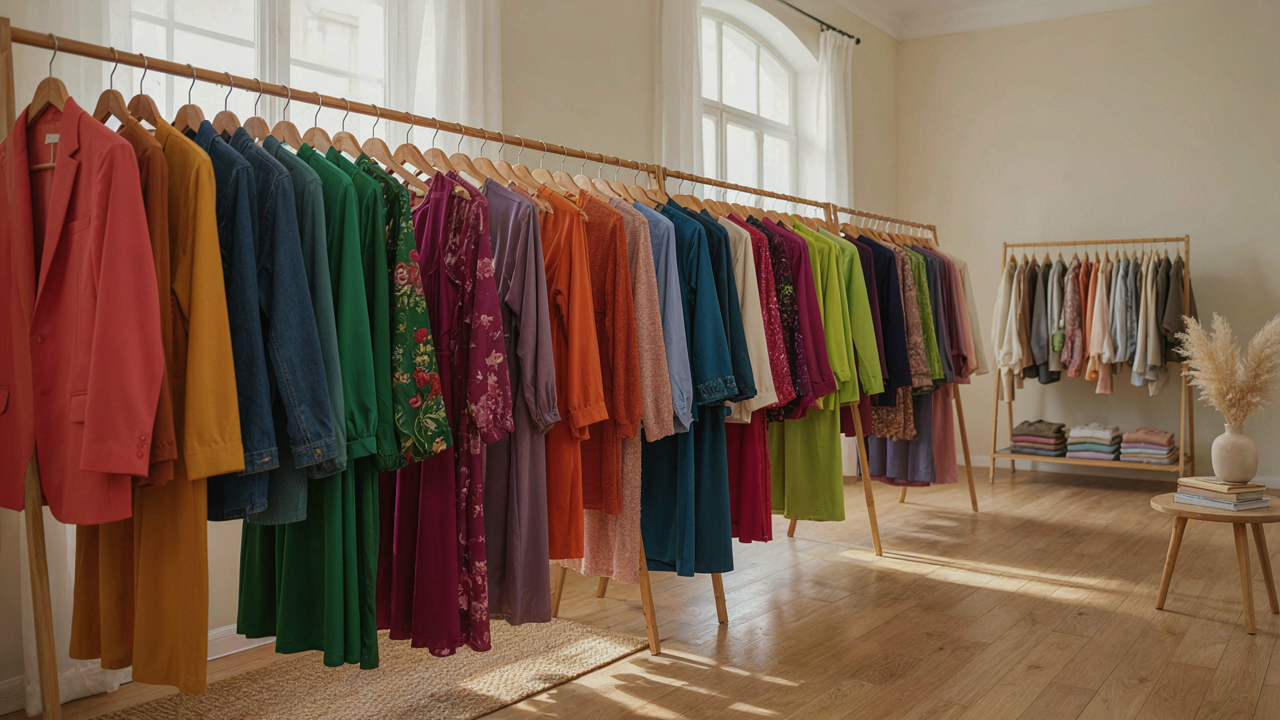
Beyond The Hype: Your Thrift Haul Is Not A Strategy

Random Acquisition Dilutes Personal Brand
You think a thrift haul proves you have taste. That’s the real motive here. But acquisition without constraint is branding suicide. Economists call this the paradox of choice: more options create paralysis and weaker decisions. Your closet works the same way. Every random piece you buy increases decision friction without increasing your actual wearability. You end up with 40 items that don’t talk to each other instead of 15 that do.
Personal brand requires coherence. Every piece must either reinforce or deliberately subvert a specific aesthetic direction. When you thrift without a framework, you collect contradictions. A 90s minimalist slip dress, a oversized Carhartt jacket, vintage Fendi sunglasses, and a graphic tee from an obscure band don’t form a wardrobe. They form noise. The cost isn’t the $8 you spent. It’s the mental real estate each misaligned piece occupies every time you get dressed.
Decision Fatigue Costs More Than Price Tags

The common advice says thrifting saves money. True on paper, false in practice. Each “bargain” you buy extends your morning routine and clutters your decision tree. You didn’t save $120 on a jacket when you spend 30 seconds daily for two months wondering if it fits your actual life. That’s decision debt, and it compounds.
The mechanism is simple: every item below market price feels like a win, so you lower your curation threshold. You buy seven pieces when you’d buy two at full price because the savings feel like permission. You’ve actually increased your cognitive load while decreasing your outfit coherence. Before your next haul, establish a predetermined constraint: silhouette, color palette, era, or function. Then buy only pieces that reinforce that single rule. Everything else stays on the rack.

The “Thrift Finds” Filter: What You Actually Need

Know Your Aesthetic Before You Walk In
You’re scared of wasting money on pieces you won’t wear. That’s the real problem here, and it’s valid. The mechanism is simple: most people thrift without a filter, then rationalize purchases later. You need the opposite. Economics calls this constraint optimization. In thrift hauls, constraint is your aesthetic—a predetermined set of colors, cuts, and eras you actually wear. Without it, you buy noise instead of signal.
Your aesthetic isn’t vague taste. It’s a working definition of three to five colors you own, the silhouette era you default to, and the specific materials that fit your body. If you’ve worn black, cream, and olive for two years, that’s your palette. If 1990s oversized cuts feel like home, that’s your era. Write these down before you thrift. This single step kills 80 percent of impulse buys that clutter your closet and never form outfits.
The Three Item Rule For Everything
Forget the “does this spark joy” advice. That’s feeling-based shopping disguised as strategy. The real filter is mechanical: every piece you consider must work with three existing items you already own. This forces compatibility thinking instead of aesthetic fantasy. You’re not buying potential—you’re buying parts that connect to your existing system.
Before checkout, name the three pieces each thrift item touches. A vintage blazer works with your black tees, cream pants, and that one belt you rotate. A secondhand sweater layers over two shirts and under your denim jacket. The moment you can’t name three connections, you don’t buy it. This protocol turns hauls from collections into actual outfit infrastructure.
The Uniform Protocol: Your Daily “Cute Everyday Outfits” System
Build Foundation Pieces That Repeat
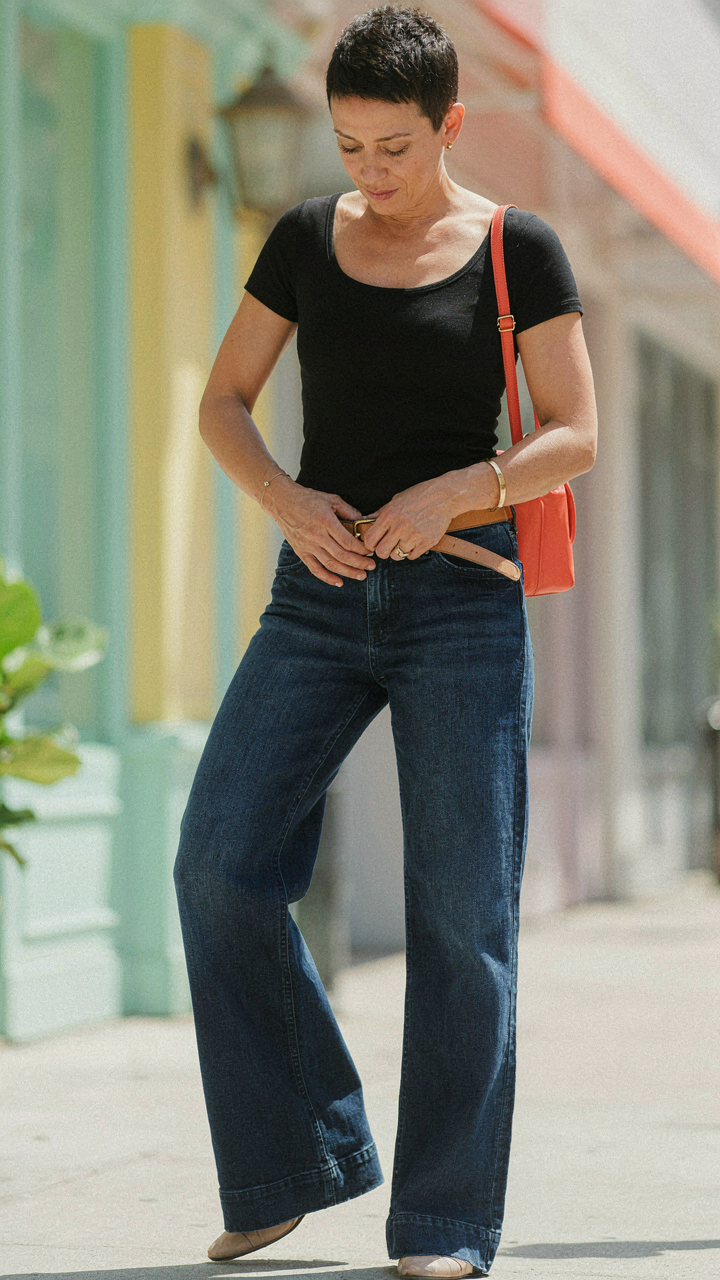
You want a shortcut. You’re tired of decision fatigue and looking at strangers’ outfits on the internet. Here’s what actually works: you need a silhouette template that doesn’t change. In clothing construction, fit is the variable that determines whether something reads as intentional or accidental. Most thrift hauls fail because people buy pieces without a silhouette anchor—tops, bottoms, and layering items that work together in proportion.
Pick one silhouette and commit to it for three months minimum. The silhouette is the outline your body creates: fitted top with relaxed bottom, oversized everything, or structured jacket over slim base. Every thrift piece you buy must fit into this frame. Denim fit, shirt length, jacket proportions—these stay consistent. This eliminates the cognitive load of mixing incompatible shapes and creates the visual coherence people mistake for “having good taste.”
Swap Details For Different Occasions
The common advice here is garbage: people tell you to “change your accessories” or “style it differently,” which is vague and useless. What actually shifts between contexts is the formality level and the skin you show. A fitted shirt works at a coffee shop as a bare layer; that same shirt layers under a sweater vest for work. Your core silhouette remains identical.
Develop two to three “detail swaps” for your silhouette template. These are specific additions that signal context: a blazer or structured jacket for professional settings, a tight belt at the waist for casual going-out looks, a loose overshirt for running errands. The base outfit never changes. You’re not creating five completely different looks—you’re modifying the same foundation by toggling structure, coverage, and intentionality markers. This is how thrift haul outfits scale without chaos.
Deconstructing “Really Cute Outfits”: The Color Theory Approach

What Your Actual Color Palette Is
You want permission to stop guessing whether you look good in something. That’s the real reason you’re reading this. Color theory borrowed from visual art gives you that permission. In art, a color palette isn’t about preference—it’s a constraint system. Your skin undertone, hair depth, and eye saturation form a limited set of wavelengths that either amplify or flatten your appearance. Thrift haul outfits succeed or fail partly on whether the colors you stack match this constraint.
Most people skip this and buy whatever looks good on the hanger. They don’t account for the fact that color works through contrast and harmony, not isolation. Your personal palette exists whether you name it or not. Naming it means you spend less time in fitting rooms and more time assembling pieces that compound in value. Start by identifying whether your undertone runs warm, cool, or neutral. Hold a gold and silver bracelet against your inner wrist in daylight. The metal that disappears into your skin is your undertone. This single fact eliminates half the color guessing.
Stacking Colors To Create Intention
Building an outfit around color schemes stops the chaos of “does this match?” Most thrift haul advice treats color matching like a feeling. It’s not. A monochromatic scheme uses one color in different values. An analogous scheme uses colors next to each other on the color wheel. A complementary scheme uses colors opposite each other. Each creates a different energy and communicates a different message through your outfit.
The mechanism is this: when colors intentionally relate to each other, the outfit reads as designed rather than assembled. Your eye doesn’t have to work. Pick one color as your anchor—a thrifted blazer, a pair of pants, a base layer. Then choose your second color using one of the three schemes above. Add neutrals or a third accent only after those two commit to a relationship. This is how five different outfits emerge from the same haul. You’re not creating new pieces. You’re rotating the color logic underneath.
The Multiplier Effect: Styling Your Thrift Haul Five Ways

Accessories Replace, Not Supplement
You want proof that five outfits from one haul is possible without buying more pieces, because spending money defeats the point. Here’s the mechanism: accessories work like multipliers in mathematics—they don’t add value linearly, they compound it. A blazer with a silk scarf reads corporate. The same blazer with a leather belt and boots reads weekend. Same garment, inverted meaning, zero additional base pieces required.
The error most people make is treating accessories as decoration. They’re not. They’re the variable that changes the outfit’s entire context and season. A linen shirt works summer with sandals and a minimal bag. Swap for a wool sweater, loafers, and a structured tote, and it becomes autumn business casual. The shirt doesn’t change. Your accessory choices rewrote its purpose.
- Belts: Change the silhouette and era of any dress or loose top. A 1990s slip dress with a wide belt reads completely different than the same piece worn loose.
- Footwear: Controls whether an outfit reads formal, athletic, casual, or period-specific. Identical outfit with sneakers versus loafers signals different contexts entirely.
- Bags: Anchors the outfit’s perceived occasion and formality level. A structured leather bag elevates thrift pieces; a canvas tote softens them.
- Layering pieces: Cardigans and jackets stored with outfits create three distinct variations without new garments. They’re seasonal and tonal adjustments.
- Jewelry and scarves: Shift visual weight and signal decade or subculture. Minimal jewelry with vintage pieces reads intentional; bold jewelry reads editorial.
This is why accessory strategy matters more than owning twenty base pieces. Your existing thrift haul stays the same. You’re just redirecting focus to what actually creates variation.
Layering Dynamics For Seasonal Versatility
Layering isn’t about staying warm. That’s the surface reason people cite. The real mechanism is temporal collapse—you’re forcing one piece to work across multiple seasons by pairing it strategically with what goes underneath or on top. A sleeveless linen dress is summer. Add a fitted long-sleeve shirt beneath it and it becomes spring or fall. Throw a wool cardigan over it and that same dress now reads winter.
The constraint of thrift haul outfits forces you to understand fabric behavior across temperature shifts. A lightweight merino wool sweater from the 1980s actually works three ways: alone in mild weather, layered under a jacket for cold, or worn open as a beach cover-up. Vintage pieces often had better material density than contemporary fast fashion, which means they layer without bulk. You’re not adding pieces—you’re using the same pieces in different configurations with different visual prominence.
The protocol is simple. Photograph each piece solo. Then photograph it layered with every other piece in your haul. You’ll find five to seven distinct combinations you didn’t see before. The outfit wasn’t hiding. Your layering options were.
Vinted Haul Optimization: Buying With Exit Strategy

The Resale Math Before You Buy
You’re afraid you’ll waste money on pieces that don’t work. Here’s the mechanism: thrift buying only works if you treat each purchase as a temporary lease, not permanent ownership. The economics are simple. A garment loses value the moment you take it home, but thrifted pieces start at 80 percent off retail already. That compressed value curve means you can buy, wear, and sell with minimal loss if you choose correctly upfront.
Before checkout, ask three questions. What did this cost new? What would it fetch resold in current condition? Would you wear it enough to justify the gap between those numbers? High-resale-value pieces hold patterns: designer denim, heritage brand outerwear, structured vintage handbags, premium knitwear without visible pilling. Avoid trend-locked items that peaked two seasons ago or cheap fast fashion with seams already separating. Your exit strategy starts in the thrift bin, not the closet.
Declutter By Design, Not Desperation
Most people declutter wrong. They wait until the closet bursts, then purge everything at once in an emotional panic. That’s reactive. Proactive decluttering means removing one piece immediately after you know it won’t work, before it takes up mental space or hangers. The mechanism borrows from inventory management: you set a fixed rotation cycle and enforce it systematically, not when you feel guilty.
Establish a rule now. If you haven’t styled a thrift haul piece into five different outfits within two weeks, it doesn’t align with your actual wardrobe. Wear it, photograph the combinations, then decide. If those five looks don’t exist, sell it back to Vinted while it’s still fresh condition. This keeps your thrift hauls functional instead of turning them into storage units for failed experiments. The discipline of the two-week window forces honest assessment before attachment sets in.
Beyond Trends: Cultivating True Style From “Vintage Haul” Items

The Durability Test
You want proof that what you bought won’t embarrass you in two years. That’s the real question underneath all this. The mechanism is simple: trends move fast because they’re designed to. Fashion cycles exist to create urgency and obsolescence. A timeless piece, by contrast, solves a functional problem without announcing when it was made. A white Oxford shirt from 1985 looks identical to one from 2024 because the design already solved what needed solving. A pair of Levi’s 501s in raw denim works the same way. Construction quality matters more than trend alignment. Check seams, fabric weight, and hardware. Pieces that last twenty years share a pattern: they prioritize utility over novelty.
The test is mechanical. Wear it mentally through five different scenarios in your head. Does it fit those scenarios without looking like a costume? Does the fabric feel substantial when you hold it? Are the seams tight and straight? Does the garment solve a problem or just fill a hole in your closet? If you hesitate on any of these, it’s trend bait masquerading as vintage. Move on.
Mixing Eras Without The Costume Effect
The common advice says “balance vintage with modern pieces.” That’s incomplete. The real mechanic is proportion and material conversation. Vintage pieces work in contemporary outfits when they share the same visual weight and fabric logic as current clothes. A 1970s wool blazer with a modern silhouette sits next to a contemporary white tee because both exist in the same material language: structured, matte, intentional. A hyper-distressed band tee from 1992 clashes with minimalist basics because the visual noise level doesn’t match. One’s screaming for attention. One isn’t. Your brain reads this as either cohesive or confused.
The protocol: identify the “era signal” of each vintage piece. Band graphics, bold patterns, and oversized cuts signal a specific time. Neutral colors, clean construction, and neutral fits don’t. Pair high-signal vintage with low-signal contemporary. Pair low-signal vintage with anything. Never pair two high-signal pieces unless you’re deliberately making a statement piece outfit, which is the exception, not the rule. This is why thrift haul outfits succeed or fail before you leave the house. Test the material and silhouette logic before you layer anything on top of it.
The “Dream Clothes” Fallacy: Why More Isn’t Better

The Diminishing Returns Wall
You’re hoping a bigger wardrobe fixes your outfit problem. It won’t. Economics calls this diminishing marginal utility: each additional item you add creates less value than the one before it. Your first thrift haul piece solves a real gap. Your tenth doesn’t. Most people don’t recognize the moment the curve flattens because they’re still chasing the feeling of possibility rather than actual wearability.
The math is brutal. A twenty-piece wardrobe with pieces that talk to each other generates roughly four times more outfit combinations than a fifty-piece wardrobe with random items. You stop gaining flexibility after a certain threshold. At that point, shopping becomes a substitution for decision-making, not a tool for it. More inventory just means more decision paralysis and more unworn pieces taking up space.
The Concentrated Wardrobe Works Harder
A small, intentional collection beats a large one because constraints force compatibility. You can’t buy a piece that doesn’t connect to what you already own. This is the opposite of how most people thrift. They hunt for individual “dream pieces” instead of building a system where everything works together. A curated wardrobe performs better because every item earns its role through repeated use, not novelty.
The practical test: if you can’t create five distinct outfits from a single thrift haul piece paired with basics you already own, that piece doesn’t belong in your collection yet. Constraint isn’t limitation. It’s the mechanism that forces intentionality. Track which items actually leave your closet each week. Your real wardrobe is what you wear, not what you own. Start there when deciding what to hunt for next.
Maintaining Your “Cute Fits” System: The 80/20 Wardrobe

Track What Actually Gets Worn
You want to believe you’re the type of person who wears everything you buy. You’re not. The mechanism is simple: attention follows use. Your most-worn pieces send a clear signal about your actual taste and lifestyle, not your aspirational one. Track what you reach for by noting the items you wear twice in one week. That’s your signal. Everything else is clutter disguised as potential.
The thrift haul advantage is that you can track this data fast because you paid low stakes for the pieces. Within two weeks of wearing a thrifted item, you know if it rotates into your system or sits. Don’t wait months. If a piece from your haul hasn’t been worn by week three, it’s already dead weight. Your closet should reflect patterns, not possibilities.
Remove Items That Compete For Space
Most advice tells you to keep things “just in case.” Wrong. The real cost isn’t the storage. It’s decision fatigue. Every piece that doesn’t work competes for mental bandwidth when you’re building an outfit. Economics calls this opportunity cost. In your closet, it means every mediocre thrifted item you keep is one less obvious choice when you’re getting dressed. Remove the middling pieces first. Those are your real problems.
Culling isn’t about being ruthless for the sake of it. It’s about raising your baseline. If you own 40 pieces but only 12 of them actually work together, you’re operating at 30 percent efficiency. The 28 dead pieces create friction. Pull them out. Your thrift haul outfits function better when every remaining piece has a clear role and multiple pairings. Cut until the remaining items build on each other.
The Only “Thrift Haul” Strategy You Need

Buy Basics That Don’t Need Trends
You’re here because you think thrift hauls are about finding rare pieces before anyone else does. They’re not. The mechanism is simple: basics solve the five-outfit problem. A white Oxford shirt, dark jeans, a neutral sweater, a blazer, and a plain tee are the scaffolding. Everything else hangs on them.
The reason most thrift hauls fail is people chase novelty instead of utility. They buy patterned vintage shirts and niche pieces that only work once. Thrift stores have endless basics because basics never go out of rotation. Buy what you’d replace at full price. Cotton holds up. Wool lasts. Synthetic blends fade. The fabric determines the lifespan, not the decade it came from.
Build A Personal Uniform Outside The Algorithm
Trend cycles are borrowed from fashion marketing, not from how humans actually dress. Your signal is consistency, not rotation. The real move is isolating three to four color anchors you wear repeatedly, then finding thrift pieces that fit those anchors exclusively. Navy, white, black, and tan. Gray, cream, olive, and charcoal. Pick your range and stop shopping outside it.
Most people stumble because they buy pieces that photograph well instead of pieces that layer. A five-outfit framework only works if each piece plays with the others. When you commit to a personal uniform, you train your eye to skip 95 percent of the rack. You move faster. You find better fits. You spend less. The thrift haul becomes a restocking mission, not a hunt.
The Real Obstacle Isn’t Finding Dream Clothes; It’s The Endless Pursuit Of External Validation Through Your Wardrobe

You already own the pieces to create ten outfits. The problem is you keep hunting for permission to feel confident in them. Stop waiting for the perfect thrift find to validate your style. Pick one outfit from your haul today and wear it like you designed it yourself, because you did. The clothes don’t make you interesting. Your refusal to apologize for wearing them does.