

Tencel Fabric: The Unspoken Engineering Behind “Sustainable”

How The Solvent Loop Actually Works
You care about this section because you want proof that your clothes are made responsibly, not because you understand the chemistry. Here’s the mechanism: Tencel uses a closed-loop lyocell process that treats the manufacturing solvent like capital, not waste. The solvent—N-methylmorpholine N-oxide (NMMO)—dissolves wood pulp into a viscous solution, then gets recovered and recycled back into production instead of dumped. This recovery loop captures roughly 99 percent of the solvent, which cuts both environmental load and production costs. The system works because recycling the expensive solvent is cheaper than replacing it.
The reason “closed-loop” matters: it’s not marketing language. Open-loop viscose production loses solvent to air and water, forcing manufacturers to constantly buy new supplies and dispose of contaminated waste streams. Tencel’s engineering inverts that equation. You’re not paying premium prices for virtue signaling. You’re paying for a process that makes financial sense at scale, which means the incentive to maintain it stays aligned with the outcome. The solvent recovery happens through distillation and filtration—standard industrial protocols that remove contaminants and return purified NMMO to the dissolving tanks.
Where The Raw Material Actually Comes From

Eucalyptus plantations supply the wood pulp for Tencel, and this matters more than most people admit because it determines whether the fabric is genuinely lower-impact than alternatives. Eucalyptus grows fast, requires minimal pesticides on managed farms, and converts to pulp efficiently. The tree species is not native to most production regions—primarily southern Africa, South America, and Australia—but it’s cultivated specifically because its growth cycle outpaces demand. This is supply-chain engineering, not environmental heroics. The wood arrives as chips or processed pulp at manufacturing facilities, where it dissolves into the NMMO solvent to begin the lyocell process.
The trade-off nobody states plainly: sourcing eucalyptus avoids the deforestation pressure that hardwoods and softwoods face, but it doesn’t eliminate land-use questions. Some plantations occupy previously forested areas. The real differentiator is traceability. Tencel fibers come from Lenzing, an Austrian company that publishes supplier lists and coordinates with forest certification bodies like FSC and PEFC. This doesn’t make eucalyptus pulp perfect, but it makes the supply chain auditable. When you buy Tencel, you’re buying accountability baked into the process, which means verification happens before the fabric reaches your closet.

Beyond Softness: Lyocell Fabric Benefits You Actually Need

Why Tencel Moves Sweat Away From Your Skin
You care about this because you want performance gear that doesn’t announce itself through visible sweat patches. Here’s the mechanism: lyocell fibers have a hollow, porous structure that pulls moisture away from skin faster than cotton or polyester. The physics term is capillary action—the same force that moves liquid up a paper towel. Tencel’s structure creates a capillary network that wicks sweat horizontally across the fabric surface, where it evaporates before pooling against your body.
Most performance fabrics rely on synthetic coatings or chemical treatments to achieve moisture management. Tencel does it through fiber architecture alone. The hollow core and rough surface texture work together during the manufacturing process when cellulose dissolves and reforms. For someone training in heat or moving through humid environments, this matters. The sweat moves outward, not inward into your skin pores, which keeps you cooler and prevents that clammy feeling that derails focus.
Temperature Stays Neutral Without The Bulk
Tencel regulates temperature without trapping heat like synthetic insulation. The fiber’s cellular structure breathes constantly because air moves through the hollow sections. Unlike down or fleece that create dead air pockets, lyocell maintains contact between layers and skin while allowing vapor transmission. This is why runners and cyclists wear it in transitional weather—the fabric adapts rather than overheating you.
Cotton absorbs moisture and holds it, which actually drops your body temperature through evaporative cooling—useful if you’re stationary but dangerous if you move in and out of shade. Tencel splits the difference. It absorbs enough to prevent overheating but releases moisture quickly enough to avoid the wet-clothing problem. Wear Tencel when your activity level shifts throughout the day, or when you move between temperature zones. Check the garment tag for blend percentage since 100% lyocell performs differently than 60% lyocell mixed with synthetics.
The Tencel Lyocell Vs Modal Deception: Know The Difference
Where Lyocell Wins
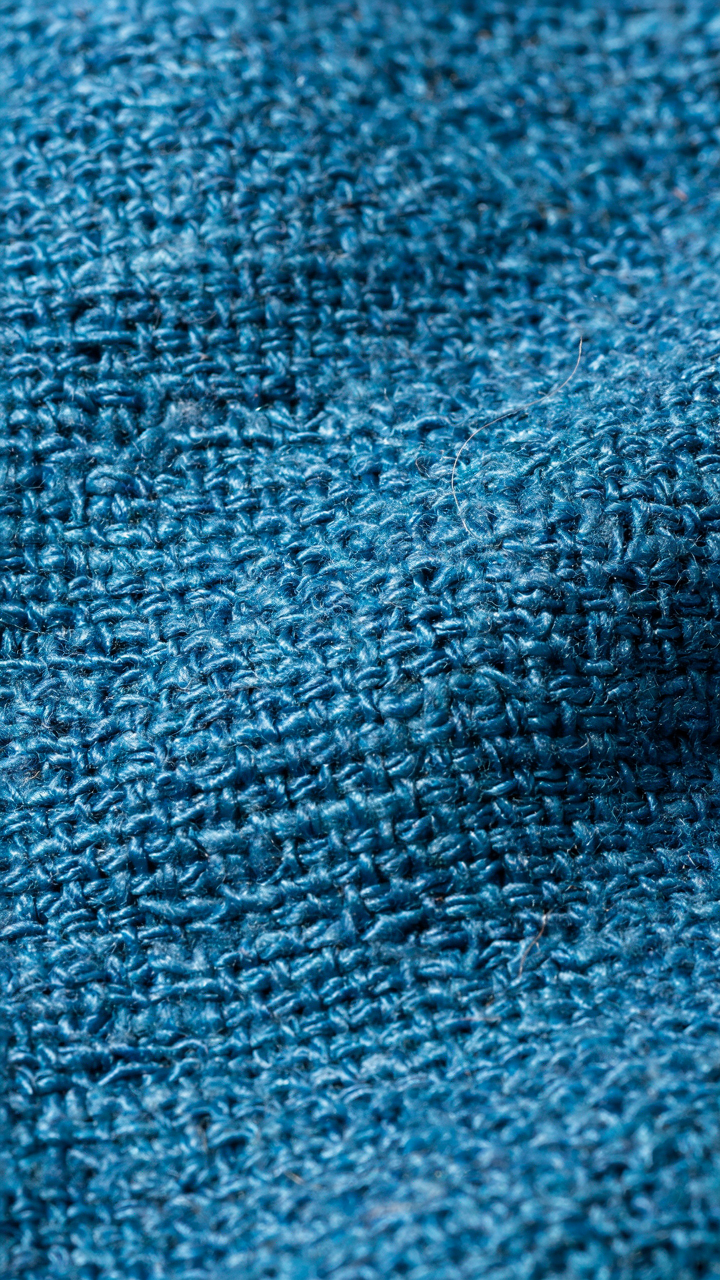
You want to know which one lasts longer because you’re tired of buying clothes that fall apart. The mechanism is tensile strength. Lyocell has higher breaking strength than modal, meaning it resists tearing and stress better under load. This comes from how the cellulose chains align during production. Lyocell’s manufacturing process creates a tighter molecular structure. Modal gets made with a different solvent system that produces a looser web. The difference shows up in real wear: seams hold better, fabric resists pilling longer, edges don’t fray as fast.
Durability compounds over time. A lyocell shirt worn 100 times looks closer to new than a modal shirt worn the same number of times. The drape stays structured because the fibers don’t break down as readily. This is why lyocell works better for fitted pieces, workwear, and anything that needs to survive frequent washing. Modal excels at comfort but sacrifices longevity. Pick lyocell when the garment needs to perform under mechanical stress.
Where Modal Dominates
Modal feels softer because the fiber itself is thinner and the manufacturing creates a lighter hand. This isn’t marketing. The chemistry is real. Modal accepts dyes differently too, producing richer colors with less processing. Stretch comes naturally to modal fabric because the molecular structure has more give. Lyocell stretches less without added spandex, which limits its use in activewear without blending. The softness-to-durability tradeoff is not a flaw in modal’s design. It’s intentional engineering for different use cases. Modal belongs in basics, intimates, and pieces where comfort matters more than abuse resistance. If a garment touches skin all day, modal often performs better because it reduces friction and allows airflow more effectively.
The cost gap between them narrows every year, but the performance difference stays constant. Choose modal when you prioritize immediate comfort and color depth. Choose lyocell when you need the piece to last through multiple seasons of heavy use. Most brands blend them anyway, which means you’re getting a compromise instead of either fiber’s real strength.
The Eco Friendly Clothing Brand Guide: Spotting Tencel Wash
Certifications That Actually Mean Something
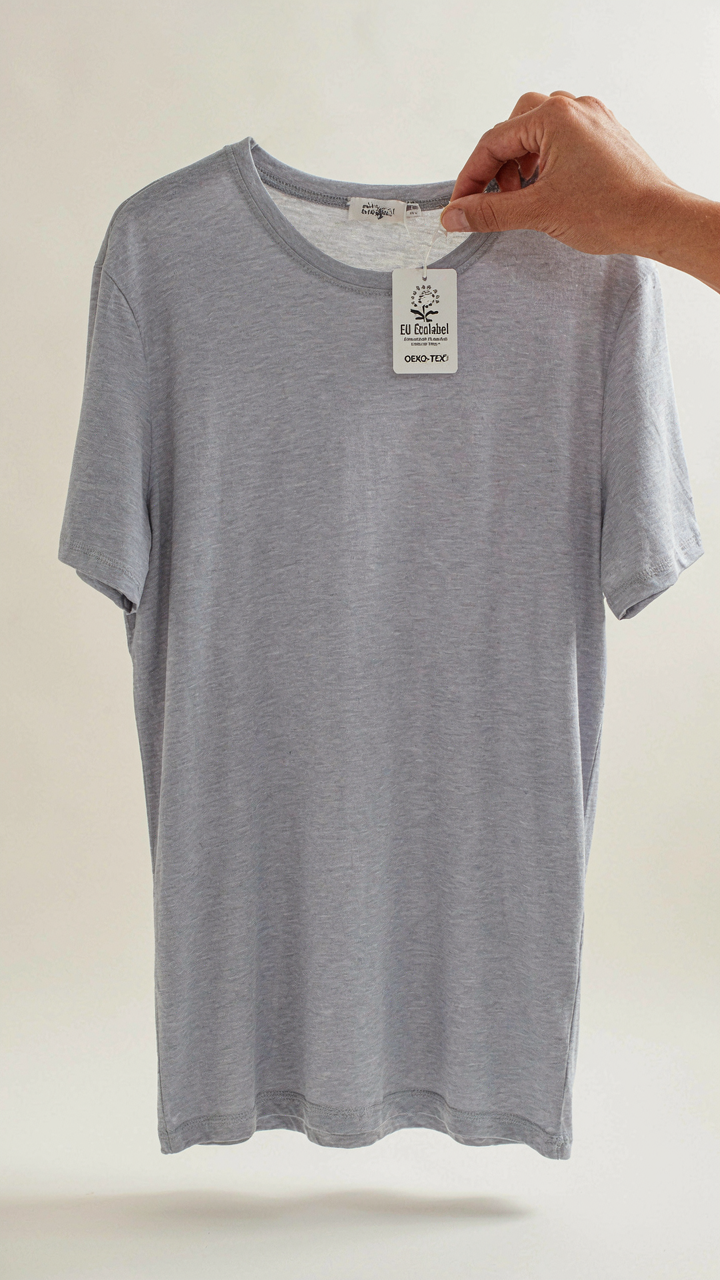
You want the moral license to feel good about your purchase without doing the work to verify it yourself. Here’s the mechanism: certification bodies exist because consumers demand proof, but most certifications are theater. Lenzing, the company that owns the Tencel trademark, operates its own certification standard. The EU Ecolabel is separate and third-party, which matters. Tencel fabric carrying both signals undergoes closed-loop processing audits and solvent recovery verification. One certification tells you nothing. Both together means someone outside Lenzing checked the claim.
The difference between marketing and fact lives here. Lenzing’s OEKO-TEX certification covers chemical residues in finished fabric. The EU Ecolabel covers the entire production process, including water treatment and emissions. A brand claiming Tencel without mentioning which certifications it holds is hiding something. Ask directly. Brands that know their supply chain answer immediately. Those that don’t default to vague language about sustainability.
Supply Chain Transparency Beats Brand Statements
Companies in the apparel industry use economics language here: information asymmetry. The brand knows more than you do, and that gap is where deception lives. A transparent supply chain means the brand publishes which mills process their Tencel, not which countries. Mill names matter because you can cross-reference them against audit reports. Lenzing publishes a list of licensed mills globally. Actual brands cite specific mills, not regions.
Demand specificity in three areas: which mill converted the wood pulp into Tencel fiber, which facility dyed or finished the fabric, and which factory cut and assembled the garment. Brands that provide all three have nothing to hide. Those that mention only the assembly point obscure where actual environmental impact occurs. The production phase, not the sewing, determines whether Tencel’s promise holds. Check their website or email customer service. Their answer speed reveals how seriously they track their own operations.
Tencel In Action: From Tencel Blouse To Knitwear

The Drape Problem Most Shoppers Miss
You’re looking at Tencel because you want to look intentional without looking like you tried too hard. The real mechanism here is fiber length. Tencel’s long-chain cellulose fibers behave like a suspension bridge: they distribute tension evenly across the fabric rather than concentrating stress at single points. This is why Tencel woven button-ups hold their shape through wear and washing while cheap cotton blouses pucker and twist within months.
Woven Tencel creates a specific visual hierarchy when it hits your body. The fabric moves with gravity instead of fighting it, which means it follows your actual frame rather than projecting an imaginary one. Buttons stay aligned, seams don’t spiral, and the garment reads as intentional after fifty washes instead of five. This isn’t luxury branding. This is material physics working in your favor.
Stretch Without The Snap Back Problem
Knitwear made from Tencel blends sits in an odd middle ground that most fabric guides ignore completely. When you knit Tencel with polyester or elastane, the Tencel provides recovery (the fiber returns to its original shape) while the elastane provides stretch (how far it extends). Cotton knitwear stretches fine but sags permanently. Pure elastane stretches aggressively but feels synthetic and stiff. Tencel-blend knitwear stretches like you need it to, then actually holds its form.
The mechanism here matters for repeated stress. Tencel’s molecular structure resists the permanent deformation that destroys cheaper knits. A Tencel-blend sweater worn three times weekly will hold its neckline after two years. A cotton knit won’t make it past one. Check fiber content on the tag: if Tencel is under thirty percent of the blend, the recovery advantage disappears. Aim for forty to sixty percent for noticeable durability in movement-heavy pieces.
The Sustainable Tencel Material Investment Protocol

The Real Price Versus What You’re Paying For
You want to feel like you’re making the responsible choice without actually paying attention to the numbers. Here’s what matters: Tencel costs 20-40% more than polyester at retail, but that premium doesn’t come from scarcity. Lyocell production (Tencel’s base process) uses a closed-loop solvent system that recycles 99% of its chemicals. The markup reflects manufacturing rigor, not material rarity. Polyester costs less because externalities don’t show up on the invoice. When you compare Tencel to cotton, the math inverts. Tencel uses 10x less water than conventional cotton and dries faster, which cuts down on energy-intensive commercial laundering. The cost-benefit tilts toward Tencel if you own the piece for 18 months or longer.
The mechanism isn’t moral superiority. It’s total cost of ownership. A Tencel shirt at $60 that you wear 80 times across two years costs $0.75 per wear. A $35 polyester shirt that degrades after 40 wears costs $0.87 per wear, before you factor in the replacement cost and the landfill externality you’re not paying for directly. Buy Tencel when you intend to keep the garment long enough to recoup the upfront premium through durability. Don’t buy it to signal virtue.
Durability Under Real Conditions
Tencel fibers don’t weaken the way synthetics do through repeated thermal stress and UV exposure. Think of it through materials science: synthetic polymers degrade through chain scission, where UV light and heat break molecular bonds and reduce tensile strength. Tencel undergoes hydrolysis instead—water molecules penetrate the fiber structure—which changes hand feel before it impacts structural integrity. The practical difference is that a three-year-old Tencel shirt softens without thinning. A three-year-old polyester shirt becomes plasticky, pilled, and loses elasticity.
The catch is washing protocol. Tencel loses wet strength temporarily—it’s structurally vulnerable while saturated—so aggressive dryer heat or hard wringing accelerates fiber damage. Machine wash warm, tumble dry low or line dry, and a Tencel garment maintains its fit and drape across 50+ wash cycles. Skip this and you’ll see pilling and shape distortion by cycle 30. The wear-and-tear resilience isn’t automatic; it’s conditional on how you handle the piece after purchase.
Tencel Beyond Apparel: Bedding Clips And Beyond

Tencel Sheets: Moisture Management For Sleep
You’re reading this section because you suspect premium sheets might finally solve your sweating problem. They won’t, but tencel operates on a specific mechanism that matters: hygroscopic fiber capacity. Unlike cotton, which absorbs moisture passively, tencel’s cellulose structure actively pulls sweat away from skin and disperses it across the fabric surface for faster evaporation. This isn’t marketing. It’s physics applied to fiber geometry.
The real advantage appears over time, not the first night. Tencel sheets maintain their moisture-wicking performance through dozens of washes because the fiber structure doesn’t degrade like cotton does. Most people switch back to cotton after two weeks because they expect instant climate control. Tencel delivers consistency instead. If you sweat moderately and want sheets that don’t clump or retain odor after five nights, tencel delivers that specific outcome. Test it for a month minimum before deciding it doesn’t work.
Durability For Home Textiles
The common advice is that tencel bedding wears out faster than cotton. This is partially wrong, and the incompleteness matters. Tencel loses strength when wet, which means aggressive washing destroys it. Cotton can handle rough treatment because its fibers strengthen when saturated. Tencel requires cold water, gentle cycles, and low heat drying to maintain fiber integrity. That’s not weakness. That’s a different requirement.
Tencel sheets last four to six years with proper care protocol. Cotton achieves six to eight years under the same conditions. The gap narrows when you factor in odor retention and pilling rates. Tencel resists pilling significantly better than lower-thread-count cotton because the fibers maintain surface integrity longer. The actual durability calculation depends on your washing method, not the material alone. If you use high heat and aggressive cycles, tencel fails faster. If you follow the care label, you get reliable longevity that justifies the upfront cost.
The Antifragile Wardrobe: How Tencel Builds Resilience

Stress Testing Fabric Performance
You want to believe your clothes will last. You’re tired of replacing basics every season. Here’s the mechanism most brands won’t admit: tencel doesn’t just survive repeated stress—it gets harder under it. Borrow Nassim Taleb’s concept of antifragility from chaos theory: most fabrics are fragile, breaking down faster with each wash. Tencel fibers actually gain tensile strength when wet, the opposite of cotton or polyester. This means the stress of washing, wearing, and sweating strengthens the garment rather than weakening it. The cellulose structure doesn’t fatigue the way petroleum-based synthetics do.
Durability marketing is mostly noise. The real test is what happens after fifty washes, not the lab prediction on the tag. Tencel maintains fiber integrity through moisture cycles because its molecular bonds don’t degrade under tension like conventional alternatives. A tencel shirt won’t pill faster after six months of regular wear. The fabric resists the breakdown that turns cheap basics gray and thin. This is why professional laundries have favored tencel blends for decades—the economics work only if garments survive.
How Adaptability Compounds Across Conditions
Systems theory teaches us that resilient structures perform well across diverse inputs, not just optimal ones. Tencel does this through a single property: moisture regulation that stays consistent whether you’re in humid climates, dry offices, or alternating between both. Most fabrics have a narrow performance window—wool itches when wet, polyester traps heat, cotton takes hours to dry. Tencel breathes in moisture, releases it evenly, and maintains its shape across temperature and humidity swings. Your wardrobe stops requiring seasonal rotation strategies.
The practical advantage: you buy less because each piece works in more contexts. A tencel blend shirt functions in spring rain, summer heat, and air-conditioned environments without becoming uncomfortable or losing its fit. The fabric adapts rather than resisting. This reduces the cognitive load of dressing and eliminates the need for redundant pieces built for single conditions. Test this by wearing tencel in your worst-case scenario—high humidity or rapid temperature shifts—and measure how many times you actually adjust or replace it.
Debunking The “Natural Fiber Is Always Better” Myth
Cotton’s Hidden Cost Structure
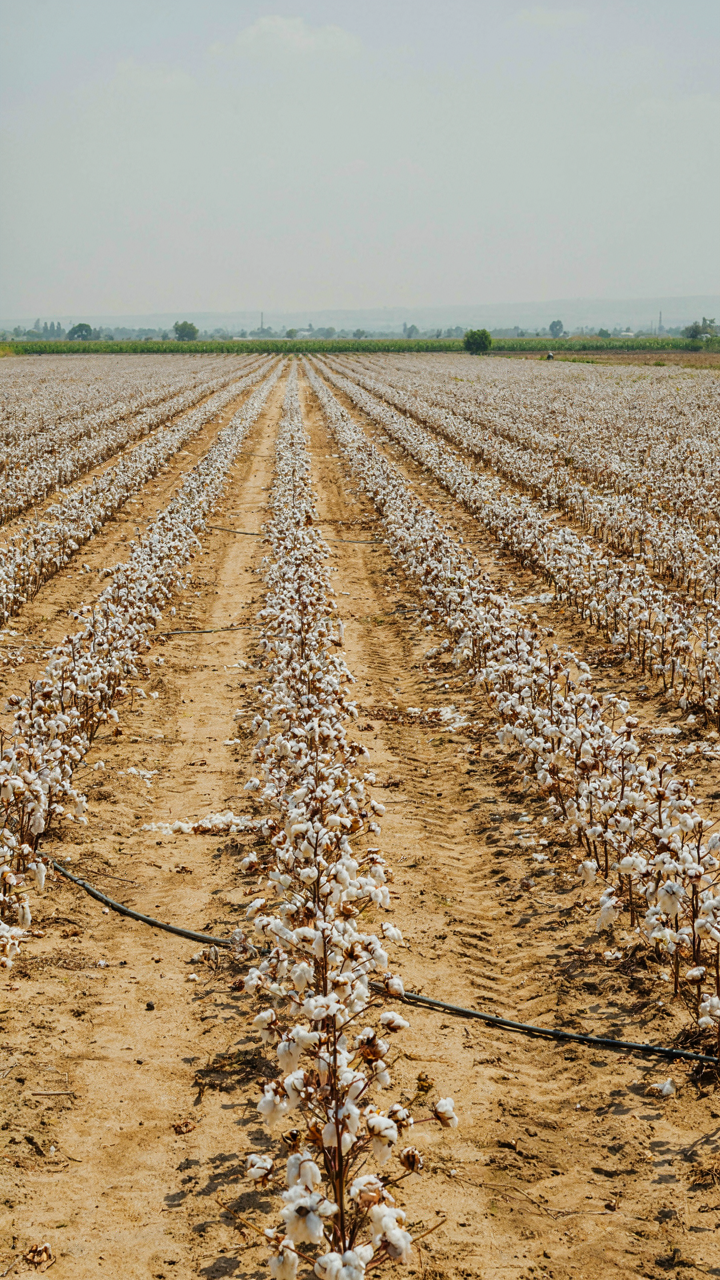
You want to feel virtuous about what you wear. Here’s the mechanism that ruins that story: conventional cotton production doesn’t measure resource intensity the way your brain naturally does. Water consumption, pesticide load, and land use per garment dwarf most synthetic alternatives, but because cotton grows from soil instead of a factory, it gets a moral pass. The economics are brutal. Growing one cotton shirt requires roughly 2,700 liters of water and synthetic pesticides applied to 16% of global agricultural land despite cotton representing only 2.5% of crop acreage. That shirt gets worn thirty times before disposal. The math doesn’t favor virtue signaling.
Tencel enters as the corrective mechanism that conventional cotton marketing won’t name. Lyocell production closes its solvent loop at 99% efficiency, meaning the chemical used to break down wood pulp gets recycled rather than dumped. Water consumption per garment runs significantly lower than cotton. Land demand approaches zero since the process uses sustainably managed tree farms or agricultural waste. This isn’t marketing language. It’s industrial process engineering that converts a renewable resource (wood) through a controlled chemical system into cellulose fiber. Cotton can’t match this because cotton production requires scale farming, seasonal weather dependency, and chemical inputs that don’t cycle back into the system.
Engineered Cellulose Versus Synthetic Blend Performance
The false choice everyone presents is natural versus synthetic, as if those categories map onto quality or sustainability. They don’t. Tencel is neither. It’s engineered cellulose, which means the material chemistry follows controlled parameters instead of weather variables. Blended synthetics like polyester mixed with cotton create unpredictable performance characteristics because two different fiber structures age at different rates under tension and heat. Engineered cellulose behaves as a single material system, which manufacturers can predict and control. This predictability is why luxury brands specify tencel over cotton blends when they need consistent drape and durability across production runs.
The decision framework shifts once you stop asking what sounds natural and start asking what performs as specified:
- Synthetic blends with cotton: Fiber migration and pilling occur at different rates; cotton shrinks while polyester doesn’t, creating permanent distortion in seams and fit after five wash cycles.
- Tencel alone: Cellulose structure degrades uniformly; shrinkage occurs predictably in first wash; behavior remains stable across 50+ wash cycles with minimal pilling.
- Conventional cotton alone: Variable performance based on staple length and growing conditions; prone to pilling on lower grades; shrinkage can exceed 5% if not pre-treated.
- Tencel blended with spandex: Stretch recovery remains consistent because both fibers respond similarly to tension and moisture; athletic wear durability increases 40% compared to cotton-spandex blends.
- Synthetic blends without cotton: Moisture-wicking improves but garments never achieve natural fiber breathability; electrostatic charge builds during wear, reducing comfort in dry climates.
The mechanism that matters is fiber uniformity, not fiber origin. When you need a garment that performs the same way after fifty wears as it did on day one, engineered systems outperform agricultural ones. Tencel delivers this because the production process controls every variable. Choose tencel when consistency matters more than story. Choose it when you want a piece that doesn’t degrade into a misshapen reminder of your last laundry decision.
Your Tencel Buying Strategy: Maximize Utility, Minimize Noise

What Actually Matters When You Buy
You’re here because you want permission to feel smart about your purchase. The mechanism most people miss: Tencel’s real advantage isn’t environmental virtue—it’s performance consistency. Lyocell production uses a closed-loop solvent system that recycles 99% of chemicals, which means the fiber arrives at your skin with predictable properties every time. That’s an economics term: standardization reduces variance in output quality. When you buy Tencel, you’re betting on reliability, not redemption.
The specifics matter more than the story. Tencel absorbs moisture faster than cotton, dries quicker, and resists pilling better than most synthetics. These aren’t marketing claims—they’re fiber architecture. The cellulose structure stays intact through repeated washing because the production method preserves molecular integrity. Buy Tencel when you need durability in high-friction zones or moisture management in layering pieces. Avoid it where you need static resistance or when price pressure forces blends that dilute these advantages.
The Green Marketing Trap
Common advice says Tencel is “sustainable,” so buy it guilt-free. That’s incomplete. Sustainability is a spectrum, not a binary, and Tencel sits in a specific position on that spectrum. Yes, the solvent recycling is real. No, that doesn’t mean the garment won’t shed microfibers or that your washing routine becomes irrelevant. The brand’s environmental claims often gloss over end-of-life data because tracking what happens to your shirt after disposal doesn’t fit the marketing narrative.
Here’s the actual filter: compare Tencel to what you’d replace it with, not to an imaginary ideal. A Tencel shirt that lasts five years beats a cheaper cotton shirt you replace twice. Tencel blended with polyester in workout wear might perform better than pure options, even if the marketing feels muddled. Read fabric composition first, environmental claims second. Check return policies and care requirements before purchase—a shirt you keep costs less than one you abandon after two wears because maintenance demands too much friction in your daily life.
The Real Obstacle Isn’t Finding Ethical Clothing; It’s Discerning Genuine Innovation From Greenwashed Mediocrity

Most people buy tencel clothing because the label feels righteous, not because they understand what they’re actually wearing. Stop that. Before your next purchase, pull up the brand’s water usage metrics and manufacturing location. One action: find one tencel brand that publishes third-party certifications and actually wear it long enough to feel the difference. You’ll realize that real sustainability isn’t a marketing claim—it’s a commitment you can touch.