

The Illusion Of “New Sustainable”
Eco Friendly Brands Still Trap Consumers
You want to feel like you’re solving the problem without changing your behavior. Here’s the mechanism: sustainable brands exploit the same psychological lever as fast fashion, just with different marketing language. You’re not buying less. You’re buying the same amount, paying more, and getting absolution. The consumption rate stays identical. Only the guilt disappears.
The term “eco-friendly” has no legal definition. Brands use it as permission to keep you shopping. A “sustainable” brand that sells you fifty pieces a year is still pushing volume. They’ve simply repackaged the growth model as virtue. The problem isn’t the materials they use. The problem is the transaction itself remains the core business. Your wallet moves. Your closet expands. The narrative changes.
The Real Cost Of Sustainable Purchases

Economics calls this “rebound effect”—when efficiency gains lead to increased consumption instead of reduced consumption. Apply it here: a “sustainable” brand makes you feel justified buying more because the guilt tax disappeared. You think you’re spending responsibly. You’re actually spending more total money on more total pieces. The price point is higher per item. The quantity still climbs.
Most sustainable brands hide their margin structure behind opaque supply chains. You don’t know if the premium you’re paying funds better labor or funds better marketing. The math rarely adds up. A shirt costing three times more doesn’t mean labor was paid three times fairly. The delta usually funds brand positioning. Your only leverage is to buy nothing new. Everything else is a negotiation between competing consumption narratives.

The Scarcity Protocol: Reimagining Your Closet
Audit: What Genuinely Serves Your Style Now
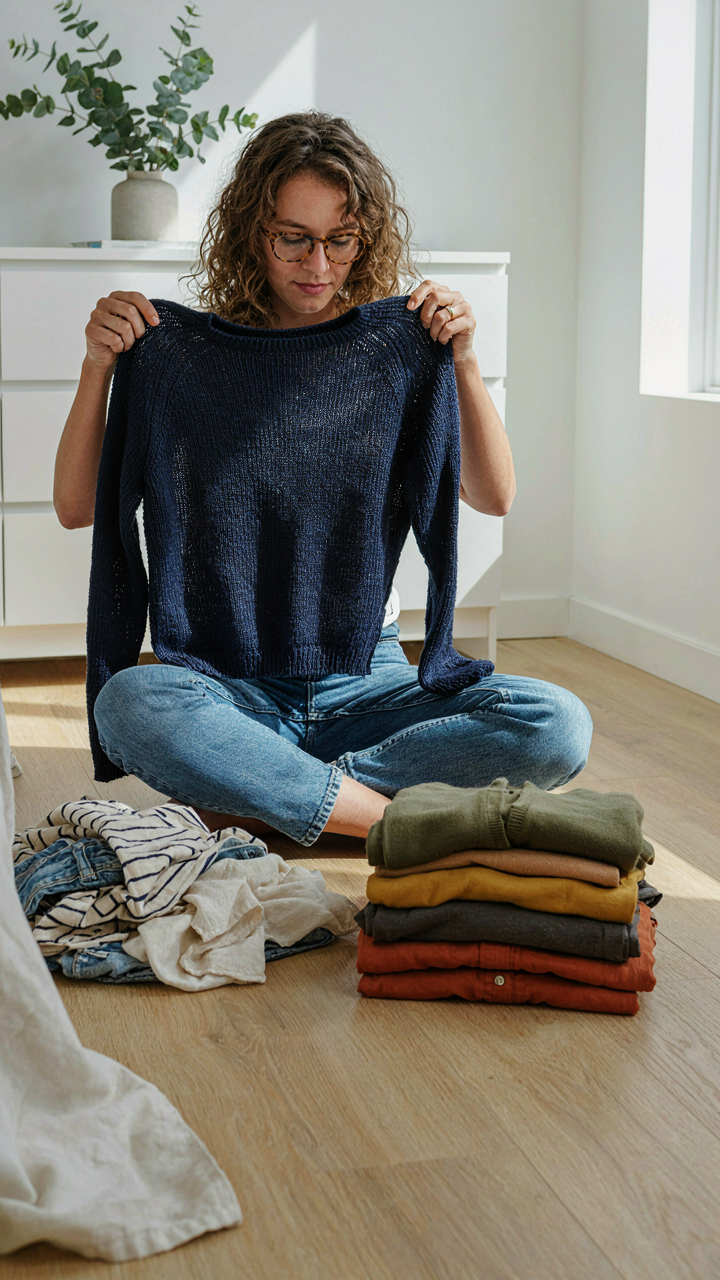
You want permission to keep things you don’t wear because throwing them out feels wasteful. The real mechanism is this: most people confuse sentimental attachment with functional fit. Your closet isn’t a museum. An audit means you identify pieces that actually work with your body, your life, and your aesthetic right now, not pieces that represent who you thought you’d be six months ago. The goal is brutal clarity about what you can build from.
Start by pulling every item you’ve worn in the past two weeks. These pieces already proved they work. Note their color, fabric, and silhouette. Then look at the rest. If something hasn’t moved in three months and isn’t seasonal, it’s taking up real estate without generating outfit combinations. This isn’t about minimalism or virtue. It’s about working with material you actually use. You need a usable inventory before you can remix it strategically.
The Rule For Generating New Outfits
Outfit generation uses the same constraint principle as product design in manufacturing: imposed limits force creative recombination. Most people think they need more pieces. They actually need to understand how their existing pieces connect. The 3-item rule is straightforward. Any outfit you build uses one anchor piece, one textural contrast, and one functional layer. This creates the system that prevents decision paralysis and forces you to see connection instead of scarcity.
Your anchor piece anchors the whole outfit: usually a pair of jeans, a neutral sweater, or a structured blazer. Textural contrast prevents visual flatness: if your anchor is smooth cotton, add ribbed knit, denim, or linen. The functional layer serves weather or occasion: a jacket, cardigan, or scarf. You now have three variables to rotate through existing pieces instead of chasing more inventory. This system compounds. Twenty pieces become sixty outfit combinations through recombination alone.
Unlocking Hidden Versatility: The “Outfit Multiplier” Mindset

Break Pieces Down To Their Function
You want to believe your closet is already full of outfit possibilities so you don’t have to confront how little you actually wear. The real mechanism is simple: most people see their clothes as finished products instead of component parts. A blazer isn’t a blazer. It’s a structured layer, a color, a texture, a weight. A white shirt isn’t a white shirt. It’s a neutral base, a crisp material, a tucking opportunity, an oversizing vehicle. When you decompose each piece into these functional elements, the math of combinations changes entirely.
The decomposition process requires looking at what a piece actually does, not what it’s called or where you bought it. A sweater functions as insulation and volume. Jeans function as structure and durability. A scarf functions as a secondary color and a shape modifier. Once you name the function, you can spot pieces that share the same function but didn’t appear to work together before. This is where the hidden outfit density lives.
Layer Incompatible Things Deliberately
The common advice says to stick with coordinating pieces and safe color palettes. That’s incomplete. Real versatility comes from violating your own patterns on purpose, which requires seeing layering as a problem-solving tool, not an aesthetic decision. When you layer a stiff denim jacket over a soft knit, you’re not trying to match. You’re creating textural contrast that reads as intentional. When you place a structured piece over a looser piece, you’re using layering as a silhouette reset.
The mechanism is constraint. Each layer must do something the outfit needs that it doesn’t already have. If an outfit is flat in color, the new layer adds depth. If it’s shapeless, the layer adds structure. If it’s one texture, the layer adds variety. You’re not combining random things. You’re identifying what the outfit is missing and building the next layer to solve for that gap. Test this by pulling an outfit you’ve worn three times, then deliberately layer something that initially felt wrong. That friction is where new outfit permutations hide.
The “Wear To Death” Doctrine For Sustainable Fashion Outfits

Build For Obsolescence, Not Expiration
You want to believe your closet choices matter more than they do. Here’s the mechanism: most people equate “sustainable” with moral superiority, when the real lever is cost-per-wear. Durability compounds. A piece worn 200 times across five years costs one-tenth what a piece worn 20 times costs per wearing. Fast fashion dies because it’s engineered to fail. Quality construction uses reinforced seams, natural fibers that age rather than degrade, and simple designs that don’t depend on trendy proportions. Pick basics that work across decades, not seasons.
The math is brutal and honest. A $120 merino wool sweater worn 150 times over four years costs 80 cents per wear. A $25 synthetic sweater worn 12 times before pilling and fading costs $2 per wear. The expensive piece is cheaper. Cotton, linen, wool, and silk endure because their fibers don’t break down the way polyester does. Construction matters more than fiber content. Double-stitched seams, bound edges, and reinforced stress points determine how long something survives repeated wear and washing. This isn’t philosophy. It’s arithmetic.
Master Basic Repair Before Anything Fails
Most repair advice skips the hard part: you won’t mend what you don’t know how to fix. This borrows from maintenance engineering, where preventative intervention beats catastrophic failure. A dropped stitch in a sweater becomes a hole in two weeks of regular wear. But caught early, it takes five minutes to ladder-stitch it closed. Learn four repairs first: ladder stitch for seams and sweater holes, restitching loose seams, basic patching for worn areas, and securing button attachment points. These four cover 80 percent of failure points in everyday clothes.
- Ladder stitch: Closes holes in knit sweaters and woven fabric from inside the garment, leaving no visible seam. Works on seams that split during wear.
- Seam restitching: Thread along the original stitch line where stitches have come loose, usually at stress points like armholes or crotch seams in pants.
- Patch reinforcement: Iron-on patches for worn areas work temporarily but stitched patches on the inside last longer and stay invisible on outer fabric.
- Button reinforcement: Add a small backing button behind buttons on coats and heavy-use garments to distribute pull force and prevent the button from tearing through fabric.
- Zipper tape replacement: When zipper sliders fail, the tape itself remains intact. Replace the slider rather than discarding the entire garment or paying for professional repair.
The skill compounds when you actually use it. Start on old pieces you don’t wear. Fix a seam on a t-shirt you’ve stopped wearing. Mend a sweater hole. After three repairs, the motion becomes automatic. Your hands learn where tension lives in a seam. You’ll spot weakening stitches before they fail completely. Keep a small repair kit visible, not hidden away. Visible tools get used. Invisible tools collect dust and your clothes keep failing.
Beyond Aesthetics: Function First Sustainable Clothing

Assign Pieces To Real Problems
You want to feel like you’re winning at sustainability without actually changing how you shop. The real mechanism: a garment only becomes sustainable when it solves a specific problem you face repeatedly. Economics calls this “productive capacity.” A shirt has no value until it performs a defined task. Most people own clothes that look right but fail at the job they claim to do, which means they sit unworn and waste resources retroactively.
Start by auditing your actual activities, not your aspirational self. What do you do three times a week minimum? What surfaces do you work on? What weather do you navigate regularly? Match existing pieces to these friction points. A worn linen shirt works for gardening. Sturdy jeans handle warehouse visits. A merino layer manages temperature swings during commutes. You’re not buying for Instagram. You’re stocking tools that earn their place through repeated use.
Durability Determines Real Cost Per Wear
The common advice here is backward: people talk about quality as if it’s about feeling nice. Wrong. Durability is a math problem. A piece that lasts five years costs less per wear than one that fails in eighteen months, even if you paid more upfront. This is basic arithmetic that most consumers refuse to calculate. You need the actual lifespan to compare. A cotton t-shirt might last two years with regular washing. A wool one might last eight. The math rewrites everything about which piece is truly sustainable.
Examine the garments you own that have survived longest. What material are they? How do you care for them? Do you wash them less often? Store them differently? That data point becomes your filter for future pieces. A garment’s real value emerges from how many times you can wear it before it degrades. Track cost divided by actual wears. This forces you to stop pretending about sustainability and start documenting it.
The Anti Trend Uniform: Cultivating A Personal Eco Fashion Aesthetic
Find Your Color Palette And Silhouette
You want permission to stop thinking about what to wear. That’s the real reason you care about this section. The mechanism is simple: constraint creates freedom. By defining a narrow set of colors and shapes that work on your body, you eliminate decision fatigue and build outfits faster from existing pieces.
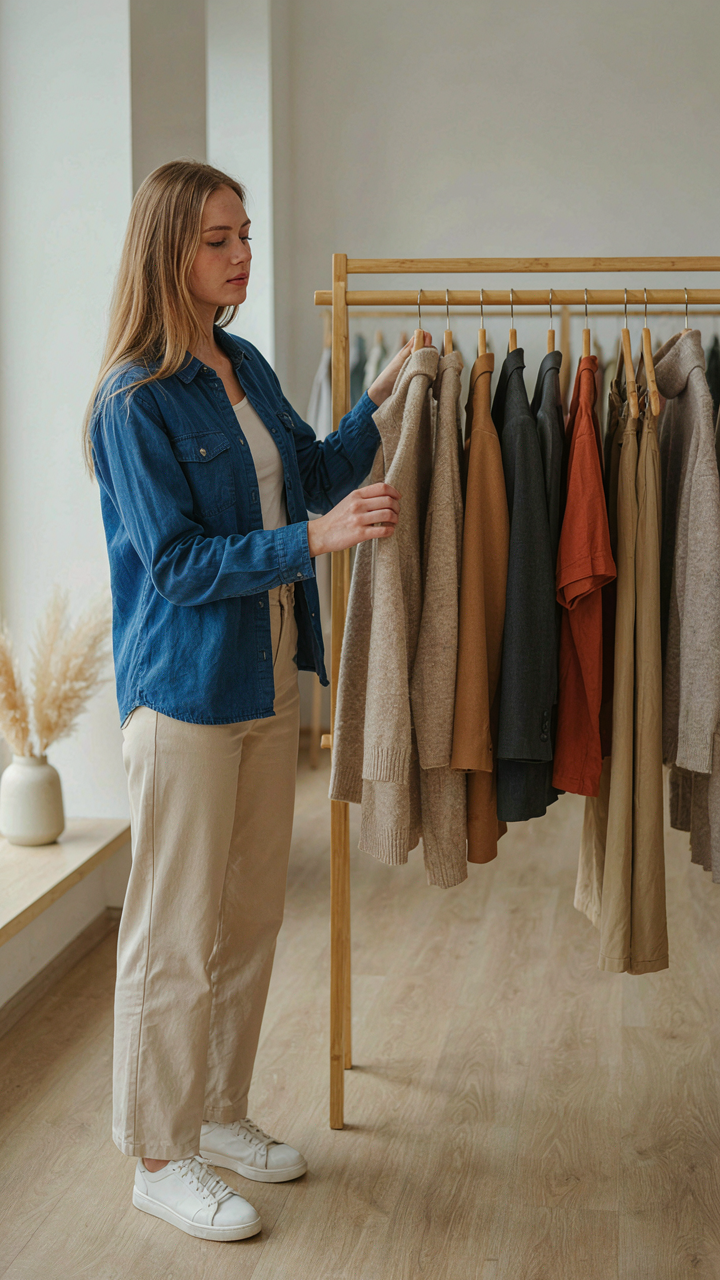
Start by looking at what you already own and actually wear. Not what you bought. Not aspirational pieces. What you reach for repeatedly. Extract the dominant colors and note the silhouettes that fit your body without adjustment. Three to four colors form a coherent palette. Two to three silhouettes define your shape. This isn’t about personal branding. It’s about physics applied to your closet: fewer variables mean more viable combinations.
Reject Seasonal Shifts In Favor Of Year Round Foundations
The fashion industry profits when you believe winter requires entirely different clothes than summer. This is incomplete thinking. Seasonal changes matter for weight and fabric, not for abandoning your entire aesthetic. Real sustainable practice means building pieces that anchor your look across weather, not recycling trends quarterly.
Invest in layering basics that work in multiple seasons: lightweight long sleeves, mid weight cardigans, structured jackets. These pieces stay consistent in color and cut. Swap heavy coats for light ones. Change fabrics from linen to wool. Your silhouette and color story remain intact. This approach reduces the impulse to buy new outfits when the calendar flips. You’re working within a fixed framework, not chasing seasonal collections.
The “Burlap & Beyond” Framework: Raw Material Mastery (Drawing From Biology)
How Fibers Actually Decompose
You want to feel like you’re doing something right without actually changing your behavior. The real mechanism here is biological decomposition rate, borrowed from ecology: organisms break down materials at predictable speeds based on molecular structure. Natural fibers decompose because microbes recognize their chemistry. Synthetic fibers resist breakdown because their polymer chains don’t exist in nature, so no organism evolved to eat them.
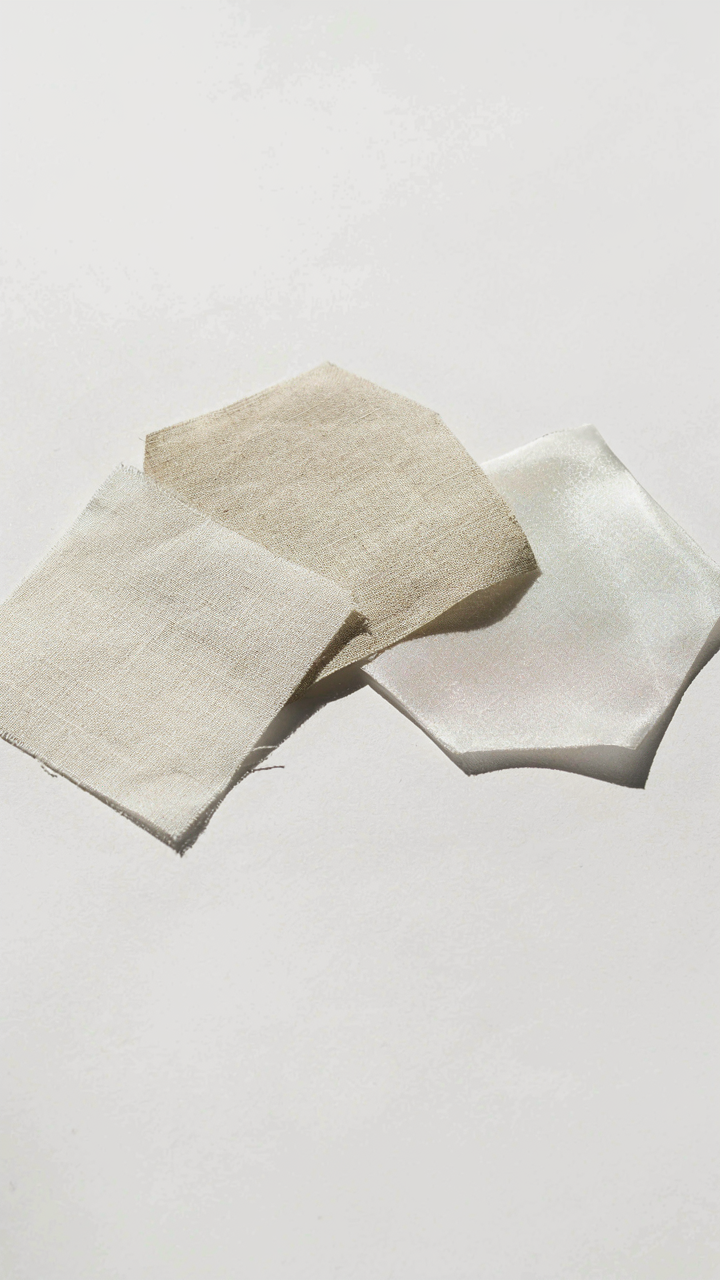
Cotton breaks down in five months in soil. Linen in two weeks. Polyester takes 20 to 200 years because bacteria lack the enzymes to process it. This isn’t morality. It’s chemistry. When you layer pieces you already own, you’re not suddenly making synthetics biodegradable. You’re only extending the life of existing items before they hit landfill. The math doesn’t change unless the material does.
Material Lifecycles And What They Actually Tell You
Most sustainable fashion advice skips this: the material your piece is already made from determines what you can do with it later. Fiber composition controls end-of-life options, not your styling choices. A wool sweater has a different decomposition trajectory than a polyester blend, and no outfit combination changes that fact.
Check garment tags before you layer. Natural fiber blends (cotton, linen, wool, silk) can enter compost or textile recycling systems designed to handle them. Synthetic blends get stuck: most municipal recycling refuses them, so they sit in inventory or burn. The outfit idea that matters most is knowing what material you’re working with first. Then work backward from there.
Photoshoot Outfits: Capture, Don’t Consume

The Real Reason You’re Reading This
You want proof that what you own matters. You want the internet to validate that you don’t need to buy more. Here’s the mechanism: a photograph freezes a moment and makes it feel permanent. This tricks your brain into thinking a single outfit deserves more weight than it does. The real play is using photos to force yourself to see existing pieces differently, which rewires how you combine them going forward.
Shoot the same three base pieces in ten different angles, lighting conditions, and layering combinations. Your wardrobe doesn’t actually expand. Your perception of it does. This is constraint-driven creativity. A photographer doesn’t buy new equipment when they hit a creative wall. They master the one they have. Apply that. Each outfit becomes a test case, not a consumption event.
Angles That Multiply Your Inventory
The styling trick isn’t new combinations. It’s documentation that exposes gaps in how you currently see your clothes. Shoot the same base layer under natural light, indoor light, and harsh shadows. Shoot it tucked, untucked, half-tucked, layered under something transparent, and wrapped around the waist. Each variation looks like a different outfit on camera even though you’re rotating three pieces total.
The mechanism is visual anchoring. Your brain files away patterns it sees repeatedly. When you review fifty photos of your five base pieces arranged differently, you stop seeing “that blue shirt” as one thing. You see it as a variable. This retraining is what actually expands your outfit options without buying anything. Shoot, review, notice what you missed. Then build the next outfit from insight, not impulse.
Your Real Obstacle Isn’t Your Wardrobe; It’s Your Addiction To Novelty

You don’t need new clothes. You need to break the dopamine loop that convinced you that you do. Fashion companies built an empire on making you feel incomplete. The sustainable outfit ideas scattered through your closet right now? They’ve been there. You scrolled past them a hundred times hunting for something that doesn’t exist. Today, take five pieces you own and refuse to buy anything for thirty days. Watch how fast creativity replaces craving. The best sustainable fashion choice you’ll ever make isn’t buying less. It’s wanting less.