
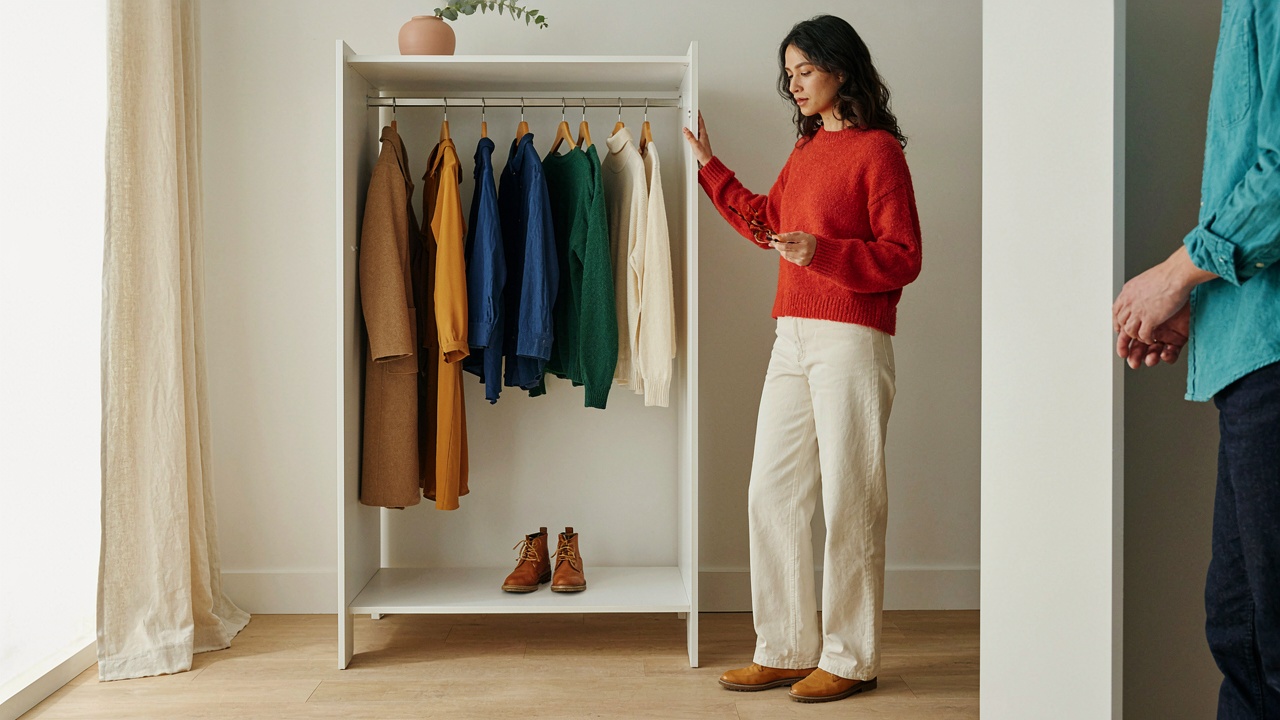
The Illusion Of “Affordable” Fast Fashion

You’re Not Actually Saving Money
You think you’re winning because a shirt costs twelve dollars. You’re not. The real cost surfaces when you account for replacement cycles, storage space wasted on clothes you wear once, and the mental load of deciding what to throw away. Fast fashion prices feel cheap because brands externalize costs onto you over time. Every purchase creates a future problem you’ll solve by buying again. The math works in their favor, not yours.
From economics, fast fashion operates on planned obsolescence, the same mechanism manufacturers use to guarantee repeat purchases. The garment isn’t designed to last; it’s designed to fail predictably so you return. A cheap synthetic blend loses shape after five washes. The dye bleeds or pills form within weeks. You didn’t get a deal on a five-dollar shirt. You prepaid a subscription you didn’t sign up for, one that renews every three months without consent.
The Psychological Tax Of Perpetual Replacement

The advice you’ll hear says “just buy less.” This misses the actual drain. Each fast fashion purchase creates decision fatigue that compounds. You own thirty items but feel like you have nothing to wear because nothing fits right or lasts past a season. That cognitive load is real friction that slows your life down.
Constant consumption trains your brain to see clothing as disposable. This mindset transfers to how you treat everything else. You stop maintaining things. You stop choosing deliberately. You start scrolling through new inventory the moment something disappoints you, which it will. The exit from this loop requires a single protocol: stop replacing and start repairing instead.

The Investment Principle: Why Slow Fashion Pays Off
Durability As A Compounding Asset
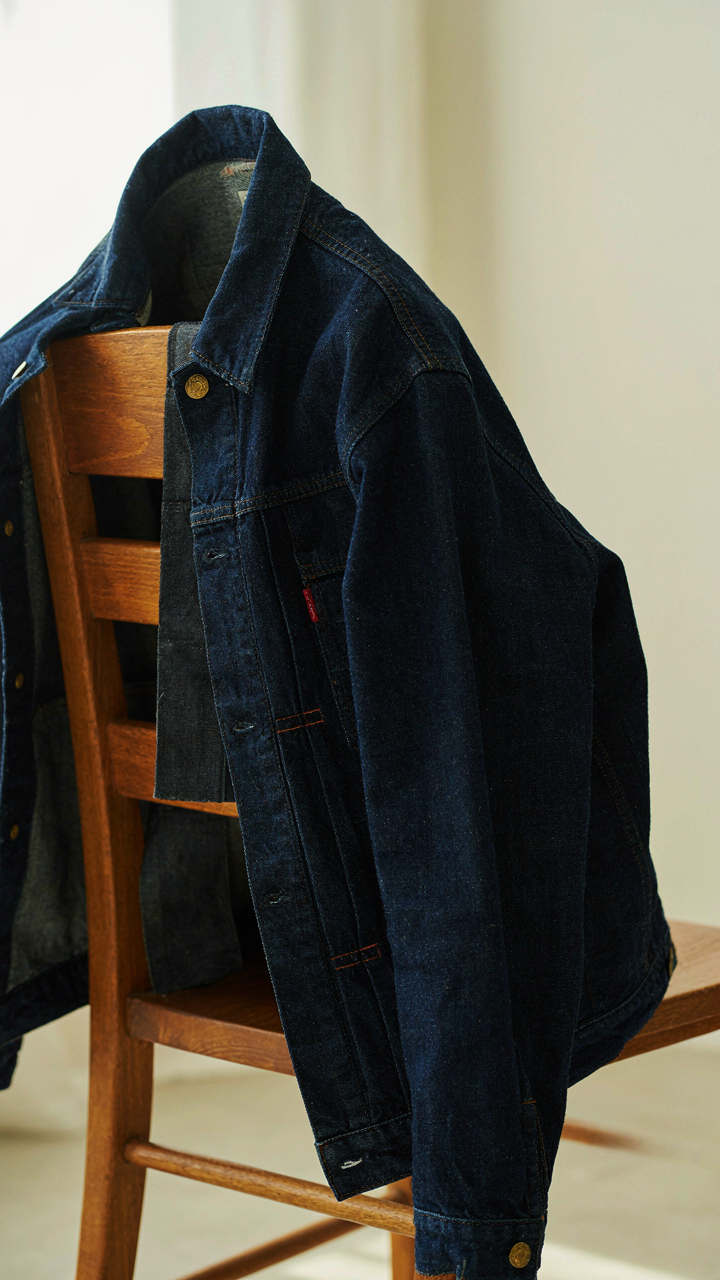
You want permission to spend money without guilt. Here’s the actual mechanism: durability works like compound interest in finance. A garment that lasts ten years instead of one spreads its environmental and financial cost across a decade. A $300 jacket worn 200 times costs $1.50 per wear. A $50 fast fashion equivalent worn 10 times costs $5 per wear. The expensive piece becomes cheaper the longer you own it.
This math inverts how most people think about clothing cost. Slow fashion brands like Patagonia and Orslow engineer for longevity through material selection and construction method. Japanese selvedge denim uses tighter weaves and natural fibers that strengthen with age rather than degrade. Hermes leather goods employ hand-stitching and full-grain leather that develops patina and withstands repair. The cost front-loads because the work happens upfront, not at replacement time.
Timeless Style Immune To Trend Decay
The consensus says buy classics. Wrong framework. The real advantage isn’t avoiding trends, it’s executing the fundamentals so well that trends bypass the garment entirely. A white linen shirt from Rag and Bone works in 2015, 2020, and 2025 because the construction is invisible. No visible seams, no cheap collar stays, no synthetic blend that shines under fluorescent light.
Slow fashion brands succeed because they remove the markers that date clothing. Fast fashion relies on visible details, color drops, and fabric treatments that trend cycles destroy within seasons. A navy wool coat from Loro Piana holds value because navy wool is a material constant, not a seasonal choice. The garment ages into legitimacy rather than aging out of relevance. Check the construction quality by examining seams, hems, and fabric hand before committing capital.
The Antifragile Wardrobe Protocol
Financial Optionality Through Staged Investment
You’re afraid you’ll waste money on something that won’t work. The real mechanism is this: most people treat wardrobe spending as one-time purchases instead of a system that compounds. Borrow from finance. A portfolio needs optionality, which means building positions that gain value when conditions change, not lose it. A slow fashion brand piece gains optionality through durability and design timelessness. You buy one item, it works across multiple seasons, it pairs with future purchases you haven’t made yet, its value increases relative to trend-chasing alternatives that depreciate immediately.
Build collection optionality by spacing purchases across quarters, not seasons. Each piece you add becomes a multiplier for existing items. A quality neutral base layer unlocks combinations with pieces bought six months later. You’re not saving up for one perfect item. You’re deploying capital in sequence so each purchase increases the utility of your entire existing collection.
Your System Resists Decay
The common advice says build basics first, then add pieces. That’s incomplete. A wardrobe isn’t fragile or robust based on individual items, it’s based on how materials and construction methods interact over time. Slow fashion brands use natural fibers and techniques that improve with wear or degrade predictably. Fast fashion uses blended synthetics and adhesive construction that fails unpredictably. One system degrades gracefully. The other collapses.
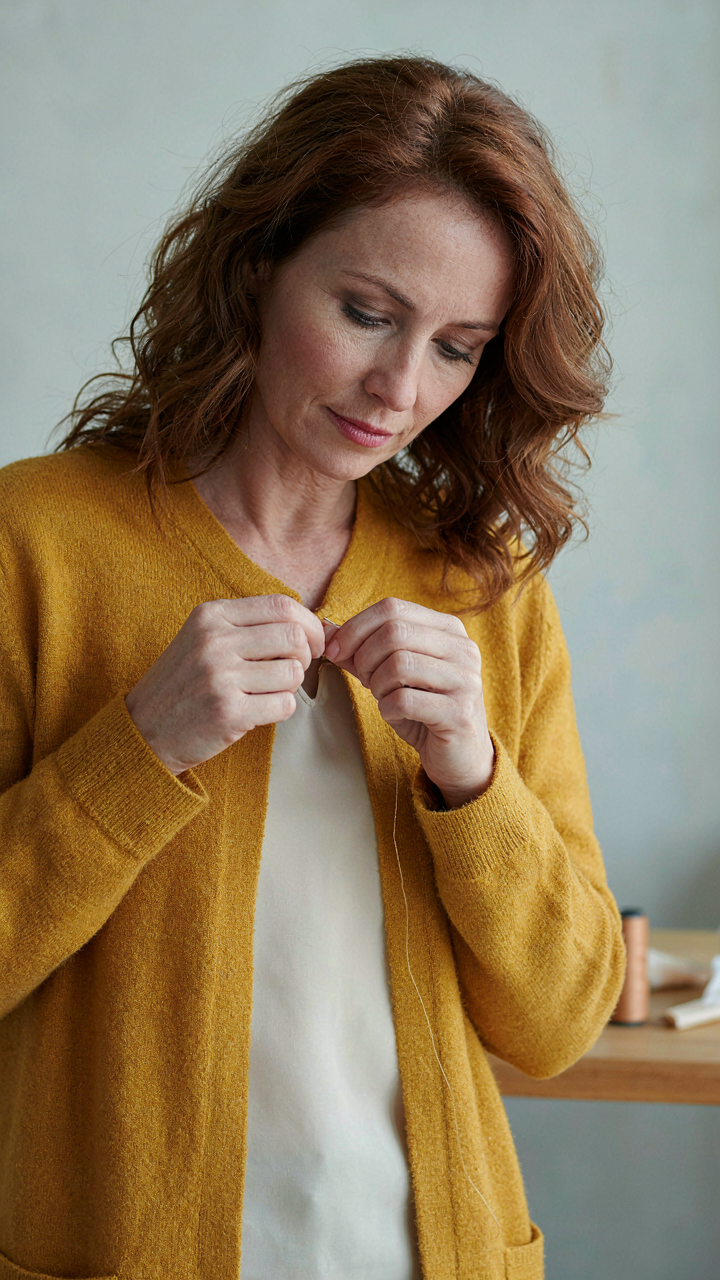
Robustness requires knowing what fails first in each brand you buy. Check seams, not just fabric weight. A brand using sewn construction over glued reinforcement at stress points means the garment stays wearable for five years, not five months. Your protocol: before buying, inspect one used piece from that brand on resale markets. How does it fail? Does it fail as a whole or as specific components? Build your system around brands whose failure modes you understand and can extend through repair.
Beyond Ethics: The Self Expression Dividend Of Slow Fashion Style

Building A Signature Through Constraint
You want people to remember what you wear because you think it means something about your taste. Here’s the mechanism: slow fashion brands force constraint, and constraint is what creates recognizable style. Fast fashion’s abundance produces visual noise. You own forty shirts that blur together. Slow fashion ownership means you curate aggressively. You repeat pieces. You combine them deliberately. That repetition becomes your visual signature.
Brands like Everlane, Patagonia, and Cuyana build products designed for combination, not replacement. A well-cut linen shirt from a slow brand works across seasons and contexts because the design strips away trends. You wear it five years. It develops character through use. This is different from trend-chasing, which demands constant rotation and leaves no time for a coherent visual identity. Your wardrobe becomes a language instead of a storage unit.
The Visibility Mechanism In Identity Construction
Personal branding works through consistent visual reference, which is a principle from cognitive psychology where repeated exposure builds recall and association. Slow fashion brands operate as your visual anchor. When you wear the same Orslow jeans repeatedly, people begin to associate that specific silhouette with you. The quality holds the shape long enough for that association to cement.
Fast fashion breaks this mechanism. Your outfits don’t repeat because the pieces fall apart or go out of style in six months. No visual pattern emerges. Slow fashion reverses this: you build a recognizable uniform through repetition of higher-quality basics. That uniform becomes inseparable from how people perceive your judgment and intention. It signals consistency, not indecision. Start by selecting three foundational pieces from a single slow brand that genuinely fits your body and lifestyle, then wear them until people notice the pattern.
Deconstructing “Sustainable Fashion”: What Matters (and What Doesn’t)

The Metrics That Actually Move The Needle
You want proof that your money matters because it confirms you’re making a responsible choice. But most sustainability claims measure nothing that changes production at scale. Borrow the language of systems engineering: slow fashion brands operate as feedback loops where transparency on material sourcing and labor conditions create measurable constraints on suppliers. Without those constraints, the entire system defaults back to cost minimization.
Real impact tracks three elements: fiber origin with traceability (not just “organic” labels), production location tied to wage standards, and inventory turnover rates that force restraint on output. A brand that publishes its factory list and average garment lifespan before purchase tells you something. One that hides production volume tells you everything. Ask for the number directly. If they deflect, the metric doesn’t exist because they’ve never had to measure it.
The Greenwashing Red Flags No One Names
The common advice says “check certifications” and call it done. Wrong. Certifications are hygiene factors, not differentiators. Every mid-market brand now carries GOTS or Fair Trade labels because auditing firms operate on volume. The real tells happen earlier: vague language around “ethical sourcing,” heavy use of abstract terms like “conscious” or “mindful,” and seasonal collections that still follow fast fashion’s calendar despite sustainability claims.
Greenwashing succeeds because it costs less than actual change. A brand spending millions on supply chain transparency has no budget for aggressive marketing. Ones with massive ad spend on sustainability messaging are funding the narrative, not the infrastructure. Track where their money actually flows. Read their annual impact reports for specific numbers: carbon per garment, waste percentages, worker wage data. If the report reads like marketing copy, they’ve hidden the mechanism you need to see. That absence is your answer.
How To Adopt Slow Fashion Without Breaking The Bank

Build Your Foundation First
You’re reading this because you want permission to spend more without feeling broke. Here’s the mechanism: slow fashion brands survive on full-price sales, so their pieces hold value longer than fast fashion. Buy into that system strategically, not emotionally. Start by identifying the three garment categories you wear most. For most people, this means basics, layering pieces, and one category of outerwear. These anchor pieces should come from brands with proven construction and longevity, not trend cycles.
The math works backward from what you already own. Calculate how many times you’d wear a slow fashion piece to match the cost-per-wear of a cheaper alternative worn less frequently. A 200 dollar linen shirt worn twice weekly for three years costs roughly 25 cents per wear. A 40 dollar fast fashion equivalent worn weekly for six months costs about 75 cents per wear. Slow fashion wins when you actually wear the thing.
- Neutral Basics: White button-up, black tee, cream knit. Brands like Uniqlo offer affordable baseline quality before investing in premium basics from Everlane or Reformation.
- Outerwear: A wool blazer or canvas jacket worn year-round justifies premium pricing. Look at Barbour, Carhartt WIP, or Japanese makers like Kapital for proven longevity.
- Denim: One pair of raw denim from Naked and Famous, Iron Heart, or 3sixteen lasts five to ten years with proper care. The investment compounds.
- Footwear: A leather sneaker or boot from Rothy’s, Thursday Next, or Alden becomes your default. Sole replacement extends life by years.
- Layering Piece: A sweater in merino wool or high-quality cotton bridges seasons. Brands like Icebreaker or Howlin’ make pieces that don’t degrade in the wash.
The acquisition speed matters more than people admit. Don’t buy all five categories at once. Space purchases across three to six months so you test each piece in real conditions before committing budget to the next category.
Leverage What You Already Have
Most people own clothes they never wear. Wearing your existing pieces more intensely is cheaper than any slow fashion purchase. The inventory paradox states that we mentally own only what we see. Reorganize your closet to expose pieces you forgot about, then build outfits around them instead of seeking new items.
Pairing and remixing create perceived newness without new purchases. A dress worn alone feels different from the same dress layered under a sweater. The same white shirt paired with five different bottoms generates five distinct outfits. Keep a visible list of current outfit combinations you’ve tried. Before buying anything new, complete twenty combinations from what exists. The friction of this exercise usually kills the urge to purchase.
The True Mark Of A Worthwhile Slow Fashion Brand

Where The Supply Chain Actually Stops
You want proof that your expensive purchase wasn’t theater. That’s the real reason you’re reading this. Here’s what separates signal from noise: legitimate slow fashion brands tell you exactly where each material comes from and who makes each piece. Not vague origin stories. Specific tanneries, mills, and workshops with names you can verify. Brands hiding this information are doing it because the answer would disappoint you.
The mechanism is simple. Traceability costs money upfront but saves reputation costs later. A brand that knows its supply chain can defend every step. A brand that doesn’t know is either lying by omission or operating at a scale where knowing became impossible. Either way, that’s your answer about quality and ethics.
The Visible Wear Pattern Test
Most slow fashion marketing is wrong here. Durability isn’t about lasting forever. It’s about degradation being predictable and slow. Think material science: stress concentration points determine where failure happens first. A well-designed garment channels stress away from structural seams toward non-critical areas that can be repaired or naturally age.
Examine the construction around collar attachment, armhole seams, and pocket openings on any piece you’re considering. If the stitching pattern looks reinforced or the thread tension varies deliberately, someone engineered longevity. If it’s uniform and generic, the brand is chasing production speed, not lifespan. Ask the brand directly how a piece changes after two years of real wear, then check Instagram to see if actual customers agree with that claim.
Slow Fashion Sustainability Article: The Long Game

Every Purchase Compounds
You want to believe your choices matter because the alternative—that you’re complicit in waste—feels too heavy to carry. Here’s the mechanism: slow fashion works like compound interest in reverse. Each piece you buy from a brand built on durability and ethics removes a future purchase from your life. A $300 jacket worn for ten years costs $30 per year. Fast fashion at $40 worn twice costs $20 per wear. The math flips when you count years, not transactions.
The cumulative effect isn’t moral. It’s mathematical. When you stop replacing clothes every season, you stop feeding the extraction machine. Slow fashion brands stay solvent because customers keep them solvent for years, not because consumers feel virtuous. Patagonia doesn’t thrive on guilt. It thrives because their customers buy once and vanish from the market for two years. That’s not sustainability messaging. That’s customer lifetime value inverted. You become less profitable as a customer the moment you make the right choice.
The Wardrobe As Currency
Building a real wardrobe means treating clothes like they hold actual value—because they do. This isn’t estate planning or legacy thinking. It’s asset management. A well-maintained Hermès leather bag holds 60 to 80 percent of its purchase price on the resale market. A Loro Piana wool coat appreciates in cultural capital the moment it enters your life because the brand’s entire model depends on not oversaturating the market. You own something scarce.
The mechanics here matter: slow fashion brands limit production runs, use raw materials that age predictably, and repair their own products. When you own these pieces, you’re not building a legacy for your children. You’re building optionality for yourself. Sell them in five years if you need liquidity. Trade them for new pieces. Wear them until they fall apart, then send them to the brand for repair. The resale market for slow fashion exists because demand outpaces supply. Supply remains tight because these brands refuse to chase growth.
Your True Obstacle Isn’t The Price Tag; It’s The Mental Scarcity That Keeps You Chasing Fleeting Trends

Most people think slow fashion brands cost too much. Wrong. You already spend enough on garbage you forget you own. The real problem is your brain treats clothes like content. You doom-scroll trends, feel anxious you’re missing out, and buy to feel something. Save one paycheck. Buy one piece from a brand that actually lasts. Watch what happens when you stop feeding the algorithm and start building a wardrobe instead of a closet. Scarcity of attention beats scarcity of money.