

The Seasonal Neglect Protocol: Winter Running Outfits For Women

The Base Layer Determines Everything
You’re reading this because you don’t want to look unprepared, and winter running exposes that fear immediately. Here’s the mechanism: your base layer isn’t decoration—it’s your thermoregulation system. Borrow the term from thermodynamics: conductivity. Cotton has high conductivity, meaning it pulls heat away from your skin and holds moisture. Synthetic base layers (polyester, nylon blends) have low conductivity and wick sweat outward. A woman runner in cotton at 25 degrees will feel colder after 10 minutes than someone in synthetics, regardless of how many jackets she layers on top. The base layer job is singular: move moisture off the skin before it becomes a heat sink.
Most women default to cotton sports bras and thin leggings in winter, then compensate by oversizing their outer layers. That’s backwards. Your first purchase should be a synthetic fitted base layer—long sleeve top and high-waisted leggings. This layer should contact your skin directly. Fit matters more than thickness. A loose synthetic layer creates dead air space that doesn’t wick efficiently. Test the base layer alone indoors first. If it feels warm after five minutes of movement, it’s working. Your winter outfit success lives or dies here.
Why Your Jacket Strategy Is Failing

The standard advice says “layer up,” and women believe it means pile on insulation. That’s incomplete and causes overheating or bulk that kills mobility. The real mechanism comes from physics—specifically wind chill and vapor transmission. Your insulation layer (midlayer) traps dead air and stabilizes temperature. Your outer shell layer blocks wind, which prevents convective heat loss. But here’s what nobody states plainly: most women buy insulated jackets that are also windproof, then add a base layer, and end up unable to regulate temperature because they can’t shed the insulation without removing the wind protection simultaneously.
Women runners need a thin windproof shell over their insulation, not an insulated shell doing both jobs. The insulation should be separate—a lightweight fleece or synthetic vest you can remove or tie around your waist mid-run. This gives you three temperature states instead of two. Buy a running-specific windproof jacket first (minimal insulation, designed for motion), then add a removable midlayer underneath. Tightness in the shoulders and torso kills your running form. Test arm mobility in the store. If you can’t move your arms through a full running stride without the fabric bunching, the fit is wrong.

Spring Awakening: Running Outfits For Women

The Layering Pivot
You’re worried about looking stupid in the wrong outfit on an unpredictable day. Here’s the actual mechanism: spring temperature swings operate on the same principle as load bearing in structural engineering. Your outfit must distribute thermal stress across removable layers rather than absorbing it. One heavy piece fails the entire system. Three thin pieces give you control.
Start with a moisture-wicking base layer. This isn’t optional. Cotton holds sweat and drops your core temperature fast when you stop moving. Synthetic or merino wool pulls moisture away from skin. Then add a light mid-layer you can strip off once your body warms up. A thin long-sleeve shirt or a half-zip works. Skip the heavy jacket. You’ll overheat within two miles, then you’re tied to carrying dead weight.
What Actually Works In Unpredictable Weather
The common advice says “just wear layers.” That’s incomplete because it ignores the transition problem. You need pieces designed to move, not pieces that restrict motion once you remove them. A bulky windbreaker tied around your waist throws off your running gait. A compressed packable shell in a small pocket solves this.
Invest in a lightweight running vest or packable jacket that compresses to fist-sized. Pair it with fitted leggings or shorts with sealed pockets. Spring rain arrives without warning, and a shell protects your base layer from getting soaked. The vest layer stays on your body or stays compressed. No dangling fabric. No friction. No wasted mental energy deciding where to put it.
Summer’s Crucible: Running Shorts Outfit & Runner Aesthetic

The Sweat Problem Isn’t About Comfort
You care about this because you’ve worn cotton and felt like a wet animal, and you’re tired of looking slower than you are. Moisture-wicking operates on the principle of capillary action from materials science: the fabric moves sweat away from skin to the outer surface where it evaporates. Cotton absorbs water and holds it. Synthetics like polyester and nylon repel it.
The real leverage isn’t picking the right fabric—it’s understanding that fabric choice directly affects your core temperature regulation. A runner’s core temp rises when sweat pools against skin instead of evaporating. Polyester blends (85% polyester, 15% spandex) move moisture three times faster than cotton. Pick shorts with a gusseted crotch and flat seams. These details prevent chafing when sweat accumulates, which compounds the problem if you ignore them.
Radiation Defense Beyond Sunscreen
Sunscreen alone is incomplete strategy. UPF-rated fabrics work through physical blockers—they reflect and absorb UV rays before they hit skin, which is different from chemical sunscreen that converts radiation to heat. A UPF 50+ running shirt stops 98% of UVA and UVB rays.
Wear fitted UPF tops in light colors (white and pale gray reflect heat better than dark shades). Pair them with running shorts that have built-in UPF protection. Cover your forearms with sleeves if you’re logging high mileage in direct sun. The combination of fabric coverage, color choice, and UPF rating creates layered defense. Apply sunscreen to exposed areas anyway—neck, ears, the back of your hands—since no fabric covers everything.
The Fall Running Outfit For Women Deception: Layered Running Outfit Wisdom

Strategic Layering To Avoid Performance Drops
You want layering advice because you’re terrified of being cold mid-run and looking incompetent, but the real problem is most women add too many pieces and trap heat instead of managing it. Layering isn’t about thickness; it’s about creating air gaps that your body heat fills. Cotton traps moisture. Merino wool or synthetic base layers wick sweat away from skin. Your mid-layer (usually a lightweight long-sleeve or vest) adds insulation without bulk. The outer shell protects from wind and rain. Each piece must earn its spot by doing one job well, not by being there for comfort theater.
The deception runs deep: brands market “layering systems” like you need four pieces when most fall runs work fine with three. Start with a fitted base layer that moves moisture. Add a mid-layer only if the temperature drops below 50 degrees Fahrenheit. Finish with a shell jacket that compresses into a pocket. You remove pieces as your body temperature rises during the run. This isn’t about looking put-together; it’s about staying dry and maintaining output without overheating five minutes in.
Thermal Regulation Borrowing From Cybernetics
Cybernetics teaches feedback loops: a system measures its state, compares it to a target, and adjusts. Your body does this constantly with temperature, and your outfit either supports that loop or breaks it. When you overdress, you sweat. That sweat cools you through evaporation, but if your layers can’t breathe, the moisture stays trapped and you lose the cooling effect while simultaneously feeling heavy. Underdressing triggers shivering, which burns energy you need for running. The mechanism is simple: choose fabrics that allow your natural feedback system to work.
Merino wool regulates temperature better than any marketing claim because it absorbs moisture without feeling wet and releases heat when you overheat. Synthetic fabrics like polyester or nylon perform similarly. In fall, when temperatures fluctuate during your run, you need materials that respond in real time. Avoid cotton entirely; it absorbs sweat and holds it, destroying your thermal regulation. Start conservatively dressed slightly cool at the beginning. Your body will warm up within five minutes of running. If you’re still cold after that point, your base layer isn’t wicking properly.
5K Outfit Women & Beyond: Purpose Driven Apparel

Gear Shifts For Distance And Demand
You want to look serious on race day because you’re afraid your outfit will betray your actual fitness level. Here’s the mechanism: distance determines sweat volume, impact force, and chafing risk, which means your gear requirements change categorically, not incrementally. A 5K demands moisture management and minimal friction. A half-marathon adds cushioning priorities and longer-duration fabric durability. A full marathon introduces strategic layering for temperature regulation over two-plus hours. Most women buy one outfit and hope it scales. It doesn’t.
The physics term is load bearing. Running apparel absorbs and distributes mechanical stress over time and distance. A 5K shorts can be lightweight mesh with minimal seams because you’re done in 20-40 minutes. Half-marathon shorts need structured waistbands and pocket reinforcement because repetitive motion over 90 minutes degrades cheap construction. Marathon gear prioritizes flat seams, gusseted crotches, and anti-chafe fabric blends because hours of friction will find every design flaw. Your outfit isn’t doing more work at longer distances. It’s doing different work.
Performance Wins Over What Photographs Well
The common advice says race day is when you show off your gear. Wrong. Race day is when your gear disappears and you forget it exists. Any outfit that requires mental energy or generates awareness during a run is stealing focus from pacing, breathing, and execution. This means testing your race outfit on long runs beforehand, not debut week-of. Brands push aesthetic updates and seasonal colorways because that sells. Your job is finding what works on your body and running it until you’ve forgotten it’s there.
Performance metrics are objective: no chafing by mile three, no moisture pooling in your sports bra, no shifting shorts that need constant adjustment. Trends are subjective and expensive. A neon colorway won’t improve your split times. A discontinued model that fit perfectly will. Before race day, choose three potential outfits and test each on a workout matching 60-70 percent of race intensity. Wear the one that generates zero complaints or awareness during execution.
Casual Running Outfit Myths: What Not To Wear

Fabrics That Kill Your Pace
You’re worried you’ll look cheap if you don’t buy the premium brand. That’s the real problem here. The actual mechanism is friction and moisture management, and cheap fabrics fail at both, but so do expensive ones if they’re the wrong material. Cotton absorbs sweat and holds it against your skin, creating drag and chafe points. It’s physics: wet fabric weighs more and transfers heat inefficiently. Merino wool and synthetic blends wick moisture away from your body. Cotton does the opposite.
Most runners still default to cotton because it feels soft in the store. That comfort is a trap. Your running outfit needs to move moisture outward and dry fast, regardless of price point. Check the tag, not the brand name.
- Cotton blends over 50%: Absorbs moisture like a sponge, increases weight on your body, slows evaporative cooling and creates chafe zones after 20 minutes.
- Denim or canvas: Zero stretch, traps sweat, causes thigh friction, restricts your stride mechanics, and ruins your running form within minutes.
- Silk or silk blends: Delicate, prone to snags from sweat salt, degrades quickly with washings, and doesn’t perform in wet conditions.
- Untreated polyester: Holds odor permanently, doesn’t dry efficiently like treated synthetics, and feels tacky after multiple washes.
- Heavyweight fleece or wool: Designed for static activities, traps heat during effort, causes overheating, and creates bulk that restricts arm swing.
Merino wool, nylon, and polyester blends engineered for moisture management aren’t luxury items anymore. They’re functional necessities. Test a fabric’s drying speed before you buy: wet it, squeeze it out, and time how fast it dries. That’s your screening test.
Accessories Creating Unnecessary Resistance
Accessories fail when they create friction points or shift during movement. A phone armband that rides up your bicep pulls your shoulder forward. A hydration vest with loose straps bounces against your ribs. These aren’t minor annoyances. They force your body to stabilize extra load, burning energy on compensation instead of forward motion.
Heavy watches, dangling earbuds, and loose hair ties all add micro-resistances that compound over distance. The real cost isn’t the weight. It’s the neurological tax of stabilizing things that move independently from your body. Your running economy suffers. Strip accessories down to what solves a specific problem. A good sports watch stays locked to your wrist. A headlamp mounts securely to your head. A running belt has internal pockets so nothing bounces.
Cool Running Outfits: The Unseen Benefits Of Proper Fit

When Clothes Work Against You
You care about this because loose or tight running gear signals incompetence to yourself before anyone else sees you. The real mechanism is proprioception, the body’s spatial awareness system. Ill-fitting clothes create constant micro-corrections your nervous system must process. Your brain spends energy managing fabric instead of managing stride. You run less efficiently not because the clothes are ugly, but because they generate noise in the feedback loop between your body and the ground. Every adjustment costs oxygen.
Loose fabric triggers a subtle anxiety response. Straps slip, waistbands creep, and sleeves bunch. Your attention splits between the run and the outfit malfunction. This split attention degrades running economy by forcing your stabilizer muscles to work harder than necessary. The tighter your awareness on form, the better your output. Poor fit fragments that awareness into a dozen small frustrations that accumulate over miles.
Tension And Speed Are Connected
Optimal fit functions like load distribution in engineering. Too much material creates drag and instability. Too little creates restriction and chafing. The sweet spot is a snug second skin that moves with your body, not against it. When fabric stays in place, your stride lengthens naturally because your hip and knee drive don’t waste energy compensating for shifting material. You run faster at the same effort level. This is measurable, not subjective.
The correlation between fit precision and pace improvement shows up within the first mile. Most runners attribute speed gains to training when the outfit change did the work. Seams should run parallel to your body’s natural lines. Waistbands should sit at your natural waist, not drift. Sleeves should end at your wrist or mid-forearm, not flap past it. Shorts should stay centered over your hips. When fit becomes invisible, performance becomes visible.
The Running Clothes Ecosystem: Longevity & Value
Build Once, Replace Slowly
You’re hoping that buying the right gear now means you won’t have to think about it again. That’s the real fear underneath this section. Here’s the mechanism: running outfit women face a material economics problem that men’s gear often sidesteps. Women’s athletic fabrics tend to degrade faster under repeated compression and moisture cycles because manufacturers cut costs on the construction side, betting that women replace gear more frequently anyway. Buying durable pieces upfront breaks that cycle by forcing better material selection and construction standards into your budget.
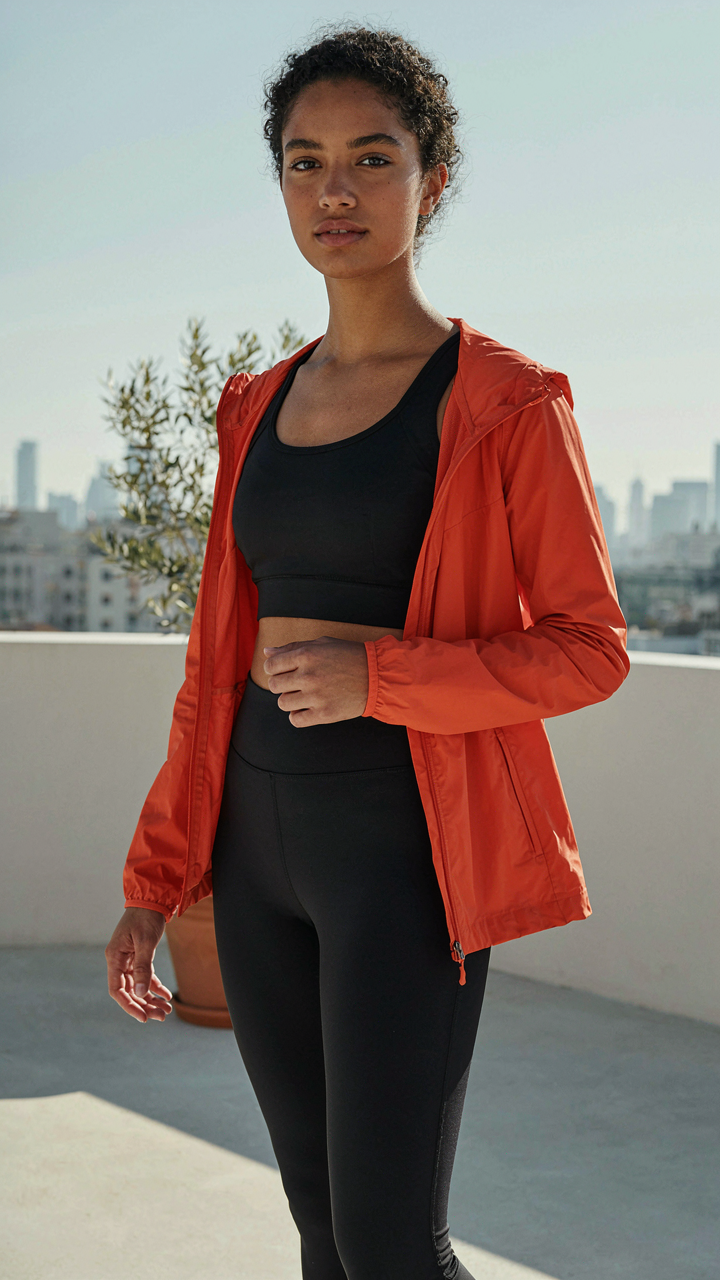
The move is to prioritize foundation pieces over trend items. Sports bras, base layers, and shorts take the most stress. Invest in brands that use four-way stretch synthetics with bonded seams rather than stitched edges, and prioritize flat-lock construction where fabric meets skin. A quality sports bra should handle 300 to 400 wear cycles before elastic failure. A durable short or tight lasts longer when the fabric sits between 80 to 90 denier nylon or polyester, not the cheap 40 to 60 denier options. These aren’t premium grades, they’re standard across professional athletic wear.
Care Routines That Compound
The common advice says hand wash everything and air dry. That’s incomplete. You need a protocol that addresses the specific degradation mechanisms your gear actually faces. Chlorine, salt water, and laundry detergent are the three enemies of synthetic athletic fabric. They break down elastic fibers and weaken seams over time. Your maintenance strategy should be built around elimination, not just gentleness.
Rinse gear immediately after runs in cold water to flush sweat salts before they set into fibers. Wash in a mesh bag on cold cycle with a specialized sports detergent that doesn’t contain optical brighteners or fabric softeners. Skip the dryer completely, lay flat or hang to dry in low humidity. Store in a cool, dark space away from direct sunlight, which accelerates synthetic breakdown. These aren’t suggestions, they’re the mechanical steps that prevent premature material failure and keep your gear functional for double the standard lifespan.
Your True Obstacle Isn’t The Weather; It’s Your Resistance To Understanding Fundamental Principles

Most women blame their running outfit choices on conditions outside their control. The real problem is simpler: you don’t know the three core principles that make any outfit work across seasons. Master layering, fabric function, and personal fit tolerance, then every season becomes irrelevant. Stop shopping for solutions. Start thinking in systems. Your next run decides whether you actually build this skill or stay stuck complaining about the cold.