

The Unspoken Truth About “Looking Good” On The Trail

When Aesthetics Become Liability
You care about this because you don’t want to look out of place, and that fear costs you. Hiking outfit choices operate like a risk calculation in mountaineering: every layer, color, and fit decision trades visibility and mobility against appearance. Most advice tells you to “just wear what feels good,” which is incomplete. What feels good in a store mirrors what looks good in a photo. Neither accounts for what keeps you functional when weather shifts, terrain demands quick movement, or you need to be spotted by rescuers. The mechanism is simple: clothes that prioritize visual appeal often restrict range of motion, increase heat retention beyond what’s safe, or use materials that fail under actual trail conditions. Technical fabrics exist for reasons unrelated to vanity. Cotton feels soft and photographs well. It also holds moisture and becomes a heat sink when wet, which turns a minor slip into a serious problem.
The real cost isn’t discomfort—it’s impaired decision-making. When your outfit restricts movement, you take shorter strides, tire faster, and miss micro-adjustments that prevent injury. When colors are chosen for Instagram rather than visibility, you become harder to spot on an overcast day. When fit is tight enough to look polished, you sacrifice the ventilation and layering depth that extended exertion demands. This isn’t about fashion rules. It’s about the gap between how your body performs in an outfit and how that outfit looks in still photos. Trail conditions don’t care about your aesthetic choices. Your safety margin shrinks with every decision made for appearance rather than mechanism.
The Hidden Price Of Form Over Function

Style-first thinking creates compounding problems that reveal themselves only after hours on trail. Tight leggings look streamlined but restrict glute activation and create pressure points that become problems during descent. Oversized flannel shirts layer poorly and bunch under packs. Fashionable boots with minimal tread look intentional but fail on loose scree. The common advice—”wear whatever makes you feel confident”—misses the engineering reality. Confidence based on appearance is fragile. Confidence based on gear that actually works persists through discomfort and uncertainty. You don’t adjust your outfit mid-hike when it looks good. You endure it. That endurance accumulates fatigue and poor decisions.
The mechanism that separates casual hikers from functional ones is simple: every piece of gear must serve at least two purposes, ideally three. A merino wool base layer regulates temperature, manages moisture, and resists odor. A properly fitted pack distributes weight to your hips, not your shoulders. Shoes with real traction prevent the micro-slips that compound into twisted ankles. When you choose a piece primarily for appearance, it fails this multi-purpose test. Start with gear specifications, then evaluate how it looks. Not the reverse. This inversion separates outfit choices that work from ones that merely photograph well.

Beyond Trends: The Essential Fabric Protocol For Outfits For Hiking Women

Synthetics Vs Natural Fibers Performance Metrics
You want to believe natural fibers are better because they feel premium and align with your environmental values. The mechanism is simpler: moisture management determines whether you stay warm or hypothermic on the trail. Synthetic fabrics like polyester and nylon actively pull sweat away from skin and dry fast. Cotton absorbs moisture, holds it against your body, and becomes a heat sink in cold conditions. This isn’t opinion—it’s physics. Merino wool bridges the gap by wicking while retaining warmth even when damp, but costs more and requires specific care.
The real protocol is fabric choice based on layer function, not fiber ideology. Base layers must be synthetic or merino to move moisture outward. Mid layers can tolerate wool blends for insulation without consequences. Outer shells demand synthetic performance because water resistance and packability matter more than feel. Pick the fabric that solves the specific problem each layer faces, not the fabric that sounds better at a coffee shop.
Thermal Regulation And Moisture Wicking Systems
Layering isn’t about stacking random pieces—it’s about creating a vapor transport system that moves moisture up and away from skin before it cools you down. The human body generates heat and sweat during exertion; your outfit must become a one-way valve. A base layer traps nothing and sends sweat to the mid layer. The mid layer insulates while allowing vapor to pass through to the shell. The shell blocks external water but lets internal moisture escape. Most women’s hiking outfits fail because they ignore this sequence and treat layers as interchangeable.
The mechanism works only if each layer is thinner than the one above it and made from materials with escalating water resistance. Tight-fitting synthetic base, loose-fitting fleece mid layer, fitted shell jacket creates the pressure gradient that drives moisture upward. Without this architecture, sweat pools against skin regardless of individual fabric quality. Test this on your next hike: wear a cotton shirt under a shell jacket and feel the damp. Then wear a synthetic base and feel the difference within thirty minutes. Your outfit either moves moisture or it doesn’t—there’s no middle ground.
The Backpacker Outfits Deception: Less Is More

Pack Weight Changes Everything
You want to look put-together on the trail without admitting that gear weight directly determines how you move and feel for eight hours straight. This isn’t vanity—it’s physics. In mechanics, load distribution affects acceleration, endurance, and precision of movement. A hiking outfit woman carries shifts her stride length, cadence, and energy expenditure with every added ounce. Conventional advice says “just wear what’s comfortable,” which is why most people abandon their outfits halfway through day two.
The mechanism is straightforward: a five-pound pack difference changes your gait noticeably by mile three. Your shoulders compress slightly. Your hips compensate. Your knees absorb more impact. When you strip unnecessary layers and choose lightweight base layers over cotton, you’re not being minimalist for style points—you’re optimizing for actual movement efficiency. This means your outfit stays functional, looks intentional, and doesn’t betray you at mile five when fatigue sets in.
One Item Doing Three Jobs
Most outfit guidance treats each piece as a single-purpose slot filler. That’s incomplete. Strategic layering means your lightweight long-sleeve shirt becomes sun protection at eight AM, cooling evaporation during exertion, and insulation at summit wind. Your leggings pull moisture away from skin and provide weather resistance without adding bulk. Your jacket compresses to fist-size but handles wind, light rain, and emergency warmth in one garment.
The outcome is a hiking outfit women can actually carry. Instead of four separate items, you choose three that cross-function. You move faster. Your pack stays light. You look deliberate rather than overdressed or underprepared. Start by identifying the three climate variables you’ll face—sun, temperature swing, wind—then assign each item to cover at least two of them. This is how you build an outfit that works.
Trekking Outfit Women: Footwear Is Not Optional

Build Your Boot Around The Sole
You want boots that look effortless on Instagram. That’s not why your feet matter on the trail. A hiking boot’s sole is load-bearing architecture. Think of it in terms of structural engineering: the sole distributes your body weight across uneven terrain without rolling your ankle or collapsing your arch. Most women default to light trainers because they’re familiar. That choice costs you miles and pain.
A proper hiking sole has three components working together. The outsole is the rubber that grips rock and mud. The midsole sits underneath and provides cushioning and arch support without compressing under pressure. The insole is your personal interface with the ground. You need a sole thick enough to protect your feet from sharp terrain but responsive enough to feel stable on loose scree. Waterproofing matters too, but only if the membrane sits between the midsole and upper, not on top like a band-aid.
Socks Kill Or Cure The Experience
The common advice on hiking socks is incomplete. People say wear wool, keep feet dry, and change socks if they get wet. None of that addresses why blisters actually form. Blisters emerge from friction and moisture, but specifically from the sock moving against your skin rather than your foot moving inside the boot. A sock that’s too loose or too thin migrates during movement. A sock that’s too thick compresses your foot and cuts off circulation, making skin more fragile.
Merino wool works because it wicks moisture while staying stable on your foot, not because of some magic temperature regulation. Choose a mid-weight merino blend in a fitted cut that hugs your arch without sagging at the heel. Change socks at the first sign of dampness, not when they’re soaked. Start each hike with dry feet and fresh socks. Moisture management is sequential, not reactive.
The Mt Rainier Outfit Climate Adaptation Matrix

Borrowed From Military Doctrine
You want to look competent on the trail without getting caught in a situation where your outfit fails you. The mechanism at work here is the OODA loop from military strategy: Observe, Orient, Decide, Act. In hiking outfit selection, most women skip the Observe phase entirely and buy gear based on the forecast alone. Bad move. Conditions change. Elevation changes temperature faster than weather apps update. You need a decision framework built before you step on the trail, not one you improvise at 8,000 feet in deteriorating visibility.
Military preparedness doctrine separates survival from comfort. Your outfit must handle the worst-case scenario in the microclimate you’re entering, not the average day. Mt Rainier sits in a rain shadow and an alpine zone simultaneously. That means clear mornings pivot to cloud-locked afternoons in hours. The outfit that works at the trailhead at 6 AM becomes inadequate by 11 AM without strategic layering decisions made in advance. You’re not building flexibility into your outfit. You’re pre-deciding which layers activate when specific triggers happen: temperature drop, wind shift, precipitation start.
The Contingency Layer System
Your base layer, insulation layer, and shell layer aren’t suggestions. They’re decision nodes. When temperature drops 15 degrees, your insulation layer activates. When wind speeds increase, your shell tightens. When precipitation begins, your pack’s rain cover deploys. Build this protocol now so your hands don’t fumble with decisions when conditions deteriorate.
- Base Layer Activation: Merino wool or synthetic blend triggers when skin temperature drops or sweat management becomes critical. Cotton fails here permanently.
- Insulation Layer Deployment: Lightweight down or synthetic insulation adds when temperature falls below 50 degrees or wind chill accelerates heat loss.
- Shell Layer Engagement: Waterproof jacket deploys at first wind gust over 20 mph or any precipitation, not after you’re already wet.
- Pant Contingency: Convertible or full-length trail pants switch based on altitude gain and sun exposure, preventing overheating in early miles.
- Accessory Escalation: Hat, gloves, and neck gaiter pack into your bag at the trailhead, not left behind based on morning conditions alone.
Execute this contingency protocol by packing each layer separately and checking activation points every 30 minutes of elevation gain. Don’t wait until you’re cold or wet to retrieve gear from your pack.
Outfit Camp: The Overnight Gear You Actually Need
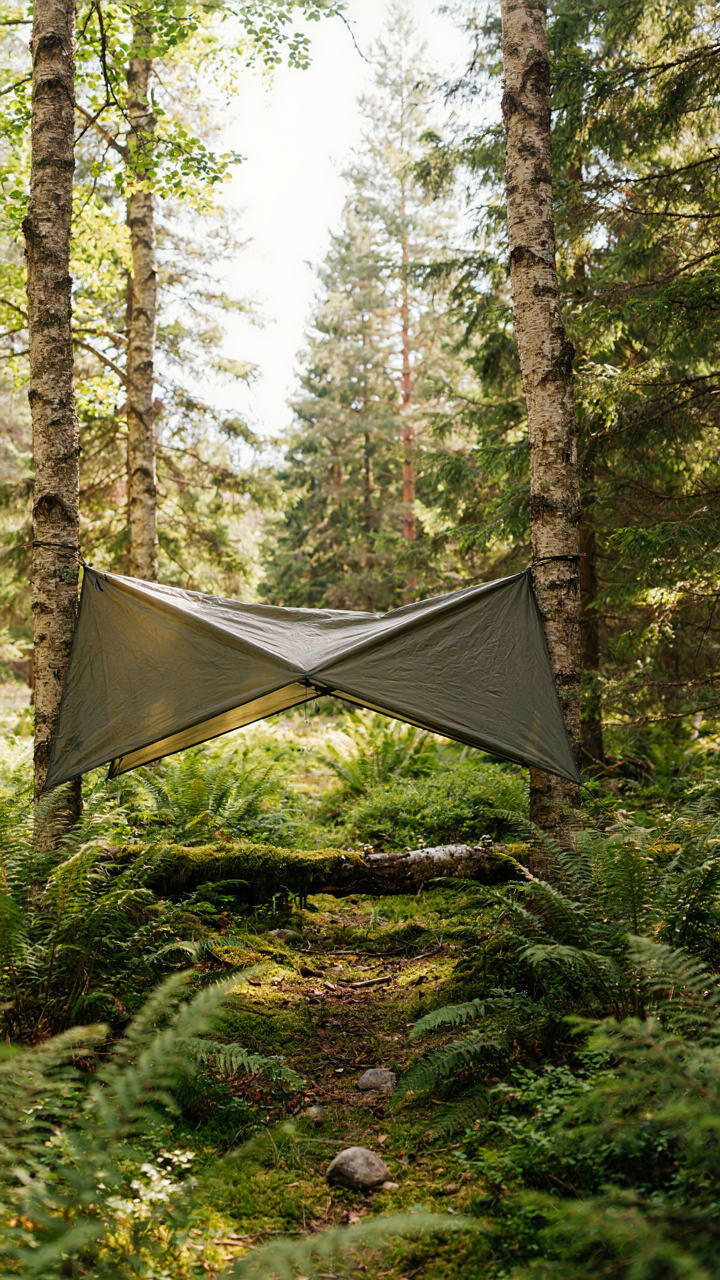
Shelter Systems: Weight Versus Weather
You want lightweight gear because you believe it makes you tougher or more efficient than other hikers. The real mechanism is thermodynamics: shelter doesn’t keep you warm, it reduces convective heat loss and traps body heat you already generate. A tarp weighs half what a tent does and protects you from wind and precipitation. A tent seals you from the elements but adds weight and bulk. Neither is objectively better. Choose based on the actual weather pattern you’ll face, not your image of what a “real” hiker carries.
Tarps demand skill you probably don’t have yet. They require site selection, proper pitch angles, and understanding how wind direction affects your setup. Tents eliminate these variables. On a three-season trip where storms are unlikely, a tarp saves pounds. In unpredictable conditions where you need speed and forgiveness, a tent wins. The decision isn’t about gear philosophy. It’s about matching the tool to the specific environmental threat.
Sleep Systems: Insulation, Not Just Temperature
Physics calls it thermal resistance: the ability of a material to block heat transfer. Sleeping bags use fill rating as shorthand, but that number describes comfort temperature, not actual insulation value. A bag rated to 20 degrees keeps you alive at 20 degrees if you’re stationary. A pad underneath you matters more than the bag itself because ground contact drains heat faster than air exposure. Women typically have lower basal metabolic rates than men, which means a 20-degree bag might perform like a 30-degree bag depending on your physiology and the pad beneath you.
Don’t chase the warmest bag available. Match insulation value to the season and terrain you’re hiking. A summer bag (35-40 degrees) for three-season camping is lighter and packs smaller. Pair any bag with a pad rated for the conditions. Insulation value on pads is measured as R-value, not temperature. An R-value of 3 or higher handles spring and fall. Below 3, expect cold nights. Test your combined system on car camping trips before committing to backcountry miles.
Hiking Fits Women: The Pockets And Zippers Fallacy

Accessing Essentials Without Breaking Stride
You want pockets because you’re afraid of looking like you need a backpack to carry basics, but the real problem is that most women’s hiking gear designers treat pockets like decoration instead of logistics. Think in terms of supply chain optimization: every item you need mid-hike should live in a location that lets you grab it without stopping, removing your pack, or hunting through layers. A phone in a thigh pocket beats a phone in a chest pocket because your hands stay stable and your momentum continues.
Pocket placement determines whether you actually use gear or abandon it in your pack. Front thigh pockets work for phones and snacks because they’re at hand height when you’re moving. Chest pockets on jackets work for maps or sunscreen because you reach them without breaking your stride. Hip belt pockets on packs bridge the gap: they’re accessible while wearing your pack and don’t require you to shrug it off. Test every pocket on flat ground before the trail. If you can’t reach it smoothly while walking, it’s wasted space.
Zipper Durability And Weather Sealing
Most advice about zippers focuses on aesthetics instead of the mechanism that actually matters: the slider head width determines whether water gets trapped in the coil, and coil material determines how many cycles before teeth separate. YKK zippers last longer than generic alternatives because their slider design sheds water instead of channeling it into the track. You don’t buy a brand name for status; you buy it because the engineering prevents water from pooling where your skin is.
Weather resistance comes down to zipper tape sealed to fabric, not the zipper itself. Full-length storm flaps behind zippers on jackets and pants do the real work. Check if the tape itself is waterproofed, not just glued on. On rain jackets, zippers should sit behind an interior storm flap or have sealed tape backing them. On pants, the crotch zipper and thigh pocket zippers take the most punishment from moisture and sweat, so those need the best hardware. Replace zippers on core pieces rather than buying new gear when they fail.
Trekking Outfits: The Accessory Advantage (Not Distraction)

Headwear And Gloves: Temperature Control Works
You want accessories to feel optional because admitting you need them feels like admitting weakness on the trail. Here’s the mechanism: your body dumps heat through your head and hands first, which means regulating those two points controls your core temperature without peeling off layers. This is basic thermoregulation. A hat or headband switches your body from heat-loss mode to heat-retention mode in minutes. Gloves do the inverse—they trap warmth when you’re cold and come off when you’re moving hard uphill.
Start with a lightweight beanie or brimmed cap. Beanies work in cold; brims work in sun and rain. Gloves should fit tight enough to use your phone and adjust straps. You don’t need insulated gloves unless you’re above treeline or hiking in winter. The protocol: wear headwear from the parking lot, remove gloves during the ascent, put them back on during rest breaks. This prevents the energy waste of your body fighting temperature swings.
Trekking Poles: Leverage, Not Luxury
Most women skip poles because they see them as old-person equipment. That’s wrong. Poles are a physics tool—they distribute load across four contact points instead of two legs. Your knees absorb impact force on descent; poles redirect that force into your arms and core, which are built to handle it. The math is simple: every pound poles carry off your joints compounds over miles.
Pick poles with cork grips and wrist straps you can adjust without removing gloves. Set them so your elbows bend at ninety degrees when planted flat. Use them on every descent without exception. On flat sections and ascents, you can shorten them or leave them hanging. This isn’t optional convenience—it’s structural protection that compounds the more miles you log.
The Post Hike Recovery Protocol: Beyond The Trail

Wash Your Gear Before It Sets
You want your expensive hiking clothes to last because replacing them feels like failure. Here’s the mechanism: sweat and dirt are corrosive. They break down fibers at the molecular level, not just sit on the surface. Cotton absorbs moisture and rots from the inside. Synthetics trap salt that accelerates degradation. Merino wool resists odor but still needs cleaning to maintain elasticity. The longer you wait, the harder the damage becomes to reverse.
Wash after every hike, not after three hikes. Use cold water for synthetics and warm for wool. Turn gear inside out to protect the outer face from friction. Skip fabric softener entirely—it coats fibers and traps moisture. Dry flat or hang in direct air flow. Never machine dry technical fabrics. The heat warps elastic fibers and melts coatings. One cycle in a dryer undoes years of longevity.
Refuel Your Body With Specificity
The common advice to “drink water and eat something” misses the actual mechanism of recovery. Your muscles need three things in sequence: carbohydrates to replenish glycogen stores, protein to repair micro tears, and electrolytes to restore fluid balance. Waiting six hours to eat is waiting for your body to scavenge its own tissue. The window closes faster than you think.
Consume carbs and protein within thirty minutes of finishing. A banana with peanut butter, Greek yogurt with granola, or a turkey sandwich all work. Drink half your body weight in ounces of water over the next two hours, not all at once. Add electrolytes if you hiked more than ninety minutes or in heat. Skip sports drinks with added sugar—the glucose spike causes a crash. Your muscles absorb nutrients best when blood flow is still elevated from exertion.
Hiking Outfit Women: Crafting Your Immutable Trail Identity

Stop Dressing For The Camera
You want to look good on the trail because you think it matters to other people. It doesn’t. What matters is that your outfit solves problems your body faces in changing conditions. Take systems thinking from engineering: a hiking outfit is not a collection of pieces but an integrated feedback loop where each layer responds to input, regulates output, and adapts to load. Your boots handle ground impact. Your base layer wicks sweat. Your shell blocks wind. Each component fails or succeeds based on function, not aesthetics.
The moment you stop optimizing for how you appear is the moment your outfit actually works. Women’s hiking apparel has spent decades shaped by fashion logic instead of biomechanics. You move different than men do. Your center of gravity sits lower. Your hips carry load differently. Most mainstream hiking gear ignores this. When you build an outfit for performance first, you eliminate 90% of the decision paralysis. Your clothes stop being a statement and start being infrastructure.
Build Your System Through Iteration
Most advice tells you to buy a complete outfit at once based on a list. That’s backward. You learn what works by hiking in real conditions, feeling where things fail, and replacing only what broke. Start with one solid base layer in merino wool or synthetic. Add one mid layer. Add one shell. Hike in those pieces repeatedly. Notice where you sweat too much, where cold creeps in, where fabric bunches under your pack straps.
After three to five hikes, you’ll see which pieces earn permanent spots and which need replacing. This is refinement, not trial and error. Your body and the terrain give you data. Act on it. Build your outfit around what you actually do on the trail, not what someone online said you need. The outfit that works is the one you’ve tested and modified until it becomes second nature. You move faster, breathe easier, and stop thinking about your clothes entirely.
The Real Obstacle Isn’t The Trail, It’s Your Resistance To Radical Self-sufficiency

You’ve read about fabrics and layering. Now stop waiting for permission to look like you belong outside. Buy one quality piece today that makes you feel capable, not one more thing you think you should own. The trail doesn’t care about your outfit. Your confidence does.