
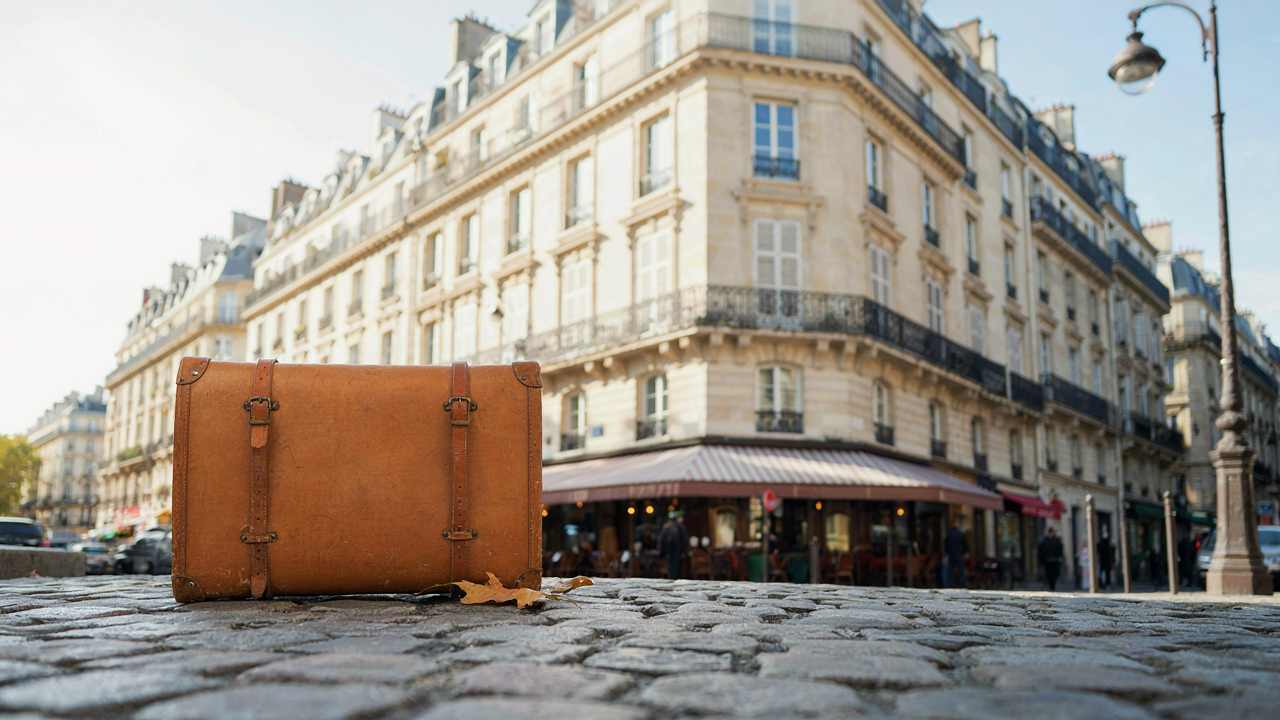
The Tourist Trap Wardrobe: Why Your “Paris Packing List” Fails

Aspirational Overpacking Vs. Functional Curation
You’re packing to prove something to people you won’t see. That’s the real mechanism at work. Most packing lists treat clothes as inventory—pack more options, increase odds of looking right. This is signal drift from economics. You’re not solving for flexibility. You’re solving for the fantasy version of yourself that emerged from a travel magazine three weeks ago.
The gap between what you think you’ll wear and what you actually wear in Paris is predictable. You pack the linen blazer for spontaneous café moments. You pack the statement heels for evening plans that never crystallize. You pack backup outfits for confidence you won’t need because you’re too busy navigating logistics. Strip this down to a uniform strategy instead. Choose three base colors, rotate the same six pieces, and stop treating your suitcase like insurance against feeling unprepared.
The Subtle Tells Of An American Tourist

Parisians don’t assemble outfits. They wear the same things repeatedly and wear them well. You spot American tourists because they signal variety and effort—the dead giveaway that clothes are a project, not a default. The white sneakers with the sundress. The cargo vest over the graphic tee. The rotation of completely different aesthetic lanes within a single trip. Parisians operate from constraint, not abundance.
The real tell isn’t one item—it’s the absence of a thesis. A functional Paris wardrobe has a color story and a silhouette strategy you can defend. You wear clothes that acknowledge the season, the architecture, and your actual schedule, not clothes that hedge against every possible mood. Before you pack anything, write down the one outfit formula you’ll repeat. Then pack only pieces that fit into it. This single decision eliminates ninety percent of the second-guessing that happens mid-trip.

Paris Packing: The Anti Trend Protocol
Build A Rotation, Not A Collection
You want to look intentional in Paris because you’re afraid you’ll look like a tourist. Here’s what actually matters: the mechanism is constraint, not abundance. Fashion design borrowed from systems thinking, where constraint forces elegance. Limit your base colors to three. Build every outfit around those three. This isn’t about minimalism as virtue. It’s about the math of combinations. Five pieces in one color scheme create fifteen outfit variations. Twenty pieces create decision paralysis and repeated outfits.
Pick navy, white, and one neutral that works with both. Black works. Cream works. Camel works. Every item you pack must pair with at least three other items already in your bag. Before buying anything for this trip, ask whether it solves a specific outfit problem or if it just fills space. Space filling is what tourists do. Problem solving is what intentional travelers do.
Timeless Over Trend Cycles
Everyone tells you to avoid trends in Paris. That’s incomplete advice because it doesn’t explain why. Paris respects consistency across decades, not seasonal shifts. The designers who built the city’s reputation operated on a different timeline than fast fashion. A Breton stripe works in 2024 because it worked in 1917. A well cut blazer doesn’t expire. Trends are disposable. Timeless pieces compound in value because you wear them repeatedly without self consciousness.
Ignore this year’s color forecast. Ignore oversized proportions if they don’t fit your frame. Ignore the Instagram algorithm telling you what Parisians supposedly wear now. Instead, buy pieces that existed before 2015 and will exist after 2030. Neutral tones, clean lines, natural fabrics. Cotton. Linen. Wool. Silk. These materials look better after wear, not worse. Before you pack anything, check whether the piece has the same silhouette it had five years ago.
The Capsule Collection Conspiracy: Less Is Not Always More
The Ten Piece Myth Doesn’t Account For Context
You want permission to pack light because you’re afraid of looking like a tourist hauling luggage through the 6th arrondissement. The mechanism is simple: fashion media sold you a narrative that constraints equal creativity, when really they equal restriction. A true capsule demands you wear the same outfit rotation until people recognize your silhouette. Paris crowds don’t work that way. You’ll see the same person twice in a week, maybe three times if you’re in the same neighborhood daily.
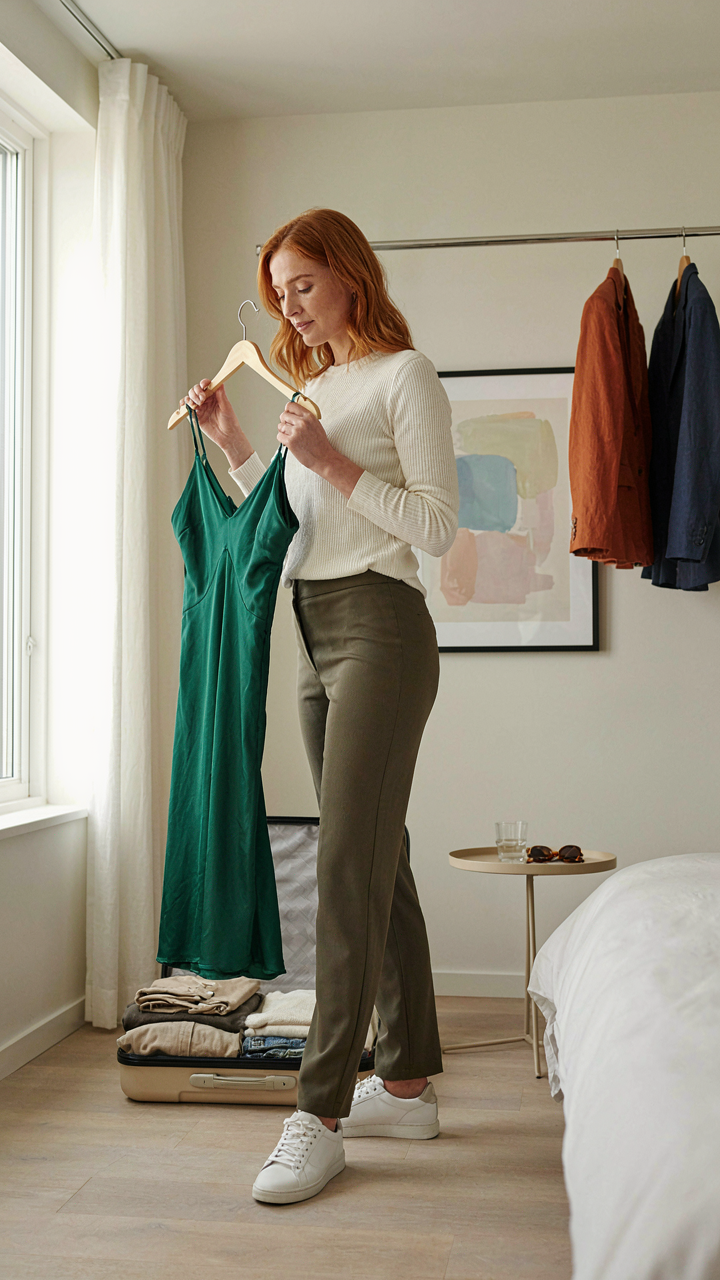
The ten-piece rule assumes you’ll repeat combinations without psychological friction. It assumes neutral colors will feel fresh on day six. It assumes you won’t want options when the weather pivots or you book a dinner you didn’t expect. The math breaks. Ten pieces times seven days, accounting for washing, gives you roughly one outfit per day with minimal flexibility. That’s not practical. That’s constraint pretending to be elegance.
Deliberate Variety Over Forced Minimalism
Strategic additions mean pieces that solve problems, not pieces that look good in a flat lay. Add a second pair of shoes in a different silhouette, not a third neutral sweater. Add one statement piece that isn’t neutral, not five basic tees. The distinction matters because Paris rotation is visible rotation. People move through the same corridors repeatedly.
What actually works: pack enough to rotate without repeating a full outfit within three consecutive days. Include one or two pieces that break your neutral baseline. Include shoes for different contexts, not just different colors. Include one layer that handles unpredictable weather. The protocol is simple. Count outfit combinations, not item count. If you have twelve items creating twenty combinations, you’re prepared. If you have seven items creating seven combinations, you’re gambling.
France Packing List: Decoding Parisian Footwear Logic

Comfort Without Sacrificing Elegance
You’re worried people will judge your feet. Here’s the mechanism: Parisians don’t separate comfort from elegance because they understand load bearing. In biomechanics, load distribution determines whether a system fails or sustains. Your shoe choice either distributes weight across your day or concentrates it into pain. A week of museum floors, cobblestones, and Metro stairs demands footwear that handles lateral stress without broadcasting “tourist in distress.”
The misconception is that elegance requires suffering. It doesn’t. Parisian women wear leather flats, structured loafers, and minimal sneakers because these shoe types solve the problem directly: they move you through the city without compensation injuries. Quality matters here. A well-constructed flat from a heritage brand manages impact better than a thin, decorative alternative. Test your shoes on hard surfaces before packing. If your feet hurt after two hours indoors, they’ll betray you in Paris.
The Three Essential Shoe Types For Urban Exploration
Flat leather shoes handle 60 percent of your week. They work on cobblestones, they transition from day to evening, and they don’t require explanation. A simple leather loafer or ballet flat in black or tan serves restaurants, galleries, and walking routes equally. Wear them on the plane so you have immediate backup if luggage delays happen.
Minimal white sneakers or clean leather trainers cover the remaining days. These work for markets, long walking routes, and casual neighborhood exploration without the performative “I’m exercising” energy of athletic footwear. Bring one compact pair. Avoid anything with excessive branding or cushioning that reads as American casual. The third option is a structured heel or ankle boot if evening plans warrant it, but this is conditional. Most travelers overpack footwear. Rotate the same two to three pairs instead of carrying six options you won’t use.
Things To Pack For Paris: The Spartan’s EDC (Everyday Carry)

Minimize Bulk, Maximize Utility
You want to feel unburdened in Paris because carrying less signals you belong there, not that you’re visiting. Military logistics calls this “load optimization”—moving maximum capability with minimum weight. Apply it here: every item earns its place by solving two problems, not one. A scarf becomes a blanket, shoulder cover, and bag disguise. A cardigan functions as a layer, a chair cover at cafes, and evening wear. This isn’t minimalism for its own sake. It’s the mechanism that lets you move through the city without fatigue.
Paris demands mobility more than most cities. Cobblestones punish heavy luggage. Narrow apartment entrances reject oversized bags. The real constraint isn’t what fits in your suitcase—it’s what you can actually carry for eight hours while maintaining composure. Strip your daily items to genuine essentials: one wallet, one phone, one small notebook, one pen, one lip balm, one pair of sunglasses. Everything else stays in your accommodation. You move faster than other tourists, which means you see what they miss.
The Bag Becomes Your Weapon
The right bag determines your entire Paris experience because it’s the one item that touches every moment of your day. Most travelers pick wrong here—they grab something pretty or something big, and it sabotages them. You need a structured tote or crossbody that sits high on your body, closes securely, and carries the day’s weight on your torso, not your shoulders. Leather ages visibly in Paris, which means the bag itself becomes part of the aesthetic you project.
Parisian women use bags as functional architecture, not decoration. A compact leather crossbody in black or camel handles museum days, market runs, and cafe sits without advertising you’re a visitor. Avoid logo-heavy designs and backpacks—they mark you immediately. The bag should fit a small water bottle, a light jacket, and your essentials without bulging. Prioritize closure mechanism and strap stability over size. When your bag sits flat against your body and closes with a magnetic snap or zipper, you’ve solved the primary daily friction point.
Paris Packing List Spring: Adapting To Microclimates
Layering As Temperature Insurance
You want to look effortless in Paris, which means you’re terrified of looking like a tourist bundled in the wrong gear. Here’s the mechanism: spring in Paris isn’t a season—it’s a daily negotiation between cold mornings, warm afternoons, and unpredictable rain. Temperature swings of 15 degrees Fahrenheit between 8 AM and 3 PM are normal. Layering isn’t aesthetic preference. It’s logistics. You build a removal system.
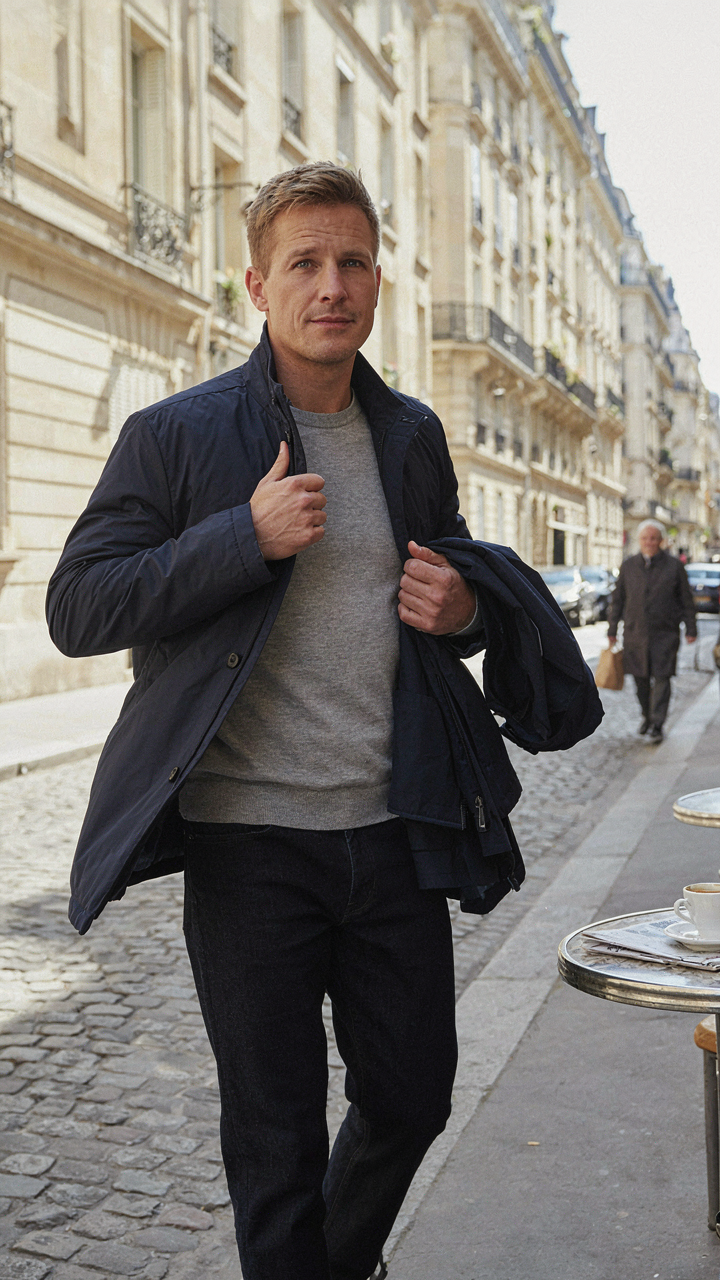
Start with a thin merino base layer. Add a mid-weight sweater or cardigan. Finish with a lightweight jacket that packs small. This three-tier approach lets you shed or add without needing to change outfits. The key: each piece works alone and in combination. Your mid-layer functions solo in April warmth. Your base layer works under the jacket in March cold. Your jacket throws over short sleeves in unexpected rain. Never pack a single-purpose garment for spring Paris. Every piece must do double duty.
Reading The Street Instead Of The App
Weather apps lie about Paris because they average conditions across a large area and update every few hours. You need real-time data. Observation beats forecasting. Walk outside each morning and watch what Parisians are wearing—not tourists, locals. If women wear lightweight scarves but no heavy coats, the day gets warm. If you see closed umbrellas but rain jackets, moisture is coming but it’s intermittent. If people layer visibly, plan your day around temperature swings.
The tactical move: pack a reversible or convertible piece—a jacket with removable sleeves or a sweater that layers under anything. Bring one more layer than the forecast suggests. Spring Paris produces false-warm days where 60 degrees feels hot until 4 PM when it drops to 45. Don’t trust the numbers. Trust the street. By day two, you’ll read the pattern better than any meteorologist and pack accordingly each morning before leaving your hotel.
What To Pack For Paris: The Art Of The Strategic Accessory

Accessories That Work, Not Accessories That Sit
You want accessories to signal taste without effort. Here’s what nobody says plainly: accessories operate on the same scarcity principle as military supply lines. The constraint is not what you own but what you actually wear across multiple outfits. Paris forces this choice because walking matters. You’ll cover ground. Accessories that don’t anchor to at least three different pieces become dead weight.
- Structured leather belt in black or cognac: Resets silhouettes across dresses, blazers, and coats. Works equally with casual and formal layers. Worn daily, not occasionally.
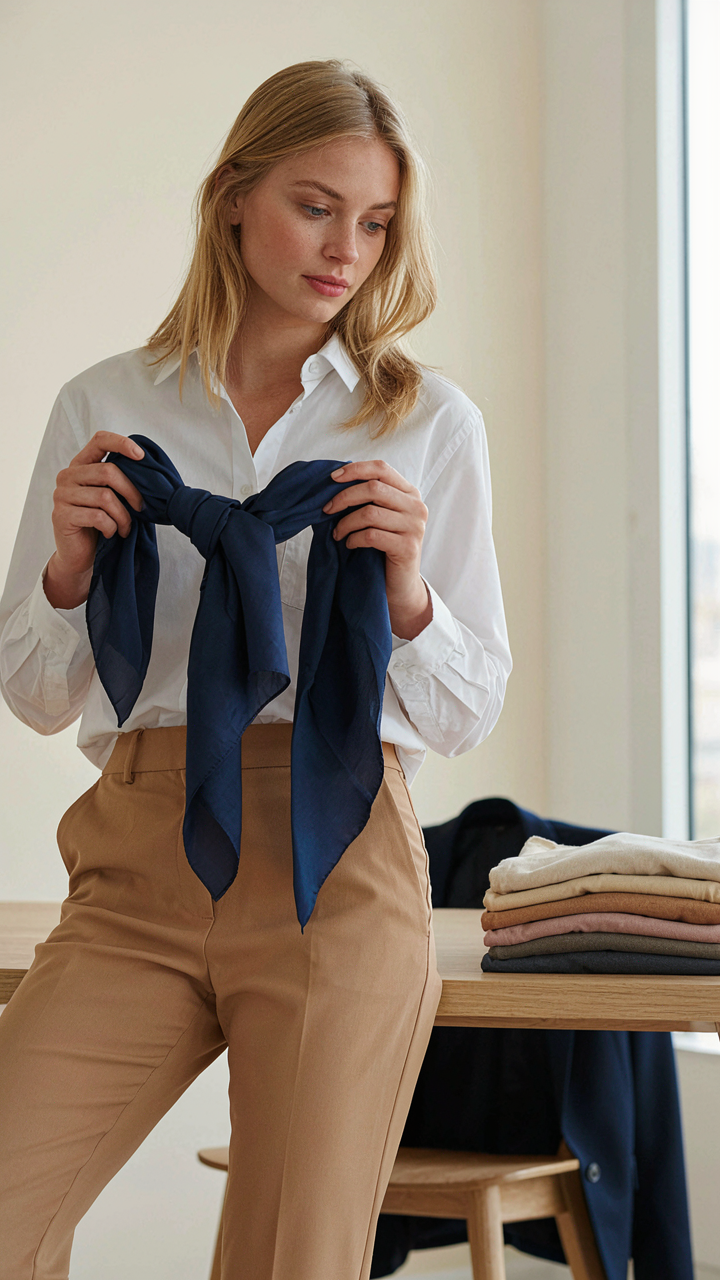
- Silk scarf (140cm square): Ties at neck, drapes across shoulders, wraps a jacket, secures hair. Four-in-one utility. Hermès or Loro Piana weights work best because they hold knots.
- Simple gold or silver chain necklace (16-18 inches): Layers under collars, shows at necklines, doesn’t compete with other pieces. One metal only. No pendants.
- Minimal crossbody bag in leather: Replaces a tote and evening bag across contexts. Paris streets demand hands free. Neutral color. Structured, not slouchy.
- Pointed-toe flat or low heel (under one inch): Works with dresses, trousers, and skirts without announcing itself. Burgundy or black leather. Museums and galleries have marble floors.
The mechanism is multiplication: each accessory must unlock different outfit combinations, not add to them. If you pack a belt, that belt needs to work with at least three base pieces you’re already bringing. Pick your base wardrobe first. Then add only accessories that create new looks from existing clothes.
Stop Treating Jewelry Like A Miniature Collection
Most packing advice tells you to bring “a mix” of jewelry. This is the advice that makes people overpack and wear nothing. You don’t need variety. You need consistency. Paris isn’t a vacation where you perform different identities each night. You’re the same person for seven days.
One necklace, one pair of earrings, one ring. All in the same metal. This isn’t minimalism for aesthetics. It’s architecture. Matching metals create visual coherence even when you change clothes. Mismatched metals read as accidental rather than intentional, and Paris notices the difference. Gold with gold. Silver with silver. No mixing. On day three, you’ll stop thinking about jewelry entirely and focus on what matters: where you’re going and what you’re seeing.
The “Packing List For Paris” Psychology: Mindset Over Material

Confidence As Your Most Vital Accessory
You want this section because you’re afraid looking wrong in Paris will expose you as a fraud. Here’s the mechanism: confidence operates like currency in social physics—it compounds when you stop performing and start deciding. The clothes matter less than the decision-making framework behind them. Paris doesn’t judge outfits. It judges hesitation.
Most packing advice treats clothes as variables to optimize. Wrong. Treat them as decisions to make once, then stop revisiting. Pick five core pieces that work together. Wear them without second-guessing. The mental energy you save fuels actual presence—conversation, observation, movement. This shift from selection anxiety to committed action is what reads as confidence to anyone watching.
Owning Less Expands What You Actually Experience
Minimizing your luggage isn’t about virtue or Instagram aesthetics. It’s about friction reduction. Every item you pack creates a micro-decision burden: what to wear, where to store it, whether you’ll regret it. Psychology calls this decision fatigue. You arrive in Paris with mental bandwidth already spent before you leave your hotel room.
Travel with one bag you can move through the city without thinking about it. This removes the thing that actually stops people from exploring: logistical drag. You walk further. You take streets without calculating the weight in your shoulders. You sit at a café longer because you’re not managing jacket placement or bag security. The constraint creates freedom. Pack ruthlessly. Experience everything.
Paris Trip Packing List: The Return On Investment Of Quality
Buying Less Buying Better Long Term Value
You want permission to spend more money on fewer things without feeling reckless. Here’s the actual mechanism: depreciation compounds in reverse. Economics calls it “cost per wear”—the real price you pay divided by how many times you use an item. A 200-euro wool coat worn 100 times costs 2 euros per wear. A 60-euro synthetic coat worn 15 times costs 4 euros per wear. Paris demands pieces that work across seasons and settings, which naturally eliminates junk.
The common advice here is garbage: “invest in basics.” That’s not an instruction. The real move is matching your item selection to your actual Paris trip frequency and duration. A week away demands pieces that compress into carry-on space, work in 50 to 70-degree weather swings, and pair with everything else in your bag. Buying three premium neutral pieces that accomplish this costs more upfront but eliminates the waste of owning seven mediocre pieces you abandon after one trip. The math is simple: fewer better items always beat more cheap items for travel.
Repair Don’t Replace The Sustainable Mindset
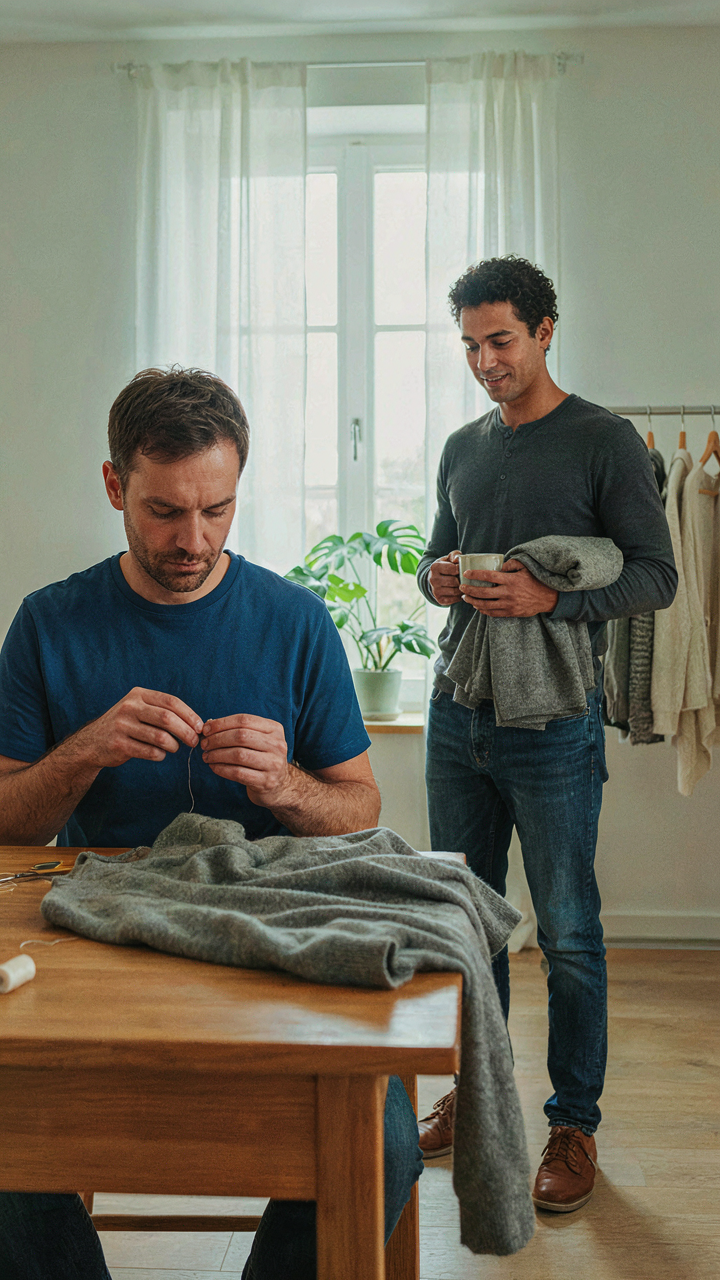
Replacement culture convinced travelers that worn items signal failure instead of use. Paris has thrived on the opposite model for centuries—visible repair and alteration are marks of ownership and intention. When your favorite sweater develops a hole, you don’t discard it and buy new packing list pieces. You find a tailor. A 15-euro mending job extends the life of a 120-euro garment by years.
Most people don’t repair because they treat travel clothes as disposable. That’s the hidden cost nobody admits. Build one simple protocol: before packing for Paris, inspect each piece for damage and schedule repairs now. Loose seams, missing buttons, fraying hems—all fixable for under 20 euros per item. This single step stops you from buying replacement pieces and forces you to develop real attachment to what you own. Repair before you pack, not after you return home.
The Real Obstacle Isn’t What To Pack, But Your Addiction To External Validation Disguised As Style

You don’t need a better packing list. You need to stop seeking permission from strangers on the internet to wear what makes you feel alive. Pack three things that make you move differently. Leave the rest. The Paris packing list that works is the one you stop overthinking and actually use, because confidence travels lighter than doubt.