
The Illusion Of Disposable: Why Your Closet Is A Leaky Bucket

The Replacement Treadmill
You want permission to ignore this because admitting you waste money on clothes you throw away feels weak. Here’s the mechanism: consumer cycles train you to see replacement as cheaper than repair. A shirt costs fifteen dollars. Fixing it costs time. Your brain does the math wrong because time has no price tag in fast fashion’s math. The system wins when you believe mending takes longer than earning replacement money. It doesn’t.
Disposability isn’t an accident. Retailers engineered it. Planned obsolescence in apparel means seams fail, fabrics pill, and elastic dies on schedule. You notice the problem, estimate the repair cost in mental energy, then buy new. The closet empties to the landfill. You buy again. The cycle accelerates because nothing in your wardrobe gets built to last, and nothing teaches you it could.
The True Cost Of Fast Fashion

Fast fashion’s real price tag isn’t on the label. Economics calls this negative externality pricing, where the buyer pays only a fraction of total cost while society absorbs the rest. For mending kit essentials, this means the reason you don’t own them is because the garment’s designed price point assumes you’ll discard it, not repair it. You’re operating inside a system that punishes maintenance.
The hidden costs stack. Water for production. Chemical dyes in waterways. Labor practices overseas. Landfill capacity. Carbon from shipping replacements. Microfiber shedding in washing machines. None of these appear in checkout. Your mending kit costs roughly forty dollars once. A replaced wardrobe costs thousands per year, plus the externalities you never see. The math only looks good if you ignore what’s actually happening.

Minimalist Sewing Kit: The Essentialist’s Arsenal

Strip It Down To What Actually Works
You want to feel prepared without cluttering your space. The real mechanism here is constraint. Limitation forces specificity. The moment you own seventeen thread colors, you start justifying why you need seventeen instead of asking which repair jobs you actually face. Most people buy kits because they feel incomplete, not because they’ve audited their actual mending patterns. Eliminate that gap first.
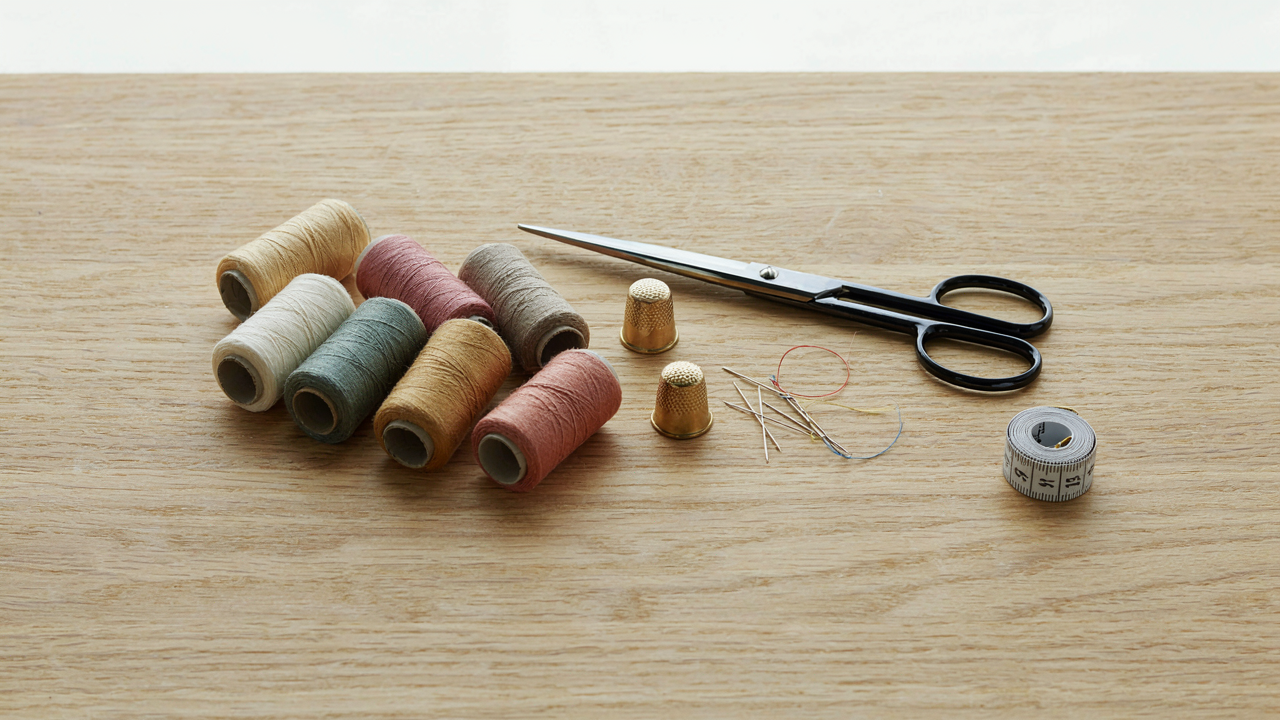
- Needles (hand sewing assortment): Three sizes cover 95% of repairs. Use size 7 or 8 for most fabric weights, size 10 for delicate work, size 5 for heavy materials. Cheap needles bend and dull fast.
- Thread (neutral colors only): Black, white, tan, and gray. These four cover seams, hems, and patches on most wardrobes. Match the fabric when possible, not the stitch.
- Scissors (fabric-specific): One pair that cuts only fabric. Dull scissors from cutting paper destroy edges and create fraying. Buy scissors that feel right in your hand or you won’t use them.
- Thimble: Non-negotiable for pushing needles through heavy material without destroying your finger. Metal ones last longer than plastic.
- Seam ripper: One tool solves most mistakes faster than fighting the stitch. Essential for undoing hems, seams, and botched repairs without fabric damage.
The trap is thinking more tools solve more problems. They don’t. Five well-chosen items handle 80% of closet repairs. The remaining 20% should push you to a tailor, not to buying more equipment you’ll never reach for.
Tools Worth The Investment
This isn’t about luxury. It’s leverage. A dull needle demands ten times the force, turns a five-minute repair into twenty, and damages fabric in the process. A quality needle slides through material cleanly. Economics calls this “marginal utility.” In mending kit terms, that’s the difference between a tool that works and one that works against you.
Buy scissors that last years, not ones you replace quarterly. Buy needles that don’t bend on the second use. Buy a thimble that fits your finger without slipping. These aren’t upgrades. They’re the baseline. When your tools work without friction, you actually use your kit. When they fight you, it sits in a drawer and you buy new clothes instead of fixing them.
The Quick Mending Repairs Protocol: Speed And Precision

Where Failures Actually Happen First
You want to feel competent, which is why you’re reading this instead of throwing things away. The mechanism is simple: most garment failures follow predictable patterns. Seams fail at stress points. Hems separate at corners. Buttons detach where thread takes the most load. Zippers jam where fabric bunches. Once you map these failure zones, you stop reacting and start intercepting damage before it spreads.
The priority system works backward from cost. A missing button costs nothing to replace if caught in week one. The same garment with a torn seam costs real time to restitch. A hole that’s progressed into structural failure becomes a disposal problem. Start your mending kit check by identifying what you’ve actually lost or damaged in the past three months. That pattern tells you what to stock and what techniques matter most for your specific wardrobe stress profile.
Speed Beats Perfection On The Clock
Most people think mending takes hours because they learned from their grandmothers, who treated it like meditation. Wrong framework. Think of it like triage in emergency medicine: stabilize first, perfect later. A quick whip stitch seals a seam split in under five minutes and buys the garment weeks. A temporary button knot holds until you have time for a proper anchor. Ladder stitch on a seam closes a small hole in one pass without backstitching.
The actual protocol: thread the needle once, not twice. Use the right tool match (thin needle for delicate fabric, thicker for denim). Let the garment tension hold your work steady instead of gripping it. A single continuous stitch beats multiple small ones because fewer knots mean fewer failure points. When the repair holds for two weeks without unraveling, you’ve done it right. After that, perfectionism is just theater.
Reinvention Mending Kit: From Repair To Upgrade

When Stitching Becomes Statement
You want permission to keep wearing clothes you love without feeling broke or wasteful. Here’s the mechanism: visible mending shifts the frame from “damage control” to “intentional design.” The Japanese concept of shibui—finding beauty in imperfection—has historical precedent in darning and patching traditions across cultures. Your mending kit becomes a design tool the moment you stop hiding the work. Bold thread colors, geometric patch placement, and exposed seams transform a worn garment into something harder to replicate than the original. This isn’t nostalgia or thrift theater. It’s upgrading through constraint.
Visible mending works because it signals choice. A raw edge patch in contrasting linen reads differently than a hidden repair. The viewer knows you selected it. This changes the garment’s status from “falling apart” to “intentionally modified.” Your mending kit needs thread in colors you’d actually want visible—not just utilitarian beige. Invest in high-contrast embroidery thread, raw silk, and waxed linen. The repair stops being invisible and starts being visual currency.
Strategic Intervention On Wear Patterns
Most mending advice treats damage as failure. It’s not. Damage is data. Worn knees, fraying cuffs, and thinned elbows show exactly where a garment moves. This is where you intervene with intention. Instead of patching a hole after it forms, reinforce the area before failure with additional fabric, topstitching, or decorative overlay. A sweater showing elbow wear gets a leather patch not because you have to, but because you’re extending its life while changing its function. You’re not fixing an old sweater. You’re upgrading it into workwear.
Layering repair over high-stress zones gives you control over the garment’s next chapter. Use your mending kit to add structure where wear happens fastest. Flat-fell seams, reinforcement patches, and machine topstitching aren’t hidden repairs—they’re protective modifications. This approach costs less than replacement and gives you a garment that actually improves with intentional use. The mechanism is simple: repair before crisis, and make the repair visible enough that it becomes part of the design. Your mending kit now contains strategic tools—heavy-duty thread, durable patch material, and a sturdy needle that handles reinforcement work.
Meditative Mending Stitch Kit Inspiration: The Flow State Of Repair

Removing Distraction To Focus
You want mending to feel meaningful because sitting still without permission feels like laziness. The mechanism is simple: distraction fractures attention, and fractured attention kills the one thing mending offers that scrolling doesn’t. Your nervous system needs containment. Set up your mending space with one task in front of you. Phone in another room. No podcast playing. The kit itself becomes the boundary. Thread, needle, fabric, scissors. That’s the perimeter. When your hands work within constraints, your mind stops generating escape routes.
Most people treat mending as something to rush through. That’s the wrong operating system entirely. The value lives in the repetition itself, not the finished seam. A basic kit forces this naturally because you have limited options. You cannot optimize your way out. You sit with the work. You feel the needle pressure. You watch the thread loop. This is what creates the neurological shift. Nothing fancy required. Just materials that demand your presence because they offer no shortcuts.
Building Discipline Through Repetition
Psychology calls this state-dependent learning, and your mending kit is the apparatus. You return to the same tools, the same workspace, the same motions. The brain recognizes the pattern and enters a prepared state faster each session. This is how discipline actually forms, not through motivation or willpower, but through environmental consistency. Your kit doesn’t change. The setup doesn’t change. Only your ability to settle deepens.
Start a mending session the same way every time. Lay the kit on a flat surface. Organize supplies in the same order. Thread the needle before you sit. This ritual teaches your mind that focus is next. After five sessions, your body will recognize the pattern and drop into concentration without negotiation. The kit becomes the trigger. No willpower needed. Just return to what you already know, and the discipline builds itself through repetition.
The Antifragile Wardrobe: Applying Nassim Taleb’s Principles To Fabric

Damage Builds Durability
You want to believe your clothes stay pristine if you treat them right. They don’t. The mechanism Taleb isolated in complex systems applies to fabric: repeated small stressors that don’t break the material make it stronger. A cotton shirt that survives five washings intact gains structural integrity. The fibers compress and align. The weave tightens. A shirt never worn stays weak.
This is why your mending kit isn’t insurance against failure. It’s a training ground for your wardrobe. Every visible stitch repair, every patched seam, every darned hole signals that a garment survived stress and adapted. The tools you stock—heavy-duty thread, sturdy needles, reinforcement patches—deliberately expose damage so you can arrest it before catastrophic failure. Mend early, mend often. The repair itself strengthens what it fixes.
Build The System, Not The Moment
The consensus advice is wrong: don’t stockpile specialty tools. Most people buy elaborate kits, use them twice, then watch them gather dust because they treat mending like emergencies instead of routine. The real strategy treats your wardrobe as a system designed to survive predictable wear patterns.
Your mending kit essentials exist to support a protocol, not to sit ready for crisis. You keep basic needles, thread in neutral colors, a thimble, and small scissors because you inspect garments weekly and repair damage when it’s microscopic. A loose button gets replaced before you lose it. A small hole gets darned before it splits. This maintenance rhythm makes catastrophic failure rare enough that you never need that elaborate emergency kit. Consistency beats preparedness.
DIY Repair Kit Essentials: Beyond The Needle And Thread
When Stitching Isn’t The Answer
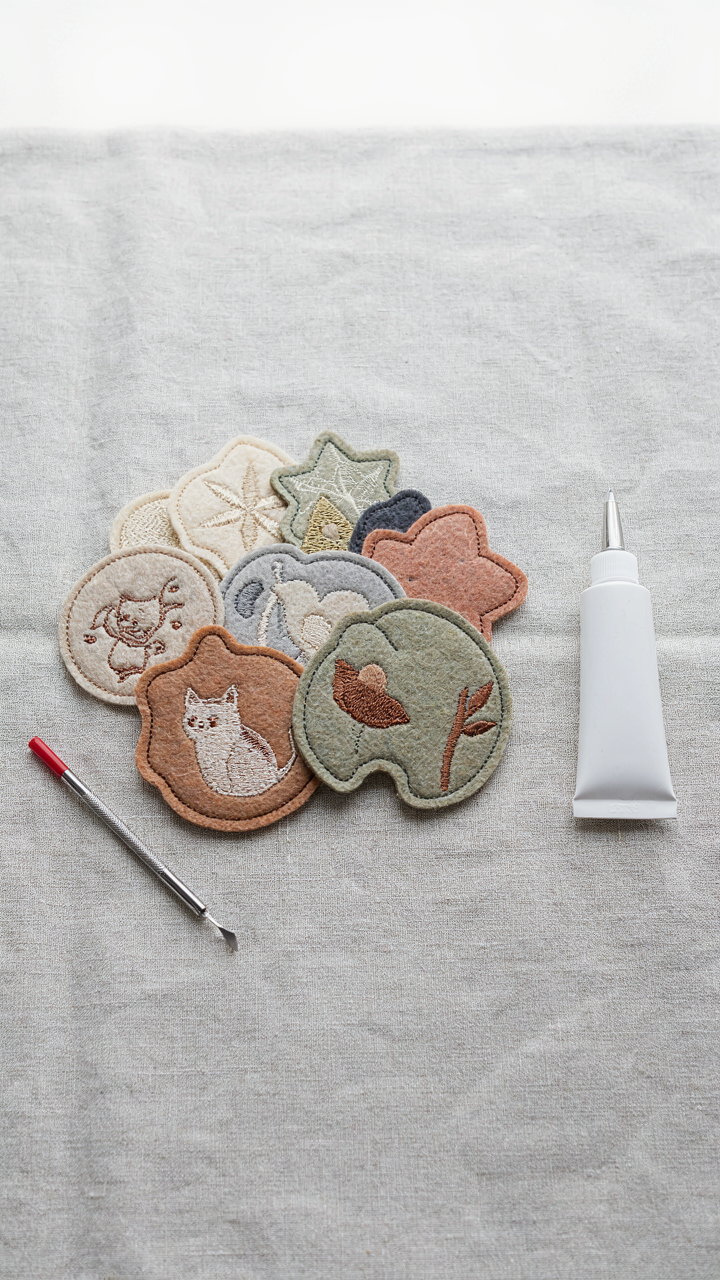
You want a mending kit that actually works because you’re tired of throwing away clothes that cost real money. Here’s the mechanism: most fabric damage isn’t structural. A seam split or a hole requires thread. A hem that won’t hold or a patch that peels requires adhesive. Fabric glue and iron-on patches solve problems thread cannot. They’re not Band-Aids. They’re category shifts. Adhesives bond fibers at the molecular level where stitches only link surface edges.
Fabric glue works because it penetrates weave structure. Iron-on patches use heat activation to fuse adhesive backing into fibers permanently. Both outlast hand stitching on materials prone to stress. Buy a multipurpose fabric adhesive and a variety pack of iron-on patches in neutral colors. Test adhesive on hidden seams first. Heat application matters with patches. Too cold and it won’t bond. Too hot and you damage the base fabric. Follow temperature guidance on the patch packaging exactly.
Tools That Handle What Fabric Demands
Heavy materials break conventional tools. Upholstery fabric, canvas, and dense knits require different leverage than cotton sheets. Mechanics use torque multiplication to handle resistance. Mending uses tool specialization for the same reason: you multiply your effective force against material resistance.
- Heavy-duty scissors or fabric shears: Sharp blades cut dense weave without crushing fibers, preventing fraying on raw edges you’ll glue or stitch.
- Seam ripper: Removes stitching cleanly without damaging fibers underneath, essential before patching existing seams or accessing hidden damage.
- Awl or bodkin: Punches through thick material to start needle holes in canvas, leather, and heavyweight fabrics without splitting fibers.
- Thimble: Protects your finger when pushing needles through resistant materials, preventing hand fatigue and injury on extended repairs.
- Tweezers: Extracts broken needle fragments, threads lint from tight stitches, and positions small patches with precision.
Dull scissors tear fabric instead of cutting it. A seam ripper saves hours of picking individual threads. An awl prevents the needle from bending on dense material. Each tool solves a specific resistance problem. Add them one at a time as you encounter materials your current kit cannot handle.
The True Cost Of Neglect: Your Time, Skills, And Independence

Paying The Invisible Tax On Convenience
You want someone else to handle it because you’re busy, not because you can’t learn. That’s the real barrier. Economics calls this opportunity cost, and mending kit mastery is your hedge against it. Every shirt you outsource to a tailor costs money plus the friction of scheduling, commuting, waiting. That friction compounds. You lose fifteen minutes coordinating a repair. The tailor charges twelve to twenty dollars. Over a year, you’ve burned hours and hundreds of dollars on problems a five-dollar kit solves in five minutes at home.
The mechanism is simple: outsourcing creates dependency. You train yourself to view clothing repair as someone else’s job. Your skills atrophy. Your autonomy shrinks. Meanwhile, the actual skill gap between you and a professional tailor is smaller than you think. A basic mending kit handles ninety percent of closet emergencies. The remaining ten percent rarely justifies the cost structure you’ve accepted.
The Difference Between Skill And Substitution
Convenience culture sells you the lie that buying a service beats building a skill. It doesn’t. Mastery creates optionality. When you own the ability to mend, you own the decision. You choose when, where, and how to repair something. You don’t wait for an appointment. You don’t pay markup. You don’t defer maintenance until the damage spreads. Self-reliance is not about doing everything yourself for the sake of it, it’s about eliminating unnecessary dependency on systems designed to extract your time and money.
The protocol is mechanical: acquire a kit, learn three repairs, execute them. That’s it. A needle, thread, scissors, and patches solve buttons, small tears, and seam failures. These aren’t advanced skills. Humans mended clothes for thousands of years before we monetized the service. The skill hasn’t changed. Only the cultural assumption that it’s too difficult for you has changed. Do the three repairs yourself. The fourth one you’ll do faster than booking an appointment.
The Real Obstacle Isn’t Worn Fabric, It’s Your Conditioned Aversion To Self-reliance

You’ve been trained to throw things away. Easier than fixing. Faster than learning. But every time you toss a shirt instead of mending it, you reinforce the belief that you’re helpless without someone else. A mending kit sits on your shelf like a permission slip you’ve been ignoring. Today, grab a needle and thread. Fix one thing. You’ll realize the obstacle was never the torn seam, it was the story you told yourself about who fixes things.