

The “Casual Loungewear Outfit” Deception: Why Comfort Is A Trap

The Social Cost Of Looking Too Relaxed
You want permission to stop trying, and loungewear gives it to you. Here’s the mechanism: comfort signals surrender. When you dress below the baseline of the context you’re in, you’re communicating that you’ve opted out of the social game. This isn’t about judgment. It’s about how humans read clothing as intent. The moment someone sees you in visibly worn fabric or shapeless silhouettes, they categorize you as someone who didn’t consider the interaction worth effort.
The real damage isn’t internal. It’s external. People adjust their behavior based on how you present yourself. Wear genuinely sloppy loungewear to run errands and you’ll notice less eye contact, shorter conversations, slower service. Wear a lounge set that still has structure, fit, and intention, and nothing changes except the outcome. The cost of looking “too comfortable” is invisibility or dismissal, and most people won’t trace that consequence back to their outfit choice.
When Default Loungewear Becomes A Liability

Everyone knows the stained-tee-and-slipper trap, but they fall into it anyway because the conventional advice is useless. People say “just choose quality basics,” as if fabric weight solves a visibility problem. It doesn’t. The real issue is that most loungewear sets lack the visual weight to register as intentional. They blur into the background because they lack contrast, structure, or any reason for the eye to pause.
Slipper-and-stained-tee fails because it broadcasts neglect. Replace it with a lounge set that has defined proportions, a coherent color story, and pieces that could plausibly exist outside the home without requiring explanation. The mechanism is simple: your outfit either adds information to a room or subtracts it. Structured loungewear adds. Formless comfort subtracts. When you’re running errands, you’re in public. Dress accordingly.

The Productivity Uniform: Daily Outfit Inspiration For At Home Focus

Structure Signals Your Brain To Work
You want permission to take yourself seriously without leaving the house. Here’s what actually happens: your brain runs on external cues. Lounge sets with defined structure—think coordinated separates with intentional layering rather than formless sweats—trigger the same neural response as dressing for an office. The mechanism is proprioceptive feedback. Your body feels the difference between slack fabric and fitted construction, and that signal travels faster than conscious thought.
Most advice says “wear what’s comfortable.” That’s incomplete. Comfort without structure keeps you in reactive mode. A lounge set built on coordinated pieces—matching waistbands, aligned proportions, intentional color blocking—creates invisible pressure that sharpens focus. You’re not dressing up. You’re removing the option to collapse mentally. The fitted waistband alone changes your posture, which changes blood flow to your prefrontal cortex. That’s not motivation. That’s biology.
Dressed For Both Spaces At Once
The problem everyone misses: most people own clothes for either home or errands, not both. That’s inefficient. A real lounge set outfit works because it straddles the gap. Structured enough to wear to a coffee shop or brief errand without changing. Comfortable enough to sit at a desk for six hours without restraint. The fabric weight matters here—medium-weight cotton blends or structured knits hold their shape during both stillness and movement, unlike heavy denim or delicate loungewear that signals “this is only for home.”
The practical move: choose sets where the top and bottom share design language. If the pants have a tapered leg, the top should be fitted at the torso. If the pants sit at the natural waist, the top should be tucked or cropped. This coherence does two things simultaneously: it looks intentional enough for public space, and it maintains the structural benefit during focused work. You don’t need a backup outfit. One set covers both states. That’s the real efficiency.
Beyond “Lounge Outfits For Women”: The Power Of Intentional Pairing
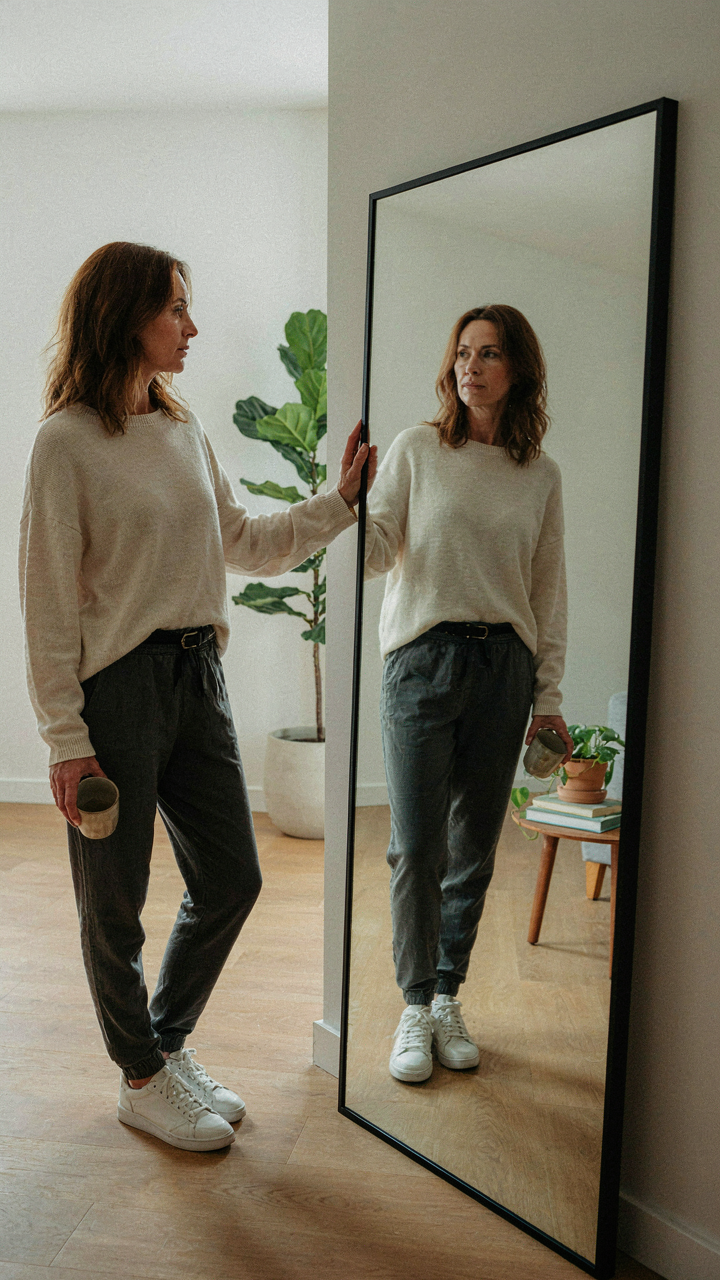
Texture And Tone Layering
You want people to think you didn’t try, which means you actually have to try harder. The real mechanism here is contrast without collision. Pairing a structured knit with a fluid fabric creates visual interest that reads as intentional rather than accidental. Cotton blends and jersey fabrics work because they sit at different weights on the body. A heavier knit top paired with lightweight joggers signals control. The tones matter less than their relationship to each other. Muted sage with warm beige reads deliberate. Bright white with soft gray reads flat.
Texture prevents sameness. If both pieces are heavy jersey, the outfit collapses into shapelessness. If both are structured, you look rigid. The lever is asymmetry. A cropped sweatshirt with full-length bottoms, or an oversized tee with fitted pants, creates the tension that makes casual look curated. This applies whether you’re home or running errands. The environment doesn’t change the physics of how fabric reads on a body.
Accessories That Anchor Context Shifts
Most people treat accessories as decoration, which is why they fail to shift context. Accessories are actually the syntax that tells the viewer what situation you’re in. A lounge set alone occupies neutral territory. Add a crossbody bag and structured footwear, and suddenly you’re dressed for errands. Remove them and you’re unambiguously home. The mechanism isn’t the pieces themselves but the commitment signal they send.
One piece does the work. You don’t need a full change of clothes between contexts. A belt cinches the waist and moves the silhouette from relaxed to organized. Slip-on shoes with grip elevate the outfit for quick transitions. A simple watch adds temporal awareness without being decorative. The protocol is simple: identify what visual cue signals the context you’re entering, then deploy one accessory that carries that signal. Everything else stays the same.
The “Comfy Outfits Elegant” Algorithm: Applying Military Strategy

Wardrobe Unit Cohesion
You want permission to look intentional without trying. That’s the real ask here. Military logistics teaches us that unit cohesion determines mission success, and your lounge set functions as a tactical unit. Every piece must serve the same objective or it breaks formation. A matching set works because the top and bottom pieces reinforce each other’s purpose. When you pair a mismatched oversized shirt with coordinated joggers, you’ve just created internal conflict that reads as accidental instead of composed.
The mechanism is simple: constraint drives clarity. When your lounge set pieces share fiber content, weight, and color palette, they eliminate decision friction. Cotton-blend sets maintain their proportions through wear and washing. Rayon sets drape consistently. You’re not building a wardrobe; you’re building a system that works every time without negotiation. The pieces talk to each other, not against each other.
Mission Objective First
Most advice tells you to buy what feels comfortable, which is incomplete. You need to know what you’re actually doing in the outfit before you choose it. Lounging at home demands different fabric recovery than running errands. A heavy fleece set compresses under a winter coat but looks bulky indoors. A lightweight knit set maintains its shape for a quick store run but offers no thermal protection for stationary wear.
Define your primary use case first, then build backward. If you’re splitting time between home and errands, buy sets that work in both contexts without modification. Mid-weight cotton jersey pieces transition cleanly. Pair them with structured slip-on shoes for errands, then swap to slides at home. The outfit stays the same; only the footwear changes. Your environment shapes the fit, fabric, and finish you actually need.
Dressy Loungewear: The Art Of Effortless Elevation
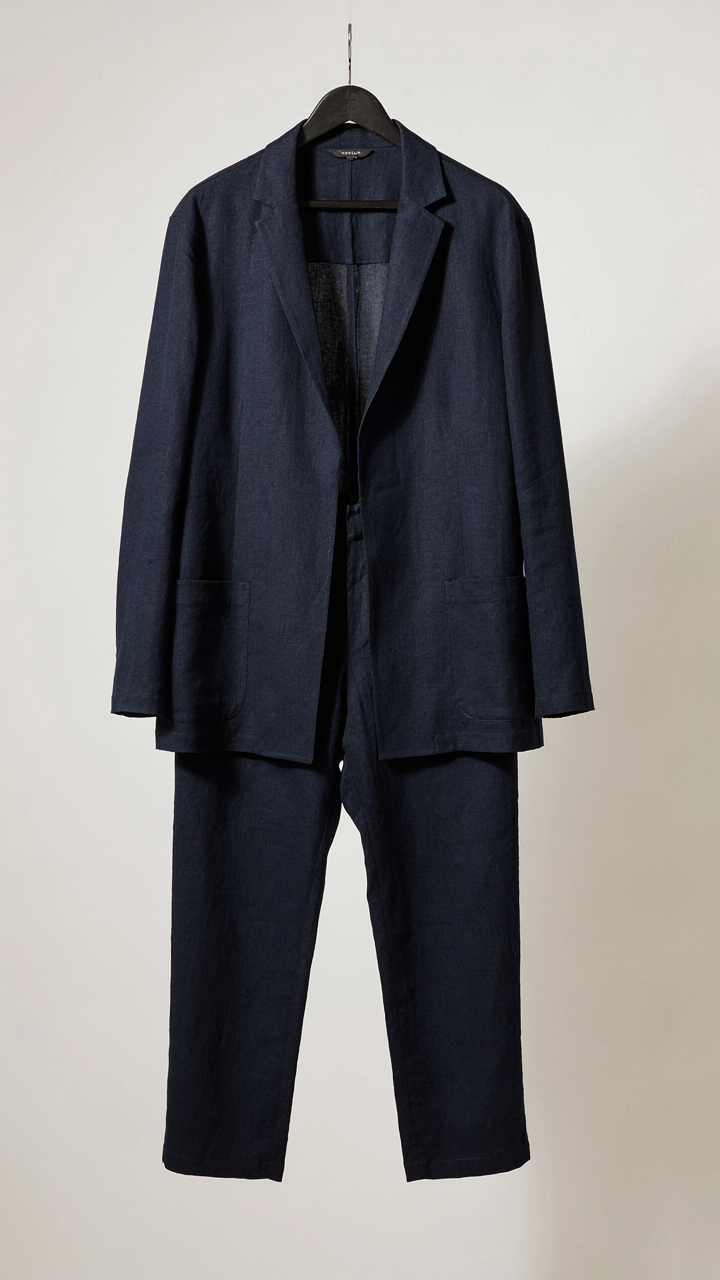
Fabric Choices That Signal Intent
You want people to know you didn’t give up, even though you’re at home. That’s the real math here. The mechanism is simple: fabric weight and finish communicate intention faster than cut does. Heavy cotton blends, linen, and structured knits read as deliberate. Thin jersey reads as default. The difference isn’t subjective—it’s tactile. Premium fabrics hold their shape, catch light differently, and don’t wrinkle into submission after two hours of sitting.
Natural fibers perform better than synthetics for dressy loungewear because they age visibly and maintain structure longer. A 100% linen lounge set develops a subtle lived-in quality that reads intentional, not careless. Cotton-linen blends at 70/30 or higher give you durability without the aggression of pure linen’s wrinkle profile. Modal and viscose hybrids fall flat here—they feel premium for thirty minutes, then collapse. Choose fabrics that hold their drape and show minimal pilling after regular wear.
Monochrome Versus Pattern Strategy
Color theory treats contrast as signal strength in design systems. A monochrome lounge set uses minimal contrast to control attention—you read as one unified shape, not fragmented pieces. This works when your intent is polish. Pattern introduces visual noise and demands tighter execution everywhere else: fit, accessories, grooming. Most people add pattern because they think it hides mistakes. It actually broadcasts them. One color reads as deliberate. Multiple colors read as distraction.
Solid lounge sets work across contexts without renegotiation—home, errand runs, video calls. A navy or charcoal set functions as a neutral base that pairs with any accessory without competing. Pattern commits you: a printed lounge set signals you’re dressing for leisure specifically, which narrows when and where you wear it. If you own one lounge set, make it monochrome. If you own three, one can be patterned. Match your pattern choice to how often you’ll reset your entire outfit system around it.
Fall Winter Loungewear: Layering For Function And Form

Building Heat Retention Without Bulk
You want to look intentional at home without admitting you’re hiding under fabric. The real mechanism is thermal resistance stacking. Physics calls it R-value in insulation. In lounge sets, you’re doing the same thing: each layer adds resistance to heat loss, but cheap stacking creates volume that reads as shapeless. The trick is selecting base layers with actual insulation properties—merino wool, thermal knits, brushed cotton—then adding structured mid-layers that compress rather than expand.
Winter lounge sets that work use high-density base fabrics instead of flimsy jersey knits. A thermal crew or fitted mock neck in quality merino or cotton-modal blend acts as your first wall. Add a heavier knit vest or cardigan over it. This approach costs less than buying three mediocre sets and actually retains heat without making you look three sizes wider than you are.
Moving From Indoors To Outside Without Changing
Integration, not replacement, is how lounge sets survive errands. A lounge set becomes functional outerwear when the pieces layer under real jackets with zero transition friction. Fitted loungewear with clean necklines and tapered sleeves passes under bombers, overshirts, and cardigans without bunching. Oversized sets with loose cuffs create bulk at the wrist when layered, forcing you to change anyway.
The protocol: choose lounge bottoms with structured waistbands and tapered ankles, never wide legs. Pick tops with standard sleeve openings. These specs let you throw a denim jacket or quilted vest over them for a grocery run without readjustment. You’re not buying different pieces for inside and outside. You’re buying one set that functions in both contexts without transformation.
The Woman Lounge Wear Investment: Quality Over Quantity

Cheap Fabric Rewires How You Move Through Your Home
You’re buying cheap loungewear because you think it’s temporary, which is the real trap. The mechanism is simple: low-quality fabric trains your nervous system to treat the outfit as disposable, so you move through your home like you’re in temporary housing. Your body registers the thin cotton blends and loose seams as “this doesn’t matter,” which bleeds into how you carry yourself, how you sit, how you think during your day. You’re not paying for fabric. You’re paying to stop apologizing to yourself.
Cheap loungewear deteriorates visibly within months. Pilling appears on polyester blends after a handful of washes. Elastic loses recovery and sags around waists and cuffs. The dye fades unevenly, creating a washed-out appearance that no amount of ironing fixes. When the garment falls apart, you buy another cheap set, repeating the cycle. The cost accumulates faster than investing in one quality piece that lasts years.
Fiber Content And Construction Determine Actual Longevity
Natural fibers like cotton and linen soften with wear instead of degrading. High-quality cotton (combed or pima) has longer staple fibers that resist pilling and hold dye better than standard cotton. Linen actually strengthens when washed repeatedly, making it ideal for loungewear that handles frequent cleaning. Blends matter too: quality cotton-modal blends balance durability with drape without the chemical sheen of pure synthetics. The construction determines whether the garment survives repeated contact with skin and washing.
Look at seam placement and stitch density. Quality loungewear uses reinforced seams at stress points like armholes and crotch areas where movement creates tension. Double-stitching or flat seams prevent splitting. The waistband should use a blend of elastic and fabric, not pure elastic threaded through, which snaps or loses tension. Check the hem: a folded and stitched hem lasts longer than a single fold. These details separate pieces that last five years from pieces that last one.
Loungewear Outfits For Over 50s: Discarding Ageist Fashion Rules

The Cut That Actually Fits Your Frame
You’re worried people will assume you’ve given up. Here’s the mechanism: most loungewear for your age bracket is designed to hide, not dress. It uses excess fabric as a buffer against visibility. The real play is the opposite. Borrowing from tailoring, “ease” is the deliberate space between fabric and body—not baggy, not tight. Modern cuts for lounge sets mean structured shoulders that don’t collapse, sleeve length that hits the wrist bone, and inseams that account for actual proportions. Premium materials like cotton-modal blends or quality linen hold shape instead of sagging after three wears.
The difference between looking finished and looking like you’re waiting for laundry day lives in the details. A lounge set with a defined waistband, subtle darts, or a slight taper at the ankle reads intentional. Brands that design for over 50s now understand this. The fabric weight matters too—heavier cottons and structured knits don’t cling or drape loose. This isn’t about looking formal. It’s about looking like you made a choice about how you present yourself, even when you’re home.
Comfort Without The Visual Surrender
The common advice says comfort means loose, forgiving, soft. That’s incomplete. Refined ease trades baggy for breathable, forgiving for constructed. A lounge set works better when the fit is honest rather than oversized as camouflage. Your shoulders, waist, and hips have specific proportions. Clothes that acknowledge them instead of hiding them feel better and look sharper. Quality materials also perform—linen breathes without wrinkling into chaos, cotton-spandex blends move with your body instead of against it, and structured knits maintain their form through the day.
The mechanism is fit plus material quality equals comfort that doesn’t require invisibility. Choose lounge sets with a gentle taper through the legs, not a pipe stem or a tent. Look for necklines that sit properly rather than gape or choke. Seams should be flat and reinforced, not loose. When fabric quality is high, you need less of it. A single layer of premium cotton performs better than two layers of thin stuff. This is where you stop trading how you look for how comfortable you are.
The Classic Womens Clothing Remix: Integrating Lounge Into Legacy Style

Where Your Existing Wardrobe Meets Comfort
You want permission to keep wearing what you own without admitting comfort matters more than the image you’ve built. The mechanism is simple: lounge pieces don’t replace your existing staples, they create permission structures around them. A structured blazer stays sharp. A lounge set worn underneath it—visible collar, cuff, or neckline—signals intentionality, not laziness. The blazer anchors the outfit. The lounge piece absorbs the friction of a long day without dismantling the frame you’ve already constructed.
Your existing wardrobe has an architecture. Tailored pants, structured dresses, fitted jackets—these pieces carry social weight because they demand effort. Lounge sets respect that weight by working within it rather than against it. A matching lounge set in neutral tones worn under an open cardigan reads as layering strategy, not downgrade. The lounge set becomes the invisible infrastructure that makes the outer layer work harder. This is how you stop choosing between functionality and the image you’ve spent years building.
Strategic Additions That Multiply Your Baseline
Standard advice says to add lounge pieces in neutral colors. That’s incomplete because it ignores leverage. Think like a designer working with negative space: each new lounge addition should unlock combinations you couldn’t make before, not just fill a gap in your rotation.
- Oversized lounge button-up in cream or oatmeal: Layers under structured vests or open blazers. Works as a tunic over fitted lounge bottoms. Replaces bulky cardigans for layering without volume.
- High-waisted lounge trousers in black or charcoal: Pairs with your existing crop tops and fitted sweaters. Bridges the gap between sweatpants and dress pants without looking transitional.
- Matching lounge set in a tonal knit: Worn together, it reads as deliberate. Separated, the top layers under blazers and the bottoms pair with structured pieces you already own.
- Wide-leg lounge pant in your neutral base: Transforms when styled with tucked-in blouses or oversized sweaters. Creates silhouette variety without buying new outer pieces.
- Lounge tank or fitted tee in a neutral: Acts as base layer under every other garment you own. Eliminates the need for multiple undershirts across your existing collection.
Each addition compounds. A new lounge tank works under five existing dresses or sweaters. A high-waisted lounge pant pairs with ten tops already in your closet. You’re not building a separate wardrobe. You’re installing infrastructure that makes your existing pieces work harder and with less friction. The protocol is straightforward: before buying a lounge piece, identify three existing pieces it unlocks new combinations with.
The Errand Equation: Optimizing Your “Outside But Still Lounge” Look

The Uniform That Doesn’t Look Uniform
You want to run errands without announcing to the world that you just rolled out of bed. The mechanism is simple: lounge sets work on errands because they compress visual decision-making into one coherent unit. Your brain doesn’t parse it as pajamas anymore once the fit is intentional and the proportions match what people expect from “real clothes.” The two-piece structure of a lounge set creates the same silhouette closure as a matching set, which signals intention rather than convenience.
Wearing a lounge set to errands isn’t about fooling anyone. It’s about removing friction from the decision loop. You reach for matching pieces that already coordinate by design. No mental load on color theory or whether the top tucking matters. The set handles that. Most advice says to just “dress it up” with better accessories, which is lazy thinking—the real win is choosing a lounge set with enough structured weight in the fabric that it reads as intentional wear, not loungewear. Cotton-blend or jersey pieces with defined seaming outperform thin, flimsy fabrics that collapse under their own weight.
Footwear And Accessories As Perception Gatekeepers
In design perception theory, there’s a principle called “visual anchoring”—the first and last elements a viewer processes carry disproportionate weight in forming the overall impression. Your feet and hands anchor the entire lounge set equation. Pairing a matched set with quality sneakers, leather slides, or structured flats doesn’t elevate the outfit; it reframes what the lounge set actually is in the observer’s mind.
A thin gold bracelet, a crossbody bag, or clean white sneakers tell the eye this is deliberate styling, not accident. The lounge set remains comfortable, but the anchors convert it from “I’m in my home clothes” to “I chose this.” Skip the gym sneaker with the chunky sole unless the lounge set has athletic DNA built into its cut. Wear neutral accessories that don’t compete for attention. Your job is to make the whole package feel like one decision, not like you threw things together to mask loungewear.
The Real Problem Isn’t Your Clothes; It’s Mistaking Idleness For Intentional Rest

You’ve been treating lounge sets like a permission slip to check out. They’re not. A real lounge set outfit signals you’re resting on purpose, not rotting by default. The fabric choice, the fit, the intentionality behind getting dressed matters because it tells your brain you’re choosing ease, not surrendering to it. Today, pick one lounge set piece that makes you feel like you’re doing something, not avoiding something. Your nervous system knows the difference.