

The Linen Fabric Deception: It’s Not Just Comfort, It’s Control

Wrinkles Are The Feature, Not The Flaw
You’re worried wrinkles make you look cheap. That anxiety is the real problem here, not the fabric. Linen wrinkles because of its molecular structure: the cellulose fibers lack the twisted memory that cotton or synthetic fibers possess. When linen absorbs moisture (which it does aggressively), the fibers swell and shift. They don’t snap back. This isn’t a design failure. It’s physics.
The fashion industry spent decades hiding this truth. Linen became “casual” and “resort wear” because brands needed to justify why their expensive garments didn’t look pressed after wearing. The wrinkles were always there. The narrative changed. Strategic wrinkles on linen now signal authenticity and intentionality in high-end design. What your mother called “neglect” a generation ago, designers call “lived-in texture” now. Wear linen expecting the wrinkles. Plan around them instead of fighting them.
Fiber Stiffness Dictates Your Silhouette

Linen doesn’t drape the way silk does because it refuses to. The fiber itself is rigid compared to other cellulose textiles. A linen garment holds its shape through structural stubbornness, not stretch. Weave density amplifies this: tight weaves create more body and volume, loose weaves still carry weight but allow more movement. The density you choose predetermines how the garment will hang on your frame before you even wear it.
This means linen clothing women select must match their actual intent for fit. Loose linen won’t cling regardless of body type, which eliminates the variability problem that plagues other fabrics. A structured linen shirt will maintain its silhouette through the day, but it won’t compress around you or conform to curves. You’re not choosing between “fitted” and “loose.” You’re choosing between “structured and predictable” or “draped and relaxed.” Know which one solves your actual problem before buying.

The Unconventional Advantage Of Women Linen Outfit Construction

Loose Fits As Strategic Armor
You want loose linen because you think it hides your body. That’s not the real mechanism. The actual advantage is thermoregulation through air circulation—looseness creates a microclimate between fabric and skin. Linen’s hollow fiber structure already wicks moisture away from the body faster than cotton. When you add space between the garment and skin, you multiply that effect. Air moves through the gap, accelerating evaporative cooling. This isn’t fashion compromise. This is physics.
The common advice frames loose linen as “casual” or “forgiving.” Wrong frame. A loose linen shirt or pants functions as active thermal management, not passive concealment. Your body generates heat; loose construction channels it outward instead of trapping it against your skin. A fitted linen dress forces the fabric against your body, reducing airflow and negating linen’s core advantage in heat. The cut determines whether linen performs or merely looks the part.
Layering For Temperature Volatility
Temperature swings demand a layering protocol, not a grab-and-hope strategy. Linen’s low thermal mass means it responds instantly to environmental shifts, which makes it ideal for layering systems. A lightweight linen tank under a loose linen shirt gives you two independent airflow channels. When you move between air conditioning and heat, you strip or add layers in minutes. This isn’t decoration. This is temperature control.
Fluctuating indoor and outdoor environments create a false choice between discomfort and bulk. Linen solves this by letting you adjust insulation without changing materials. A fine-weave linen layer adds warmth through trapped air, not synthetic insulation. The fabric breathes while providing coverage. Start with a baseline: linen tank, linen shirt, linen jacket. Build this three-piece structure so each layer functions independently. You adjust based on real conditions, not predicted ones.
The Thermal Regulation Protocol: Mastering Your Microclimate
How Linen Moves Moisture Off Skin
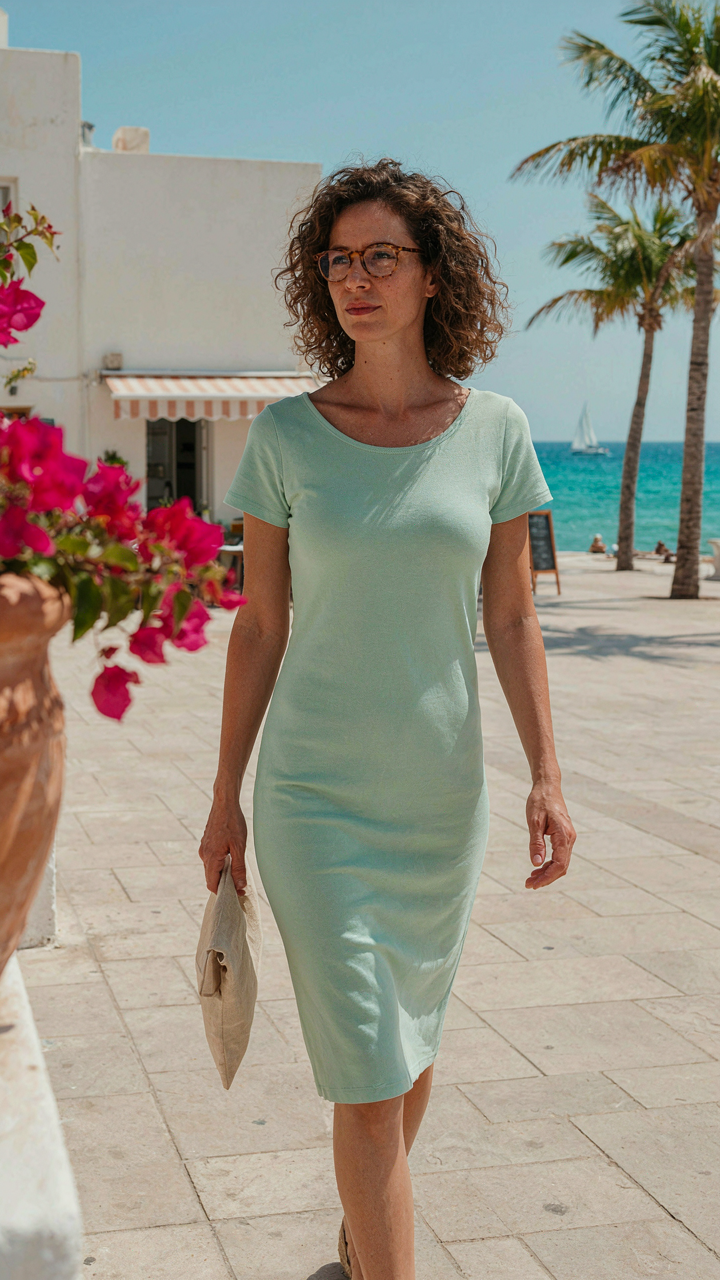
You care about this because you want to stay cool without looking like you’re melting, and the answer isn’t about feeling comfortable—it’s about physics. Borrowing from thermodynamics, linen functions as a capillary system: it wicks moisture away from skin through hollow fiber channels rather than absorbing it. This distinction matters. Cotton absorbs water and holds it against your body. Linen’s tubular fiber structure creates pathways that pull sweat horizontally across the fabric surface, where it evaporates faster and carries heat away with it. The hollow core of each fiber accelerates this process. You’re not just wearing fabric; you’re wearing a moisture transport mechanism.
The mechanism works because of fiber geometry, not magic. Linen fibers contain microscopic lumens—empty spaces running lengthwise through the fiber. When sweat contacts the fabric, capillary action forces moisture into and through these lumens toward the surface. Water spreads across a larger area, reducing concentration and lowering the evaporation threshold. Linen achieves this at lower moisture levels than synthetic alternatives. This is why linen clothing women choose for summer doesn’t cling. The fabric stays dry longer because moisture never pools against skin in the first place. Wear linen fitted enough to make contact but loose enough to allow air circulation underneath for maximum evaporative effect.
The Skin Radiates, Linen Conducts
Biology treats skin as a radiator constantly shedding heat through convection, radiation, and evaporation. Linen accelerates all three. Unlike dense synthetics that trap air and insulate, linen’s loose weave creates thermal conductivity—heat moves through the fabric rather than bouncing back toward your body. The fibers themselves are poor insulators by design. When you layer linen over skin, you’re positioning a material that actively pulls thermal energy away from the surface rather than blocking it. This is why linen feels cooler to touch than cotton at the same temperature. The fabric conducts heat outward before your body even registers it as excess warmth.
Most summer clothing advice ignores this mechanism entirely and defaults to “wear light colors” or “choose breathable fabrics”—generic and incomplete. The real protocol is threefold: choose plain weave linen over dense constructions for lower thermal resistance, wear garments with minimal layering between you and air, and understand that loose fit impairs the cooling effect by interrupting skin-to-fabric contact. Linen conducts heat away only when it contacts skin. Air gaps eliminate this advantage. Select pieces fitted through the torso, loose through the limbs. This creates the thermal pathway where you need it most while preserving airflow where the body accumulates the most heat during movement.
Linen Wardrobe Investment: The Cost Of Scarcity

Why Cheap Linen Costs More
You’re looking for permission to spend less. That’s the real question here. Economics calls this “total cost of ownership” and cheap linen violates it immediately. Fast-fashion linen wrinkles beyond repair, pills after three washes, and loses structure because manufacturers cut corners on fiber quality and weave density. You replace it annually. Premium linen holds its shape for years because the flax is longer staple and tighter weave resists breakdown.
The math is simple: a twenty-dollar linen shirt worn five times before degradation costs four dollars per wear. A hundred-dollar piece worn two hundred times across five summers costs fifty cents per wear. Cheap linen isn’t economical. It’s a tax on impatience that compounds every season you think you’re saving money.
Real Wear Defines The Investment
Linen doesn’t soften from marketing. It softens from friction and washing, which means wear time determines actual value. A quality linen dress worn consistently through multiple summers outperforms cheaper alternatives by pure exposure to the cycles that break down lesser fabric. The fiber develops a subtle patina, becomes more breathable, and maintains shape because the structure was engineered to withstand it. This isn’t nostalgia. It’s material science.
Track actual cost by counting wears, not price tags. If you own five cheap linen pieces you wear once and abandon, versus two quality pieces you wear fifty times each, the math reverses your instinct. Premium pieces justify themselves through repetition, not through promises about “investment pieces.” Buy linen you’ll actually reach for in July heat, because scarcity compounds value only if you use it.
Beyond Boho Style: The Intentionality Of Linen Outfits For Women Classy

The Fit Problem Nobody Names
You want linen to signal taste instead of laziness. Here’s what actually matters: linen’s reputation as “casual” isn’t about the fabric itself—it’s about how most women wear it. Oversized, unstructured, untucked. The mechanism is simple. Tailoring is what separates intention from accident. A cropped linen blazer with a defined waist reads differently than the same blazer three sizes too large. The fabric doesn’t change. The perception does.
Linen’s structure comes from how it sits on your body, not from aggressive construction. A linen shirt with darts, a tapered sleeve, and a controlled hem creates visual hierarchy. Pair it with high-waisted trousers in a complementary neutral. Tuck it in completely. This isn’t about rules—it’s about the difference between looking put-together and looking like you grabbed what was clean. The specificity compounds the message you send.
Restraint Over Accumulation
Most accessorizing advice tells you to layer and mix. That’s wrong for linen. Linen already moves and catches light. Adding ten pieces on top doesn’t elevate it—it obscures it. One structured bag. One piece of jewelry that commands attention. One shoe with architectural detail. That’s the protocol. Your accessories should interrupt the visual line intentionally, not compete with the fabric’s natural texture.
The mechanism here borrows from graphic design: negative space increases impact. When you remove visual noise, the remaining elements register harder. A woman in a cream linen dress with a single gold cuff and leather flats makes a clearer statement than the same woman covered in bangles, scarves, and mixed metallics. Choose pieces that have weight—literally and visually. A heavy leather belt. A structured leather shoe. A single statement ring. This forces intentionality into every addition.
The Anti Trend: Building A Timeless Linen Set Outfit Summer Collection

The Core Pieces That Actually Work
You want permission to buy less and feel like you’ve got options. Here’s the mechanism: linen’s natural fiber structure demands fewer pieces because it layers without bulk and moves independently of trend cycles. Start with a neutral linen shirt in natural or white—the base that pairs with everything. Add high-waisted linen trousers in the same palette. One linen dress in a neutral that works both day and evening. These three pieces compound. They don’t compete. They breathe.
The mistake most people make is treating linen like cotton basics. Linen wrinkles intentionally. That’s not a flaw—it’s why it survives five years while fast fashion dies in one season. Linen gets softer with wear and washing, not weaker. Buy a size that fits your body now, not a fantasy size. The fabric itself does the work of looking intentional.
Resistance Over Replacement
The common advice says rotate seasonal pieces. That’s incomplete thinking. Linen clothing women actually need operates on a different principle than disposable fashion—call it material economics. You’re not buying trend pieces that expire. You’re buying durability. A quality linen garment costs more upfront because it survives wash cycles, sun exposure, and actual living that destroys synthetic blends in months.
Build resistance against the replacement cycle by choosing construction details that last: flat-felled seams instead of single stitching, natural undyed linen that doesn’t fade unevenly, and simple cuts that don’t depend on temporary proportions. Check seams under stress points before buying. Wear the pieces regularly enough that they age into your life, not sit unused in a closet. This is how you stop treating your wardrobe like a subscription service.
The Psychology Of Linen Clothes: Projecting Unflappable Presence

How Linen Conveys Confidence And Effortless Authority
You want people to assume you have your life together without you saying a word. Linen operates on the principle of signal honesty. In evolutionary biology, organisms display traits that cost resources to maintain, signaling they can afford the expense. Linen wrinkles visibly. A woman wearing linen that’s slightly rumpled is broadcasting she doesn’t obsess over perfection, doesn’t need to. She’s secure enough to let her clothes move with her body instead of fighting them.
The wrinkle is the tell. Smooth fabrics demand constant maintenance. Linen demands acceptance. When someone sees you in linen, they register that you prioritize comfort over image management, which paradoxically signals higher status. You’re not performing. The woman in crisp cotton blends is still trying. The woman in linen has already arrived.
The Subtle Non Verbal Cues Linen Communicates
Linen drapes differently than synthetic blends, and drape is a language. The fabric moves independently from your body, creating micro-distances between cloth and skin that read as ease and space. You look less tense because the garment itself refuses tension. Fabrics with elastic recovery snug to your frame and communicate containment. Linen communicates release.
Movement sends the signal louder than color or cut ever could. When you walk in a linen shirt, it catches air and shifts. That visual rhythm tells observers you’re not performing a fixed image. You’re moving through space comfortably. This matters more than looking polished. Comfort reads as authority because authority doesn’t need to appear threatened by its own clothing.
Linen Pants & Beyond: Crafting A Cohesive Aesthetic

Where Linen Actually Works In Your Life
You want to look intentional without trying. That requires knowing which situations linen solves and which it sabotages. Linen’s strength is its breathability paired with its inability to retain moisture, which means it dries faster than cotton and won’t cling during heat. Use this mechanism strategically: deploy linen where airflow matters and wrinkles read as casual, avoid it where you need structure or where sweat visibility becomes a liability.
- Casual office or creative workspace: Linen trousers work because wrinkles signal you’re focused on work, not appearance. Pair with a fitted base layer to anchor the looseness.
- Outdoor daytime events: Weddings, brunches, garden parties. Linen breathes and the fabric’s natural texture suits outdoor light. Wrinkles are expected and accepted.
- Travel and transit: Linen packs small and moves well. The relaxed aesthetic matches travel reality, so you’re not fighting the fabric’s nature.
- Warm-climate living or extended heat: If you live somewhere hot year-round, linen becomes your baseline, not a seasonal experiment. It performs consistently when heat is constant.
- Social environments where formality is low: Dinners with friends, market runs, neighborhood settings. Anywhere the dress code favors comfort over polish.
The mistake most women make is forcing linen into structured contexts where it fails. Don’t wear linen trousers to a client meeting where your appearance carries business weight. The wrinkles undermine authority. Pick your terrain and commit to it.
Layering Linen For Visual Coherence
Texture contrast is borrowed from industrial design: opposing materials amplify each other’s properties instead of competing. Apply this to linen. Pairing linen’s rough weave with smooth silk, structured cotton, or fitted knit creates visual hierarchy instead of visual chaos. The eye reads differentiation as intentionality. Raw linen against refined materials looks curated. Raw linen against raw linen looks like you grabbed what was clean.
Use one fitted piece to counterbalance linen’s natural looseness. A slim silk camisole under an oversized linen shirt creates shape. Cropped linen trousers with a structured leather belt define your waist. A sleek swimsuit paired with a linen cover-up reads resort-ready instead of shapeless. The principle is rigid: if your linen is loose, anchor it with fitted pieces. If your linen is tailored, you have freedom to layer texture.
The Maintenance Myth: Preserving Your Linen Outfits For Women’s Edge

Wash Cold, Dry Flat, Stop Overthinking It
You care about this section because you’ve already spent money on linen and you’re terrified of ruining it. Here’s the mechanism: linen fibers don’t degrade from washing. They degrade from heat and mechanical stress. Cold water washing actually strengthens linen over time because the fibers swell and lock together better when cooled. Washing linen in cold water with mild detergent preserves the garment structure. Hot water accelerates fiber breakdown by forcing permanent swelling cycles.
Flat drying matters more than you think. Machine drying generates friction that breaks fibers and causes pilling. Linen shrinks roughly 3 to 5 percent with heat drying. Lay the piece flat on a clean surface or hang it on a low-tension line immediately after washing. This takes five minutes of setup and saves months of garment life. The wrinkles you see aren’t damage. They’re the linen doing what linen does.
Why Everything You Heard About Linen Care Is Wrong
The old advice to hand wash everything is marketing, not science. Commercial detergents designed for machines are pH balanced and disperse dirt more effectively than hand washing in your kitchen sink. You’re not protecting the fabric by hand washing. You’re just wasting time and using more product. Linen fibers tolerate machine washing on a gentle cycle because the agitation doesn’t exceed the tensile strength of the material.
The real enemy isn’t washing method. It’s chlorine bleach and fabric softeners. Chlorine breaks down the cellulose structure and accelerates yellowing. Fabric softeners leave residue that traps moisture and creates odor. Skip both entirely. Oxygen based stain removers work on linen without chemical degradation. Wash your linen pieces with regular detergent in cold water on a gentle cycle, then dry flat. This is the entire protocol.
The Real Obstacle Isn’t The Heat; It’s Your Refusal To Master The Strategic Discomfort That Makes You Stand Out

Most women choose cotton because it’s safe. Linen clothing women actually commit to demands you embrace wrinkles, natural texture, and a deliberate aesthetic that signals you value function over performative perfection. That friction? It’s the point. Buy one linen piece today that scares you slightly, wear it for a week without apologizing for how it looks, and watch how differently people respond to someone who stopped performing comfort and started owning it. The heat never stopped you. Your own permission did.