
The Myth Of “Effortless”: Deconstructing French Riviera Outfits

Curated Casual Beats Generic Glam
You want to believe the French Riviera look happens by accident, that it’s just throwing on whatever’s in your closet and looking timeless. That’s status anxiety talking. The mechanism is curation, not spontaneity. French Riviera outfits succeed because they eliminate options before you get dressed, not because they add more. The constraint is the strategy.
Generic glam fails because it tries too hard. It layers symbols of luxury: logos, texture mixing, statement jewelry all at once. Curated casual works backward. You start with one anchor piece, usually a fitted silhouette or neutral base, then add exactly one accent. Limit your palette to three colors maximum per outfit. The discipline creates the visual clarity that reads as effortless. Most people mistake effort for noise.
The Weight Of Unbranded Elegance

Branding strategy teaches us about signal. In French Riviera outfits, the signal travels opposite to where Americans expect it. The visible brand signals low taste. The absence of branding signals taste. A plain white linen shirt from an unbranded maker reads wealthy. The same shirt from a luxury house reads like you’re trying to convince someone.
Unbranded elegance works because it relies on fit, fabric, and cut instead of logos. A well-tailored navy linen trouser with no visible branding requires you to know quality by touch and silhouette. That knowledge is expensive to build and impossible to fake. The consumer sees the blank canvas and trusts their own eye instead of the brand’s marketing. When you shop, choose pieces where the construction is the statement, not the tag.

The “Non Tourist” Protocol For European Summer Outfits

Blending In Means Ditching The Vacation Costume
You want to look like you belong because looking like you belong signals you have money and taste. That’s the real mechanism at work. The tourist uniform—neon resort wear, logo-heavy brands, obvious sun hats—broadcasts that you’re a temporary visitor with disposable income burning a hole. Locals and seasoned travelers clock this instantly. The French Riviera operates on a visibility economy where what you wear signals whether you’re consuming the place or inhabiting it.
The antidote isn’t complicated: strip down to neutral tones, fit that actually works, and fabrics that handle heat without looking like they’re trying. Neutrals don’t mean beige monotony. They mean cream, soft grey, warm white, and navy. A linen shirt in natural cream over simple shorts reads completely different than the same shirt in electric turquoise with embroidery. One says you’re there to exist. The other says you’re there to be seen trying.
Quality Materials Over Trend Cycles
Most advice tells you to “invest in basics,” which is so vague it’s useless. The real rule comes from military logistics: durability extends operational capacity. Apply that to summer outfits: a linen piece that survives saltwater and heat multiple times per week outlasts a synthetic trendy item that degrades after two weeks. The Riviera’s sun, salt, and chlorine destroy low-quality fabrics fast.
Linen, cotton blends, and lightweight wool actually work because they breathe without bagging out. Synthetic microfibers trap heat and look cheap after one wash in that environment. Buy pieces you’ll wear repeatedly in rotation rather than one-off trend items. A single quality linen shirt costs more upfront but replaces five disposable alternatives over a summer. That’s the mechanism: fewer pieces, better materials, worn more often, higher return on investment.
The Capsule Wardrobe Calculus: Mastering French Riviera Style

Pack Like You’re Financing Your Own Trip
You want permission to buy less and feel like you have more. Here’s the actual mechanic: economies operate on constraint. The Riviera’s entire visual language emerged from scarcity paired with wealth. Post-war French designers didn’t have excess fabric, so they weaponized proportion, cut, and repetition. You apply the same principle to packing. Five base pieces that layer across ten outfit combinations beats twenty pieces worn once. The math isn’t aspirational. It’s logistics.
Identify your non-negotiable silhouettes first. A fitted linen button-up, high-waisted neutral trousers, a striped shirt, a lightweight blazer, and one statement linen dress form the skeleton. Every other piece you pack must earn its space by working with at least three items already selected. This isn’t minimalism for Instagram. This is operational efficiency that forces intentionality into every decision before you leave home.
Repetition As Your Hidden Leverage
Most packing advice tells you to “mix and match.” That’s incomplete. The real mechanism here is contrast control. When you repeat one base across multiple outfits, you can then vary one or two elements without visual chaos. A cream linen shirt worn four different ways doesn’t read as repetition if you change the bottom, shoes, and accessories each time. The repeated piece becomes invisible infrastructure.
Your leverage multiplies when you own one excellent neutral in each category: one pair of linen trousers, one pair of neutral sandals, one lightweight cardigan in cream or navy. These repeat across six to eight outfits. The Riviera’s visual success depends on this restraint, not variety. Your final packing list should show clear repetition in base layers and visible differentiation only in accessories. Count backward from your planned outfit count and divide required pieces evenly. This method cuts packing time and decision fatigue entirely.
Beyond The Yacht Club: Real Riviera Fashion For Every Setting

The Outfit As A Tool, Not A Trophy
You want permission to look expensive without trying. That’s the real question. Here’s the mechanism: the Riviera works because locals dress for function first, visibility second. A linen shirt isn’t chosen for Instagram—it’s chosen because it breathes in heat and doesn’t wrinkle into chaos after four hours. The outfit becomes a system, not a statement. This matters because the moment you design for display, you signal you don’t belong there. The places worth being have already seen money. They’re bored by it.
A beach club requires different physics than a bistro dinner. In physics terms, you’re managing thermal and social load simultaneously. Morning at the beach demands absorption of heat and salt spray with zero fuss. Evening at a restaurant demands the opposite: fabric that holds its shape, doesn’t cling to skin, and reads as intentional without screaming effort. The error most travelers make is choosing one outfit and hoping context forgives it. It won’t. You need pieces that shift their function based on layering, accessories, and timing. Cotton and linen transition cleanly. Synthetics trap heat and flag the tourist immediately.
The Outfit Serves Discovery, Not An Audience
Most advice says “dress for the culture you’re visiting.” That’s incomplete and backward. Real dressing means building an outfit that doesn’t obstruct movement or draw parasitic attention when you’re actually exploring—wandering narrow streets, sitting in a cafe off the main plaza, or discovering a market. The constraint forces clarity: shoes must work for uneven stone. Pockets matter more than patterns. A simple sundress with a structured linen overshirt works better than anything fussy because it moves with you instead of demanding adjustment every twenty minutes.
Comfort is a tactical advantage, not a luxury. When your outfit doesn’t distract you, you actually see the place. You notice architecture. You sit longer in cafes. You talk to locals instead of repositioning your clothing. A neutral linen trouser, a fitted cotton tee, and a lightweight cardigan are boring on purpose—they’re invisible technology. Pair them with one piece of intention: quality sandals or a specific belt. This gives you presence without consuming your mental bandwidth on fabric management. That’s when real Riviera style emerges. Stop by day four. Your outfit will have settled into what actually works.
The Environmental Adaptation Model For French Riviera Outfits

Climate Optimization Beats Aesthetic Preference
You want to look effortless on the Riviera because effortless signals you belong there, not that you’re performing tourism. But here’s what nobody says: your outfit fails the moment sweat or wind or sun damage overrides your intentions. Borrow from biology’s adaptation principle, where organisms optimize for local conditions or fail. Your wardrobe does the same. The Riviera operates on three non-negotiable environmental inputs: intense Mediterranean sun, coastal wind that destroys loose fabrics, and heat that makes heavy construction useless by noon.
Cotton and linen aren’t romantic choices. They’re survival mechanisms. Cotton breathes and absorbs moisture without clinging. Linen wrinkles intentionally, hiding sweat stains and body heat better than smooth synthetics. Both fabrics move with wind instead of catching it. Silk works for evening because temperature drops and you’re stationary. The mistake most travelers make is packing versatile pieces that work nowhere instead of specific pieces that dominate their exact environment. Pick one fabric per category and commit.
Layering As Strategic Depth
The common advice about layering gets it backwards. Most guides suggest layering for warmth, treating it like a winter mechanism. That’s incomplete. On the French Riviera, layering manages temperature swings and sun exposure across the day. Morning coastal air runs 15 degrees cooler than midday. Evening requires a cover-up the moment sun drops. This isn’t about looking “put together” through accumulation. It’s about controlling your microclimate without changing your core outfit.
A lightweight linen overshirt or open button-up worn loose over a tank handles all three scenarios. You shed it in peak heat, drape it for evening sun, and layer it back at dinner when temperature falls. The mechanism: each piece serves a functional role independent of the others, stacking protection without bulk. Your base stays consistent. Your adjustment layer removes or adds in sixty seconds. Test this protocol on your first day: wear your base outfit, note when you need coverage, then select one addition that solves that specific moment.
Investing In Immortality: Timeless French Riviera Pieces
Fabrics That Survive The Rotation
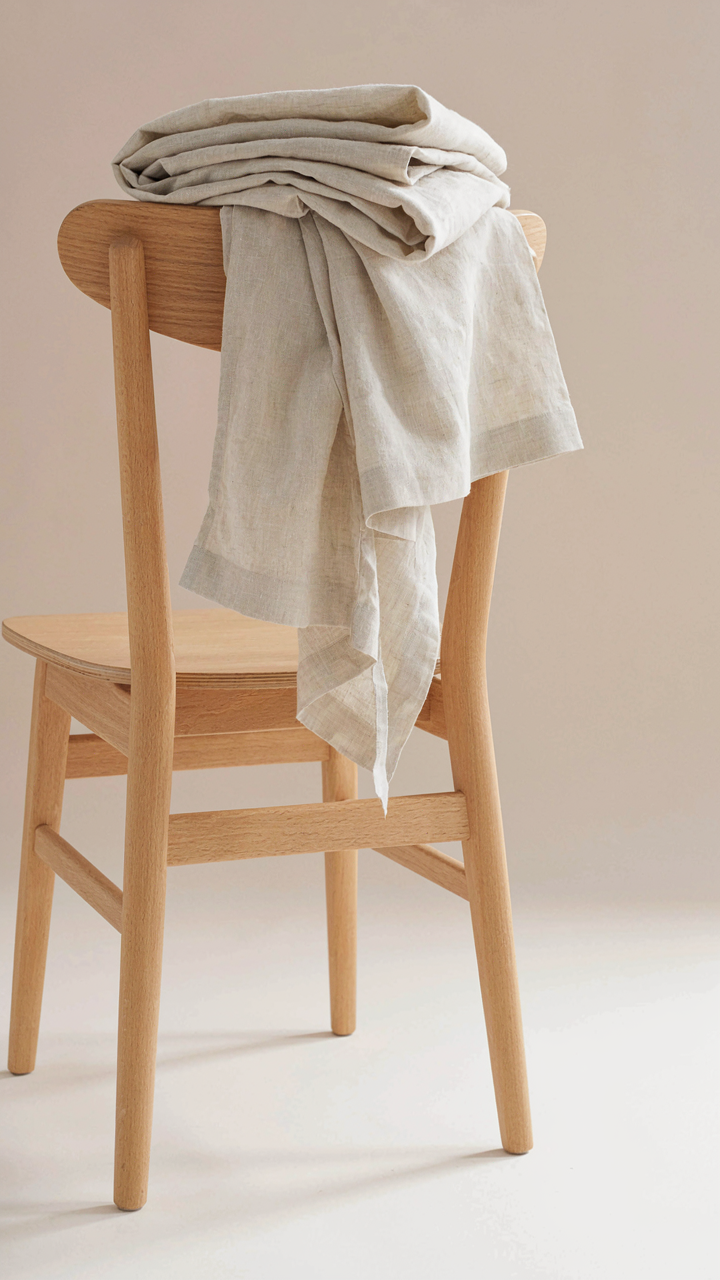
You want these pieces to work across multiple summers so you don’t waste money replacing them. That’s the real driver here. The mechanism is simple: natural fibers resist degradation from salt water, sun exposure, and repeated washing better than synthetics because their molecular structure doesn’t break down as fast under UV radiation and chlorine. Linen, cotton, and silk have been the Riviera standard for decades precisely because they hold up.
- Linen: Becomes softer with age and washing. Resists mildew in humid climates. Wrinkles naturally, which reads as intentional on the Riviera, not careless.
- Cotton (high-thread-count): Maintains shape better than low-grade cotton. Breathes well. Easier to care for than linen without sacrificing durability.
- Silk blend: Blended with cotton or linen, it adds drape without the maintenance burden of pure silk. Resists chlorine damage better than pure silk alone.
- Wool (lightweight): Merino or fine wool in light weights works for layering and evening pieces. Natural UV protection built in. Resists salt water deterioration.
- Linen-cotton blend: The practical middle ground. Durability of both fibers without full linen wrinkles or full cotton stiffness. Most versatile for a rotating wardrobe.
Buy pieces in these materials first. Synthetic blends feel cheaper immediately and deteriorate visibly within two seasons. Natural fibers develop character. When selecting a new item for your Riviera rotation, check the tag: if natural content sits below 80 percent, pass.
Cuts That Refuse To Expire
The consensus here is backwards. Most people think “timeless” means boring neutral shapes that blend into any decade. Wrong. Timeless cuts on the French Riviera are actually specific silhouettes that have worked since the 1950s because they solve a physical problem: how to stay cool while maintaining proportion and elegance in Mediterranean heat. The A-line skirt, the straight-leg trouser, the fitted button-up, and the simple shift dress don’t age because they’re not chasing a trend. They’re geometric solutions.
The Riviera outfit works because it doesn’t add or subtract fabric based on what fashion magazines dictate that year. A well-cut linen shirt worn loose over tailored shorts reads the same in 1965 or 2025. Flat-front trousers in neutral tones sit above the hip, creating clean lines that work across body types and decades. Simple tank tops and sleeveless shells pair infinitely because they have no design detail to date them. Build your base around these cuts, and you’ll rotate pieces for years without them feeling outdated or out of place.
The Accessory Fallacy: Less Is More For France Outfits

Strategic Accents, Not Superficial Clutter
You think more accessories signal taste. They signal the opposite. French Riviera style operates on signal theory borrowed from economics: one high-quality piece communicates scarcity and intention better than five mediocre ones. The mechanism is simple. Your brain processes a single statement faster than noise. A person wearing one gold bracelet looks intentional. A person wearing five looks afraid of being invisible.
The old advice says layer and mix. That’s wrong. Riviera restraint means picking one accent per outfit that solves a specific problem: anchoring a neutral palette, adding warmth to cool tones, or creating a focal point where the outfit otherwise reads flat. A linen shirt and white trousers need exactly one thing to land. Not three. Not two. One. Choose whether that’s a silk scarf, a leather belt, or a watch. Then stop.
Footwear For Function And Subtle Flair
- Leather Sandals (Flat): Minimal strap construction in natural tan or cognac leather. Moves with linen and cotton without competing. Works on stone streets and coastal paths without pretense.
- Espadrilles: Canvas or linen upper with rope sole. Originally workwear for Mediterranean laborers. Pairs with cotton dresses and shorts. Function first, visual simplicity built in.
- White Leather Sneakers: Low profile, clean lines. Works with trousers and casual dresses. Neutral enough to disappear, quality enough to matter. Not a trend, a foundation piece.
- Pointed Flats: Elongates the leg, works with midi skirts and cropped pants. Minimal ornamentation. Leather construction only. Shifts proportion without adding visual weight.
- Leather Loafers: Structured but relaxed. Works for evening casual and daytime wear. Boat shoe construction, not fashion shoe construction. Built to walk, not just exist.
Footwear matters because it either grounds or destabilizes an outfit. Riviera logic rejects heels that serve no practical function on uneven cobblestone. Pick shoes you can actually walk in for hours. That constraint forces you toward pieces with real construction and neutral color. The shoe becomes invisible support, not a statement. That’s the entire point.
The Psychology Of Style: Owning Your French Riviera Look

The Fit That Makes You Move Differently
You’re actually afraid you’ll look wrong. That’s the real reason you care about this section. But here’s what actually matters: confidence operates like leverage in physics. A small angle of tilt multiplies force across a system. Your posture, your pace, the way you occupy space—these shift when you wear something that fits your actual body. French Riviera style succeeds because the silhouettes demand uprightness. Loose linen. High-waisted cuts. Structured sandals. None of these work if you’re hunched or apologetic.
The mechanism is simple. Wear something that requires you to stand taller, and you become taller. Wear something loose enough that movement feels natural instead of restricted, and you stop performing nervousness. This isn’t psychology—it’s biomechanics. When your clothes fit the climate and your frame without fighting either, your nervous system relaxes. That relaxation reads as confidence because it is confidence. It’s not manufactured. It’s the absence of friction.
Wearing What You Actually Want To Wear
The generic advice says dress for the occasion, blend in, respect the dress code. That’s incomplete. The real rule is simpler: wear what you’d choose if nobody was watching. Most people fail here because they optimize for someone else’s approval instead of their own comfort and preference. This creates a mismatch—your clothes signal one thing while your energy signals doubt. People sense the gap immediately.
The Côte d’Azur works because it’s built on self-selection. People there aren’t trying to prove anything to each other. A woman in a cream linen shirt and minimal jewelry isn’t performing elegance—she’s simply not fighting herself. This is the only sustainable approach to style. You build a look you’d wear alone, then you wear it publicly. No adjustment needed. No performance mode to activate. The clothes become invisible because they’re no longer doing emotional labor.
The Real Obstacle Isn’t Your Wardrobe; It’s Your Inability To Define Your Own Context

You don’t need more outfit ideas. You need to stop borrowing other people’s context. The women pulling off French Riviera style aren’t following a template, they’re anchoring every piece to a specific version of themselves. Before you buy anything, write down three non-negotiable things about how you move through the world. Then dress that version. Open your phone right now and do it. Everything else follows from knowing who you actually are, not who Pinterest says you should be.