
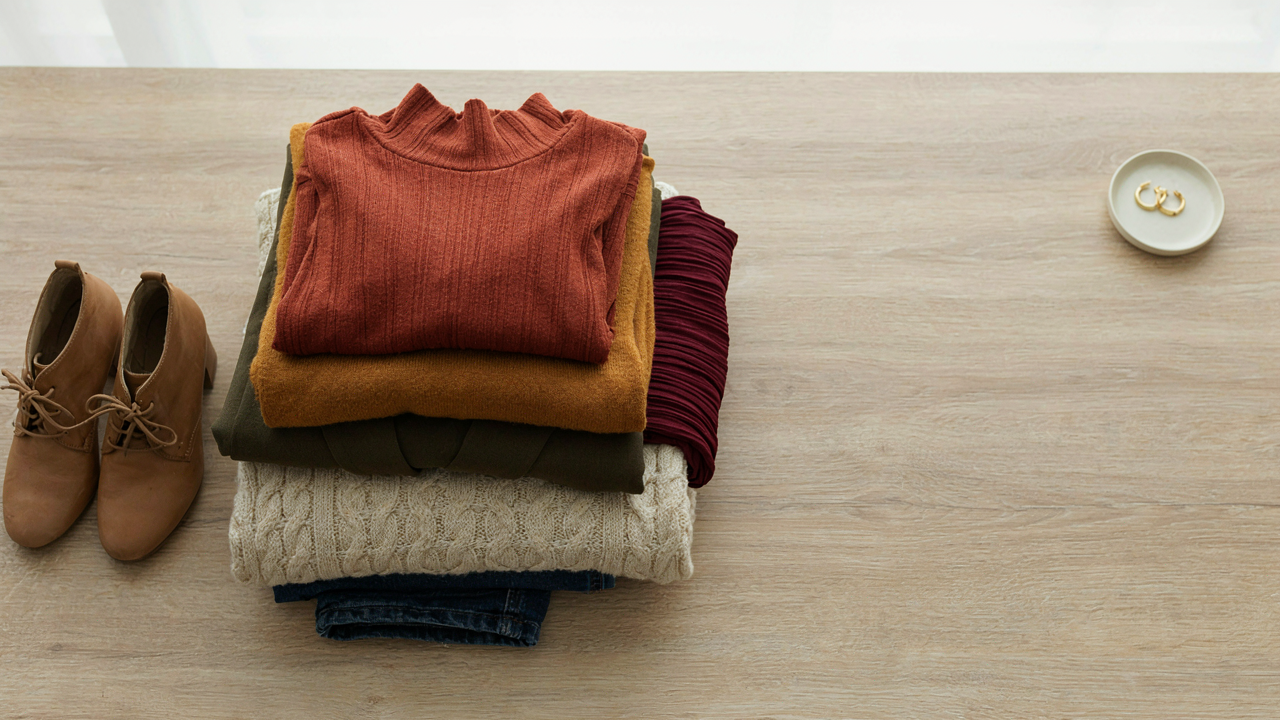
Beyond “Basic”: The Fallacy Of More Clothes
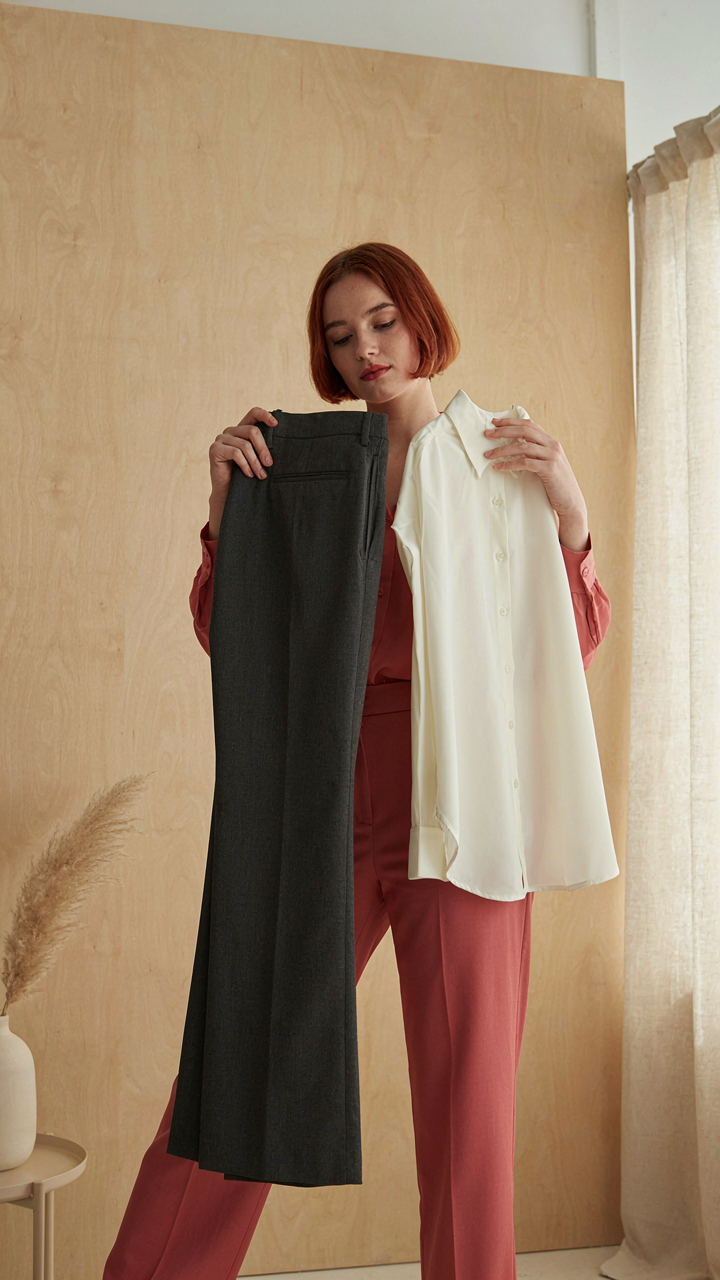
Fewer Choices Actually Work Better
You think adding more pieces solves the problem. It doesn’t. The real issue is decision fatigue, and it compounds every morning you open your closet. Cognitive psychology calls this the paradox of choice: more options decrease satisfaction and increase the mental cost of getting dressed. With fall layering, the mechanism is identical. Ten base pieces plus ten layers plus ten toppers equals paralysis, not freedom.
A functional fall wardrobe operates on constraint, not abundance. When you own five versatile pieces that actually combine, you make faster decisions and wear better outfits. The math works against you when you keep adding. Each new item multiplies the number of possible combinations your brain must evaluate. Strip down to pieces that layer logically, and your outfit quality improves while your morning friction vanishes.
What “Basics” Actually Means

The common advice about fall basics is incomplete. Everyone says “get a white tee, a sweater, jeans” and stops there. That’s not a system. It’s a shopping list. Real basics aren’t defined by color or name but by their structural function in a layering sequence. A basic piece serves as either an anchor, a middle layer, or a top layer, and it must work with everything else in those positions without creating visual bulk or fit problems.
Deconstructing this means identifying which pieces actually perform multiple roles in your life. A fitted crewneck sweater works as a standalone top or as the middle layer under a jacket. Straight-leg pants work over boots or sneakers without requiring tailoring. A button-up shirt layers under sweaters and works alone on warmer fall days. These aren’t basics because they’re neutral; they’re basics because they solve specific problems across multiple outfit combinations.

The Inverted Pyramid Of Layering: Function Over Fashion

Start With The Skin Contact Layer
You want to look put together without overthinking it. That’s the real fear here—that layering requires effort you don’t want to spend. The mechanism is simple: your base layer determines everything downstream. Cotton holds moisture against your skin. Merino wool and synthetics wick it away. Fall demands moisture management because you move between temperature zones constantly—outside cold, inside heated spaces, walking between them. Pick wrong here and you’re either damp or overheating by noon, which shows.
A fitted long sleeve tee or lightweight thermal in wool or a poly blend becomes invisible under other pieces while doing the actual work. Avoid oversized base layers because they bunch under the next layer and kill the silhouette. The base isn’t about visibility. It’s about performance underneath. This layer stays on your skin all day, so its job is to regulate temperature and manage sweat, not to be seen.
The Mid Layer Holds Your Temperature Control
Thickness doesn’t equal warmth in fall—versatility does. Think of this like load bearing in architecture: one structure alone fails under variable stress, but layered systems distribute pressure across multiple points without collapse. A cardigan, lightweight sweater, or quilted vest worn over your base absorbs the real temperature variance fall throws at you. You can remove it indoors, tie it around your waist, or layer it forward again without looking like you’re adjusting.
Cotton blends and lightweight knits work better than heavy sweaters in fall because you’re not staying outside for hours. You’re moving. Your mid layer needs to compress into a bag or loop around your waist. Choose pieces that don’t add bulk when layered over a base and under an outer shell. Chenille, merino blends, or structured cotton knits maintain their shape whether worn alone or stacked.
The Cognitive Load Method For Casual Fall Outfits Women

Streamline Your Choices Via Style Algorithms
You’re hoping a system will make you look intentional without effort. Here’s the real mechanism: your brain has a fixed decision budget per day, and every outfit choice drains it before you even get to work. The algorithm approach borrows from computer science—specifically, how systems reduce variables to optimize output. For fall outfits, this means creating a fixed palette of pieces that combine predictably, not randomly assembling from a closet of options.
Most advice tells you to “find your style” and “curate a wardrobe.” That’s vague and expensive. The actual move is reducing your in-the-moment choices to three decisions instead of thirty. Pick a neutral base layer (cream, gray, or black long-sleeve), a middle layer (cardigan or button-up), and a fall-appropriate outer layer (denim jacket or blazer). These stack in predictable ways. You’re not choosing between possibilities anymore—you’re executing a pattern.
Pre Compute Your Combinations
Stop solving the outfit problem every morning. Pre-computation means you’ve already run the math on what works together, so execution becomes automatic. Fall layering specifically favors this because the pieces themselves have constraints—weight, seasonality, proportions—that limit bad combinations naturally.
Assign each piece a role and document which pieces work with which. A cream fitted tee layers under a rust-colored cardigan and under a tan overshirt—that’s two outfits solved. A structured denim jacket goes over the same tee with black pants or a skirt. Write this down or photograph combinations on your phone. When you get dressed, you’re retrieving a pre-made solution, not generating one. Decision fatigue disappears because the cognitive work happened once, not every single day.
The Keystone Piece Protocol: Maximizing Versatility

One Sweater, Five Looks
You want permission to buy less and feel like you have more. Here’s the mechanism: a keystone piece is a garment that changes meaning based on context, not because of magic, but because layering redistributes visual weight and formality. One sweater becomes five outfits when you control what goes underneath, on top, and what you pair it with on bottom.
Start with a crew neck or v neck sweater in a neutral that matches your existing pieces. Crew necks read casual. V necks add slight formality without effort. Cotton blends work better than pure wool because they hold their shape through repeated layering and washing.
- White button up under charcoal sweater: Tuck the shirt partially or fully. Adds structure and reads more intentional than sweater alone. Pairs with jeans or trousers.
- Oversized tee under fitted sweater: Let the tee hem peek at the bottom. Creates visual contrast and breaks up the sweater’s silhouette. Works with casual bottoms only.
- Sweater vest over long sleeve fitted tee: Layer the sweater as a vest by leaving it open. Extends your outfit’s visual complexity without adding bulk or weight.
- Sweater tucked into high waist pants: Changes proportion immediately. The tuck shortens your torso line and creates definition. Works with both casual and business casual bottoms.
- Sweater over collared shirt with only collar visible: Button the collar shirt fully. Wear the sweater open on top. The collar frames your face and signals intentionality without looking overdressed.
The math is simple: one sweater plus five different base layers or styling choices equals five distinct outfits. You’re not buying five sweaters. You’re buying one and extracting maximum utility through deliberate layering order.
Elevating Simple Layers
Most people layer wrong because they think more fabric equals better insulation or style. It doesn’t. The mechanism borrowed from architecture is load bearing: your outermost layer carries visual weight, your middle layer provides function, and your base layer handles temperature. Stack them for intention, not accident.
A fitted base plus a looser middle layer plus a structured outer piece creates visual hierarchy without confusion. The fitted base prevents lumpy silhouettes. The loose middle adds dimension. The outer layer anchors the outfit. When all three work together, the whole outfit reads as deliberate instead of thrown together. This matters because casual fall outfits fail when they look accidental rather than chosen.
The sequence of dressing determines the outcome. Start with your base layer tight to your body. Add your middle layer with slight volume or a different fabric texture. Finish with your outer layer in a contrasting weight or structure. When you reverse this order or ignore proportion, even expensive pieces look disheveled. That’s not style. That’s stacking without understanding why you’re stacking.
Fall Sweater Outfits: The Uniform Of Unstoppable Women

The Economics Of Fiber Choice
You want a sweater that signals competence without broadcasting that you’re thinking about it. That’s the real game here. Fabric choice determines longevity and presence, which means you’re buying time and authority, not just coverage. Merino wool regulates temperature across seasons, resists wrinkles without ironing, and doesn’t pill aggressively. Cashmere holds shape longer and photographs better, but demands intention in washing. Cotton blends offer versatility but deteriorate faster. Pick based on wear frequency, not aspiration.
The ROI calculation is simple: divide the sweater’s cost by how many seasons you’ll wear it without replacement or visible decline. Merino at a mid-price point typically outperforms cheaper alternatives by 18 to 24 months of consistent wear. A cashmere piece worn twice weekly beats a cotton blend worn daily because fibers matter more than frequency. Your sweater is armor, so invest in fibers that survive the job.
Silhouette That Commands Space
Cut determines how a sweater sits on your body, which determines whether you occupy a room or disappear into it. This is basic physics applied to clothing: volume and proportion create visual weight. A fitted sweater with deliberate taper at the waist anchors your presence. An oversized sweater that drapes without pooling reads as intentional, not sloppy. Cropped lengths reset proportions and pair strategically with high-waisted bottoms to elongate your frame.
The mechanism is proportion contrast. Wear a fitted sweater with relaxed pants to create visual interest. Wear an oversized sweater with tailored trousers to prevent drowning in fabric. Avoid matching body-sweater proportions: tight top with tight bottoms flattens your silhouette; loose top with loose bottoms erases definition. Choose your sweater cut first, then build bottoms around it. This sequence prevents outfit failure.
The Information Theory Of Accessories: Signal Vs. Noise

What Your Accessories Actually Cost You
You think adding more accessories makes an outfit better. It doesn’t. You’re afraid a simple outfit looks incomplete, so you layer on jewelry, scarves, and bags until the look collapses under its own weight. Economics calls this the problem of scarce resources: you have limited attention from the viewer, and every accessory competes for it. One well-placed scarf in fall signals intention. Three accessories signal confusion. The mechanism is brutal: each addition dilutes the impact of everything else.
Fall outfits work the same way a budget does. You get a fixed amount of visual real estate. A camel coat, cream sweater, and dark jeans already consume most of that space. Adding a statement necklace, belt, scarf, and boots doesn’t enhance the outfit. It fragments it. Your eye doesn’t know where to land. Remove the necklace. Keep the scarf tied loose around the neck. One point of focus wins every time over scattered noise.
The Single Leverage Point
Leverage in physics means moving a heavy load with minimal effort by using the right fulcrum. Fall accessories work the same way: one piece positioned correctly creates more visual impact than five pieces distributed randomly. A leather belt over a sweater dress changes the entire silhouette. A structured crossbody bag anchors an otherwise formless layer stack. These aren’t decorations. They’re load-bearing elements that reshape what you’re wearing.
The common advice is to “layer accessories for depth.” Wrong. Layering creates clutter. Precision creates presence. Pick one accessory that solves a specific problem: a belt that defines your waist, a scarf that ties colors together, or boots that ground the outfit. That’s your fulcrum. Everything else stays out. The output is an outfit that reads as intentional rather than assembled from a pile.
Casual Chic Fall Outfits: The Illusion Of Effort

One Color, Multiple Depths
You want people to think you didn’t try, because trying too hard reads as insecure. The mechanism is this: a monochromatic outfit eliminates decision fatigue in the viewer’s eye, so they perceive coherence as intentionality rather than luck. Wearing cream, ivory, and off-white together isn’t boring—it’s a unified statement that reads as deliberate restraint. This works because contrast demands explanation. Sameness doesn’t. The outfit disappears; only the wearer remains visible.
The practical application is straightforward. Pick one color family—camel, grey, black, olive. Then layer three different shades or values of that color. A charcoal sweater over a slate turtleneck with heather grey pants creates depth without visual noise. Fabric weight matters here more than hue. A heavyweight knit against a lightweight cotton shirt in the same color family signals intentional composition. The viewer registers sophistication because nothing fights for attention.
Opposing Materials On The Same Plane
Contrast through texture, not color, is where most fall outfits fail. The standard advice says “mix matte and shine” or “pair smooth and rough”—which is vague enough to be useless. What actually works is applying a principle from materials science: opposing densities create visual tension that reads as depth. A matte wool sweater over a silk slip, both the same neutral tone, gives dimension without chromatic distraction. The eye tracks the shift in light reflection, not a shift in color.
Select two fabrics with different light absorption rates for your base layers. Corduroy with cotton. Cashmere with linen. Merino wool with a thin silk camisole underneath. The contrast happens at the micro level—how each material catches or absorbs light—rather than at the macro level of competing colors. When you layer these materials, the outfit gains visual complexity that suggests editorial intention. This is the mechanism that separates outfits that feel considered from ones that feel assembled.
From Modest To Magnetic: Intentional Layering

Strategic Coverage Creates Proportion
You want people to notice you without feeling like you’re trying. That’s the real motive here. Layering works because it uses visual weight distribution, a principle borrowed directly from architecture. In building design, load-bearing walls support structure through strategic placement, not random bulk. Your layers do the same thing: they direct the eye toward intentional focal points instead of broadcasting everything at once.
The common advice says “just add a sweater.” Wrong. Layering without strategy creates visual noise. You need each layer to either add dimension or frame a specific body area. A fitted base layer under an oversized cardigan creates contrast that reads as intentional. A cropped top under a longer jacket creates a break line that interrupts mass and adds interest. The coverage itself becomes a design choice, not a default.
Dimensional Silhouettes Command Attention
Contrast in fabric weight and fit is what actually stops the eye. Dense fabrics layered under lightweight ones create visible depth. Fitted shapes under loose ones create graphic tension. This isn’t about concealing or revealing. It’s about creating visual architecture that makes your frame more interesting to look at than a flat, single-layer outfit would be.
The mechanism is simple: asymmetry draws attention faster than symmetry does. When your layers break the body into sections with different proportions, the silhouette becomes active instead of passive. A structured blazer over a flowing shirt creates competing lines that engage visual focus. When you dress this way, you’re not hoping someone notices you. You’ve made it mechanically harder for them not to.
Your Real Obstacle Isn’t Lack Of Clothes, But Lack Of A System. Stop Consuming Fashion; Start Engineering Your Presence
Most women buy clothes to solve anxiety. You’re buying to fill a void. Real style lives in constraint, not quantity. Pick three base colors today. Build every fall outfit from those three. Stop scrolling Pinterest and start tracking what actually works on your body. The difference between looking intentional and looking lost isn’t money. It’s having a framework instead of a closet full of chaos. Own your formula, and people stop seeing your outfit. They see you.