
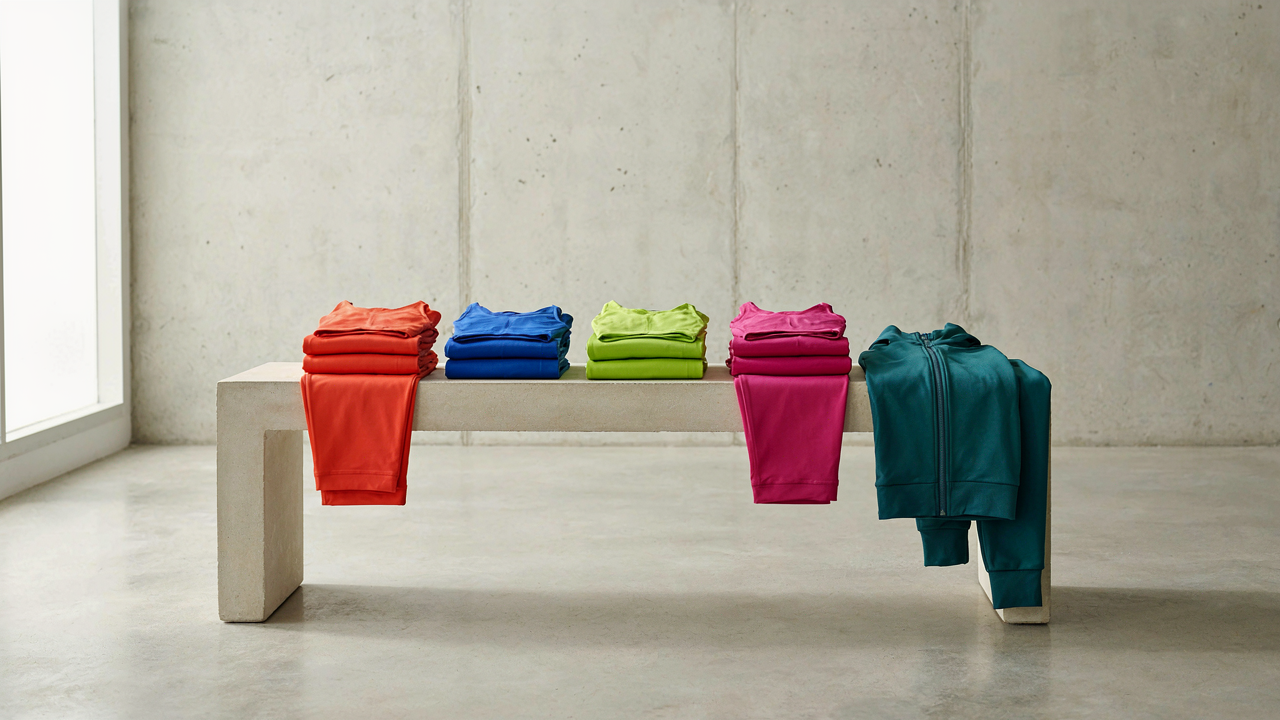
The Authenticity Advantage: Why Your Small Brand Wins

Community Connections Beat Follower Counts
You want to believe that being small is a disadvantage. It’s not. The real mechanism here borrows from economics: network effects favor whoever owns the densest, most engaged cluster first. You don’t need millions of people. You need the right hundred who actually move. When you shoot with your actual community—customers, local athletes, people who already use your product—you create a closed feedback loop that algorithms and paid reach can’t replicate. These people tag friends. They show up to events. They buy again because they see themselves in the work, not because an influencer told them to.
Large brands spend to reach strangers. You reach people who already have skin in the game. That’s not a consolation prize. That’s the structural advantage. Your photoshoot becomes a recruiting tool the moment community members appear in it. They don’t just model. They become collaborators, which means they become advocates. Document this collaboration visibly. Show the behind-the-scenes process of working with real people from your community, not just the final polished images. This transforms a product shoot into a narrative about belonging.
Real Bodies Move Product Faster

The common advice here is wrong: shoot with “relatable” models and call it authentic. That’s a half measure that signals you still don’t trust your actual customers. Authenticity isn’t about finding models who look average. It’s about using the people who already bought from you, trained in your gear, lived in your product. Their bodies aren’t relatable because they’re imperfect. They’re relatable because they’re specific. A runner with a particular stride. A CrossFitter with actual muscle memory. A yoga practitioner with real flexibility. These specifics create recognition.
When a potential customer sees someone with their build, their age, their exact use case wearing your activewear, the purchase decision collapses from abstract to immediate. They stop asking if it will work and start asking where to buy. Shoot your community members across diverse body types, ages, and fitness levels in real training scenarios, not posed studio setups. The friction between your product and the customer’s hesitation disappears when they can see themselves in the frame.

Niche Defined: Targeting Your True Activewear Photoshoot Audience

Who Your Customer Actually Is
You’re hoping the right visual will magically expand your market, but you’re actually afraid of narrowing it. Here’s the mechanism: specificity doesn’t shrink your audience, it magnetizes it. In economics, this is called market segmentation. Your activewear photoshoot succeeds when you recognize that a climber’s needs, body position, and pain points differ fundamentally from a yoga instructor’s. The more precisely you target, the more conversion you generate.
Most brands shoot generic athletic wear on interchangeable bodies and wonder why engagement stalls. You need to identify one customer archetype—not five. Age range, income bracket, specific activity, pain point they’re solving, and how they currently fail with existing gear. Write this down. This becomes your North Star for every creative decision during the shoot. Everything from lighting to pose to background either speaks to this person or wastes the frame.
Dressing The Subculture, Not The Activity
Different athletic communities have developed visual codes over decades, and ignoring them reads as inauthentic immediately. Take crossfit versus pilates. Crossfit photoshoots feature stark gyms, heavy contrast, direct lighting, and athletes mid-exertion with visible tension. Pilates shoots use soft natural light, minimal branding, and controlled movement. These aren’t aesthetic preferences. They’re signals of belonging within each community.
Research how your target subculture actually documents itself. Check Instagram accounts of 50 real practitioners in your niche, not influencers. Notice fabric choices, shoe styles, how they layer, their color preferences, where they shoot, what time of day, what equipment appears in backgrounds. Your photoshoot succeeds when community members recognize themselves in the imagery before they recognize the product.
The Scarcity & Amplification Blueprint For Activewear Photography

Where Your Budget Actually Goes
You want to know how to shoot more for less. What you’re really asking is how to avoid looking cheap while spending small money. Here’s the mechanism: economics teaches resource allocation through constraint, and in activewear photography, your constraint is not your camera or location—it’s your model variety and outfit count. Most brands waste budget on locations when they should waste it on bodies and fabrics.
A single model in twelve different pieces beats twelve models in one piece every time. The reason is simple: consistency builds visual recognition faster than novelty. Small brands confuse variety with production value. They don’t. Repetition with variation is the actual formula. Shoot the same athlete across multiple outfit combinations, angles, and lighting setups in one day. You generate thirty usable assets from one shoot day instead of five.
Concentrated Force Over Dispersed Effort
Military strategy calls this concentration of force, and activewear brands either apply it or burn cash on unfocused campaigns. Instead of spreading your shoot budget across multiple locations, models, and dates, you compress resources into a single, high-intensity shoot day with ruthless output targets.
Pick one location that works for three different aesthetic moods—studio, outdoor, transition space. Use one core model with two backup models maximum. Lock your outfit count at twelve pieces minimum. Shoot in blocks: all standing poses, all movement sequences, all detail shots. This assembly-line approach generates enough raw material to fuel three months of content. The amplification happens in post-production planning, not during the shoot. You’ve already won by the time the camera fires—you won the day you decided to concentrate instead of scatter.
DIY Doesn’t Mean Cheap: Elevating Your Minimal Activewear Shoot

Natural Light And Composition
You’re hoping a budget camera won’t matter if you nail the fundamentals. Here’s what actually happens: light and framing determine whether your product reads as premium or discount, regardless of gear. Natural light is physics. The sun is a massive diffuser at distance, creating soft shadows and dimensional contrast. Use it like a lighting designer uses a key light and fill source. Position your shoot during golden hour—early morning or late afternoon—when the angle creates depth on fabric texture without blowing out highlights on sweat-wicking materials.
Composition compounds light’s effect. The rule of thirds is outdated advice because it treats framing as decoration instead of information hierarchy. Place your activewear where the viewer’s eye lands first, using negative space to force attention. Shoot against a plain background—concrete, white wall, natural landscape with distance—so fabric details dominate the frame. The garment occupies maybe 40-50% of the frame; the rest proves you understand restraint. This separation between subject and background costs nothing but costs everything if you ignore it.
Smartphone Photography Techniques That Convert
Your phone’s camera sensor is smaller than a dedicated camera’s, which means depth of field is shallower and low-light performance suffers. Most people blame the phone instead of asking why professionals still use phones for catalog work. The answer: computational photography compensates for hardware limits through software processing. Use portrait mode or focus-lock features to blur the background artificially, creating separation. Tap to lock exposure on the fabric itself so highlights stay recoverable in post. Use the grid overlay—it trains your eye to composition in real time instead of cropping mistakes later.
Shooting RAW through a third-party app like Adobe Lightroom gives you color and exposure latitude in editing. JPEGs bake in compression and limited adjustment headroom. Stabilize the phone using a tripod or makeshift prop so motion blur doesn’t waste a clean composition. The smartphone’s wider field of view means you capture more context than traditional lenses at equivalent focal lengths. Shoot multiple angles of the same garment in the same light—front, side, detail of seam or material—because variety in your gallery signals confidence and product knowledge to potential buyers.
Beyond Poses: Crafting A Narrative For Your Sportswear Photoshoot

Movement As Visual Language
You want this shoot to feel different because you’re afraid it won’t stand out in a feed full of identical product shots. The mechanism is simple: movement generates narrative when the environment constrains it. Borrow from cinematography—specifically shot composition. A static model holding a pose tells you nothing. A model moving through space tells you who uses this product and why. The background becomes a character. The lighting changes as the body moves through it. This is how you turn a photoshoot into a story that doesn’t require captions to land.
The real work happens before the camera rolls. Scout locations that force authentic movement patterns. A stairwell demands a different body position than a flat studio. A park requires navigation around real obstacles. A warehouse reveals how the fabric moves under tension. Capture the transition moments, not the final pose. The stride mid-step beats the planted stance. The reaching motion beats the finished extension. These frames prove the product functions in context, not just exists in flattering light.
Sequencing For Cognitive Grip
Generic advice says arrange images chronologically or by aesthetic. That’s wrong. Arrange them by emotional velocity. The first image should create cognitive friction, not comfort. Start with something that makes the viewer’s brain work—an unexpected angle, a partial crop, an unfamiliar pose. This primes attention. The next three images deliver what the first promised: proof of function, clarity of product, credibility through context. The final images can return to beauty because you’ve earned it. You’ve built trust through information, not decoration.
The technical step: create a contact sheet with your best 30-50 frames. Remove duplicates and similar poses. Arrange the remaining images in order of information density, not chronological order. Start high-friction. Descend into comfort. Map this sequence into your shoot plan before you arrive on location. This prevents you from accidentally shooting the entire day toward a climactic moment when the first moment should grab attention. Sequence drives the narrative. Narrative drives engagement and conversion.
Location As Character: Unconventional Active Wear Photoshoot Spots

Scout Locations That Cost Nothing
You want free locations because you’re afraid cheap backdrops signal cheap product. That’s backwards. The mechanism is contrast: your clothes stand out harder against understated environments. Most small activewear brands waste budget on generic studios when parking garages, brutalist architecture, and industrial warehouses read more premium because they’re intentional. Scarcity breeds perception of value. Find spots competitors ignore.
Street-level scouting beats Pinterest boards. Walk your neighborhood with a phone camera and document raw textures: concrete seams, weathered metal, stacked pallets, chain-link fences, overgrown brick walls. You need three to five locations with different lighting directions and surfaces. Shoot test frames at different times to map how sun angle changes your apparel’s colors and shadows. Document what works before you schedule a full shoot day.
Make Environment Proof Of Philosophy
Environment is borrowed from architecture and industrial design. In those fields, “material authenticity” means using materials honestly, not disguising them. Apply this to activewear photoshoots: your location should prove your brand’s actual values, not perform fake ones. If you claim durability and technical performance, shoot in environments that demand durability from your product. If you emphasize accessibility, shoot in real spaces where real people train, not curated studios pretending to be real.
The connection between location and brand story works because viewers decode environments faster than they decode copy. A gym bathroom mirror tells a story about sweat and hustle. A manicured forest path tells a different story. Neither is wrong. The error is picking locations that contradict your message or that look like every other activewear brand’s shoot. Your location should make the brand’s operating logic visible. Scout until the environment and your product’s purpose align so clearly that no caption is needed.
The Prop Paradox: Less Is More In Athleisure Photoshoot Styling
Core Props That Elevate Visuals
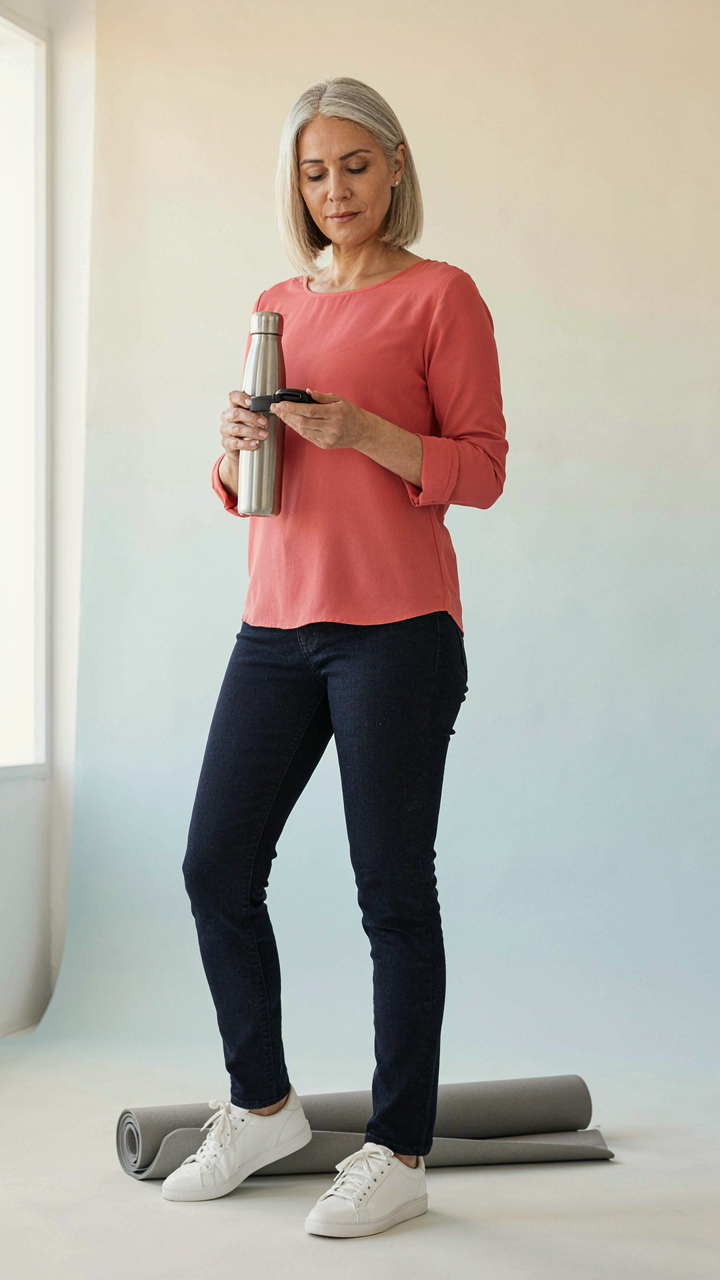
You want props because you’re afraid empty space reads as cheap. Here’s the mechanism: in visual hierarchy, props function like footnotes in economics—they signal context without dominating the primary asset, which is the garment and body wearing it. Too many props create cognitive load. The viewer’s eye fractures.
- Water bottle or hydration pack: Establishes activity context immediately. Choose minimalist designs in neutral tones that don’t compete with fabric texture or fit lines.
- Workout mat or yoga towel: Grounds the figure in a specific environment. Solid colors work better than patterns unless the pattern is muted and complements your brand palette.
- Phone or fitness tracker: Modern athleisure audiences expect tech integration. Keep devices visible but not centered—they’re supporting players, not leads.
- Minimal jewelry or watch: Anchors the lifestyle aesthetic. Metal finishes should match your brand’s material story—gold, silver, or bronze, not mixed metals.
- Headphones around neck or in ears: Signals active intention without cluttering the frame. Choose styles with clean lines that echo your garment’s design language.
Each prop solves a staging problem without creating a visual argument. The rule is constraint: one prop per shot, maximum two if they occupy different spatial planes (foreground and background). Remove it if you can’t explain why it’s there in one sentence.
Avoiding Distracting Elements
The generic advice says “keep it simple.” That’s useless because it doesn’t name what simple actually means. Distraction isn’t about quantity—it’s about competing visual weight. A single neon gym bag in frame pulls harder than five muted objects because your eye has no choice where to land.
Test your shots with a specific filter: does this element have more visual complexity than the garment itself? Texture, pattern saturation, bright color, unusual shape—these are the culprits. Remove items with high contrast to your background. Remove anything with logos or branding that isn’t yours. Remove objects that suggest a season or context that contradicts your campaign messaging. The frame should feel inevitable, not assembled.
Post Production Power: Refining Your Activewear Photoshoot Ideas
The Consistency Engine
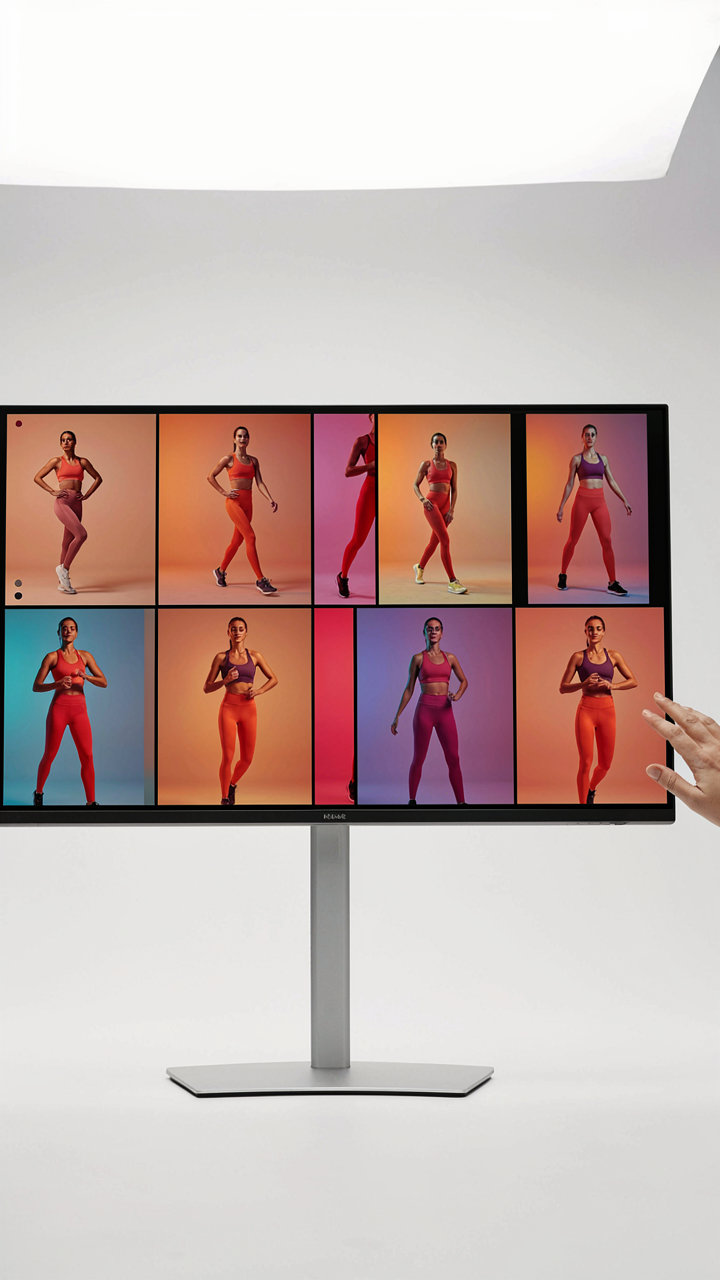
You want post-production to feel invisible because you think that makes you look professional. The real mechanic is this: editing enforces a visual contract with your customer. Every image must signal the same brand identity. Inconsistent color temperature, contrast, or saturation makes you look indecisive, not artistic. Establish presets before you edit a single frame.
Build a master editing template based on your three to five hero shots. Lock down your blacks, midtone saturation, and highlight recovery. Apply this template to every image from the shoot. Deviation happens only when the raw file demands it, not when you feel creative. This discipline compounds fast. After ten shoots, your brand becomes recognizable in a thumbnail.
Color Grading As Psychological Positioning
Think of color grading like supply and demand in economics. You’re managing visual resources to steer attention toward specific elements. Warm tones signal energy and approachability. Cool tones signal performance and precision. Most small brands default to flat, neutral edits because they fear looking “too edited.” This is lazy thinking. Strategic color grading doesn’t distort reality; it amplifies the mood you already captured.
Desaturate everything except skin tone and the product. Push warmth into the shadows. Lift the blacks slightly to reduce crushing. This moves focus directly to the athlete and gear. The background becomes context, not competition. Export a test batch with this grade applied, then show them to your target customer. Their eye movement tells you if the hierarchy works. Adjust based on where they look first, not on what feels right to you.
The Unseen Value Of Imperfection: Realizing Your Activewear Shoot Potential

Embrace Raw Authentic Moments
You want permission to skip the expensive retouching. That’s the real thing driving this section. Here’s the mechanism: in psychology, this is called the “mere exposure effect”—repeated exposure to something makes people like it more, even if it’s imperfect. In activewear photography, this means sweat stains, wrinkles, and breathing room in fabric read as effort and legitimacy to your audience. Perfection signals artifice. Imperfection signals the product actually works.
The common advice tells you to “keep it real.” That’s useless. What you actually do is shoot during movement, not after. Capture the athlete mid-breath, mid-stride, mid-exertion. Let fabric bunch. Let skin show. The shot where the model’s shoulder is slightly out of focus because she’s moving is worth more than the sterile, lit studio frame. This happens during the shoot itself, not in post-production.
Build Trust Through Genuine Representation
Representation isn’t about diversity hiring language. It’s about showing bodies doing the activity your product was designed for. Economics calls this “information asymmetry”—when a customer can’t verify a claim directly, they rely on signals. Your photoshoot is the signal. If every model is six feet tall with zero visible muscle fatigue, customers immediately know you’re not showing them reality. They stop trusting before they buy.
Shoot people who actually use your product or the activity it targets. Show varied body types, ages, and skin tones doing real work in your gear. This isn’t virtue signaling. It’s data. When someone your customer’s size, age, or build wears your activewear and performs, that removes the biggest objection to purchase. The shoot becomes proof of function across variables, not an aspirational fantasy.
The Real Obstacle Isn’t Your Budget, But Your Willingness To Deviate From The Established Script

You’ve already seen a thousand activewear photoshoots. They look identical because brands copy each other instead of copying their actual customer. Stop shooting what Instagram tells you to shoot. Pick one unconventional angle today, one that makes your niche customer stop scrolling, and commit to it across three shoots. The brands winning aren’t the ones with bigger budgets. They’re the ones willing to look weird to the right people.