

The Photoshoot Purpose Protocol: Beyond Aesthetics

What Story Are You Actually Telling
You want validation that you matter. That’s the real reason you’re obsessing over outfit details instead of just showing up. Here’s the mechanism: your outfit communicates a specific version of your life to an audience, and that audience interprets it through their own biases before they ever see your face. The outfit is the frame. The frame determines what people see.
Your birthday narrative isn’t about what makes you happy. It’s about what position you’re claiming in the world. Are you the person who takes risks with color and silhouette? The person who understands restraint and quality? The person who experiments with subcultures? Pick one. Your outfit enforces it.
Clothes As Deliberate Signal, Not Decoration

People treat outfit selection as aesthetic preference. That’s incomplete. In semiotics, the study of signs and symbols, a garment functions as a signifier that points to a specific meaning. Your birthday outfit signifies an identity claim. The fabric weight, neckline depth, silhouette structure, and color temperature all work together to broadcast a single coherent message.
The common advice says “wear what makes you feel confident.” That’s backwards. Confidence follows clarity of purpose, not the reverse. Define exactly what you want people to understand about you from this shoot. Then choose pieces that align. A structured blazer signals professionalism and control. Flowing fabric signals ease and creativity. Monochromatic dressing signals intentionality. Match your outfit to your stated identity, not to vague feelings.

Deconstructing “Chic”: The Unspoken Rules Of Elegant Photoshoot Attire

Fabric Choice As Status Signal
You care about this section because you’re betting fabric signals something about you to the camera and everyone who sees the photos later. Here’s the mechanism: fabric choice operates like economics. Scarcity and production cost create perceived value. Natural fibers that require labor-intensive processing—silk, linen, cashmere blends—photograph with visible texture and depth. Synthetic blends flatten under light. The camera exposes cheap fabric instantly because it reflects light uniformly instead of creating micro-shadows across the weave.
Linen, silk charmeuse, and high-quality cotton hold dimension in photographs. They also drape differently, which means they move with your body instead of clinging or billowing randomly. Polyester and low-grade rayon produce a flat, one-dimensional look that reads as budget regardless of the outfit’s actual cost. The fabric you choose doesn’t just feel better—it changes how light behaves on camera, and that shift is immediate and noticeable in every frame.
Silhouette And Psychological Impact
Silhouette operates on a principle borrowed from visual hierarchy in graphic design: the eye follows defined edges and interprets defined shapes as intentional. A structured silhouette—whether fitted, A-line, or belted—communicates control. Loose, unstructured shapes read as accidental or casual, even when expensive. Your body shape doesn’t determine what works. The cut of the garment does.
Fabric choice doesn’t just feel better, it changes how light behaves on camera. Most advice says wear what makes you comfortable. That’s incomplete. Comfort is irrelevant if the silhouette doesn’t photograph. Fit the garment to create clean lines from shoulder to hip to hem. Avoid excess fabric pooling at the waist or thighs. Every fold in the fabric should either define your body or intentionally break the line—never accidentally create visual noise.
The 21st Birthday Photoshoot: Strategic Disruption, Not Replication

Why The Generic Approach Fails
You want validation that you’re different from every other 21-year-old doing this shoot. That’s the real question underneath. The mechanism most people miss: a photoshoot outfit isn’t about looking “fun” or “celebratory.” It’s about controlling what the image communicates when viewed without context, six months from now or six years from now. The party girl aesthetic dates fast because it signals a moment, not a person. Specificity is the only thing that doesn’t rot.
Most 21st birthday shoots default to bodycon dresses, statement heels, and props borrowed from a Vegas marketing department. This approach fails because it’s interchangeable. You become a template rather than a subject. The outfit must do the opposite: it should make the image immediately recognizable as yours, not as “what a 21-year-old wears to get photographed.”
Establishing A Visual Constraint
Your outfit needs to function as a visual anchor, not a costume. Take a page from graphic design: constraint breeds clarity. Every element should trace back to one decision you’re making about how you want to be read in the frame. This isn’t about being “authentic” in the therapy sense. It’s about reducing variables so the photograph has a single clear subject: you, not the outfit doing the work.
Start by selecting one piece that breaks the 21st birthday script entirely. A tailored blazer in an unexpected color. A vintage leather jacket. A structured linen set. Then build outward from that constraint, not inward toward trends. The goal is for someone to see the photo and think about who wore it, not what was worn. Document the exact pieces and proportions you select, because consistency across shots is what transforms a photoshoot into a coherent visual statement.
Mini Dress Photoshoot Ideas: The “Less Is More” Fallacy

Risk Versus Exposure Trade Off
You want the mini dress because you think it signals confidence, but you’re actually afraid of looking reckless. Here’s the mechanism: risk and reward operate like a seesaw in photography. The shorter the hem, the more your positioning, angles, and posture control the frame. A mini dress doesn’t hide flaws—it forces you to own the space you occupy. Photographers call this “negative space management.” The dress removes visual weight, so your body language becomes the entire composition. Most advice says wear what makes you comfortable. That’s incomplete. You need to wear what forces you to move intentionally.
The real calculation isn’t hem length versus modesty. It’s exposure versus control. A mini in a photoshoot demands you sit, stand, and angle with precision because nothing buffers the image. Your legs, knees, and thighs are now design elements, not afterthoughts. This is why mini dresses work best with a clear shot list: standing with weight on one leg, seated with knees angled forty-five degrees, leaning against a surface. Without these tactical positions, you’ll spend the shoot adjusting fabric instead of commanding the frame. Plan your poses before the shoot. This eliminates uncertainty and makes the mini dress work for you, not against you.
Posture Drives The Shot Not Fabric
Your posture tells the camera whether you own the mini or the mini owns you. When you wear a shorter dress, your spine position, shoulder tension, and head angle become 70 percent of the visual information. A slouched posture in a mini reads as unsure. A straight spine with relaxed shoulders reads as deliberate. This isn’t psychology—it’s pure visual hierarchy. The fabric takes up less real estate, so skeletal alignment dominates the frame. Photographers know this. Your outfit choice should align with how you naturally hold yourself, not fight it.
If you round your shoulders or crane your neck forward, the mini dress amplifies it. If you stand neutral or pull back slightly, the dress reads sharp. The mechanism is simple: less clothing equals more body language visibility. Your job is to standardize three positions before the shoot. First, shoulders back and down, chin parallel to ground. Second, weight on one leg with the other slightly bent. Third, seated with spine against support, knees together or angled. Drill these until they feel automatic. Then wear the mini. The dress becomes irrelevant—your body does the work.
The Decisive December Birthday Photoshoot: Environmental Integration

Weather Proofing As Strategic Advantage
You care about this because you’re afraid the cold will ruin the shoot or force you into predictable sweaters. The real mechanism is thermodynamic layering—borrowed from mountaineering strategy—where you don’t fight the environment, you armor against it while maintaining silhouette. December light is lower and harsher. Your outfit must work within those constraints, not pretend they don’t exist.
Waterproof outer shells change everything. A quality wool coat or technical outer layer doesn’t just protect you—it becomes the statement piece. Avoid cotton blends that absorb moisture and cling. Merino wool, cashmere, or structured synthetic fabrics hold their shape in humidity and cold, which means your lines stay sharp in the frame. The photographer gets clean geometry, not fabric collapse.
Color Palettes For Seasonal Dominance
Most advice says “wear jewel tones for December photos” without explaining why. That’s incomplete. Winter’s flat, muted light demands saturated or deeply neutral colors to register on camera. Your outfit competes with gray skies and bare branches, not lush summer backgrounds. Burgundy, forest green, and rich navy actually photograph darker and more dimensional than lighter shades because they hold shadow detail.
Avoid pastels and whites in December outdoor shoots unless you’re intentionally testing exposure or shooting midday in snow. Warm neutrals like camel and chocolate work, but only if the environment is genuinely bright. Otherwise, go dark and let the photographer expose for your skin tone. The background drops to silhouette, and your outfit becomes the focal point. This is the single highest-leverage decision you make for December birthday shots.
The 35th Birthday Photoshoot: Gravitas And Evolution

Stop Pretending Age Is Just A Number
You’re worried the camera will expose you. That’s the real problem. The mechanism is simple: most women at 35 treat this milestone like damage control instead of documentation. They chase youth aesthetics because culture tells them aging means becoming invisible. The outfit becomes a costume of denial. The smarter move is the opposite. Use this shoot to document who you actually are now, not who you were trying to be at 25.
At 35, your body reads differently on camera. It has density. Definition. Proportion that younger bodies don’t possess yet. This isn’t sentiment. It’s physics. Fashion calls this “maturity” but the real term is presence. Your silhouette occupies space with authority now. Clothes that worked at 28 flatten that presence. They apologize instead of state. You need pieces that work with your actual frame, not against it by pretending it’s still performing youth.
Fabric Weight Over Fashion Cycle
Forget the trend advice. Trends move in 18-month cycles. Your 35th birthday happens once. The outfit has to survive the photograph for decades, which means it can’t look like it was chasing something temporary. Choose fabrics with structure and substance. Linen that holds its shape. Silk that photographs with depth. Cotton blends that don’t cling or collapse. The difference between a photo that looks current forever versus one that looks dated in three years is almost entirely about fabric weight and natural fiber content.
Invest in pieces built to last visually. A structured wool blend blazer in charcoal or navy photographs better than a trendy linen shirt because the fabric itself carries information. Tailored trousers in quality cotton hold their form in still frames. Knit dresses in natural fibers show body without screaming for attention. The fabric does the work. Your job is selecting materials that age well in photographs, which means avoiding fast-fashion construction that photographs as cheap regardless of the style. This is the only rule that matters.
Birthday Girl Photoshoots: The Game Theory Of Posing

How The Camera Reads Your Body
You want the photos to make you look powerful because you know observers judge you in milliseconds and that judgment sticks. The camera doesn’t see intention or effort—it sees angles, weight distribution, and spatial claim. Game theory calls this signaling: you transmit information through body placement that viewers decode as confidence or uncertainty before they process your face. Your outfit only works if your posture sells it.
The mistake everyone makes is treating posing like it’s separate from outfit choice. It isn’t. A statement neckline disappears if your shoulders collapse inward. A fitted silhouette reads as frumpy if your spine rounds forward. The outfit is the frame. Your body architecture is what fills it. Positioning your shoulders back and down, keeping your chin parallel to the ground, and angling one hip forward doesn’t require flexibility or practice—it requires one decision made before the photographer clicks.
Creating Visual Dominance Through Stance
Power dynamics in photography work like leverage in physics: small positional shifts create outsized visual impact. Stand with feet shoulder width apart instead of together, and you occupy more horizontal space. That expanded footprint signals authority without screaming. Angle your body forty-five degrees toward the camera rather than facing it straight on—this naturally elongates your frame and avoids the flattening effect of frontal positioning.
Lean slightly forward from the hips rather than backward. This tiny shift pulls your energy toward the viewer and reads as engaged rather than defensive. Your birthday outfit, especially if it’s structured or has statement details, needs a body that commands the space it occupies. The photographer’s job is framing. Your job is filling that frame with intention. Forward lean plus squared shoulders plus direct eye contact creates the mechanical foundation that transforms any outfit from something you’re wearing into something you’re wielding.
The Evolutionary Algorithm For Photo Shoot Inspo
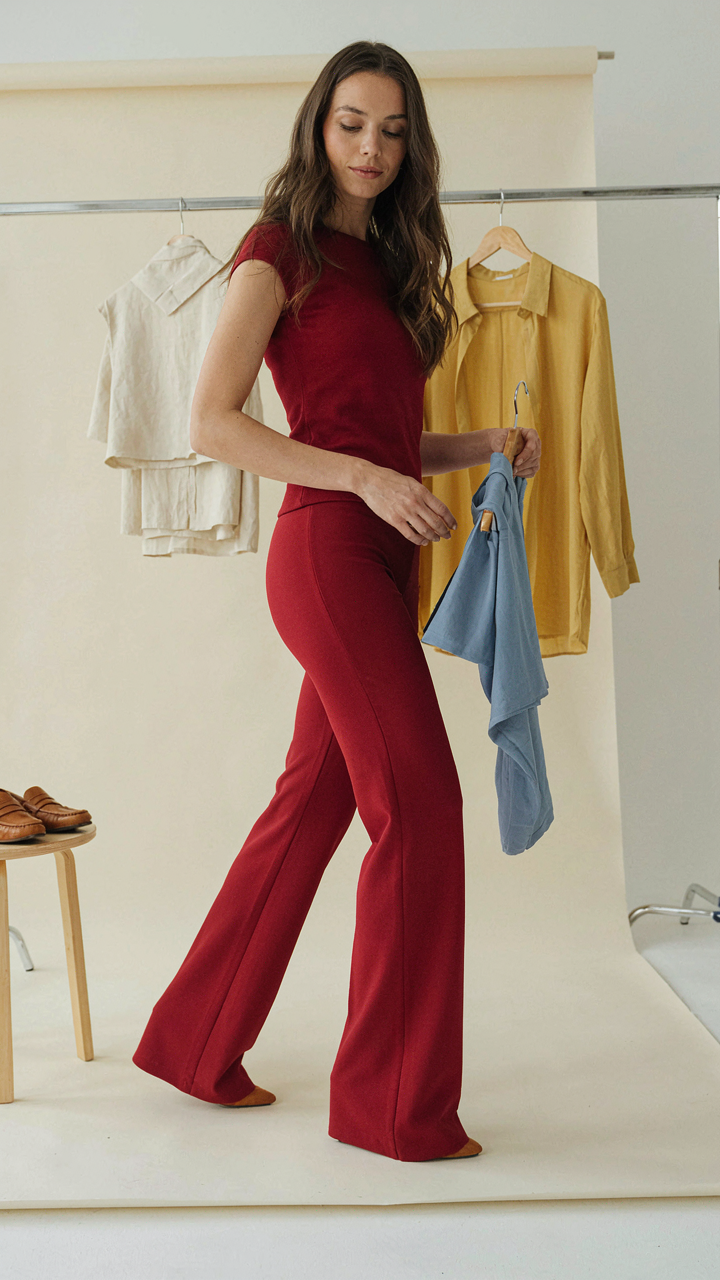
Start With Direct Imitation
You want permission to copy someone else’s outfit because you’re afraid your own instinct will fail on camera. That’s the real problem here. Biology calls this mechanism “mimicry”—organisms copy successful traits from their environment. In outfit selection, this means studying existing birthday photoshoot images and identifying what works before you remix it.
Imitation isn’t laziness if you’re doing it strategically. Pull 10-15 real birthday photoshoot photos where the outfit reads well. Note the color palette, fabric weight, silhouette, and how it photographs under similar lighting. Look for patterns across multiple images, not just one. The goal isn’t to recreate an outfit—it’s to reverse-engineer what makes clothing photograph convincingly on a body like yours.
- Monochrome Sets: Single-color tops and bottoms create visual coherence and read sharper in photos than mixed patterns or clashing tones.
- Fitted Silhouettes: Loose fabric reads as bulk on camera; fitted pieces show your actual shape and photograph with better definition.
- Solid Fabrics Over Patterns: Plain materials hold color and detail in photos; busy prints flatten or distort under flash and daylight.
- Elevated Basics: High-quality cotton, linen, or silk blends photograph better than cheap synthetics, which often look dull or reflective.
- Proportional Layering: A fitted base with one layered piece (blazer, jacket, cardigan) photographs more dynamically than single-layer outfits.
Copy what works, but copy the structure, not the exact piece. If a black fitted dress photographs well in your reference image, you don’t need that specific dress—you need a black fitted silhouette in your body’s size. Swap the brand, swap the neckline, but keep the core mechanism intact.
Layer Through Recombination, Not Randomness
Everyone says “make it your own,” which means nothing. What matters is swapping individual components while keeping the framework that worked. You’re not starting from scratch—you’re taking proven elements and changing one variable at a time to find your specific optimal outfit.
Take your imitated base outfit. Change one element: swap the color, add a texture contrast, replace the shoes, or change the jewelry weight. Photograph yourself in each version under the same lighting. This isn’t creativity—it’s testing. You’ll see which mutation improves the photo and which degrades it. Stop when the photo reads better than your reference, not when it feels more “you.” Your feeling doesn’t matter; the camera’s reading matters.
Photoshoot Dress Poses: Beyond Basic Angles
Movement Over Stillness
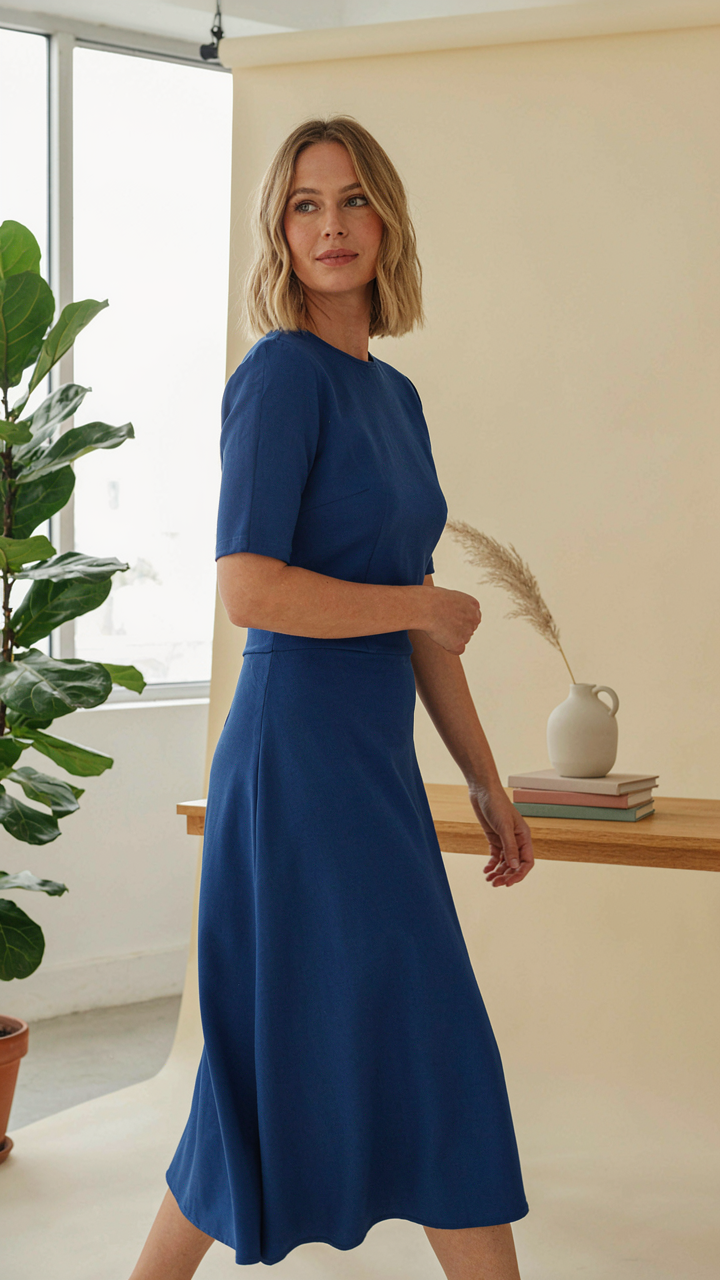
You want to look confident, not frozen. That fear of looking awkward drives you toward stiff, symmetrical poses that kill the actual reason people hire photographers: to capture someone alive. Borrowed from physics, tension describes the force between opposing directions. In posing, dynamic tension means one part of your body moves while another anchors, creating visual interest without requiring you to contort. Your shoulders pull back while your hips shift forward. Your head tilts away from your torso. Your gaze moves independent of your chin position.
Static poses flatten depth and signal uncertainty. When you hold a single line from head to toe, the camera reads it as a display, not a presence. The mechanism is simple: asymmetry triggers perception of motion even in a still frame. Photographers exploit this by positioning one arm differently than the other, or placing your weight on one leg rather than centering it. Your outfit then wraps around a body that reads as moving through space instead of standing in it. This is why the same dress photographs differently depending on whether you’re planted or slightly rotated.
Layering Story Into Frame
Posing isn’t about looking pretty in isolation. It’s about what the outfit reveals at different angles and how the viewer’s eye travels through the image. Depth emerges when you control what’s in focus and what recedes. A single pose from multiple angles tells different stories: frontal shows the dress design, a three-quarter turn reveals fabric drape, a profile exposes silhouette. Your outfit becomes dimensional because the pose directs attention strategically.
The narrative happens in negative space and overlap. Position yourself so fabric creates leading lines that guide the viewer’s gaze. Stand where light hits pleats or texture. Angle arms so they frame the torso or dress detail rather than disappear into the body. The pose constructs meaning around your outfit, not separate from it. Each frame should show the viewer something new about the dress itself, not just another angle of the same presentation.
The Real Obstacle Isn’t The Outfit; It’s Your Inability To Define Your Own Value Outside Of External Validation

You’re scrolling through birthday photoshoot outfits because you’re searching for permission to feel beautiful. Stop. Pick the outfit that makes you feel dangerous, not the one that gets the most likes. Your worth doesn’t live in the comments section. Take the photos for yourself today, not for the audience you imagine tomorrow. The outfit doesn’t matter. Your refusal to apologize for wanting to be seen does.