

The Illusion Of Investment Pieces Wardrobe: Why Most Advice Misses The Point

Everyone Parrots The Same Playbook
You want permission to spend money without feeling wasteful. That’s the real reason you’re reading about “investment pieces.” The standard advice—buy neutral colors, stick to classics, ignore trends—sounds smart because it rhymes. It doesn’t work because it treats all clothing as interchangeable and ignores why you actually wear what you wear. Generic frameworks produce generic closets that sit unused because they were built on someone else’s priorities, not yours.
The real mechanism is simple: consensus advice exists because it scales to the largest audience with the smallest specificity. It avoids the hard questions about your actual life, body, schedule, and environment. When fashion media tells you to buy a camel coat, they’re not accounting for whether you work in an office, live in a warm climate, or actually leave your house enough to justify it. You end up with pieces that satisfy the checklist but not the friction of real use.
Building For Use, Not Aesthetics

The common advice is wrong here, so listen: trend-chasing and timeless utility aren’t opposites. They’re two variables in a material economics problem. A trend-driven piece fails because its value decays when the trend ends. A timeless piece fails when its design doesn’t match how you actually move through your day. You need the intersection, not the debate.
Start by auditing what you reach for repeatedly, then reverse-engineer why. If you wear one jacket 40 times a year, that jacket has earned its cost per wear. If you own four jackets you wear five times each, you built wrong. The investment isn’t the price tag. It’s the gap between cost and frequency of use. Close that gap by choosing pieces that solve specific problems in your life, then pay more for better execution in materials and construction. That’s the only metric that matters.

The Zero Decision Wardrobe Protocol
Removing The Tax On Repetitive Choices
You want this section because you’re tired of deciding what to wear and you’re hoping a framework will fix it. Here’s what actually works: treat your closet like inventory management in economics, where the real cost isn’t the price tag but the decision friction you pay every morning. Each item you own creates a choice tax. You burn cognitive energy on combinations that don’t matter, which depletes the mental resources you need for work that does. The mechanism is simple: fewer total pieces means fewer possible combinations, which forces you toward pieces that work together by default.
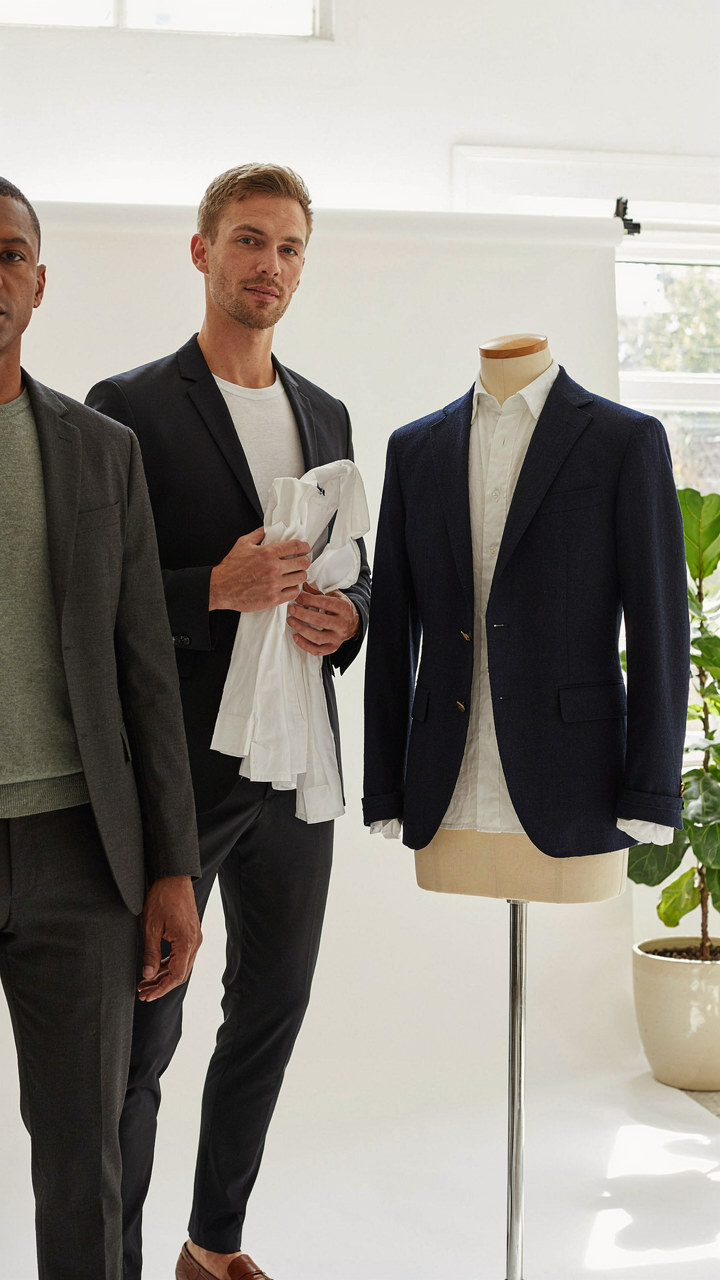
Most people get this wrong by thinking minimalism means owning less stuff. That’s backwards. The real play is owning fewer pieces that each do more work. A navy wool blazer in a standard cut works over t-shirts, button-ups, and casual wear. A white linen shirt pairs with everything from jeans to tailored trousers. You’re not reducing your life to deprivation. You’re engineering your wardrobe so the best choices are also the obvious ones. This is why investment pieces matter in a zero-decision system: they’re the pieces that eliminate decisions rather than create them.
Versatility As The Only Real Filter
The paradox everyone misses is that buying more pieces to “solve” outfit problems actually makes the problem worse. Economists call this the paradox of choice, and your closet behaves exactly like their data shows: more options lead to decision paralysis and lower satisfaction. In practice, this means a rotation of five neutral base pieces beats a rotation of twenty trend-dependent pieces. The neutral pieces stack across seasons. The trend pieces die the moment the trend does. You’re left managing dead inventory.
The mechanism here is saturation. A piece is only an investment if it works in at least four different outfit contexts without looking forced. A camel wool coat over a blazer, over a sweater, over a dress, or solo. A pair of dark jeans under a suit, under a sweater, under an oversized shirt, or alone. Before you buy, you ask not “do I like this” but “how many ways does this work.” This filter eliminates ninety percent of what you’d normally consider. What remains is what you actually wear on repeat.
True Fashion Investment Pieces: Durability As A Systemic Advantage
The Economics Of Replacement Cost
You want to believe expensive things last longer because it justifies spending money you don’t need to spend. Economics calls this the “cost per use” principle, and it’s where cheap and durable diverge into separate financial universes. A fifty-dollar shirt worn twice before tearing costs twenty-five dollars per wear. A three-hundred-dollar jacket worn two hundred times costs one dollar fifty cents per wear. The math doesn’t care about your intentions.
Cheap garments hide their true cost in the replacement cycle. You buy five cheap items expecting one to survive. You actually get five partial items that fail in sequence, forcing repeat purchases across seasons. The manufacturer profits twice: once on the initial sale, again on your forced replacement. Durable pieces front-load cost but eliminate the replacement tax that compounds over five years.
Leverage Through Material Permanence
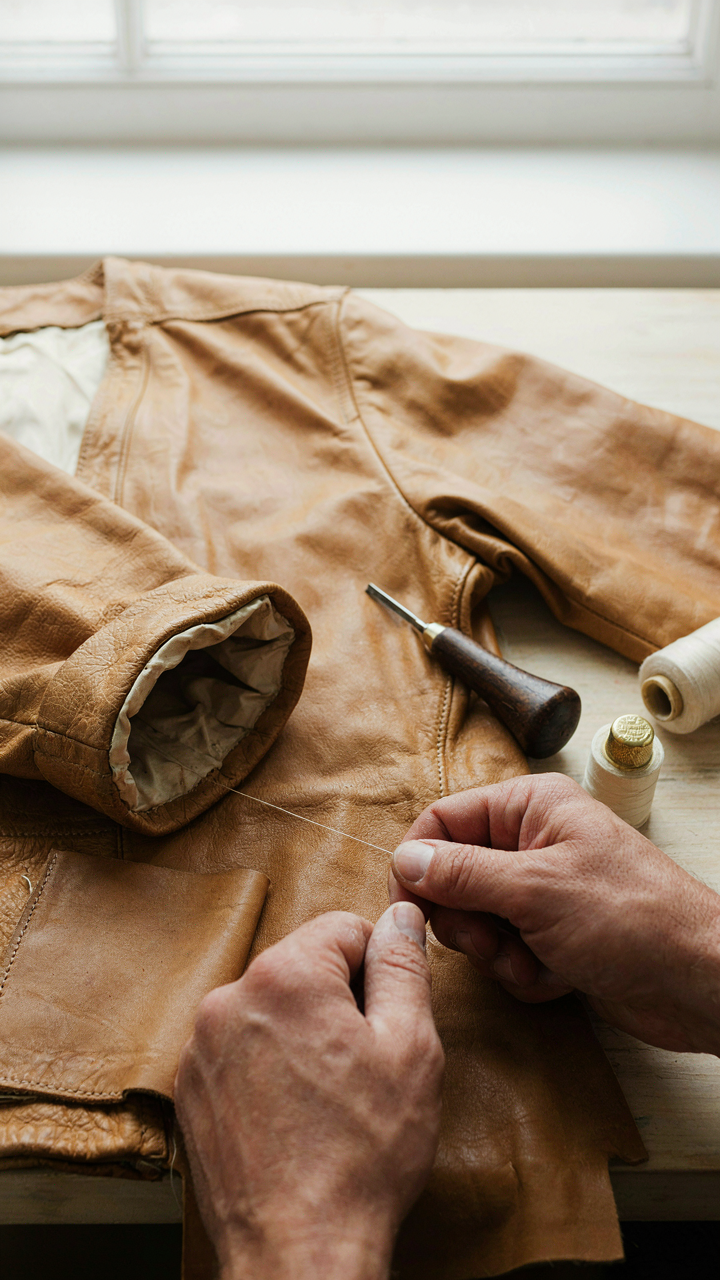
Quality materials function like leverage in finance: they amplify your initial investment into disproportionate returns. A wool coat from the 1980s still functions because wool is hostile to degradation. Synthetic blends degrade on a preset timeline regardless of care. The difference is material science, not luck. Natural fibers like merino wool, linen, and leather age into reliability. Synthetics age into disposal.
When you spend more on natural materials, you’re not paying for status. You’re locking in a material that resists the entropy every garment faces. Leather develops a patina instead of cracking. Wool pills but holds shape. Cotton becomes softer with washing. This isn’t sentiment. It’s chemistry. Buy the piece that loses value slower, not the piece that looks better in the store.
Beyond The Hype: Essentialism In Your Wardrobe Investment Pieces

Separate Actual Need From Status Anxiety
You’re reading this because you suspect you’re buying the wrong things and want permission to buy the right ones instead. Here’s the mechanism: your brain conflates visibility with value. A visible purchase feels like progress. But investment pieces work backwards. They disappear into utility. The items you wear most are the ones you notice least.
Start by tracking what you actually reach for in a typical week. Not what you think you should wear. Not what photographs well. What you grab when you’re running late and don’t want to think. That data point is more honest than any style guide. Those items are your baseline. Everything else is negotiable.
The Constraint That Builds Power
Systems thinking borrowed from engineering teaches constraint as a design force. In your wardrobe, constraints aren’t limitations. They’re filters that eliminate decision fatigue and reveal what actually matters. A true capsule wardrobe isn’t about owning fewer things. It’s about owning things that recombine across situations without requiring mental overhead.
You don’t build a capsule by choosing random basics in neutral colors. You build it by defining the specific contexts you actually inhabit, then selecting pieces that service all of them without overlap. A single blazer that works in three different professional settings beats three blazers you cycle through. The constraint forces you to spend more per piece because each item carries higher utilitarian load. That’s why investment pieces in a capsule system cost more upfront but deliver lower cost per wear. You stop buying filler and start buying multipliers.
The Classic Blazer & Classic Trench Coat: Archetypes Of Adaptability

Why These Two Items Never Become Obsolete
You want permission to spend three hundred dollars on a blazer without looking like you’re buying status theater. The real mechanism is constraint removal. Both pieces solve a structural problem in your wardrobe: they bridge the gap between casual and formal without forcing a binary choice. A blazer over a t-shirt isn’t “dressing up” a t-shirt. It’s changing the context the t-shirt occupies. The trench coat does the same thing across seasons and weather conditions. They’re not status symbols masquerading as basics. They’re tools that expand what your existing clothes can do.
The blazer emerged from menswear in the nineteenth century as functional outerwear for structured activities. The trench coat originated as military issue in World War One. Both survived because they solved actual problems, not invented ones. The blazer’s tailored structure creates visual authority without formal ceremony. The trench coat’s belt system and layering capacity make it functional across temperature ranges. Neither piece requires you to buy a complete outfit around it. Both work backward into existing pieces. That’s the mechanism nobody states plainly: investment pieces succeed by fitting into what you already own, not by demanding a wardrobe rebuild.
Layering As Operational Efficiency
Physics calls this the “force multiplier.” One object amplifies the output of another. In wardrobe terms, the blazer and trench coat multiply the number of viable outfit combinations without adding proportional complexity. Wear a blazer over a hoodie for casual authority. Wear it over a button-up for professional settings. Wear it over a t-shirt and jeans for creative work contexts. The blazer doesn’t change. The context does. This is how investment pieces justify their cost: they reduce decision load while expanding utility.
- T-shirt base layer: Works under a blazer in casual settings, remains invisible to the outfit’s tone while the blazer defines it.
- Button-up shirt: Creates a foundation for business and business-casual contexts when the blazer covers it partially or fully.
- Lightweight sweater: Adds warmth under the blazer without bulk, useful in transitional seasons and climate-controlled indoor spaces.
- Denim or chinos: The blazer transforms these workwear staples into acceptable professional pieces by providing structure overhead.
- Formal trousers: Layered under a trench coat, they work across commute, office, and evening contexts without outfit changes.
The trench coat operates on the same principle but extends across seasons. It layers over everything from t-shirts to sweaters to light jackets. It functions as outerwear in mild weather and as an extra structure layer in cold climates. The investment compounds because both pieces reduce the number of specialized items you need. Skip the second blazer in a different color. Skip the seasonal coat rotation. Buy one quality blazer and one quality trench coat. Wear them through different internal combinations until they show wear. That’s the protocol: identify the two garments that shift context for your existing basics, then commit budget to quality in those two pieces only.
Build A Wardrobe: The Antifragile Approach To Fashion Essentials

Redundancy Over Trend Chasing
You want permission to own multiples of the same thing without feeling wasteful. Here’s the mechanism: evolutionary biology proves that redundancy isn’t waste—it’s survival. Organisms with backup systems outlast those optimized for a single condition. Your wardrobe works the same way. When you own three versions of a core piece in different fabrics or colors, you’re not being repetitive. You’re building a system that functions when one item fails, needs cleaning, or becomes contextually wrong.
This contradicts the common advice to own fewer things. That logic assumes perfect conditions and perfect timing. Reality doesn’t cooperate. A navy blazer in wool, cotton, and linen serves different seasons and occasions while maintaining the same visual role. The redundancy ensures you never resort to a substitute item that breaks your aesthetic or requires explanation. Each version earns its place through function, not variety.
Stylistic Durability Beats Novelty Cycles
Most people chase trends because they confuse fashion cycle speed with personal obsolescence. Your clothes won’t look “wrong” in three months unless you trained your eye to notice micro-shifts in proportions or fabric weight that nobody else sees. Design movements—modernism, minimalism, maximalism—operate on decades, not seasons. What actually expires is your confidence in wearing something, which happens when everyone around you stops.
The mechanism is social proof decay. When a piece stops appearing in your peer group’s rotation, you feel pressure to abandon it even though it still fits and functions. Investment pieces survive this by existing outside trend velocity. A well-cut trouser in a neutral color with quality construction doesn’t become “dated” because it was never trendy. It was always correct. Build toward pieces that will feel appropriate in five years because they’re based on structural principles, not aesthetic novelty. The specific action: buy pieces that would have worked ten years ago and will work ten years from now.
The Opportunity Cost Of Cheap Fashion

The Time Tax You’re Actually Paying
You want to believe cheap clothes save money. They don’t. The real cost isn’t the price tag—it’s the hours you burn replacing, repairing, and mentally processing failure. Economics calls this opportunity cost. With clothing, it’s the difference between owning pieces that function and owning pieces that demand constant attention. A shirt that frays at the seams after three washes doesn’t just fail. It forces a decision loop every time you see it.
Most people frame this as “quality lasts longer.” That’s incomplete. The mechanism is simpler: low-quality pieces generate friction in your life. Seams split. Fabrics pill. Colors fade unevenly. Elastic dies. Each failure triggers the same sequence—notice the problem, accept the loss, shop for a replacement, integrate the new item. That cycle compounds. Multiply it across ten mediocre pieces, and you’ve spent dozens of hours managing garbage instead of wearing clothes that work.
The Hidden Cost Of Decision Fatigue
A cluttered wardrobe isn’t just visually messy. It’s a decision system that fails every morning. Neuroscience confirms this: each decision depletes your cognitive resources. Your brain treats “should I wear this or that” the same way it treats complex work problems. When most of your pieces are borderline—decent enough to keep, not good enough to love—you create decision paralysis disguised as choice.
Investment pieces eliminate this tax because they’re not decisions. You reach for them consistently because they work. A well-made blazer pairs with everything. Proper denim doesn’t stretch or sag after one wear. Quality basics maintain their shape and color. These pieces reduce your daily mental load and free actual bandwidth for work that matters. Track your morning routine for one week wearing only investment pieces versus your current rotation. The time saved is measurable.
Curating Your Personal Uniform: The Ultimate Investment

Decision Consistency Over Fashion Cycles
You want people to remember you without trying. Most people mistake personal style for taste when it’s actually about reducing daily friction. The mechanism is simple: every decision you make about what to wear is a negotiation with your own attention. Eliminate the negotiation, and you free up cognitive load for things that matter.
A personal uniform works like constraint-based design in architecture. You limit variables to amplify intentionality. When you wear the same base pieces repeatedly, you’re not being boring. You’re compounding recognition. Steve Jobs in his black turtleneck didn’t repeat an outfit by accident. He made a deliberate trade: vanish from the fashion conversation to reappear in the power conversation.
Signature Pieces As Social Proof
Your reputation doesn’t live in your words. It lives in the first three seconds someone sees you. A signature piece does the work of introduction before you speak. This isn’t about looking expensive. This is about looking consistent, which is rarer and more valuable.
Signature pieces function as a visual resume. They communicate that you’ve made decisions intentionally rather than reactively. When people see you wearing the same quality leather jacket, the same structured tote, the same watch over months and years, they register that you’ve thought about this. That signal compounds faster than any verbal claim. The action is simple: identify one piece per category (outerwear, bag, footwear, accessory) and wear it until it becomes your visual identifier.
Your Biggest Obstacle Isn’t Your Budget, It’s Your Scarcity Mindset

Trends Are The Trap, Not The Prize
You’re afraid you’ll look outdated. That’s the real fear driving most buying decisions, and it makes you chase movement instead of building a foundation. Scarcity thinking in consumer psychology works like this: when you believe something will disappear, you buy it for the wrong reason. You’re not acquiring value. You’re dodging shame.
Trends move faster than your wardrobe can absorb them. The faster you chase them, the more you spend on pieces that lose relevance in 18 months. A midi skirt feels essential until it doesn’t. The solution is simple: stop treating fashion as a race against the calendar. Build a framework where seasonal shifts inform your choices, not dictate them.
The Math Of Ownership Vs Accumulation
Optimization means cost per wear, not cost per item. Economics calls this “utility maximization” and it applies directly to investment pieces. A 200 dollar jacket worn 150 times costs 1.33 dollars per wear. A 60 dollar trend worn four times costs 15 dollars per wear. The math isn’t complicated, but almost nobody runs it.
Most advice tells you to buy less and spend more. That’s incomplete. The real move is buying nothing that doesn’t hit a minimum wear threshold. Calculate backwards from your lifestyle. If you work in an office three days weekly, pieces must work across those contexts. If you never attend formal events, formal wear accumulates as expensive storage. Stop filling gaps that don’t exist in your actual life.
Your Biggest Obstacle Isn’t Your Budget, It’s Your Scarcity Mindset

People with money problems think in scarcity. People with money think in assets. You don’t need more cash to buy investment pieces. You need to stop viewing your closet as expenses and start viewing it as inventory that either appreciates or depreciates. Today, pick one item you own and ask yourself: does this earn me respect or does it drain it? Sell it. Replace it with something that compounds. You can’t think rich while you spend poor.