

The Illusion Of Effortless Style

Effort Is The Product You’re Actually Buying
You want to believe minimalist fall outfits happen by accident, that some people just wake up looking composed. They don’t. The real mechanism here comes straight from economics: scarcity signals value. When something appears effortless, your brain interprets it as rare—therefore desirable. The person wearing a perfectly proportioned neutral layers outfit didn’t stumble into it. They made calculated decisions about fit, fabric weight, and color pairing that most people skip entirely.
Minimalist fall outfits demand more intentionality than maximalist ones, not less. A five-piece outfit with competing colors and textures forgives laziness. A three-piece outfit in cream, charcoal, and camel exposes every choice. The “effortless” aesthetic is actually the opposite: it’s the result of ruthless elimination. You can’t hide behind volume or novelty. Everything serves a function or it stays in the closet.
The Discipline Behind Perceived Simplicity

Most advice tells you that minimalism means owning fewer clothes and reaching for them without thinking. That’s incomplete. The real work happens before you ever get dressed. Minimalist fall outfits require a narrow, intentional palette and pieces that actually layer together without friction. You have to know your proportions. You have to understand how a crew neck sits on your frame versus a mock neck. You have to test how a linen blend moves compared to a cotton blend when layered under a blazer.
The pieces don’t talk to each other by luck. A well-executed minimalist fall outfit has solved a coordination problem behind the scenes: each layer works in three different combinations, each texture complements the others without competing, each silhouette doesn’t create bulk when stacked. This is pattern recognition work, not inspiration. You build it through intentional trial, not by shopping for inspiration and hoping something clicks.

Beyond Beige: The Spectrum Of Neutrality

When Neutral Means Everything But Safe
You want permission to wear more than beige without looking chaotic. That’s the real problem here. The mechanism is simple: neutrality doesn’t mean colorless. It means colors that don’t compete for attention. Charcoal, warm gray, cream, stone, and taupe all operate on the same principle as beige. They recede. They let proportion and texture do the work. The difference is strategic choice, not accident.
Most people stop at three neutrals and call it done. That’s lazy. Fall compounds this mistake because the season demands warmth without brightness. Warm grays lean toward brown undertones. Cool grays stay closer to silver. Cream sits between white and beige. Stone gray sits between brown and blue. Each one reads differently under autumn light, which is lower and warmer than summer sun. Pick your neutral based on what works against your skin tone and your location’s light quality, not based on what you think neutrality should be.
Structure Over Color In Layering
Texture is where minimalist fall outfits actually separate from each other. Most advice tells you to mix textures. That’s incomplete. The real mechanism comes from material science: density and light absorption determine how a fabric reads. A cotton knit and a wool knit, both cream, will look like two different pieces because wool absorbs more light and creates depth through fiber structure. Cotton reflects more light and sits flatter.
Build your fall layers by alternating density, not just by grabbing whatever feels different. Start with a lightweight base in smooth cotton or linen. Layer a mid-weight knit with visible structure over it. Finish with a dense wool or linen outerwear piece. The eye reads this as intentional progression, not accident. This system works because you’re working with material properties, not color variation.
The ‘Less But Better’ Fallacy For Work Fashion
Quality Over Quantity Is A Incomplete Framework
You’re looking for permission to buy expensive pieces and call it strategy. Here’s the mechanism: the “quality over quantity” advice treats minimalism like a financial equation when it’s actually a constraint problem. In economics, this is resource allocation under scarcity. You have limited closet space, limited budget, and limited decision-making energy each morning. One expensive piece doesn’t solve that unless it multiplies across multiple outfits.
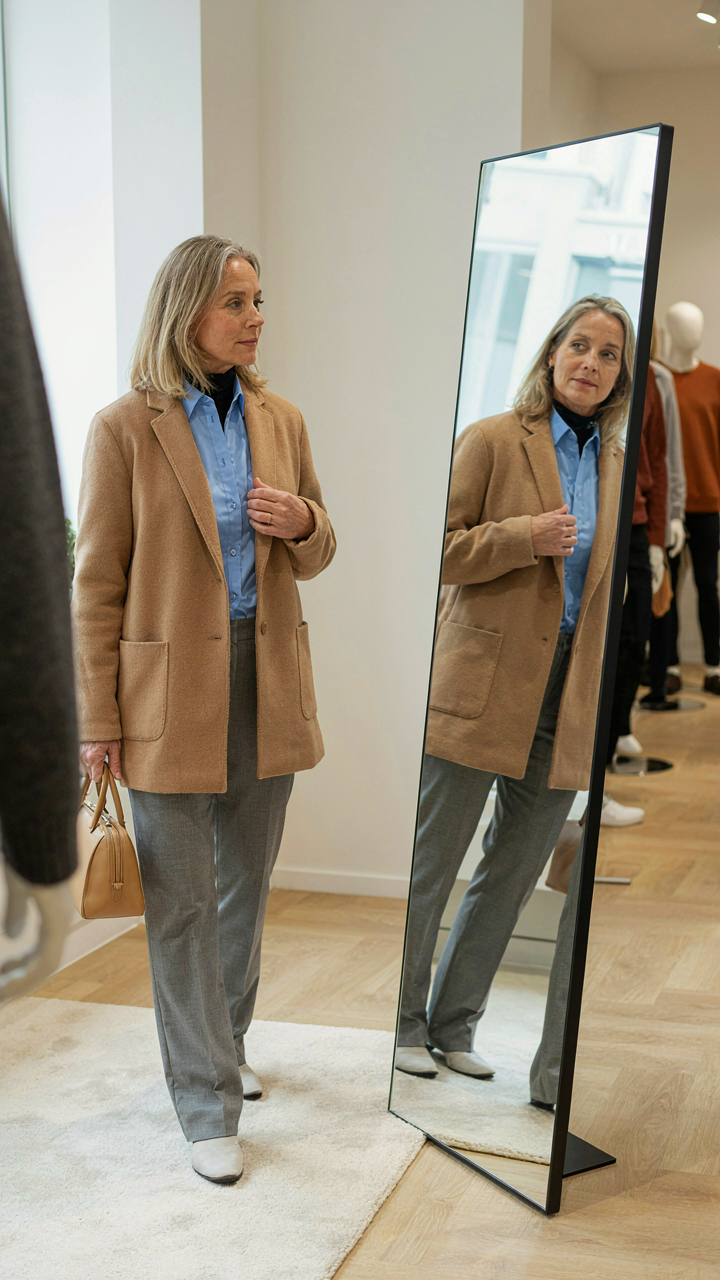
A single high-end wool blazer fails if you can’t pair it with anything else in rotation. The real leverage isn’t the price tag or thread count. It’s how many outfit combinations that piece generates across your actual work week. A $300 camel coat matters only if it works over five different base layers you already own. Most people buy the expensive item first, then scramble to justify it by building around it backward.
The Real Investment Strategy For Office Outfits
Forget the prestige narrative around luxury basics. The actual work is identifying which specific pieces your office wardrobe bottlenecks around, then upgrading only those. You likely default to three to four outfit combinations because one or two pieces feel off. That’s your signal. Don’t replace everything. Replace the piece that forces the repetition.
For fall office wear, this usually means the mid-layer. A mediocre sweater or cardigan in a neutral tone (charcoal, cream, taupe) worn over five different base combinations changes your outfit density without buying five new tops. Invest in weight and fiber here. Merino wool or quality cotton-blend holds its shape through a full work week without pilling. Choose a cut that fits your frame without excess fabric. Then build the rest of your rotation in cheaper pieces that work with that single upgraded layer. You’ve increased outfit variety by upgrading one variable, not the whole equation.
Deconstructing Toteme FW25: True Versatility

What Actually Works Across Ten Outfits
You want a piece that justifies its price tag by proving it earns rotation. That’s the real fear underneath. Toteme’s FW25 collection operates on the principle of load bearing. In engineering, load bearing means a structure supports weight across multiple points without failing. A minimalist fall outfit does the same: each piece must function across contexts without looking forced or context-dependent. Toteme achieves this through proportion constraint and fiber selection, not clever styling tricks.
The brand’s approach centers on garment construction that resists trend decay. They use structured wool blends and linen-cotton hybrids in cuts that don’t require layering tricks to function. A Toteme knit works over a t-shirt, under a blazer, or worn solo because the sleeve length and body width account for these scenarios upfront. This is the inverse of pieces that demand specific pairing to look intentional. You’re not buying versatility through styling skill. You’re buying it through design.
Translating Design Principles Into Your Edits
Most advice says build a capsule. That’s incomplete. You need to identify which pieces from Toteme’s lineup solve actual friction in your rotation right now. The brand’s oversized trousers, for instance, aren’t oversized for aesthetic reasons. The proportions allow them to work with both fitted and structured tops without requiring a size up or down elsewhere. They occupy the middle ground intentionally.
Start by choosing one Toteme staple that solves a specific problem you currently solve with two pieces. The camel coat, for example, replaces both a structured blazer and a casual overshirt because it sits in neutral territory on both counts. When you add it to your fall rotation, you remove the piece it actually duplicates. This is precision editing, not accumulation disguised as minimalism. The mechanism is simple: one piece solving two functions means less surface area to coordinate and less mental load per outfit.
The 2024 Fall Outfit Trends: A Contrarian View

Trends Die, Systems Live
You’re scanning trend reports because you want permission to buy something and feel like you’re not wasting money on it. Here’s the mechanism: trend cycles are accelerating, which means anything labeled “2024 fall trend” will feel dated by spring. The fashion industry manufactures urgency to drive consumption. Minimalist fall outfits reject this entire game by design. You’re not following a cycle. You’re building a filter that works regardless of what Instagram declares seasonal.
The real play isn’t identifying which trend survives. It’s recognizing that neutral layering systems outlast trend cycles because they solve a physical problem: how to stay warm while controlling your silhouette across temperature swings. This is engineering, not fashion. A well-fitted cream wool sweater over a fitted black long-sleeve works in October and March. Trends move. Physics doesn’t.
Your Personal Uniform Beats The Crowd
Most people think building a personal style means curating more options. It’s actually the opposite. You build a system by removing options until what remains is bulletproof. A minimalist fall outfit isn’t a trend response. It’s a decision protocol you execute repeatedly until choosing clothes requires zero cognitive load.
Document what works: note the specific pieces, their fit measurements, how you layer them, what occasions they handle. Repeat that combination until it becomes automatic. The crowd chases novelty because novelty feels like progress. You get faster and sharper by narrowing your scope and perfecting it.
The Wardrobe Ecology Method
Carrying Capacity For Your Closet
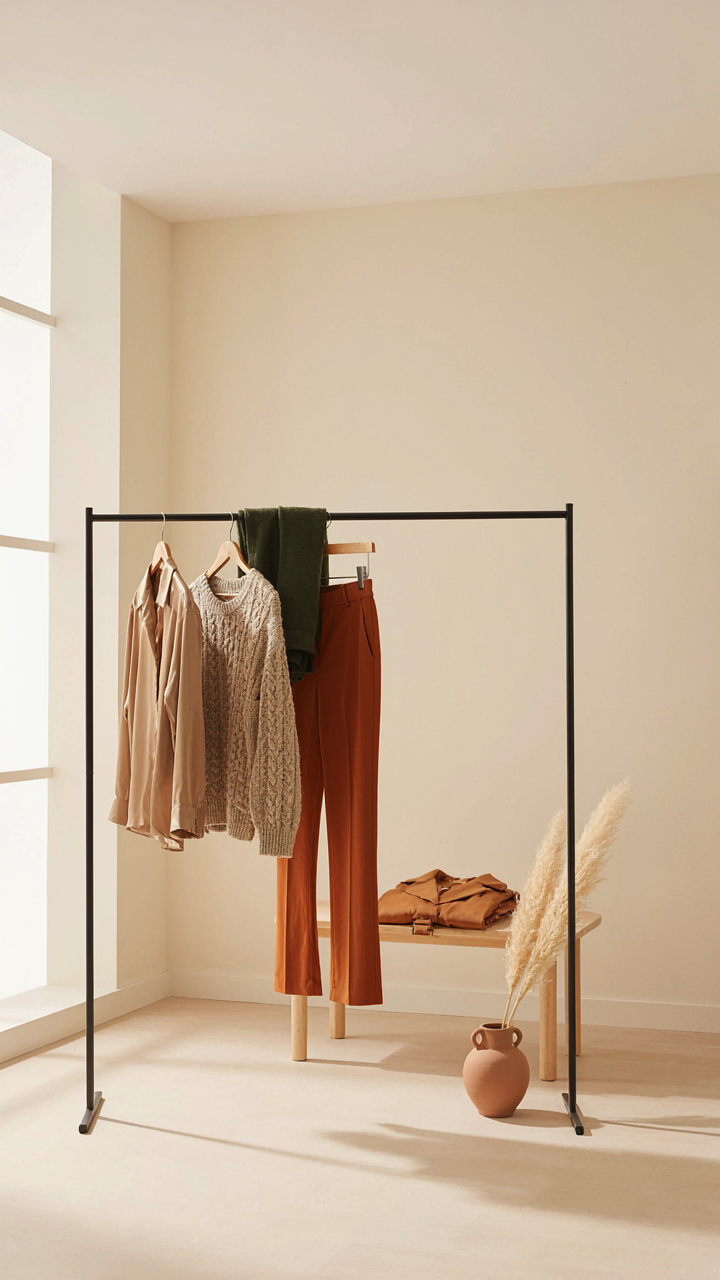
You want permission to stop shopping. That’s the real reason you’re reading this. Here’s the mechanism: ecology teaches carrying capacity—the maximum population a system sustains without collapse. Your closet has one too. Exceed it and maintenance fails, decisions paralyze, and you wear nothing you own. The limit isn’t square footage. It’s the number of pieces that interact meaningfully with each other in fall neutrals without redundancy or dead weight.
Most closets fail because they treat items as individuals instead of a system. You own seven cream sweaters that do the exact same job. You own two pairs of black trousers that differ only in fabric weight, creating choice friction instead of function. Real capacity means: every piece you own must earn its place by connecting to at least three other pieces in different combinations. If a neutral layer sits alone, it’s waste.
Interaction Density Over Quantity
Stop confusing a big closet with a functional one. The real output of minimalist fall outfits isn’t the number of pieces you own—it’s the number of distinct outfits you can compose from them. A cream cashmere sweater over a white linen shirt with a camel coat works. The same sweater over a cream silk camisole with a charcoal wool coat works differently. But if your pieces don’t vary in weight, texture, or drape, you get repetition masquerading as choice.
Optimize by auditing texture combinations, not colors. Pair dense knits with fluid layers. Pair structured outerwear with softer bases. Pair matte finishes with subtle sheen. Each texture pairing compounds the outfit permutations without adding pieces. When you buy the eighth item, ask: does this texture interact with existing pieces in a way nothing else does? If yes, add it. If it mirrors what you own, your real carrying capacity is already full.
Amazing Outfits Woman: Beyond The Instagram Filter

The Confidence Signal You’re Actually Chasing
You want to know if your outfit will make people think you have your life together. That’s the real question underneath this whole section. The mechanism is simple: Instagram rewards finished-looking outfits because they read as resolved. Your brain learned to chase that resolution feeling, mistaking curation for competence. Minimalist fall outfits trigger this because neutral layers look intentional and controlled, even when they’re just beige and black repeated.
The problem is you can’t perform confidence through fabric swatches. Confidence comes from wearing something enough times that you stop thinking about it. This requires repetition, not novelty. Most people do the opposite—they hunt for new combinations, which keeps them in the evaluation phase forever. The outfit that actually projects calm is the one you’ve worn thirty times, not the one you’ve staged for validation.
Building A Personal Uniform, Not A Aesthetic
Forget the advice about “discovering your style.” That language assumes style is buried inside you waiting to emerge. It’s not. Your style is the byproduct of what you actually wear repeatedly under real conditions—commuting, sitting in meetings, moving through weather. A personal uniform in minimalist fall pieces means selecting maybe four base layers and three outer pieces, then wearing combinations of those pieces until they feel invisible on your body.
The mechanism here borrows from athletic training: consistency beats variety. A runner doesn’t change their shoes every week. They find one pair that works and log miles in it. Your fall uniform works the same way. Pick a neutral base color, add one secondary neutral, stick with one weight of layering fabric, and rotate the same pieces until you have enough data to know what actually works for your life. This eliminates the friction between intention and reality.
Fall 2025 Inspiration: The Signal Vs. Noise

What Actually Changes In Fall
You’re looking for permission to buy new things and feel like your choices matter. Here’s the mechanism: fall doesn’t create new design principles. It creates constraints. Temperature, daylight, and fabric weight force decisions that reveal what actually works year-round. Minimalist fall outfits don’t need innovation. They need friction removed from what already functions.
Fall 2025 brings no revolutionary shift in silhouette or color theory. Neutral layering systems work now exactly as they worked in 2015. What changes is material weight and accessibility. Linen stops working. Heavier cotton blends, wool, and structured knits become functional requirements, not aesthetic choices. That constraint is the entire story.
- Wool weight standards: Fall demands 200-400 gsm minimum for outerwear. Anything lighter fails against actual temperature. This eliminates the marginal pieces cluttering your closet.
- Neutral palette consistency: Beige, gray, black, cream, and brown remain the only colors that layer without competing. Fall doesn’t change this. It just makes the rule mandatory.
- Fabric drape mechanics: Heavy fabrics hold structure differently than summer weight. A linen shirt drapes; a wool knit sculpts. This affects how neutrals read against your frame.
- Sleeve length obligation: Three-quarter and full sleeves dominate. This removes layering ambiguity. You’re either covered or you’re not. No middle ground.
- Undergarment visibility: Fall layering exposes your base layers. White, cream, and gray become infrastructure, not afterthoughts. This forces intentionality earlier in your build process.
The signal is simple: fall surfaces the gaps between what you own and what actually functions. Most fall outfit failures trace back to owning pieces built for summer’s freedom rather than fall’s constraints. Buy accordingly or stop complaining about what you already have.
Principles That Survive Every Trend Cycle
The common advice says “invest in timeless basics.” That’s incomplete. Timelessness isn’t a property of the garment. It’s a property of the restraint you apply to how you wear it. A black sweater from 2010 and a black sweater from 2025 are functionally identical only if you don’t use them to chase trends.
Minimalist fall outfits survive because they operate on silhouette stability, neutral color immunity, and material competence. These three factors have never changed. A straight-leg pant with a neutral shirt and a structured jacket worked in every fall for fifty years because the formula addresses posture, proportion, and movement without relying on trend signals. Fall 2025 won’t invent a better system. It will just make whatever you build slightly heavier.
The only principle worth protecting is this: if a piece requires a specific year or aesthetic moment to justify wearing it, you’ve built fashion debt, not a wardrobe. Real minimalist fall outfits work because every layer serves temperature, silhouette, or proportion. Remove any single piece and the outfit breaks. That’s the only test that matters.
Fall Outfits Timeless: The True Investment
What Actually Makes An Outfit Last
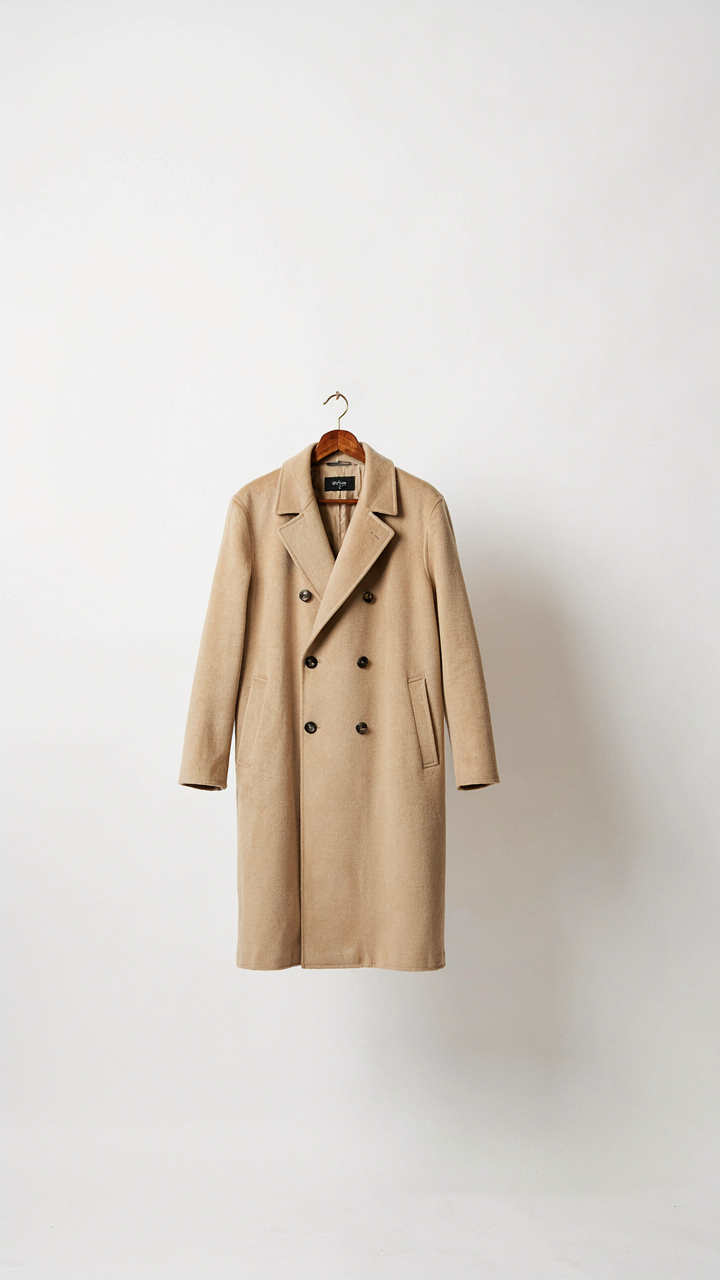
You want permission to spend money without feeling like you wasted it. The mechanism is simple: an outfit endures when it solves the same problem across multiple contexts without requiring replacement. A camel wool coat in autumn doesn’t age out because the problem it solves—staying warm while looking deliberate—doesn’t change. Trends shift. Fit preferences evolve. Materials degrade. But the fundamental utility of a neutral layering piece remains static across years.
Most people confuse durability with timelessness. A garment can survive ten years and still become unwearable because culture moved on. Timelessness in minimalist fall outfits means the piece works equally well today and in five years because it was never dependent on a trend cycle to justify its existence. A charcoal merino wool sweater doesn’t reference 2024. It references the principle that quality materials in neutral tones solve the problem of layering in fall, period.
Cost Per Wear Beats Initial Price Every Time
Economics calls this the amortization model, and minimalist fall outfits are where it matters most. A 200 dollar neutral base layer worn three times weekly over three years costs roughly 0.38 per wear. A 50 dollar trend-dependent piece worn twice before feeling dated costs 25 per wear. The math isn’t subtle. What kills most purchasing decisions is staring at the upfront number instead of the timeline.
The real filter isn’t whether you can afford the piece. It’s whether you will actually wear it enough to drop the per-wear cost below disposable clothing. Before buying anything neutral for fall layering, map out your weekly routine for the next year. How many times will this actually touch your body? If the answer is fewer than twice weekly across seasons, the price is irrelevant because you won’t wear it enough. The mechanism is ruthless: commitment to frequency determines value, not the other way around.
The Uniform Protocol
Design Your Personal Fall Uniform
You want this because you’re afraid of looking wrong. The real mechanism is this: a uniform removes the daily negotiation between taste and uncertainty. You’re not building a “capsule wardrobe” or some Instagram fiction. You’re identifying the three to four outfit combinations that work for your body, your life, and the actual temperature range where you live. That’s it.
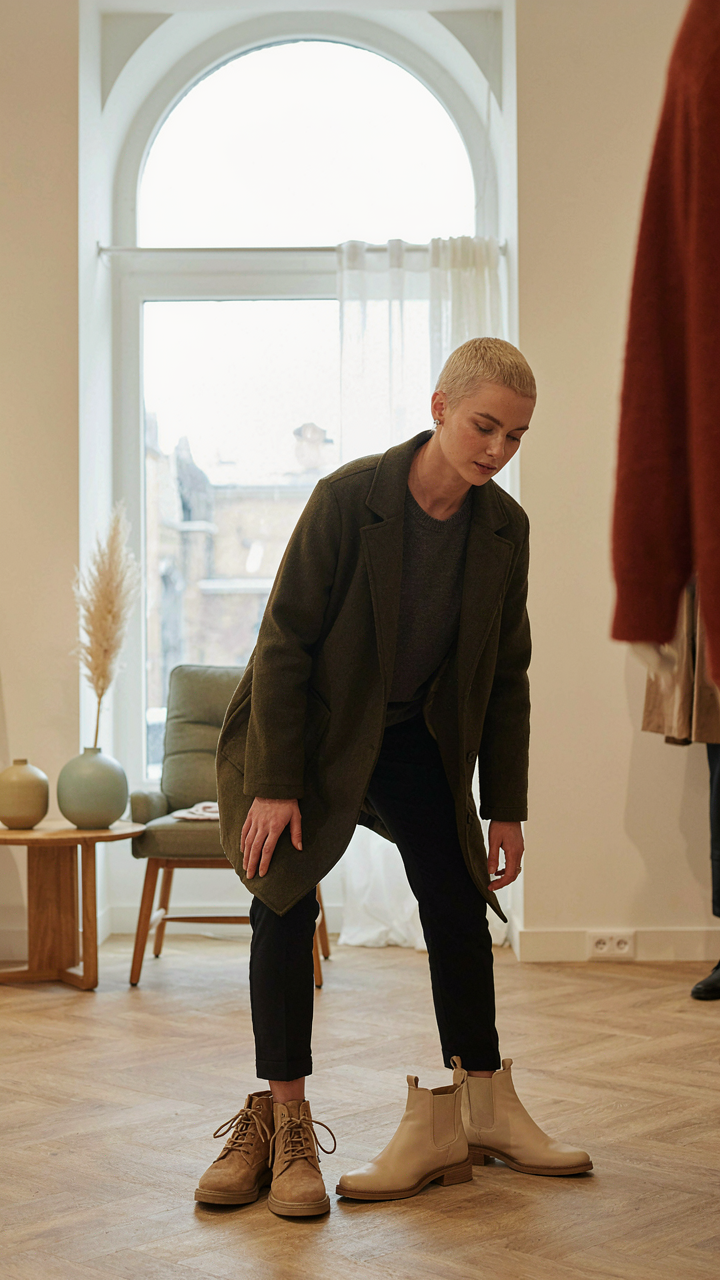
Start with constraint, not inspiration. Pick one neutral base color for fall—charcoal, camel, or deep olive. Choose one secondary color that appears in exactly two pieces: a knit and an outer layer. Build outfits backward from the outermost layer. A structured wool coat dictates what silhouettes work underneath. Your shoes anchor the entire stack. This isn’t creativity. It’s engineering.
Reclaim The Mental Real Estate
Decision fatigue is real cognitive load, not motivation weakness. Every morning choice consumes a finite pool of willpower you need for actual work. A fall uniform means you wear the same outfit five times before anyone notices. The mechanism is repetition without visibility, which is the opposite of what fashion culture sells.
Most advice says “build outfits you love.” Wrong. Build outfits that require zero thinking. Your brain should never touch the question of what to wear in October. The uniform works when you forget about it entirely and spend that mental energy on something that matters.
The Real Obstacle Isn’t Your Wardrobe; It’s Your Inability To Define True Value

You don’t need more pieces. You need to stop confusing quantity with intention. Most people buy neutrals because they heard minimalism works, not because they actually understand why. The shift happens when you ask yourself one question before adding anything to your cart: does this replace something, or does it just sit next to everything else? Define what a piece must do for you. Then buy it. Restraint isn’t about owning less. It’s about owning nothing that doesn’t earn its place.