

The Illusion Of Choice: Why More Clothes Means Less Style

The Paradox Of Abundance
You want more options because you think more options mean you won’t look bad. They don’t. This is the paradox of choice, borrowed from decision science. In economics, we call it constraint optimization. Add too many variables to a system and the output becomes noise instead of signal. Pack twelve shirts and you’ve eliminated the pressure that forces actual decisions. You’ll stand in front of your bag paralyzed, then grab whatever’s on top. The cognitive load collapses your ability to compose.
Most packing advice says “bring versatile pieces.” That’s incomplete. What it should say is this: bring so few pieces that every combination works. The math becomes simple. Three bottoms and four tops give you twelve outfits. Three bottoms and eight tops give you twenty-four outfits and decision fatigue. Constraint breeds clarity.
Creativity Lives In Limits

Limited clothes force recombination. You can’t default to a new outfit each day, so you layer differently, tuck strategically, accessorize intentionally. This is how designers actually work. They build collections within boundaries, not by hoarding. A carry-on enforces the same discipline a professional wardrobe demands.
The common advice to “mix and match” assumes you’ll actually do the work. You won’t if you have too many pieces. You’ll just wear the same safe combo twice and call it efficient. Real mixing requires you to see all your options at once and notice what actually works together. Limit your bag to seven core pieces and every single combination becomes visible and viable.

The 3 Item Rule: Your Weekend Capsule Wardrobe Commandment

One Layer That Actually Works
You want permission to pack less because you’re afraid of looking unprepared. The real mechanism is constraint. Constraint forces decisions. Most people pack multiple outerwear pieces because they haven’t committed to a single versatile layer that handles temperature variance. A structured blazer, a denim jacket, or a wool overshirt works across casual and semi-formal contexts. Pick one. The layer must transition from day to evening without signaling “I didn’t plan this.”
Material matters more than style here. Wool blends regulate temperature better than cotton. A blazer in charcoal or navy layers over t-shirts and under heavier coats if needed. The single layer becomes your visual anchor across every outfit combination you build. This eliminates decision fatigue at the destination and prevents the suitcase bloat that kills carry-on packing.
Two Tops, Infinite Combinations
The common advice to pack solid colors and patterns is incomplete. You need one neutral base top and one statement top. The base top is your workhorse: white, black, or gray cotton tee or linen shirt. The statement top is your multiplier: striped, textured, or a different color that coordinates with your bottoms and outerwear. Two tops alone feel restrictive until you layer them strategically.
Stack the base under the statement piece for a third visual option. Wear the statement top over the neutral one. Reverse them. Each combination reads as a distinct outfit without doubling your luggage weight. This is how you get five outfit variations from four pieces of clothing total. Your bottoms and outerwear do the actual work; tops are the variable you rotate.
The Uniform Protocol: Master Your Weekend Trip Outfits

Build Your Anchor Outfit First
You want to pack less and look intentional. The real mechanism is constraint. When you remove choice, you remove the friction that kills mornings and creates outfit regret. Start by building one outfit that works for the primary activity of your trip: dinner out, hiking, casual exploring, whatever dominates your weekend. This becomes your baseline. Pick neutral colors in natural fibers that don’t wrinkle aggressively, like cotton blends or linen. Dark jeans, a solid tee, a lightweight overshirt. Nothing trendy. This outfit should feel invisible on you, not like a costume.
Once you nail this anchor, every other outfit becomes a variation, not a separate decision. You’re not starting from zero each morning. You’re remixing the same core pieces with different layers or shoes. This is how airlines pack uniform fleets: one fuselage, different configurations. The anchor outfit is your fuselage. Your job is to add or subtract elements based on context, not rebuild the entire structure. This reduces decision fatigue and eliminates the “I have nothing to wear” panic that comes from packing eight disconnected outfits.
Transform Your Anchor With Layering Strategy
Most advice about day-to-night outfits is garbage. People tell you to “add a blazer” or “swap shoes” without explaining the actual principle: you’re using layering and proportion shifts to signal context change. In architecture, the same structure reads differently depending on what you add to its exterior. Your anchor outfit works the same way. Wear your neutral base during the day with a casual overshirt unbuttoned. At night, button it fully, add a structured belt, swap sneakers for a clean leather shoe. You haven’t bought new pieces. You’ve reframed what already exists.
The key is selecting an anchor that tolerates this reframing without looking generic or confused. Your base tee must fit close enough to layer under, not swim in fabric. Your jeans need to work with both sneakers and shoes without bunching. Your overshirt should be substantial enough that buttoning it creates visible silhouette change. Pick pieces first, then test them across three contexts: casual morning, afternoon activity, evening. If any piece fails one context, replace it before you pack. This eliminates the regret outfit sitting unworn in your bag.
Strategic Redundancy: The ‘Binary Option’ For Weekend Packing

One Backup, One Purpose
You want to feel in control. That’s why you’re reading this. The real mechanism here comes from options theory in finance: having exactly two choices eliminates the paralysis of unlimited options while protecting you from zero options. Pack one backup for every critical item, then stop. More than one backup becomes insurance against a problem that won’t happen, and it kills your carry-on constraint.
Most people either pack nothing redundant or everything redundant. Neither works. One backup shirt, one backup pair of shoes, one backup bottom. The math is brutal: each additional redundant item costs you space for something else you actually want. You’re not building a survival kit. You’re building a weekend that doesn’t fall apart if one thing fails.
Interchangeability Over Variety
Don’t pack backups that serve different purposes. That’s the mistake everyone makes. Your backup shirt must work with every bottom you brought. Your backup pants must pair with every top. If your backup doesn’t solve the exact problem your primary item would have solved, it’s not a backup. It’s clutter you’re calling insurance.
This is why neutral colors matter on a carry-on trip. Not because they’re sophisticated. Because a gray shirt works with black pants, navy pants, and jeans. A navy shirt doesn’t. When you pack interchangeably, one backup piece functions as a multiplier across all your outfit combinations. Your redundancy actually expands your options instead of just taking up space.
The ‘2 Day Packing List’ Fallacy: Stop Overthinking Short Trips

Two Outfits Cover Most Weekends
You’re worried you’ll look unprepared or run out of options. Here’s the mechanism: most weekend trips require exactly two complete outfits because you wear one, sleep in one, and launder nothing. The math is simple. You leave Friday evening or Saturday morning in outfit one. You change into outfit two for the rest of the trip. Outfit one dries or refreshes overnight. You wear it again if needed. That’s the entire operating system.
The extra outfit people pack sits unused because they’re hedging against scenarios that don’t materialize. Bad weather, unexpected dinners, spontaneous hikes. These fears are real but stationary. They don’t require seven outfit combinations. They require one outfit that handles multiple conditions. Two versatile pieces beat four specialized pieces every time on a carry-on constraint.
Utility Over Imaginary Scenarios
This advice is incomplete: pack what you might need. The real rule is pack what you’ll wear three times minimum in two days. This mirrors the Pareto principle from economics, where roughly eighty percent of outcomes come from twenty percent of inputs. In packing, eighty percent of your weekend confidence comes from two reliable outfits that actually work together, not five outfits you assembled to cover theoretical problems.
Stop designing for edge cases. You won’t suddenly need formal wear at a casual cabin. You won’t require beach clothes in the mountains without knowing it beforehand. Pack based on the confirmed itinerary, not the paranoia narrative in your head. Write down the specific activities. Match pieces to those activities. Everything else leaves the pile.
The Carry On Carry: Why Bigger Bags Are A Mental Trap

The Psychology Of Oversized Luggage
You want the bigger bag because it feels like insurance against failure. The real mechanism: abundance kills decision-making. In behavioral economics, this is called the paradox of choice. You apply it to packing by thinking more space equals more options, when it actually means you’ll pack every mediocre item you own and wear none of it.
A 22-inch carry-on forces you to see every piece. A 28-inch roller lets you bury mistakes under layers of “just in case.” The bigger bag doesn’t give you freedom. It gives you permission to avoid the actual work: knowing what works on your body and committing to it. You end up traveling with dead weight and wearing the same three pieces anyway while clean clothes sit folded at the bottom.
How A Smaller Bag Forces Ruthless Curation
Common advice says pack versatile basics. That’s incomplete. The real constraint isn’t the bag size, it’s your willingness to repeat outfits. A 40-liter pack demands you stop thinking in outfit combinations and start thinking in garment function. Each piece must work across multiple contexts with zero waste.
Ruthless curation means you choose one good white tee instead of two mediocre ones. You pick one pair of shoes that works for dinner and walking, not three pairs that each do one thing. You eliminate the backup sweater, the extra pair of jeans, the “just in case” blazer. The smaller bag doesn’t make packing harder. It makes it honest. You pack only what you’ll actually wear, then you wear everything you pack.
Accessories As Force Multipliers (Military Strategy)
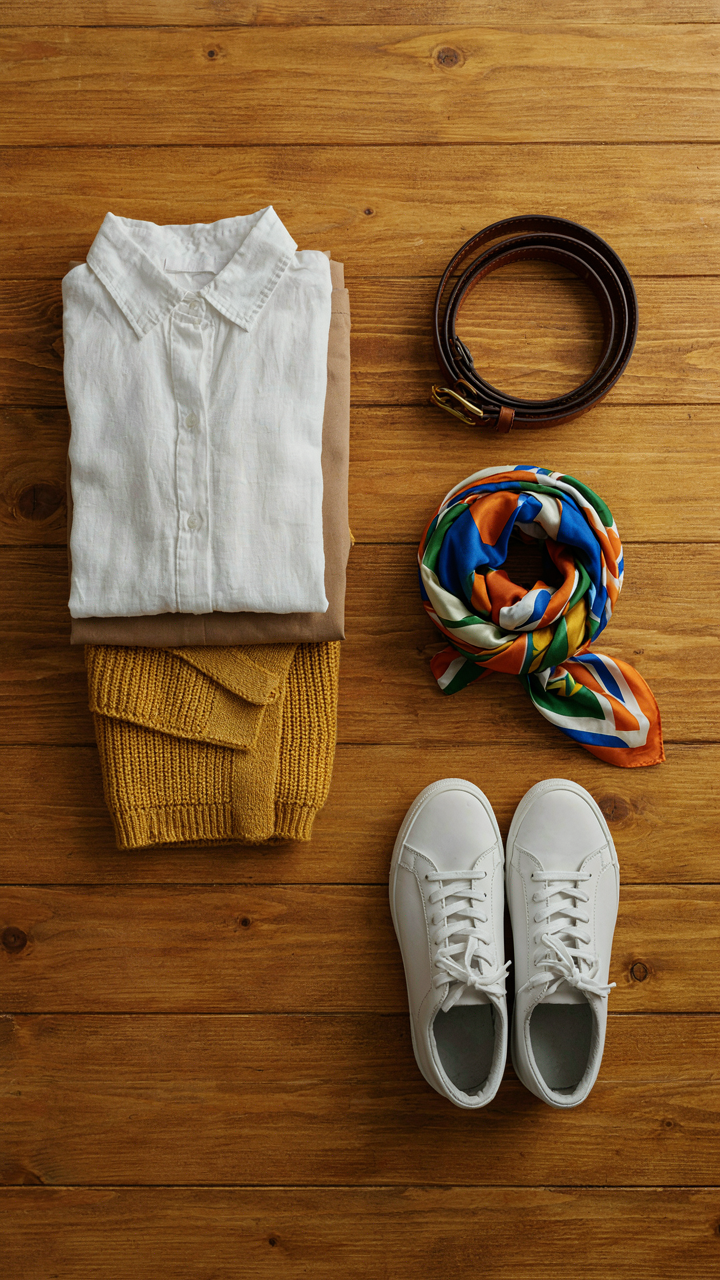
The Outfit Transformer
You want fewer items to do more work. That’s the real motive here—not looking polished, but refusing to waste luggage space. Military logistics calls this “force multiplication”: using limited resources to create disproportionate output. Your accessories operate the same way. A single belt, scarf, or shoe changes an outfit’s entire function without adding weight or bulk.
The common advice says “bring versatile pieces.” That’s lazy. The mechanism is this: accessories shift silhouette, formality level, and visual weight independently from your base clothing. Swap a leather belt for a canvas one. Suddenly the same jeans move from casual Friday to weekend brunch. One item. Infinite interpretations. This is multiplication.
Functional Additions Over Visual Noise
Most people pack accessories like decoration. Wrong. A scarf should handle cold, hide a stain, or reshape proportions. A watch should tell time and anchor an outfit’s formality tier. A bag should carry your essentials and telegraph your context. Functional accessories solve problems. Decorative ones consume space.
Before you pack anything, ask what problem it solves beyond aesthetics. A structured belt cinches and defines a loose shirt—it serves a structural purpose. A small crossbody bag keeps your hands free and shifts a casual outfit into “deliberate errand.” Layering pieces like lightweight cardigans or denim jackets do the heavy lifting in a carry-on. They regulate temperature and instantly age or de-age an outfit. Pack accessories that earn their weight.
The Day Trip Outfit Deception: It’s Just A Smaller Uniform

How Day Trip Morphs Into Overpacking
You’re afraid of looking unprepared. The real mechanism here is constraint creep: you tell yourself “it’s only a day trip,” then immediately start imagining scenarios that don’t exist. Breakfast at the cafe. Lunch somewhere nicer. Evening drinks. Suddenly one outfit became three because you’re hedging against social judgment, not actual need.
The honest truth: a day trip is a single environment with a single social contract. You’re not transitioning between five different contexts. You’re doing one thing. But packing feels safer than trusting your judgment, so you duplicate outfits “just in case” and call it preparation. This is how a day trip fills half your carry-on.
The Single Outfit Multi Scenario Approach
Borrowed from systems design: constraints force elegance. One outfit that performs across multiple scenarios beats three outfits that each perform one. This means choosing pieces that work both casual and slightly elevated, both indoors and outdoors, both at 9 AM and 7 PM without looking costume-changed.
A neutral base layer, one versatile top, one bottom that reads in multiple contexts, shoes that bridge casual and presentable. Swap a jacket or add a different accessory if the day genuinely requires it. That’s the entire system. You pack one outfit framework, not multiple complete looks. Layer strategically instead of duplicating blindly.
The Travel Capsule Wardrobe Dissection: Beyond Basic Combinations
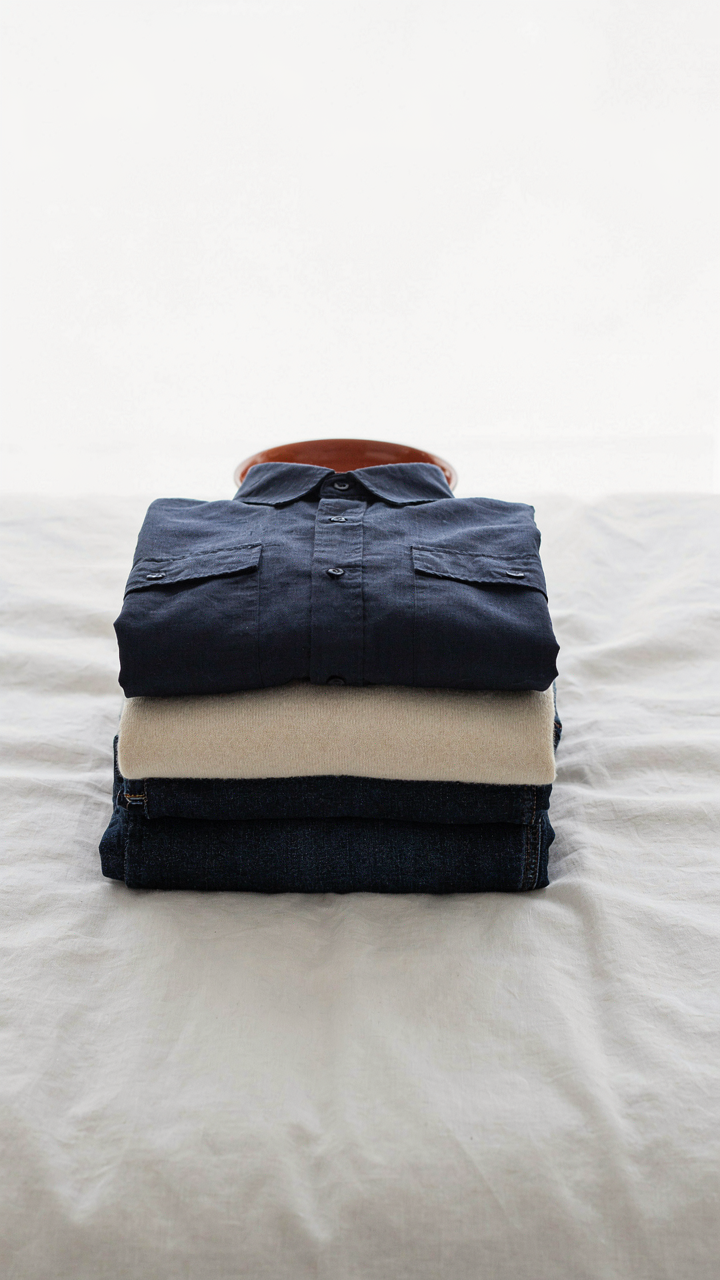
Build Pieces That Stack, Not Just Match
You want to feel like you planned this instead of throwing clothes in a bag and hoping. The real mechanism is interlock, not coordination. Think of it like tensile strength in materials engineering: individual threads have minimal value, but weave them together and they hold weight. Your weekend outfit pieces should work this way. A navy sweater doesn’t just pair with one pair of pants. It anchors three or four different looks because it speaks the same color language as multiple bottoms, layers, and accessories. Matching is accidental. Interlocking is intentional architecture.
- Neutral Base Layer: A crew neck or henley in cream, gray, or navy that sits under everything. It extends outfit life by functioning as both standalone piece and hidden foundation for layered looks.
- Structured Overshirt: A button-up in cotton or linen that works over t-shirts, under sweaters, and alone. Choose earth tones or muted patterns that echo your base layers and bottoms.
- Lightweight Sweater or Knit: Merino wool or cotton blend that layers under jackets and over shirts. The same piece transitions from casual to semiformal based on what sits beneath it.
- Flat-Front Trousers or Chinos: One pair in a neutral shade that accepts both casual tops and polished overshirts. Fabric weight matters: opt for something that resists wrinkles during airline compression.
- Denim or Canvas Bottoms: One pair that shifts aesthetic depending on what layering goes above it. Dark wash reads more formally than light, stretching its outfit range across day and evening.
- Structured Jacket: A blazer or technical shell that elevates basic pieces and creates visual rhythm. It makes a plain shirt and jeans read as intentional rather than default.
The interlock happens in the selection phase, not the packing phase. Before anything goes in the bag, lay out every piece and trace connections: which tops work with which bottoms, which layers sit under the jacket, which accessories redirect the entire color story. If a piece only works in one outfit, it doesn’t travel. You’re building a grid where every intersection creates a new combination.
The Ratio That Actually Works
Most packing advice tells you to shoot for a 3:2:1 formula or some other arbitrary ratio, and that’s incomplete guidance masquerading as strategy. The real work is the 80/20 rule applied to your body and lifestyle, not to generic wardrobe math. Eighty percent of your weekend comes down to three or four core pieces you’ll wear repeatedly in different combinations. Twenty percent is the tactical additions that handle edge cases: the dressier layer, the workout gear, the weather backup. The difference matters because it kills decision fatigue at the source.
If you spend three days in a weekend, you’re not actually wearing seven completely different outfits. You’re wearing three outfit cores that shift through accessories, layering, and styling choices. Your jeans appear Saturday morning casual with a t-shirt and sneakers, Saturday evening semiformal with an overshirt and boots, Sunday comfortable with a sweater. Same bottoms, different context. This is how seasoned travelers pack a carry-on without looking like they’re wearing the same thing. They’re not adding pieces. They’re adding texture and proportion to the same foundation. Build your weekend wardrobe by naming your three core outfit structures first, then fill in the 20 percent that handles situation changes.
Footwear: The Weekend Packing List’s Silent Killer

One Shoe That Travels
You’re worried a single shoe looks cheap. That’s the real problem here. In economics, this is called “constraint optimization”—maximizing output under strict limits. Your constraint is carry-on space. Your output is functional outfit variety. One neutral leather shoe does both if you stop treating footwear as identity statements and start treating them as tools.
A quality leather sneaker or loafer in white, cream, or tan works across six outfit combinations minimum. It pairs with jeans, chinos, casual blazers, and plain dresses. The shoe doesn’t need to be expensive—it needs to be neutral in color and simple in design. Avoid loud branding, patterns, or unusual silhouettes. You’re not traveling to prove your taste. You’re traveling to move through your weekend without friction.
Skip The Occasion Shoes
The common advice tells you to pack one casual shoe and one dressy shoe. Wrong. You won’t wear both. What actually happens: you overpack one shoe you never touch, waste 20 percent of your bag’s capacity, and wear the same neutral shoe anyway because changing contexts mid-weekend is rare and planning doesn’t match reality.
If you genuinely need formal footwear for a specific event—a dinner reservation, a wedding—pack one pair that fits that single purpose and nothing else. But be honest: most weekends don’t require this. If they don’t, leave the backup shoes at home. The mechanism here is simple: every item in your bag should cover at least two outfit scenarios. Occasion shoes cover one. Do the math.
The Real Obstacle Isn’t The Size Of Your Bag; It’s Your Addiction To Hypothetical Scenarios
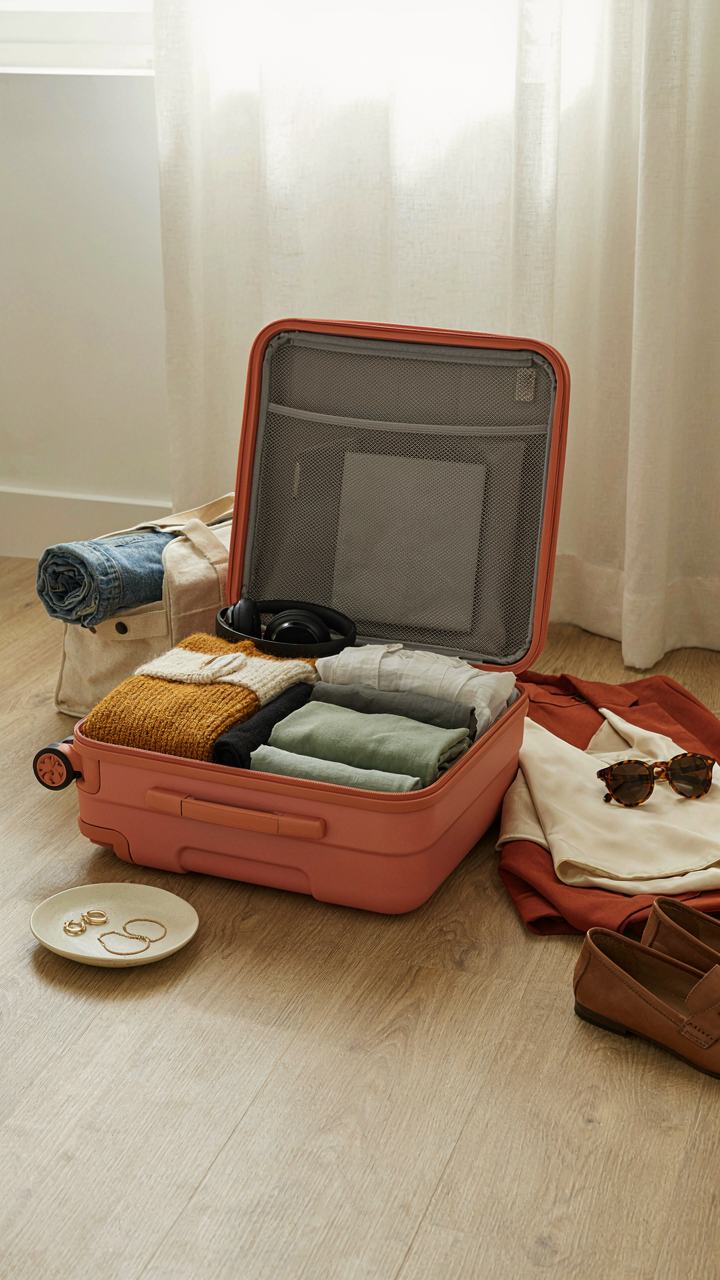
You pack seven outfits for a three-day trip because you’re afraid of one decision. Pick your three core pieces today. Wear them. Stop imagining situations that won’t happen. Your carry-on forces clarity; your brain resists it. The constraint isn’t the problem. You are.