
The Cognitive Load Fallacy: Why More Choices Weaken Your Professional Image

Decision Fatigue Drains Executive Function
You want to believe that having options makes you look flexible and creative. It doesn’t. Decision fatigue is a neuroscience term: each choice consumes mental energy, leaving less available for actual work. Psychology research shows people make worse decisions as their decision load increases throughout the day. Your outfit is a decision you make before work starts. The fewer outfit decisions you make, the more cognitive resources you preserve for meetings, strategy, and execution. Every morning you stand in front of your closet and deliberate, you’ve already handicapped your thinking capacity.
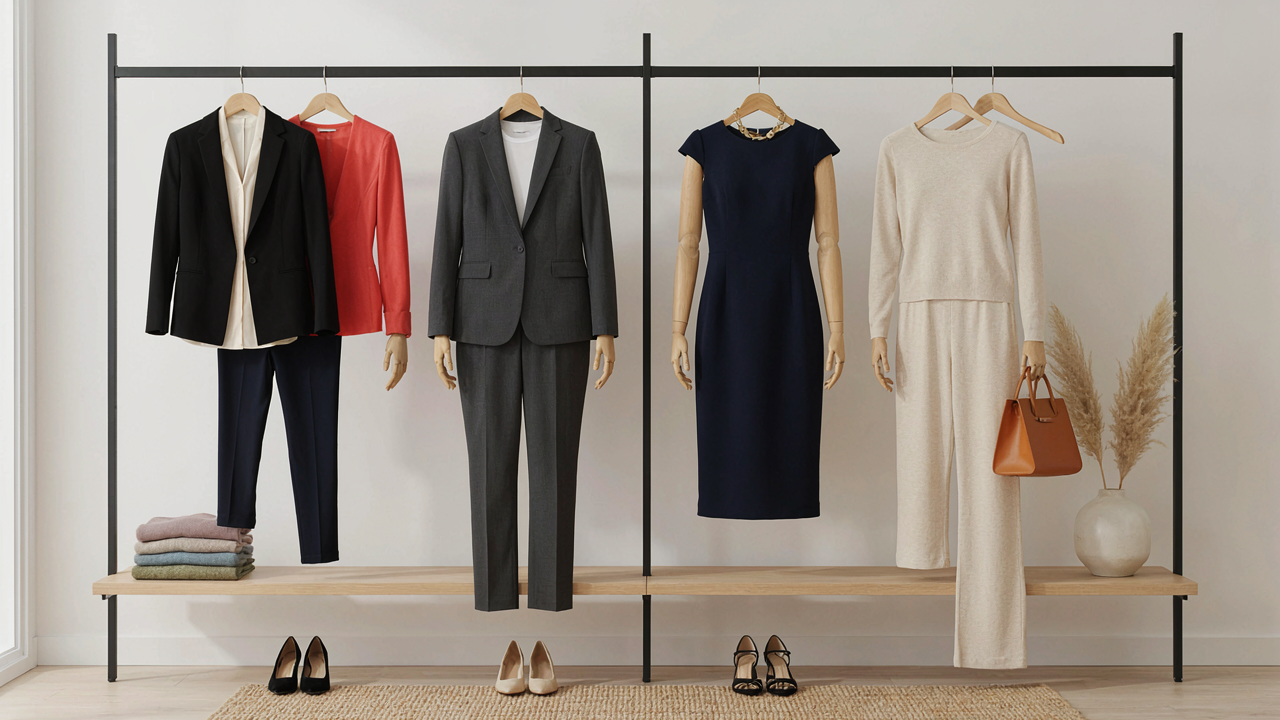
The common advice says build a capsule wardrobe and mix pieces freely. That’s incomplete. The real move is eliminate mixing altogether. Stop treating your closet as a combination lock. Instead, decide on 3 to 4 complete outfits and cycle through them. Each outfit is a unit. You pick the unit, not the components. This removes the decision entirely. Your brain arrives at work fresh instead of depleted by the illusion of choice.
Uniformity Breeds Authority, Not Boredom

Steve Jobs wore the same black turtleneck and jeans daily. Mark Zuckerberg wears the same gray t-shirt. These weren’t quirks. They were power moves that freed cognitive bandwidth for decisions that mattered. Uniformity signals authority because it communicates you’ve already won the game of image management. You’re not performing for the room. You’re focused on substance. That shift alone changes how others perceive your competence.
Women face different social rules around repetition. You’ll hear that wearing the same outfit twice gets noticed, questioned, or judged. That’s cultural noise, not reality. Notice who judges: usually people without decision-making power. The people advancing their careers don’t track your wardrobe rotation. They track your output. Build your 3 to 4 core outfits in neutral colors (black, navy, gray, cream, taupe), rotate them systematically, and let your work product become the thing people remember instead of your clothes.

The Capsule Commandment: Architecting Your Core Work Outfits Women Arsenal
Foundational Pieces Over Trend Cycles
You’re worried you’ll look boring. That fear is expensive. The real mechanism is this: trends die the moment they saturate, but foundational pieces compound in utility every single time you wear them. A navy blazer worn 200 times costs pennies per wear. A seasonal trend worn 5 times costs your credibility and your closet space. Build downward from neutral, structured basics. Everything else is decoration you’ll regret.
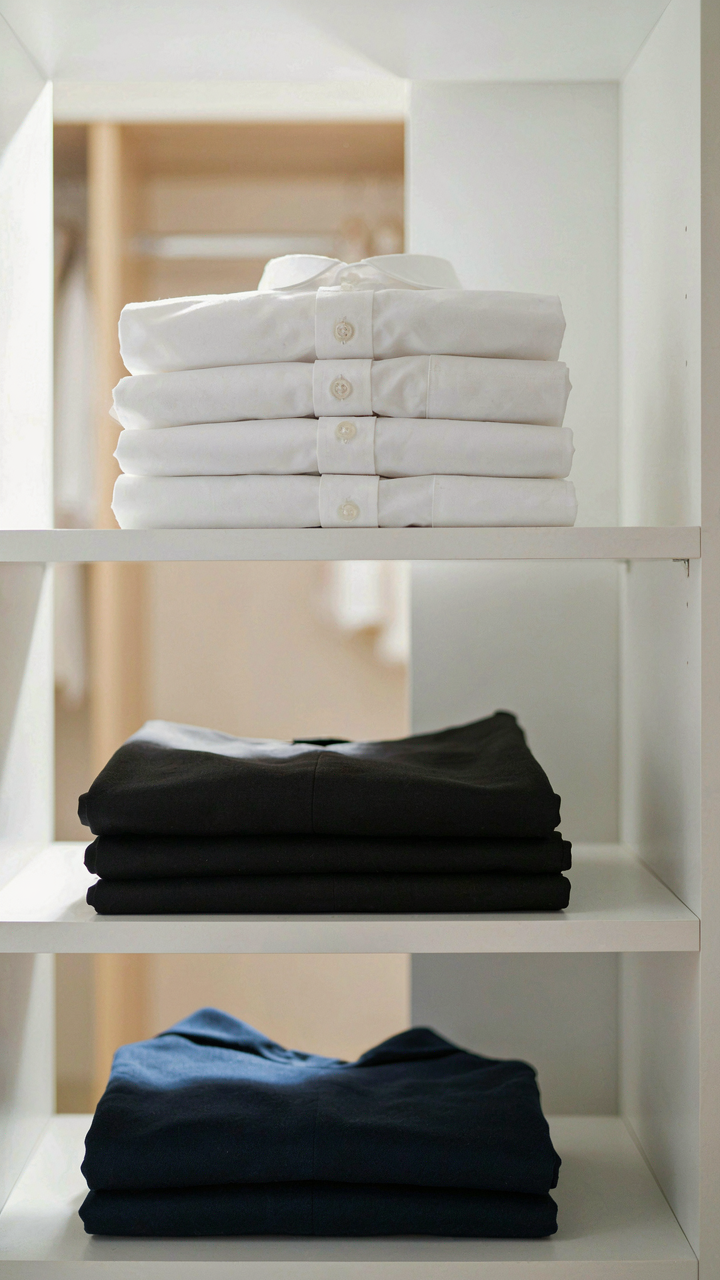
Foundational pieces are items that remain functionally and aesthetically relevant for years without modification. A well-cut white button-down, tailored trousers in neutral tones, structured blazers in black or navy, and simple knit layers form the actual architecture. These aren’t exciting. They’re also not supposed to be. They’re the frame. Trends live in the accessories and silhouettes layered on top. Separate the two categories in your mind permanently.
The Interchangeability Principle
This borrows from systems design: maximum output from minimum inputs. In manufacturing, fewer parts mean fewer failure points and faster assembly. Your closet works the same way. Five pieces that swap across ten combinations beat twenty pieces that work in isolation. You’re not building an outfit collection. You’re building a modular system where color palettes repeat, necklines pair predictably, and silhouettes stack without visual conflict. Interchangeability is paramount for versatility because it eliminates decision friction while multiplying your actual outfit count.
Start by limiting your color story to a primary palette of three to four neutrals and one or two accent colors. Every new piece must work with pieces already hanging in your closet, not fight them. If you own black trousers, a new blazer should work with those trousers. If you own a cream blouse, your next cardigan should coordinate with cream. Test every purchase against existing items before buying. This discipline transforms a collection into a system that works.
Corporate Chic Fashion: The 3 Tiered Investment Protocol
The Blazer And Trouser Foundation
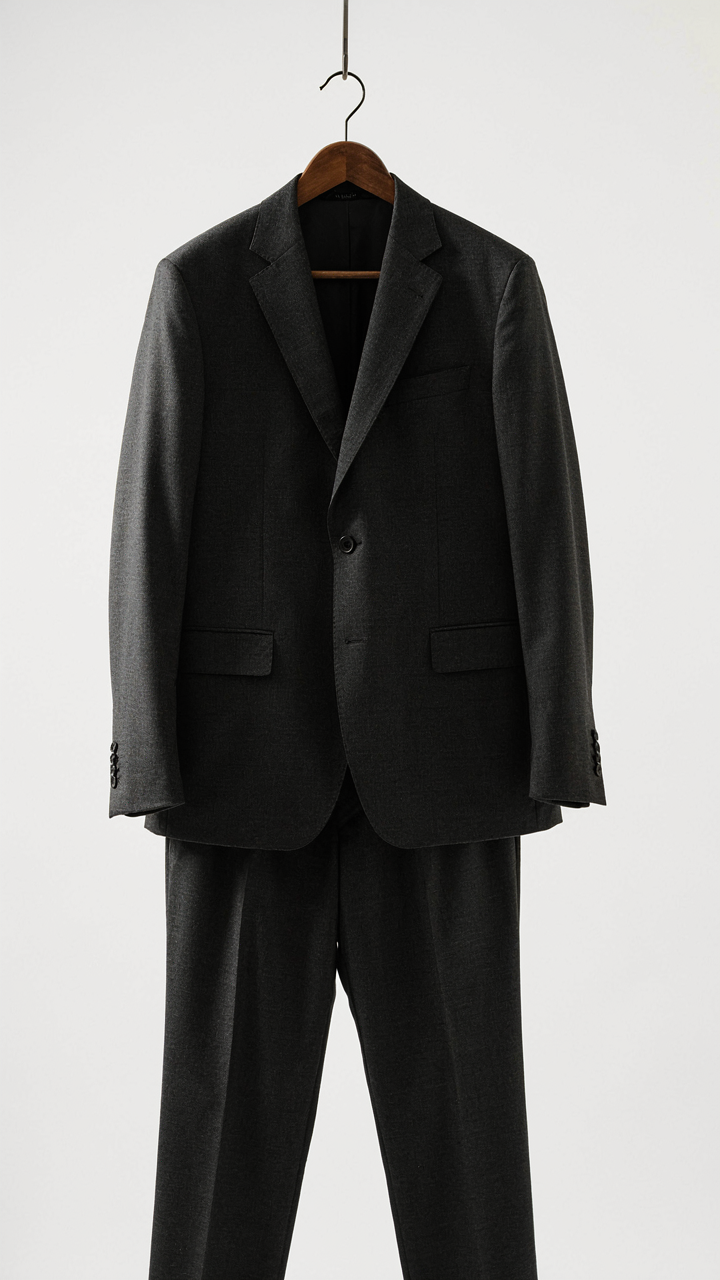
You want to feel secure without thinking about what you’re wearing. The mechanism is simple: buy pieces that work in multiple combinations so your brain stops running the outfit calculation every morning. Think of this like the Pareto principle in economics—20% of your wardrobe generates 80% of your wearable combinations. A well-fitted blazer in navy or charcoal and a matching trouser in the same color form the non-negotiable base. These pieces absorb wear, last years, and compound in value the more you wear them.
The blazer does structural work that nothing else does. It signals authority instantly, covers arms and torso inconsistencies, and transforms any bottom into “intentional.” A trouser with a slight rise, clean lines, and a weight that drapes rather than clings handles repetition without pilling or sagging. Buy both in natural fibers when possible—wool blends hold shape through multiple wears between cleanings. The investment here pays backward: fewer pieces to rotate means less stress on each piece and longer usable life.
Shirts That Rotate Without Fatigue
This is where most advice fails. People say “buy neutral blouses” as if beige and white are interchangeable with every blazer and body type. They aren’t. A rotation that works requires three to four blouses in solid colors that contrast with your main blazer tones, plus one or two patterns that read professional. A white cotton-blend shirt, a cream or ivory option, and a pale blue or grey give you daily variation while maintaining visual cohesion. Each blouse must fit the shoulders correctly and have enough length to stay tucked through sitting and standing.
Skirts anchor the second tier differently than blouses. A knee-length pencil skirt in a neutral tone pairs with every blazer-and-blouse combination you build. A second skirt in a slightly different neutral—charcoal versus black, or a warm grey versus cool grey—multiplies options without multiplying laundry cycles. Repetition without visible repetition is the real goal here. When you rotate blouses and skirts strategically, the same three blazers feel like nine different outfits over the course of two weeks.
Officewear Women: The “Pattern Interrupt” Principle For Strategic Variation

Accessories As Signal Control
You’re worried people will notice you wearing the same outfit twice. That’s the real fear here, and it’s backward. The mechanism is attention economy: people notice disruption, not repetition. A repeated base outfit with rotating accessories creates controlled variation without cognitive load. This borrows from signal theory in communications: the channel stays consistent while the message shifts. You’re not hiding repetition. You’re weaponizing it.
Most accessorizing advice says add more to stand out. Wrong. Strategic minimalism amplifies what you do wear. A single gold necklace or silk scarf signals intentionality. A neutral base with one statement accessory reads as composed. Rotate two to three pieces weekly across the same outfit structure. This compounds perception of variety while cutting decision friction and wardrobe investment.
Color Architecture For Credibility
The common play here is “wear black to look powerful.” Incomplete. Neuroscience shows people process color as competence signal before they process silhouette. Neutral palettes (grays, taupes, blacks, navy) create cognitive space for your face and voice. They don’t distract. Accent colors exist to signal category, not personality. A teal blazer reads as designer. A coral blazer reads as trying.
Build your palette on a 70-20-10 rule: seventy percent neutral base, twenty percent secondary neutral tone, ten percent strategic accent. Rotate the accent monthly or seasonally. Stick with jewel tones or muted earth tones for accents. Avoid pastels and bright saturation. Every piece you buy should layer with existing items without negotiation. The protocol: photograph your current pieces, map which combinations work, then buy only what extends existing combinations.
Office Outfits With Blazer: Leverage Points In Your Wardrobe System

The Blazer As A Force Multiplier
You want permission to wear the same thing twice without looking like you don’t have options. A blazer is physics leverage applied to fabric. In mechanics, leverage means you move a load with less effort by using a fulcrum. A blazer functions as your wardrobe’s fulcrum: it transforms three base pieces into five distinct outfits without buying new inventory. The mechanism is simple. A blazer changes the energy and intention of what sits beneath it. The same shell and trousers read as underdressed without it. Add the blazer and the exact same combination becomes intentional, professional, ready for the conference room.
The reason this works is structural, not aesthetic. A blazer adds visual weight and definition to your silhouette. It creates a frame that compartmentalizes what you’re wearing underneath. This compartmentalization is what builds repeatability. When you pair a navy blazer with five different blouses and rotate them through a two-week cycle, observers perceive variety because the blazer’s presence changes their reading speed. They don’t catalog your bottoms with precision. They register formality first. Formality is what gets you repetition without penalty.
Strategic Layering For Conference Ready Outfits
Most advice tells you to “mix and match.” That’s incomplete. Strategic layering means you engineer specific outfit combinations before the week starts so repetition becomes invisible. The real leverage point isn’t having more pieces. It’s controlling which pieces appear together in sequence.
Start with one structured blazer in a neutral. Pair it with two base layers in contrasting tones, not similar ones. If your blazer is navy, use one white blouse and one cream silk shell. These aren’t subtle variations. The contrast is sharp enough that the same blazer worn with each one reads as different outfits. Add a third layering option: a lightweight turtleneck or fitted sweater under the blazer. Now one blazer generates three distinct silhouettes. The protocol is mechanical. Monday and Wednesday wear the navy blazer with white. Tuesday and Thursday wear the same blazer with cream. Friday wears the blazer over the turtleneck. Repetition becomes rotation becomes invisibility.
Business Office Outfits: The Psychology Of Perceived Competence

Straight Lines Over Curves
You care about this because people judge your competence in the first four seconds, and you can’t afford that judgment to be wrong. Design borrows from visual perception: a principle called “gestalt” explains how the brain processes information through pattern recognition. Straight seams, structured shoulders, and vertical lines create visual continuity. Your brain reads continuity as intentionality. Scattered patterns, loose fabric, and horizontal breaks read as chaos.
A blazer with clean lines isn’t just formal. It’s a signal that your thinking matches your appearance. Tailored trousers with a sharp crease, a structured dress, or a fitted top all use geometry to communicate order. The common advice here is wrong: you don’t need matching sets or rigid uniforms. You need one visual rule that repeats. When your silhouette stays angular and defined across outfits, observers process you as consistent before they process anything you say.
Fabric Weight And Finish
Cheap fabric moves wrong. Polyester catches light unevenly. Thin cotton wrinkles by mid-morning. In economics, this is “signaling theory”: you reveal information through objects you can’t fake for long. Heavy cotton blends, linen, wool, and quality synthetics hold their shape throughout a meeting. They don’t cling or bunch. They catch light in a single direction, which registers as intentional.
Touch matters less than visual density. A blazer in 100 percent wool or a cotton blend at 200+ thread count looks different on video calls and in person. Fabric weight affects how edges sit and how folds fall. Choose materials that maintain structure after eight hours of sitting and moving. This isn’t luxury spending. It’s maintenance spending. One quality piece worn weekly outlasts three cheap pieces worn occasionally, and it performs its job every single time.
Business Formal Outfit Women: The “Signature Look” Blueprint

Repeat The Same Outfit, Not The Same Clothes
You want people to remember you without remembering what you wore. That’s the real mechanism at work here. A signature look operates on the principle of uniform recognition, borrowed from military strategy: reduce decision points to increase pattern recognition. Your brain stops processing individual pieces and starts processing a consistent identity instead.
The outfit repetition works because humans default to categorizing faces paired with consistent visual markers. When you wear the same silhouette, color palette, and proportions repeatedly, colleagues begin to recognize you as a fixed entity rather than someone trying on different personas. This isn’t about buying one blazer and wearing it three days a week. It’s about identifying which combination of pieces—fabric weight, line, proportion—flatters you, then buying that combination in different colors or fabrics so you can actually rotate the outfit while maintaining visual consistency.
Trust Follows Pattern Recognition
Consistency builds authority because it signals control. Someone who dresses the same way appears decisive. Someone who varies randomly appears unsure of herself. The research on this is clear: people unconsciously associate predictability with competence, and predictability with stability.
Your signature outfit becomes a shorthand. Clients, bosses, and colleagues stop spending cognitive energy wondering what you’ll wear and start focusing on what you say. That freed-up mental space gets redirected toward your actual work. Rotate your signature outfit every three to four days if you have five to seven pieces in the same color story, or wear identical silhouettes in different seasons. The goal is visual coherence, not literal repetition. Your outfit should look the same; your closet should have options so laundry doesn’t force you to break pattern.
Outfit Ideas For Office: The “Eliminate To Elevate” Method

Stop Wearing Pieces That Don’t Earn Their Space
You think more options mean more flexibility, but they actually mean more decision fatigue and more wasted mornings. The mechanism is simple: every piece in your closet competes for mental real estate. Pieces that don’t work with at least three other items in rotation create friction. Start by identifying the outfits you actually repeat. Those pieces are your signal. Everything else is dead weight that makes getting dressed harder, not easier.
The hard truth nobody states: most women keep clothes out of guilt, not utility. You hold onto the blazer that “should” work or the pants that fit last season. This doesn’t create options. It creates clutter that obscures what actually functions. Pull out every piece you’ve worn zero times in the past month. Be ruthless. Donation isn’t failure, it’s data. You’re not removing choice. You’re removing the noise that prevents you from seeing what actually works.
The Real Cost Of Cheap Maintenance
Maintenance beats acquisition, but this isn’t motivational advice. It’s economics. A 100-dollar blazer worn forty times costs 2.50 per wear. A 400-dollar blazer worn two hundred times costs 2 dollars per wear. Most women do this backward, buying cheap pieces frequently and replacing them constantly. You end up spending more and wearing worse. The math is clean: invest in pieces built to last, then spend on their upkeep instead of their replacement.
Button reinforcement, hem repair, fabric care, and dry cleaning are not luxuries. They’re the actual cost of owning clothes that work. A silk blouse needs proper washing to maintain its drape. A wool trouser needs steaming to hold its shape. A leather belt needs conditioning to stay supple. These aren’t optional touches. They’re the difference between a piece that lasts two years and one that lasts ten. Stop separating the purchase from the maintenance. They’re the same expense, split across time.
Work Wear For Women: The Operational Efficiency Advantage

The Morning Decision Tax
You don’t actually care about looking polished. You care about not burning mental energy on something that doesn’t matter. Decision fatigue is real, and clothing is where most women hemorrhage it before 9 AM. The mechanism is simple: every outfit choice you make depletes the same cognitive resource you need for actual work. Repetition eliminates this tax entirely. You get ready faster because your brain doesn’t process a decision. It executes a protocol.
- The Five-Piece Rotation: Build outfits from the same neutral base colors. Two blazers, three bottoms, four tops. Mix and match yields 24 combinations without buying 24 items or thinking through them.
- Matching Undergarments: Keep one nude bra, one black bra, one white bra. No hunting through drawers. No mid-morning wardrobe regret.
- Weekly Anchor Days: Assign the same outfit to the same day each week. Monday is always the gray blazer. Thursday is always the navy trouser. Muscle memory handles it.
- Staging Station: Hang tomorrow’s outfit the night before. Reduces morning choices from “what should I wear” to “does this still look right.” One decision instead of ten.
- Shoe Consistency: Three pairs maximum: flats for comfort days, heels for client meetings, loafers for everything else. No browsing the closet.
The math is brutal. If you spend 15 minutes choosing an outfit each workday, you lose 65 hours per year to indecision. A repeatable system reclaims that time entirely. Repetition isn’t boring. It’s efficiency.
Garment Lifespan And Cost Per Wear
The standard advice here is garbage: “invest in quality and it lasts longer.” That misses the actual mechanism. Wearing the same pieces repeatedly accelerates wear in the places that matter, but it also collapses your true cost per wear faster than you’d get with a rotating wardrobe. You’ll replace those pieces sooner, but you’ll have extracted far more value from them first. A blazer worn twice weekly for two years costs less per wear than a blazer worn once monthly for five years, even if you replace the first one sooner.
Laundry cycles shrink because you’re not running half-empty loads. You wear the same five pieces so often that you hit a full load of work clothes before you even think about it. Dry-cleaning bills drop because repeated wear builds in automatic wash days. You develop a rhythm instead of a lottery system of “is this dirty or not.” Fewer items in rotation also means you stop buying replacements for pieces that “go with” your wardrobe. You only buy what integrates with the five pieces you actually wear.
The Myth Of “Having It All”: Why Simplicity Is Your Secret Weapon

The Fashion Industry Wants Your Anxiety
You’re worried you’ll look boring, repetitive, or less-than because you wear the same outfit formula twice in one month. That fear is the product being sold to you, not a reflection of reality. The apparel industry generates revenue through planned obsolescence and artificial scarcity. They’ve trained you to mistake variety with competence. It’s the opposite. Repetition signals confidence and clarity.
The women who command rooms aren’t the ones rotating through twenty blazers. They’re the ones who chose three and stopped shopping. When you remove the decision tax of “what should I wear today,” you reclaim cognitive bandwidth for actual work. This isn’t minimalism as aesthetic. This is minimalism as operational efficiency.
Permission To Stop Competing
The constraint model from operations management applies directly here: artificial limits force optimization. You don’t optimize when unlimited options exist. Set your uniform. Wear it. Watch how fast people stop noticing the repetition and start noticing your work instead.
Most women abandon the repeat outfit strategy because they interpret it as settling. Wrong frame. You’re not settling. You’re systematizing. The women earning six figures in their field aren’t spending mental cycles on outfit novelty. They’ve solved the problem and moved on. Your capsule wardrobe isn’t a limitation. It’s a competitive advantage disguised as simplicity.
Your True Obstacle Isn’t Fashion Rules, It’s The Mental Clutter Preventing Decisive Action

You don’t need another outfit formula. You need to kill the voice telling you every choice matters. Pick three pieces today. Wear them together tomorrow. Stop treating your closet like a math problem and start treating it like a tool. The women who never think about what they’re wearing aren’t smarter than you, they just decided once and moved on. Your outfit becomes invisible the moment you stop auditioning for approval.