

The Myth Of Delicate Fabric: Satin Skirt Outfit Ideas Debunked

Everyday Durability Challenges Common Perceptions
You’re worried a satin skirt outfit won’t survive real life because you’ve internalized the luxury industry’s fragility narrative, which keeps customers buying replacements. The mechanism is simple: satin’s weave structure creates a smooth surface that resists snagging better than textured fabrics like cotton or wool. The silk fibers themselves are strong. What fails is poor quality construction and weak seams, not the material.
Most satin skirt outfits survive everyday wear because durability depends on thread count, seam reinforcement, and fabric weight, not on whether the surface shines. A well-constructed satin skirt with French seams and quality thread handles repeated wearing, sitting, and movement without tearing. The damage you’ve seen in other satin pieces came from rushed manufacturing, not inherent weakness. Buy construction first, aesthetic second.
Breaking Free From Occasion Wear Frameworks

Economics teaches that constraints drive innovation. A satin skirt outfit built to work only at night or formal events is an asset with zero deployment efficiency. Reframe it as a base layer and transition piece instead. A satin midi skirt works for office environments when paired with structured blazers and plain tops. The same piece transitions to evening with a silk camisole and heeled boots.
Satin’s reflective surface changes appearance based on lighting and adjacent colors, which means one skirt functions across multiple contexts without looking like a costume change. Wear it casual with a tucked white tee and sneakers in daylight. The same skirt becomes formal under stage lighting with a crop top. Deploy the piece by manipulating context, not by buying ten different outfits for ten different situations.

The ‘Contrast & Conquer’ Protocol: Mastering Styling Satin Skirt

Texture Collision Creates Depth
You want permission to break the rules without looking like you don’t understand them. That’s the real sell here. The mechanism is borrowed from industrial design: contrast creates visual hierarchy. A satin skirt has inherent sheen, which reads as “finished” and demands balance. Pairing it with matte textures—cotton, linen, knit, raw denim—stops the outfit from reading as costumey or too formal. The eye lands on both elements instead of getting arrested by one reflective surface.
Most advice says “balance shine with matte.” That’s incomplete. You need textural opposition at specific zones. Wear a structured cotton button-up or a wool sweater against the satin. This creates tactile intentionality, not accident. The rule: if your lower half reflects light, your upper half should absorb it. This single adjustment separates outfits that work from ones that feel miscalculated.
Silhouette Architecture Balances Flow
Satin skirts drape. That’s their material property, not a suggestion. The common mistake is pairing fluid satin with equally fluid tops, which collapses your shape into an amorphous form. You need structural opposition—fitted, cropped, or tailored pieces above. The satin skirt creates movement; your top creates boundary. When a satin midi or maxi skirt flows, a tucked-in or fitted shirt defines where your body actually is.
Build this opposition deliberately. A satin slip skirt demands a fitted blazer or structured sweater. A full satin skirt works with a cropped tank or bodysuit. A satin pencil skirt pairs with oversized or layered knitwear to avoid looking like a costume. The architecture works because silhouette contrast gives the eye something to read. Without it, expensive fabric reads as shapeless.
The Asymmetry Advantage: Unbalancing For Impact

Drawing The Eye Where It Matters
You want permission to break the rules without looking broken. That’s the real ask here. In military strategy, a diversion pulls enemy attention from the actual objective. A satin skirt outfit works the same way: deploy shine and drape strategically to control where someone looks first, which controls what they remember about you. The mechanism is simple. Satin reflects light unevenly across its surface. Pair it with a matte top or neutral base, and you’ve weaponized that contrast.
Most advice tells you to “balance” a statement skirt with simple pieces. That’s incomplete. The real move is creating visual tension on purpose. Wear a satin midi skirt in jewel tone with a plain white crew neck, but add a textured coat or structured bag. Your eye doesn’t land everywhere equally. It hits the skirt first, holds there, then moves deliberately to the next element you’ve planted. That’s control. The outfit doesn’t compete with itself. Each piece has a job.
Shock Through Unexpected Pairing
Common wisdom says match satin skirts to “appropriate” occasions: formal events, night out, dressy dinners. That’s not wrong, it’s just cowardly. Decisive force in military tactics means concentrating your strength where the opponent doesn’t expect resistance. Wear a satin slip skirt to the office over a crisp white button-up and leather loafers. The juxtaposition creates cognitive friction. People notice because the pairing violates the assumed context, not because it’s garish.
The mechanism works because your brain flags mismatches as important data. A satin skirt paired with a vintage band tee and sneakers reads as intentional, not confused. A satin skirt with a fitted blazer and minimal jewelry reads as controlled power. The shock value disappears the second time someone sees it, which means you execute the pairing once and move forward. Build outfits around one unexpected pairing per week. Document which combinations generate the response you want, then repeat only those.
What To Wear With Satin Skirt: Beyond The Obvious Pairings
Unconventional Top Choices Defy Expectations
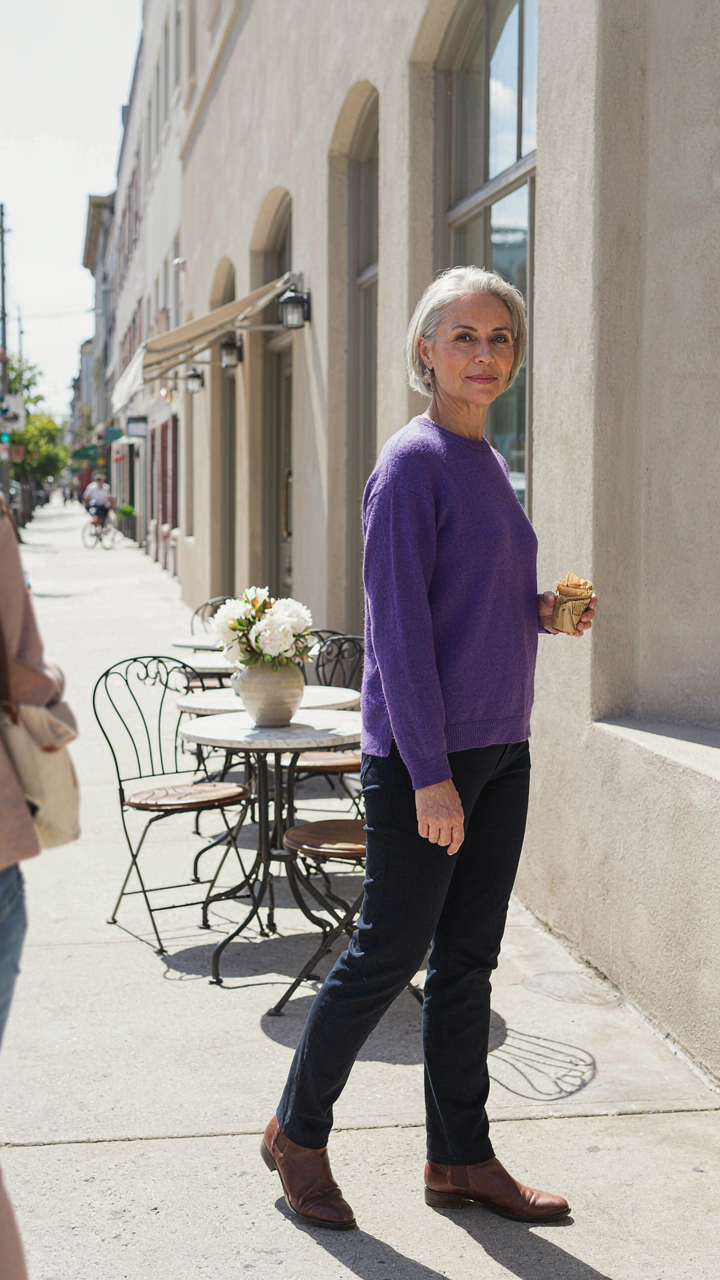
You’re worried that a satin skirt makes you look like you’re trying too hard. Here’s the mechanism: people default to matching formality levels because it’s safe. Satin reads formal, so they pair it with formal tops. That’s the trap. Pairing satin with structured basics or even workwear creates visual tension that reads intentional instead of costume-like. The contrast signals confidence in your own rules. A plain cotton t-shirt or oxford shirt stops satin from feeling like performance wear.
Oversized blazers work because they anchor the shine with texture and weight. Tight-fitting ribbed sweaters do the opposite but land the same effect: they pull focus away from the skirt’s sheen by competing for attention. Cropped sweatshirts and vintage band tees actually ground satin better than tailored blouses because they introduce casualness as a deliberate choice, not an accident. The real play is mismatch by design. Avoid pairing satin with equally formal tops unless you’re dressing for an event. Everyday satin skirt outfits live in the gap between formal and casual.
Footwear Power Plays Ground The Glam
Using physics terminology, shoes function as the anchor point that stabilizes the visual weight distribution of your outfit. Without proper grounding, a satin skirt floats into “too much.” White leather sneakers or worn combat boots do the grounding work that heels fail to do in casual contexts. Heels amplify the formality satin already carries. Flat shoes contradict it and create the tension that prevents your outfit from reading as one-dimensional.
- White sneakers: Neutralize shine while keeping the silhouette modern. Works with both day and evening satin skirts because the contradiction feels deliberate rather than confused.
- Combat or lace-up boots: Add texture and weight that visually compensates for satin’s sleekness. Especially effective in darker colors to ground jewel-toned or metallic skirts.
- Loafers or slip-ons: Bridge casual and polished without drama. Leather pairs with satin’s fabric family, so the combination reads cohesive rather than mismatched.
- Ballet flats: Create vertical line continuation that makes the outfit feel intentional. Best with midi or midi-length satin skirts to avoid looking dated.
- Worn leather sandals or slides: Introduce casual texture that offsets satin’s precision. Signal that formality isn’t the goal, which prevents the outfit from reading as overdressed.
The footwear choice signals your intent for the entire outfit. Choose shoes that contradict satin’s formal default. If your shoe choice requires explanation, it’s wrong. The mechanism works only when the pairing feels like a statement you made, not a mistake you made.
Silk Skirt Outfit: The Understated Power Of Monochromatic

Tonal Dressing: Subtle Variations For Richness
You want this section because you suspect monochromatic is boring, and you’re afraid you’ll look flat. Here’s the mechanism: contrast doesn’t require color separation. In design, value is the technical term for how light or dark a color appears. A satin skirt outfit uses value shifts instead. A charcoal satin skirt with a lighter grey sweater and darker charcoal boots creates visual hierarchy without fighting colors. Your eye reads the depth. The outfit reads intentional.
Most advice stops at “wear similar colors.” That’s lazy. Real monochromatic dressing requires texture variation to make value shifts visible. Satin’s natural sheen amplifies these shifts because light hits the fabric differently than matte materials. Pair a matte charcoal turtleneck with a satin skirt in the same tonal family, and the satin reads lighter due to reflection alone. Add a structured wool coat one shade deeper, and suddenly you have movement and sophistication. Monochromatic works because it removes color noise and forces texture to carry the visual weight.
Fabric Grades: Identifying True Quality Versus Imitation
Satin is a weave structure, not a fiber. That’s the first fact most people miss. Polyester satin, silk satin, and nylon satin are completely different products priced as if they’re interchangeable. A polyester satin skirt outfit might cost 40 dollars, while silk satin costs 200 dollars. The difference isn’t snobbery. Polyester satin degrades in two seasons. Silk satin outlasts it by years and maintains drape properties under wear and washing.
Real quality satin has a defined weight measurement in momme, a Japanese unit for silk density. Genuine silk satin typically falls between 12 and 16 momme for skirts. Lower momme feels thin and tears easily. Higher momme feels substantial and holds shape. If a retailer doesn’t list momme or fiber content, the garment is likely polyester or a blend designed to look acceptable until the first wash. Check the product description before buying. If specifications are vague, the fabric is cut-rate.
Sateen Skirt Outfit: Utility Dressing, Elevated

Making Luxury Feel Effortless
You want permission to wear expensive-looking pieces without announcing it. The mechanism is contrast. A satin skirt paired with workwear basics strips it of pretension because your brain categorizes outfits by their lowest anchor point, not their highest. Wear a satin skirt with a plain white t-shirt and sneakers. The skirt reads as an intentional choice, not an attempt. This works because utility pieces ground luxury pieces in reality.
Sateen (the weave structure that creates satin’s characteristic sheen) reflects light differently than matte fabrics. You’re not fighting this property. Instead, you leverage it by surrounding it with textures that absorb light. A cotton crew neck, denim jacket, or linen shirt creates visual balance. The satin skirt becomes an accent rather than a statement. This arrangement signals confidence because it demonstrates you understand proportion and restraint.
Depth Through Strategic Layering
Layering isn’t about warmth. It’s about creating visual separation between pieces so each one registers as distinct. A common mistake: stacking similar weights and textures. Satin demands opposition. Wear a structured blazer over your satin skirt to create a hard-soft contrast that reads as intentional rather than accidental. The blazer’s angles sharpen the skirt’s fluid movement. Each piece enhances the other’s defining characteristic.
Add a knit underneath the blazer to create a third layer of texture. Knits have surface irregularity that contrasts with satin’s reflective smoothness. This three-layer structure works in daylight and evening because you’re building depth, not decoration. The visual information multiplies without adding bulk. Finish with a belt at your natural waist to define where the layers meet. This creates a clean silhouette and prevents the stacked pieces from reading as costume.
Brown Silk Skirt Outfit: Earth Tones For Sophisticated Edge

The Color Theory Behind Restraint
You want people to notice you without seeming like you’re trying. That’s the real engine here. Brown satin skirts work because they operate on the principle of contrast ratios from color theory. Dark browns demand lighter complements to avoid visual collapse. A cream or ivory top creates separation. Layer in muted greens, burnt orange, or deep burgundy and you’ve engineered sophistication instead of hoping for it. The mechanism isn’t taste. It’s strategic value placement on a limited palette.
The texture game matters equally. Satin against linen reads different than satin against cotton. The linen’s matte surface bounces light off the satin’s sheen, creating dimension without loudness. Pair your brown silk skirt with a fine-knit sweater in taupe or a structured linen shirt in cream. Add a wool blazer in charcoal or a suede jacket in cognac. Your eye should travel, not rest. Every layer earns its place by either contrasting or completing the visual story without competing.
Hardware, Hide, And Mineral
Accessories aren’t decoration. They’re the closing argument.
- Gold Metals: Warm undertones in brown satin demand warm metals. Gold chains, belt buckles, and rings echo the skirt’s natural temperature. Avoid silver, which deadens brown and creates visual discord.
- Leather Belts: A cognac or chocolate leather belt anchors the waist and creates line definition. Wear it at your natural waist, not slung low. The belt’s finish should matte slightly to offset satin’s sheen.
- Stone Rings and Bracelets: Amber, jasper, or smoky quartz ground the outfit in earthy stability. These materials complement brown without adding another competing color. Wear 2 to 3 pieces maximum.
- Woven or Leather Bags: A structured cognac leather bag or woven neutral tote works. Avoid shiny finishes that battle the satin. The bag should feel intentional, not afterthought.
- Footwear Metals: Gold-toned hardware on shoes, straps, or buckles ties back to your jewelry. Consistency across metals signals control.
The mistake most make: treating accessories as optional flourishes. They’re not. A brown satin skirt without the right metal and leather language reads flat. With them, it reads deliberate. Select pieces that share a finish temperature with your satin’s undertone, then stop adding. Every extra piece dilutes the signal.
Champagne Satin Maxi Skirt Outfit: Decoding High Impact Simplicity

When The Skirt Becomes The Entire Conversation
You want people to notice the champagne satin without noticing you’re trying. That’s the real anxiety here. The mechanism is constraint: fewer competing elements force the eye to the actual fabric. Satin’s light-reflective surface already demands attention. Every accessory you add fights for dominance. The math is simple. Remove the noise, and the material does the work you bought it for.
A champagne satin maxi needs almost nothing else. A simple leather belt at the waist, a structured bag in a neutral tone, a basic white tee tucked in. The skirt’s sheen and drape carry the entire outfit. Anything ornate or textured competes directly with the fabric’s built-in visual interest. This isn’t minimalism as trend. This is minimalism as honesty about what the piece actually is.
The Temperature Play: Building Layers That Still Read Clean
Most people get this wrong by adding bulk instead of strategy. Layering in satin outfits requires thinking about silhouette priority, not just staying warm. A fitted turtleneck under a champagne skirt works because it compresses the upper body and creates vertical line. A chunky sweater breaks the flow and buries the skirt’s actual shape. The constraint isn’t seasonal. The constraint is maintaining the skirt’s architectural purpose across weather.
Spring and fall demand cropped or fitted outerwear. A tailored blazer, a fitted denim jacket, or a structured leather piece. Summer is bare skin and the skirt alone. Winter requires a longer coat that doesn’t interrupt the skirt’s length. A wool coat in camel or black extends the line rather than fighting it. The toggle isn’t about temperature. It’s about whether each layer adds or subtracts from the skirt’s ability to be the focal point. Test each addition: does it clarify or clutter the outfit’s visual hierarchy?
Cream Silk Skirt Outfit: The Clean Slate Strategy

Build Everything Around Restraint
You want this outfit to make you look expensive without trying. That’s the real reason you’re reading this. Here’s the mechanism: a cream satin skirt forces restraint because the fabric itself demands visual hierarchy. In architecture, negative space determines how the eye moves through a composition. Your cream skirt is negative space. Everything else either competes with it or disappears. Add one structured piece—a fitted blazer, a simple knit—and stop. The contrast between the skirt’s fluid drape and a crisp top creates the entire visual statement.
Cream satin reflects light differently than matte fabrics, so it already commands attention without pattern or texture layered on top. Most people mistake “understated” for “boring” and load accessories until the outfit collapses into noise. Instead, let the skirt’s sheen do the work. Pair it with a white or black fitted shirt, minimal jewelry, and one structured shoe. The outfit works because nothing fights for dominance. Each piece knows its role.
Pattern Works Only As Accent
The common advice here is wrong: don’t treat prints as equal players with cream satin. Prints work as tactical interruption, not as co-leads. A small printed silk scarf tied at the neck, a patterned shoe, or a geometric clutch functions like punctuation. It breaks the monotony without fracturing the outfit’s coherence. The cream skirt remains the foundation. The print becomes the clarifying detail that signals intention.
Geometric patterns read cleaner than florals against cream satin because they maintain visual clarity. A printed blazer over a cream skirt works only if the print uses a limited color palette—black and white, navy and cream, or a single accent color. The pattern should occupy roughly 30 percent of your visual field, not more. Everything else stays neutral. This calibration keeps the outfit sophisticated instead of scattered.
Satin Skirt Styles: From Slip To A Line, Why Form Follows Function

Cut And Drape: Understanding Fit For Impact
You want the satin skirt to do the work so you don’t have to think about what you’re wearing. The mechanism here is borrowed from fabric engineering: drape is the material’s ability to hold shape while moving. Satin’s smooth weave creates low friction between fibers, which means it falls differently than cotton or wool. A slip skirt clings because the fabric has nowhere to go. An A-line demands structured seaming or a hidden panel to force the satin outward. The cut determines whether the fabric works with gravity or against it.
Most advice says “choose what flatters your body.” That’s incomplete. You’re actually choosing how much the fabric will cooperate with the silhouette you’ve designed. A bias cut on satin creates diagonal tension that holds form without bulk. A straight cut on satin will cling to every contour because there’s no structural intervention. A-line cuts on satin require a wider hem allowance and often an internal structure because the fabric resists volume naturally. Pick the cut that matches your intention, not your insecurity.
Hem Height: The Silent Proportion Controller
Length isn’t decoration, it’s mathematics. Proportions in fashion follow the same rules as architecture: the eye reads relationships between sections. A midi satin skirt hits mid-calf and creates visual weight in the lower half. A mini satin skirt shortens the leg line and demands balance from the upper body. A maxi satin skirt elongates but can overwhelm a smaller frame. The mechanism is basic: lower hems pull the eye down and ground a silhouette. Higher hems lift and create separation between outfit sections.
Satin’s reflectivity amplifies these effects. Because satin catches light, a knee-length hem in satin reads heavier than the same length in matte fabric. A thigh-high satin skirt draws focus to the leg in ways a cotton skirt simply doesn’t. The practical rule: measure the distance from your natural waist to ankle, then decide where you need visual weight. If you’re building a night outfit with a cropped top, a shorter satin skirt maintains balance. If you’re wearing a tucked-in shirt during the day, a longer satin skirt separates the proportions cleanly and prevents visual confusion.
The Real Obstacle Isn’t The Skirt; It’s Your Default To Blend In When You Could Dominate The Visual Field

Most people own a satin skirt and never wear it because they mistake visibility for arrogance. They play small. A satin skirt outfit isn’t about fashion rules—it’s about deciding your appearance matters enough to command attention. Stop waiting for permission or the “right occasion.” Wear it this week. The moment you stop apologizing for taking up space is the moment people stop looking through you.