
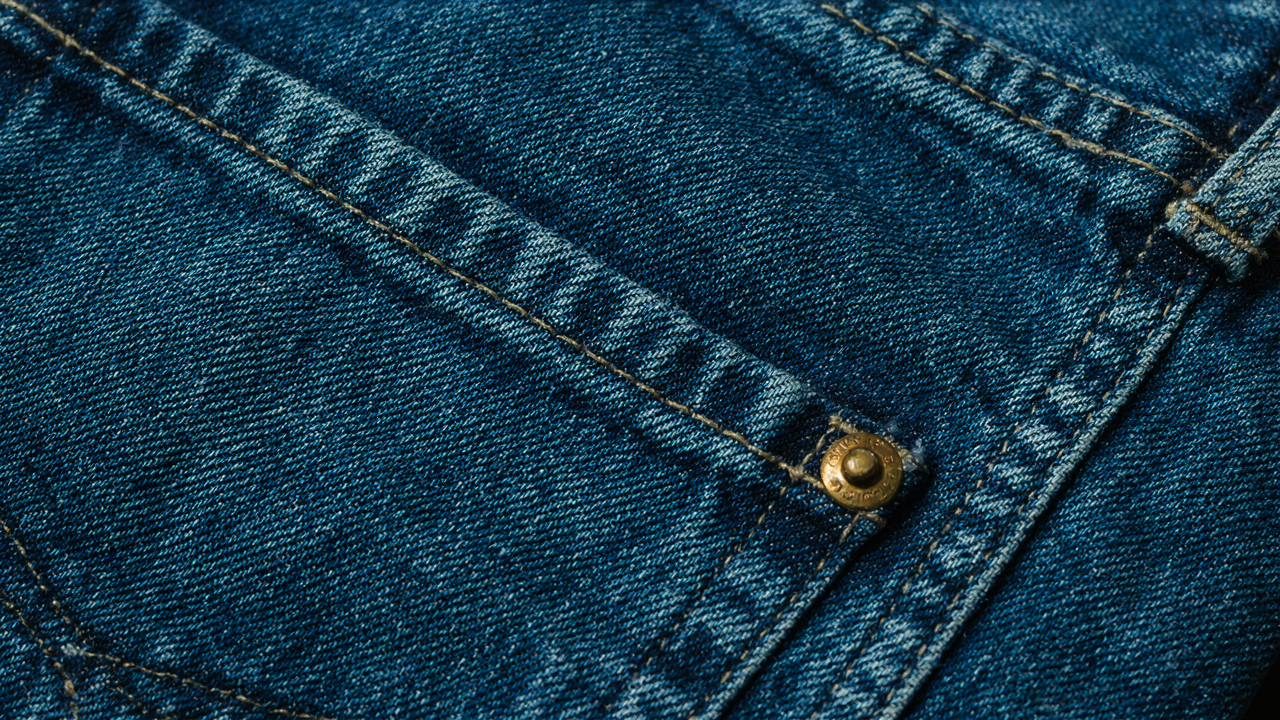
The Fabric Fallacy: Why Material Content Is A Distraction
Natural Versus Synthetic Performance Beyond Marketing
You want to believe fabric fiber content matters because it’s simple to check and makes you feel informed. It doesn’t work that way. Synthetics outperform natural fibers in specific applications, and naturals fail in others. The fiber is just the starting ingredient. A polyester knit engineered for moisture management beats a cotton shirt that holds sweat. Conversely, a poorly constructed merino wool falls apart faster than quality nylon. Marketing sells the fiber story because it’s easy to print on a label and easy for consumers to repeat.
The real variable is what the manufacturer does with the fiber. Twist density, yarn construction, and finishing processes determine performance, not whether the label says “100% cotton.” A tightly twisted synthetic thread resists pilling better than loosely twisted natural fiber. A wool shirt treated with proper shrink-resistance outlasts one that wasn’t. Check the construction method, not the percentage breakdown. That’s where durability actually lives.
Weave And Knit Patterns Dictate Durability

Twill, plain weave, and jersey knit aren’t aesthetic choices. They’re structural formulas that determine how fabric handles stress. A twill weave interlocks threads at an angle, creating diagonal ridges that resist tearing and hold dye differently than plain weave. Plain weave alternates threads over and under, lighter but faster to wear through. Jersey knit loops the yarn, which is why t-shirts pill and develop holes while oxford cloth shirts stay intact for years.
Examine the weave density by holding fabric to light. Tight, uniform patterns indicate stronger construction. Loose, visible gaps mean the fabric will pill, snag, and thin out. A dense twill shirt will outlast a loose plain weave in the same fiber. The weave pattern also determines how the fabric ages. Tightly woven pieces develop character through use. Loosely woven pieces develop holes. Run your thumb across the fabric surface and feel the pattern. That tactile feedback reveals the manufacturer’s actual investment in durability, not just material choice.

Stitch Count Is A Myth: The Overlooked Structural Integrity
Flat Felled Versus Serged Seams
You want to believe stitch count matters because it’s a number you can count, a metric that lets you feel smart about your purchase. The mechanism is different. Seam construction type determines how stress distributes across fabric failure points. Flat-felled seams fold one fabric layer over another and stitch through all layers twice, creating redundancy. Serged seams wrap thread around edges to prevent fraying but create a single load path. In materials engineering terms, flat-felled seams distribute tensile load across multiple thread paths while serged seams concentrate it. This is why flat-felled seams appear on work garments and premium denim.
Garments fail at seams, not across fabric. A flat-felled seam on a shirt cuff survives repeated stress cycles because the thread path has backup. A serged seam fails faster under the same stress because one thread break unravels the whole edge. This explains why vintage work wear from the 1970s still holds together while recent fast fashion pieces split at the shoulder after two seasons. Check interior seams on shoulders, armholes, and crotch points. If you see two parallel stitch lines running along the seam, that’s flat-felled. If you see a single wrapped edge with one stitch line, that’s serged.
Thread Quality Determines Abrasion Resistance
Thread breaks before fabric does, and thread composition predicts how long before that happens. Polyester thread resists abrasion better than cotton because polyester filaments have higher tensile strength and lower friction coefficients against itself. Cotton thread absorbs moisture, swells, and weakens in humid conditions. Synthetic threads maintain consistent strength across temperature and humidity ranges. Premium garments use polyester core wrapped in cotton for appearance, giving you the strength properties of polyester with the look of cotton. Budget garments use 100 percent cotton thread that fails at friction points within months.
Run your fingernail along an interior seam. If the thread separates or frays easily under light pressure, it’s low-quality cotton. If it resists and maintains integrity, it’s likely polyester or a synthetic blend. Pull a seam thread with steady pressure for thirty seconds. High-quality thread stretches slightly then holds. Low-quality thread snaps or stretches permanently without resistance. This single test reveals whether the manufacturer invested in components that outlast the first season.
The Hardware Heist: Zippers, Buttons, And Longevity

The Zipper That Doesn’t Fail
You care about this because a broken zipper kills an otherwise wearable garment instantly, and you don’t want to throw away money on something that quits after six months. The mechanism is simple: zipper durability comes down to slider precision and tape density. YKK dominates the market because their sliders maintain consistent tolerances across production. Generic zippers use looser tolerances, which means the slider teeth don’t engage the tape uniformly. This creates binding, skipping, and eventual separation. Check the brand stamped on the slider itself. If it says YKK, Riri, or Lampo, the zipper was engineered for longevity. No brand marking or unmarked sliders signal cost-cutting.
The real tell is how the zipper moves. Pull it slowly from both directions. A quality zipper glides with minimal resistance and zero grinding noise. Generic sliders catch, require force, and make grinding sounds because the metal isn’t hardened properly. Run your thumbnail along the zipper teeth while it’s closed. Uniform, consistent spacing means the tape was woven tight. Uneven spacing or crooked teeth mean the zipper will fail sooner than you think. This single test takes ten seconds and eliminates most cheap garments before you buy.
Button Attachment Determines Replacement Cost
Buttons fail because of how they’re sewn, not because of the button itself. The difference between shank construction and two-hole direct attachment is structural engineering disguised as a sewing detail. A shank is a small stem on the back of the button that creates space between the button and fabric. This space lets the button move under stress instead of tearing the fabric or snapping the thread. Two-hole buttons sewn directly to fabric create a rigid connection. Direct pressure transfers straight to the thread and holes, which fail faster under repeated wear and stress.
Flip the garment inside out at the seams where buttons anchor. A shank button shows clear space between the button back and fabric, with thread wrapped around the shank for reinforcement. Two-hole buttons lie flush against the fabric. On quality garments, you’ll see dense thread wrapping even on two-hole buttons, which extends their life by distributing stress. Check the thread color match too. Mismatched thread signals assembly shortcuts. Count the thread passes through each hole. More passes mean more durability. Quality garments use eight to twelve passes per hole. Budget garments use three to five.
The ‘Luxury Clothing Shopping Tips’ Deception: Ignoring Construction

Interlining And Fusing Structure Beyond Aesthetics
You want to believe a $300 shirt is objectively better than a $50 one, so you focus on fabric thread count while ignoring the skeleton that holds it together. Interlining is the hidden infrastructure. Think of structural engineering: a building’s foundation determines its lifespan far more than the paint color. Cheap interlining dissolves after five washes. Quality interlining uses natural fibers like horsehair, linen, or wool that move with the fabric instead of against it. The collar stays crisp without cracking. The lapel holds its shape for years instead of months. You find this by peeling back the facing on a collar or lapel edge and feeling the material. It should feel substantial and woven, not plasticky or papery. Fused interlining bonds the outer fabric to a backing layer. Poor fusion separates during wear, creating bubbling and delamination that no dry cleaner can fix. High quality construction uses appropriate fusible weight matched to fabric weight. Check the inside seam allowances and interfacing by examining the garment’s interior closely and running your hands along the edges to detect separation, stiffness, or brittleness.
Pattern Matching Precision In Garment Assembly
Lazy pattern matching reveals factories cutting corners on labor time. Every seam on the front should mirror the corresponding seam on the back. Plaid fabrics, stripes, and prints expose incompetence immediately because alignment can’t hide. Walk into a department store and check ten blazers with vertical stripes. Most will have stripes that shift mid-chest or drift at the side seams. Quality production spends the extra hour per garment ensuring the pattern flows continuously across panels. This costs more because it requires hand-checking at multiple stages. Examine seams at the shoulders, underarms, and side panels with actual attention. The weave or print should line up. Misaligned patterns aren’t vintage charm or character. They’re waste material cut wrong and sewn anyway because the cost of recutting exceeded the margin on that single garment. This tells you everything about how the manufacturer values durability versus throughput.
The Dan Koe Protocol For True Clothing Assessment

Where Seams Actually Fail
You want to know this because you’re afraid you’re being sold garbage and can’t tell the difference. The mechanism is simple: stress points expose construction shortcuts instantly. A garment fails where tension concentrates, not where fabric is weakest. Seams at armholes, crotches, and side panels carry load. Examine them under light. Clean stitching sits flat and even. Poor seams pucker, bunch, or drift off grain. Thread tension mismatch creates visible waves in the fabric itself, which means the machine operator either didn’t know what they were doing or the factory skipped setup.
Run your finger along a seam from inside. Quality construction uses thread that matches fiber content to the base fabric. Polyester thread on cotton creates shearing forces over time. The thread won’t break first—the fabric around it will. Check stitch density: 16 to 20 stitches per inch is the standard for apparel that lasts. Count them. Below 14 and you’re looking at a garment built to fail within two seasons. The tension test isn’t a feel—it’s a measurement protocol disguised as a touch.
Weight Tells You Everything
Fabric density and drape reveal manufacturing intent faster than a label ever could. Cheap brands confuse lightness with quality because they’ve never handled a proper garment. The physics term is denier: the weight of fiber in a given length. Higher denier doesn’t always mean better, but it means intentional. A 600-denier nylon will hold structure longer than 200-denier. A 14-ounce cotton twill outperforms 8-ounce cotton for workwear because fiber volume resists compression and wear patterns.
Pick up the garment. Quality clothing has noticeable weight without feeling stiff or overbuilt. Drape tells you if the manufacturer selected the right fiber for the design. Wool with proper micron count falls in clean folds. Poor fiber diameter causes fabric to bunch awkwardly or cling. Grab a handful of fabric and release it. If wrinkles vanish in one second, the fiber has recovery. If they linger, you’re wearing fatigue waiting to happen. This isn’t preference—it’s material science determining functional lifespan.
Beyond Brands: Decoding How To Identify Clothing Brands

Small Batch Production Craftsmanship Over Scale
You want to believe the brand name matters because it’s easier than learning what actually matters. Here’s the mechanism: small batch production forces quality control because there’s nowhere to hide mistakes. In economics, this is called the principal-agent problem—when a company makes thousands of units, individual quality variance gets buried in aggregate sales. When a brand makes fifty jackets a month, each one carries reputation weight.
Check the production numbers on a brand’s website or in interviews with founders. Brands that highlight their output volume—especially those under one hundred units monthly—are signaling constraint, not limitation. This constraint creates the condition where corners cannot be cut. A factory making five thousand identical shirts cannot inspect each seam. A workshop making two hundred cannot avoid it.
The Return Policy That Signals Confidence
Return policies reveal what a brand actually believes about their build quality. Most generic advice says “read the fine print,” which is useless—of course read the fine print. The real signal is this: brands that offer returns beyond thirty days without penalty are placing a bet that the garment will outlast the return window. A company confident in durability doesn’t need a sixty-day window to prove nothing will fall apart immediately.
Look for policies that specify what constitutes a valid return. Brands that accept returns for “fit” but require proof of defect are making a distinction—they’ve already accounted for fit variability in their design. Brands that accept returns on construction defects indefinitely, even after wear, are betting their seams hold. A ninety-day or longer return window with minimal conditions is the protocol that separates brands betting on longevity from brands betting on volume.
The Fashion Sense Paradox: Why Style Is Secondary To Substance

Fit As A Load Bearing System
You care about this section because you’re afraid cheap clothes will make you look bad. Stop. Fit quality has nothing to do with appearance trends and everything to do with physics. In engineering terms, load distribution is how force spreads across a structure without failure. Clothing fit works the same way: seams, armholes, and waistbands must distribute your body’s weight and movement without bunching, pulling, or tearing. Poor fit concentrates stress at single points. Quality construction disperses it.
Check fit by moving through your actual range of motion. Raise your arms overhead. Bend forward at the waist. Sit down and cross your legs. Watch where fabric bunches or pulls. Quality garments have enough ease in the shoulders and chest to let you move without the seams creating tension lines. The armhole sits high enough that the sleeve cap doesn’t ride into your neck. Waistbands don’t dig or slip during natural motion. These aren’t stylistic choices. They’re structural requirements that determine how long the garment lasts before seams separate or fabric wears through.
Dye Molecules Don’t Lie
Color fastness is the bond strength between pigment and fiber. Think of it like adhesive strength in chemistry: weak bonds break under stress (washing, light, friction), strong bonds hold. This is measurable and verifiable, not opinion. Most cheap clothing uses surface dyes that wash out in three to five cycles because manufacturers cut corners on mordant and fixative processes. Quality producers bind dye molecules into the fiber structure itself.
Test color fastness before buying by rubbing a damp white cloth against the garment in an inconspicuous area. Quality pieces show minimal dye transfer. After three washes, color should remain visibly stable. Dark indigos, deep blacks, and rich reds fade fastest when the dye isn’t properly fixed. Natural fibers like wool and cotton hold dye better when treated correctly than synthetics that depend on surface coating. Run the garment through your washing routine and check the rinse water. Clear water means the dye is locked in. Colored water means you’re buying wasted time and money.
The Hidden Costs: Real Value Vs. Perceived Value

Cost Per Wear Determines True Investment
You want to feel smart about your purchases, which is why you obsess over the price tag instead of the math. Cost per wear is basic economics applied to clothing: divide what you paid by how many times you’ll actually wear it. A 200 dollar jacket worn fifty times costs four dollars per wear. A fifty dollar shirt worn twice costs twenty-five dollars per wear. The expensive piece wins.
Quality fabric and construction enable high wear counts because the garment doesn’t degrade. Cotton with tight weaving resists pilling. Reinforced seams stay intact through repeated washing. Natural fibers regulate temperature better, so you reach for the piece in more seasons and conditions. Synthetic blends cut corners on fiber quality and stitching density, forcing replacement cycles. Calculate backwards from your lifestyle: if you’ll wear something regularly for years, the premium material pays for itself immediately.
Resale Value Signals Real Durability
Resale markets exist because some clothing holds structure and appeal after years of use. Brands with strong secondhand demand prove their pieces don’t fall apart or look cheap after wearing.
- Heritage brands with waiting lists: Vintage Hermès, Patagonia, and Japanese denim hold resale value because construction quality never degraded. Buyers pay premiums for garments decades old.
- Natural fibers over synthetics: Wool, linen, and cotton maintain texture and appearance across resale markets. Polyester-heavy pieces sell at steep discounts or don’t move.
- Seam integrity in used listings: Photos from sellers show reinforced stitching still holding firm. Blown-out seams or unraveling hems appear immediately in resale photos.
- Color retention without fading: Quality dyes set deeper into fiber. Budget pieces show visible fading in resale photos, signaling inferior dye processes.
- Secondhand platform demand: High turnover on Vestiaire Collective, Grailed, or Depop indicates the piece attracts buyers repeatedly. Stagnant listings reveal the brand doesn’t hold value.
Check resale prices for the exact item you’re considering buying new. If the secondhand version drops to 30 percent of retail within two years, the piece degrades fast. If it holds 50 to 70 percent value, the construction quality justifies the original cost. Resale data doesn’t lie because it reflects actual wear durability across thousands of real users.
Reading Between The Lines: What ‘Clothing Label Reading Tips’ Miss

Care Instructions: The Durability Forecast
You want the label to tell you the garment will last forever. It won’t, and pretending otherwise wastes money. Care instructions reveal the manufacturer’s honest assessment of fiber fragility and construction limits. Delicate cycles mean the seams or fabric can’t handle standard washing. Dry clean only signals either weak fibers or poor dye stability. These aren’t suggestions. They’re damage prevention thresholds the brand knows from testing.
The real mechanism is thermal and mechanical stress tolerance. A garment rated for cold water and air dry won’t survive hot water and a dryer because the fibers and adhesives can’t handle the energy. Read the most restrictive instruction as your binding contract with longevity. If the garment demands constant babying through hand washing or dry cleaning, factor that cost into the total price. Most people ignore this and wonder why their expensive shirt deteriorates after three months.
Country Of Origin: The Production Accountability Map
The label lists where the garment was made, but you treat it like trivia. It’s economics applied to your purchase. Origin functions like traceability in supply chains. It shows where oversight and standards enforcement actually occur. Bangladesh, Vietnam, and China dominate apparel manufacturing, not because of quality differences, but because labor cost and regulatory structure differ drastically per factory.
The real filter is whether the country has enforced labor standards and material testing requirements. Europe and Japan maintain stricter dye toxicity and worker safety regulations than many other regions. This doesn’t mean garments from other origins are unsafe, but it means you’re buying into a different accountability framework. Check the origin label against the price point. Premium pricing from a country with looser standards is a red flag. Budget pricing from a regulated origin suggests efficient production, not cost-cutting corners.
Your Fear Of Being Perceived As Cheap Is Why You Overpay For Mediocrity

You buy expensive garbage because the price tag feels like armor. It protects you from judgment. But that logic is backwards. Real quality signals confidence, not logos. Pick one item this week. Check the seams. Feel the fabric. Buy based on construction, not brand fear. The people who dress well aren’t afraid of being cheap—they’re afraid of wasting money on trash.