

The Fabric Lie: Why ‘Delicate’ Doesn’t Mean ‘Weak’

Fiber Structure And Inherent Strength
You want permission to throw expensive things in the regular cycle without guilt. Here’s the mechanism: fiber strength lives in the molecular bond, not the fabric label. Think of tensile strength from materials engineering—the capacity of a material to withstand pulling force before breaking. A silk fiber has inherent tensile strength baked into its protein structure. A cotton fiber does too. The label “delicate” describes how the weave is constructed, not the raw durability of what you’re washing.
Most fabric damage happens from agitation, heat, and alkaline detergent breaking down the fiber itself—not from water. A delicate silk charmeuse has weak seams and loose weaves that snag under mechanical stress, but the fibers themselves resist chemical degradation better than you think. The common advice to hand wash everything labeled delicate treats the symptom, not the cause. You don’t need gentler water. You need less friction and shorter cycle times.
Mismatching Fabric To Wash Cycles

The real problem isn’t that your machine is too aggressive—it’s that most people run permanent press or normal cycles on everything, which means 1,200+ RPM spin speeds and 40 minutes of tumbling. That’s wrong. A delicate fabric in a regular cycle isn’t weak; it’s the wrong mechanical load for that particular weave structure. Standard cycles were engineered for cotton and cotton blends, which can take sustained friction. Silk, rayon, and loosely woven fabrics can’t handle the same forces without pilling, seam slippage, or color bleeding.
Set your machine to delicate cycle—which reduces spin speed to 600 RPM or lower and cuts wash time to 25 minutes. Use cold water and half the detergent you normally would. This isn’t coddling. It’s matching the machine’s force output to what the weave can handle without damage. The fiber itself survives fine. The construction doesn’t.

The Entropy Protocol: Countering Decay Before It Starts

Stop Damage Before Washing
You’re reading this because you’re tired of replacing clothes, not because you love laundry. That’s the real driver. The mechanism is simple: entropy in thermodynamics means disorder increases over time unless energy is applied to stop it. With fabric, decay accelerates the moment a garment leaves your body. Pre-treatment halts that acceleration before washing compounds the damage.
Fiber damage multiplies when stains set and moisture evaporates into them. Treating stains within hours, not days, keeps them from bonding to fabric molecules. The longer you wait, the more the stain’s chemical structure integrates with the fiber itself. Energy applied early costs less than energy applied late.
- Blot, don’t rub: Rubbing drives particles deeper into fibers and breaks individual threads. Pressing downward lifts the stain without forcing it past the surface layer.
- Cold water first: Hot water sets protein-based stains like blood and egg. Cold water prevents that chemical bonding while you assess what you’re dealing with.
- Enzyme pre-soaks for protein stains: Enzymes break down the molecular bonds in organic matter. Apply them before washing, let them sit 30 minutes minimum, then wash normally.
- Oxygen-based cleaners for set stains: These work through oxidation, not surfactants. They’re gentler on fibers than chlorine bleach and effective on older stains that cold water alone won’t touch.
- Brush dried stains gently: If a stain has already dried, a soft brush dislodges particles before any liquid treatment. This prevents you from grinding debris deeper when you apply water.
Pre-treatment isn’t optional maintenance. It’s the difference between a temporary stain and a permanent one. The decision point is the first six hours after contact.
The Minutes That Matter Most
Speed kills stain permanence. A stain left overnight is exponentially harder to remove than one addressed immediately. Most people know this intellectually but don’t act on it because the stain isn’t visible yet. By the time you wash the garment days later, the stain has already begun molecular integration with the fiber.
Immediate response means treating within the hour, ideally within 30 minutes. Rinse with cold water from the back of the fabric first, pushing the stain out rather than through. This prevents it from spreading deeper into the weave. Then apply your treatment based on the stain type. The goal is intervention before oxidation and evaporation lock the stain in place permanently.
Your Washing Machine Chart Is A Myth: Decoding True Garment Care
The Real Damage Happens Before The Spin Cycle
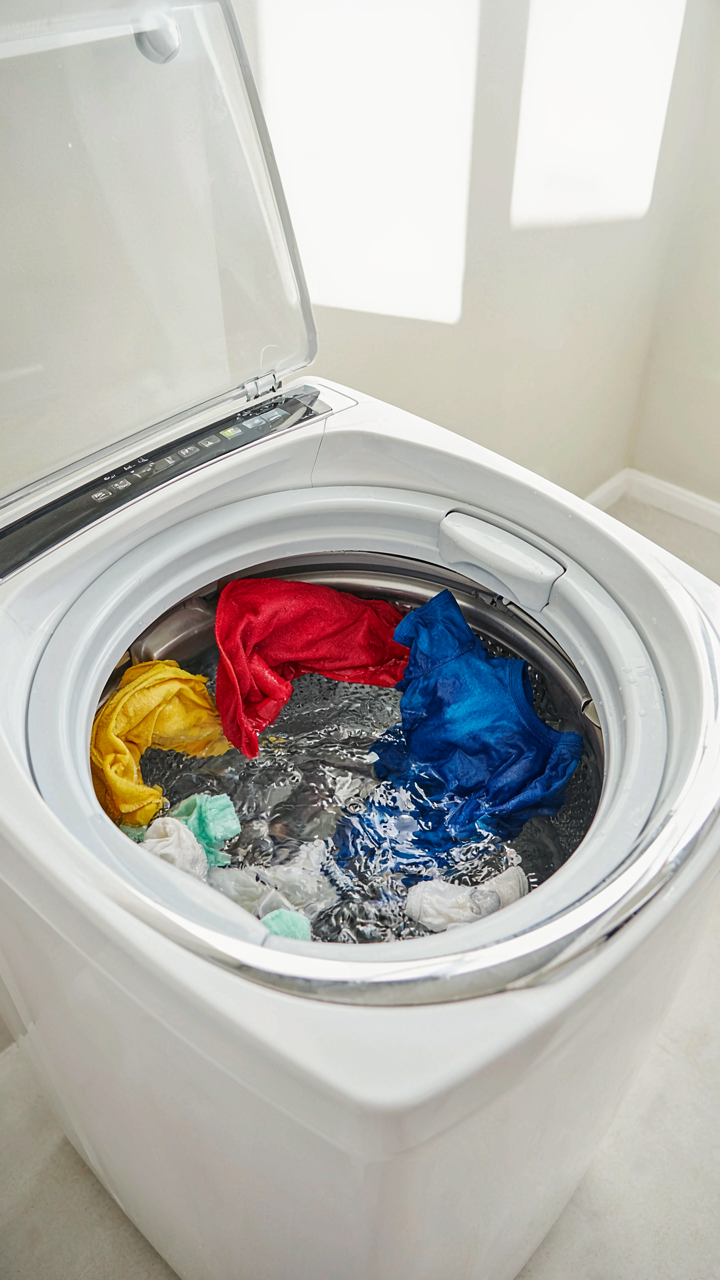
You follow the tag because it feels safe. That’s the real reason. But here’s what nobody says plainly: a washing machine tag is a liability shield, not a durability blueprint. The manufacturer writes “gentle cycle” to avoid lawsuits, not because it’s optimal for fabric longevity. Borrow from mechanical engineering, which distinguishes between load and stress. In clothing care, load is how much force hits the fabric. Stress is how the fabric responds to that force. Most people obsess over cycle speed and miss the actual mechanism: friction between wet fibers multiplied by the weight of water they’re carrying. A delicate cycle on a full load damages more than a normal cycle on a half load because the wet fabric mass stays compressed longer against itself and the drum.
The friction damage compounds over time in ways that cycle selection cannot prevent. A t-shirt washed on delicate in a packed machine develops pilling and thinning faster than one washed on normal in a half-full drum because the fibers stay bent and rubbing against each other throughout the entire wash. The agitation speed matters far less than drum capacity utilization. Most people own machines with 4.5 to 5 cubic foot drums and fill them to 75 percent capacity out of habit. That’s where the real deterioration lives. Reduce load density first, pick your cycle second.
Crowding Your Machine Is The Actual Enemy
The garment care industry never mentions crowding because it doesn’t sell washing machines or detergent. But water needs space to move through fabric fibers, and fabrics need space to move away from each other. Think of it like traffic flow: cars moving freely on an empty highway experience zero collisions. The same cars packed bumper-to-bumper in gridlock create constant contact damage. Wet fabric behaves identically. When you overload the drum, pieces stay pinned against the drum wall and each other, and water cannot circulate properly. This forces the fibers to rub repeatedly during each rotation cycle, multiplying abrasion events by 3 to 4 times compared to a properly loaded wash.
Fill your machine to no more than two-thirds capacity for standard fabrics, half capacity for delicates or heavily textured pieces. A half-full drum means water moves freely, fabric moves independently, and each piece gets actual rinsing instead of just soaking in concentrated detergent. The result is less pilling, fewer pulls, slower color fading, and longer fiber integrity. This single protocol shift eliminates more damage than any cycle selection ever could.
The Sorting Gambit: An Evolutionary Approach To Laundry Sorting
When Threat Level Determines Survival
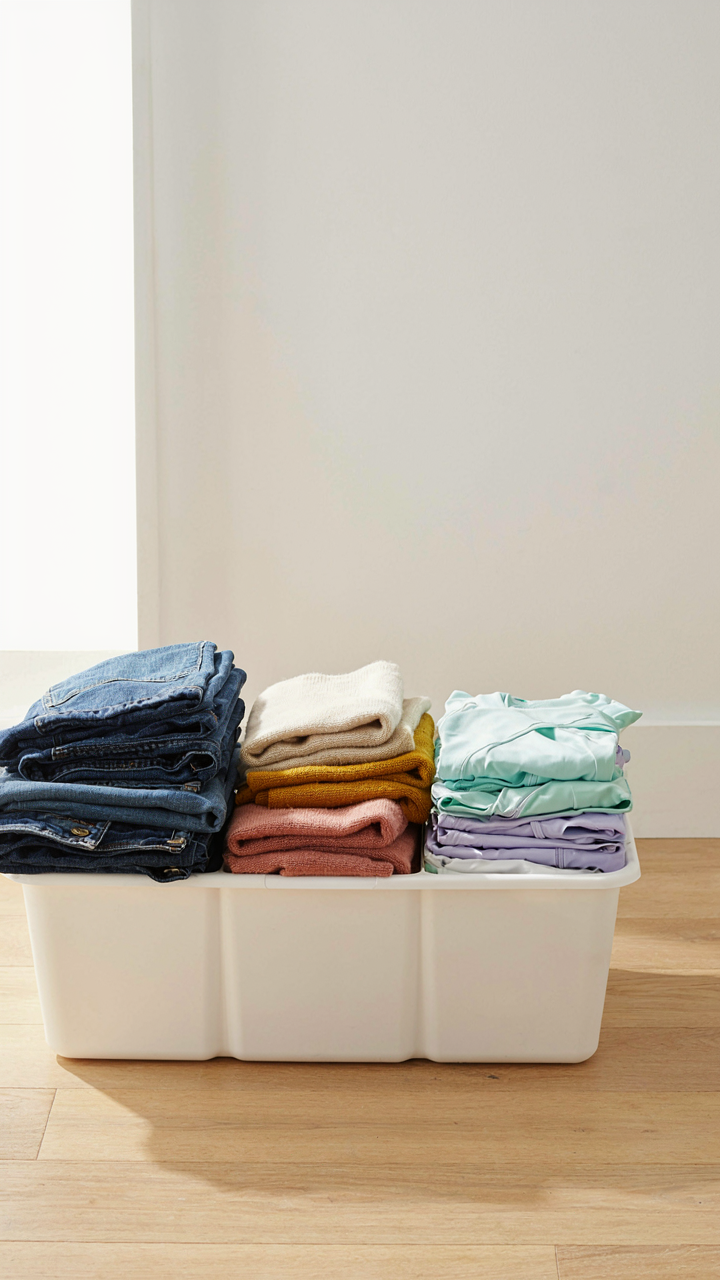
You want to believe sorting laundry is optional because it feels like overkill, but the real motive is avoiding friction in your routine. Evolutionary biology teaches us that species segregate based on predation threat, and fabric segregation works the same way. Delicate fibers and heavy fabrics are predators to each other in the wash. A single aggressive cycle destroys silk in seconds. Cotton survives it. The mechanism is simple: friction between dissimilar materials during agitation causes fiber rupture in the weaker material. Separation prevents the damage before it starts.
The “wash everything together” approach sacrifices the vulnerable items to save time. You’ll notice this first with sweaters next to jeans, or dress shirts abraded by towels. Sort by fiber weight class, not color. Heavy cottons and denim go together because they tolerate identical mechanical stress. Lightweight synthetics and delicates need their own load where agitation is controlled. This is not about aesthetics or tradition. It’s about matching fabric durability to wash intensity.
Environmental Pressures Shape Garment Vulnerability
Garments don’t wear the same way because they’re built for different climates and use cases. A t-shirt made for summer humidity behaves differently than winter wool. Environmental adaptation in nature teaches us that organisms exposed to extreme conditions develop different resilience profiles, and fabrics do the same. Your linen summer pieces need lower heat and gentler action because they’re engineered for breathability, not durability against aggressive cycles. Synthetic winter gear handles heat better but fails faster under mechanical stress because the fibers are thinner.
Moisture sensitivity varies by fabric origin. Natural fibers like cotton absorb water and swell, creating vulnerability to tearing during the spin cycle when water-logged. Synthetics don’t swell, so they tolerate higher spin speeds. This means your load composition must account for what each fabric actually needs, not what’s convenient. Separate items by how they react to water and heat, then set your machine accordingly. Your sweater doesn’t survive with your workout gear because one needs cold water and low spin, the other needs extraction force. Match the load to the fabric’s built-in vulnerability.
Chemical Warfare: Detergents Are Not Your Allies

Enzymes Break Down More Than Stains
You want your clothes to look expensive because you paid for them. Here’s the mechanism: detergent enzymes work like biological scissors. They cut molecular bonds. The problem is they don’t discriminate between stain molecules and fiber molecules. Protease enzymes attack protein-based stains, but they also attack the protein structure in wool, silk, and even degraded cotton. This isn’t theoretical damage. It’s cumulative weakening disguised as cleanliness.
Standard laundry science treats enzyme detergents as universally beneficial. This is incomplete. Enzymes accelerate fiber degradation on delicate materials, period. The enzyme continues working during the wash cycle and can persist in residual amounts even after rinsing. Use enzyme-free detergents on natural fibers. Reserve enzymes for synthetic blends and heavily soiled work clothes where durability already matters less than cleaning power. The cost difference is negligible. The fiber preservation is not.
More Detergent Means Faster Breakdown
You use too much detergent. Most people do. The hidden cost isn’t just wasted money. Excess detergent leaves residue in fabric. This residue acts as a surfactant that continues to strip natural oils from fibers even after the wash cycle ends. Fibers without protective oils become brittle. They pill faster. They lose elasticity. You’re creating the wear pattern you’re trying to prevent.
Detergent concentration is dose-dependent in its damage mechanism. More detergent means more surfactant molecules coating each fiber. Manufacturers recommend overdosing to move volume. Your machine’s water hardness, load size, and soil level should determine dosage, not the bottle’s default line. Cut your normal amount in half and run a test load. If clothes still come clean, you’ve been damaging them with excess chemical for years. Measure detergent by load weight, not by feel or habit.
Drying Is Destruction: The Silent Killer Of Clothing Life

Heat Breaks Down What Fibers Are Made Of
You care about this because throwing out clothes feels like failure. The real issue is that heat accelerates the chemical breakdown of fiber polymers. Think of it like oxidation in materials engineering: exposure to elevated temperatures speeds up the rate at which molecular bonds degrade. Cotton loses tensile strength. Synthetics become brittle. This happens faster than washing does, which most people misunderstand.
High heat doesn’t just dry clothes. It transfers energy directly into the polymer chains that hold fabric together. Every cycle in a hot dryer compounds the damage. Elastic fibers in waistbands and cuffs lose their ability to return to original shape because heat degrades the polymers responsible for elasticity. The garment doesn’t shrink uniformly. It deteriorates from the inside out, which is why clothes feel worn after a dozen dryer cycles even though they look fine.
Tumbling Creates Friction Damage
Mechanical stress beats up fibers the same way sandpaper smooths wood. The drum action in a dryer isn’t gentle rotation. It’s repeated impact and friction against the drum walls and other garments. Cotton fibers pill and fray. Wool fibers felt and mat. Synthetic fibers break at their weakest points. The longer the cycle, the more accumulated damage occurs to individual threads.
Air drying removes both variables. No heat. No mechanical stress. Clothes dry slower, but the fibers remain intact and functional. Line drying or flat drying preserves fabric structure because gravity and air circulation do the work instead of a machine. If you use a dryer, run it on low heat for short intervals, and remove clothes while slightly damp to finish air drying.
The ‘Wear Less, Live More’ Principle: Beyond Washing Clothes 101

Spot Cleaning Vs. Full Submersion Techniques
You want to believe your clothes need fewer washes because it makes you feel less wasteful, but the real reason is simpler: water degrades fabric faster than wear does. Every full wash cycle—the agitation, the detergent, the heat—accelerates fiber breakdown. Spot cleaning is surgery. Full washing is demolition. The mechanism is friction. Fibers rub against each other in the drum, and that friction creates microscopic tears. You can’t see them until the garment thins or pills.
The distinction matters because most people treat spot cleaning as a compromise when it’s actually the primary tool. Apply targeted treatment only where the stain or odor exists, which keeps the rest of the garment intact.
- Water temperature on stains: Cold water stops most stains from setting while avoiding heat damage. Hot water sets protein-based stains permanently and weakens synthetic fibers faster than cold water does.
- Mechanical action over chemical saturation: Use a soft brush or cloth to work detergent into the spot rather than soaking the entire garment. This removes the stain without exposing undamaged fibers to unnecessary chemical exposure.
- Time before full washing: Let spot-cleaned areas air dry completely before deciding if a full wash is needed. Many stains disappear during drying, eliminating the need for submersion entirely.
- Detergent concentration: Apply diluted detergent directly to the spot instead of running a full wash cycle with standard detergent amounts. A small amount of concentrated detergent works faster and rinses out more completely than dispersed detergent in a large water volume.
- Fabric type determines method: Delicate fibers like wool and silk require gentler spot treatments with cooler water and pH-neutral detergent, while cotton and linen tolerate more aggressive scrubbing and slightly warmer water without significant degradation.
Spot cleaning extends garment life because it eliminates unnecessary contact with water and mechanical action. Reserve full washing for when the entire garment needs cleaning, not when a single area requires treatment. This simple protocol alone doubles the lifespan of most clothing.
Aeration And Natural Deodorizing Strategies
Biology tells us that odor comes from bacterial growth on fabric, not from wearing clothes. Bacteria multiply in moisture and darkness. The standard advice to wash clothes after every wear ignores this mechanism entirely. Your shirt doesn’t smell bad because you wore it once. It smells bad because bacteria colonized it in a humid laundry basket or sealed closet.
Air circulation kills odor at the source because bacteria cannot thrive in dry, oxygenated environments. Hang worn clothes in a well-ventilated space for 24 to 48 hours before storing them. Open windows, use a fan, or hang items near an air duct. The fabric dries completely, and bacterial populations crash. You eliminate the need for a wash cycle that wouldn’t have happened if the garment had dried properly the first time. This is not a supplement to washing. This is the mechanism that prevents odor from developing in the first place.
Strategic Storage: Protecting Your Investment From The Off Season

Temperature And Humidity Control Matters Most
You’re storing clothes to avoid the shame of watching them degrade while sitting unused. The real mechanism here is chemistry: heat accelerates oxidation, which breaks down fibers and dyes. Humidity creates the environment mold and mildew need to establish themselves. Keep storage spaces between 60-70 degrees Fahrenheit and humidity levels between 30-50 percent. Basements often fail because they fluctuate wildly. Climate-controlled closets work. Sealed plastic bins work if you add silica gel packets inside them.
Sunlight degrades color through photochemical reactions that literally bleach dyes out of fabric. Dark storage areas prevent this entirely. Never store clothes near heat sources, pipes, or windows where temperature swings occur. The goal is stasis, not just concealment. Inconsistent conditions age garments faster than time alone does. Invest in a basic humidity monitor if you store high-value pieces. The cost of one tool prevents repeated textile failure.
How You Fold And Hang Changes Longevity
The common advice to simply hang everything is incomplete. Some fabrics demand hanging, others demand folding. Knits stretch under their own weight when hung. Woven shirts and structured pieces handle hangers well because gravity distributes tension evenly along seams. Heavy sweaters belong folded on shelves. Delicate items need acid-free tissue paper between folds to prevent creasing that becomes permanent. Cedar blocks or lavender sachets repel moths without the chemical odor of mothballs, which degrade fabric over months.
Use wooden or padded hangers for anything expensive. Wire hangers create permanent shoulder divots and rust stains. Heavy coats and jackets need wide hangers that support the shoulder structure. Group similar weights together on rods to prevent compression damage. When folding, create uniform bundle sizes and stack them so nothing bears weight for longer than a season. Store off-season items in a separate zone from regular rotation pieces.
The Real Cost Of Convenience Is A Silent, Accelerating Decay Of Your Assets

You don’t actually care about clothing care tips. You care about money. Every shirt you destroy through careless washing is a vote for poverty. Today, pick one garment you own and actually read its tag. Follow it exactly once. That single act rewires your brain from consumer to curator. Your closet either reflects your priorities or your indifference, and indifference always costs more.