

The Status Economy Of Secondhand: Why You Really Care

Perceived Value Over Price Tag
You care about charity shop outfits because they solve a status problem, not a money problem. The real mechanism at work here is economics’ concept of signaling. In charity shops, you’re not buying low cost—you’re buying access to scarcity. A rare vintage piece from a 1970s designer brand signals cultural literacy and curatorial skill. You paid forty dollars instead of four hundred, but the garment itself carries the weight of deliberate discovery, not impulse consumption.
Most advice tells you secondhand shopping is about savings. That misses the point entirely. The actual value lives in what the outfit communicates about your taste and effort. A brand new mall shirt and a vintage silk button-up from an estate sale cost similar amounts at checkout. One signals you made a choice. The other signals you walked into a store. The person wearing the vintage piece did work—hunting, evaluating, deciding. That invisible labor is what carries status in a world drowning in fast fashion.
Scarcity As Your Differentiation Engine

True scarcity beats mass production every time. A vintage Levi’s 501 from 1985 exists in limited supply. Today’s factory-made version hangs on ten thousand racks simultaneously. From a market positioning standpoint, you own the original asset. That Levi’s is unreproducible—the dye lots are gone, the fabric suppliers closed, the manufacturing process changed. When you wear it, you’re wearing something that cannot be commoditized further.
The thrift narrative sells you on being economical. Ignore that frame. What actually matters is owning pieces that break the algorithm. Fast fashion wins through volume and velocity. Charity shops win through rarity and permanence. When you build an outfit around genuine scarcity—a silk slip dress from the 1990s, a wool coat from a defunct European mill—you’re not signaling frugality. You’re signaling access to the actual supply of goods most people will never find. That’s the real differentiation. Build outfits around pieces nobody can replicate, and you’ve already won the status game before anyone sees you.

The “Curator’s Eye” Method: Finding Gems, Not Junk
Know Your Aesthetic First
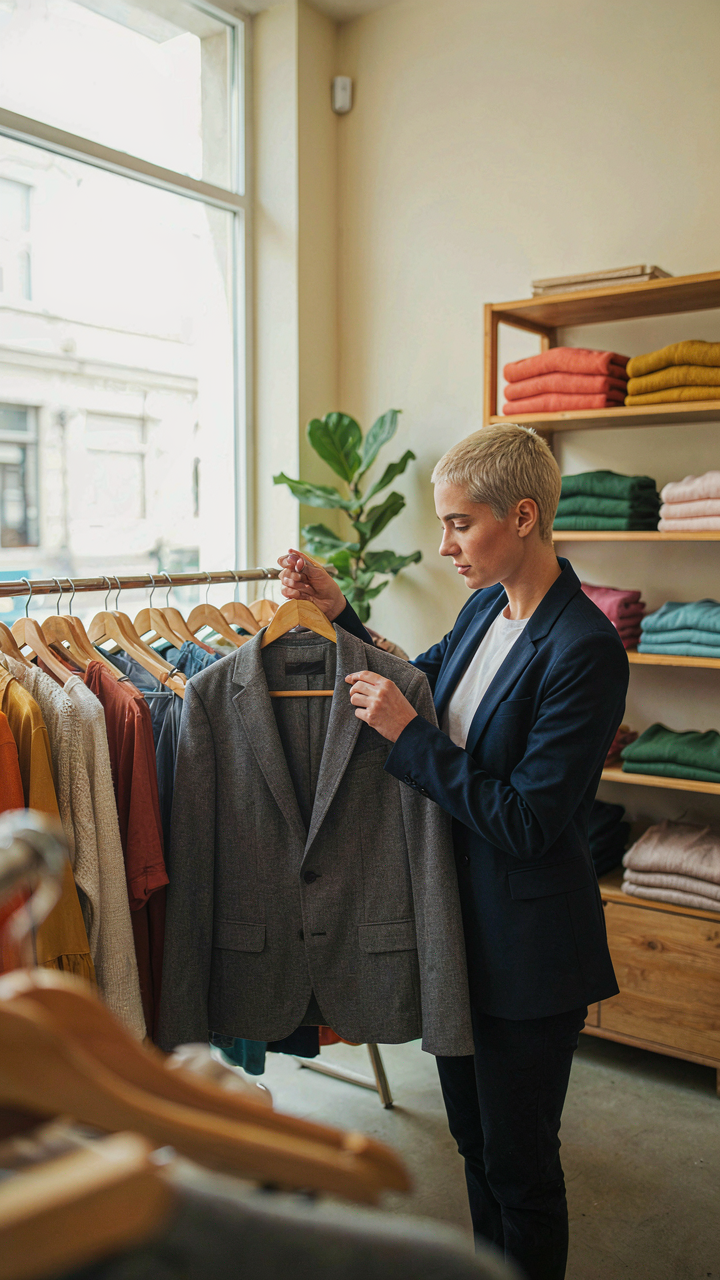
You’re really after permission to spend less money while looking intentional. Here’s the mechanism: most people enter charity shops reactive, grabbing whatever fits or feels novel. That’s the opposite of curation. Define your aesthetic before you walk in the door—not as a mood board, but as three non-negotiable criteria. Silhouette. Fabric composition. Color palette. These constraints act as a filter for your brain, turning visual noise into signal. You move faster and spot what actually works for your body and life.
The pieces you find matter less than your ability to recognize them. A person with clear aesthetic guidelines spots a 1990s linen shirt in twenty seconds. Someone without one spends an hour trying things on that don’t fit their life. Write down your three criteria. Test them against five outfits you already own and wear constantly. If they hold, you have your filter. If they don’t, adjust. This is not optional groundwork—it’s the difference between finding treasure and collecting clutter.
Timeless Beats Trend Every Time
Conventional advice says “ignore trends and buy classics.” That’s incomplete. Trends are information about what’s currently overproduced in charity shops, which means supply is high and prices are low. The real move is different: spot pieces that existed before the trend, survived the trend, and will outlast it. Military jackets, white button-ups, straight-leg denim, and wool cardigans don’t trend—they cycle. The distinction matters because cycling pieces have proven durability through material and construction, not just cultural moment.
Trends die because they depend on novelty signaling. Timeless pieces work because they solve a standing problem: how to cover your body without drawing attention to the fact that you’re trying. Find fabrics with natural weight and structure—wool, linen, canvas, durable cotton blends. Examine seams and hems for tight stitching. Check zippers and buttons for operation and replacement likelihood. A 1980s wool blazer outlasts a 2022 polyester one in both functionality and aesthetic. Your selection criterion becomes material and construction quality, not trend velocity.
Beyond The Tag: The Fabric First Protocol For Quality
What Material Actually Signals
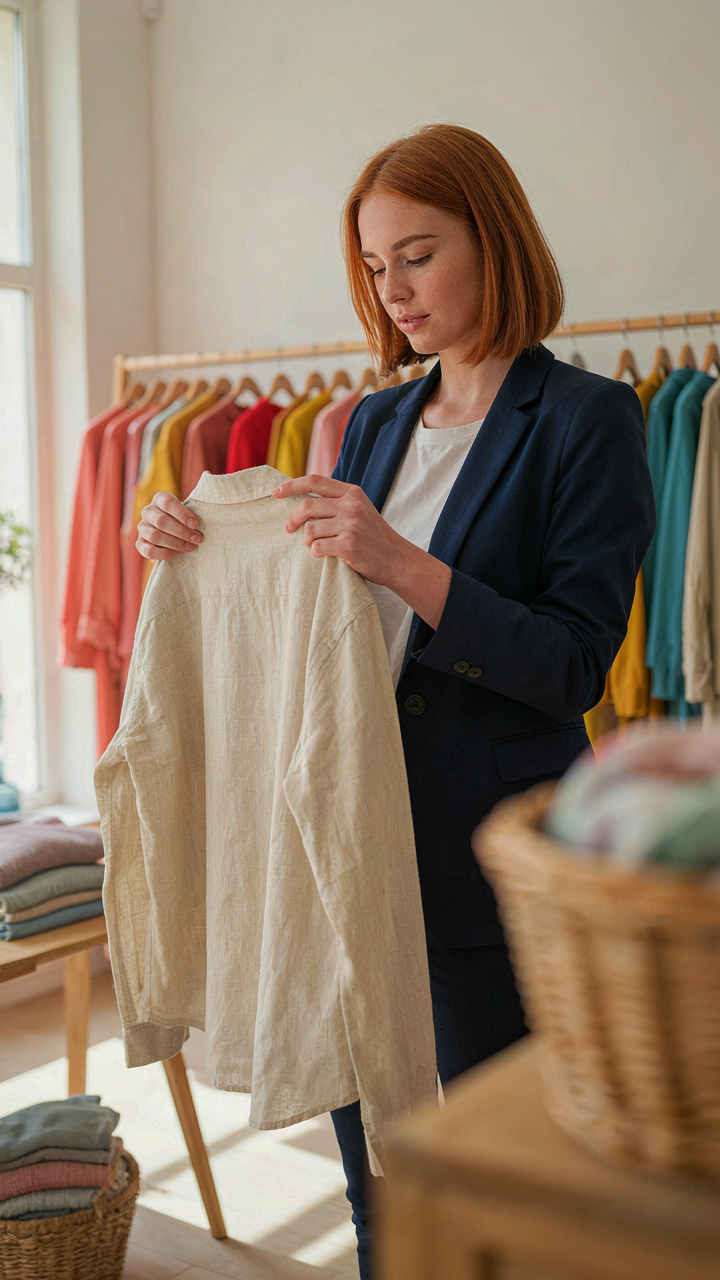
You’re here because you don’t want to waste money on something that falls apart in three months. That fear is rational. The mechanism is simple: natural fibers hold structure longer than synthetics because their molecular chains have memory. Wool, silk, linen, and cotton don’t degrade from wear the same way polyester does. They compress, they soften, but they don’t chemically break down as fast.
Wool repels moisture and recovers shape after compression. Silk develops a patina instead of pilling. Linen gets softer with age. Cotton holds dye better and resists pilling in quality weaves. Synthetic blends—the 65/35 poly-cotton mixes flooding fast fashion—prioritize manufacturing speed over longevity. The label is your first data point, not your last one. Read it before you touch the garment.
Where Wear Becomes The Story
Everyone says “look for stains and holes,” which misses the actual intelligence you need. That’s incomplete advice. The real signal is distinguishing between damage from use and damage from poor construction. A seam that’s fraying at the edge after years of wearing is wear. A seam that’s fraying because the thread was cheap and stitching density was low is inherent failure. Touch the stress points: underarms, inner thighs, cuffs, collar bands.
A garment with soft fabric but tight stitching shows quality that survived heavy use. A garment with loose stitching and crisp fabric shows it never got tested. Pull gently at seams. Weak stitching gives immediately. Check the hem: machine-sewn hems on quality pieces use consistent stitch length and thread weight that matches the fabric. Hand-repairs and re-hemming aren’t flaws—they’re evidence someone invested time in keeping the piece wearable.
The “Soft Alt Work Outfits” Playbook: Recontextualizing For Professionalism

When Vintage Pieces Become Your Actual Uniform
You want permission to dress differently at work without risking your paycheck. The mechanism is simple: vintage pieces work because they bypass the corporate uniform expectation while hitting professionalism through material quality and fit intentionality. A wool blazer from the 1980s isn’t “vintage.” It’s a blazer. Nobody knows where it came from. The charity shop price means you can buy multiple pieces in different fabrics—silk, linen blends, structured wools—that modern fast fashion doesn’t offer at scale. Intentionality reads as competence.
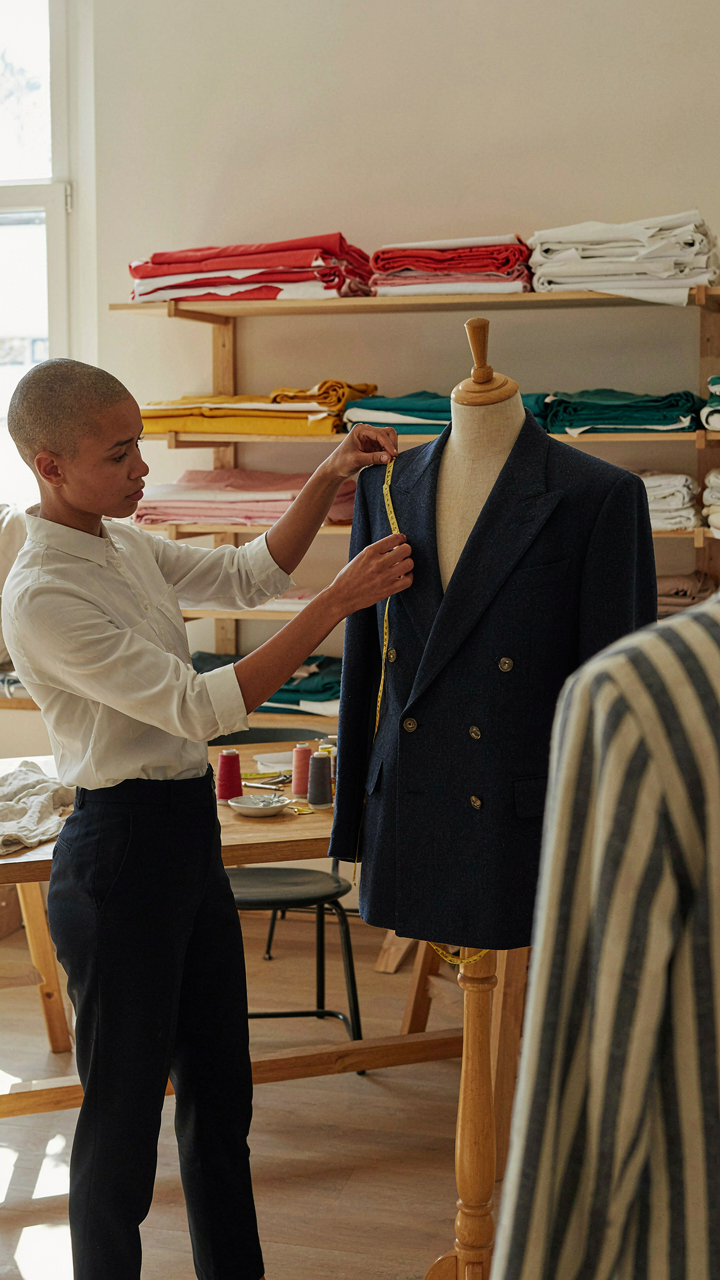
The real play is mixing era and fabric weight to signal you know what you’re doing. A 90s minimalist trouser paired with a 70s structured blouse in natural fiber reads as curated, not costume. Charity shops stock genuine wool, linen, and silk pieces because those materials lasted long enough to reach the donation bin. Modern office wear rarely uses these textiles at accessible prices. Your fit improves because vintage tailoring assumed actual human proportions, not algorithm-optimized sizing. Bring a measuring tape. Match it to your dimensions exactly. That’s the protocol.
Texture Opposition Creates Visual Authority
Industrial design uses contrast ratios to direct attention. Apply the same logic to charity shop outfits: opposing textures make intentional pieces pop while masking fit imperfections. Smooth gabardine trousers against a nubby knit. Structured linen blazer over a fluid viscose tee. The contrast breaks up the silhouette and creates depth that single-texture outfits can’t achieve.
Smooth items attract light and read as refined. Textured items absorb it and create dimension. You layer these competing signals to look deliberately composed. A matte wool trouser with a lustrous silk camisole isn’t mixing random items. It’s using material properties to build visual weight distribution. This works in charity shops because donors contribute high-quality mixed-fiber pieces that retailers trash. Start with one smooth base piece and one textured layer. Then build outward. The combination creates professionalism without conformity.
The “Vintage Business Casual Outfits” Algorithm: Decoding Decades
Recognizing The Cut Before The Label
You’re here because you want to look expensive without spending money, and you’re banking on nobody noticing the garment is used. That fear won’t go away, but here’s what actually matters: fabric behaves differently across eras. The shoulder seam placement, lapel width, and trouser break point telegraph decade faster than any label tag. An 80s blazer sits higher on the shoulder with a wider lapel than a 2010s equivalent. The mechanism is simple: manufacturing standards and fit ideals changed. Learn to spot these markers, and you decode whether a piece reads dated or timeless to a modern eye.
The 80s and 90s produced structural silhouettes that signal age immediately. Shoulder pads in blazers, high waistbands on trousers, and cropped sleeve lengths are architectural. A 70s oxford shirt has a boxier body cut and a collar that sits wider than contemporary dress shirts. These aren’t flaws in the garment, they’re evidence of when it was made. Charity shops stock these pieces by era because factories produced them in batches. When you learn to read the architecture, you stop grabbing pieces that look period-costume and start finding ones that bridge the gap between then and now.
Making Decades Work In A Modern Office
Everyone says just “style it with modern pieces,” which is useless advice because it avoids the real problem: vintage silhouettes read old when they’re not adjusted. Business casual doesn’t live in one era anymore, it lives in the tension between tailored and relaxed. A 90s oversized blazer doesn’t become contemporary by pairing it with skinny jeans. It needs structural editing. Tailors exist for this exact function. A $20 charity shop blazer becomes $50 after tailoring the shoulders, sleeves, and body taper, and now the cut works in 2025.
The adjustment logic matters more than which decade you’re pulling from. A 2000s trouser with a high rise and tapered ankle needs the waistband brought down to modern proportions and the taper softened. A 70s button-up with a oversized collar needs the collar points trimmed to current office standards. These edits cost 15 to 40 dollars depending on the tailor and location. The payoff is real: you own an office outfit for 30 to 50 dollars total instead of 150 to 300 at retail. The mechanism is arbitrage through alteration, not magic through styling.
The DIY Vetement Advantage: Customization As An Asset

Basic Alterations That Move The Needle
You want the fit to match what you paid for it. That’s the real reason you’re reading this. Most people skip alterations entirely because they assume tailoring costs money they don’t want to spend. The mechanism is simple: a $3 shirt with perfect proportions beats a $40 shirt that hangs wrong. Fit compounds everything else. A tailor’s work isn’t optional—it’s the difference between looking intentional and looking lost.
- Hemming trousers: Inseam length determines whether pants look tailored or sloppy. A 2-inch hem costs 10-15 dollars and transforms cheap jeans into something precise. Most charity shops stock pants in standard lengths, not your specific inseam.
- Taking in shirt sides: Oversized vintage shirts become sharp when the side seams move inward by half an inch to two inches. This alteration runs 8-12 dollars and keeps the vintage silhouette while killing the thrift-store baggy look.
- Shortening sleeves: Long sleeves on vintage sweaters and blazers create that “borrowed from someone larger” feel. A sleeve adjustment costs 10-15 dollars and instantly signals intentionality instead of accident.
- Tapering leg openings: Wide-leg trousers from the 90s and 2000s fit current proportions badly. Tapering from knee to ankle restores balance and costs 12-18 dollars depending on the tailor.
- Adding darts to waistbands: Oversized vintage dresses cinch at the back with small darts, transforming fit without compromising the original design. This costs 8-10 dollars and preserves the garment’s integrity.
The rule: spend 10 to 20 dollars on alterations per piece. It’s not negotiable if you want the fit to read as intentional rather than accidental. Most people who “can’t find anything in charity shops” actually find plenty—they just refuse to pay for the work that makes it wearable.
Remixing Pieces Into Your Actual Wardrobe
Customization here operates like system architecture in software engineering: you’re not starting from scratch, you’re reconfiguring existing components to serve your specific use case. A festival outfit and an earthy everyday look demand different modifications from the same thrifted pieces. The difference between success and failure is whether you treat alterations as permanent changes or strategic reconfigurations.
A band tee gets cropped for festivals or oversized as a layering piece for grunge outfits. A 90s slip dress wears as is over turtlenecks or gets hemmed shorter for club wear. Vintage jackets shed linings or get sleeves rolled permanently for different seasons. Each modification targets a specific outfit ecosystem you actually wear. The person who customizes one-off pieces never builds a cohesive wardrobe. The person who customizes strategically makes three thrifted items work across twelve outfits. Start by listing the three outfits you wear most: write down what gap each one has, then hunt charity shops specifically to fill those gaps with pieces that can be modified to fit.
The “Shopping Outfit” Optimization: Strategizing Your Search

Know Your Territory First
You want to believe luck determines what you find. It doesn’t. The real game is inventory distribution by location and shop operator philosophy. Different neighborhoods stock different eras and price points based on donor demographics. A wealthy suburb sends newer pieces with minimal wear. A university area floods with trendy fast fashion from students cycling wardrobes. Industrial neighborhoods get workwear and heritage brands. Map this before you waste Saturday mornings.
Each charity shop operates under different acquisition and curation standards. Oxfam boutiques price higher but curate aggressively. Local independent shops often undervalue inventory. Hospital charity shops focus volume over selectivity. Your neighborhood has patterns. Visit each shop once, photograph the quality level and price range, then build a rotation schedule. Don’t treat every shop equally.
Inventory Turnover Beats Random Chance
The economics of thrifting run on inventory velocity, not luck. Shops that receive donations daily refresh stock faster than those accepting weekly drops. Frequency of your visits must match the frequency of new merchandise arriving. Most people visit randomly and wonder why they see nothing. You see nothing because you’re not aligned with the donation cycle.
Call shops and ask their donation schedule. Tuesday and Thursday typically see heavy drops after weekend sorting. Shop on the day after collection, not before. Visit high-turnover locations twice weekly minimum if serious about finding brand new pieces. Low-turnover shops warrant monthly visits only. The mechanism is simple: more new inventory plus synchronized timing equals more opportunities to find unworn stock before other shoppers rotate through.
Beyond The Hype: Cultivating A Personal Brand Through “Cute Outfits”
Stripping Trends From Your Actual Taste
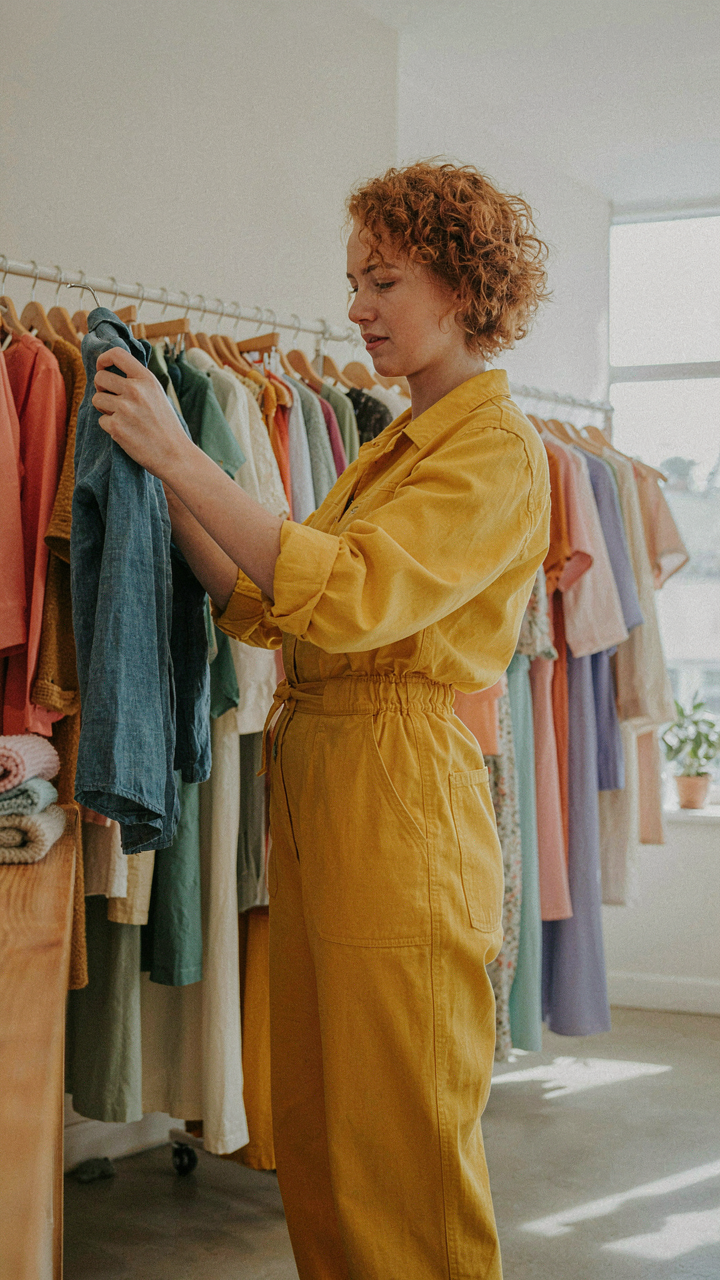
You want to believe trends don’t control you, but they do, and that’s the real problem you’re avoiding. The mechanism is simple: trends are signals designed to make you feel current, but your actual aesthetic preference lives underneath them. Charity shops force clarity because you can’t rely on a brand label to validate a purchase. You’re buying fabric, cut, and color—nothing else. This separation reveals what you actually reach for versus what you think you should wear.
Most people skip this step entirely and build wardrobes that feel borrowed. They follow seasonal color palettes or silhouettes because Instagram says so, then wonder why nothing coheres. The work is identifying which trends align with your body, your lifestyle, and your actual daily movement. Vintage pieces and secondhand finds accelerate this because they’re stripped of marketing context. A 1990s linen shirt at a charity shop doesn’t whisper “authentic minimalism”—it’s just linen. You decide if it fits your life.
Authenticity Without The Performance
Authenticity means your outfit doesn’t require explanation, and that’s the opposite of what most advice suggests. Fashion marketing profits from people needing to perform their identity through consumption. A charity shop outfit works because you’re not buying a story—you’re buying utility and aesthetic. The person wearing a tailored secondhand blazer isn’t signaling “I understand fashion,” they’re simply wearing something that functions. The confusion between these two is where most personal branding fails.
Real personal brand emerges from constraint, not expansion. When you shop charity stores, you’re working within limited inventory and lower stakes. Mistakes cost five dollars instead of fifty. This environment trains you to make faster decisions based on actual fit and feeling, not validation seeking. The result is consistency that reads as intentional. People notice outfits that feel purposeful, not curated. That recognition comes from wearing things you selected because they worked for you, not because they worked as content.
The Signaling Theory Of Secondhand: Unpacking Perceived Value
Quality Signals Cut Through Noise
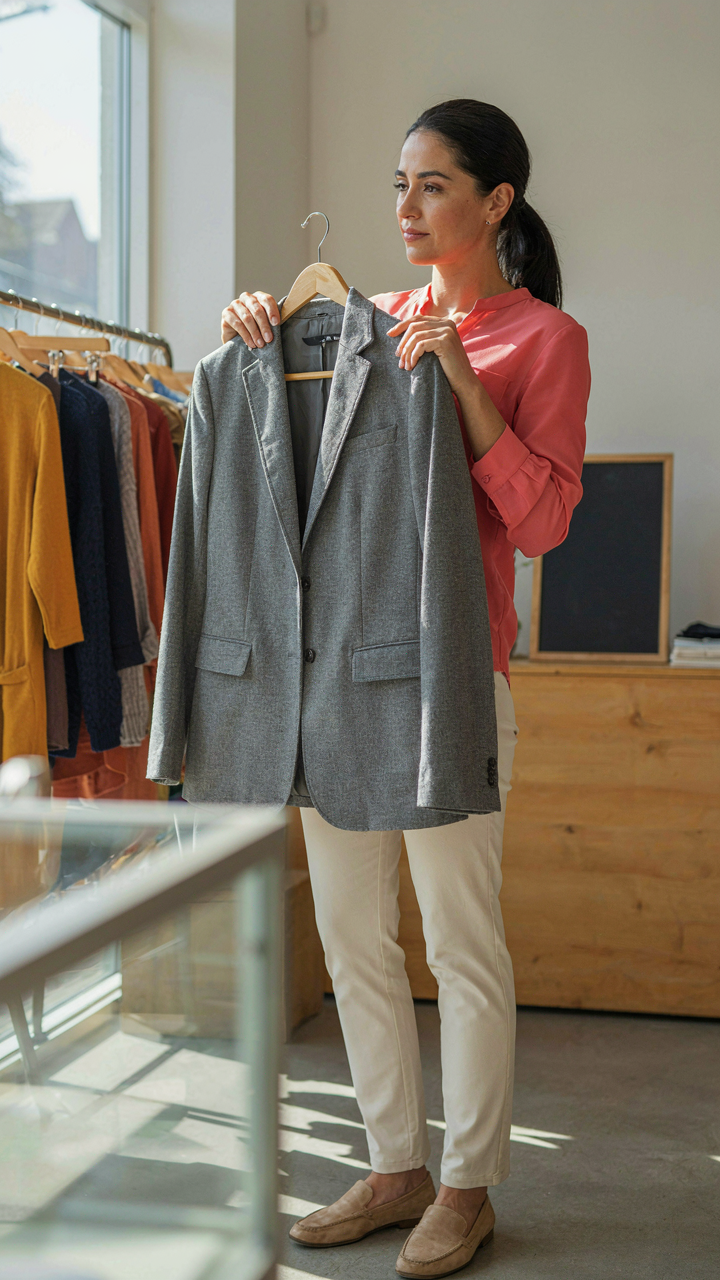
You care about this because you’re afraid people will clock your outfit as cheap. The real mechanism comes from economics: in markets with imperfect information, buyers rely on signals to estimate quality. In charity shops, those signals are material, construction, and provenance. A wool blazer with visible stitching and weight signals differently than polyester. Brands matter less than the physical evidence of durability.
The person scanning your outfit doesn’t analyze fiber content consciously. They register closure type, seam flatness, fabric drape, and finish quality in milliseconds. These markers exist independent of price tag or store origin. A secondhand garment with tight stitching and natural fiber simply reads as intentional. The signal is the mechanism. Identify it before you buy, and you’ve already solved the perception problem.
When You Know More Than The Seller
Everyone says “shop for quality.” That’s incomplete advice that ignores the actual edge you have. Asymmetric information means the seller often doesn’t know what they’re holding, and you do. A Burberry trench coat sits in a bin for five pounds because the volunteer doesn’t recognize the hallmarks: the check lining, the button weight, the seam tape. You do. You extract value not through luck but through knowledge arbitrage.
Your advantage isn’t finding deals. It’s identifying construction details that indicate durability before others do. Look for natural fiber content, reinforced seams at stress points, and hardware that won’t corrode. Check collar stands for structure, cuffs for fraying, and pockets for strain marks. These specifics tell you whether the garment will hold together for another two years. That knowledge turns a random secondhand piece into a reliable cornerstone piece.
The Investment Mindset: Treating Thrifted Pieces As Assets

Care That Actually Compounds Value
You want permission to feel smart about spending less. That’s the real draw here. But the mechanism is simple: thrifted pieces deteriorate faster than retail because you don’t know their history. Borrowing from asset management, treat each piece like a depreciating commodity with a resale window. Your job is to slow that depreciation through deliberate maintenance.
Washing matters more than people admit. Cold water, gentle cycle, hang dry. Heat damages synthetic fibers and accelerates natural fabric breakdown. Store pieces flat or on wide hangers to prevent shoulder stretching. Check seams monthly for stress points. Spot clean immediately when stains happen. These aren’t suggestions. They’re the difference between a piece holding 60% of thrift value versus 20% six months later.
Building Backwards From Your Life
Most people collect clothes. You need to build systems. A versatile wardrobe means every piece connects to at least two others already in rotation. Don’t buy a charity shop item because it’s cheap or trendy. Buy it because it solves a specific gap in what you actually wear.
Start with neutrals in your size range. Black, navy, grey, cream, olive. These anchor pieces. Then add one secondary color that works with your skin tone. Only after those foundations lock in do you add texture or pattern. The math is brutal: ten well-chosen pieces beat thirty random finds. When you resell later, pieces with clear utility move faster and hold more value than novelty items nobody else can style.
The Real Obstacle Isn’t Your Budget; It’s Your Inability To See Beyond The Label

You walk past charity shop outfits every week and see garbage. Rich people see inventory. The difference isn’t luck or fashion knowledge. It’s permission. Permission to ignore what the tag says and trust what your eyes tell you. Today, go to a charity shop and spend thirty minutes touching fabrics, not reading brands. You’ll realize the outfit you actually want costs nothing. Stop shopping for labels. Start shopping for materials, fit, and color that work on your body. Everything else is just marketing someone else bought for you.