

The Illusion Of The Tag: Why Labels Lie

Counterfeit Identifiers Versus Genuine Tags
You’re afraid you’ll buy fake designer and look stupid in front of people who know the difference. The real mechanism is this: counterfeiters exploit the tag because most people never learned how tags evolved. A genuine designer tag carries historical weight. Hermès tags from the 1980s look different from 2010s tags. Gucci changed their font and placement multiple times. Counterfeiters copy the current version, not the archive. If a Valentino tag looks pristine and modern but the garment shows 20 years of wear, the tag was replaced or it’s fabricated.
Examine the stitching that holds the tag. Luxury brands stitch tags with precision and consistency. The thread tension stays even. The needle holes are tiny and regular. Counterfeit tags get stitched crooked or with visible thread tension shifts. The tag itself should feel like quality material, not thin synthetic that tears. Check the font weight and kerning on printed tags. Real designer tags use consistent letter spacing and weight. The ink should not fade unevenly or bleed into the fabric weave.
When A Name Brand Means Nothing

The consensus says “recognize the label and you’re done.” That’s incomplete. A name brand tag means nothing without production context. Some designer labels outsourced production to the same factories as mid-tier brands during certain years. A 1990s DKNY blouse might carry identical construction to a department store brand from the same factory. The tag alone doesn’t signal quality or rarity. What signals value is the execution under the name. You need to reverse engineer why the piece mattered at the moment it was made.
A Prada tag from 2005 means you should expect specific seam finishes, buttonhole construction, and fabric weight that match 2005 Prada standards, not current standards. That era used heavier linings and hand-stitched details that 2015 Prada abandoned to cut costs. A generic Valentino blouse from a mass-production year in the early 2000s might sell for less than a vintage Valentino piece from the 1970s even though the tag is identical in brand authority. Check the era the piece was made. Cross-reference that year against what that house actually produced. The tag authenticates the brand. The construction authenticates the era and quality tier within that brand.

The Fabric Fingerprint: Textile Intelligence

Natural Fibers Beat Synthetics Every Time
You’re here because you’re afraid of buying fake designer. That fear is justified, but misdirected. The real tell isn’t the label. It’s what the garment is made from. Luxury brands use natural fibers because they perform better and age with character. Synthetics degrade, pill, and show wear in weeks. Natural fibers develop patina. A designer silk blouse from 1995 still drapes like silk. A polyester knockoff from last year feels like a plastic bag.
Examine fiber content tags ruthlessly. Look for pure or high-percentage natural blends: wool, silk, linen, cotton. Designers rarely cut corners on base materials because the cost difference is minimal compared to the retail markup. If a vintage piece claims designer status but reads 100% polyester or acrylic, it’s either mislabeled or genuinely fake. Run the fabric between your fingers. Synthetic materials have a specific waxy resistance that natural fibers don’t. This single test eliminates most counterfeits instantly.
Weight, Structure, And How Cloth Actually Moves
Drape is not subjective. It’s physics. The weight and weave of fabric determine how it falls on your body, and designers engineer this precisely. A $2000 Loro Piana wool coat weighs more per square inch than fast fashion because the fibers are longer and tighter. Thrift store finds let you verify this without price tag bias.
Pick up the garment and hold it at shoulder height. Let it fall. Designer pieces move deliberately. The fabric doesn’t cling or flutter randomly. It has a controlled descent. Pinch the material between thumb and forefinger. Designer fabrics have density. They resist wrinkling instantly when released because the weave is tight enough to hold structure. Cheap fabrics collapse immediately. Feel along seams and hems. Designers double-stitch and use reinforcement tape. These details add weight and integrity. A $30 thrift piece that passes all three tests likely carries real pedigree.
The Stitching Standard: Construction As Clue
Where The Seams Tell The Truth
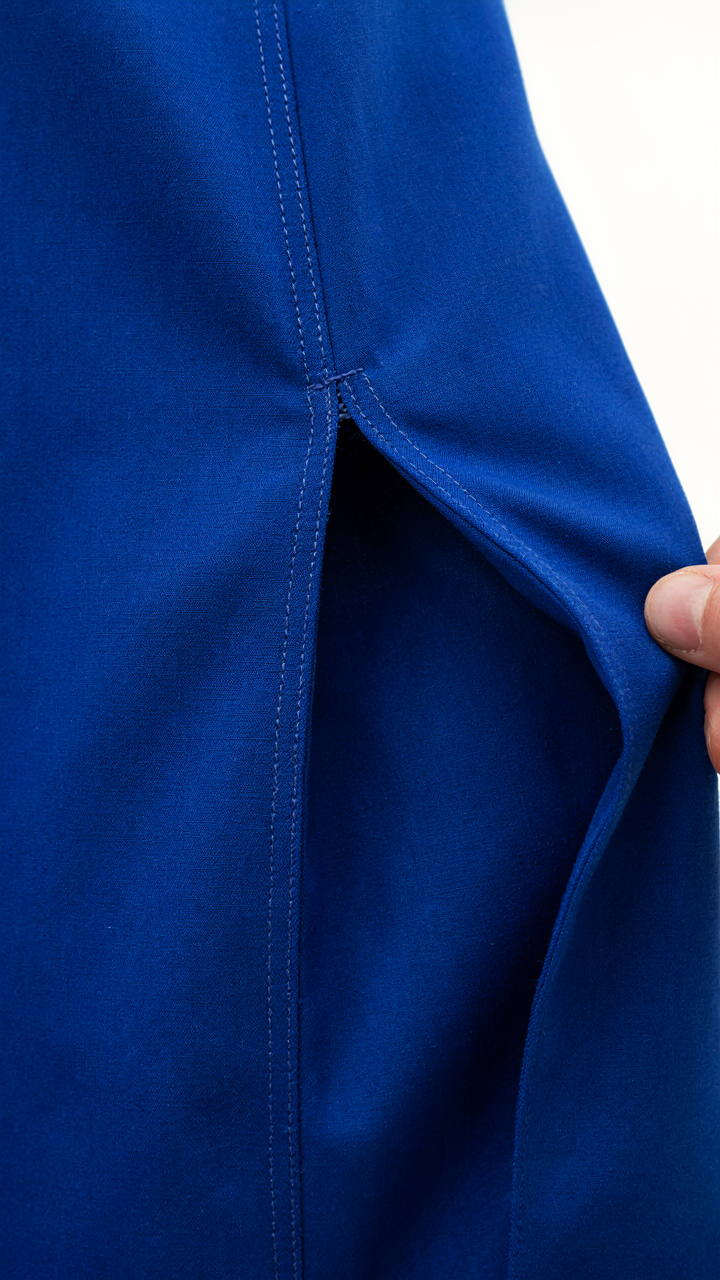
You’re looking for permission to trust your eye instead of the label. That’s the real reason you care about stitching. Here’s the mechanism: designer brands optimize for cost per unit across thousands of pieces, so they standardize their construction methods. A counterfeit or fast-fashion knockoff cuts corners on the exact same techniques. The seams reveal which camp a garment belongs to because the investment in precision separates the two tiers completely.
Examine seams from the inside first. Luxury brands maintain consistent stitch density, typically 8 to 12 stitches per inch on major seams. The thread follows a straight line without puckering or wavering. Cheap construction shows loose, irregular stitching or bobbing that catches light differently along the seam. Run your finger along the inside of a seam. A designer piece feels smooth because the needle tension stayed locked throughout production. The alignment between two fabric pieces stays true without gaps or overlaps that signal rushed manufacturing or worn machinery.
The Hardware Decides Everything
Buttons, zippers, and fasteners function like load-bearing walls in architecture, where a single point of failure compromises the entire structure. Designer brands spec hardware that won’t degrade after repeated use because replacement costs money they’d rather avoid upfront. A buttonhole in a designer coat has clean, tight edges finished with thread or a covering stitch. Counterfeit versions show ragged buttonholes, raw edges, or uneven thread wrapping that comes loose after one wash.
Examine zippers under light. Designer zippers have metal sliders engraved with the brand name or a distinctive mark. The teeth align perfectly and move without grinding. Cheap zippers use plastic sliders that crack, metal teeth that separate, or pulls that snap off. Check hardware attachment points where buttons or rivets anchor to fabric. Designer pieces show reinforced patches sewn underneath to distribute stress. Fastenings sit flush and stay secure. If hardware pulls away from fabric under gentle tugging, the garment failed the durability test a real designer brand enforces in production.
The Unseen Architecture: Garment Structure Protocol

The Bone Structure Beneath The Fabric
You’re hoping structure signals investment without having to know anything. Here’s the mechanism: designer garments use internal architecture that costs money to execute, and fast fashion skips it entirely. Borrow from engineering: a building’s foundation determines its durability. A garment’s internal skeleton does the same. High-end brands reinforce stress points—armholes, shoulder seams, hem allowances—with extra fabric layers, bar tacks, and precise stitching patterns that distribute force. Budget brands cut this to save cents per unit. Feel the interior of the shoulder seam. Designer pieces have dense stitching and reinforcement tape. Cheap construction feels hollow there.
Examine the collar structure by peeling it slightly. Luxury brands fuse interfacing (the hidden stiffening material) in multiple layers using heat and precision. The collar maintains shape after fifty washes. Budget collars curl and wrinkle because they used single-layer fusible that degrades fast. Check the cuff attachment on shirts and jackets. Designers use multiple rows of stitching. The fabric doesn’t separate from the cuff after normal wear. This isn’t visible until you’re holding the garment, which is exactly why most people miss it.
Pattern Matching And Symmetry Standards
Pattern alignment reveals whether a garment was cut from a template or assembled carelessly. Symmetry isn’t about aesthetics here—it’s about manufacturing precision. Designer brands match plaid, stripes, and prints across seams because this costs labor time. The pattern lines up at the front placket of a shirt. They align where sleeves meet the body. On plaid jackets, the pattern mirrors at the center front button line. Budget manufacturers don’t pay for this. Your eye catches the misalignment without knowing why something feels off.
Examine collar points on striped or patterned shirts. Both points should land at the exact same stripe. Check the back seam of patterned pants—the stripe should run straight down the center, not veer left or right. Designers enforce this standard because unmatched patterns broadcast poor quality to anyone trained to see it. This detail matters most on vintage designer pieces because the construction standards were even stricter decades ago. Mismatched patterns aren’t a dealbreaker for wearing the piece, but matched patterns are a reliable marker that someone invested in precision during manufacturing.
The Provenance Principle: Where It Came From Matters

Where Clothes Were Actually Made
You want to know where it came from because you’re terrified you’ll buy a knockoff and look like a fraud. Here’s the mechanism: geography reveals intent. Manufacturing location tells you whether a brand was chasing quality or just volume. Think of supply chains like the military strategy of resource control—whoever dominates the territory controls the output.
- Italy: Luxury leather goods, knitwear, and tailoring. Brands like Gucci, Prada, and Loro Piana built reputations here. Italian factories enforce standards competitors can’t match. If the label says Made in Italy on a designer piece, you’re looking at deliberate craft, not cost-cutting.
- France: Silk scarves, haute couture construction, and heritage houses like Hermès and Chanel. French manufacturing commands premium pricing for a reason—labor standards and technique specificity. Thrift stores rarely carry high-volume French pieces; when they do, it’s usually excess inventory from department stores.
- Japan: Precision tailoring, denim innovation, and technical fabrics. Brands like Issey Miyake and Comme des Garçons manufacture there for quality control. Japanese factories excel at repetitive perfection and material experimentation that other regions struggle to replicate.
- Hong Kong and South Korea: Mid-tier designer assembly and fast-fashion replica sourcing. Many contemporary designers use these hubs for cost efficiency. The distinction matters: a Hugo Boss made in Hong Kong is legitimate; a Hermès made there in 2010 should raise red flags depending on the collection era.
- China: Production for both authentic brands and counterfeits. Modern luxury brands manufacture in China legitimately, but so do counterfeiters. The presence of a Made in China tag doesn’t disqualify a piece, but combined with poor stitching or misaligned logos, it becomes suspicious.
A designer label’s manufacturing location history shifts based on market pressure and cost cycles. Track where each brand actually produced during the specific years you’re hunting. If a 1980s Valentino says Made in Hong Kong, it’s worth investigating—the brand didn’t typically source there then. That gap signals either a wholesale line, a licensing deal you need to verify, or a fake.
Brand Ownership Timelines And Label Shifts
This part gets messy because most guides skip the boring ownership changes that actually determine authenticity. Brands change hands. Conglomerates buy heritage labels. Quality standards shift mid-production. Dior in 1995 operated differently than Dior in 2005, even though both carried the same name.
Luxury conglomerates like LVMH and Kering acquired independent designers throughout the 1990s and 2000s. When ownership changed, manufacturing sometimes relocated, pricing structures shifted, and construction details evolved. A Givenchy blazer from 1988 before Bernard Arnault’s acquisition looks and feels different from a 1998 Givenchy after LVMH restructured operations. Label design changed. Fabric sourcing changed. The construction standards tightened in some categories and loosened in others. You need to know which version you’re looking at. Cross-reference the label font, care tag format, and production country against the specific ownership era. If the tag details don’t align with the brand’s known timeline during that year, reject it. Counterfeiters often use outdated label designs without understanding when ownership transitions occurred.
The Scarcity Mindset: Economics Of Thrift Finds

Why Thrift Prices Collapse On Designer Pieces
You want to feel smart about spending less money. That’s the real reason you care about this section. The mechanism is simple economics: designer clothes enter thrift stores because supply exploded. Fast fashion normalized overbuying. Closets filled. People donated. Suddenly the market flooded with labeled goods that cost nothing to acquire at scale. The thrift store paid pennies per pound from donation centers. They price inventory to move volume, not maximize per-item profit.
Most shoppers miss this because they think thrift pricing is random. It’s not. Thrift stores use donation weight and category turnover rates to set prices. A Helmut Lang blazer sits unsold for weeks while generic sweaters fly off racks. The buyer eventually marks down the designer piece to clear shelf space. That’s when the actual deal exists, not when you first spot it.
The Gap Between What Buyers See And What Actually Sells
Common advice tells you to hunt for brand names. Wrong. That’s a symptom, not a strategy. Real value emerges in the gap between perceived utility and actual demand. A Prada bag collects dust because it doesn’t match the donor’s lifestyle anymore. A vintage Issey Miyake shirt moves slowly because the average shopper doesn’t recognize the name. Thrift stores price both low but for different reasons: one lacks appeal, the other lacks awareness. Learn to spot the second category. That’s where markup potential concentrates.
The mechanism is asymmetric information. You know what the piece is worth on resale platforms. The thrift store employee pricing it knows only what their manager taught them: “If it’s worn, price it low.” They never cross-reference sold listings. They never check archive fashion databases. They price based on condition and vague brand recognition. Find designer pieces in excellent condition with no visible wear, then check current market comps before checkout. That’s the protocol.
The Second Hand Shop Sensory System: Beyond Visual Cues

Smell Tells You What The Tag Won’t
You want to know if something’s real without looking like you’re obsessing over a piece of fabric. That’s the real game here. Natural fibers smell distinct. Wool has an earthy, slightly lanolin-forward scent that synthetics can’t replicate. Silk carries almost nothing, or a faint minerality. Cotton smells clean, neutral. Polyester smells like plastic—flat, chemical, dead.
High-end brands obsess over fiber composition because durability costs money. When you smell genuine wool or silk, you’re detecting molecules the fabric sheds naturally over time. Cheap synthetics are engineered to feel like something they’re not, so they carry that engineered smell. Put your nose close to an armpit seam or inside collar. That’s where the material’s true scent concentrates. If it smells like nothing or chemicals, you’re holding a replica or a mid-tier piece pretending to be premium.
Heft Reveals Construction Density
Weight in your hand functions like physics applied to fabric: mass plus material quality equals cost. Luxe pieces use tightly woven construction, meaning more fiber packed into the same space. A designer blazer from the 1980s or 1990s will feel substantial, almost heavy relative to its size. A fast-fashion knockoff weighs almost nothing because the weave is loose and the fabric is thin.
Hold the piece and feel it flex. Quality construction resists drape immediately. Cheap fabric drapes too easily because there’s no structural integrity. Grab a sleeve at the cuff and let it hang. Designer pieces will hold their shape longer before gravity pulls them down completely. This isn’t about how it looks. This is about internal fabric density, thread count, and the construction method. Feel for this resistance. It takes ten seconds and costs nothing.
The Curatorial Eye: Developing Your Vintage Thrifting Filter
Where You Go Matters More Than What You Find
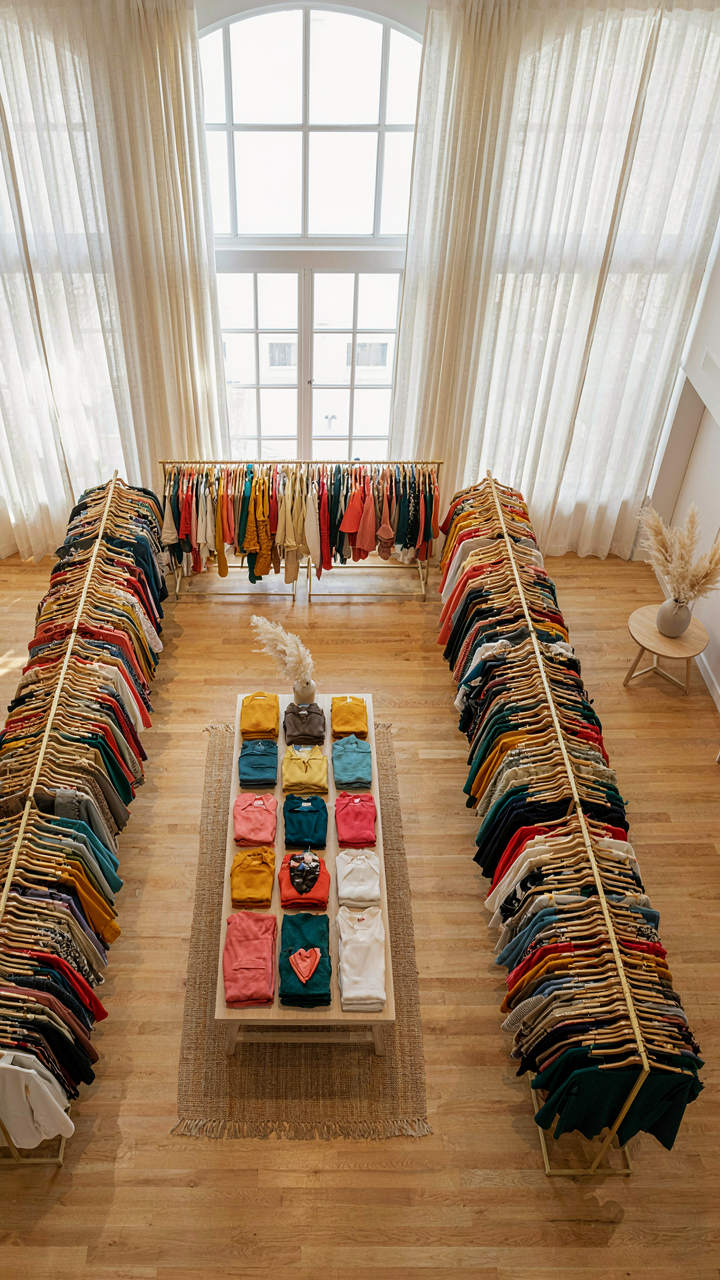
You want to feel like you’ve got an edge. That’s the real reason you’re reading this. The mechanism is simple: designer inventory clusters geographically. Thrift stores in affluent zip codes receive higher-quality donations because wealthy people donate differently than others. They clear closets seasonally, often donating recent pieces still in decent condition. Rural or low-income areas receive older stock and lower-tier brands. Your location strategy determines hit rate before you step inside.
Map the wealthy neighborhoods in your region, then visit their local thrift stores first. Goodwill locations near country clubs, private schools, and expensive real estate move designer inventory faster. Call ahead and ask when new donations arrive. Most stores process donations on specific days. You’re not browsing randomly anymore. You’re working supply chain logistics.
The Signal That Never Goes Out Of Style
The common advice here is garbage: ignore trends and buy timeless pieces. That’s not the move. What actually matters is understanding that durability markers transcend trend cycles. Look for construction details that signal intentional engineering, not fast fashion cost-cutting. Flat-felled seams, heavy interfacing, natural fiber blends, and reinforced stress points indicate pieces designed to outlast seasons. These details appear on designer pieces from the 1990s, 2000s, and today because they solve real problems.
Examine the inside of garments first. Designer brands invest in internal architecture because external appearance alone doesn’t justify their price. Check if the lining is natural fiber or synthetic blend. Feel the weight of fabric against your palm. Heavy doesn’t always mean quality, but cheap synthetic fabric that feels stiff and hollow signals mass production. A piece with substantial seam allowance and multiple fabric layers will still function twenty years from now because someone engineered it that way from the start.
The Real Obstacle Isn’t Finding Designer Clothes, It’s Your Impatience And Lack Of System

Most people quit thrifting after three visits because they expect lottery odds. You won’t find Margiela on week one. Build a system instead. Pick two stores. Visit them weekly. Learn their inventory rotation. Photograph labels you don’t recognize. Your competition doesn’t show up consistently, which means your consistency becomes your unfair advantage. The thrift store doesn’t reward hunting. It rewards obsession.