

Introduction
Zero waste fashion is a way to make clothes that creates no waste during production. It focuses on cutting and designing clothes so that no fabric is wasted. This idea is a response to the big problem of clothing waste going into landfills. When we buy and throw away many clothes quickly, it harms the environment. Zero waste fashion helps stop this by making clothing in a smarter way.
In this article, you will learn how zero waste fashion can help you reduce waste in your closet. You will discover ideas to waste less clothing and understand why this approach is good for the planet. You can make better choices for your clothes and the environment by learning about this topic.
Pre Consumer Zero Waste Fashion


Pre consumer zero waste fashion focuses on cutting down the waste generated before the clothes even reach your closet. This stage looks closely at what happens during fabric cutting and garment assembly—the moments when scraps, offcuts, and unusable fabric bits pile up.
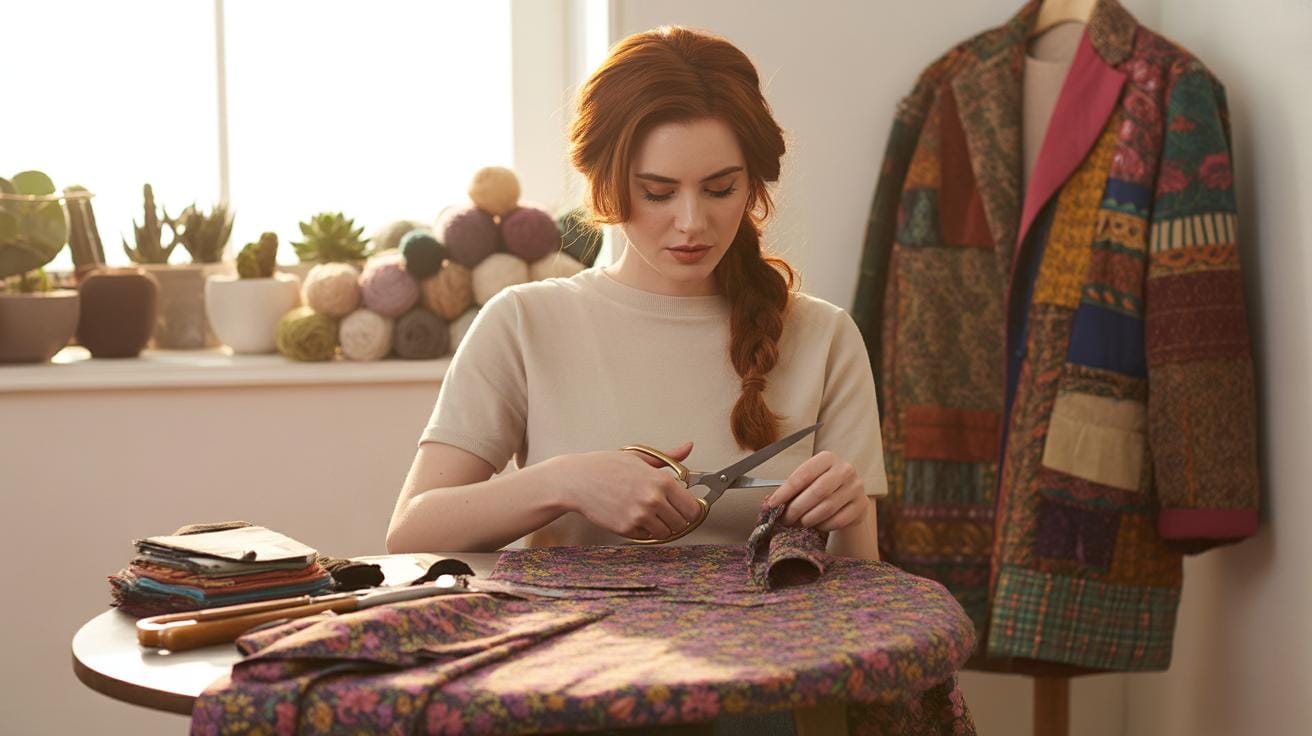
Most fabric production leaves behind pieces of leftover material that don’t get sewn into garments. These scraps might end up as landfill, or sometimes recycled but often wasted. Pre consumer zero waste tries to stop that from happening. The idea is to rethink how fabrics are cut and used early on, so every bit has a purpose.
Imagine pattern layouts carefully arranged so nothing is left unused, or using offcuts creatively in other products like accessories or trims. It’s almost like a puzzle, piecing together designs that fit the fabric so well that scraps almost vanish. Some manufacturers even repurpose tiny bits into stuffing or fiberfill.
Reducing pre consumer waste means less trash before the clothes reach you. It’s a simple shift with significant impact. But it also raises questions—how far can this go? Can zero waste production always cover all fabrics and designs, or are some sacrifices inevitable? That tension makes pre consumer zero waste a complex but crucial area in fighting textile waste.
Sources of Waste
Pre consumer zero waste fashion focuses on stopping fabric waste before clothes get to you. You see, in making garments, a lot of textile waste happens long before the finished product hits the racks. This waste mainly comes from scraps—small leftover pieces after cutting fabric—and offcuts that don’t fit into the garment design.
Waste comes at various stages, starting from fibers and yarns, where broken or unusable threads pile up. Then there’s excess fabric left over when factories cut patterns—sometimes entire chunks too small to reuse easily. These bits add up. Ever wondered where all those tiny fabric pieces go? Mostly, they just get thrown out, contributing to a surprisingly large amount of textile waste globally.
Reducing Waste in Factories
Factories have started to rethink cutting processes to reduce this kind of waste. One approach, zero waste pattern cutting, fits patterns tightly together so nearly every inch of fabric counts. It’s almost like solving a puzzle that leaves barely any leftover scraps.
Another way is using leftover pieces to create smaller items—think accessories, patches, or quilting fabrics. Some brands even repurpose these scraps for insulation or stuffing in other products. While zero waste cutting is tricky and can limit design options, it’s a step toward shedding the “cut and toss” mindset that dominates much of the fashion world.
Reducing waste before clothes reach the consumer might seem small compared to post-purchase disposal issues, but it’s crucial. What if your next favorite shirt was made with nearly no fabric lost? It’s an idea that’s slowly catching on, though not without its challenges.
Post Consumer Zero Waste Fashion

Recycling Old Clothes
Post consumer zero waste fashion focuses on what happens after you’re done wearing your clothes. Instead of tossing them out or letting them gather dust, it’s about reusing or transforming them into new fashion pieces. Think of it this way: those old shirts, jeans, or dresses can find a second life, often in surprising forms.
There are several ways to give your used clothes a purpose again:
- Donating to charities or local shelters where they can be worn by others.
- Selling items through secondhand stores or online marketplaces, making them accessible to someone who might need them.
- Repurposing fabric by cutting and sewing old garments into new designs — sometimes even mixing different pieces to create unique looks.
I’ve tried turning worn-out T-shirts into tote bags myself. It’s an imperfect craft, but it felt good to keep fabric out of the trash and make something useful.
Challenges in Reuse
But here’s the thing: less than a third of old clothes actually get recycled. The main hurdle is that many fabrics are mixed materials or treated with chemicals, making recycling tricky and expensive. Even when it’s possible, most clothing isn’t designed with recycling in mind.
This means a lot of garments still end up in landfills or incinerators. What can you do, then? Choosing to donate and buy secondhand helps — it keeps clothes moving in a cycle rather than ending abruptly. Supporting brands that reuse or repurpose fabric too makes a difference.
Would it be easier if recycling systems were better? Probably. But your choices still tilt the odds a bit. Maybe that worn jacket could be someone’s treasure next, not just waste.
Slow Fashion vs Fast Fashion
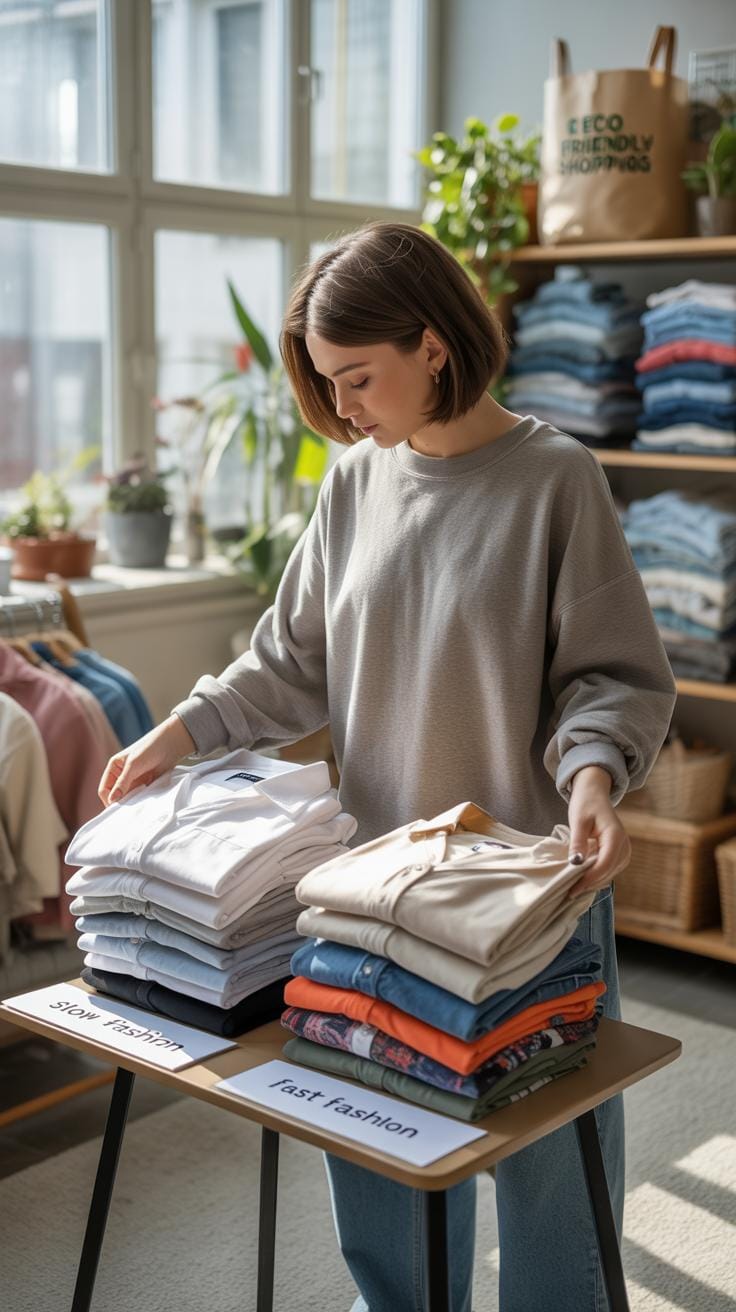
Fast fashion is built on speed and volume. It encourages buying lots of clothes quickly, often at low prices. The idea is to keep up with trends, wear something new, and then discard it soon after. You might find yourself grabbing items impulsively, only to toss them out a few wears later. It’s almost like clothes are treated as disposable.
Slow fashion takes a different path. It asks you to slow down, to pause and really think about what you’re buying. Clothes are made to last longer and be more versatile. Rather than chasing every fad, slow fashion promotes timeless pieces and thoughtful choices. It’s not about owning less for the sake of owning less but about owning better, more durable items.
Fast fashion leads to more waste. Because the materials and production processes focus on speed, the quality suffers. Clothes break down faster, encouraging more frequent replacements. This cycle adds up—millions of tons of textile waste end up in landfills every year. Plus, fast fashion heavily pollutes water and soil with chemicals from factories.
Slow fashion, on the other hand, cuts down on this loop. When you buy less often and choose sturdier clothes, you create less waste. It also tends to use fewer resources, like water and energy, since the focus is on quality, not quantity. You might pay more upfront, but the clothes serve you longer, meaning fewer purchases over time and less environmental impact.
So think about your closet: Do you want it filled with fleeting trends or lasting wear? Choosing slow fashion means making decisions that ripple beyond your wardrobe, into the bigger picture of waste and pollution.
How to Choose Zero Waste Clothes

Finding zero waste clothes isn’t as simple as walking into a store and picking something off the rack. You’ll want to start by paying attention to brands that use zero waste patterns—those cleverly designed to minimize or eliminate fabric scraps. Sometimes brands mention this on their websites or product descriptions. It’s a bit of a treasure hunt, honestly. Brands working with recycled materials deserve your attention too, as they give old textiles a new life rather than relying on fresh resources.
When you check labels or browse brand sites, look for keywords like “recycled fibers,” “upcycled,” or “zero waste manufacturing.” Some labels list the percentage of recycled content in the fabric. It can feel a little technical, but over time, you begin to recognize which terms matter.
Buying secondhand is another practical way to bring zero waste into your closet. It’s not just about vintage charm or price savings. Secondhand shopping sidesteps the need to produce new clothes, cutting down on textile waste. Plus, many thrifted items come from past seasons where natural wear shows less—meaning you get quality pieces with a story. You might find brands previously committed to zero waste patterns worn in real life, which sort of completes their cycle.
Ways to Reduce Your Closet Waste

How often do you find yourself with clothes you barely wear or that have minor damages you just never get around to fixing? Buying only what you truly need can be tougher than it sounds, but it’s one of the simplest ways to keep waste down. Try asking yourself before each purchase: Do I really need this? Will I wear it often? Sometimes, waiting a few days before buying helps—an impulse fades, and better decisions come through.
Repairing and upcycling clothes might seem old-fashioned, but it can make a big difference. Fixing a small tear or replacing a zipper stretches the life of your clothes. Plus, altering pieces into something fresh and new—like turning a worn-out shirt into a tote bag—means no new fabric is required. It’s a little effort that keeps garments from the landfill.
Then there’s donating or selling—options many skip out on. Giving away clothes can support local charities or thrift shops, which helps the community and extends the life of your items. Selling, whether online or at a garage sale, not only reduces waste but also might put some cash back in your pocket. Either way, tossing clothes should be the last choice; this step often gets overlooked but it’s really part of zero waste fashion.
What’s stopping you from trying to repair that jacket or finding a new home for an old sweater? Your closet could be less cluttered—and waste could be way less—if every piece had a second chance.
Benefits for You and Planet

Zero waste fashion isn’t just some abstract ideal—it has real, tangible benefits for both the environment and for you. When less textile waste ends up in landfills, the air and water around us stay cleaner. Think about it: fewer toxic dyes and microplastics leaching into soil and water means healthier ecosystems that, in turn, affect our own wellbeing.
From a personal standpoint, choosing zero waste fashion can actually save you money. Fewer impulse buys and a focus on well-made, lasting pieces mean you spend less overall. Also, your closet gets easier to manage—no more overflowing piles or “I forgot I had this” moments. Instead, you end up with a wardrobe full of clothes that you truly value and wear often.
Reducing waste also means less clutter, freeing up space in your home. That’s something anyone can appreciate—less mess, less stress. And maybe that’s why switching to zero waste fashion feels less like a chore and more like clearing mental space too.
Environmental Impact
The impact of zero waste fashion on the environment is more than just about less trash. Producing less textile waste reduces the need for raw materials like water, cotton, and synthetic fibers. This means less energy use and fewer pollutants released during manufacturing.
Landfill waste from old clothes breaks down slowly and often releases methane, a potent greenhouse gas. So, keeping textiles out of landfills helps lower overall pollution levels. You might not think about it at first, but each item you reuse or donate helps chip away at this huge problem.
Personal Advantages
On a personal level, zero waste fashion offers unexpected perks. When you invest in quality, you often find the clothes last longer—saving you money over time. Plus, repairing or repurposing clothes gives a sense of accomplishment; it turns fashion into something meaningful rather than just a quick trend.
With fewer but better items, your closet feels more organized. There’s less decision fatigue when picking outfits, and it’s easier to establish a style that reflects who you really are. You’re less likely to buy something just because it’s cheap or trendy, which often leads to regret later.
So, zero waste fashion isn’t just good for the planet—it can make your life simpler, less wasteful, and maybe even a bit happier. Have you noticed how a decluttered closet can lift your mood? It’s that kind of small, positive change that adds up over time.
Taking Action for Zero Waste

Getting started with zero waste fashion might feel a bit overwhelming, but really, small steps count more than you think. Maybe begin by learning a bit about the materials in your clothes—checking labels can tell you what they’re made of and if they’re easy to recycle or repair. It’s not just about what you buy but how you care for what you already own. You might find that mending a favorite shirt is not as tricky or time-consuming as you assumed. I think sometimes we underestimate the value of simply buying less.
Supporting sustainable brands can help too, but that doesn’t mean rushing out to buy new items right away. Instead, try to notice the brands that advertise transparent sourcing or use eco-friendly materials. Even if you don’t switch immediately, being more aware can influence your choices down the line.
Simple Steps to Start
Here are a few easy changes you can try right now:
- Check clothing labels for fabric type and care instructions before purchasing or washing.
- Repair small tears or loose buttons yourself—there are plenty of tutorials online.
- Buy fewer, better-quality pieces that last longer or can be easily altered.
- Prioritize secondhand shopping or clothes swaps with friends to refresh your closet without waste.
- Store clothes properly to avoid damage and extend their life.
Some of these might feel like minor things, but together they add up. And honestly, once you start, it’s a bit satisfying to know you’re creating less waste without drastically changing how you dress.
Joining Communities
It helps a lot to link up with others who care about reducing textile waste. Online forums, social media groups, or local zero waste meetups can offer advice, encouragement, or even practical swaps. When I found a small online group focused on zero waste fashion, I realized I wasn’t alone in struggling to change habits. People share tips for easy mending, where to find sustainable brands, or even how to repurpose old clothes into something new.
If you’re unsure where to begin, searching for hashtags or visiting forums like Reddit’s sustainability threads can be useful. It might sound a bit odd to seek out specialists for what feels like a personal choice, but being part of a community can keep motivation steady—and keep the ideas flowing.
Conclusions
Zero waste fashion offers a way to keep clothing waste low and protect the environment. By choosing clothes made with zero waste methods or buying less and using clothes longer, you can help cut down textile waste. Your choices encourage better ways to make clothes that don’t leave scraps behind. This helps reduce pollution and landfill space.
Thinking about your clothing habits and choosing items carefully benefits you and the earth. Adopting some zero waste fashion ideas is practical and easy for anyone. You can keep your closet tidy and reduce waste that harms nature. Small actions in fashion can create big changes for a cleaner planet.