
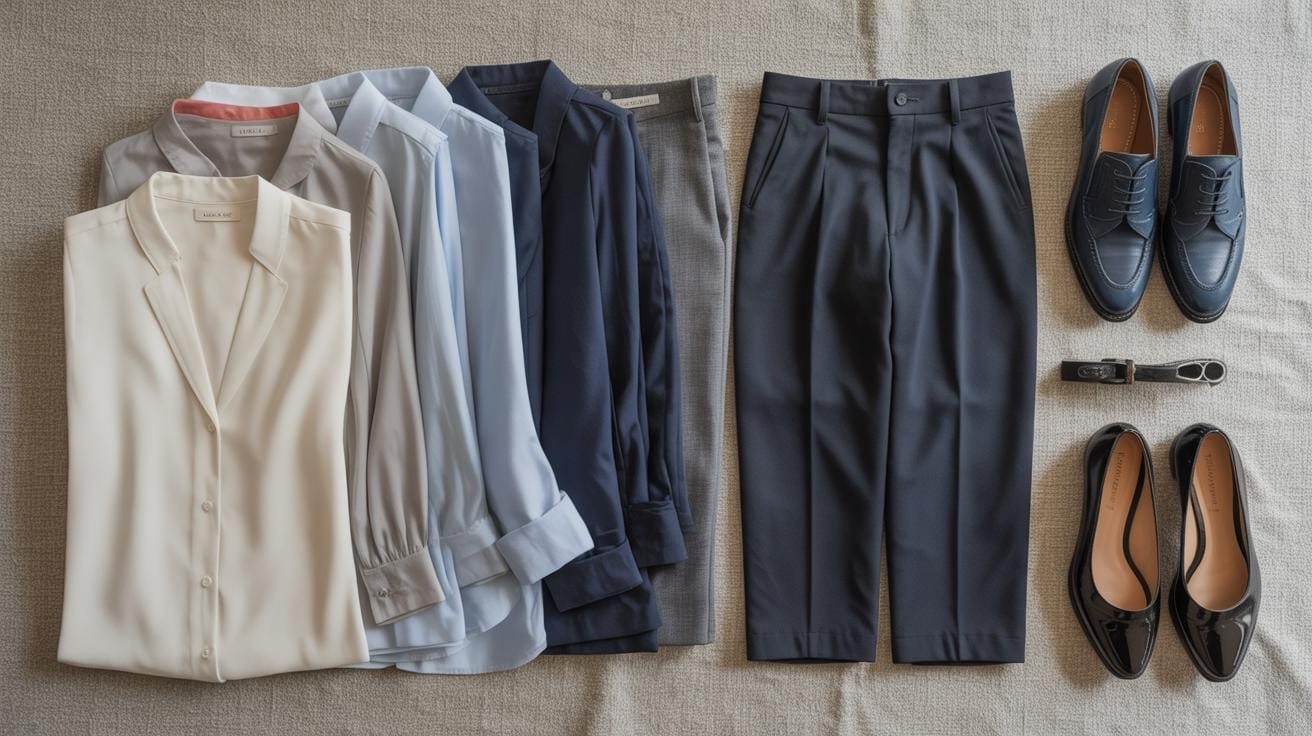
Introduction
Your wardrobe shapes your daily style and confidence. To simplify dressing and boost wellness, focus on a set of core garments that serve multiple occasions. Wardrobe essentials help you look polished without fuss. This guide on Wardrobe Essentials for Women A Checklist to Elevate Style and Wellness walks you through smart choices for lasting impact.
The article breaks down why some basics matter, how to pick the right pieces, and how to maintain your collection. With careful selection, your closet costs less and works harder for you, making your mornings easier and your styles sharper. Let’s start building your foundational wardrobe with purpose and ease.
Identify Your Core Clothing Items
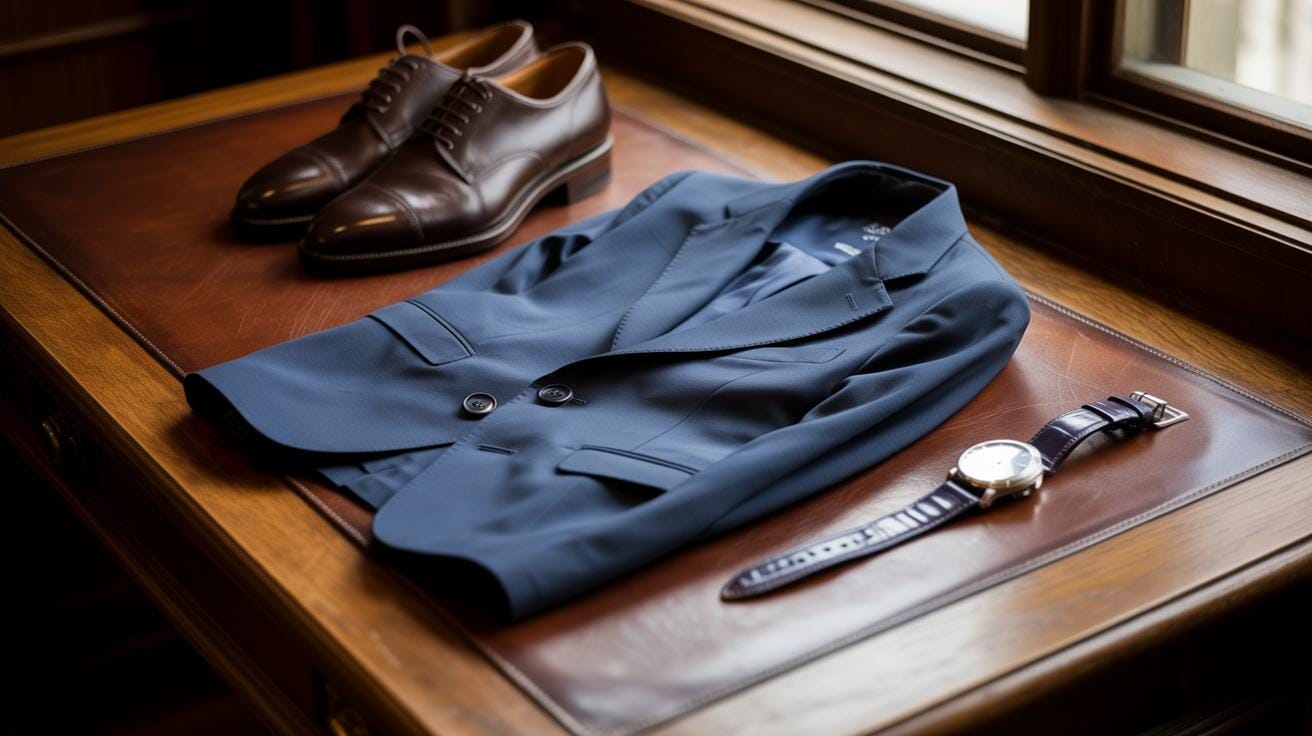
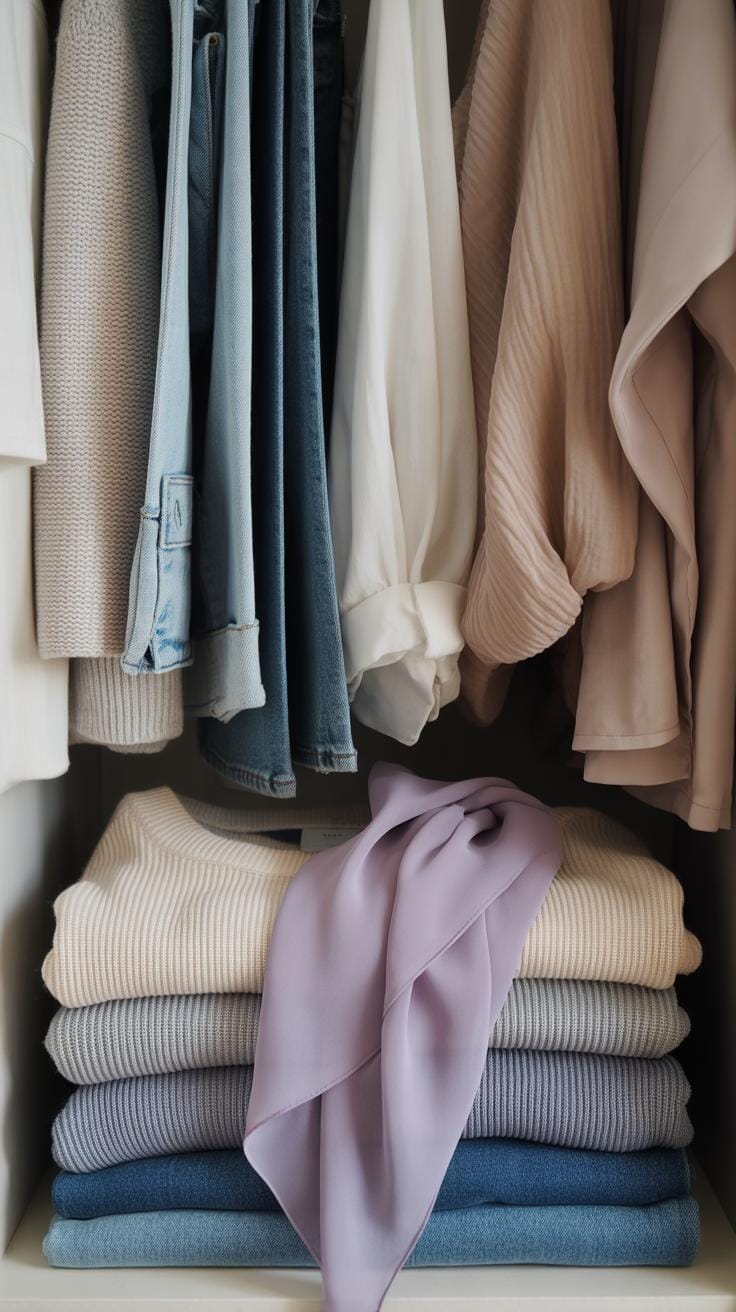
Your core wardrobe items are the backbone of your daily outfits. These include classic tops such as crisp button-down shirts or simple crew-neck tees, tailored trousers that fit well, dresses with clean lines, and outerwear like trench coats or structured blazers. Think of these pieces as a neutral canvas—you want them to blend seamlessly with everything else you own.
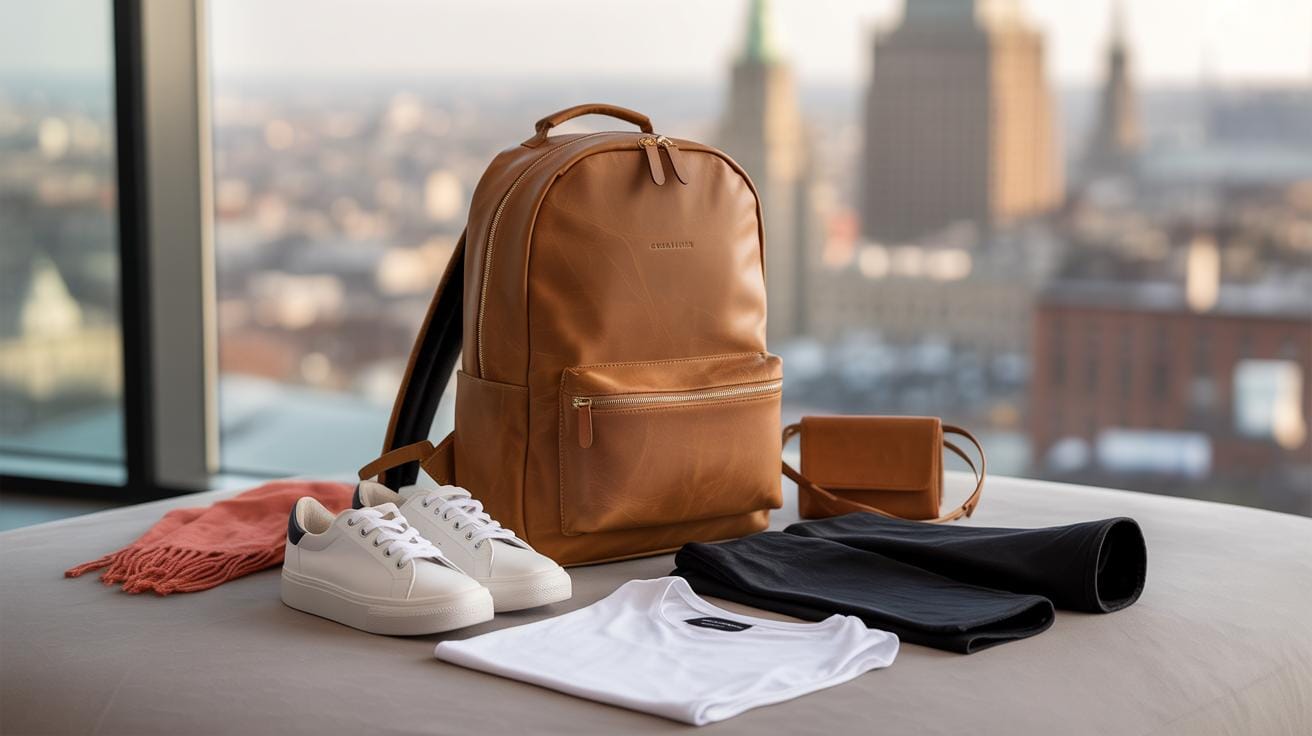
When choosing colors, sticking to basics like white, black, navy, gray, and beige usually works best because they’re easy to mix and match. Cuts matter too. For example, a straight-leg trouser tends to pair well with different tops, and a dress with a modest neckline often suits multiple occasions. You might hesitate on what “classic” means exactly, but it’s about finding shapes and colors that don’t disappear in your closet after a season.
The idea is to avoid overly trendy or fussy details that limit how you wear those items. Experiment a little until you find the cuts that feel comfortable and look right on you, but keep your core simple. Does that sound too cautious? Maybe. But this foundation will make creating outfits easier, even on rushed mornings.
Essentials Every Woman Should Own
Some pieces almost everyone benefits from having. For example:
- White Shirt: A clean, well-fitting white button-up can work for casual or more dressy moments. You’ll be surprised how often you reach for it.
- Black Trousers: These aren’t just for work. A slim or straight cut black pant can move between day and evening without fuss.
- Denim Jeans: Choose a dark wash if possible. It’s more versatile and looks smarter while still offering comfort.
- A Versatile Jacket: A tailored blazer or a classic leather jacket can change an outfit’s vibe instantly.
- The Little Black Dress: Yes, it’s a cliché for a reason. Pick one in a shape and length you feel good in, and it’ll serve you repeatedly.
These are practical choices, not just for show. They can blend effortlessly with everything else and save you from “nothing to wear” moments.
Selecting Wardrobe Staples by Occasion
Choosing your basics also depends on your typical days. Consider what you actually do. For work, prioritize structured pieces like blazers, neat trousers, and skirts that feel professional but not stiff. Casual outings call for comfy, easy layers: think soft tees, denims, cardigans. And for formal events—well, that’s where the little black dress or a tailored suit really shine.
It’s tempting to pick items that look great only for one occasion, but multi-use pieces tend to work better overall. For example, a blazer can top off office wear but also fit seamlessly over jeans for dinner out. You might hesitate about investing in something that feels “too much” for your life, but having a few versatile staples can surprise you with how often you find ways to wear them.
So, try to prioritize items that cross occasion lines rather than build a closet full of one-off pieces. Even if that means compromising a bit on something ultra-specific, you’ll likely get more mileage and less wardrobe stress.
Assess Your Current Wardrobe

Take a moment to really look through what you own. Does each piece still feel like “you,” or is it just taking up space? When you pull something out, ask: does it fit well, or has my shape—maybe my style—changed since I got it? Sometimes clothes sit unused because they no longer feel right, even if they’re pretty. Then, there are those items you haven’t worn in a while—maybe six months, maybe a year. If you can’t remember the last time you wore it, that’s worth considering.
Think about condition too. A top with a small stain or a jumper with a loose thread—you might keep that if it pairs easily with key pieces. But if it’s worn out in spots that matter, it probably won’t elevate your look or feel comfortable. It’s tricky, right? Sometimes you want to hold onto clothing “just in case,” but keeping only what fits your essentials list makes getting dressed quicker and less stressful.
Checklist to Sort Your Clothes
Try these questions as you sift through your wardrobe:
- Does it fit me well now?
- Have I worn it in the last six months?
- Is it in decent enough condition to keep?
- Can I easily pair it with other essentials I own?
- Does it still represent my current style and lifestyle?
Answering these honestly can unravel what’s serving you and what’s just clutter.
Deciding What to Remove or Keep
When deciding, think practicality first. Items that don’t fit or you never reach for might belong in donation boxes rather than your drawers. Alterations can save a favorite piece, but only if it’s worth the effort—and won’t sit unused after. Sometimes, letting go feels tough, but think about the relief of a lighter wardrobe.
To manage excess, sort into piles: keep, donate, alter, or recycle. Setting a deadline to act on these piles helps avoid never-ending clutter. I’ve found tackling this in small chunks—like one drawer or category at a time—keeps the task manageable. Over time, you might find you prefer fewer options that truly work for you instead of endless choices that don’t.
Choose HighQuality and Comfortable Fabrics
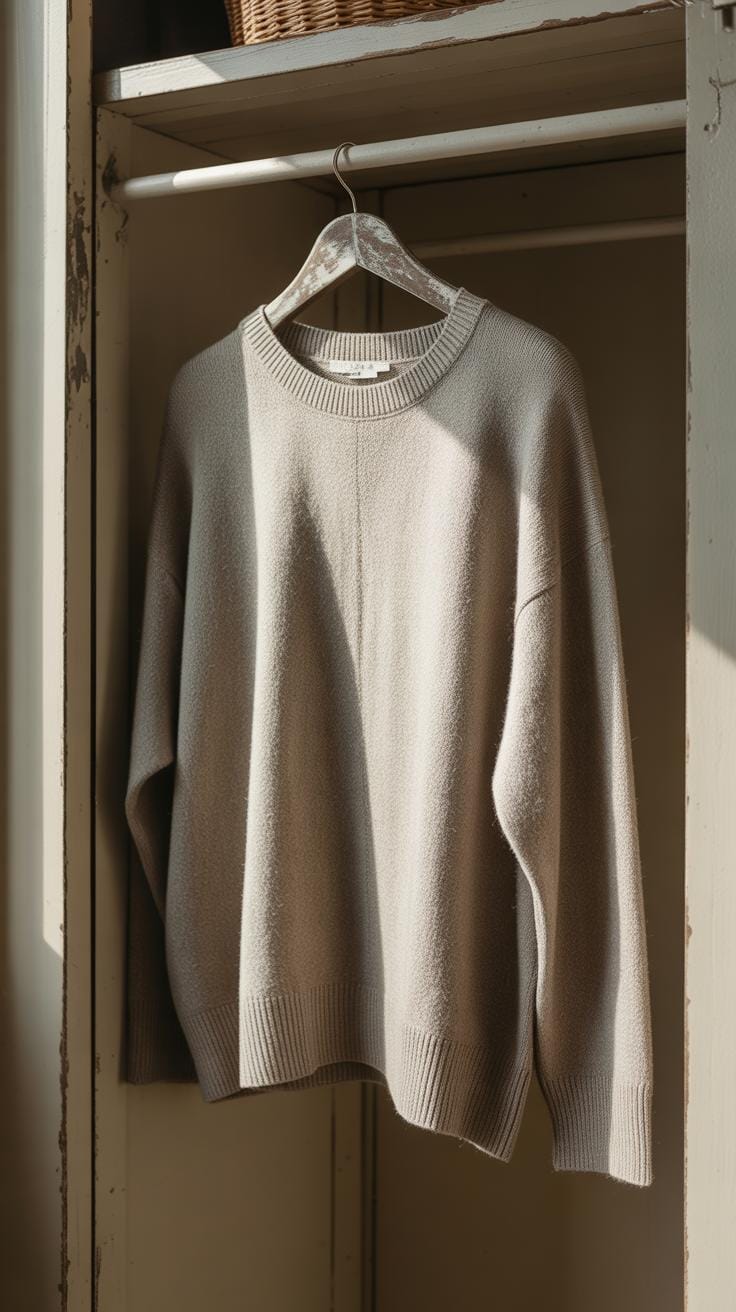
When building a wardrobe that lasts, fabric quality isn’t just a nice-to-have—it actually makes a difference in how your clothes feel and endure over time. I mean, you might invest in a classic shirt, but if it’s made from poor material, you’ll probably deal with pilling or fading way sooner than expected. It’s tricky sometimes because high-quality fabrics can feel pricey upfront, but they repay you with durability and comfort.
Some go-to fabrics that work across seasons include:
- Cotton: Breathable and soft. Ideal for warmer weather but versatile enough in blends for year-round wear.
- Wool: Great for cooler months. It insulates well but can also breathe, so you won’t feel overheated.
- Blends: Cotton-polyester mixes, for example, often hold their shape and resist wrinkles, balancing comfort and resilience.
For everyday stuff, fabrics that remain pretty intact after multiple washes and daily wear are crucial. Cotton and linen tend to keep their look without turning see-through—or worse, shrinking beyond recognition. Wool feels like a luxury but also handles seasons in a way that synthetics rarely manage.
You might not realize just how much fabric affects how you feel in your clothes. Some materials trap heat, making you uncomfortable, while others let air flow and cool your skin naturally. Choosing the right fabric can boost confidence simply because you don’t have to fuss over feeling itchy or sweaty. It’s a subtle thing, but it changes how you carry yourself.
Think about where you live or where you’ll wear the clothes most often. If it’s a hot and humid place, leaning into light cotton or linen can keep you fresh. But if chillier months dominate, wool or heavier blends could be better. Also, consider what you’ll be doing—active days might call for breathable fabrics, while office environments may favor a more polished, wrinkle-resistant choice.
Sometimes, I find that mixing natural fibers with just a bit of synthetic helps—like cotton with elastane—for flexibility and shape, without losing that authentic feel. It doesn’t have to be all or nothing, and perhaps experimenting can lead you to surprising favorites that fit both your style and comfort needs.
Mix and Match Your Essentials
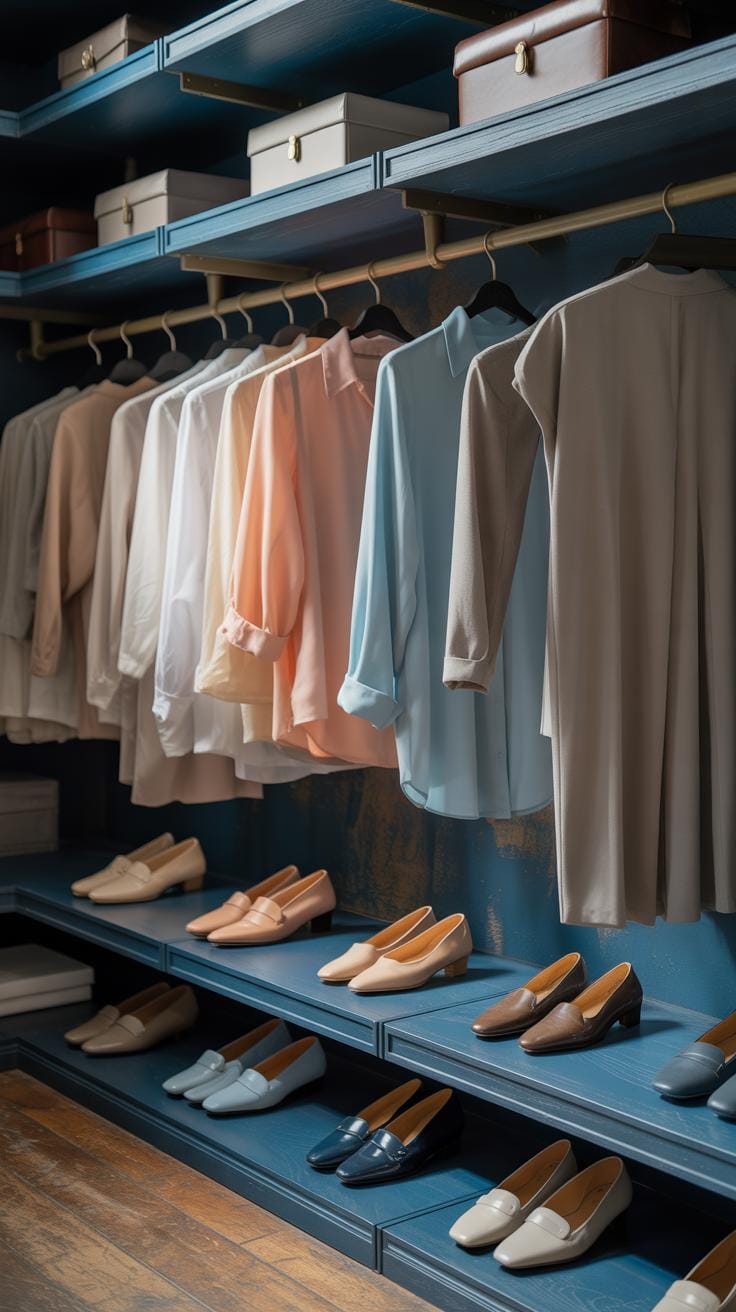
Putting together outfits from basic pieces can feel surprisingly freeing once you get the hang of it. Think of a classic white blouse. Pair it with jeans for a casual day. Add a blazer, and suddenly it suits a business casual setting. Throw on ankle boots or loafers to shift the vibe further. You might think white and blue is too expected, but it really works because the contrast is clean and simple.
Layering opens even more doors. A fitted turtleneck under a sleeveless dress transforms it for colder days, while adding a leather jacket on top can take it from soft to edgy. Accessories pull it together — a structured bag can make a relaxed look appear more polished, while scarves or statement jewelry add personality without overcomplicating things.
When mixing colors and textures, stick to a palette that feels natural but playful enough to explore — like navy, cream, and muted earth tones. Pairing a rough knit with smooth cotton or light denim with suede adds subtle interest and depth. Don’t worry too much about strict matching; sometimes, the small contrasts bring a bit of life. Layering fabrics in similar tones but different textures can help you feel put-together yet comfortable.
Here are some outfit ideas to consider:
- Dark jeans, a soft chambray shirt, with a camel cardigan and neutral flats.
- A black sheath dress paired with a cropped denim jacket and ankle boots for casual Fridays.
- A silk blouse tucked into tailored pants layered with a lightweight trench, accessorized by a bold belt.
- A simple cotton tee under a longline blazer paired with sneakers — not quite sporty, not fully polished.
Does mixing pieces ever feel repetitive? I think that’s where accessories and subtle changes in layering come in. Different scarves, belts, or even rolling up sleeves can shift an outfit’s tone without needing all new clothes. Experiment with textures and colors thoughtfully — it might seem small, but it’s where a functional wardrobe starts to feel like your own. Would you try layering a sweater over a dress, or are you more comfortable with classic pairings?
Maintenance and Care of Essentials
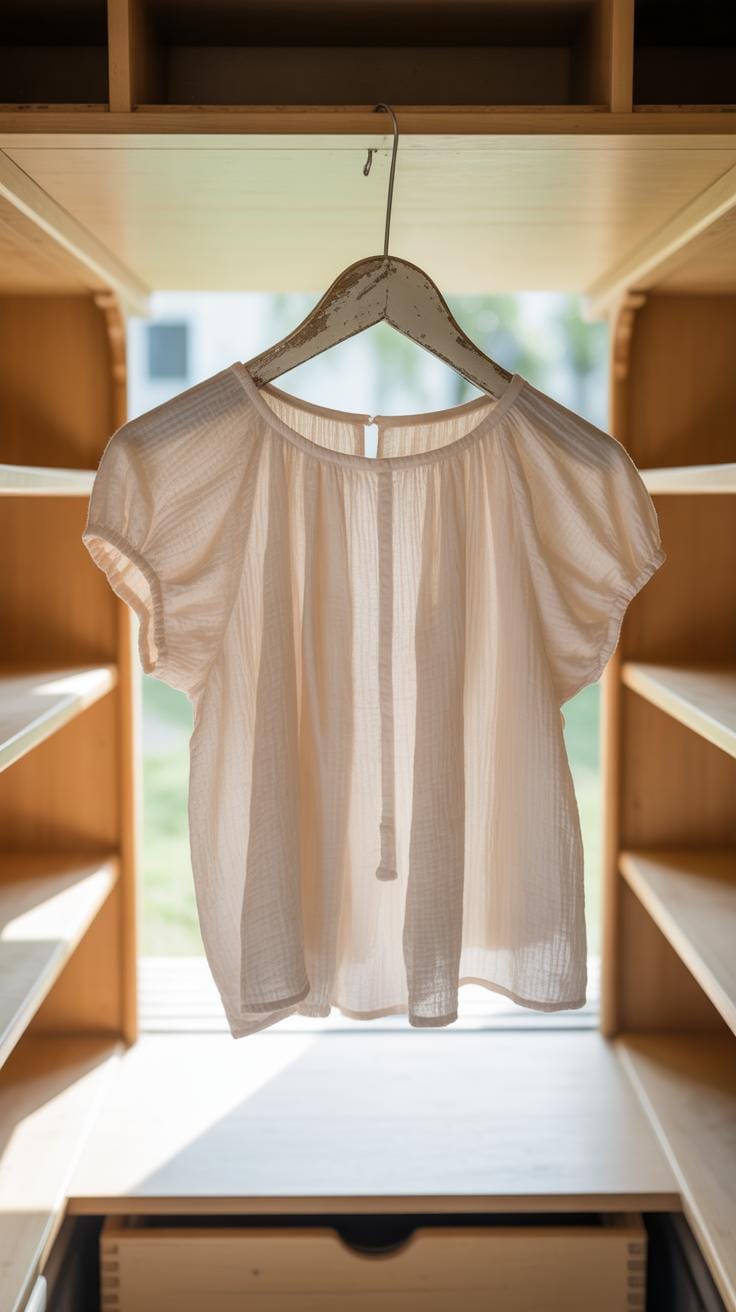
Taking care of your wardrobe essentials isn’t just about keeping them clean. It’s actually the key to making them last longer and stay looking fresh. When you treat your clothes gently, they hold their shape and color much better. For example, washing a silk blouse in cold water on a delicate cycle can prevent shrinking and fading, even if you might be tempted to just throw it in with everything else.
Storage matters quite a bit too. Hanging sweaters might stretch them out, so folding is usually smarter. But, lighter fabrics like blouses or dresses do well on padded hangers to avoid shoulder bumps. You could even use garment bags for seasonal pieces to protect them from dust.
Simple repairs are surprisingly easy and well worth the effort. Sewing on a lost button or fixing a small tear can save a favorite piece from ending up tossed out. I remember once I fixed a hem on an important skirt instead of replacing it, and honestly, it felt good saving that money and keeping something familiar.
Don’t hesitate to spend a little time patching things up—it’s practical and kind to both your wallet and the planet. Have you ever thought about how many garments get discarded because tiny fixes were ignored? Maybe giving these essentials a chance to last might change the way you see that worn-out top or stretched-out pair of pants.
Seasonal Updates to Enhance Your Wardrobe
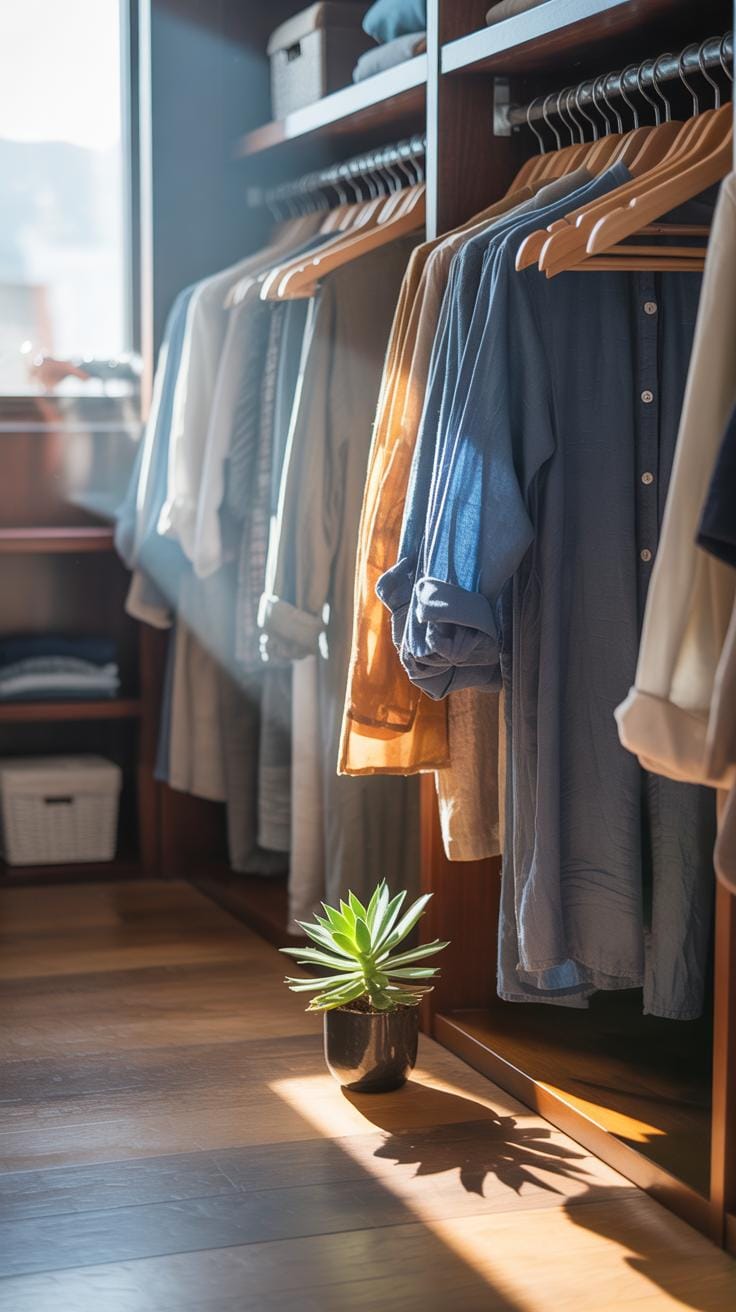
Refreshing your wardrobe for the seasons doesn’t mean overhauling everything. Think of it like nudging your basics into a new mood. Maybe your go-to white tee stays, but swap out heavy jeans for lighter chinos or add a cozy layer instead of buying new tops. You want to add just a few elements, not stuff your closet with things you’ll wear a handful of times.
Adding Pieces for Weather Changes
Weather shifts can throw a wrench into your outfit plans, but layering smartly helps without losing your core style. For colder months, a warm scarf or a tailored coat can work wonders without crowding your clothes. When it’s hot, a simple tank top or linen shirt layered under your staple jacket keeps you comfortable.
Here are some ideas you might consider:
- A lightweight trench for rainy spring days.
- Chunky knit scarves in muted colors to mix with neutrals.
- Breathable midi dresses that pair easily with cardigans when it gets chillier.
- Tank tops in neutral shades to layer with blazers or shirts.
You don’t have to abandon your essentials. The key is picking pieces that help you navigate temperature swings effortlessly.
Using Accessories to Transform Looks
Accessories are the secret weapon when you don’t want (or need) new clothes. I often find that a bold belt or a statement necklace suddenly changes how I feel about a tired outfit. It’s like giving your wardrobe a quick refresh without the hassle of shopping.
Think about these simple additions:
- Chunky necklaces or stacked bracelets to brighten neutral tops.
- A sleek belt to cinch oversized shirts or dresses.
- Scarves not just for warmth, but as color pops or pattern breaks.
- Minimalist leather bags or structured hats to add polish.
Small details offer more versatility than you might expect. Maybe you don’t need a new jacket but a new brooch or silk scarf can feel just as fresh. And sometimes, that’s enough.
Common Mistakes in Building Essentials
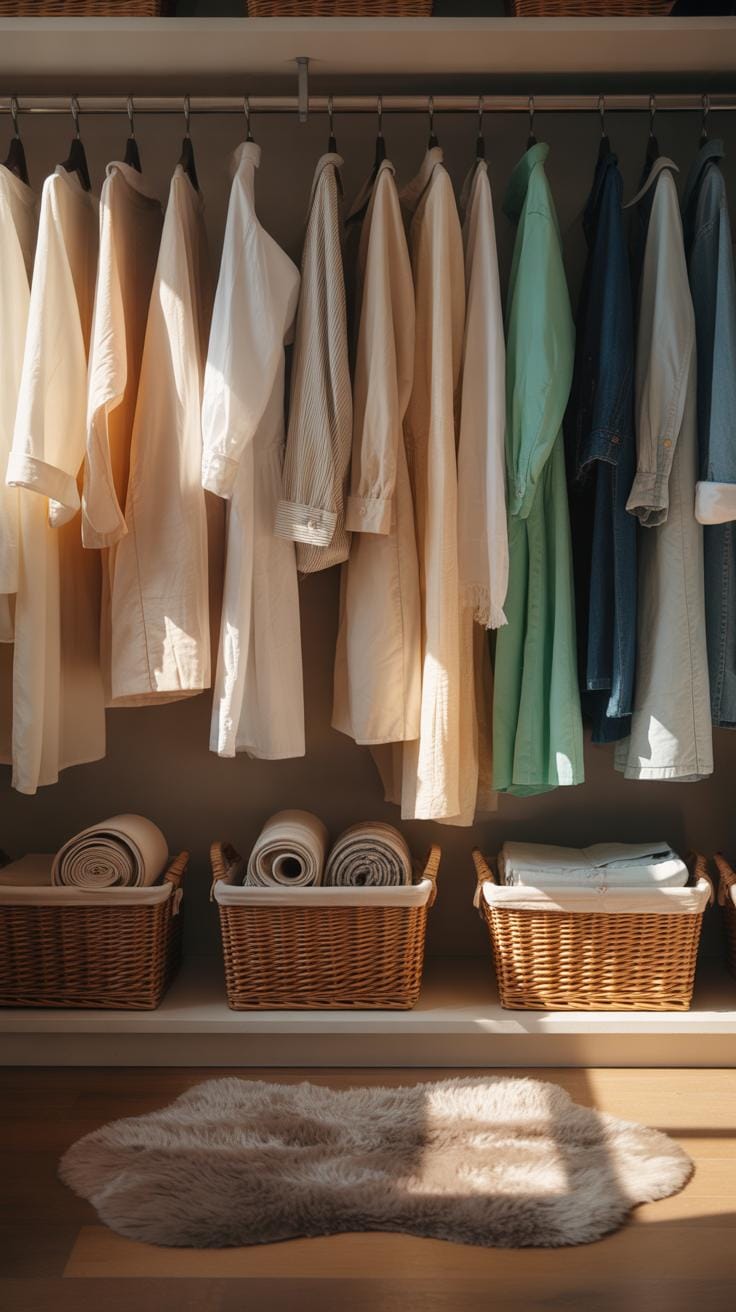
When it comes to building a wardrobe, many people fall into a few predictable traps that end up costing time, money, and sanity. One big mistake is buying clothes without any real plan. You know the type—picking up a shirt here, a pair of pants there, simply because they look nice or are on sale. But when you do that, your wardrobe starts to feel more like a collection of random pieces rather than a cohesive set. The result? Clutter, frustration, and outfits that never quite come together.
Instead, try approaching your wardrobe with a simple checklist or theme in mind. Think about what you actually wear, what fits your lifestyle, and what can mix and match easily. Planning purchases carefully can seem slow at first, but it saves your wallet and keeps your closet manageable.
Another very common mistake is ignoring fit and comfort. Sometimes, people hold on to items just because they look good on the hanger or in a mirror snapshot—even if they feel tight, scratchy, or stiff. I’ve been guilty of this myself, buying something because it was “cute” but avoiding wearing it because it didn’t really suit my body shape or was uncomfortable for a full day.
Trying things on before buying isn’t an optional step. It’s essential. Comfort should come first, maybe even before style. If you don’t feel good wearing a piece, it won’t boost your confidence or your look. You might end up shoving it to the back of the closet, and that’s just wasting money.
To avoid these mistakes, keep a clear idea of what you need and focus on clothes that fit well and feel good to wear. Why collect stuff that just sits there? Instead, aim for fewer but smarter choices.
Evaluate Your Wardrobe Growth Over Time
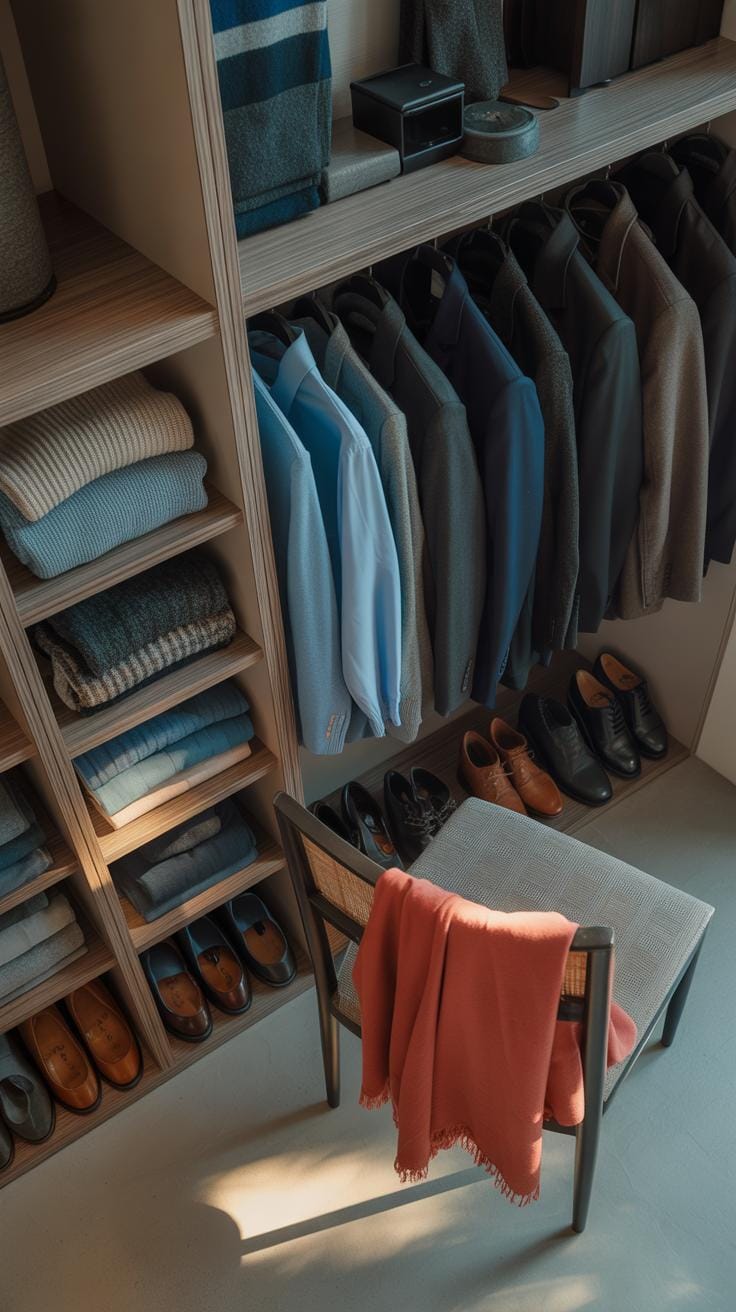
Taking stock of your wardrobe every few months can feel a bit tedious, but it’s a useful exercise to keep your style and daily needs aligned. Ask yourself: Is what I own still fitting my life? Are the clothes I reach for daily comfortable and practical? Sometimes the answer is yes, but other times your priorities have shifted without you realizing it.
Think about your recent routines. Have your work-from-home days increased, requiring softer fabrics and more relaxed fits? Or maybe social events are back, nudging you toward sharper pieces. Try questions like these:
- Which clothes do I avoid, and why?
- Do I own duplicates that serve the same purpose?
- Am I satisfied with the balance between style and comfort?
Based on your reflections, tweak your wardrobe in small ways. Swap a heavy jacket for something lighter, or introduce a fresh color to brighten up a neutral palette. These adjustments keep things relevant without stripping your core.
When to Refresh or Replace Pieces
Noticing wear and tear is obvious, yet deciding when to retire a piece isn’t always straightforward. If a favorite top has frayed edges but still fits well and feels good, consider repairing it rather than tossing it out right away. Style-wise, if something hasn’t sparked joy or matched your vibe in several seasons, it might be time to let it go.
The key is balancing upkeep with allowing your style to breathe. Keep foundational items—your trusty jeans, classic blazers—but don’t hesitate to swap out dated cuts or fabrics that no longer suit your taste or climate. The challenge is to update without overhauling, keeping your essentials intact while embracing subtle shifts.
Setting Goals for Wardrobe Improvement
Setting goals gives your wardrobe clarity and a bit of purpose. Perhaps aim to add two pieces this year made from more sustainable fabrics. Or, try reducing your total items by ten to avoid crowding and create more outfit flexibility.
Goals could include:
- Introducing one versatile layer each season
- Donating items you haven’t worn in a year
- Experimenting with new colors or textures carefully
Small, manageable targets help you stay organized and thoughtful without feeling overwhelmed. The wardrobe evolves with you; it’s less about perfection and more about practical progress. I sometimes find reminding myself of this stops me from being too hard on what’s missing or what’s worn out.
Conclusions
Building a wardrobe around essential pieces saves time and money. You gain reliable outfits for work, social events, and relaxation. Select each item for quality, fit, and versatility so your closet supports your lifestyle goals. Consistency in your choices means less clutter, more confidence, and practical style.
Keep your essentials fresh by mixing in seasonal updates and caring well for your clothes. Your wardrobe then stays adaptable without impulse buys. This guided checklist puts control in your hands, creating a comfortable and stylish wardrobe foundation that suits your needs and wellbeing.