
Introduction
Upcycled denim turns old jeans and jackets into fresh, fashionable items for your wardrobe. It mixes style with care for the environment. By using upcycled denim, you reduce waste and get unique clothing.
This article covers why upcycled denim matters, how to style it, and practical tips for keeping it looking great. Read on to find ideas for making your wardrobe stylish and eco-friendly with upcycled denim.
What is Upcycled Denim
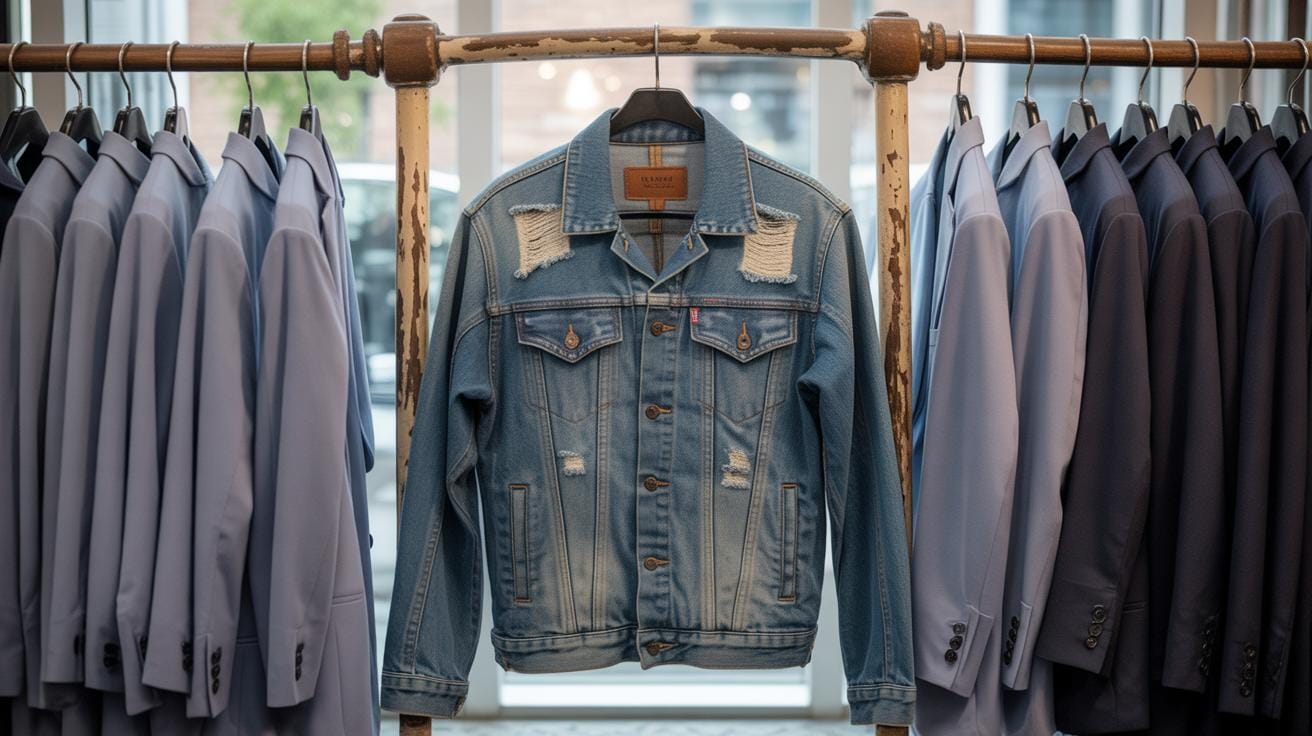

Upcycled denim means taking old denim fabric or clothing and turning it into something new, without breaking it down too much. Upcycling is a way to reuse materials by giving them a second life in a different form. When it comes to denim, this could mean transforming worn-out jeans into a fresh jacket, or cutting apart an old shirt to create a sturdy bag.
Common upcycled denim items include:
- Jeans altered with patches or new details
- Jackets redesigned with added features or fabric mixes
- Bags made from denim scraps or entire old jeans
The beauty of upcycling is that it keeps the character of the original denim. You might notice fading, texture changes, or wear marks that no new fabric can replicate. It’s part of what makes these items unique.
Difference Between Upcycled and Recycled Denim
People often mix up upcycled and recycled denim, but they’re quite different. Upcycling, as mentioned, keeps the fabric more or less intact. It’s more like refashioning or reusing fabric with minimal changes. In contrast, recycling denim means breaking the fabric down to fibers. This fibers-then-made-into-new-fabric process changes the denim completely, often losing the original texture and strength.
Think of it this way: upcycling preserves the original look and feel—like giving your favorite jeans a makeover. Recycling is more like grinding those jeans into raw material to build something new, maybe even a different type of garment or textile.
Common Sources for Upcycled Denim Items
If you want to try upcycling yourself, good denim can come from surprising places. Thrift stores often have denim items in various conditions, giving plenty of room for creativity. Old clothes you or someone you know no longer wears can work well, especially if they still have sturdy parts. Sometimes, discarded workwear or fabric scraps from factories end up available too.
Here are some quick tips when hunting for denim to upcycle:
- Look for durable fabric rather than super worn-out pieces—small tears are okay if you plan on patching.
- Check the weight of the denim—heavier denim works well for bags and jackets.
- Consider color and style that fit your project, but don’t shy away from faded or vintage washes—they add character.
Sometimes a slightly imperfect piece can become your best upcycled item. Finding that hidden gem is part of the fun.
Why Choose Upcycled Denim
Environmental Impact of Upcycled Denim
Choosing upcycled denim makes a real difference for the planet. Producing new denim is shockingly resource-heavy: it can take up to 7,000 liters of water to make just one pair of jeans. That’s about the amount you might drink in years. When you wear upcycled denim, you’re skipping that entire process. Instead of growing cotton, spinning yarn, and dyeing fabric—all energy-intensive and polluting steps—you’re giving existing materials a second life.
Energy use drops drastically with upcycling. It avoids farming and factory work that burn fossil fuels and often create wastewater. For example, washing old jeans into something new saves nearly 60% of the energy required for new denim. Plus, less dye means fewer chemicals released into rivers. So, your choice actually helps reduce water pollution and greenhouse gases. It’s a quieter but meaningful way to cut your environmental footprint.
How Upcycled Denim Supports Individual Style
On the style front, upcycled denim is refreshing because no one else will have exactly what you wear. Each piece carries hints of its past—faded patches, quirky stitching, unexpected shapes. You can customize further by adding embroidery, patches, or cutting and reshaping. Maybe you like a cropped look or patchwork jackets; the possibilities are endless. I remember seeing someone turn old jeans into a cool denim vest with hand-painted designs—it felt more like art than clothes.
This approach invites you to participate in your fashion. Instead of buying what’s trending in stores, you create something personal. That uniqueness often sparks conversations, making your style a form of expression tied to values and creativity. So when you pick upcycled denim, you’re not just wearing clothes—you’re wearing a story, and maybe encouraging others to think differently about what clothes really mean.
How to Style Upcycled Denim
Casual Looks with Upcycled Denim
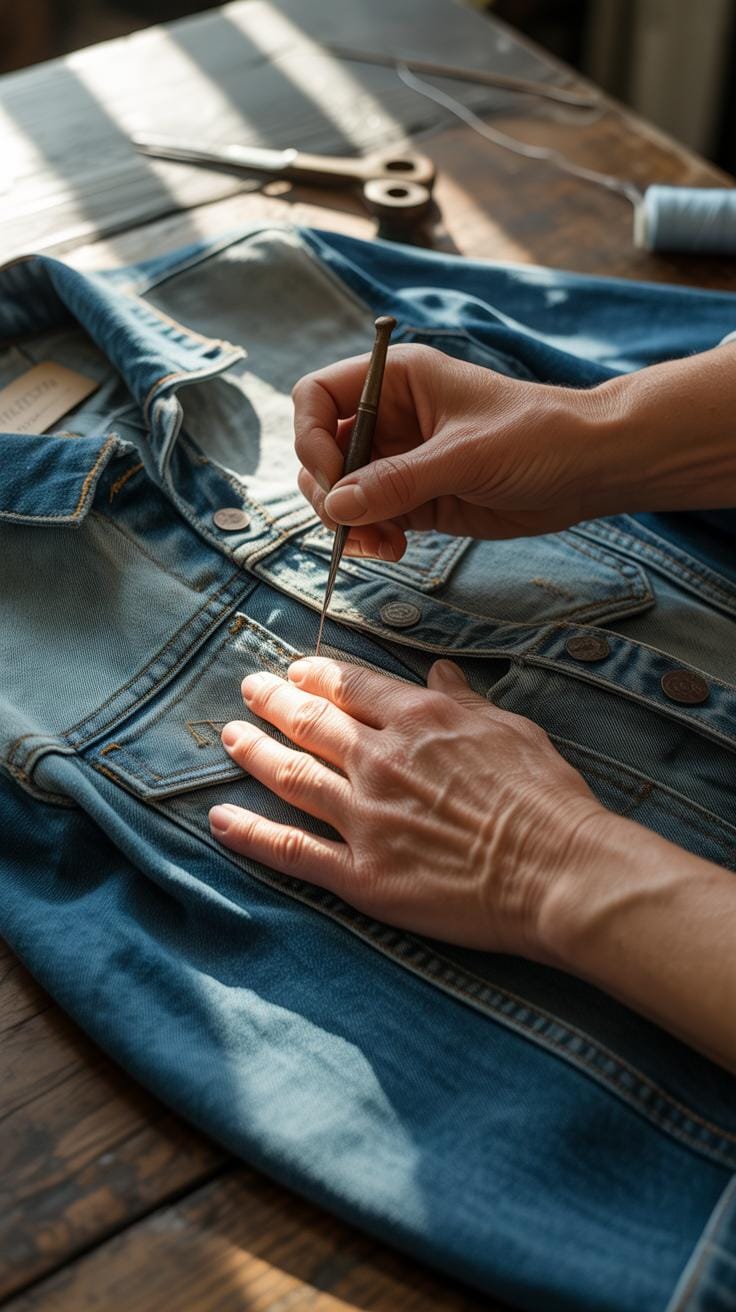
Upcycled denim works great for casual outfits that feel both relaxed and a bit unique. Think about pairing your denim jacket or jeans with soft cotton tees in neutral tones—white, gray, beige. These colors let the character of the denim stand out without overwhelming your look.
Layering can add interest: a lightweight hoodie under a denim jacket, or a loose cardigan thrown over denim shorts. For footwear, simple sneakers or slip-ons do the trick. Accessories like a canvas tote or a minimalist watch keep things easygoing but intentional.
You might find that certain upcycled denim pieces have distinctive patchwork or stitching details that act like subtle highlights. If so, keep the rest of your outfit simple. Sometimes less really is more, especially when the denim itself is the statement.
Upcycled Denim for Active Days
When you’re on the move—walking, biking, running errands—comfort tops the list, but style doesn’t have to fade. Upcycled denim, especially when reworked for flexibility, can surprise you with its durability and breathability.
Look for fitted or stretchened denim pieces that won’t restrict movement. Pair these with moisture-wicking tops or breathable tank shirts. A well-worn pair of denim joggers or capris often balances sturdiness with airiness better than you might expect.
Shoes matter a lot here. Choose supportive sneakers to avoid foot discomfort, and maybe throw on a lightweight windbreaker if the weather demands. Upcycled denim can serve as your rugged baseline piece that handles the occasional scratch or spill without fuss.
It’s interesting how this blend of function and fashion becomes a sort of uniform for active days, making you ask yourself—why not use what you already have more thoughtfully?
Steps to Create Upcycled Denim Clothes

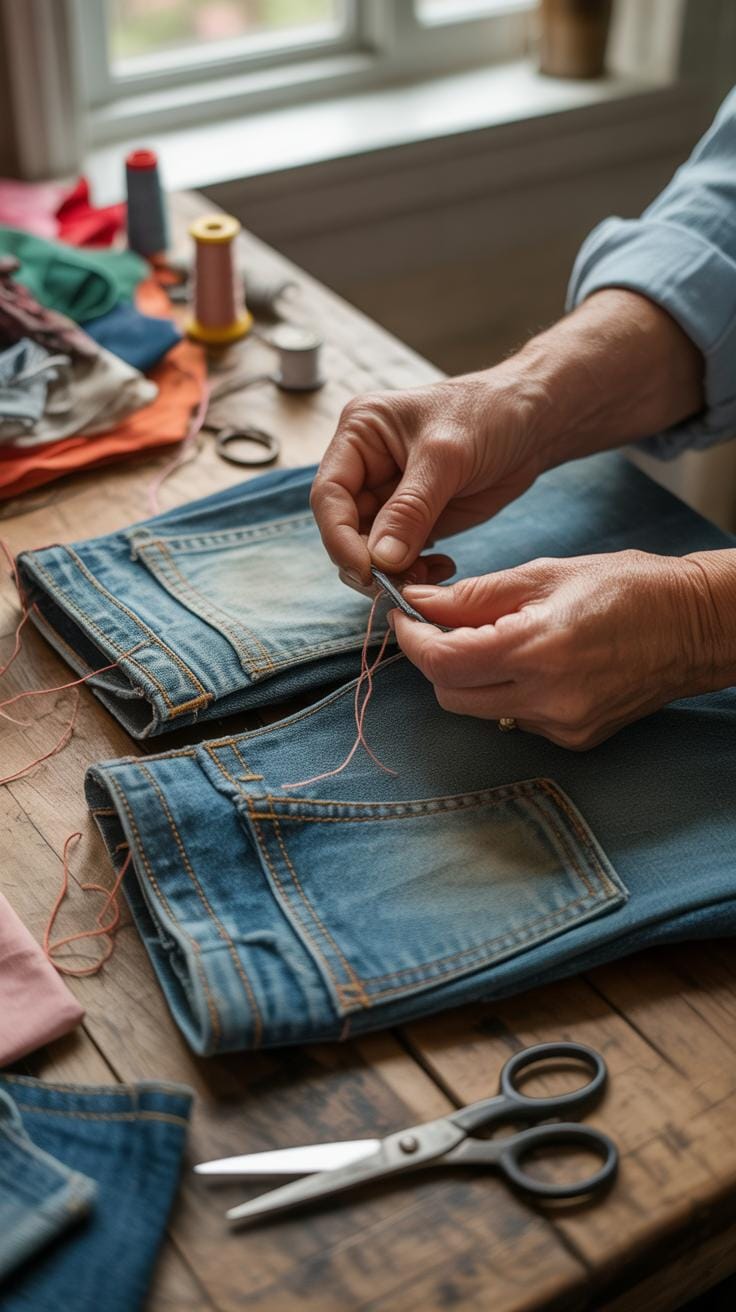
Starting with old denim might feel a bit daunting, but it’s surprisingly straightforward once you get going. First, give your denim a good wash to remove any dirt or odors. You want a clean canvas before cutting into your fabric. After it’s dry, lay it flat and decide what you want to make—shorts, a skirt, or maybe a bag.
Cutting comes next. Use sharp fabric scissors for clean edges; dull ones can fray the fabric more than you’d like. Take your time here since uneven cuts can make sewing tricky. When you sew, you might begin with simple straight stitches. If you don’t have a machine, hand stitching works, though it takes longer.
Adding new details brings your piece to life. Patches are popular and forgiving. You can sew or iron them on. Think about pockets, decorative stitches, or even fabric paint if you want to personalize further. It’s okay if it’s not perfect—that’s part of the charm of upcycled denim.
Tools and Materials Needed
Before you start, gather your basics. Here’s what you’ll need:
- Sewing machine: Not essential but speeds up the process and gives sturdier seams.
- Fabric scissors: Sharp and dedicated to fabric only. Don’t use regular scissors.
- Needles: Both hand sewing needles and machine needles for denim-weight fabric.
- Thread: Strong cotton or polyester threads work best. You’ll need colors that match or contrast.
- Measuring tape or ruler: For accurate cutting and sewing.
- Pins or clips: To hold pieces together before sewing.
- Chalk or fabric marker: Helpful for marking where to cut or sew.
You might also want a seam ripper handy—mistakes happen, and it helps undo stitches without damaging the fabric.
Simple Upcycling Projects to Try
If you’re not ready for complex tailoring, start small. For example, cutting old jeans into shorts is a classic. Just measure where you want the hem, cut, and you can either leave raw edges or fold and stitch a clean hem.
Patching jackets is another idea. Find denim patches from scraps or other clothes and sew them on worn or plain areas. It’s functional and adds character.
Even turning denim scraps into simple tote bags or wallets can be rewarding and practical. These projects don’t demand perfect seams, which takes pressure off beginners. Which of these sounds like something you’d try first?
Best Practices for Maintaining Upcycled Denim
Washing and Drying Tips
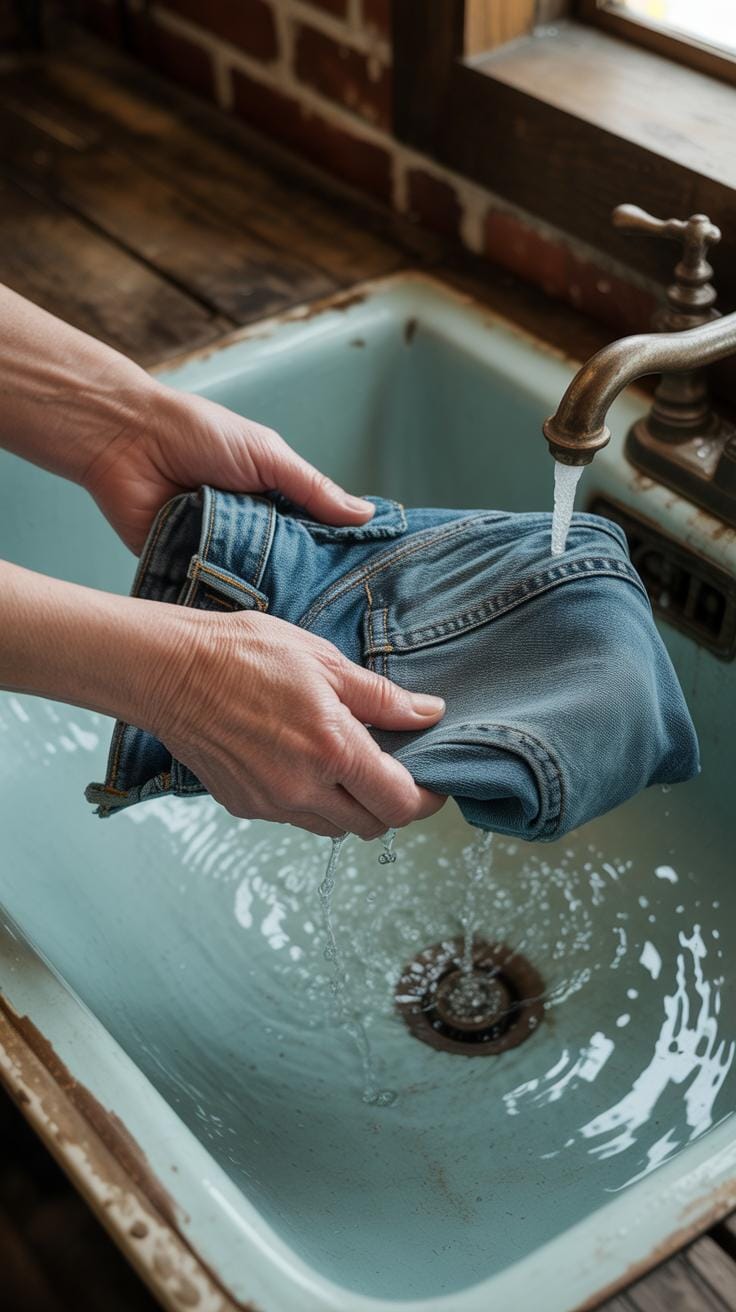
Washing upcycled denim calls for a bit of care to keep the fabric looking fresh and to avoid fading. I’ve learned that turning your denim inside out before washing helps preserve the color. Use cold water and a gentle cycle, which feels safer than tossing it into a hotter wash that could wear down the fibers quickly.
Here’s a simple routine you might try:
- Turn your denim garment inside out.
- Choose a mild detergent, avoiding bleach or harsh chemicals.
- Wash with cold water on a gentle or delicate cycle.
- Avoid overloading the machine to reduce friction with other clothes.
- Skip fabric softeners—they can affect the denim’s texture.
Drying is another story. It’s usually better to air dry your denim flat or hang it up. Machine drying can cause shrinkage or stiffening—something I’ve noticed firsthand. If you must use a dryer, use the lowest heat setting and remove your denim while it’s still slightly damp. That gives you a bit of time to reshape or smooth things out before it fully dries.
Repair Techniques for Longevity
Upcycled denim isn’t just about looking good; keeping it functional matters too. I mean, when a seam starts to fray or a hole appears, don’t just toss your piece aside. Simple repairs make a big difference and can even add character.
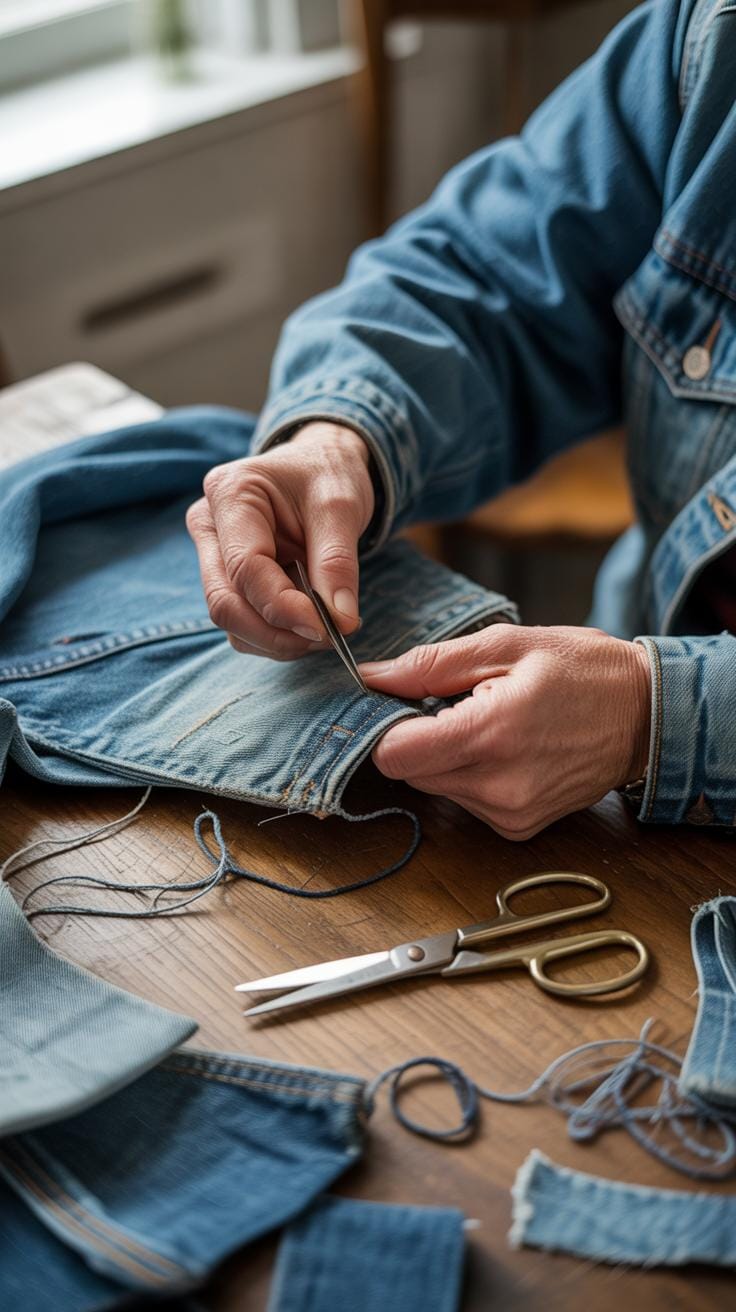
If you’re into needle and thread, sewing loose seams back with a sturdy denim needle and strong thread works well. It doesn’t need to be perfect. Just secure the stitch firmly to prevent further unraveling.
For holes or tears, patching can be surprisingly straightforward. You can sew on denim patches inside or outside the garment. Sometimes, layering different denim shades creates a cool contrast. Iron-on patches are quick, but stitching them on ensures they last longer. Try to match thread colors or embrace the mismatch—it’s personal.
These little fixes do take some time, but they also extend your denim’s life—and let’s be honest—there’s a certain satisfaction in mending your own clothes that you don’t get from buying new ones.
Costs and Savings of Upcycled Denim
Finding Affordable Denim to Upcycle
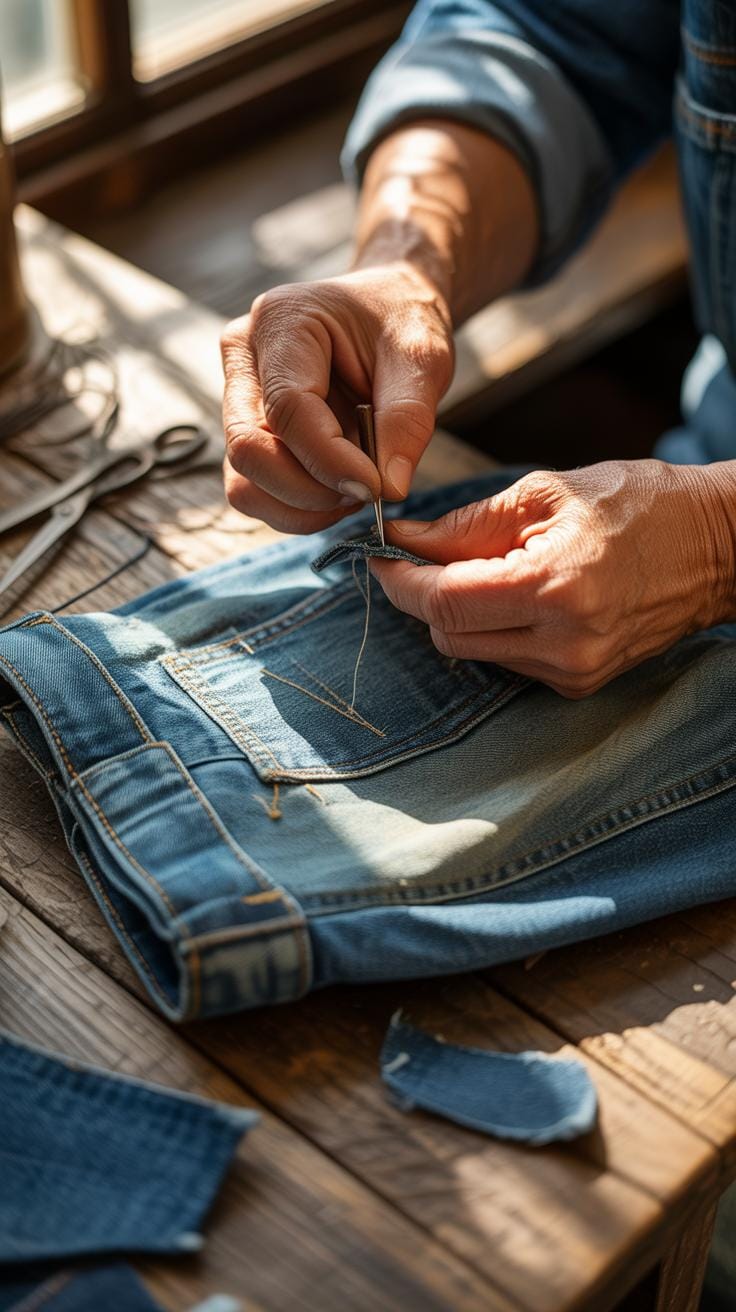
When you think about upcycling denim, the first step—finding the raw material—often feels like a challenge. But truthfully, it’s easier than you might expect. Thrift shops and donation centers are gold mines for denim pieces that are either too worn for some or just not their style anymore. You can often find jeans, jackets, or skirts for just a few dollars or even less.
Sometimes local clothing swaps or community events offer free denim items, which makes the cost close to zero. I’ve stumbled upon entire bags of denim scraps discarded after minor damage—perfect for patchwork or small accessories. This approach cuts your expenses drastically compared to buying new fabric or garments.
Keep an eye out for sales and clearance racks as well. Some stores offload older denim stock at a steep discount. The key is flexibility: the more open you are to different styles and sizes, the better your chances of finding a good deal.
Comparing Costs with New Denim Purchases
If you add up what you spend on denim from thrift or donation sources, plus thread, needles, or a single zipper, the total is often much less than a brand-new pair of jeans. New denim clothes, especially from popular brands, can easily cost anywhere from $40 to over $100 or more.
By contrast, upcycling lets you invest mostly your time and creativity. The financial outlay often drops to a fraction of that price. Of course, some upcycling projects might involve specialized tools or trims that add to the cost, but usually, it remains budget-friendly.
Still, it’s interesting to wonder: does the time you spend sewing offset the money saved? For those who enjoy crafting, that’s not a concern. But for others, buying new might feel easier, even if it costs more. Either way, upcycled denim offers a clear chance to stretch your dollar, especially if you’re ready to hunt and experiment a bit.
Troubleshooting Common Upcycled Denim Issues
Fixing Fit Problems in Upcycled Clothes
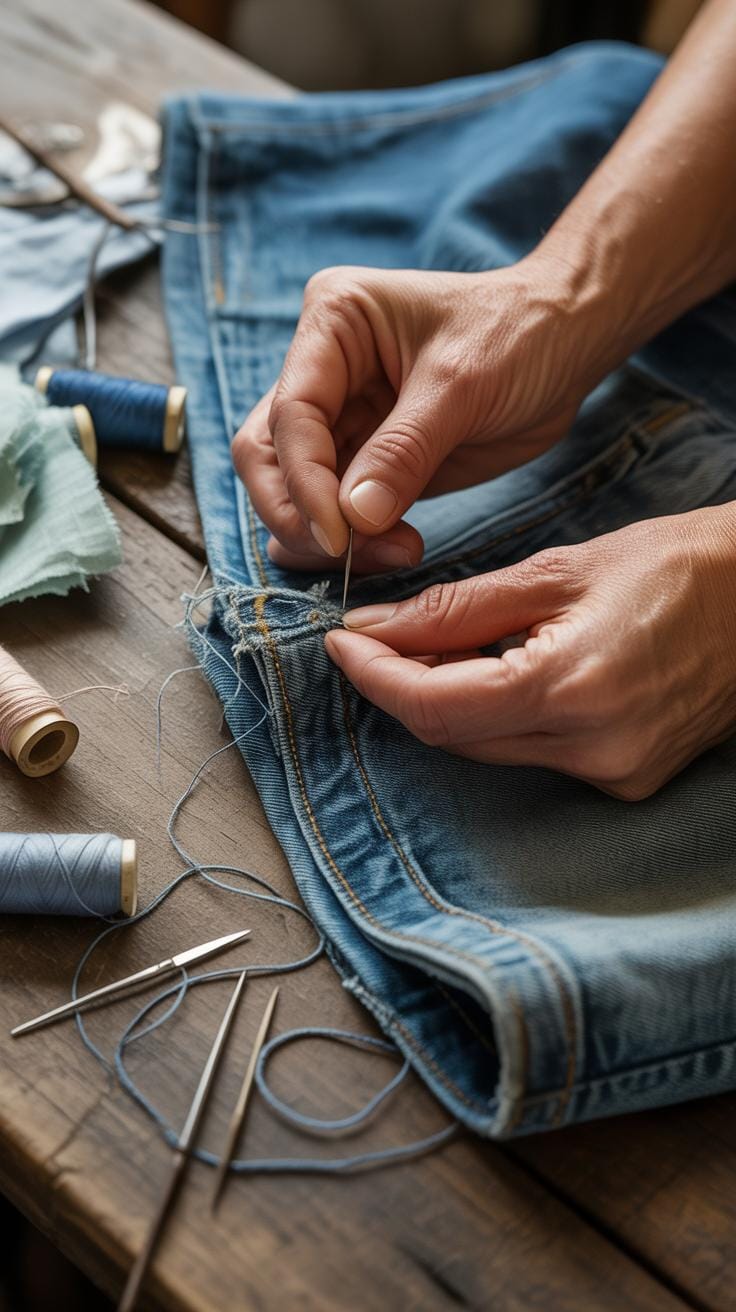
Sometimes, upcycled denim just doesn’t fit right out of the box. Maybe the shoulders feel tight or the waist sits awkwardly. Before tossing it aside, consider a few tweaks that could make a big difference. Simple alterations like taking in side seams or adding darts can reshape the garment without major work. Even shortening sleeves or hems can improve both comfort and style.
If sewing isn’t your stronghold, fabric glue or iron-on hemming tape might help with minor fixes. Stretch panels can also be inserted discreetly to add comfort around tighter spots. I remember repurposing an old denim jacket that was slightly snug; opening up the side seams by an inch transformed it completely. It felt like getting a new item without buying one.
Fit might seem tricky but don’t hesitate to experiment. You may discover that small changes give the piece new life — and a better fit — without much hassle.
Handling Wear and Tear Challenges
Wear shows up faster on upcycled denim than on brand-new pieces, in part because the material already faced some use. Thin patches or frayed edges aren’t uncommon. Patching is a practical solution here. Iron-on patches, fabric scraps, or decorative stitches can cover thin spots while also adding a unique look.
Some people shy away from fixing worn areas, worried it will look messy. But honestly, those imperfections can be part of the charm — as long as they’re reinforced well. Sewing a patch inside a thinning knee or elbow prevents further damage. You can also reinforce stress points with zigzag stitches or a simple backstitch.
Maybe you notice your jeans starting to wear thinner in certain spots but can’t bear to let them go. It’s worth investing some time in these small repairs. It keeps your denim wearable longer, supporting your active lifestyle without endlessly buying new clothes.
Examples of Upcycled Denim in Fashion
Upcycled Denim by Known Brands
Some brands have taken upcycled denim beyond a simple trend. Ganni, for example, stands out with collections that reimagine old denim into fresh silhouettes. They don’t just recycle fabric; they redesign the pieces to keep them relevant for modern wardrobes. Their process often involves cutting apart worn jeans and patching them together to create dresses, skirts, or jackets with an unexpected twist.
You might find pieces in their range made from denim scraps sourced from past seasons. This approach cuts waste while offering unique textures and patterns. It’s interesting, because while the garments look contemporary, they whisper a story of their origins. Collectors and style-conscious shoppers seem drawn to that. Ganni’s shift towards such sustainable practices shows how mainstream labels can balance ethics and style.
Unique Handmade Upcycled Denim Items
If big brands aren’t quite your thing, you’ll notice many artisans working on a smaller scale with upcycled denim. Think handmade bags patched together from old jeans, or hand-stitched denim quilts that double as wearable art. These pieces often carry imperfections—stitching isn’t always even, edges may fray—which somehow makes them special.
Small-batch creators also experiment by mixing denim with other fabrics, or adding embroidery and painted details to make each item stand apart. Supporting these makers means your wardrobe can feel genuinely personal. Plus, you get to carry a story on your shoulder or wear it close to your skin—a story not churned out on a factory line but shaped by hands mindful of reuse.
Conclusions
Upcycled denim offers a smart path to refresh your clothes. It saves resources and gives you one-of-a-kind looks. You can find or make clothing that fits your active life without harming the environment.
Try mixing old denim pieces with your current clothes. Explore repairs and new styles to keep your clothes lasting longer. Upcycled denim helps you look good while making choices that matter.