
Introduction
Creating timeless outfits means choosing clothing that stays stylish regardless of trends. You want pieces that look good year after year. This approach saves money because you don’t have to keep buying new clothes all the time. It also helps you build a wardrobe that fits many occasions.
In this article, you will learn how to pick classic clothes, combine items smartly, and avoid spending too much. We will cover key principles, shopping tips, outfit ideas, and budgeting tricks. You can create a lasting, versatile wardrobe that works for your style and your wallet.
Key Principles of Timeless Style
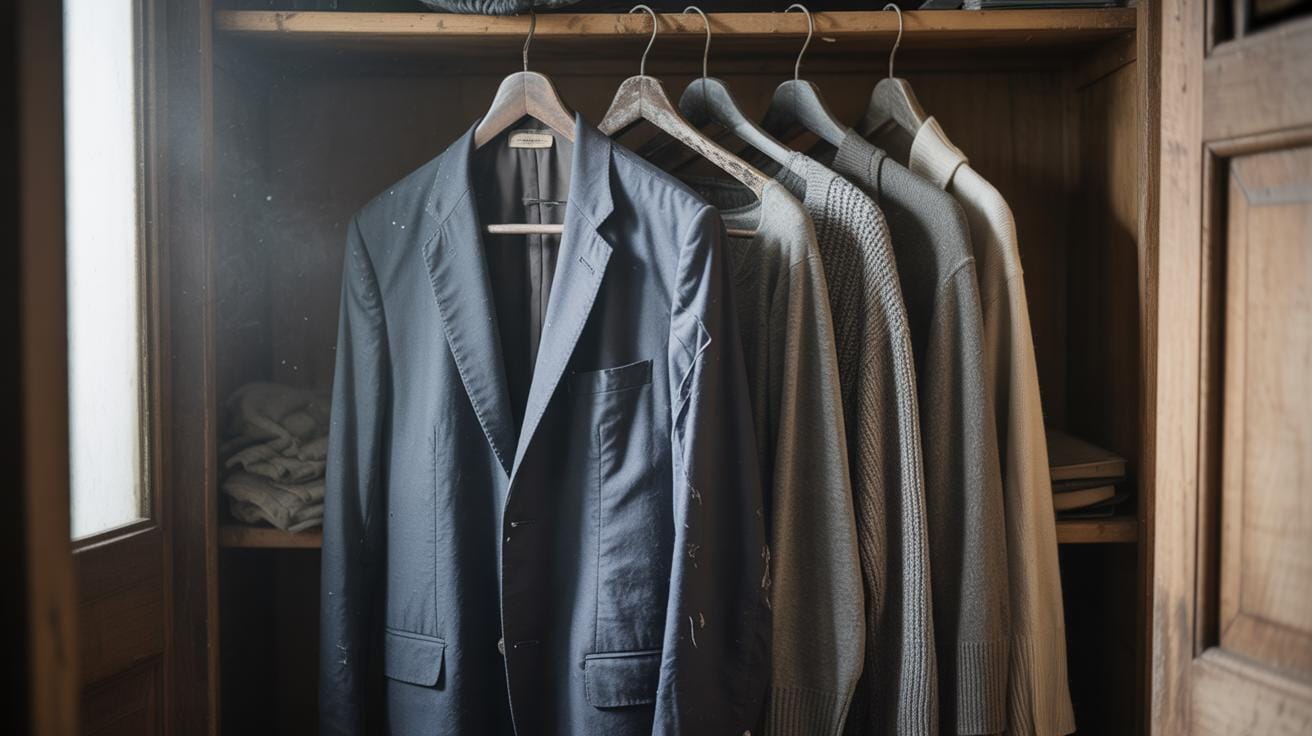
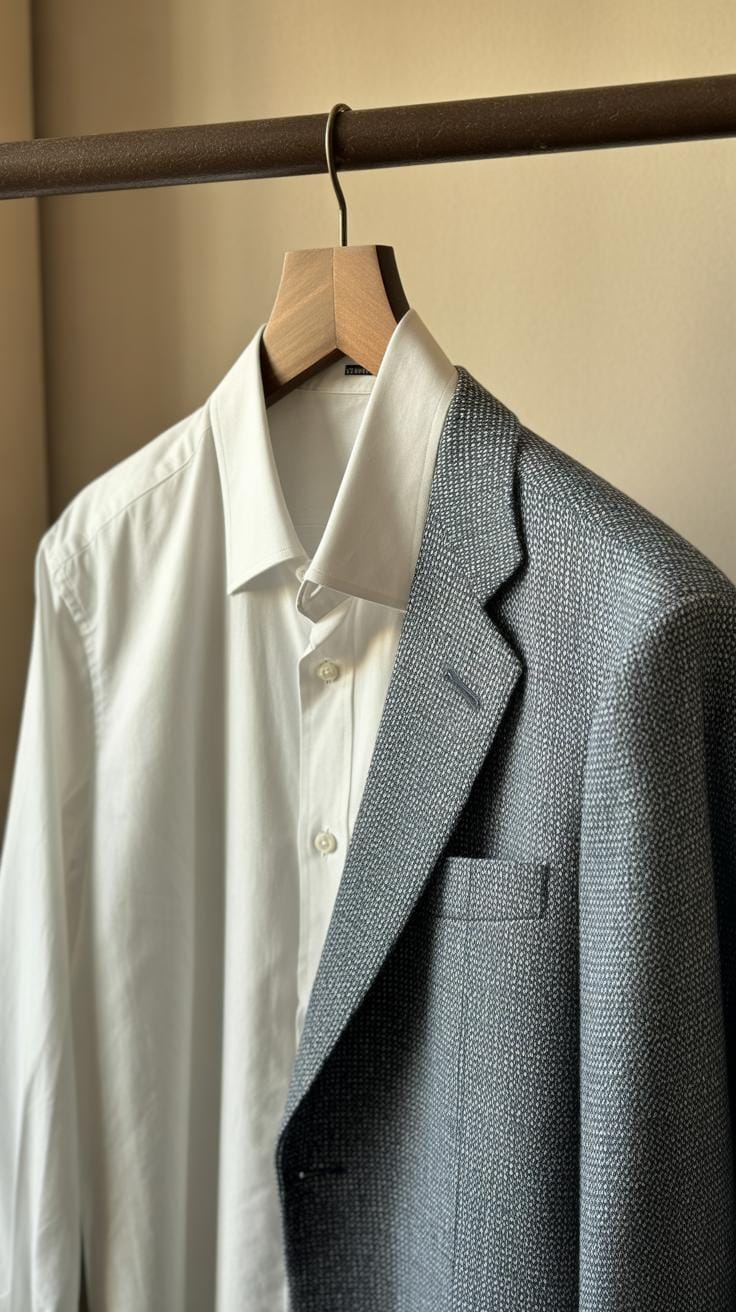
What exactly makes an outfit timeless? It’s not just about looking good today; it’s about creating looks that still feel relevant years from now. Usually, a timeless outfit revolves around simple cuts—nothing too flashy or trendy. Think clean lines that flatter your body without screaming for attention. These shapes age better, quietly resisting the pull of fast fashion.
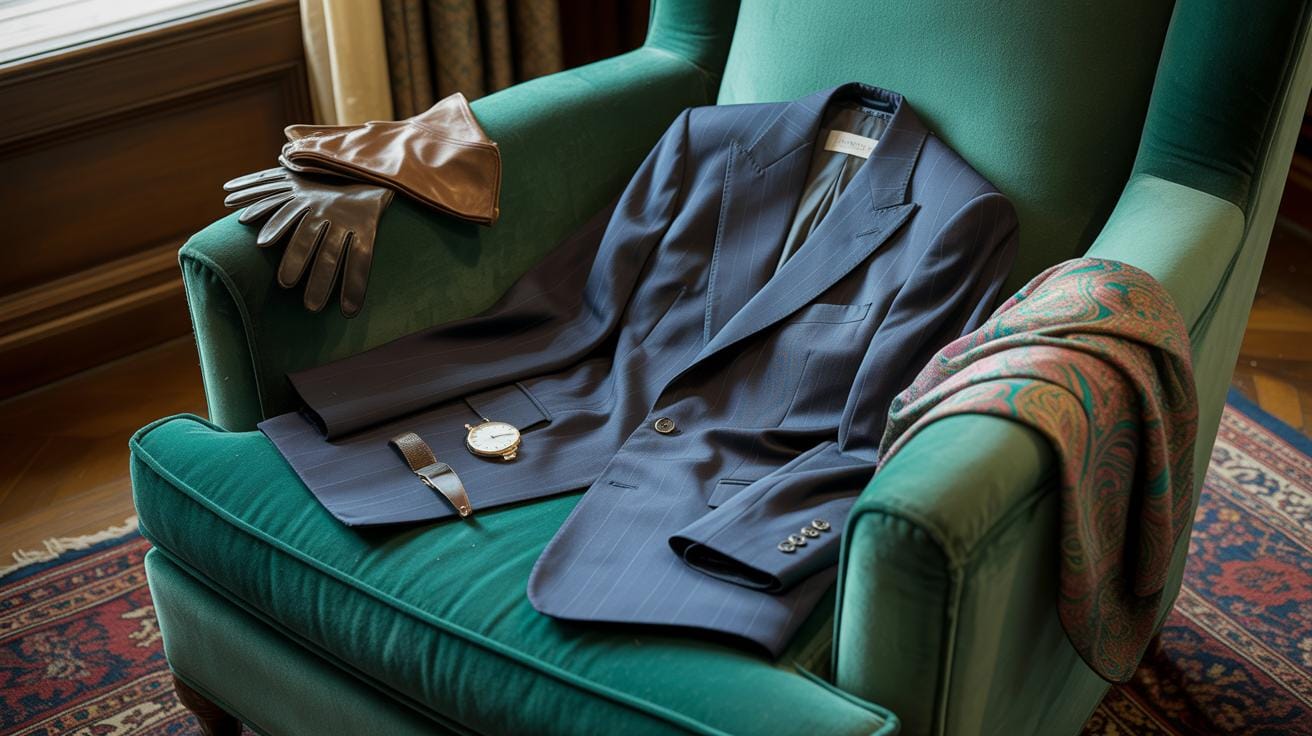
Neutral colors often form the backbone of timeless style. Whites, blacks, grays, navy, and beige offer flexibility and subtle elegance. They work well together and rarely clash. Of course, that doesn’t mean you can’t bring in color, but neutrals provide a reliable canvas.
Quality fabrics also matter a lot. Natural materials like cotton, wool, and linen tend to wear better over time and develop character rather than fading or stretching out. It’s tempting to opt for cheaper synthetics, but good fabric keeps an outfit looking sharp longer—and saves money in the long run because you don’t replace as often.
Why focus on these features? They ensure your clothes don’t just survive a season, but instead, remain part of your style narrative for years. You might come across things that tick some of these boxes—but fall short in others. Each detail plays a part in the whole.
Choosing Core Pieces for Longevity
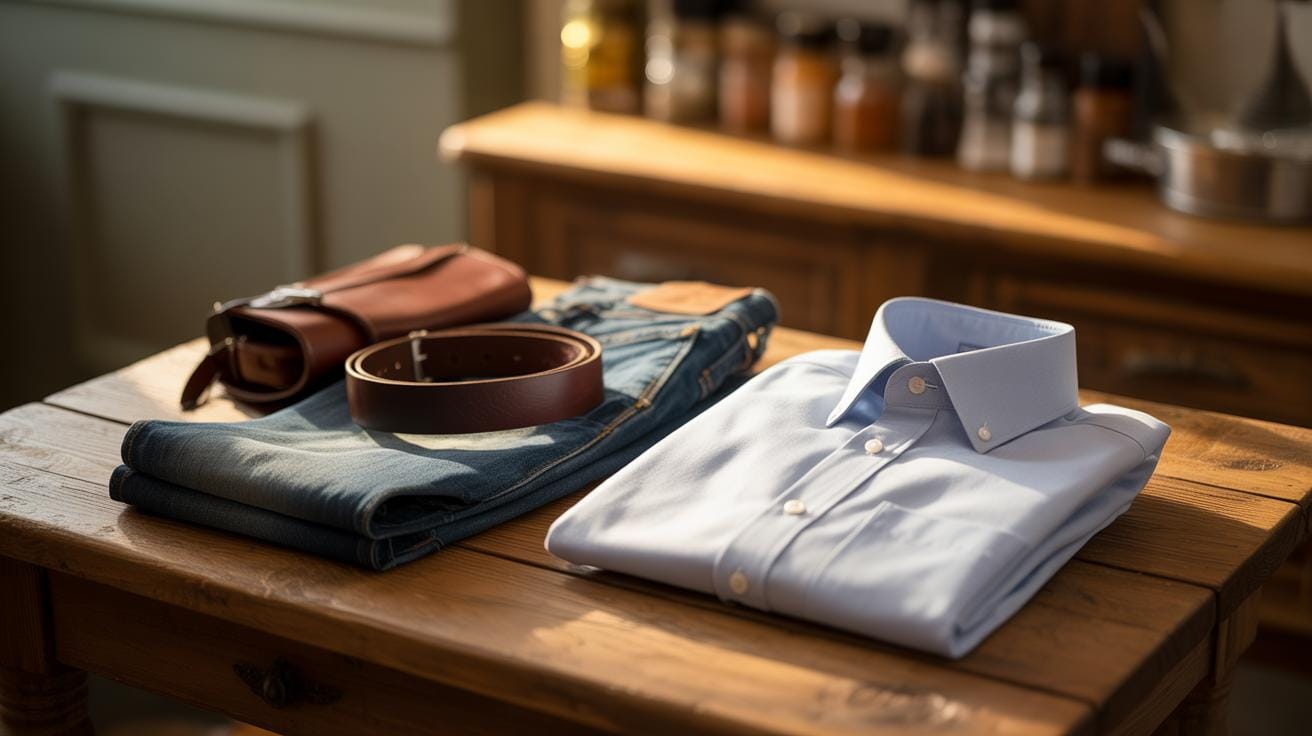
Certain wardrobe staples almost always fit the timeless mold. A crisp white shirt is a must. It works for so many occasions, from casual to formal, and rarely goes out of style. Dark jeans also make the list—they’re versatile, easy to dress up or down, and often hold their shape well if you pick good denim.
An iconic trench coat deserves a mention too. Its simple silhouette and neutral shades make it seasonless practically. When shopping for these pieces, look beyond the label. Pay close attention to stitching, fabric weight, and fit. Cheap versions tend to lose shape quickly, while better-made items age gracefully.
These aren’t just investments because they last; they’re reliable foundations. You don’t have to reinvent your entire wardrobe when these work well.
Mixing Basics with Statement Items
What if you worry timeless style might feel boring? One way to keep your look fresh is by mixing basics with statement pieces. A plain navy sweater paired with an eye-catching scarf or distinctive shoes can spice things up without feeling trendy or dated.
It’s a balancing act. The foundation—the basics—keeps your outfit grounded. Then, a bold belt, an unusual necklace, or a patterned bag adds personality. You might experiment here, letting your tastes evolve while your core style remains stable.
This approach also helps you avoid the trap of buying head-to-toe outfits that feel out of place next season. Instead, you can express yourself through accessories and individual pieces without losing that timeless aura.
BudgetFriendly Shopping Tips
Where to Find Affordable Timeless Clothes
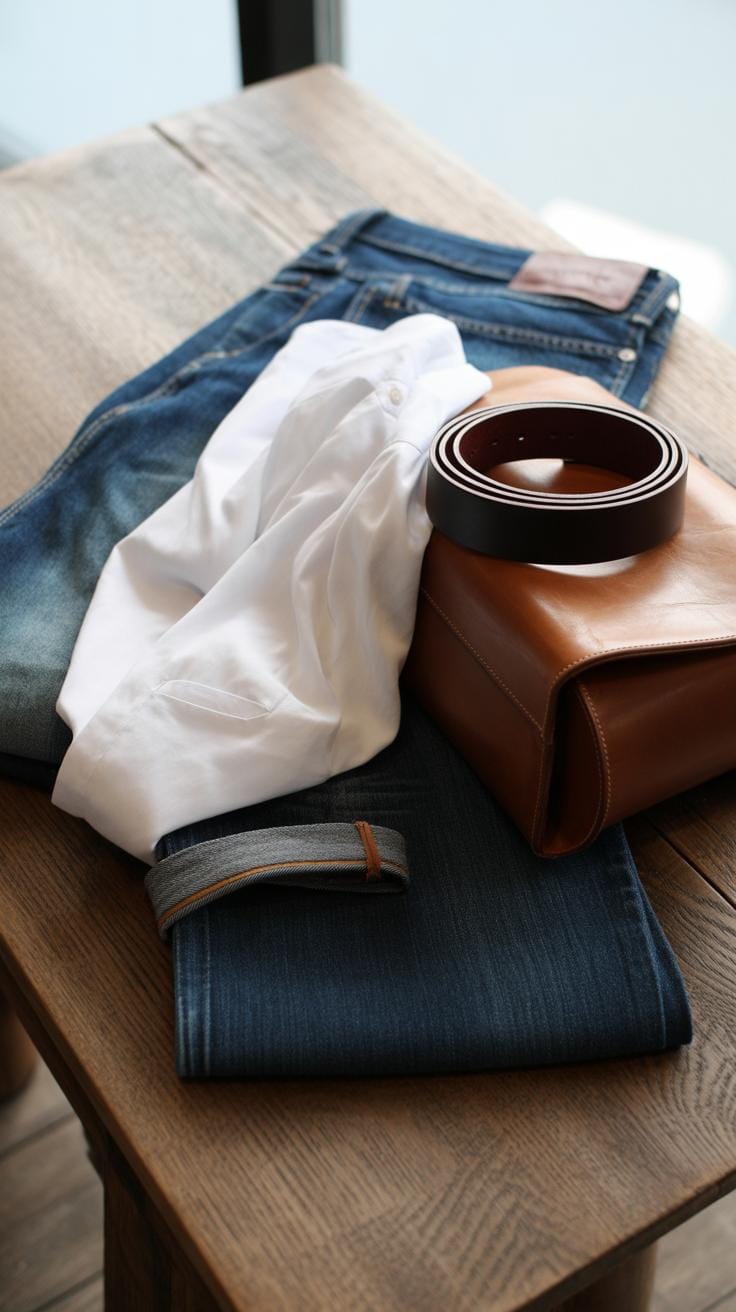
Finding timeless pieces without emptying your wallet can feel tricky, but there are plenty of places to explore. Thrift stores often surprise me with hidden gems—sometimes classic coats or simple shirts appear just waiting for a new home. Outlet stores are another spot worth checking. Brands sometimes drop older season items there at a fraction of the price, and these items tend to be well-made.
Don’t overlook online marketplaces either. Places like eBay or apps focused on secondhand fashion let you browse beyond your local options. You might find better deals or rare pieces you wouldn’t see otherwise. Just remember to be patient; scrolling through takes time, but the payoff can be worth it.
How to Spot Quality on a Budget
Even when you’re trying to save, quality matters more than quantity. Some easy ways to judge a garment quickly: check the fabric—natural fibers like cotton, wool, or linen usually hold up better than synthetics. Feel the material. If it’s stiff or rough, maybe keep looking. Running your fingers over the stitching can reveal a lot; neat, even stitches suggest careful construction.
Fit is something I find tricky. A well-fitting piece instantly looks more timeless, but sometimes tailoring is needed. That can be a money saver—you buy a decent piece and adjust it later. Look at the seams and hems; loose threads or puckering might mean that item won’t last. Keep in mind, though, that a tiny flaw in a fabric could be fixable. You don’t have to reject every imperfect item if it has potential.
Building a Capsule Wardrobe

A capsule wardrobe is, simply put, a small collection of clothing items that you can mix and match easily to create many different outfits. The idea isn’t about owning less for the sake of minimalist fashion but choosing pieces that fit your style, lifestyle, and needs while working well together. These are versatile, timeless clothes that don’t go out of style quickly.
The main benefit? You reduce decision fatigue. When you have fewer, well-chosen items, creating outfits takes less time and stress. Plus, investing in quality over quantity can save money long term because you won’t be constantly replacing worn-out or trend-driven pieces.
Choosing what to include means picking items that serve multiple purposes: a blazer that goes from workday to dinner, basic tees that layer without clashing, and trousers that suit formal and casual looks. Fabrics and colors matter too—they should harmonize, allowing for many outfit combinations without seeming repetitive.
To build your capsule wardrobe, start by evaluating your daily routines and occasions. Ask yourself: what do I spend most of my time doing? Where do I go? What are my climate needs? From there, list essentials that fit those contexts, balancing comfort and style.
Next, weed out duplicates and items that no longer fit or suit your style. Look for versatile pieces, stick to a cohesive color palette, and prioritize quality fabrics. Organize your clothes by category and color to simplify outfit planning—this step surprisingly changes how often you wear certain pieces.
Once assembled, test your capsule by mixing pieces for different events or moods. You might need to tweak the collection at first but keep it flexible. The aim is clothes that don’t just sit in your closet, but that you actually wear and enjoy.
Different lifestyles call for different capsule wardrobes. For office workers, think tailored pants, classic button-downs, a neutral blazer, and simple shoes. Those with casual-heavy routines might focus on well-fitting jeans, comfy tees, and versatile outerwear like a denim or leather jacket.
A mixed-use capsule could combine these elements—maybe adding a versatile dress or smart-casual sweater to shift between settings easily. Consider your priorities: comfort versus formality, durability versus style. The key is balance, not rigid rules.
Remember, a capsule wardrobe evolves. It’s okay if it’s imperfect at first or shifts with your changing life. It’s as much about knowing what you want to wear as what looks timeless on you. What pieces feel essential to you right now? Start there.
Mix and Match Strategies Creating Variety with Fewer Pieces
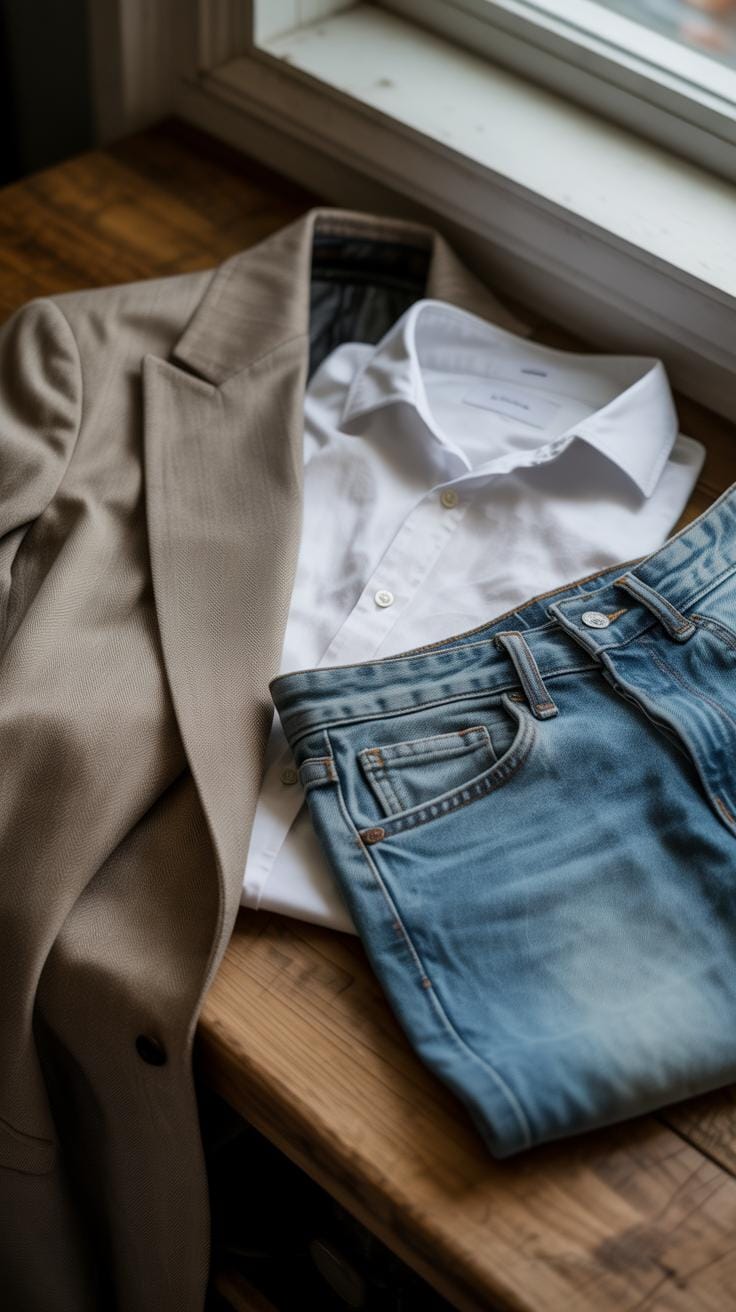
When you think about your wardrobe, it might feel like more clothes mean more options. But really, the trick is in how you combine what you already have. You can get so much more mileage from a handful of versatile items than you might guess at first glance.
Try steering away from one-dimensional looks by pairing classic basics in unexpected ways. For example:
- A simple white shirt can be dressed down with casual jeans or dressed up with tailored trousers.
- Swap shoes or accessories to give the same outfit a completely different vibe.
- Rotate staple pieces across outfits — think a navy blazer worn with jeans, then again with a skirt.
It’s not just about combining items but about seeing what each piece can do. Sometimes, I catch myself getting stuck thinking I need something new to feel fresh — only to realize a different pairing changes everything. You might find that creativity actually grows within these limits.
Using Color and Texture to Vary Looks
Changing colors and textures can refresh what feels like the same outfit. A dark grey wool sweater paired with soft cotton khakis feels different from a light linen shirt with denim. Even subtle shifts make a difference.
Consider mixing smooth fabrics with nubby ones or matte with slight sheens. These contrasts influence whether an outfit feels relaxed or more polished without chasing trends.
Color choice works too, but it doesn’t mean bright hues always make you stand out. Sometimes, switching from black to deep olive or dusty blue keeps things timeless yet varied. You might wonder if this really changes much, but it often does—often more than you’d expect when you first put it on.
Layering for Different Seasons and Occasions
Layering isn’t just for cold days. You can adapt a timeless base outfit with various layers to match weather, mood, or occasion. A lightweight scarf or a tailored vest might turn daywear into something ready for a casual dinner.
Think of layers as flexibility in fabric and form. A cotton tee under a structured blazer works in spring or autumn. Add a wool coat and boots, and suddenly it’s winter-appropriate. Swap the blazer for a cardigan and it’s something closer to casual weekend wear.
And sometimes, layering feels a bit tricky, particularly when the proportions don’t align. A bulky sweater over slim jeans might feel off, while layering a sharp shirt under a thin sweater can still look sleek.
Playing with these elements forces you to rethink what you own, stretching those timeless pieces across many settings and seasons. It’s less about constantly buying and more about exploring subtle differences each time you dress.
Common Mistakes to Avoid
Chasing Trends Instead of Basics
It’s easy to get caught up in the latest styles—those flashy prints or bold cuts that flood magazines and social media. But relying too much on trends can actually undermine the timeless quality you want in your wardrobe. Trends come and go fast, so pieces bought just because they’re “in” may look outdated in a season or two. That leaves you with clothes you rarely wear and regret investing in.
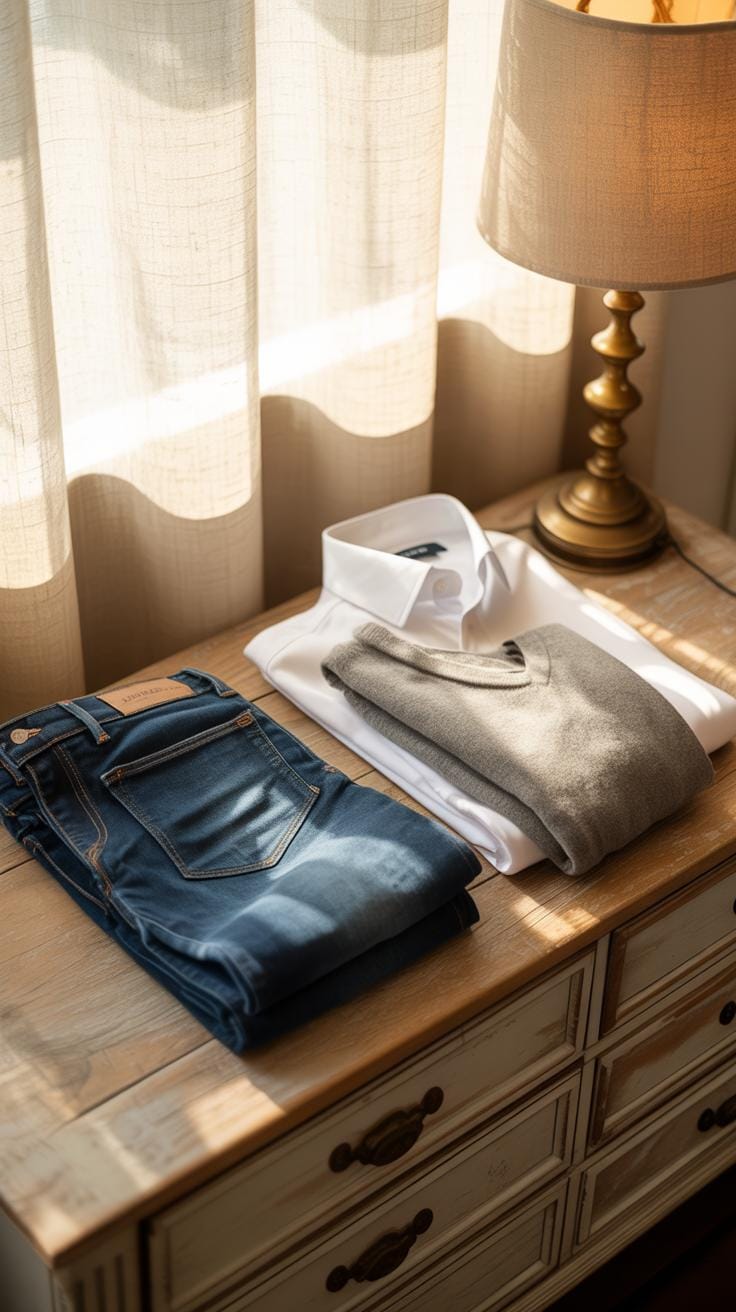
Instead, focusing on foundational pieces like a well-fitted white shirt, classic jeans, or a neutral blazer will serve you better over time. These basics don’t draw attention to the moment but provide a steady canvas for your style. Think about the items you reach for most often—they’re usually simple, versatile, and don’t shout “fashion fad.”
Maybe you’ve bought a trendy jacket and felt great once, only to find it collecting dust a few months later. That’s common. So, try asking yourself if a piece will feel just as wearable next year before committing.
Ignoring Fit and Comfort
No matter how classic a piece looks, poor fit can ruin the whole outfit. Clothes that are too tight or loose don’t just look off—they’re uncomfortable, and discomfort quickly makes you avoid wearing those items. That’s money wasted, especially when seeking timelessness and affordability.
Some people think comfort equals sacrificing style, but that’s not true. A tailored simple jacket or well-cut trousers feel good because they suit your body, and that helps you look more polished without overthinking it. When shopping, take time to try different cuts or get alterations if necessary; even minor adjustments can revive an ill-fitting garment.
Ignoring comfort can also mean choosing stiff or scratchy fabrics just because they’re cheaper or trendier. But those pieces seldom become favorites. The money saved at checkout might cost you in missed wearings down the road.
Personalizing Your Timeless Look
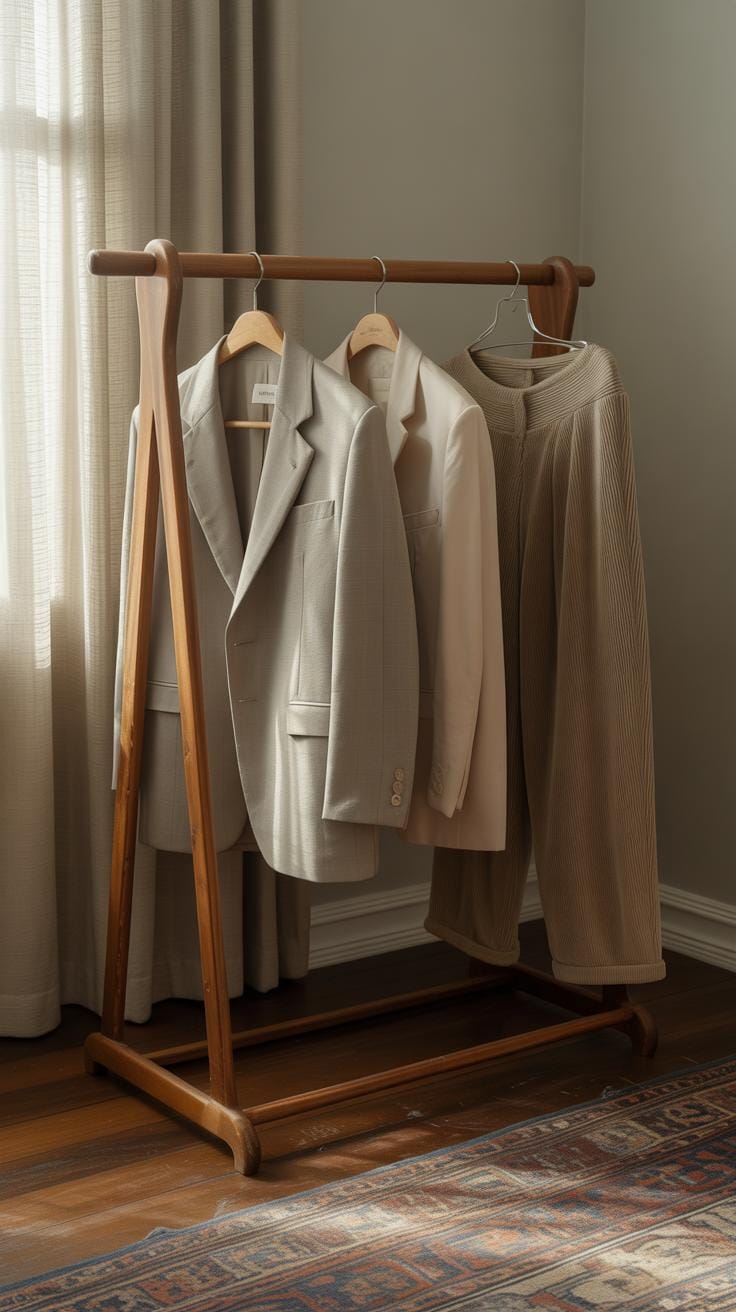
Adding personality to timeless outfits doesn’t mean overhauling your entire wardrobe. It’s more about thoughtful, subtle touches that reflect who you are.
Think about accessories first. A well-chosen watch or a delicate bracelet can say a lot without overwhelming a classic blazer and trousers. Colors, too, offer a quiet way to express yourself. Maybe a deep burgundy scarf or a muted olive pocket square caught your eye. These small nods to your taste keep the outfit grounded but interesting.
Consider fabrics and textures as a way to break up monotony. A cashmere sweater or a silk scarf adds dimension without losing elegance. These choices can feel risky, yet fit right in with classic pieces if balanced carefully.
Choosing Signature Accessories
When picking accessories that suit a timeless wardrobe, it helps to think of them as your style’s calling card. What’s something you’d want people to remember? Maybe it’s a leather-strap watch with minimal dials, or a pair of understated cufflinks that catch the light just right.
Scarves offer versatility—they can be tied in numerous ways, signaling different moods or looks throughout the week. Jewelry doesn’t have to be flashy; a simple chain or a ring with personal significance can add depth. The idea is to choose pieces that feel like *you* but also work with virtually any outfit, not just special occasions.
Balancing Uniqueness and Simplicity
Finding the sweet spot between standing out and blending in can be tricky. Too many unique elements clutter your look, but too little makes it forgettable. The trick is to pick one or two distinctive features per outfit.
For example, a brightly colored belt paired with a classic white shirt and dark jeans adds a spark without overdoing it. Or a vintage brooch on a plain coat can offer a story without drowning in detail. Simplicity serves as a canvas for uniqueness—don’t be afraid to experiment within those boundaries.
Can your small style choices speak volumes? Probably more than you think.
Maintaining Your Wardrobe Over Time

Basic Clothing Care Tips
Keeping your clothes looking sharp doesn’t have to be complicated. Washing garments gently, preferably on delicate cycles or by hand, can slow down wear and fading. I’ve found that using cold water saves fabrics from shrinking or losing shape—yet, some fabrics might need warmer temps, so checking labels is worth the minor annoyance. Also, avoid the dryer when you can; air drying helps maintain the fabric’s integrity and keeps colors vivid longer.
Storage often gets overlooked but really matters. Hanging knitwear might stretch it out, while folding keeps it intact. Using cedar blocks or lavender sachets wards off moths, but whether it fully works, I’m not 100% sure—it’s something I keep trying anyway. A closet that breathes prevents mustiness. Cramped racks? Not great for any piece, even if you only notice it after a few wears.
Simple repairs go a long way. Sewing loose buttons right away or patching small holes early can save you from deciding “to toss or not” sooner than you’d like. It doesn’t need to be perfect, just enough to keep the garment wearable and looking cared for.
When to Replace or Repair
Deciding whether to fix or replace can be tricky. If a tear or stain can be fixed without a lot of fuss, go for repair. But sometimes—the fabric has faded unevenly or the shape is gone—no amount of stitching brings it back. That’s when replacement might make more sense, especially for pieces you wear often.
Think about the role of each item in your wardrobe. A staple like a classic blazer? Repair it, because it defines many looks. A trendy piece or something rarely worn might not deserve the effort. Also, consider the cost and time of repair versus buying new. Can you patch those jeans nicely, or are they better off retired?
Finally, ask yourself if the item still fits your style or body. Our tastes evolve, and so do shapes. Holding onto something just because “it once was perfect” might clutter your closet and waste space better used for garments you truly enjoy.
Measuring Style Success
Tracking how your timeless wardrobe performs can feel a bit abstract at first, but it really helps to pin down what’s working—and what’s not. One way is to look at versatility. Think about how many unique outfits you can make from your current pieces. You might be surprised; a small collection can yield quite a few combinations if you’re intentional.
Try jotting down or using a simple app to log different outfit pairings over a month. It’s not about obsessing over the numbers but noticing patterns. Which items show up most? Which barely make it out of the closet? This gives clues about what to keep and where you might want to invest next.
Cost per wear is another revealing metric. Divide the price you paid for a garment by the number of times you wear it. For example, a $100 jacket worn 50 times costs $2 per wear. That feels reasonable, right? But if it’s only worn twice, suddenly it’s quite expensive for what you get.
I find this calculation surprisingly eye-opening. It helps avoid impulse buys that don’t pull their weight in the long run. Plus, it makes you appreciate those trusted items that, yes, cost more upfront but end up being real bargains over time.
And finally, ask yourself: How satisfied do you feel in your outfits? If you feel comfortable and confident, that’s a success in itself—even if the pieces aren’t the cheapest or worn most often. Style isn’t just about numbers; it’s personal. You can track metrics, but don’t forget to listen to what you feel every day.
Conclusions
Timeless outfits require smart choices in clothing styles, colors, and quality. Focus on classic pieces that match well with many other items. Avoid chasing fast fashion trends that last only a season. Instead, invest in items that support multiple looks and occasions.
With simple budgeting steps and careful shopping, you can build a wardrobe that lasts and saves money. Use the guide provided here to plan your purchases and assemble your outfits. These actions will help you look sharp for years without overspending.