Introduction
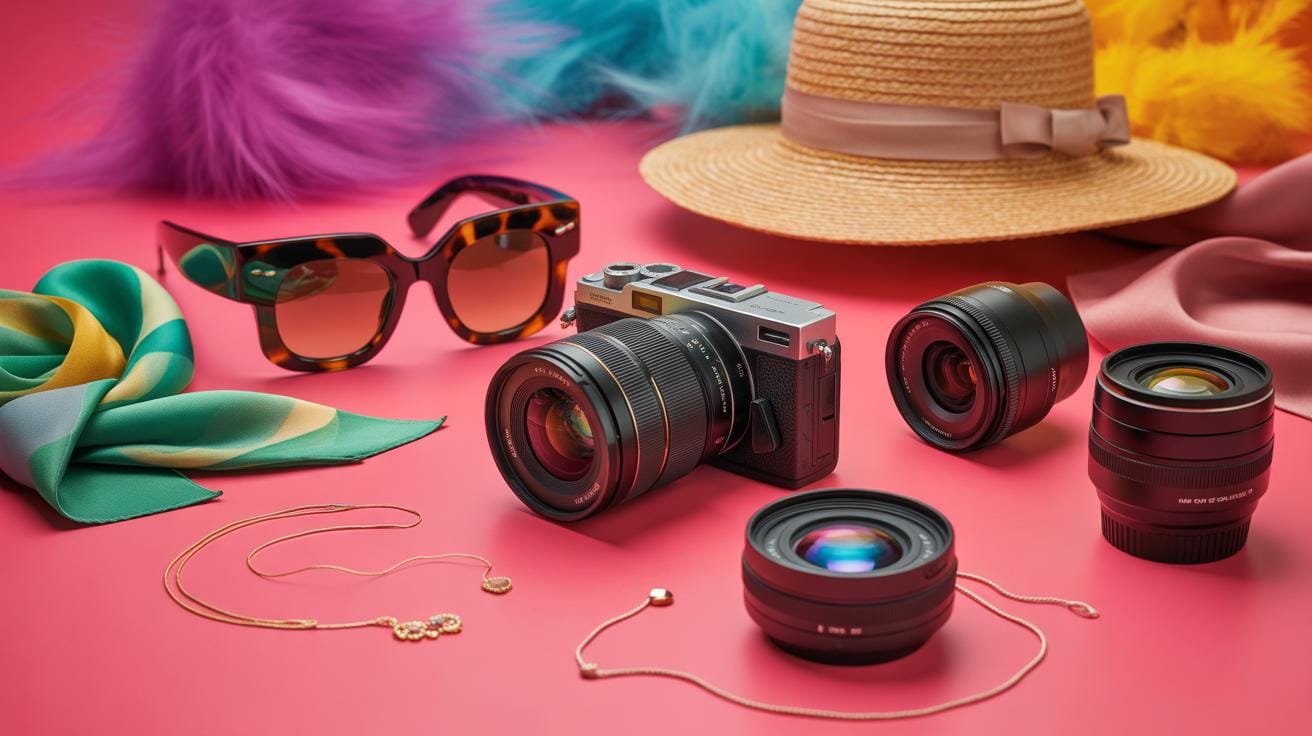
Taking stylish photos with a digital camera can elevate your photography skills and showcase fashion in a unique way. The right equipment and accessories make a big difference in the quality and look of your photos. This article discusses what things you should buy to help you create stunning photos using your digital camera and fashion essentials.
From camera accessories that improve image quality and shooting convenience to fashion props that enhance your model’s appearance, knowing what to buy is important. We’ll cover key items to consider, how they contribute to better photos, and suggestions for effective styling to match your photographic goals.
Selecting Your Digital Camera Model
Choosing the right digital camera for stylish photos isn’t straightforward. You might want to think about sensor types first. Generally, CMOS sensors are common and provide good quality for varied budgets. CCD sensors, once popular, are less common now but can still pop up in some cameras. Sensor size matters, too—a larger sensor often means better detail and light handling, but it can up the price.
Resolution, or megapixels, matters if you want to crop or enlarge without losing detail. Yet, more megapixels don’t always mean better pictures—sometimes, it’s about sensor quality. Balance is key here.
Brands like Canon, Nikon, Sony, and Fujifilm each have models geared toward different users. For entry-level, Canon’s EOS Rebel series or Nikon’s D3xxx series offer decent features without breaking the bank. Enthusiasts might lean toward Sony’s Alpha series or Fujifilm’s X series for extra manual control and image quality.
Budget will, of course, guide your choices. Beginners can find capable cameras between $400–$700, while enthusiasts might invest upwards of $1,000 for advanced features. Don’t overlook used or older models—they sometimes offer excellent value.
Key Camera Features To Look For
Some features in a camera directly shape your photos’ style and quality. Megapixels come up a lot—generally, more means sharper images and flexibility in cropping. But, for fashion photography, how color and details are captured can be just as important.
Zoom can be optical or digital. Optical zoom physically adjusts the lens and maintains quality. Digital zoom crops and enlarges, which can degrade clarity. Optical zoom is preferable if you want crisp shots at varying distances.
Manual controls let you adjust settings like aperture, shutter speed, and ISO. This is essential to crafting stylish photos because it lets you play with depth of field and motion blur. Cameras without these controls might limit your creative options.
Image stabilization reduces blur caused by camera shake, especially useful in low light or longer focal lengths. Optical image stabilization (in the lens or sensor) typically works better than electronic stabilization. Considering this feature can be a real difference-maker for sharp fashion and portrait shots.
Comparing Popular Camera Brands
Major brands each bring something to the table. Canon cameras are known for vibrant colors and reliable autofocus. They often appeal to those looking for smooth skin tones and consistent results. Yet, some find Canon menus less intuitive.
Nikon is strong in dynamic range, capturing detail in highlights and shadows well. For fashion shoots, this can help preserve textures in clothing and skin. Their ergonomics suit users who shoot lengthy sessions, though their video features lag behind competitors.
Sony leads in mirrorless technology with compact bodies and excellent sensors. Their cameras often excel in low light and offer superb autofocus tracking. But Sony’s autofocus system can sometimes be over-complex for newcomers.
Fujifilm is loved for color science and classic design, with films simulation modes that create unique looks straight from the camera. This can be appealing if you want stylish, distinct photos without heavy editing. On the downside, their lens selection is smaller.
Choosing Lenses For Fashion Photography
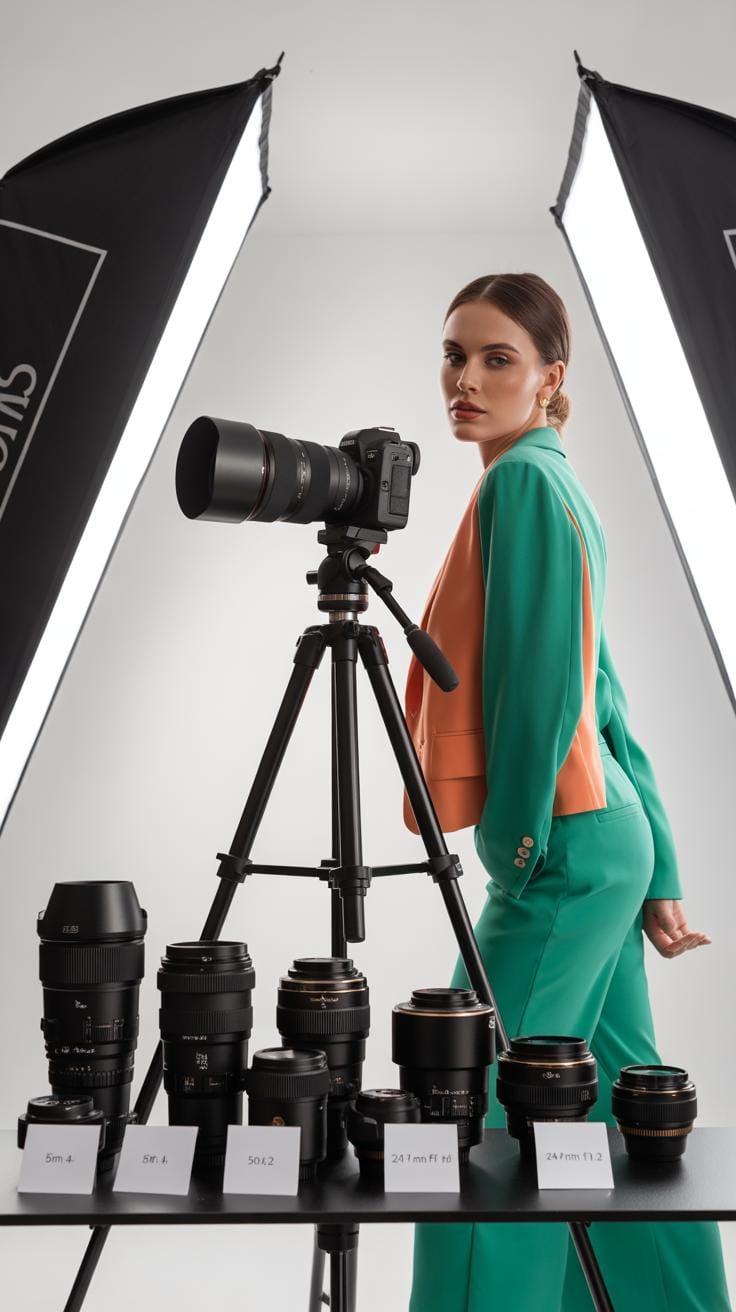
When you’re aiming for stylish fashion photos, picking the right lens is crucial. Most photographers lean toward lenses that offer a focal length somewhere between 50mm and 135mm. Why? Because they capture flattering perspectives that don’t distort facial features. For instance, 85mm is often called a classic for portraits and fashion shots; it delivers crisp, close-up details while keeping background compression that intensifies the subject’s presence.
Don’t overlook aperture size either. Wide apertures like f/1.8 or f/1.4 let in heaps of light and create a shallow depth of field, separating your model from any distracting background clutter. That dreamy blur effect often seen in fashion editorials? Largely thanks to those apertures.
Now, deciding between prime and zoom lenses can be tricky. Prime lenses offer sharper images and bigger apertures, but zooms bring flexibility, especially in dynamic environments. Remember, some lens effects like bokeh vary wildly depending on the design, so experiment and find what suits your style more.
Benefits Of Prime Lenses
Prime lenses are preferred by many fashion photographers for several reasons. First, their sharpness is noticeably better because they’re optimized for one focal length. You’ll catch fine details like fabric texture or the sparkle in an eye with remarkable clarity. Plus, their wide apertures provide excellent low-light performance and beautiful depth of field control, which is perfect for isolating your subject.
Another thing: prime lenses tend to be lighter and simpler mechanically. That means less fuss during shoots and often better durability. Although you have to move around more physically, many photographers find this helps them engage with the subject better, leading to more natural shots.
When To Use Zoom Lenses
Zoom lenses shine when you need adaptability. Say you’re on location with limited space or changing scenes—you can adjust focal length quickly, which saves time and effort. Outdoor fashion shoots, runway events, and editorial sessions benefit from having that versatility.
Still, zooms come with trade-offs. They typically don’t open as wide as primes, so you might lose some low-light capability or depth of field control. Sharpness can be slightly less impressive, especially at the extreme ends of their zoom range. So, if ultimate image quality is your priority, zoom lenses might not always be the best choice.
In the end, weighing these factors against your shooting style and needs is what matters most. Sometimes, a zoom is a lifesaver. Other times, the clarity and creativity unlocked by primes can’t be matched. Which would you reach for first? The choice is yours to make based on the story you want your photos to tell.
Lighting Gear To Buy For Quality Photos
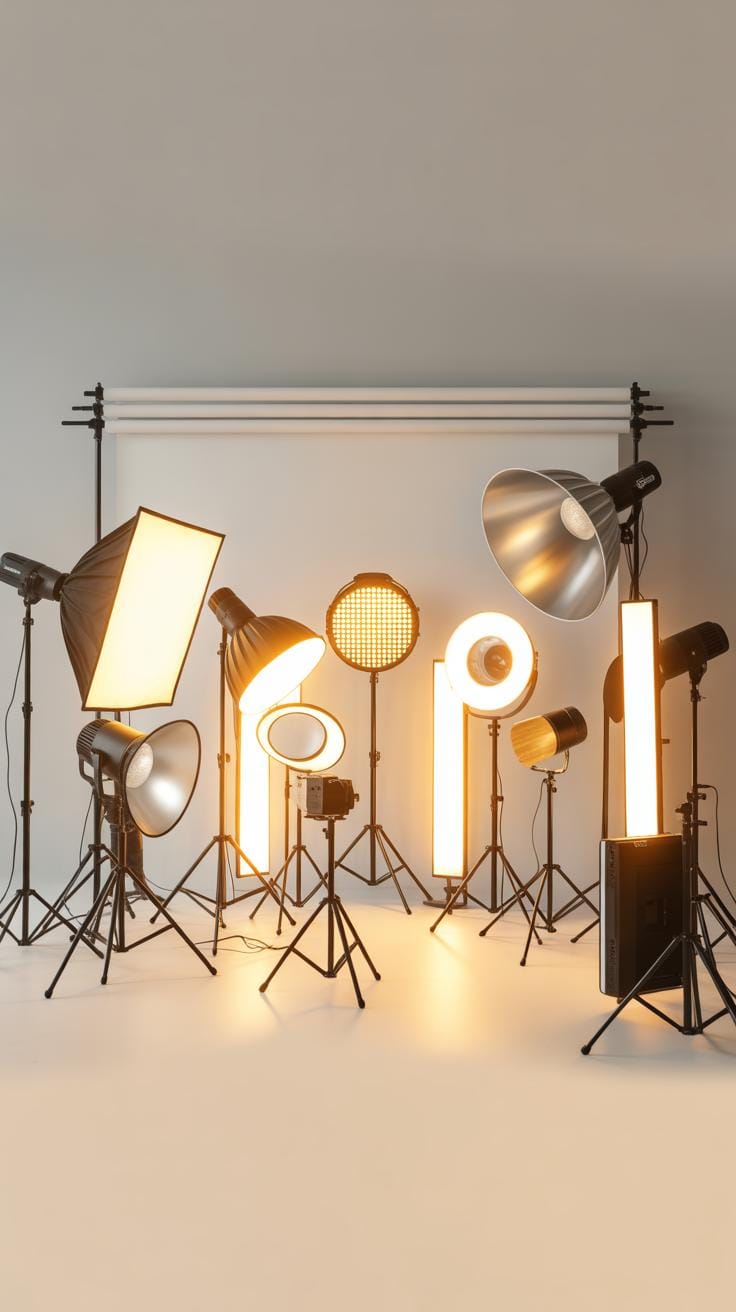
When aiming for quality fashion photos with your digital camera, investing in the right lighting equipment is key. A popular choice many photographers swear by is the ring light. It surrounds your lens, providing soft, even lighting that cuts down shadows dramatically—a great boon for fashion shoots and portraits. Interestingly, ring lights were originally invented for dental photography in the 1950s, but their application has since broadened widely.
Softboxes also deserve a close look. These enclosures diffuse light through reflective panels and a front diffuser, softening harsh shadows and helping create a flattering glow on your subjects. They work well with both flash and continuous lighting sources, though you’ll want to check their heat ratings if using hot bulbs to avoid problems.
Reflectors are versatile and often underrated pieces of gear. They bounce or redirect light back onto your subject and can be especially useful when working outdoors with natural light or to balance out shadows from artificial lights. Reflectors come in various colors and sizes, offering a range of lighting effects to experiment with.
Using Natural Vs Artificial Light
Natural light can be beautiful but unpredictable. It changes throughout the day and can cast strong shadows or create contrast that’s not ideal for all looks. Artificial light, meanwhile, offers control—you can shape and soften the light exactly how you want. That said, natural light is free and sometimes just works perfectly for candid, airy images, especially near windows or outside on overcast days.
Think about the mood you want to convey. Tough midday sun might add harshness, while golden-hour sunlight lends warmth. If you find natural light limitations frustrating, supplementing it with a reflector or a softbox can improve your results without going full studio setup.
Affordable Lighting Options
For beginners on a budget, there are plenty of options to improve lighting without breaking the bank. Compact LED ring lights have become cheaper and portable, perfect for selfies or fashion bloggers. Basic clamp-on reflectors, which can be folded and carried easily, add flexibility when shooting outdoors.
Softbox kits with continuous LEDs or affordable speedlights paired with inexpensive softboxes can get you decent studio-quality light at lower costs. It’s often more about how you use the gear rather than just how much you spend—good techniques and understanding light direction can work wonders.
Have you ever played around with a reflector or ring light? Sometimes, starting with a simple reflector and natural light can teach you more about lighting than jumping straight into complex setups. So, consider what fits your style and budget, but also experiment with what you have. Lighting remains the secret sauce in photography, and the right gear tailored to your needs can make a noticeable difference.
Backdrop And Setting Choices
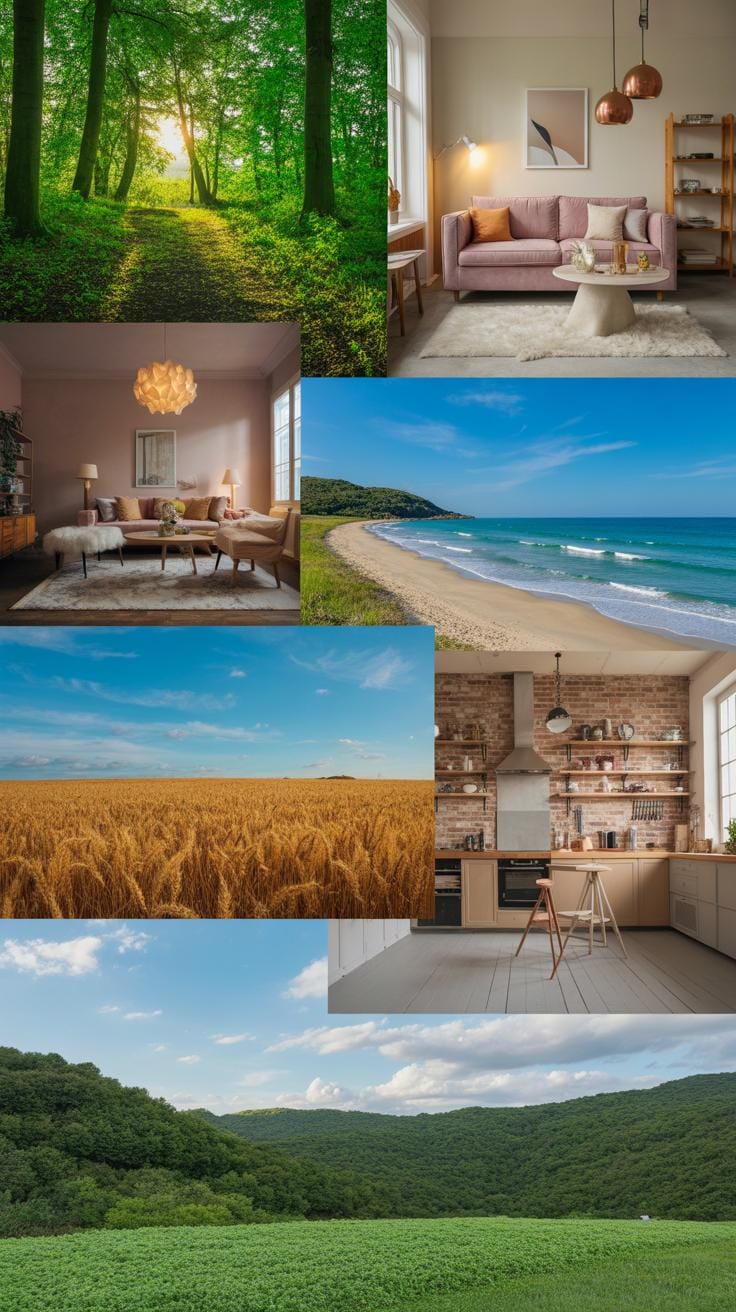
Picking the right backdrop or setting can make a big difference in your fashion photos. It’s not just about what’s behind your subject—it shapes the whole mood and style of the shot. You want something that fits the look you’re going for, whether that’s sleek and modern or relaxed and natural. A mismatched backdrop can easily distract or clash with the clothing and pose.
Creating Simple Studio Backgrounds
If you don’t have a full studio, you can still create simple and effective backdrops at home. Consider plain sheets, fabric, or rolls of paper in neutral tones. Set these up against a wall or with a basic frame. You don’t have to spend much; even a white or grey cloth works wonders. Play with lighting to avoid wrinkles or shadows spoiling your shot. A few clamps or tape will help keep things taut.
Selecting Outdoor Locations
Outdoor spots add more than just space—they bring original textures and natural light into your photos. Look for clean streets, parks, or walls with minimal distractions. Maybe an urban scene with some graffiti or a quiet garden setting. Be mindful of the time of day; early morning or late afternoon light can add a warm glow. Outdoor settings can provide context and a story, but watch for busy backgrounds that pull attention away from your model.
Fashion Items That Enhance Photos Clothing Shoes and Props
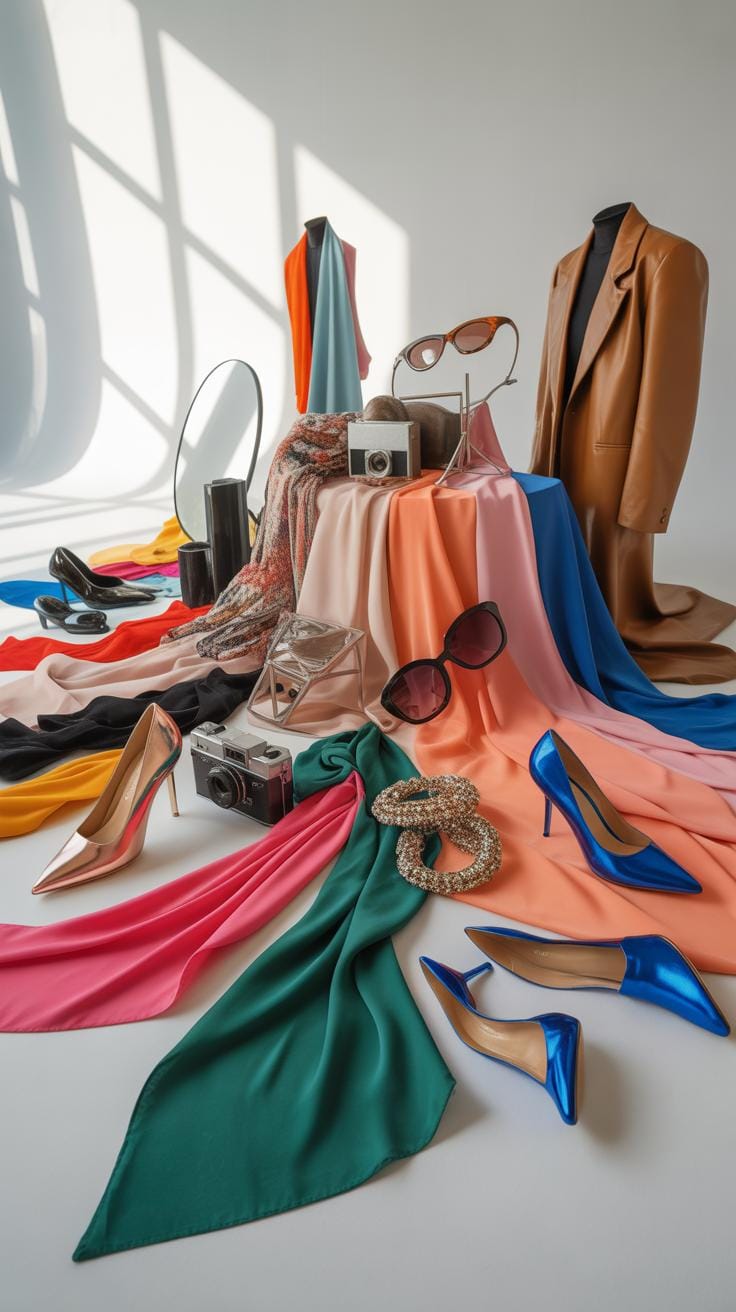
When assembling elements for stylish digital camera photos, picking clothes that both attract and fit the theme is key. A few staples I think you can’t go wrong with include well-fitted jackets or structured dresses that add form. Shoes often get overlooked but can be make-or-break: pointed flats or sleek boots give polish, while statement heels draw immediate attention.
Coordination isn’t just about matching colors; it’s about creating a vibe. Earth tones pair well with denim and leather for a casual but chic look. Bright colors can pop beautifully against neutral backgrounds, but be cautious of clashing patterns that don’t play nicely together.
Props provide personality. Consider hats for vintage feels or scarves for movement and texture. Jewelry—big or delicate—can catch the light in interesting ways, adding sparkle and depth. I once used a wide-brimmed hat, and it instantly transformed the shot’s mood.
Selecting Clothes For The Camera
Choosing what to wear for photos demands more thought than you might expect. Clothes with small, busy patterns tend to create odd visual noise on camera, often causing distraction. Simple, solid colors or subtle textures generally perform better.
Fit matters more than trendiness here. Oversized or extremely tight clothes can create unflattering lines or bunching. Fabrics with a bit of sheen like satin capture light well but might reflect too much under certain lights—cotton and wool usually photograph more consistently.
You should also think about movement. Some fabrics flow gracefully, adding life to static poses, whereas stiff materials can look rigid and dull. There’s no perfect formula; a bit of trial and error helps you groom your ideal on-camera style.
Using Props To Add Interest
Props that tell a story or add layers make photos stand apart. Hats, for instance, offer a head-turning element but work best when they don’t obscure the face entirely (unless you want mystery, of course). Scarves can evoke softness and motion—they flutter beautifully in outdoor shots.
Jewelry such as chunky necklaces or delicate bracelets catches light and adds subtle glamour. Sunglasses inject attitude and can shield the eyes, adding an edge. Other thoughtful props might be a vintage camera, a bold handbag, or even a book; these tell an unspoken narrative, but be sure they don’t overshadow the subject.
Overall, the key is balance. A few well-chosen items, coordinated yet contrasting thoughtfully, create intrigue without chaos. Isn’t that the fine line between memorable and messy? Finding it will enhance your shots like nothing else.
Camera Accessories Checklist MustHave Items for Stylish Digital Camera Photos
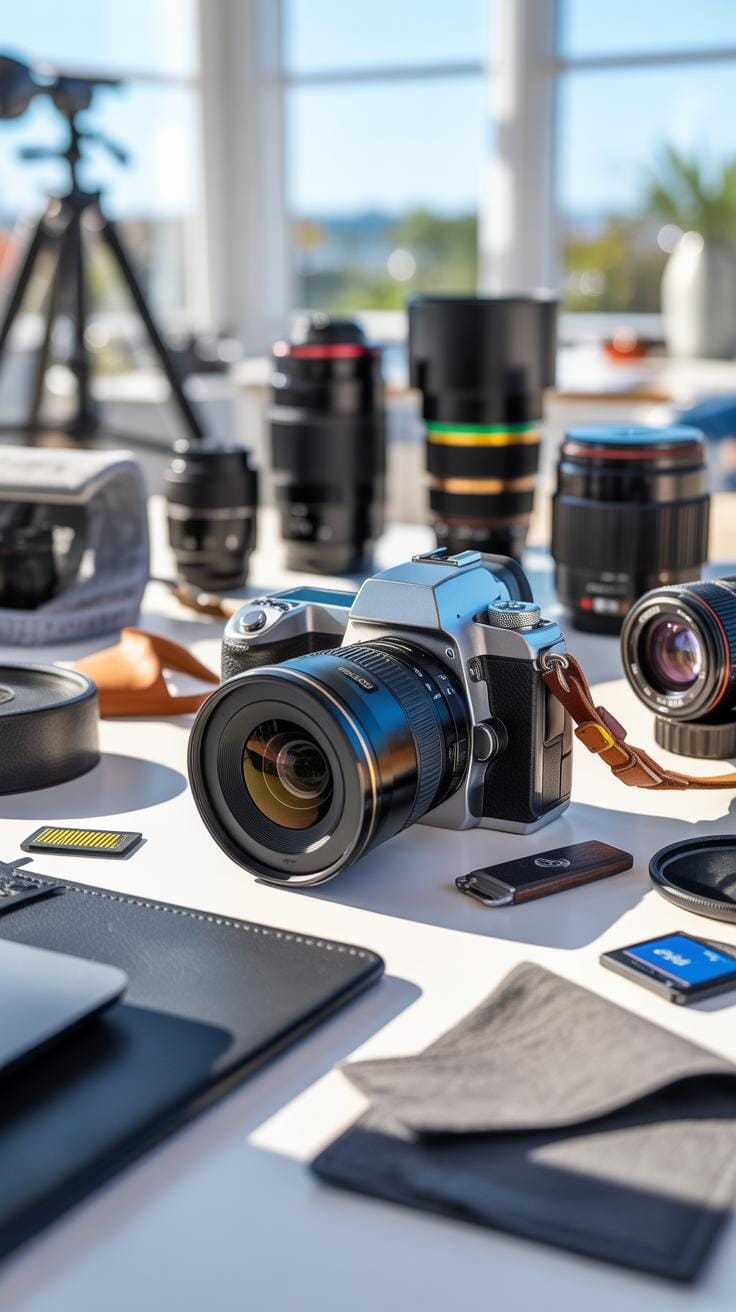
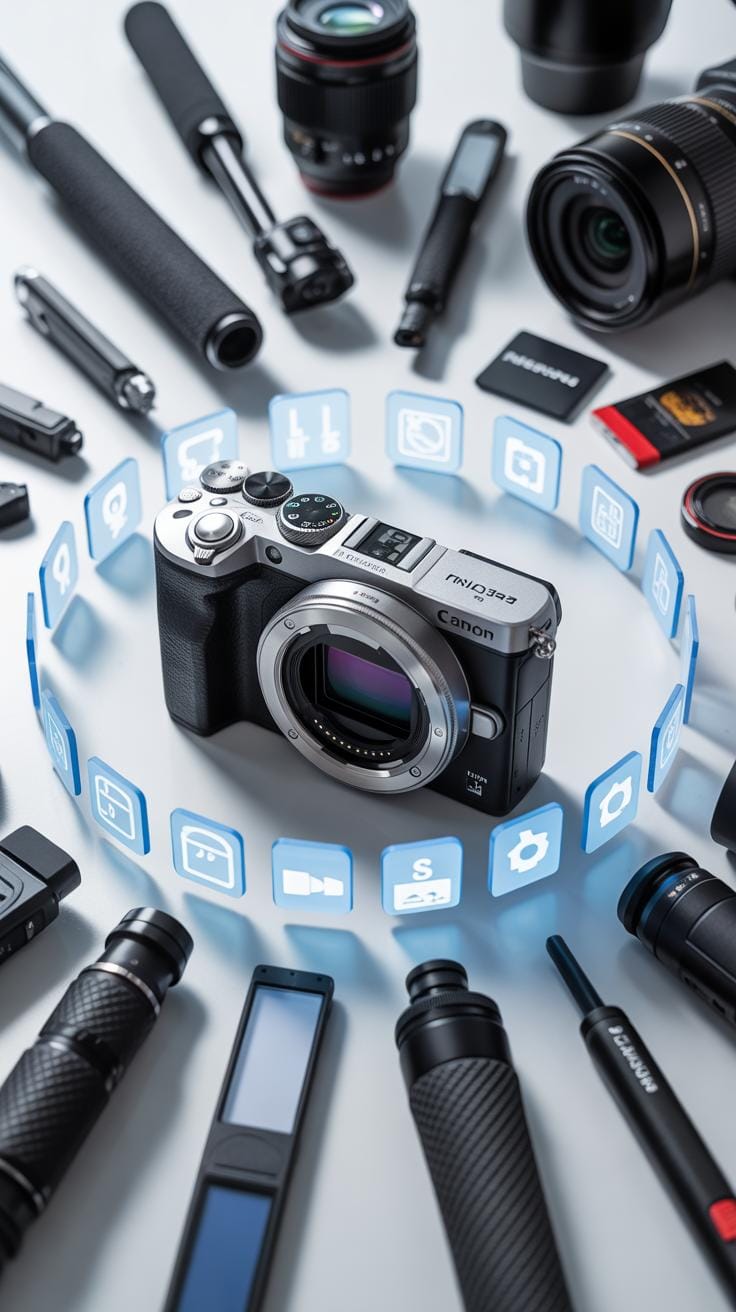
When you think about upgrading your photography game, it’s not just about the camera itself. There’s a whole range of accessories that can make your shooting experience smoother and your photos sharper. For starters, memory cards are crucial—you don’t want to run out of storage mid-session. Consider buying a few cards with high write speeds to keep up with burst shooting or 4K video.
Tripods are another staple. They stabilize your camera and open doors to long-exposure shots or self-portraits you might otherwise miss. A sturdy tripod doesn’t have to be costly but look for one that’s easy to carry and adjust.
Cleaning kits might seem minor but trust me, smudges or dust on your lens can wreck your shots. A basic kit generally includes lens cloths, brushes, and cleaning solution. Having one on hand feels handy more often than you’d expect.
Camera bags often get overlooked but they’re essential for protecting your gear during travel. Look for bags that can be customized inside with padding and compartments, so your camera and accessories stay organized. Comfort in carrying matters too—after all, a heavy or awkward bag can ruin your shooting day.
When picking these accessories, brands matter. You want reliability without always paying top dollar. Read reviews, maybe ask fellow photographers about their experiences. Some brands stick to basics but nail quality, while others offer innovative features but at inconsistent performance. It’s worth spending a bit more for durability, as cheap accessories might fail at the worst moments.
Editing Software For Stylish Photos
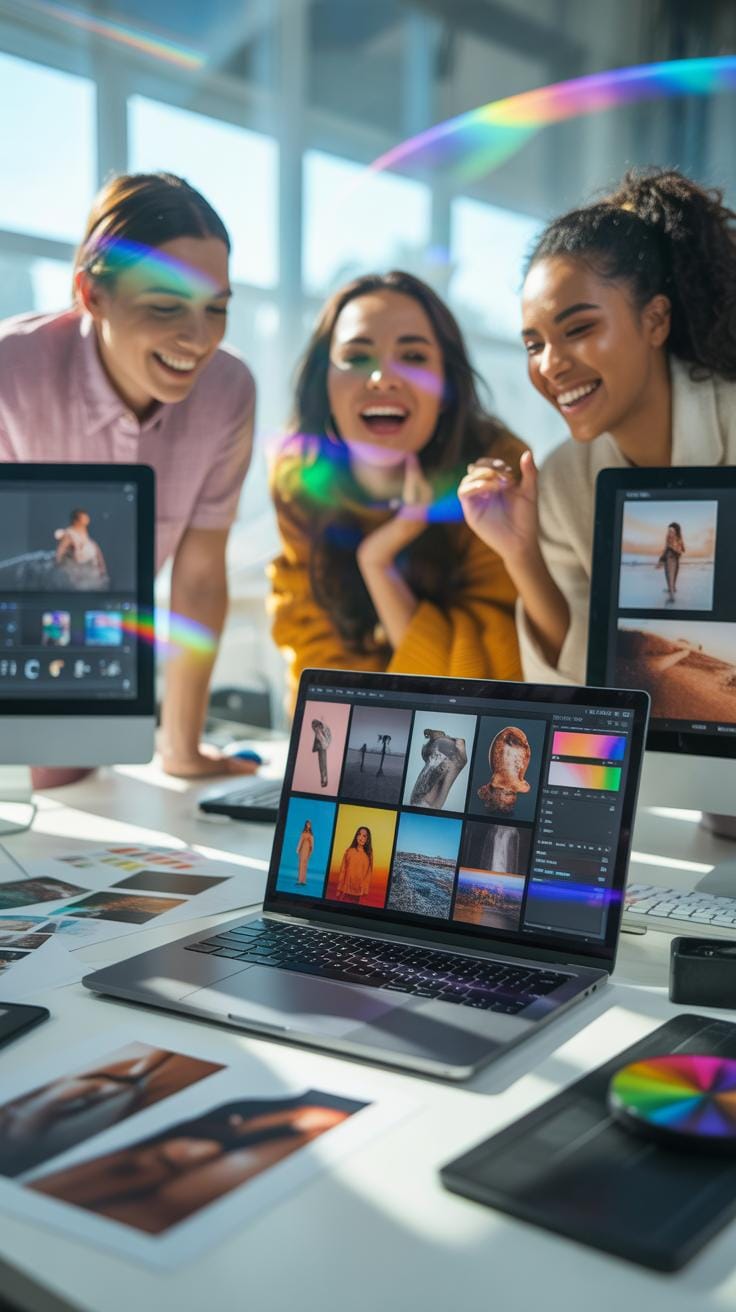
When it comes to enhancing your digital photos after the shoot, having the right editing software can make a huge difference. There are quite a few popular options out there, each with its own strengths. For someone just starting, I think user-friendly tools are key; you don’t want to feel overwhelmed by a complicated interface right away. Programs like Adobe Lightroom and Photoshop are well-known, of course, but simpler apps like Snapseed or VSCO can be surprisingly effective and a bit less intimidating.
Choosing between free and paid software can be tricky. Free tools often cover the basics well—cropping, straightening, basic color tweaks, and filters—yet they might lack the polish and extra features that professionals often use. Paid software tends to offer deeper control, more fine-tuning, and additional capabilities like layers or advanced retouching, but sometimes, the results aren’t dramatically better for casual use.
Some basic edits really elevate your photos and shouldn’t be overlooked. Cropping to improve composition can change the story your image tells. Color correction, tweaking brightness or contrast, shifts the mood. And retouching, even just removing a stray hair or smoothing skin a little, can make portraits look more polished. Try playing around with these edits yourself—you might find that small changes create a bigger impact than you expected.
How To Organize Your Photos Efficiently

Organizing your digital camera photos starts with a clear plan. You might think sorting by date is enough, but there’s more to consider. Try categorizing by events or themes, such as travel, fashion shoots, or everyday moments. This way, finding specific photos later becomes easier.
Renaming files with descriptive titles also helps prevent confusion. Take a moment to tag photos with keywords. It sounds tedious, but it pays off when you’re searching through heaps of images later on. Sometimes I skip this step, but then regret it when looking for a particular shot.
Using folders and subfolders can keep things tidy. For example:
- 2024_Photos > January > Fashion_Projects
- 2024_Photos > March > Travel_Paris
Consistency is key here, but don’t stress if you miss a folder now and then. Just try to revisit and fix it occasionally so messes don’t pile up.
Using Cloud Storage Services
Cloud storage offers a handy solution for backups and remote access. Services like Google Photos, Dropbox, or iCloud let you upload photos directly from your camera or phone. You get to access your collection from multiple devices — pretty handy when inspiration hits away from your main computer.
Besides convenience, cloud storage shields your photos from hardware failures or accidental deletions. However, keep in mind some services limit free storage or compress images, which might affect quality. For serious photographers, investing in premium plans or specialized photo storage may be worthwhile.
Another point: uploading large files can be time-consuming, so robust internet matters. Some backup services also offer automatic syncing, reducing the hassle of manual uploads. But be cautious about privacy settings and permissions when using any cloud platform.
Local Storage And Backup Plans
While clouds are great, local storage remains essential. External hard drives or solid-state drives (SSDs) provide fast access and no dependence on internet connection. Back up your photo library on at least two different drives. This reduces the risk of losing everything if one fails.
Setting up routine backup schedules is helpful — weekly or monthly depending on how often you shoot. It might sound overkill, but losing priceless images hurts more than a few minutes spent on backups.
Consider organizing your backups by date with clear labels. For example, “Photos_Backup_March2024.” Archiving older photos to separate drives frees up space on your main working drives.
One suggestion: use software that verifies backup integrity. It may feel technical, but even simple tools can alert you if something goes wrong during transfer.
Still, nothing beats a mix of local and cloud storage to balance speed, security, and accessibility. So, maybe try both and adjust as you learn what works best for you and your photo habits.
Tips For Taking Stylish Photos
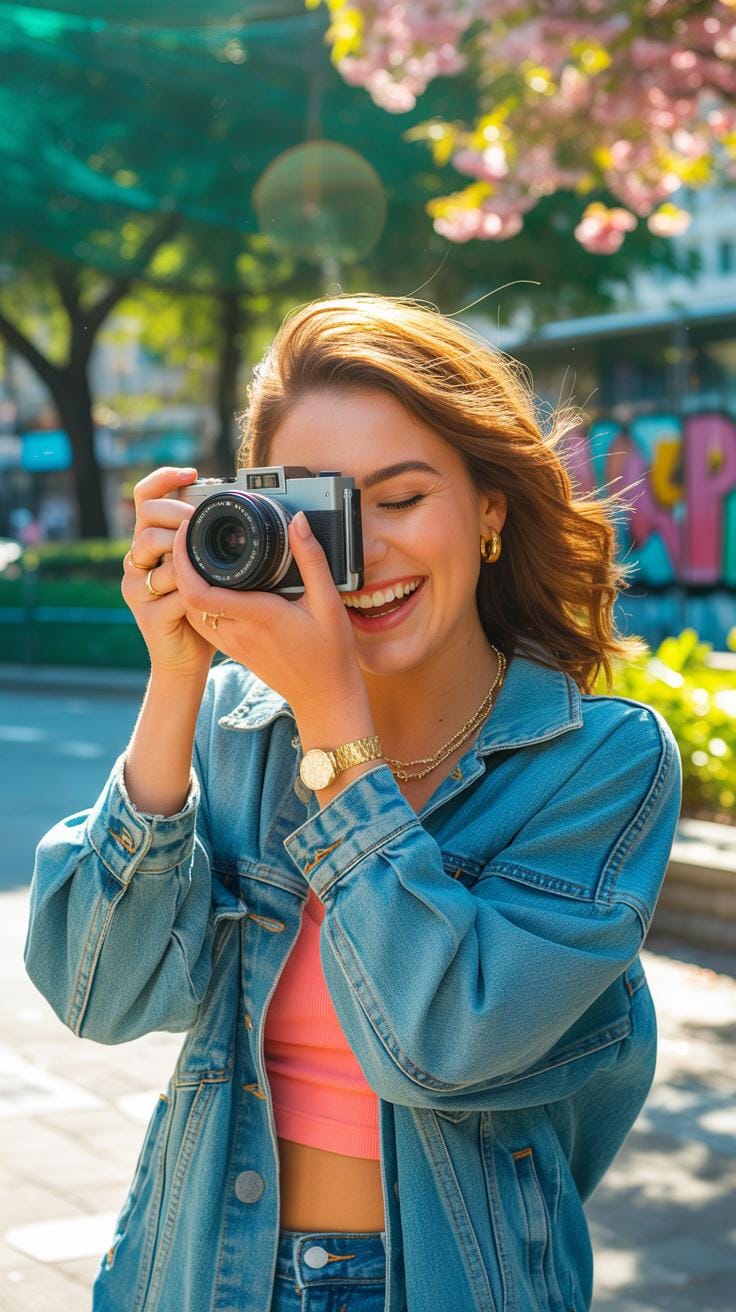
When aiming for stylish photos, composition isn’t just about following rules blindly. It’s about playing with them in ways that feel right to you. Take the rule of thirds as a starting point—imagine splitting your frame into nine equal segments and placing your subject along those lines or intersections. It tends to create balance but don’t hesitate to break it sometimes; off-center subjects can add unexpected energy.
Leading lines naturally guide the viewer’s eye through your image. Roads, fences, or shadows help lead attention where you want it to go. But watch out—too many lines crisscrossing can confuse. Choose your main pathway carefully.
Framing uses elements within the scene to hold your subject, like a window or tree branches around a person. It draws focus, but again, too much framing can feel cluttered, so finding a subtle balance is key.
Posing Models For Fashion Images
Directing a model means more than just issuing commands; it’s about making them comfortable to bring out natural expressions and postures. Instead of stiff or forced poses, try simple actions like shifting weight from one leg to another or looking away thoughtfully.
Encourage movement—small gestures like brushing hair back or adjusting an accessory often look candid, not staged. Sometimes the best shots come from unexpected moments when the model relaxes between poses, so keep your camera ready.
Think about angles too. Tilting the head slightly or elongating the neck can add elegance, but not every pose suits all body types. It’s helpful to experiment and see what feels best in real time rather than relying solely on fixed “rules.”
Where To Buy Affordable Fashion And Camera Gear
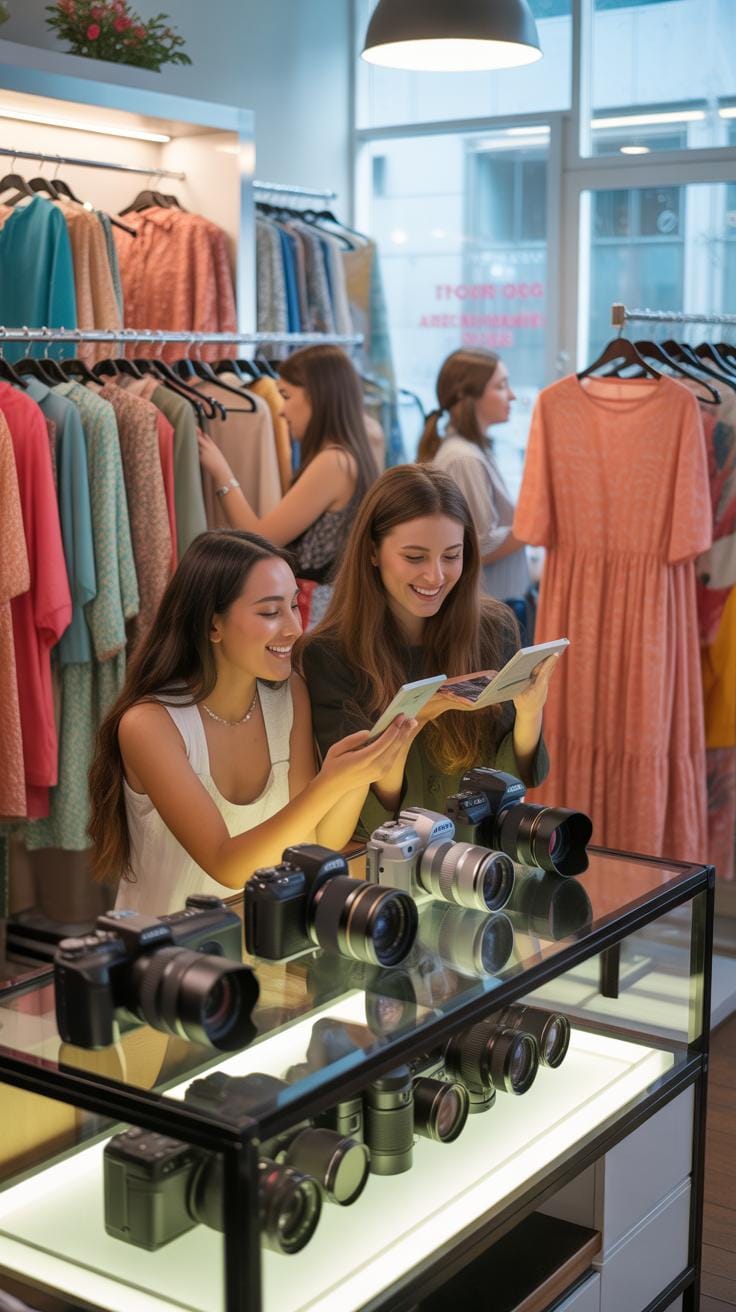
Online Shopping Platforms
When hunting for budget-friendly fashion and camera gear, the internet is your biggest ally. Sites like Amazon, eBay, and Etsy offer a vast range of items, often at reasonable prices. For fashion, platforms such as Shein and Depop are popular—Shein for trendy yet affordable pieces and Depop for vintage and unique finds from individual sellers. Camera accessories? Think B&H Photo Video or Adorama; they combine decent prices with reliable customer service.
While shopping online, always check reviews and ratings. It might seem obvious, but sometimes people overlook this and end up with low-quality gear or clothes that don’t fit well. Also, returning items can be a hassle, so measure twice and read product descriptions carefully.
Local Stores And Secondhand Options
Don’t underestimate your local shops. Thrift stores and flea markets can be treasure troves for unique fashion pieces and sometimes even camera equipment. There’s something satisfying about finding a vintage jacket or old-school camera bag that adds character to your photos. Plus, prices tend to be reasonable, and you get the chance to try things on or inspect gear firsthand.
Secondhand camera gear shops, though more specialized, often offer great deals on well-maintained equipment. Visiting small camera stores can also result in expert advice and trustworthy warranties, which you won’t get with unknown online sellers.
Exploring these options might take more time, but the potential for scoring something affordable and distinctive is worth it. Perhaps this route will become your new favorite way to shop, mixing practicality with a little unpredictable fun.
Conclusions
Choosing the right things to buy for your digital camera and fashion photography can greatly improve the outcome of your photos. Accessories like lenses, tripods, and lighting gear help capture sharp and well-lit images. Fashion items such as clothing and props add style and personality to your shots.
Focusing on these items will give you more control and creativity in your photography. Keep experimenting with your gear and fashion elements to find what works best for your unique style and vision. With the right purchases, your photos will stand out and impress viewers.